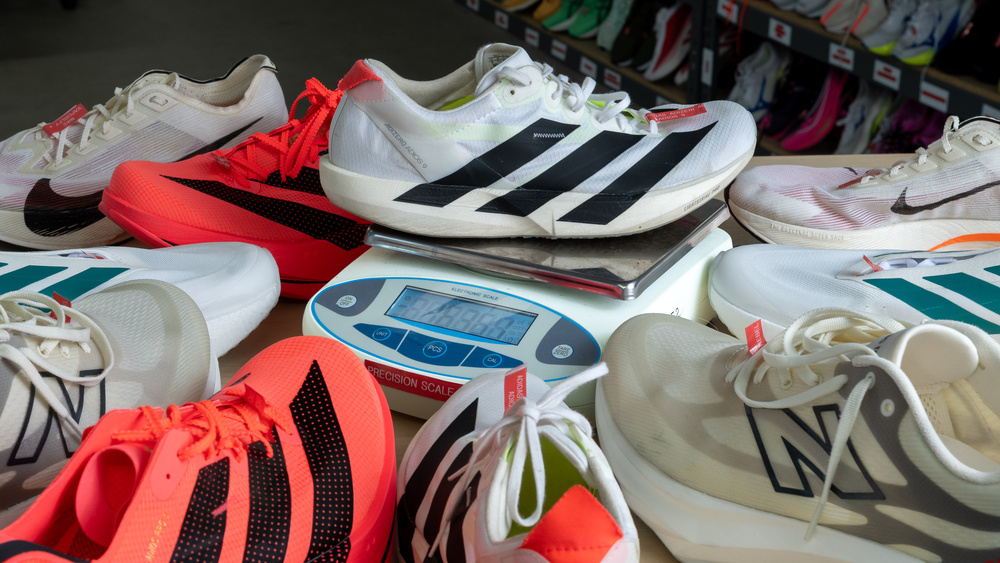
The best lightweight running shoes aren't always simply the lightest running shoes. Cutting weight can make a shoe easier and less tiring to run in, and make it easier to turn your legs over quickly or change pace. However, removing too much material can lead to harsher landings, less shock absorption, or an unstable platform. The best lightweight running shoes need to balance their low weight with enough protection, support, and performance for your intended use.
To make choosing between them easier, here's what to pay particular attention to (and what it means for you):
Weight: We consider a shoe lightweight if it weighs below 220 g. For context, the average daily trainer is around 260 g. For racing, the best shoes are typically less than 200g.
Stability: Lower weight can mean the shoe has softer foam or less structural material, but it still needs to be reliable enough for the intended use. A score of 7.5+ is good for daily training; racing shoes are typically more unstable by design.
Cushioning: A light shoe shouldn't automatically mean a harsh one. A score of 7.5+ offers good protection from the road overall.
Energy Return: How much of the energy you put into the shoe comes back after each step. A score of 7.5+ is good, while 8+ is great. More energy return can make the shoe easier to run in.
Stack Height: How much material sits between your foot and the road. Lower-stack shoes keep you closer to the ground but can often be harsher, while taller shoes have more cushioning but can be less stable. Taller stacks can also add weight, though some modern foams allow shoes to combine deep cushioning and amazing energy return without becoming very heavy.
We've tested over 300 running shoes, and below are our picks of the best across a range of different usages. If you're new to running and looking for your first pair, check out our best beginner running shoes. If comfort matters most, check out the most comfortable running shoes. If you just want the best pair, check out the best running shoes.
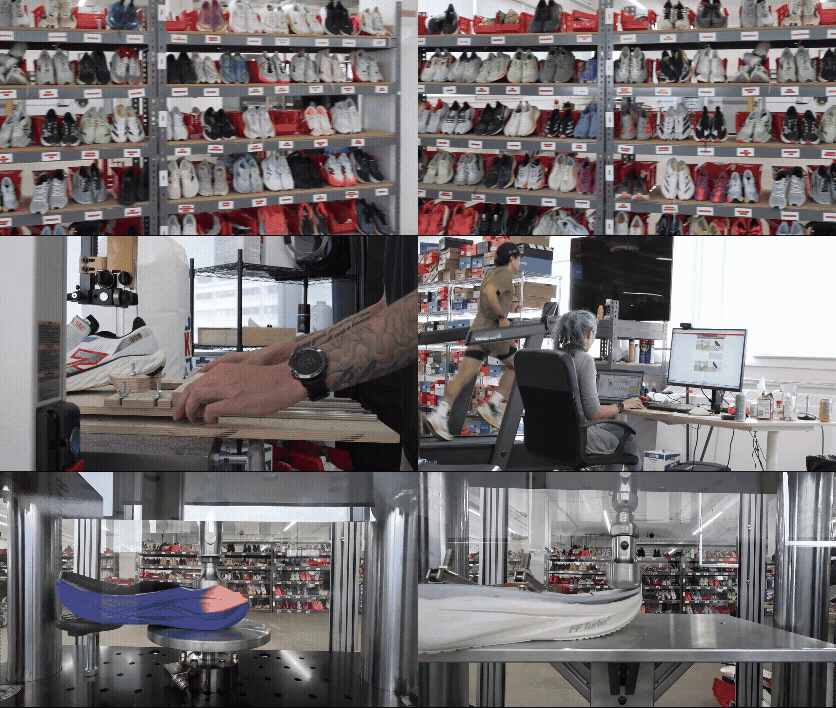
We've bought and tested more than 300 running shoes. Every pair purchased with our own money, never supplied or sponsored by brands. Our data-driven tests are designed to go beyond marketing claims, and since every shoe goes through the exact same methodology, you can directly compare results to find the right pair for your needs.
-
Best Lightweight Running Shoes
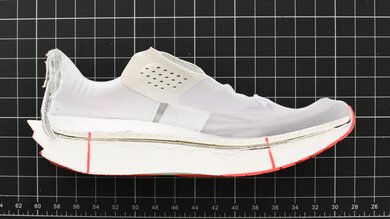
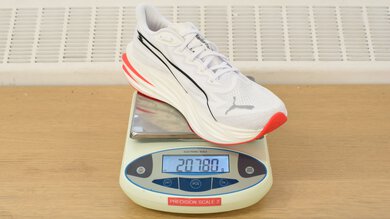
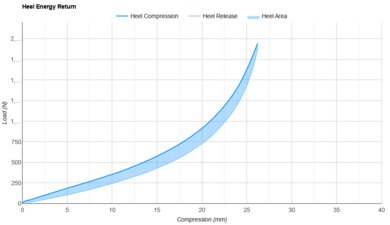
 Daily Training7.7Half/Full Marathon Racing7.55K/10K Racing7.4Stability7.9Cushioning7.6Energy Return7.8Weight:202.6 g (7.14 oz)Heel Stack Height:38.2 mmSee all our test resultsForefoot Stack Height:28.2 mm
If you're looking for one lightweight shoe to cover your regular weekly miles, the PUMA Deviate Pure NITRO is the best we've tested for most runners, combining the low weight of a racing shoe with the cushioning and stability needed for everyday running. Its broad platform gives you a planted base, whether you're running easy or picking up the pace, so the shoe never feels flimsy or difficult to trust despite its low weight. It's also very deeply cushioned for such a light shoe, protecting your legs from road impact, while its very good energy return makes faster running less demanding. It's a great option for regular miles and quicker workouts, providing a reasonable amount of spring to help your legs turn over. While it can get you through a marathon if you're not chasing all-out speed, its cushioning is considerably harsher after the first 10 km, so it's better suited to shorter distances.
It's also not particularly smooth through the stride, and its cushioning becomes less protective as more force is applied, especially at the forefoot. The arch also runs narrow, and there's no wide sizing, though there are plenty of colorways to choose from.
-
Best Budget Lightweight Running Shoes
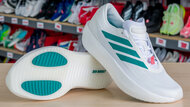
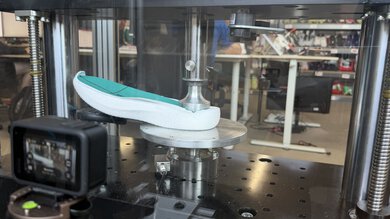
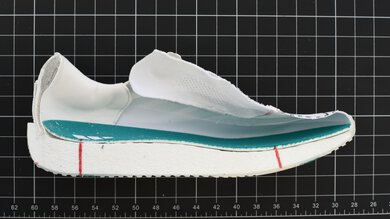
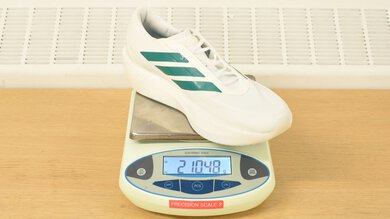
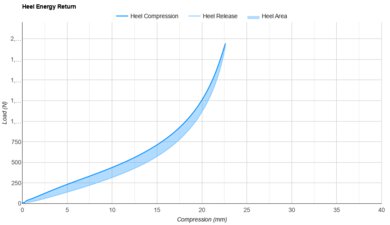 Daily Training7.5Half/Full Marathon Racing6.55K/10K Racing7.5Stability7.9Cushioning6.3Energy Return7.9Weight:209.0 g (7.37 oz)Heel Stack Height:33.1 mmSee all our test resultsForefoot Stack Height:27.3 mm
If you still want a lightweight running shoe for regular miles and shorter, faster runs but are on a tight budget, the adidas Zenboost still gets a lot right. It's a bit heavier than our top pick, and you give up a lot of shock absorption for the lower price. Most noticeably, it's significantly firmer and less cushioned, so landings feel harsher from the start and your legs will feel considerably more of the road, especially if your runs stretch beyond 10 km. It's also not quite as smooth through the stride, and benefits runners who stomp rather than let the shoe rock them through their stride.
Even so, it's still a good lightweight shoe for daily miles and shorter efforts, and it returns slightly more energy than our top pick, so you get plenty of help when you want to run quicker. It also sits much lower to the ground, giving you a more direct feel without adding much weight, while the firm platform keeps the shoe very stable. The heel is quite narrow, though, so rearfoot landings may feel less secure than they do in the PUMA Deviate Pure NITRO. There's no wide sizing either, and there are fewer colorways to choose from. If you're looking to get the most for your money and don't care too much about weight, check out our top picks for cheap running shoes.
-
Best Lightweight Running Shoes For Long Runs
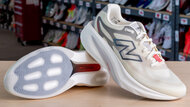
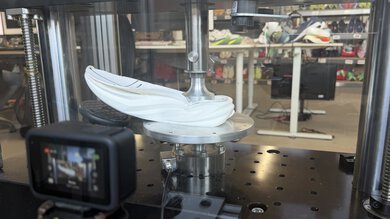
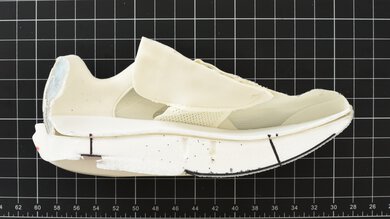
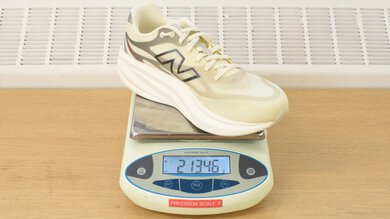
 Daily Training6.8Half/Full Marathon Racing8.05K/10K Racing7.0Stability6.2Cushioning8.7Energy Return8.7Weight:213.3 g (7.52 oz)Heel Stack Height:40.2 mmSee all our test resultsForefoot Stack Height:32.7 mm
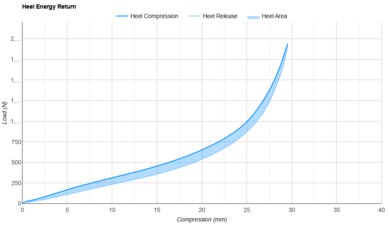
If your weekly long runs usually stretch beyond 20 km and you're looking for a lightweight shoe to tackle them, the New Balance SuperComp Rebel is the best we've tested. It balances low weight with cushioning that holds up impressively over longer distances and a smooth, efficient ride, helping you keep your legs turning over without sacrificing protection. It's more expensive and heavier than either of the two picks above, but it shields your legs from significantly more road impact and maintains very good protection over 50 km of continuous running. Its excellent energy return makes longer efforts less demanding, while the plastic-plated, springier platform provides plenty of rebound with each step. It can even handle a marathon impressively, so it's a great option if you want one lightweight shoe for long runs that can also cover race day, though our dedicated racing pick further down is better if speed is the priority. It also comes in a wide version, though there are very few colorways to choose from.
However, its platform is much narrower and softer than either of the two picks above, so you give up a lot of stability for that extra cushioning and spring. Its stability is still acceptable for most runners, but you'll need to be more careful on tired legs. If you're looking for a true recovery shoe, you may be better served by one of our picks for long-distance running.
-
Best Lightweight Running Shoes For 5K/10K Racing
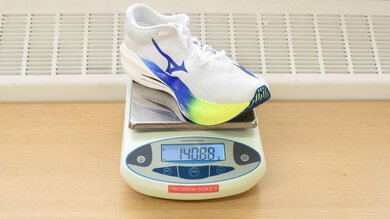
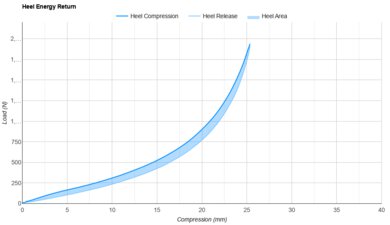 Daily Training6.3Half/Full Marathon Racing8.15K/10K Racing8.7Stability6.9Cushioning7.6Energy Return8.6Weight:139.1 g (4.91 oz)Heel Stack Height:33.9 mmSee all our test resultsForefoot Stack Height:29.7 mm
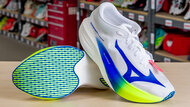
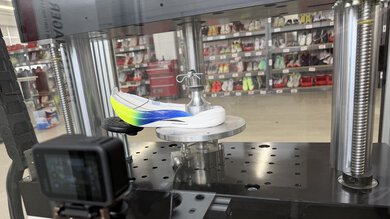
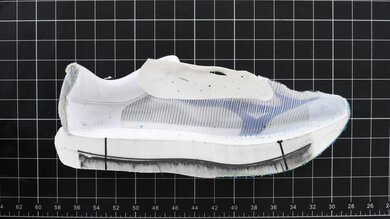
If you're looking for the best lightweight running shoe for 5K and 10K racing, the Mizuno Hyperwarp Pure can't be beat. While the picks above work well for shorter races, this is a purpose-built, carbon-plated racer designed to help you chase your fastest time. It's a true featherweight, weighing less than a hockey puck, meaning there's very little shoe to carry when you're trying to turn your legs over quickly. It also returns an excellent amount of energy and is impressively springy, rewarding the effort you put into each stride and making it easier to push and maintain a fast and explosive speed. Despite how stripped-back it is, you don't have to settle for a harsh ride either, with good cushioning to keep your legs protected as you chase a personal best. It's reasonably stable for a racing shoe too, with a relatively wide platform that makes it easy to trust when overtaking or cornering.
Unlike our picks above, this isn't a shoe to use for long runs or regular weekly miles. Its aggressive carbon-plated design is built to run fast, and the low drop puts more emphasis on the front of the shoe, so it suits runners who naturally land farther forward much better than heel strikers. The cushioning is also significantly harsher through the rearfoot, so if you load the heel heavily, you'll feel much more impact through each landing. The arch is also very narrow; there's no wide sizing, and the shoe runs short, giving it a snug race fit that can squeeze runners who need more room. It's also the most expensive shoe on this list and only comes in one color. If any of those are dealbreakers, check out our picks for the best 5K/10K racing shoes instead.
-
Best Lightweight Running Shoes For Marathon Racing
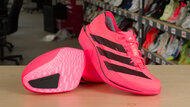
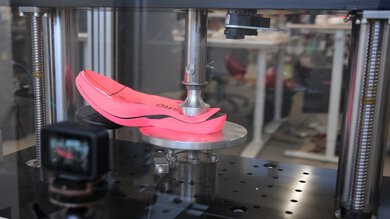
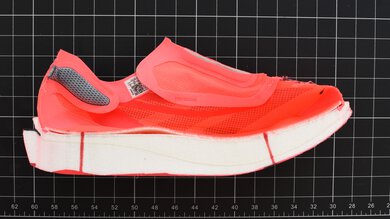
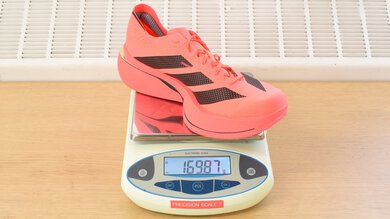
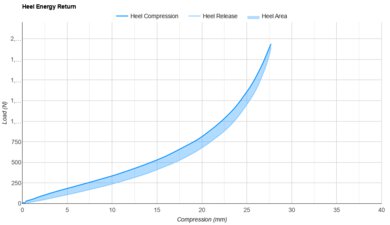 Daily Training6.2Half/Full Marathon Racing8.55K/10K Racing8.0Stability5.8Cushioning8.4Energy Return8.7Weight:170.3 g (6.01 oz)Heel Stack Height:38.2 mmSee all our test resultsForefoot Stack Height:30.9 mm
If you're looking for a lightweight racing shoe to chase a personal best in the marathon or half-marathon, the adidas Adizero Adios Pro 5 is the best we've tested for most runners, thanks to its deep cushioning and energetic ride that help you maintain race pace efficiently. It takes its direction from the adidas Adizero Adios Pro Evo 3, worn during the first official sub-two-hour marathon and among the lightest shoes we've tested. However, it turns that extreme concept into something far more accessible for regular runners chasing a fast time. It's much lighter than our best long-run pick, the New Balance SuperComp Rebel, so there's considerably less shoe to carry over the distance, making quick turnover easier and less tiring when every second counts. The excellent cushioning also holds up impressively deep into a marathon, while the excellent energy return gives you plenty back from every stride. There's a lot of leverage in its carbon-plated design to help you push off quickly, along with a good amount of spring and a smooth rolling motion that helps you settle into race pace with ease.
It's not particularly stable, though, with a very narrow heel and soft forefoot, so you'll need to be careful when cornering or when your form breaks down late in a race. It's also too race-focused for regular weekly miles. The fit is restrictive too: the arch is narrow, the toe box sits quite low, and there's no wide sizing, so runners who need more room should check out our top picks for marathon racing. There are only two colorways available at the time of writing.
-
Best Lightweight Racing Flat Running Shoes
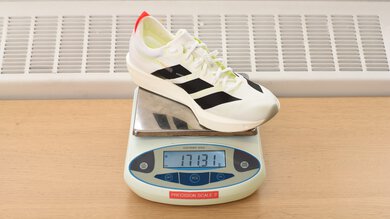
 Daily Training6.8Half/Full Marathon Racing5.85K/10K Racing7.6Stability7.7Cushioning4.5Energy Return8.1Weight:173.1 g (6.10 oz)Heel Stack Height:27.1 mmSee all our test resultsForefoot Stack Height:19.5 mm
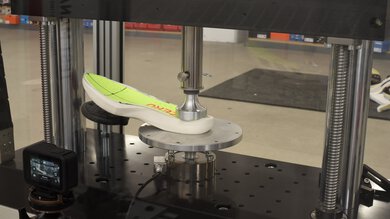
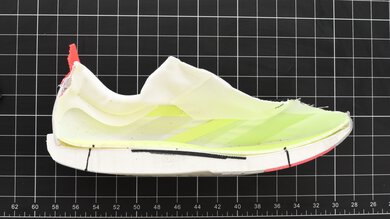
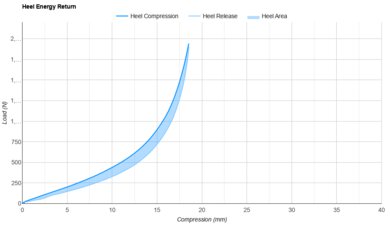
If you prefer the close-to-the-road feel of traditional lightweight racing shoes with low stacks and firm platforms, the adidas Adizero Adios 9 is the best we've tested. Its stripped-back racing-flat design makes quick turnover easier during shorter races and hard workouts, while providing an exceptionally direct connection to the road. It weighs slightly more than our marathon pick above but significantly less than our top pick, the PUMA Deviate Pure NITRO. Its heel stack is lower than the forefoot stack of every other shoe on this list, and even doubling the foam beneath its forefoot wouldn't match the heel stack of our best long-run pick, the New Balance SuperComp Rebel. It's also the firmest shoe here, so you don't sink into the platform. Its plated design provides excellent energy return that rewards a quick cadence, though the shoe doesn't roll you forward much, making it a useful training tool for strengthening your stabilizer muscles.
However, you give up considerable protection for that ground-hugging design. Its poor cushioning makes landings much harsher than in our other picks, so most runners won't want to take it beyond shorter races or hard workouts. There's also very little spring, and the limited assistance with rolling through your stride makes running more demanding. The fit isn't great either: it runs short, the arch is snug, there's limited room above the toes, and there's no wide sizing. Like our marathon pick above, it only comes in two colorways.
Notable Mentions
-
Dynafish Xiaonian:
The Dynafish Xiaonian is a lighter alternative to our top pick, the PUMA Deviate Pure NITRO. You get significantly more cushioning and rebound, though it's softer and less stable, and it can be harder to find in Western markets, with longer delivery times.
See our review -
Topo Specter 3:
The Topo Specter 3 is an alternative to our long-run pick, the New Balance SuperComp Rebel. It's slightly heavier, but has better long-run cushioning and returns a bit more energy. However, the New Balance is more stable, and the Topo can be hard to get.
See our review -
Nike Vaporfly 4:
The Nike Vaporfly 4 is an alternative to our 5K/10K racing pick, the Mizuno Hyperwarp Pure. It's heavier and doesn't offer the same cushioning, stability, or energy return as the Mizuno, but it still performs excellently for shorter races and has a more accommodating fit.
See our review -
ASICS METASLEEK:
The ASICS METASLEEK is an alternative to the adidas Adizero Adios 9 if you want an even lighter, similarly low-profile shoe and don't mind paying significantly more. It weighs significantly less, returns a bit more energy, and provides more cushioning overall. The adidas is much more stable, though, and does a better job of delivering the firm, planted, old-school racing-flat feel for far less money.
See our review
All Reviews
Our recommendations above are what we currently consider the best lightweight running shoes for most people. The lightest running shoes don't automatically make the best picks either, since cutting too much weight can come at the expense of performance. We also consider price, user feedback, and availability; we don't recommend shoes that are hard to find or nearly sold out.
If you'd rather decide for yourself, check out our full list of running shoe reviews. There's no perfect lightweight running shoe for everyone: your running mechanics, goals, and personal preferences will all matter most.