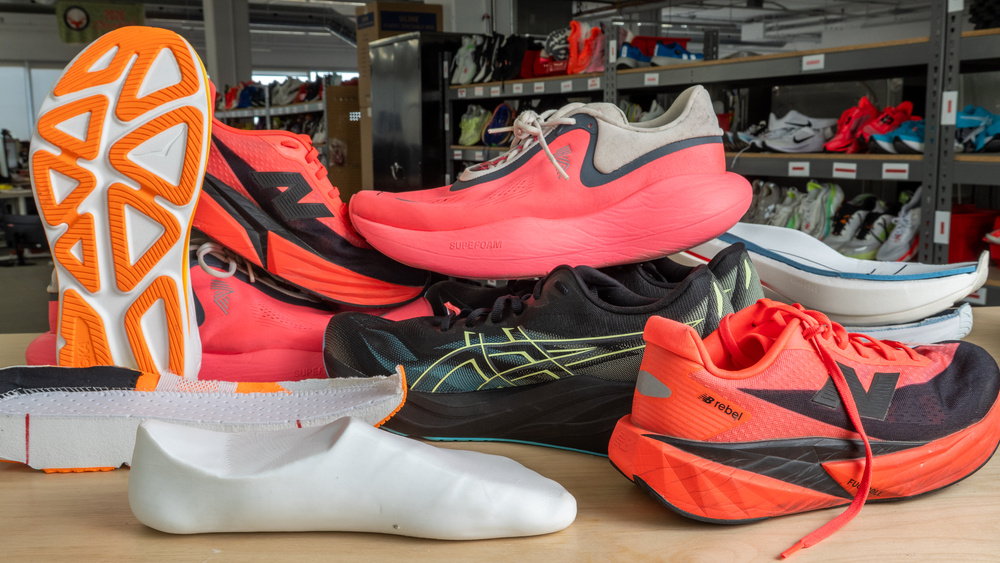
If you have flat feet, your arches sit low or flatten when you stand, so more of the middle of your foot touches the ground. A narrow fit through a shoe's arch can press on that area, and a narrow outsole gives it less to land on. However, flat feet don't automatically mean you need a stability shoe. Our picks are for flexible flat feet, where the arch returns when you rise onto your toes. If yours stay flat, it may have a structural cause shoes can't correct, so if you have persistent pain, consult a medical professional.
Below is what to pay particular attention to when comparing shoes. You can also hover over the question marks above each pick to see how they compare to our database:
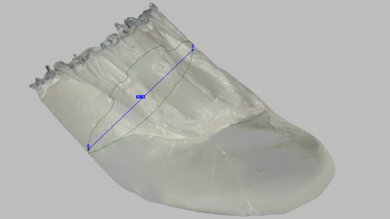
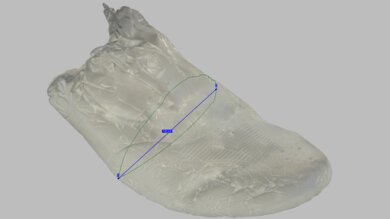
Arch Fit: Width: How wide the shoe is through the arch compared with our reference fit. A roomier fit means less pressure against the middle of your foot, and 0 mm or more means it's at least as roomy as our baseline.
Outsole Arch Width: How wide the sole is beneath your midfoot, where flat feet touch down more. A broader base gives a flat foot more to land on. 81 mm or more puts a shoe among the widest we've tested.
Removable Insoles: If you use custom orthotics or other inserts, removable insoles can make them easier to fit inside your shoes. All our picks have removable insoles.
Wide Sizing: If your feet are wide and flat, a wide version can provide extra space without needing to size up in length.
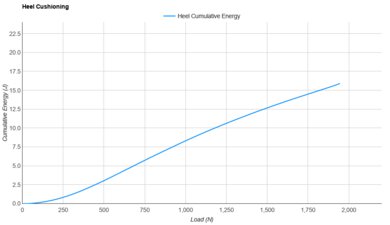
Cushioning: How much road impact a shoe absorbs. A score of 7+ is decent. Flat feet don't automatically require extra cushioning, but more cushioning will reduce road impact.
We've tested over 300 running shoes, and below are our recommendations for the best running shoes for flat feet. If you have wider feet, see our recommendations for the best running shoes for wide feet. If you're a heavier runner, check out our top picks for heavier runners. If you're just looking for the best shoe possible, check out our picks for the best running shoes.
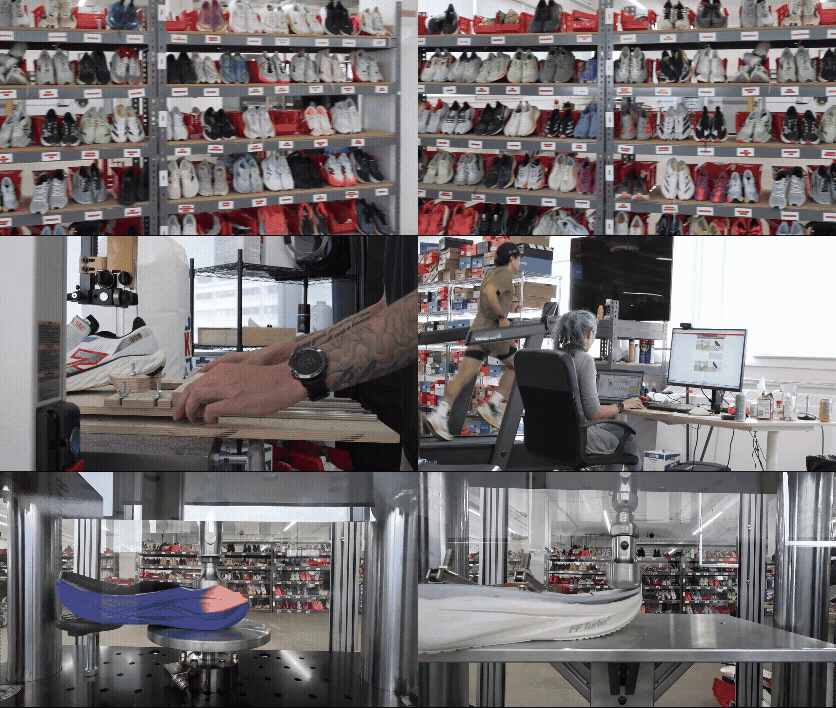
We've bought and tested more than 300 running shoes. Every pair purchased with our own money, never supplied or sponsored by brands. Our data-driven tests are designed to go beyond marketing claims, and since every shoe goes through the exact same methodology, you can directly compare results to find the right pair for your needs.
-
Best Running Shoes For Flat Feet


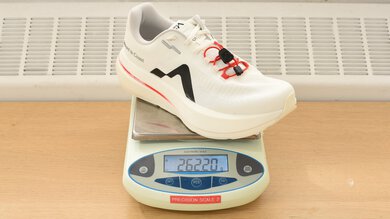
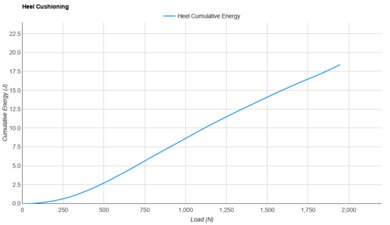
 Cushioning8.4Arch Fit: Width:Outsole Arch Width:82 mm (3.2")See all our test resultsWide Sizing Available:No
The best running shoes for flat feet we've tested are the Mount to Coast C1. If you struggle to find a comfortable running shoe without compromising performance, this shoe offers plenty of width through the arch, so the middle of your foot is less likely to feel pressure. The outsole is broad under the midfoot, too, giving your foot a wide base to land on. Despite feeling quite firm underfoot, its cushioning does an impressive job of protecting your legs from road impact. It does a great job over longer runs, too, making it a great option for everything from regular training to building up your mileage.
The standard fit is already very roomy, despite the lack of wide sizing. Its dual-lacing system also lets you loosen the forefoot without compromising the fit elsewhere, which is handy when your feet swell on longer runs. That said, its modest energy return and weight make faster running harder work, so it's more at home on relaxed weekly miles than racing.
-
Best Mid-Range Running Shoes For Flat Feet

 Cushioning7.2Arch Fit: Width:Outsole Arch Width:88 mm (3.5")See all our test resultsWide Sizing Available:Yes
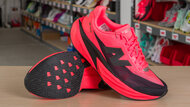
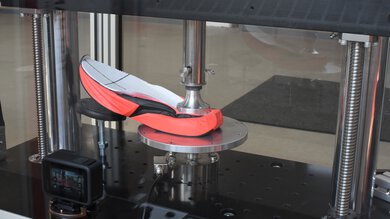
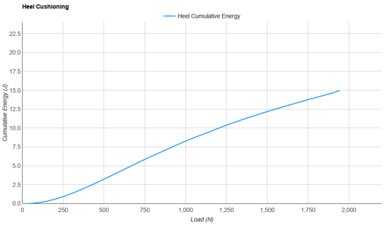
If you're willing to give up some cushioning to save money, the New Balance FuelCell Rebel v5 is the best mid-range running shoe for flat feet we've tested. Like our top pick, the Mount to Coast C1, it has a roomy arch, but there's slightly more width through the middle of the shoe if your feet usually feel pinched in running shoes. Its outsole is also wider under the midfoot, providing an even more stable landing. Plus, it comes in wide sizing, which the Mount to Coast doesn't offer. You don't get nearly as much impact protection, though. There's decent cushioning for regular runs, but the forefoot feels harsher, and your legs won't be as well protected once the miles start adding up. The toe box is also quite low, so it may cause rubbing if you have taller toes.
It's the lightest shoe on this list, however, making it the best here for picking up the pace. You don't get quite as much rebound through each stride as you do from the Mount to Coast, but it's still a very capable shoe for everyday training. If you mainly run shorter distances and don't need the extra cushioning of our top pick, the Rebel is a great way to save some money.
-
Best Budget Running Shoes For Flat Feet
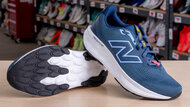
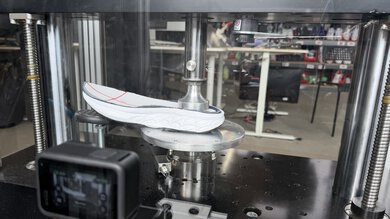
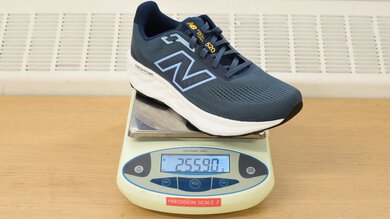
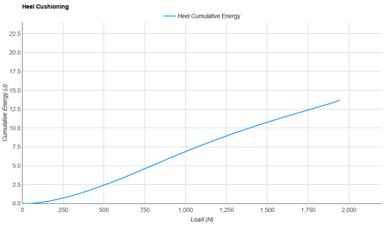
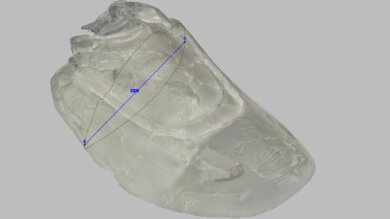 Cushioning5.5Arch Fit: Width:Outsole Arch Width:83 mm (3.3")See all our test resultsWide Sizing Available:Yes
If you're looking for an even cheaper option, the New Balance Fresh Foam 520v9 is the best budget running shoe for flat feet we've tested. Though the forefoot is very harsh and its cushioning is limited, it can still handle short, easy runs or a mix of running and walking. Plus, you still get a very stable shoe with a broad outsole under the midfoot, making it a decent, affordable option for everyday use.
You give up a lot of performance compared to our picks above, though. It's the firmest shoe of all our picks, and its poor rebound makes running quickly very tiring. Its cushioning also struggles over longer distances, so it's not the choice if you run high mileage. The arch is the least roomy of our picks, but there's still enough space for flatter feet without feeling squeezed. It also comes in wide and extra-wide sizing, giving you more options if you need extra width.
-
Best Cushioned Running Shoes For Flat Feet
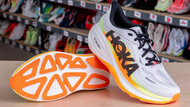


 Cushioning8.9Arch Fit: Width:Outsole Arch Width:86 mm (3.4")See all our test resultsWide Sizing Available:Yes
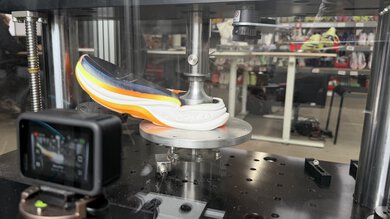
If you struggle to find a shoe that balances maximum cushioning and performance, the HOKA Clifton PRO is the shoe for you. It's the best cushioned running shoe for flat feet we've tested. You get a shoe that absorbs more road impact than our top pick, the Mount to Coast C1, especially in the heel. Plus, it's the softest shoe of our picks, giving you a much more forgiving feeling underfoot. Its cushioning holds up impressively on longer runs, too, protecting your legs nearly as well as with the Mount to Coast shoe. The main trade-off is that, despite weighing about the same as our top pick, it feels more sluggish through each stride. It also doesn't roll you forward as smoothly and isn't quite as stable, though it's still stable enough overall.
The arch isn't quite as roomy, but there's still enough space to keep the middle of your foot comfortable. Its outsole is also one of the widest under the arch on this list, giving your midfoot a broad base when landing. Unlike the C1, it comes in wide sizing, too. However, the forefoot can feel a little restrictive, particularly if you have taller toes. If cushioning is your main priority, you can also check out our recommendations for the best cushioned running shoes.
-
Best Stability Running Shoes For Flat Feet
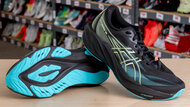
 Cushioning7.5Arch Fit: Width:Outsole Arch Width:81 mm (3.2")See all our test resultsWide Sizing Available:Yes
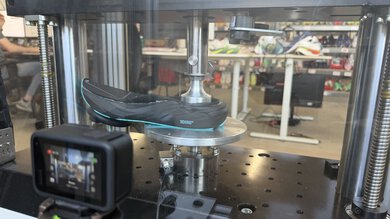
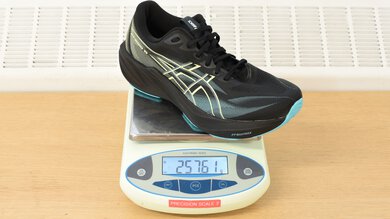
If a medical professional has recommended a stability shoe because your ankles roll inward too much when you run, the ASICS GT-2000 15 is the best stability shoe for flat feet we've tested. It has built-in support features designed to guide your feet and limit excessive inward rolling. You also get the roomiest fit through the arch of any of our picks, so the middle of your foot has plenty of space without pressing against the sides. There's also enough width under the midfoot to give you a steady landing. That said, if you don't need additional support, its built-in guidance features may feel too controlling, and one of our picks above will be a better choice.
It's slightly lighter than our top pick, the Mount to Coast C1, and gives you a little more energy back through each stride, so you get some extra help keeping your legs moving. You also have more sizing options, with both wide and extra-wide versions available. However, its cushioning isn't nearly as protective as the Mount to Coast's, particularly under the forefoot and over longer runs. It also doesn't roll as smoothly. The toe box is quite low, too, so it may feel restrictive if you have taller toes. For more recommendations for stability shoes, check out our top picks for stability shoes.
Notable Mentions
-
R.A.D UFO:
The R.A.D UFO is a lighter, more efficient alternative to our top pick, the Mount to Coast C1. It has a roomier arch; however, it's less stable, more expensive, and harder to find in some regions.
See our review -
HOKA Rincon 5:
The HOKA Rincon 5 is a more expensive choice than our budget pick, the New Balance Fresh Foam 520v9. It has a roomier arch and much better cushioning, but it's less stable, and there's no extra-wide sizing.
See our review -
Brooks Glycerin Max 2:
The Brooks Glycerin Max 2 is a heavier alternative to our cushioned pick, the HOKA Clifton PRO. It offers a smoother ride and slightly more room through the arch, but it's less stable, slightly less cushioned, and returns significantly less energy. It also doesn't come in wide sizing.
See our review
FAQs
How do I know if I have flat feet?
Stand barefoot and look at the inside of your feet. If your arch sits very close to the floor or touches it, you probably have flat feet. You can also wet your feet and step onto a piece of cardboard. If most of the middle of your foot shows in the print, your arches are likely low. These are only quick checks, though, so if you have pain or aren't sure, a podiatrist can properly assess your feet.
Are flexible flat feet different from rigid flat feet?
Yes. With flexible flat feet, your arch flattens when you stand but returns when you sit down or rise onto your toes. This is the most common type and is often painless. Rigid flat feet stay flat in every position and can be caused by problems with the bones, tendons, or joints in the foot. Shoes won't correct rigid flat feet, so if your arch stays flat when you rise onto your toes, speak with a medical professional. Our picks are intended for people with flexible flat feet.
When should you use orthotics?
Use orthotics if a podiatrist or doctor recommends them. Many runners with flexible flat feet don't need them, especially if they aren't experiencing pain. If you've been prescribed orthotics, look for a shoe with a removable insole so you can insert the orthotics. All our picks in this recommendation article have removable insoles.
What's the difference between stability and neutral running shoes?
Neutral shoes don't have built-in features intended to control how your foot moves. Stability shoes add extra support to help limit excessive inward rolling of the foot. Having flat feet doesn't automatically mean your feet roll inward too much, and choosing shoes based only on arch shape hasn't been shown to prevent injuries. A neutral shoe can still be very stable if it has a broad, secure platform. Most of our picks are neutral, but if a medical professional has recommended a stability shoe, check out the ASICS GT-2000 15.
All Reviews
Our recommendations above are what we currently consider the best running shoes for flat feet. We consider factors like arch fit, how wide the outsole is under the midfoot, wide sizing, cushioning, all-round performance, price (a more affordable shoe wins out if the extra cost isn't justified), user feedback, and availability; we don't recommend shoes that are hard to find or nearly sold out, though some notable mentions may be harder to find in certain regions.
If you'd rather decide for yourself, check out the table of all our running shoes. Ultimately, choosing the best running shoes for flat feet depends on your foot shape, comfort preferences, and running goals rather than any single ranking.