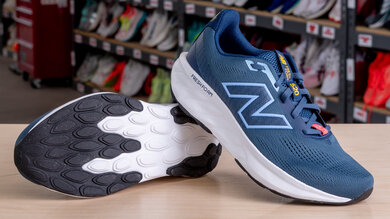
The New Balance Fresh Foam 520v9 is a budget, lifestyle-cum-daily trainer that can cover shorter runs decently. Its moderate stack delivers an amazingly stable ride, and it's an easy shoe to trust for beginners. However, it's not a fun or bouncy shoe, and its firm midsole is harsh and unprotective, so legs will feel very beat up if you take it for anything longer than a 10K.
| ✅ Buy If: | ❌ Skip If: |
|
|
Our Verdict
The New Balance Fresh Foam 520v9 is a passable marathon racer, with some caveats. Though its platform is amazingly stable and its forefoot sits high enough off the ground to create a bit of a buffer from the road, the cushioning is subpar and offers poor protection from impact, so your legs will feel very beat up at the end of the distance. Its bad energy return and lack of fluidity through stride also mean you'll have to work harder to turn over your legs, tiring you faster with its inefficient build.
Amazing stability is easy to trust.
Poor cushioning will leave legs very beat up.
Lack of energy return and roll will quickly cause fatigue.
The New Balance Fresh Foam 520v9 is an alright option for 5K/10K racing. Its exceptionally firm forefoot provides a very planted toe-off, and it resists bending just enough to turn force into an adequate amount of snap. However, the rocker itself is very compliant, and the midsole gives very little energy back when unbent, so the ride lacks the efficiency and juicy propulsion of out-and-out racers.
Forefoot provides a very planted toe-off.
Ride is reasonably snappy.
Compliant rocker hinders efficiency.
Midsole gives very little energy back so ride is flat.
The New Balance Fresh Foam 520v9 is an unremarkable long-run companion. Though its excellent stability makes for a very trustworthy ride underfoot, and the rocker geometry does a satisfactory job of keeping your legs ticking over, the forefoot rocker flattens too easily. Combined with the lack of energy returned by the midsole, this means it doesn't roll very easily and makes you work harder to sustain pace. Its midsole also does a bad job of absorbing impact, so if you run the gauntlet and chance an extended effort, your legs will be sore afterward.
Amazing stability is easy to trust.
Heel rocker does a good job of transitioning you to midstance.
Ride is very inefficient overall.
Legs will be beat up very quickly.
The New Balance Fresh Foam 520v9 is a decent daily trainer. It’s an amazingly stable shoe for any runner, and its firm heel provides a very planted landing for heel strikers. The heel rocker also does a good job of transitioning you into midstance as well. That said, it's a harsh ride, providing inadequate protection for the legs, and the lack of energy return makes it sluggish underfoot.
Amazing stability is easy to trust.
Heel rocker does a good job of transitioning you to midstance.
Very harsh ride is taxing on the legs.
Not a fun or exciting shoe.
Changelog
- Updated Aug 11, 2026: Review published.
- Updated Aug 10, 2026: Early access published.
- Updated Jul 24, 2026: Our testers have started testing this product.
- Updated Jul 21, 2026: The product has arrived in our lab, and our testers will start evaluating it soon.
- Updated Jul 16, 2026: We've purchased the product and are waiting for it to arrive in our lab.
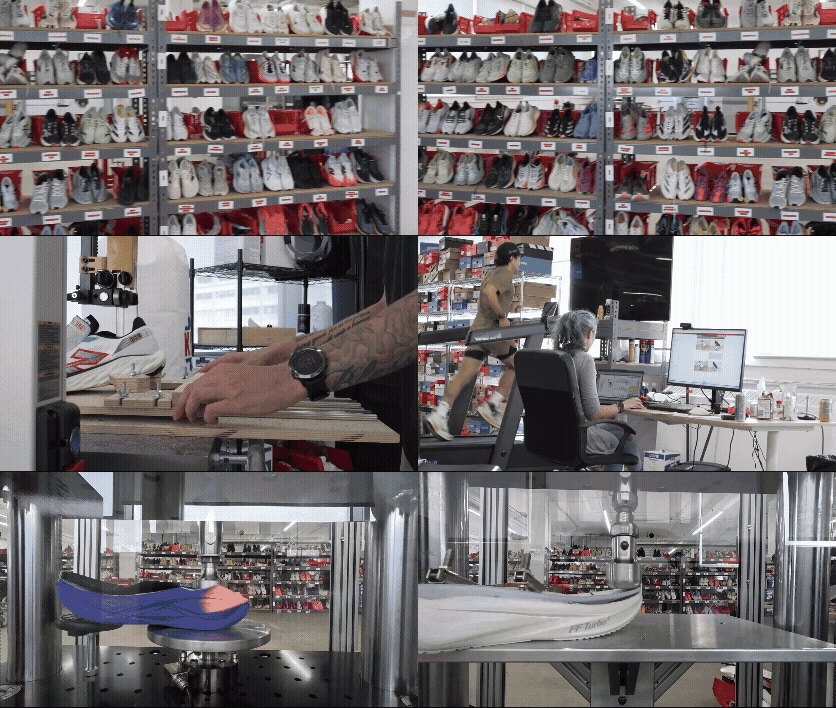
We've bought and tested more than 250 running shoes. Every pair purchased with our own money, never supplied or sponsored by brands. Our data-driven tests are designed to go beyond marketing claims, and since every shoe goes through the exact same methodology, you can directly compare results to find the right pair for your needs.
Test Results
Energy Return
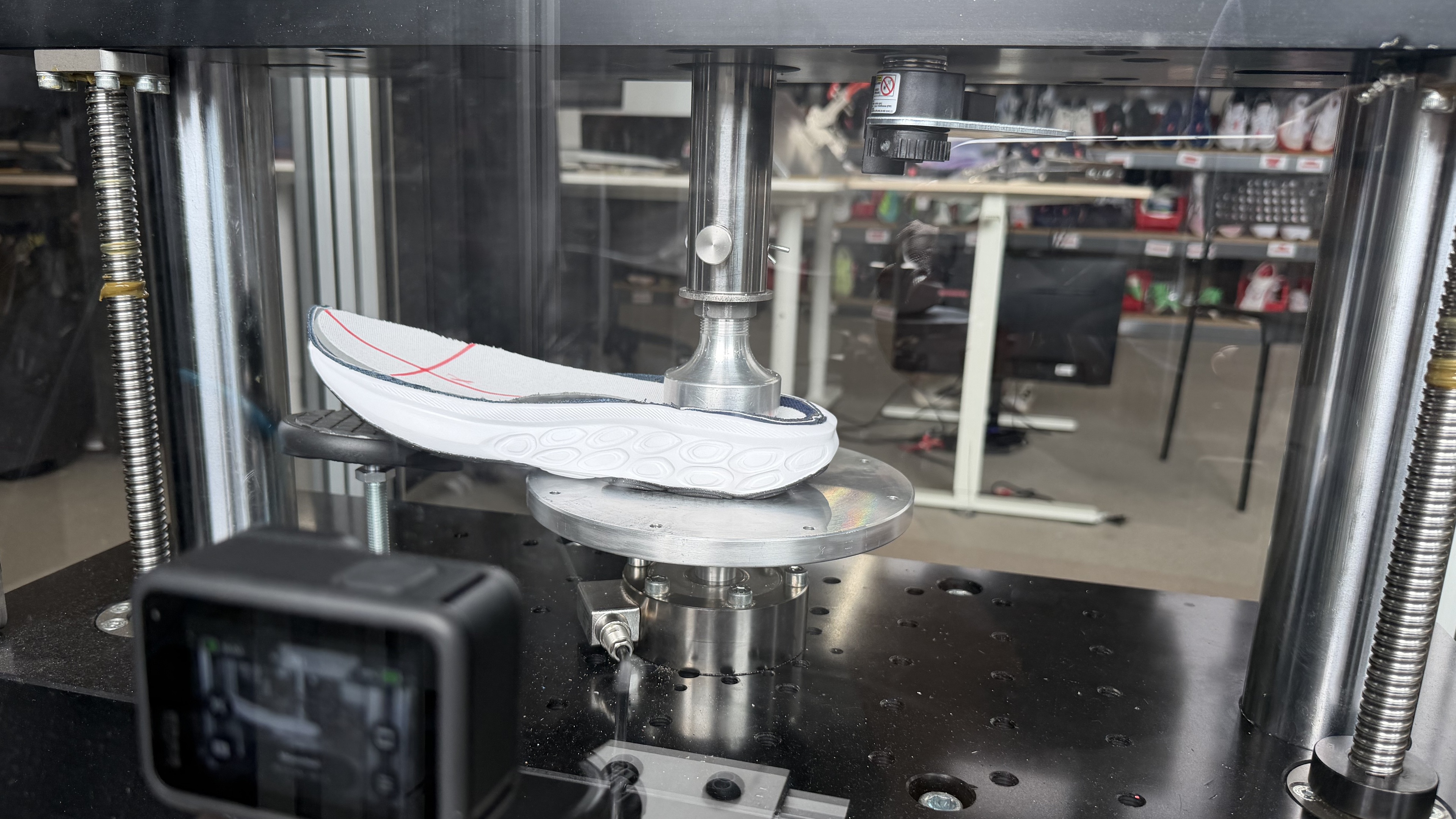
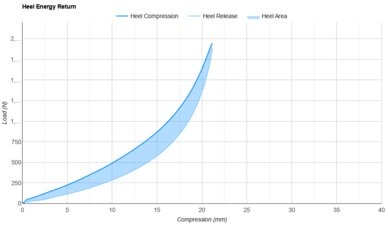
The New Balance Fresh Foam 520v9 has bad energy return. Neither the forefoot nor the heel gives much back after landing, meaning you’ll have to work hard to maintain pace and keep legs ticking over.
Forefoot rebound is poor.
Heel rebound is absolutely terrible.

Stability
The New Balance Fresh Foam 520v9 has amazing stability. Its firm heel and forefoot mean the ride is very planted, and the wide base keeps the shoe secure.
Firm heel means rearfoot landings are very secure.
Firm forefoot makes toe-off very stable.
Wide base is very trustworthy underfoot.


The heel of the New Balance Fresh Foam 520v9 is very firm indeed. This makes rearfoot landings very trustworthy underfoot, whether you're running or walking.


Cushioning
The New Balance Fresh Foam 520v9 has sub-par cushioning overall. Though the heel provides a passable amount of protection, it reduces significantly under higher loads. The forefoot is a similar story, too, though it gets even worse as more force is applied, making the shoe a very harsh ride indeed.
Sub-par protection will leave legs beat up.
Forefoot protection is particularly poor.


The heel of this shoe has mediocre cushioning overall. It provides passable impact protection at low to moderate force levels, but heavy heel strikers who run quickly will find it quite harsh underfoot. We believe this tuning indicates that it's meant as much for walking as running.


Bounciness
The New Balance Fresh Foam 520v9 is not a bouncy shoe. Its midsole compresses very little, remaining firm under load. Combined with its bad energy return, this means the ride lacks spring through step.
Midsole too rigid to provide a base to spring off.
Poor energy return makes ride flat underfoot.


Snappiness
The New Balance Fresh Foam 520v9 has an okay amount of snap. Its firm forefoot provides a very planted base, and the forefoot stays stiff enough that the shoe has some bite through toe-off. However, its low rocker angle and lack of energy returned when the forefoot unbends mean it lacks the juicy punch of a dedicated acer.
Forefoot stays stiff enough to provide some bite.
Lack of energy return means it lacks good punch overall.

The New Balance Fresh Foam 520v9 returns the little amount of energy stored when bent poorly when it unbends. Essentially, this reduces the amount of pop and bite you get through toe-off.


The forefoot of this shoe is decently stiff. It's much stiffer than in shoes like the Brooks Revel 9, which means it provides more leverage through toe-off.

Roll
The New Balance Fresh Foam 520v9 rolls inadequately through the stride. Despite the heel rocker providing a good amount of assistance in midstance, the forefoot rocker bends much too easily to generate any roll. Combined with the low forefoot stack, this means it flattens rather than provides forward assistance.
Rocker bends too easily for a fluid toe-off.
Low forefoot stack flattens rather than assists forward momentum.

The rocker of this shoe is very soft. It loses shape easily under load, stopping it from rolling fluidly through push-off.
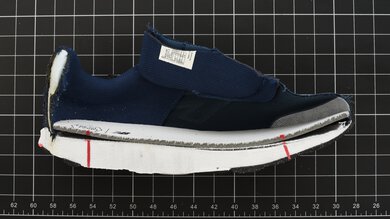
The New Balance Fresh Foam 520v9 has a moderate stack and, interestingly, a significantly lower drop than advertised, so the shoe isn't as tuned to heel strikers as New Balance would have you believe. The low forefoot stack combined with the soft rocker means the shoe flattens rather than rolls.

True To Size
The New Balance Fresh Foam 520v9 fits true to size overall. Its length is spot-on, while the forefoot and arch widths closely match our reference fit. The toe box height is a little low, and though it may cause some chafing for runners with taller toes, we're still confident all runners can go with their usual size.
Length is spot-on.
Forefoot and arch widths closely match our reference fit.
Low toe box may feel restrictive if you have especially tall toes.


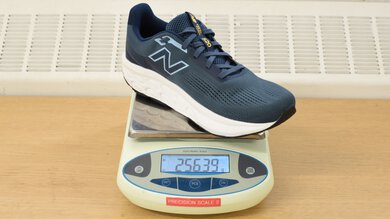
The New Balance Fresh Foam 520v9 is an acceptable weight for a daily trainer, coming smack-bang in the middle of the average weight.


The New Balance Fresh Foam 520v9 uses a single slab of "Fresh Foam" as its midsole. This EVA blend was first introduced in 2014 and evolved into the softer and more cushioned "Fresh Foam X". The older version of Fresh Foam in this shoe explains why it lacks the plush comfort and deep impact protection of shoes like the New Balance Fresh Foam X More v6.

Popular Running Shoe Comparisons
The New Balance Fresh Foam 520v9 is a compelling budget shoe for running and lifestyle wear. Compared with the adidas Questar 4 and Brooks Revel 9, it's the lightest and most stable, with a bit more snap underfoot. However, the adidas is the better running shoe overall, with much better impact protection and a smoother ride, though it's also the heaviest. The Brooks sits in between but costs far more without offering anything to set it apart. Get the New Balance if you want the lightest, most stable option or need a wider fit. Get the adidas if running performance and protection matter more than weight. Get the Brooks if you're a heel striker who prefers a higher drop shoe.
For more shoes from the brand, check out our picks for the best New Balance running shoes. If you're looking for your first pair, check out our recommendations for the best running shoes for beginners.
The New Balance Fresh Foam 520v9 is a slightly better daily trainer than the Brooks Revel 9. Though both provide sub-par impact protection and excitement underfoot, the New Balance is the lighter, more stable, and snappier of the two. The Brooks has the higher drop, so heel strikers may prefer its ride, but it costs considerably more without delivering a clear performance advantage.
The New Balance Fresh Foam 520v9 and adidas Questar 4 are both budget shoes, but the adidas is the better daily training option overall. It provides much better impact protection and a smoother ride, so it's the better choice if you'll be running regularly. The New Balance is lighter and more stable, though, and it comes in wider sizes, making it the better pick for mixed use or wider feet.
Differences Between Sizes And Variants
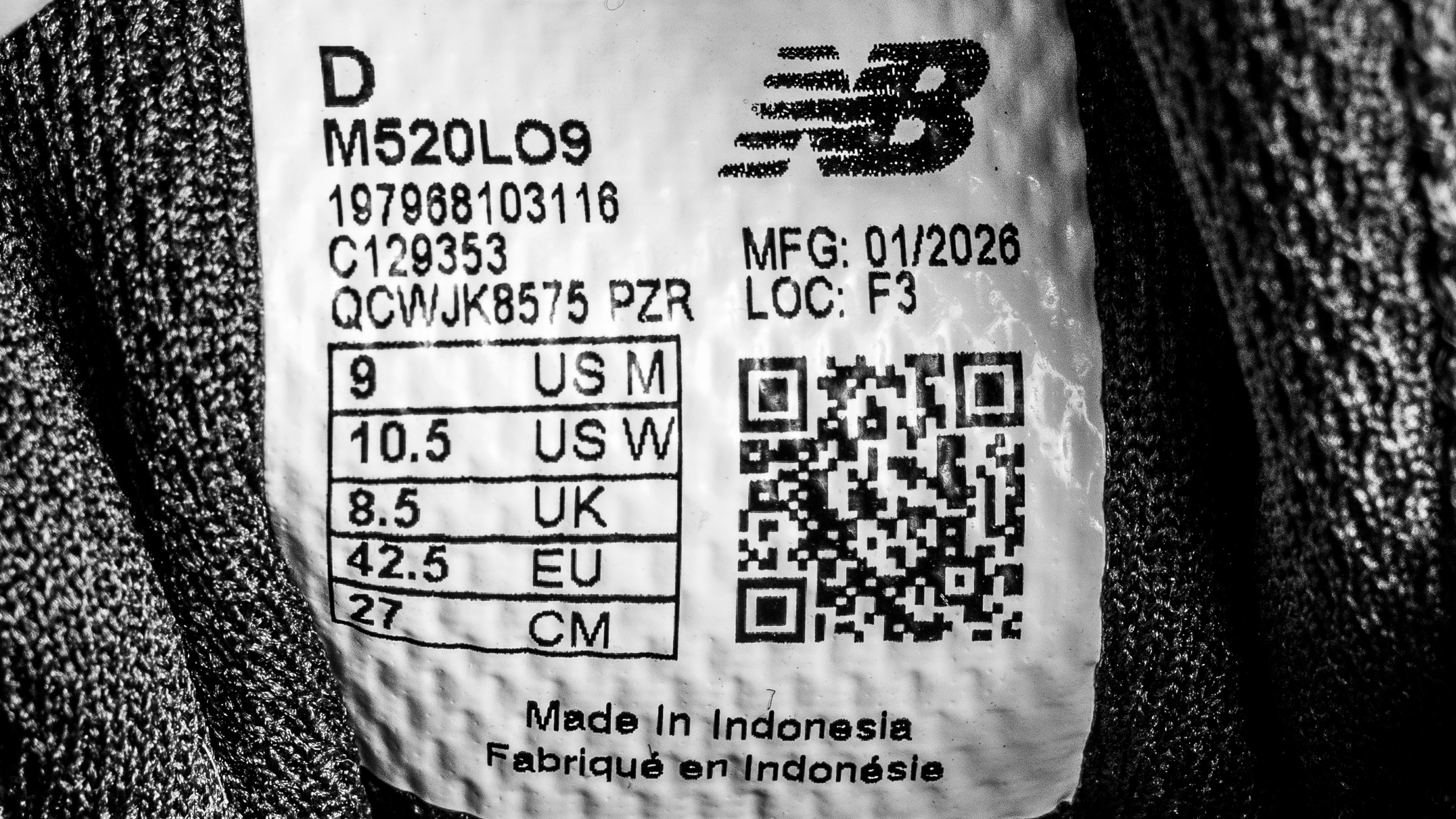
We tested the New Balance Fresh Foam 520v9 in men's U.S. size 9, as indicated on the label of our unit. The colorway shown here is officially called "Vintage Indigo with NB Navy and Electric Sky", but we just call it Blue. Multiple color options are also available across regions, including the equally gloriously named "Sea Salt with Streamsong and Altitude" and "Reflection with Graphite and Deep End", as well as many others. In true New Balance fashion, they offer an array of widths for men and women: Standard, Wide, and Extra-Wide. The design section applies specifically to the version we tested, but we expect other sizes and gender variants to perform similarly.