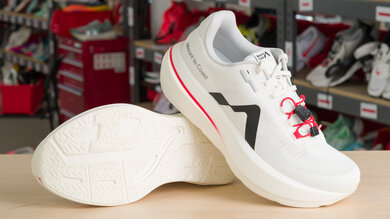
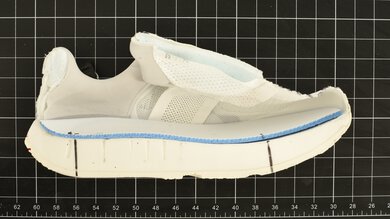
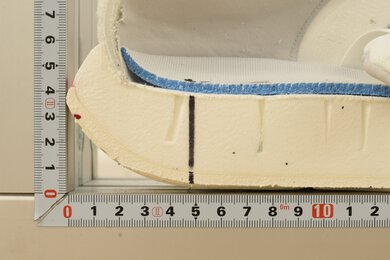
The Mount to Coast C1 is a long-distance road running shoe from the Hong Kong-based brand. It pairs a firm, stable midsole with a comfortable upper designed to accommodate foot swelling that comes with ultra distances. The top layer of the midsole is made of a supercritical foam that the brand calls CircleCELL, which the brand claims is made of entirely renewable resources. This top layer does provide some bounce, but you mostly feel the thick, bottom layer of rubberized EVA, which makes the shoe impressively stable, but also quite firm. The C1 is marketed as a long-haul companion for ultra runners putting in high mileage on the road, but it could also work for easy days and recovery paces.
Our Verdict
The Mount to Coast C1 is built for long distances, and the marathon is well within its range. Its solid base will help keep your stride steady over the long haul, and the midsole continues to absorb impact even after hours of pounding the pavement. The shoe isn't particularly light or responsive, though, so it's not really suited to racing a marathon, but it can comfortably get you to the finish line.
Great cushioning for long runs.
Early rocker helps maintain consistent turnover.
The Mount to Coast C1 doesn't make much sense as a short-distance racing shoe. It's too heavy and not quite responsive enough to zip around with much speed, and while it does have a decent rocker, it's designed more to keep you rolling smoothly over long distances than to propel you forward at higher speeds.
Too heavy for shorter races.
Forefoot is firm but not really snappy.
The Mount to Coast C1 is built for long runs, and this is where it impresses. The firm midsole does a great job of helping you maintain stability as the miles pile up, but it still absorbs impact well over long distances. The dual-lacing system also allows you to easily loosen the upper around the forefoot to accommodate the inevitable swelling that happens when you're running for hours at a time.
Great cushioning for long runs.
Early rocker helps maintain consistent turnover.
The Mount to Coast C1 could be a great daily trainer for runners who like a firm ride and want a high stack without compromising stability. The shoe doesn't feel particularly lively but has enough responsiveness to get through easy miles
Firm midsole keeps the ride stable.
Changelog
- Updated Jul 07, 2026: We've converted this review to Test Bench 0.13, which identifies the different foams used in the shoe's midsole. We've included a microscopic image of the foam cells to give you an idea of what the microstructure looks like. To read more about the changes, see the changelog.
-
Updated Jun 22, 2026:
We've added full text to this review following the latest Test Bench update.
- Updated Jun 17, 2026: We've converted this review to Test Bench 0.12, which fixes how we measure firmness, a component of the Stability and 5K/10K Racing usages. There may be inconsistencies between the text and the scores for these usages, but the scores should still be considered valid. We've also brought back the Energy Return score and added two new usages: Daily Training and Long Run. To read more about the changes, see the changelog.
- Updated Jun 17, 2026: Review published.
- Updated Jun 16, 2026: Early access published.
- Updated May 12, 2026: Our testers have started testing this product.
- Updated Apr 24, 2026: The product has arrived in our lab, and our testers will start evaluating it soon.
- Updated Apr 07, 2026: We've purchased the product and are waiting for it to arrive in our lab.

We've bought and tested more than 250 running shoes. Every pair purchased with our own money, never supplied or sponsored by brands. Our data-driven tests are designed to go beyond marketing claims, and since every shoe goes through the exact same methodology, you can directly compare results to find the right pair for your needs.
Test Results
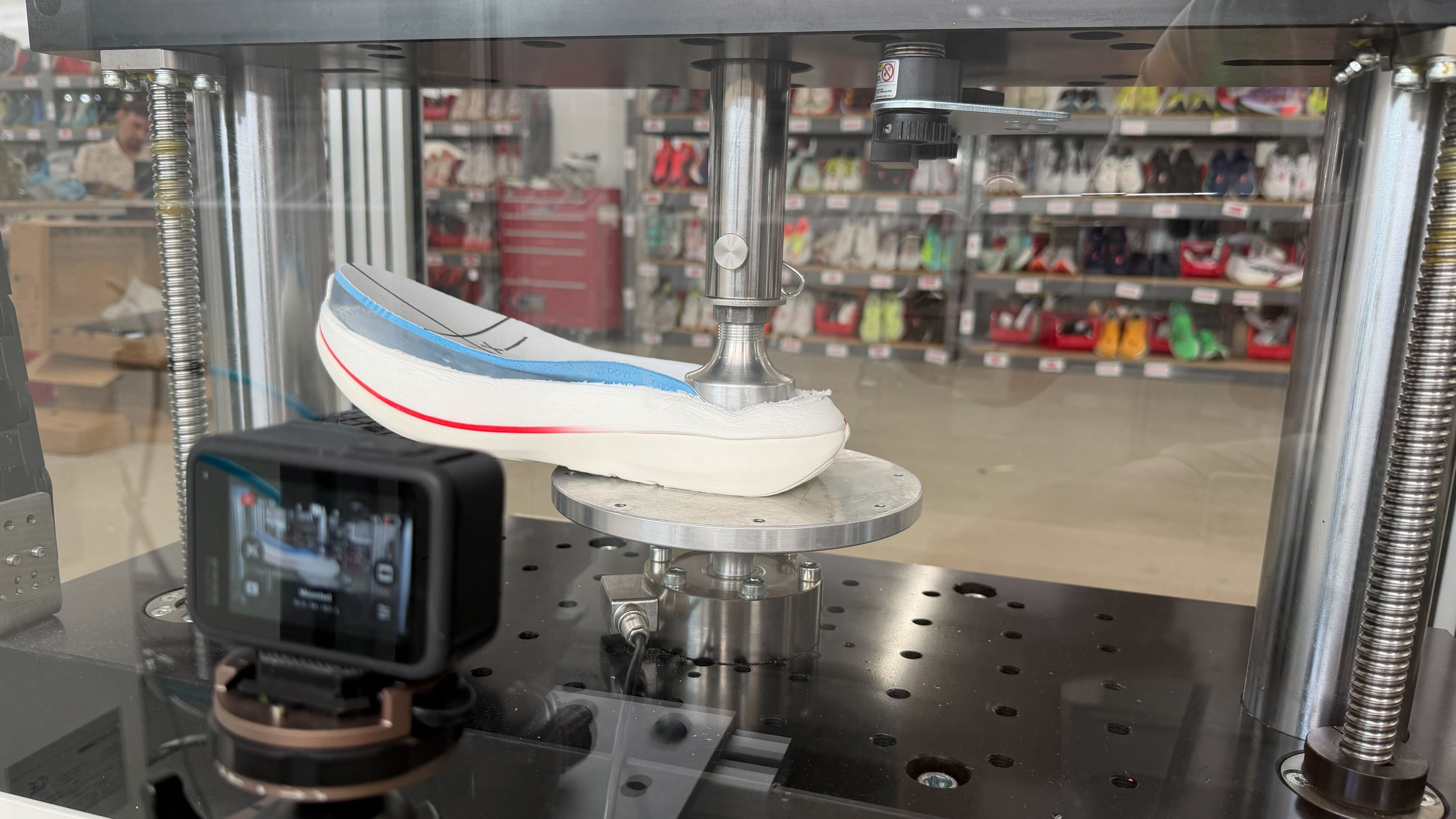
Energy Return
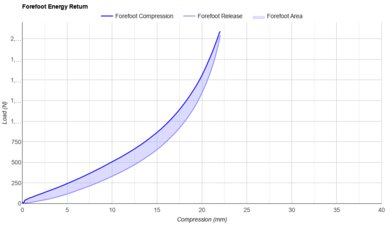
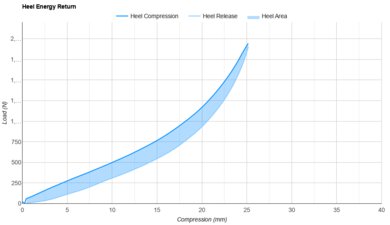
The Mount to Coast C1 has satisfactory energy return. The dual-density midsole is contoured to have more of the livelier CircleCELL foam under the forefoot, so it feels more energetic than the heel, where the stiffer rubberized EVA is more pronounced.
Midsole doesn't have much bounce.
Stability
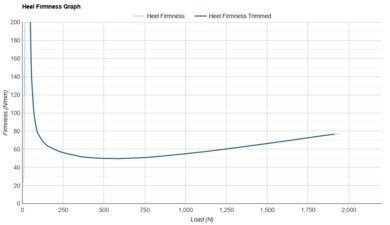
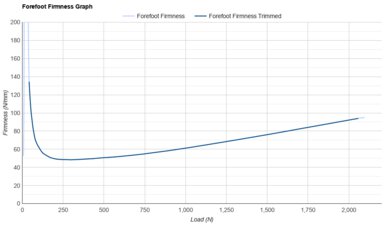
The Mount to Coast C1 has great stability. The firm midsole, especially in the heel, keeps the ride grounded and stable, and the base of the shoe is wide enough to offset the stack height.
Firm midsole keeps the ride stable.
Good width to stack height ratio.
Cushioning
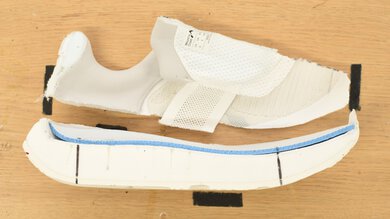
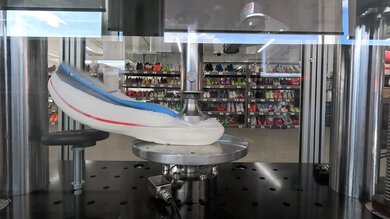
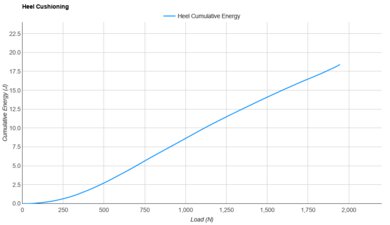
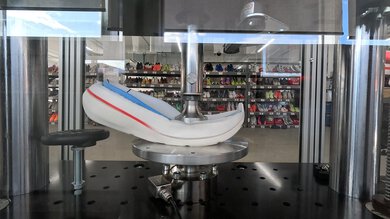
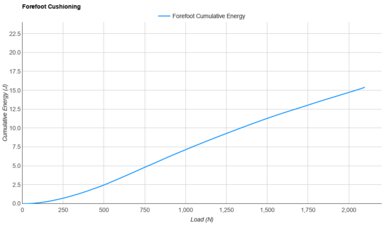
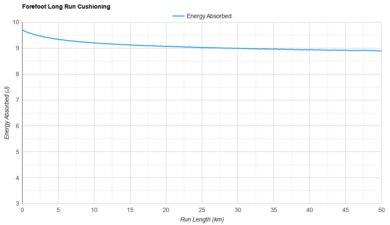
The Mount to Coast C1 does an impressive job of protecting from impact. Even though it doesn't feel that soft, the midsole is actually very absorbent, with the rubberized EVA under the heel withstanding heavy shocks well. The cushioning in the forefoot loses some of its ability to absorb impact after the first 10K but is still great even after 40K.
Great cushioning for long runs.
Heel cushioning can absorb heavy shocks.
Responsiveness
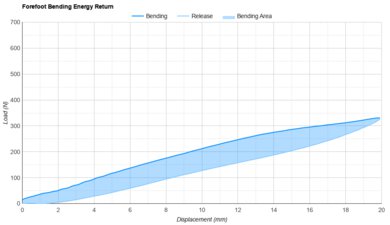
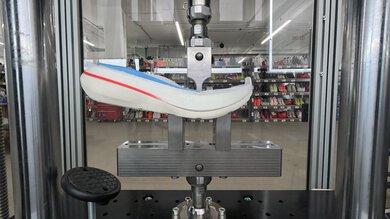
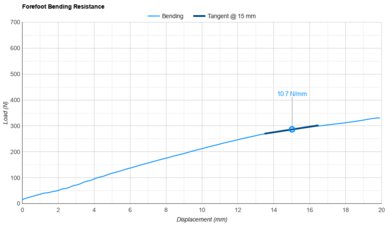
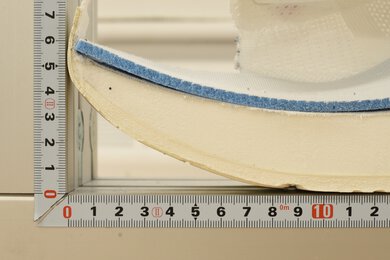
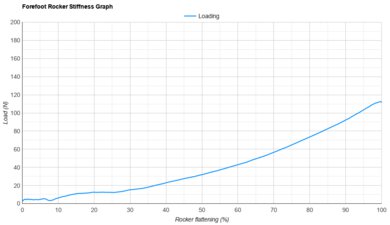
The Mount to Coast C1 has decent responsiveness. Although the midsole foam isn't the bounciest, the early rocker holds its shape well, helping to maintain steady turnover. The forefoot feels stiff but not snappy.
Early rocker helps maintain consistent turnover.
Midsole doesn't have much bounce.
Forefoot is firm but not really snappy.
True To Size
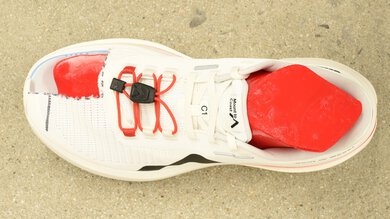
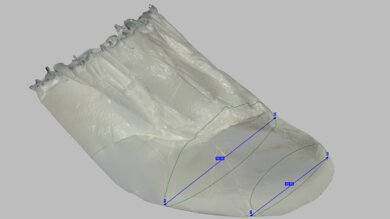
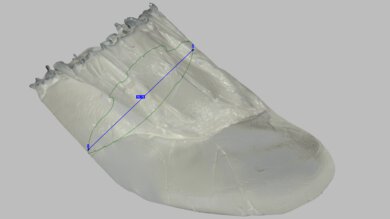
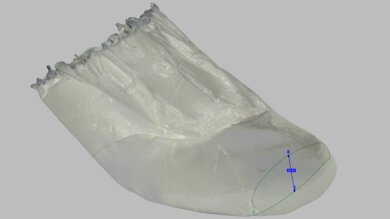
The Mount to Coast C1 has a very roomy fit, and most runners can buy their normal size. The shoe is wide through the arch and forefoot, and it has enough space to accommodate foot swell during long runs.
Very roomy forefoot.
Length is true to size.

Popular Running Shoe Comparisons
The Mount to Coast C1 is a long-distance trainer from the brand that specializes in ultra-running. Although Mount to Coast markets the C1 as a "super trainer," the term is now so ubiquitous as to have lost most of its meaning. There is a world of difference between snappy, plated "super trainers" like the ASICS SONICBLAST or the Nike Zoom Fly 6 that are built for uptempo workouts, and shoes like the C1 that are built to go far but not fast. The HOKA Skyward X 2 is another borderline super trainer that's built more for distance than speed, but it's taller and plated. The C1 is comparable to the now-discontinued ASICS SUPERBLAST 2, which was another firmer, comfortable long run shoe, but the new ASICS SUPERBLAST 3 is now much lighter, more responsive, and better cushioned than the C1.
Within Mount to Coast's lineup, the C1 is the long-distance road training shoe. The Mount to Coast R1 is also made for long-distance running on the roads, but is more designed for racing, with a lower stack height and lighter construction. The Mount to Coast S1 is a road running shoe, but is made for shorter daily training, and is both lower stacked and has a more traditional lacing. The Mount to Coast P1 is the dedicated support shoe with features to correct overpronation.
For more long-run shoes, check out our recommendations for the best long-distance running shoes.
The Mount to Coast R1 and Mount to Coast C1 are two ultra running shoes from the Hong Kong-based brand that are built for different uses. The C1 is built for long-distance training and is heavier and built on a taller platform. The R1 is built for racing and is lighter and lower stacked. Both feature the same dual lacing system that allows you to easily loosen the upper around the forefoot to accommodate foot swelling during long runs.
The ASICS SUPERBLAST 3 and the Mount to Coast C1 are two unplated trainers that are both well-suited to long runs. The C1 has a dual lacing system that allows for easily loosening the upper when your foot swells, so it's better suited to ultra distances. The SUPERBLAST 3 is more responsive and bouncier and can better handle faster workouts, so it's the more versatile shoe.
The HOKA Bondi 9 and Mount to Coast C1 are two similarly stacked running shoes that suit different kinds of runners. The Bondi 9 feels softer when you step in, but once you start running, the C1 does the better job of absorbing heavier impacts. Both have cushioning that holds up well over long runs, but the narrower fit of the HOKA, combined with the dual lacing system of the C1, makes the upper of the Mount to Coast more comfortable over longer distances.
Differences Between Sizes And Variants
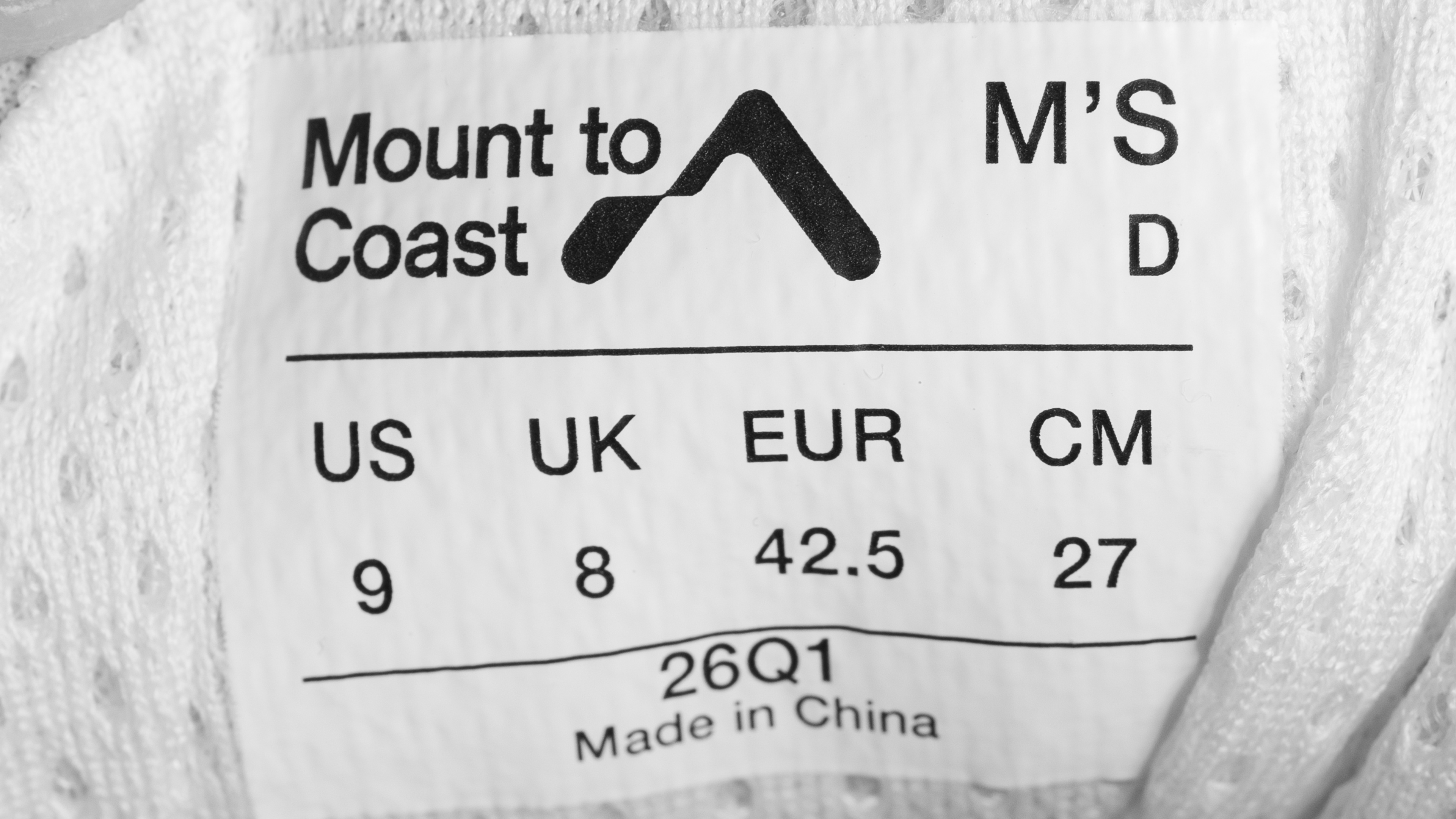
We tested the Mount to Coast C1 in US men's size 9, as indicated on the label for our pair. The colorway shown here is called Pulse, and the shoe is available in several other colorways, depending on your region. Currently, wide versions of the shoe aren't available. The design section applies only to the model we tested, but we expect other variants to perform similarly.