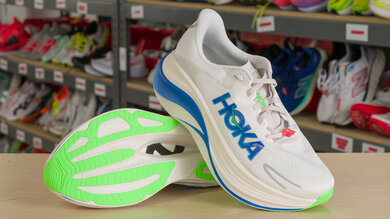
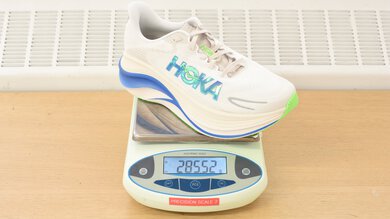
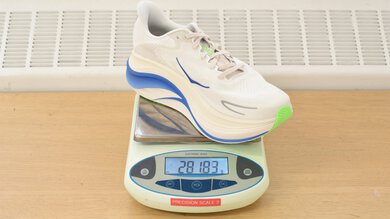
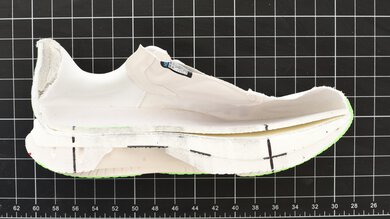
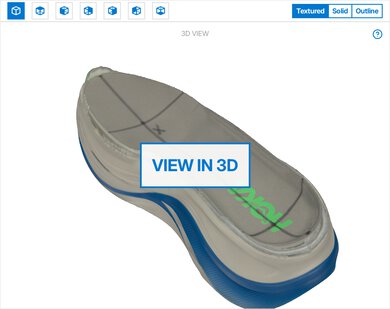
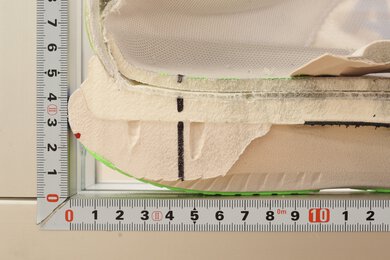
The HOKA Skyward X 2 is an ultra-high-stack, max-cushioned running shoe that provides outstanding comfort and protection. It’s a smooth, mile-eating cruiser that thrives on long runs at relaxed paces and performs particularly well for heavier runners, with just enough versatility for most daily training as well. Though a bit shorter and lighter than the previous HOKA Skyward X, it’s a similar story: the supercritical EVA base still sits below a PEBA top layer, with a convex carbon plate sandwiched between them to help stabilize the stack and keep the ride rolling smoothly. Overall, it feels more like a refinement than an outright reinvention. There’s plenty of life in the ride, but this is a shoe that works with you rather than for you, so you need to put enough force through the platform to get the best from it. For runners looking for a supremely comfortable Zone 2 hero, there’s lots to love.
Our Verdict
The HOKA Skyward X 2 is a good option for marathon racing, thanks to its excellent long-run cushioning and very good responsiveness. That said, this is still a lot of shoe, and its heavier build may start to feel cumbersome as the miles pile up. Runners looking to pulverize PBs will be better served by something lighter.
Outstanding cushioning.
PEBA-EVA foam provides very good energy return.
Quite a heavy shoe.
To heavy to race efficiently.
The HOKA Skyward X 2 wasn't built for speed. Though lively for a cruiser, its weight makes it too cumbersome to feel truly agile, and the soft forefoot cushioning blunts the snap needed to compete across shorter distances.
Plate provides stability and some snap.
Too soft to be snappy.
Too heavy to be speedy.
Changelog
-
Updated Sep 29, 2026:
We've updated this review to add a link to the newly reviewed Speedland RX:PNW to the Popular Comparisons section.
-
Updated Jul 23, 2026:
We've updated the Popular Comparisons section to add a link to the newly reviewed HOKA Clifton PRO.
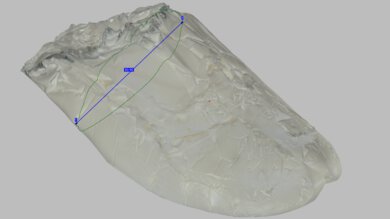
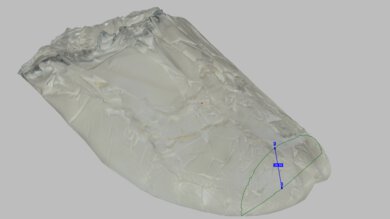
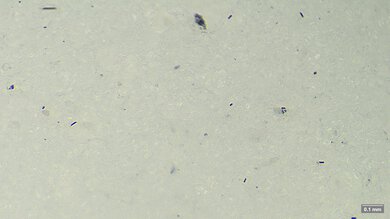
- Updated Jul 03, 2026: We've converted this review to Test Bench 0.13, which identifies the different foams used in the shoe's midsole. We've included a microscopic image of the foam cells to give you an idea of what the microstructure looks like. To read more about the changes, see the changelog.
-
Updated Jun 22, 2026:
We've updated the Popular Comparisons section to include a link to the recently reviewed Mount to Coast C1.
- Updated Jun 17, 2026: We've converted this review to Test Bench 0.12, which fixes how we measure firmness, a component of the Stability and 5K/10K Racing usages. There may be inconsistencies between the text and the scores for these usages, but the scores should still be considered valid. We've also brought back the Energy Return score and added two new usages: Daily Training and Long Run. To read more about the changes, see the changelog.
- Updated May 29, 2026: Review published.
- Updated May 25, 2026: Early access published.
- Updated May 12, 2026: Our testers have started testing this product.
- Updated May 05, 2026: The product has arrived in our lab, and our testers will start evaluating it soon.
- Updated May 01, 2026: We've purchased the product and are waiting for it to arrive in our lab.

We've bought and tested more than 300 running shoes. Every pair purchased with our own money, never supplied or sponsored by brands. Our data-driven tests are designed to go beyond marketing claims, and since every shoe goes through the exact same methodology, you can directly compare results to find the right pair for your needs.
Test Results
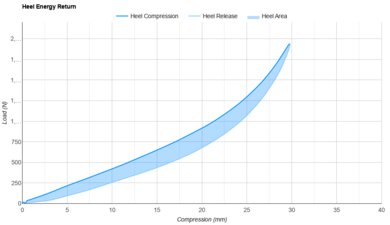
Energy Return
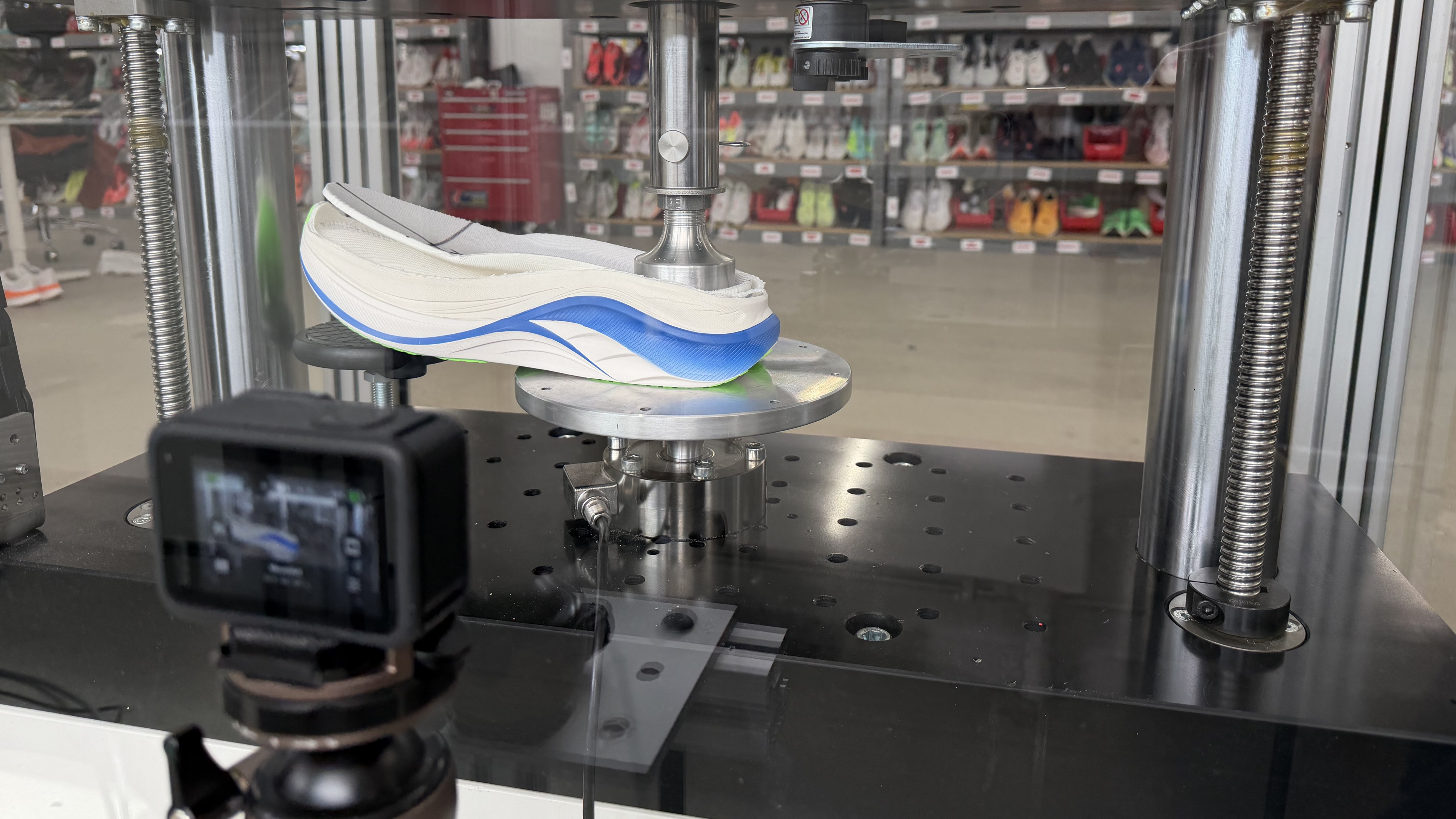
Stability
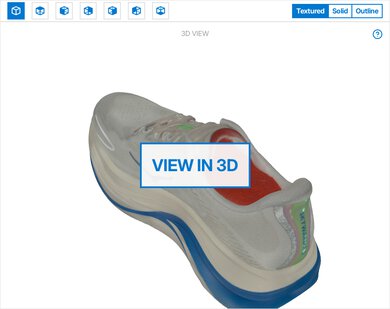
The HOKA Skyward X 2 is fairly stable. It's a tall, soft shoe, and though the convex carbon plate and wide base help keep the titanic stack somewhat in check, it's not the most suited to weaving through bodies on the sidewalk.
Wide outsole.
Plate helps tame the foam and stack.
Tall stack.
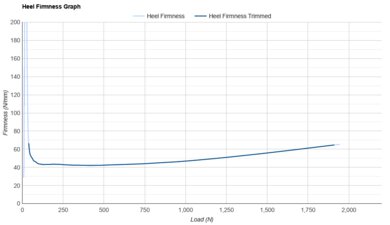
Foam lacks firmness.
Cushioning
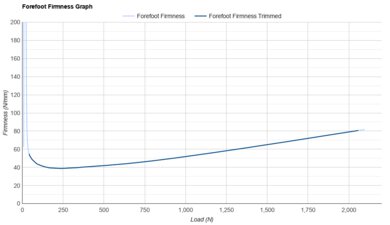
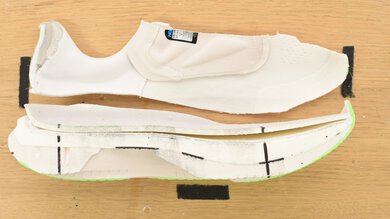
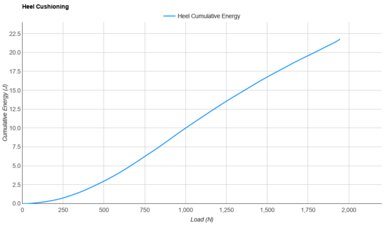
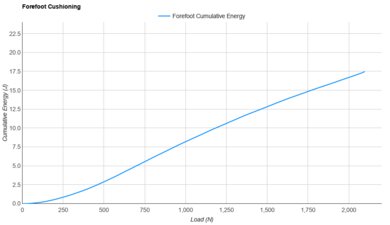
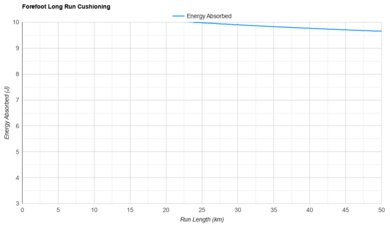
The HOKA Skyward X 2 is an exceptionally cushioned shoe. The PEBA-EVA midsole keeps the feet comfortable and protected over longer efforts or recovery runs, making it a great choice for soaking up miles as smoothly as possible. It also has better heel cushioning with increased force, making it an excellent choice for heavy runners and heavy heel strikers.
Remarkable forefoot cushioning.
The mix of PEBA-EVA foam makes the ride comfortable.
Responsiveness
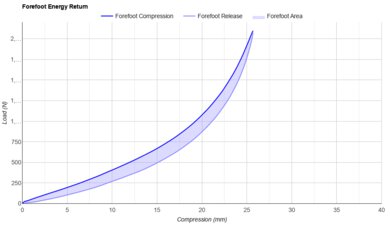
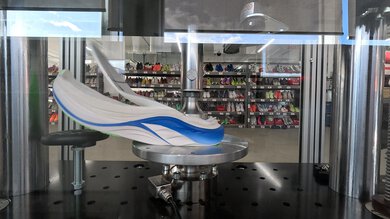
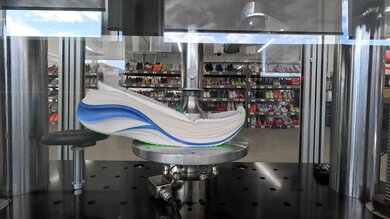
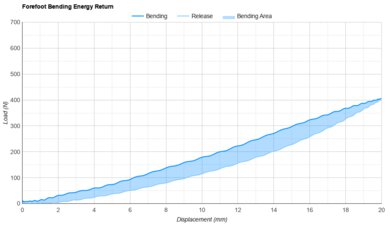
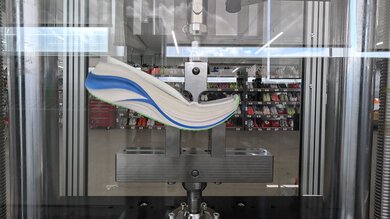
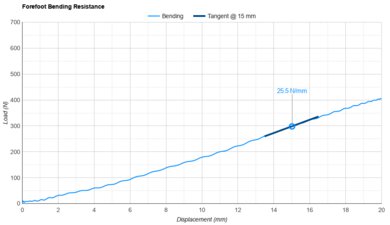
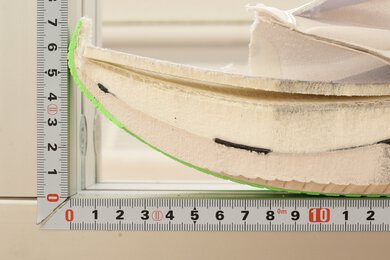
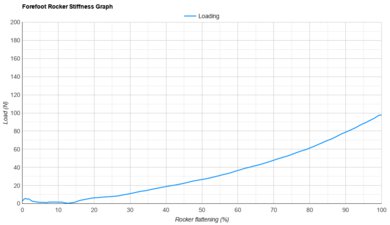
The HOKA Skyward X 2 delivers very good responsiveness. The forefoot returns an impressive amount of energy thanks to the premium PEBA-based top layer. The rocker is designed to roll well on easy miles and keep you moving, and this helps it feel lively underfoot despite its heft. That said, it's hardly featherweight, so the capabilities of the construction are more subdued than the score suggests.
The mix of PEBA-EVA foam makes the ride lively.
Intuitive rocker.
Impressive forefoot energy return.
Weight means it falls short of more impressive responsiveness.
True To Size
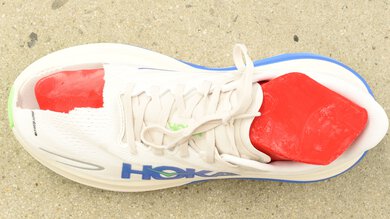
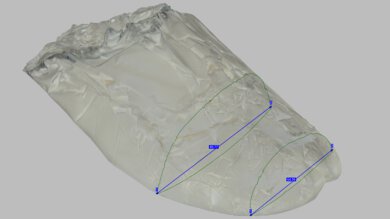
The HOKA Skyward X 2 fits true to size in length, with roomy height and width across the forefoot. Most runners can confidently choose their usual size, though the narrow arch may feel tight for some.
True-to-size length.
Roomy forefoot height and width.
Tight arch.

Popular Running Shoe Comparisons
The HOKA Skyward X 2 is more of a max-stack, premium daily cruiser than an outright super trainer. It works well for relaxed long runs or recovery efforts, with enough range for regular daily mileage too. Among similar premium high-stack trainers, the ASICS SUPERBLAST 3 has the most energetic ride and feels the most capable when picking up the pace. The adidas Hyperboost Edge is firmer and lower-stacked, but it feels livelier while still having enough cushioning for long, easy mileage. The Speedland RX:PNW has a similar usage, but sits lower to the ground with less cushioning and a removable carbon plate. If you primarily want a shoe that's comfortable and capable for long runs, the Mount to Coast C1 is a more stable, but less responsive, unplated option.
Within the HOKA lineup, the HOKA Skyward X 2 sits in the X-series alongside the HOKA Cielo X1 3.0, the HOKA Mach X 3, and the HOKA Rocket X 3. Those are the more streamlined, speed- or race-oriented plated shoes, while the Skyward X 2 uses its plate to control the tall foam stack rather than to chase speed. Think of it as the big sister of the HOKA Bondi 9: taller, livelier, and with more long-run protection. It also towers above the HOKA Clifton 10, with far better bounce and cushioning in a slightly heavier package, though the Clifton 10 is still the pick for regular daily mileage. The HOKA Clifton PRO is more cushioned and energetic than the Clifton 10, but still less than the Skyward X 2. For runners who want a lighter daily trainer, the HOKA Mach 7 is the better choice.
For more options, check out our recommendations for the best HOKA running shoes, the best running shoes, as well as the best running shoes for men and the best running shoes for women.
The HOKA Skyward X 2 and HOKA Bondi 9 both sit in HOKA's cushioned cruiser lane, but the Skyward X 2 takes the concept further. The Bondi 9 uses a supercritical EVA midsole for a soft, stable, familiar max-cushion ride. The Skyward X 2 uses that same kind of foam as its base, then adds a PEBA top layer and carbon plate for a more responsive feel underfoot. The Bondi 9 has the wider, steadier platform and costs much less, making it the pick for walking or relaxed daily miles. The Skyward X 2 makes more sense if you want a lighter, taller, more energetic version of the Bondi idea for long runs.
The HOKA Skyward X 2 and HOKA Skyward X share the same basic identity: huge stack, carbon plate, and a cruiser-first ride. The Skyward X 2 keeps that formula but trims weight, lowers the stack slightly, and adds a new jacquard mesh upper with a non-gusseted tongue for more comfort. The older Skyward X has a little more cushioning on paper, but is also heavier underfoot. The Skyward X 2 is the better pick if you want the same max-stack HOKA concept in a lighter package, while the original still makes sense if you find it on sale.
The ASICS SUPERBLAST 3 is the more versatile trainer than the HOKA Skyward X 2. Both are superbly cushioned, but the ASICS is lighter and livelier, making it better for both faster training and long runs. The HOKA is the better option if you specifically want a plated, more substantial cruiser for easy and long-distance running.
The HOKA Skyward X 2 and HOKA Clifton 10 are both cushioned shoes that can handle daily training, but they're built for very different jobs. The Clifton 10 is the simpler daily trainer: lighter, more stable, and more traditional for regular mileage. The Skyward X 2 is the premium option, featuring a PEBA top layer, an EVA base, and a convex carbon plate to deliver far better responsiveness and long-run protection. It's heavier and less stable than the Clifton 10, but much more cushioned under the forefoot. The Clifton 10 makes more sense for runners who want a dependable daily shoe, while the Skyward X 2 is the pick if you want a more energetic long-run cruiser.
The HOKA Skyward X 2 and Nike Vomero Premium are both massive cushioned trainers, but the Nike takes the monster-shoe brief even further. The HOKA is already tall and heavy, with a PEBA top layer over an EVA base to give it some pep, plus a convex carbon plate to help manage the stack. The Nike is taller, much heavier, and unplated, with deeper heel and forefoot cushioning plus a roomier fit. The HOKA is more responsive and versatile, better suited to steady long runs, but able to handle most daily training. The Nike is the better pick if you want maximum softness and protection for easy mileage and don't care about pace.
The HOKA Skyward X 2 and adidas Hyperboost Edge are both premium high-stack trainers with excellent cushioning, but they feel different underfoot. The HOKA is taller and heavier, with a convex carbon plate that helps control its huge stack rather than making it feel especially fast. The adidas is lower, lighter, and slightly more responsive, with better energy return under both the heel and forefoot. Both are highly cushioned, but the adidas is the better pick if you want the comparatively livelier ride, while the HOKA suits runners who want a taller, plated cruiser.
The Mizuno Neo Vista 3 and HOKA Skyward X 2 are both ultra-high stack, plated max-cushioned shoes, but they serve slightly different needs. Go for the HOKA if your long runs regularly extend beyond 20 km and you want the most protection late in the run. Its carbon plate feels a bit more propulsive, and its cushioning holds up better as the miles pile up. Get the Neo Vista 3 if you want a lighter, more stable option for daily training and shorter long runs. Its less-rigid plastic plate gives the ride a more natural feel, while still providing plenty of protection for most everyday runs.
Differences Between Sizes And Variants
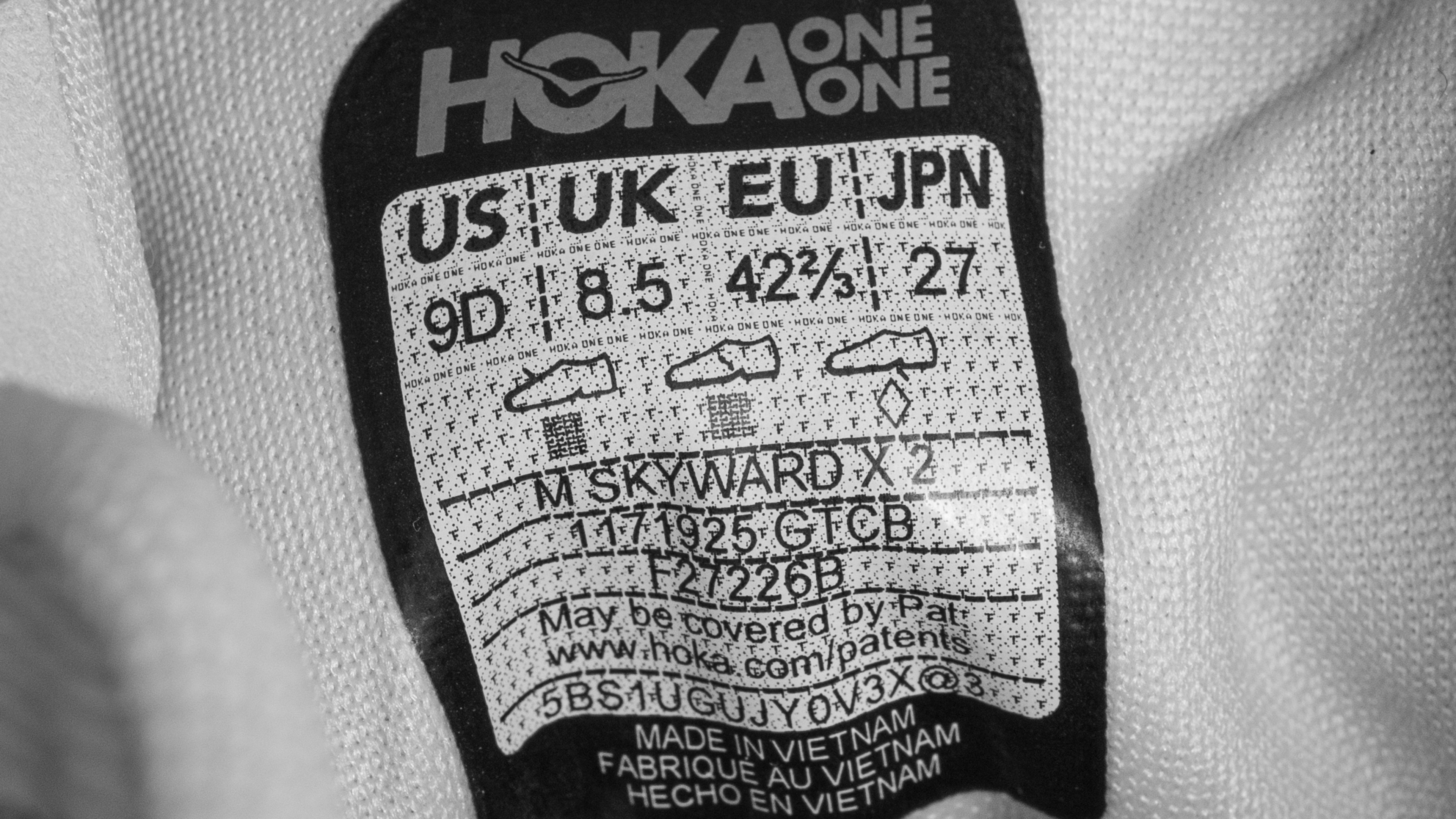
We tested the HOKA Skyward X 2 in men's US size 9 as shown on the label for our pair. The pair we purchased is Grout/Cobalt, but you can also get the shoe in other colors, depending on the region. This shoe isn't available in wide widths. The design section applies only to the exact model we tested.