The HOKA Skyward X is a max-cushioned running shoe that promises comfort, stability, and a smooth ride for long-distance training. Featuring a combination of PEBA and EVA foam, along with a convex H-shaped carbon plate, this staggeringly tall shoe aims to deliver a plush yet controlled experience. It's built for those who prefer an ultra-high stack height without sacrificing too much stability, and it provides a smooth heel-to-toe transition. However, the shoe is quite heavy compared to most super trainers.
Our Verdict
The HOKA Skyward X offers decent performance for marathon racing, with great cushioning and satisfactory energy return. This could make for quite a comfortable marathon, though it may not be the best choice for competitive runners looking for a lighter, more responsive shoe.
Superb forefoot cushioning.
EVA-PEBA mix balances energy return and cushioning well.
Really heavy.
Not as responsive as other marathon racers.
The HOKA Skyward X isn't really suitable for shorter races as it will feel heavy and less agile compared to lighter racing shoes. It could do the job for casual runners, but its bulkiness would make it far from ideal. The soft foam in the forefoot will also make it feel less snappy than true racing shoes.
EVA-PEBA mix balances energy return and cushioning well.
Really heavy.
Foam is not firm underfoot.
EVA-PEBA mix balances energy return and cushioning well.
EVA-PEBA mix balances energy return and cushioning well.
Changelog
- Updated Jun 30, 2026: We've converted this review to Test Bench 0.12, which fixes how we measure firmness, a component of the Stability and 5K/10K Racing usages. There may be inconsistencies between the text and the scores for these usages, but the scores should still be considered valid. We've also brought back the Energy Return score and added two new usages: Daily Training and Long Run. To read more about the changes, see the changelog.
- Updated Jun 30, 2026: We've converted this review to Test Bench 0.11, adding two new rocker measurements to the Design section, and three new responsiveness tests to the Performance section. The Energy Return usage score has been replaced with Responsiveness. Check out the details in our changelog.
-
Updated May 29, 2026:
We've updated the Popular Comparisons section to include a link to the latest iteration, the HOKA Skyward X 2.
- Updated Mar 25, 2026: We've converted this review to Test Bench 0.10, adding a new set of fit tests to the Design section and an overall fit performance usage. Check out the details in our changelog.
- Updated Nov 20, 2025: We've converted this review to Test Bench 0.9, which adds a Forefoot Long Run Cushioning test to our performance section. Read more in our changelog.
-
Updated Oct 20, 2025:
We updated the Pros & Cons, Cushioning, Energy Return, 5K/10K Racing, Heel Energy Return, Heel Cushioning, Forefoot Cushioning, Heel Firmness, Forefoot Firmness, and Forefoot Energy Return boxes to align with the latest test bench, refreshed the Popular Running Shoe Comparisons section, and revised the side-by-side comparisons to keep the review accurate.
- Updated Oct 20, 2025: We've converted this review to Test Bench 0.8.2, which updates our methodology for the impact force range used in our compression tests to improve their accuracy. This also affects all usage and performance usage boxes using those compression tests as score components.
-
Updated Aug 22, 2025:
We added a mention of the HOKA Rocket X 3 in the Popular Running Shoes Comparison box.
-
Updated Jul 30, 2025:
We revised the phrasing in the Cushioning, Marathon Racing, and Lateral Stability boxes to reflect the changes in the latest test bench. We also updated the side-by-side comparison with the Brooks Glycerin Max to ensure it remains accurate with the new scores.
- Updated Jul 30, 2025: We've converted this review to Test Bench 0.8.1, which mainly updates the score components for the Marathon Racing and Lateral Stability usage boxes to improve accuracy.
- Updated Apr 02, 2025: Converted to Test Bench 0.8.
- Updated Apr 02, 2025: Review published.

We've bought and tested more than 250 running shoes. Every pair purchased with our own money, never supplied or sponsored by brands. Our data-driven tests are designed to go beyond marketing claims, and since every shoe goes through the exact same methodology, you can directly compare results to find the right pair for your needs.
Test Results
Energy Return
EVA-PEBA mix balances energy return and cushioning well.

The forefoot also delivers very good energy return. The foam decompresses well under force, offering a noticeable bounce that benefits forefoot strikers looking for a responsive ride.

The heel of this shoe offers very good energy return, primarily due to the PEBA-based foam in the top layer. Heel strikers will experience this bounciness, but the energy return isn't as pronounced as in lighter, more aggressive racing models like the adidas Adizero Adios Pro 3.
Stability
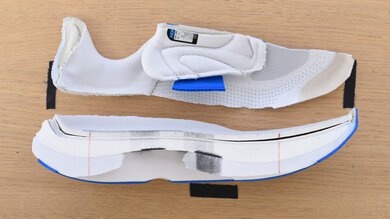
The HOKA Skyward X offers a fair amount of lateral stability. It has a wide base and an H-shaped carbon plate to hold the two layers of foam together. However, its towering stack height and soft foam underfoot prevent it from being truly stable, making it only moderately secure, especially when the form begins to break down or during sharp turns.
Very wide outsole.
EVA-PEBA mix balances energy return and cushioning well.
Foam is not firm underfoot.
Exaggerated stack height.

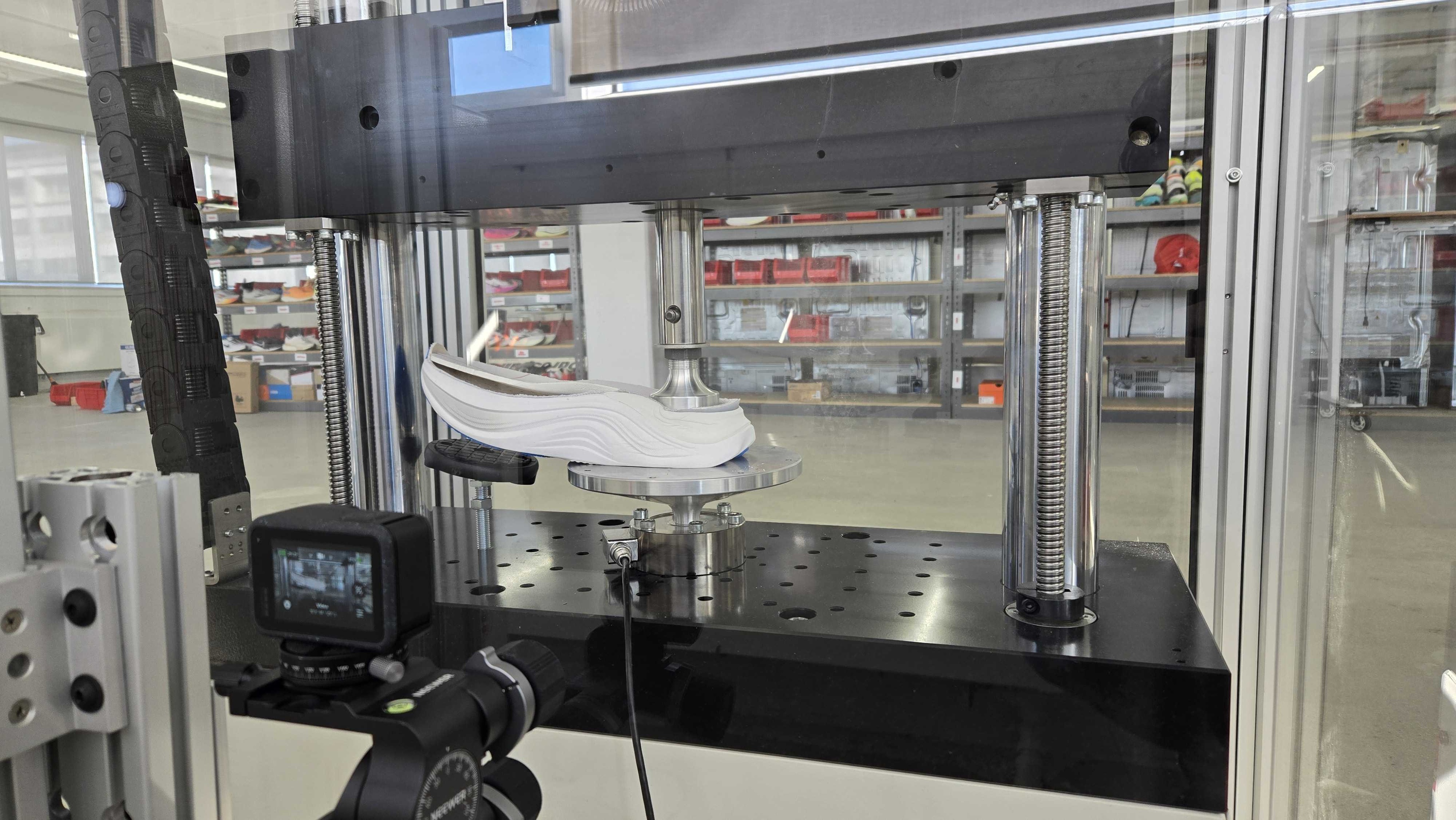
The HOKA Skyward X is generally not very firm in the heel. However, due to the shoe's structure, forefoot strikers might perceive some firmness. Midfoot and heel strikers, on the other hand, are less likely to find it rigid, as the cushioning allows for a softer, more forgiving landing.

Cushioning
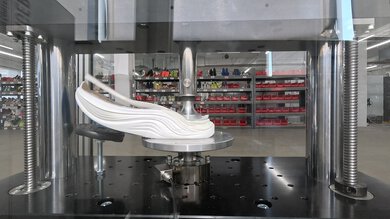
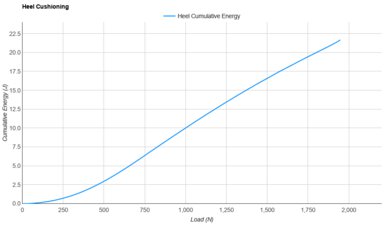
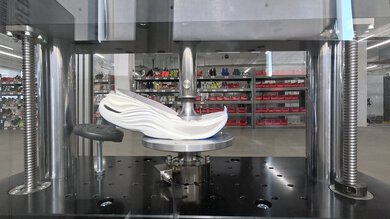
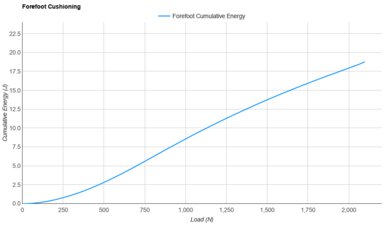
The HOKA Skyward X provides remarkable cushioning, offering a plush and comfortable ride. This makes it suitable for long-distance training and recovery runs, offering a soft and protective underfoot feel when fatigue sets in.
Superb forefoot cushioning.
EVA-PEBA mix balances energy return and cushioning well.
Responsiveness
The HOKA Skyward X features very good energy return thanks to its premium PEBA-based foam in the top layer. This foam absorbs and returns a good amount of energy, creating a bouncy and lively underfoot feel, though it's slightly firmer than some other PEBA formulations. However, this energetic ride is somewhat muted by the shoe's overall weight and construction, which dampens the full potential of the foam's responsiveness.
EVA-PEBA mix balances energy return and cushioning well.
The bulky build dulls the ride's potential.


True To Size
EVA-PEBA mix balances energy return and cushioning well.
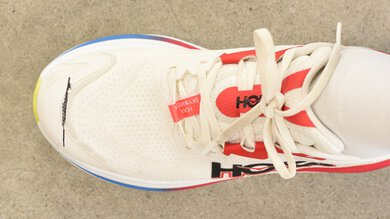
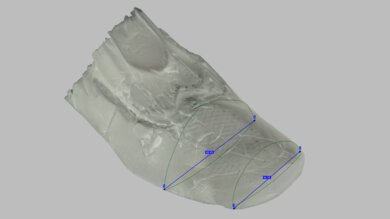
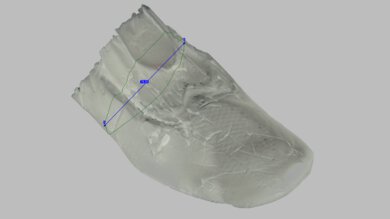
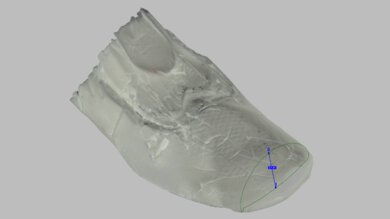
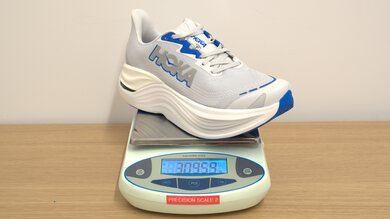
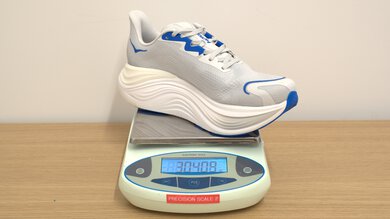
This shoe is on the heavier side, which is one of its main drawbacks. The added weight makes it feel less agile than super trainers like the HOKA Mach X 2.
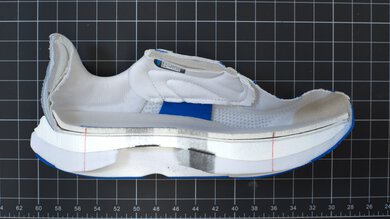
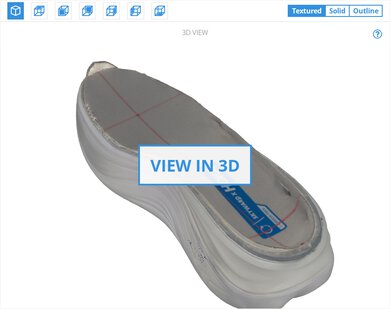

Popular Running Shoe Comparisons
The HOKA Skyward X defies traditional running shoe categories, blending elements rarely found in a daily trainer, such as a PEBA-EVA mix foam and a convex carbon plate. However, these high-tech features don't make it a super trainer, and even less so a super shoe. Instead, this shoe is best suited for runners who appreciate extreme stack heights and want a premium, max-cushioned option for daily training, particularly for recovery runs where underfoot protection is key. Within HOKA's lineup, the HOKA Mach X and HOKA Mach X 2 fit more into the classic super trainer mold, offering a lighter, more energetic ride with greater stability. The Mach X 2 offers similar cushioning to the Skyward X, proving that you don't necessarily need the highest stack height to get great cushioning. For runners seeking a carbon-plated shoe for speed work or racing, the HOKA Cielo X1 2.0 or the HOKA Rocket X 3 would be far better choices. If you're looking for the next step in the line, the HOKA Skyward X 2 keeps the same max-stack cruiser identity with a lighter build and a few small tweaks.
For more options, check out our recommendations for the best running shoes to find the perfect pair.
The HOKA Skyward X and HOKA Bondi 9 are both highly cushioned trainers, though they fill very different roles within HOKA's lineup. The Bondi 9 stays closer to a traditional premium daily trainer, while the Skyward X pushes much further into max-cushion territory thanks to its towering stack height and PEBA-EVA midsole. Its convex carbon plate and more energetic foam give the ride a noticeably more assisted feel over long distances. The result is significantly better heel and forefoot energy return, alongside more long-run cushioning overall. By comparison, the Bondi 9 feels firmer and easier to settle into at slower paces. Both shoes work well for recovery runs and longer efforts, but runners prioritizing maximum cushioning and energy return will likely prefer the Skyward X, while those looking for a little more ground feel will prefer the Bondi 9.
The HOKA Skyward X 2 and HOKA Skyward X share the same basic identity: huge stack, carbon plate, and a cruiser-first ride. The Skyward X 2 keeps that formula but trims weight, lowers the stack slightly, and adds a new jacquard mesh upper with a non-gusseted tongue for more comfort. The older Skyward X has a little more cushioning on paper, but is also heavier underfoot. The Skyward X 2 is the better pick if you want the same max-stack HOKA concept in a lighter package, while the original still makes sense if you find it on sale.
The HOKA Skyward X and HOKA Mach X are both premium trainers, but they cater to different types of runners. The Skyward X is all about maximum cushioning and underfoot protection, making it a great option for recovery runs or those who prefer an ultra-soft, high-stack experience. However, its towering design doesn't translate into a particularly energetic ride. The Mach X, on the other hand, fits more into the super trainer category. It's significantly lighter, more stable, and delivers a snappier feel underfoot. While both shoes incorporate advanced foam blends, the Mach X offers a more versatile ride that works well for both daily miles and uptempo efforts.
The HOKA Skyward X and the Brooks Glycerin Max are both ultra-high-stack, max-cushioned trainers, but they take different approaches to achieving comfort and performance. The HOKA is the more cushioned of the two, offering an even softer and more protective ride while providing significantly more energy return, which is something the Brooks shoe lacks entirely. The Brooks, while slightly lighter, is a straightforward, no-fuss max-cushioned trainer that excels at one thing: providing soft, consistent comfort for easy runs. Also, while both shoes have substantial stack heights, the Brooks' stack is less exaggerated, making it feel a bit more traditional.
The HOKA Skyward X and the HOKA Mach X 2 both sit in the high-cushion performance trainer category, but their execution differs. The Skyward X prioritizes plush comfort with an extreme stack height and carbon plate, making it feel more like a max-cushioned cruiser than a performance shoe. The Mach X 2, on the other hand, refines the formula of its predecessor, offering a similarly cushioned ride but with better energy return and a more natural transition. Also, the Mach X 2 remains lighter than the Skyward X, making it a stronger choice for those who want a dynamic yet comfortable daily trainer. The Skyward X works best for easy runs where protection is key, while the Mach X 2 offers more versatility across different paces and workouts.
The HOKA Skyward X and HOKA Clifton 9 are both high-stack, cushioned running shoes, yet they cater to different preferences and training needs. The Clifton 9 is lighter and offers superior lateral stability, partly due to its substantial yet lower stack height compared to the Skyward X. This design provides a more grounded feel and makes it suitable for runners seeking a stable daily trainer. In contrast, the Skyward X delivers more cushioning and much more responsiveness, making for a more dynamic running experience.
The New Balance FuelCell SuperComp Trainer v3 and the HOKA Skyward X are two plated trainers that offer distinctly different experiences underfoot. The SuperComp Trainer v3 strikes a number of compromises to create a smooth, consistent ride. Its midsole is not too soft or too firm, and the very reasonable width-to-stack ratio makes the New Balance shoe very stable. The Skyward X, on the other hand, throws caution to the wind and embraces the wild bounciness that characterised previous versions of the SuperComp Trainer v3. The HOKA shoe has much better energy return and cushioning than the SC Trainer v3, but it's considerably less stable: although the Skyward X sits 12 mm higher, it has a similarly sized platform, which can feel like running on stilts compared to the more grounded New Balance.
The Mizuno Neo Vista 2 and HOKA Skyward X both occupy the niche of ultra-cushioned, plated trainers designed for long miles and recovery runs, but they take very different approaches. The Mizuno uses a towering stack of foam paired with a plastic plate, delivering a deeply cushioned experience (especially in the heel) that's almost as plush as the HOKA. Despite all that foam, it still comes in lighter, making it easier to turn over during long efforts. The HOKA, on the other hand, leans on a more structured, H-shaped carbon plate embedded in the soft and responsive midsole. It delivers a slightly softer feel overall, and its upper is more traditional, offering a more standard fit compared to the Mizuno shoe's high-volume, roomy construction.
The HOKA Skyward X and the adidas Adizero Prime X 2.0 STRUNG are both max-stack, carbon-plated trainers that push the boundaries of comfort and technology, but they diverge in purpose and feel. The adidas is a bit lighter and slightly firmer, with a geometry and dual carbon plates that deliver a distinct pop, especially noticeable at marathon pace or faster efforts. It's built to energize long, steady workouts. In contrast, the Skyward X prioritizes plushness and smooth transitions, offering a pillowy ride that's best left for recovery days or easy miles when you want maximum cushioning without much propulsion.
The Brooks Glycerin Max 2 and HOKA Skyward X are both towering max-cushion trainers built for comfort on easy miles, but they feel very different on the run. The Skyward X is slightly lighter, despite packing a higher stack and a carbon plate, and its midsole returns significantly more energy, making it feel livelier and more responsive overall. The Max 2, by contrast, uses DNA Tuned foam without a plate and still comes across noticeably firmer overall, but in a crisp way that pairs nicely with its pronounced rocker and makes the transition feel more rolling than you would expect from such a bulky max-cushion shoe. It's clearly heavier and much less bouncy, yet also more straightforward for runners who just want a protective, predictable cruiser for relaxed daily runs.
Differences Between Sizes And Variants
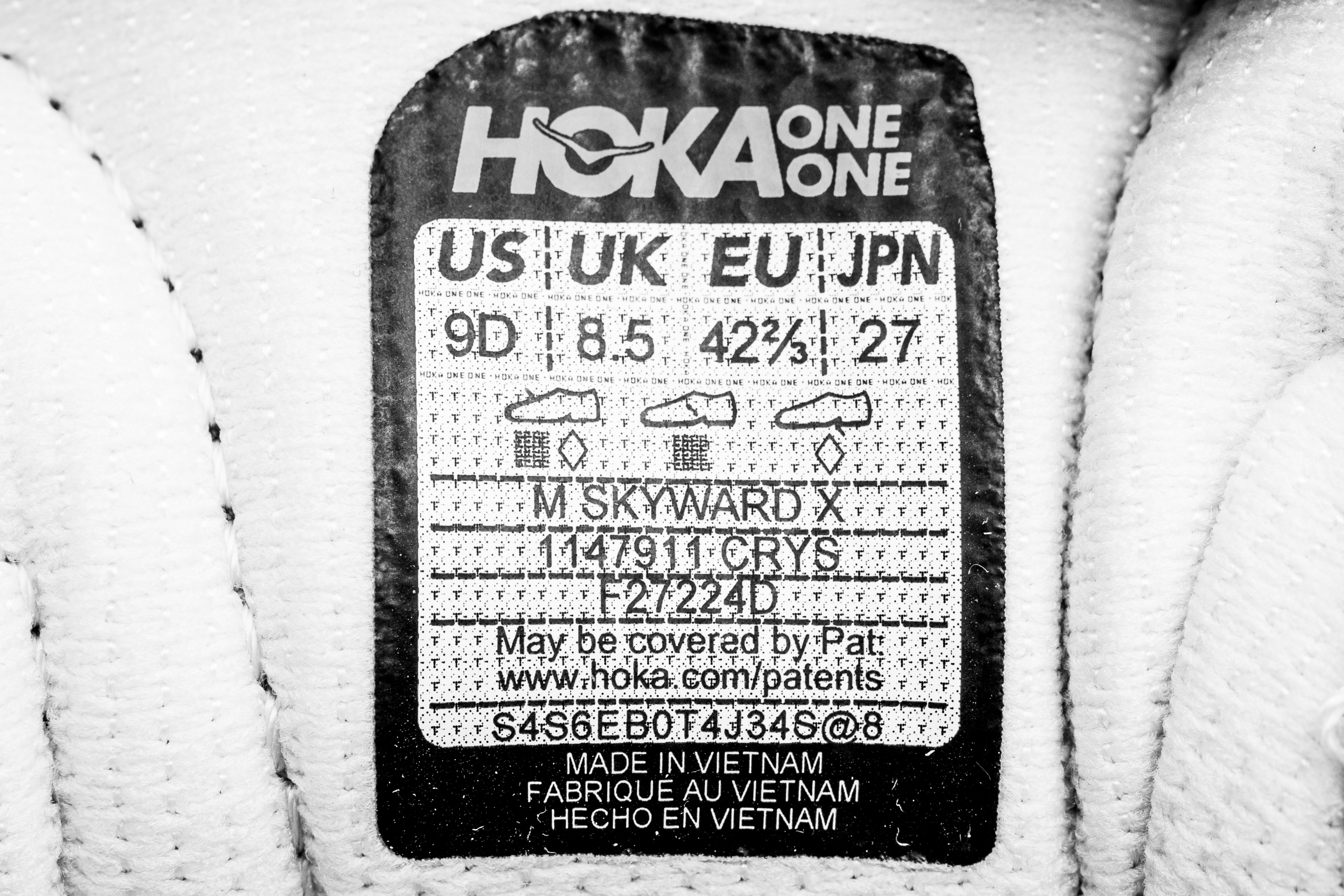
We tested the HOKA Skyward X in men's US size 9, as indicated on the label. The colors shown here are Cosmic Grey and Silver. This model currently comes in two additional colorways for men (Luna Moth/Black and Blanc de Blanc/Virtual Blue) and three additional colorways for women, including Cosmic Grey/Rose Gold, Lemonade/Sunlight, and Blanc de Blanc/Swim Day. Wide versions are not available for this model.