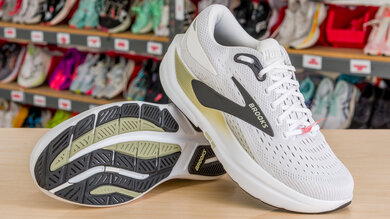
We've tested these running shoes to expand our database and allow users to compare results to help with their buying decisions. We don't expect to write a full review, but if you have any questions about this product, please let us know.
Changelog
-
Updated Apr 17, 2026:
We corrected a calculation error in the review’s Internal Shape section.
- Updated Dec 04, 2025: Review published.
- Updated Dec 02, 2025: Early access published.
- Updated Sep 22, 2025: Our testers have started testing this product.
- Updated Sep 15, 2025: The product has arrived in our lab, and our testers will start evaluating it soon.
- Updated Jul 09, 2025: We've purchased the product and are waiting for it to arrive in our lab.

We've bought and tested more than 300 running shoes. Every pair purchased with our own money, never supplied or sponsored by brands. Our data-driven tests are designed to go beyond marketing claims, and since every shoe goes through the exact same methodology, you can directly compare results to find the right pair for your needs.
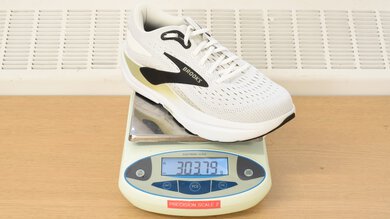
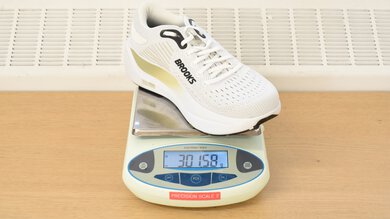
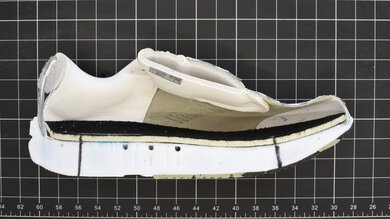
Popular Running Shoe Comparisons
The Brooks Ghost Max 3 is a better pure running shoe than the Brooks Ghost 17. It's taller and more cushioned, with more protection underfoot, though it's heavier. The Ghost 17 is more stable and grounded, making it a dependable workhorse for a mix of running and walking.
The Brooks Ghost Max 4 is a meaningful upgrade over the Brooks Ghost Max 3. It's more versatile and stable, while its lower weight makes it less cumbersome across daily training. Its higher drop also makes it better suited to running, rather than mainly walking like the Ghost Max 3. Neither shoe is particularly bouncy, though the Ghost Max 4 has a bit more life underfoot. That said, the Ghost Max 3 offers slightly more impact protection, but most runners are unlikely to notice the difference.
The HOKA Bondi 9 is a better running shoe than the Brooks Ghost Max 3. Its plush foam absorbs even heavy impacts and gives you a bit of bounce. The Brooks is firmer and a bit more stable, but has very little bounce, making it better as a walking shoe you can occasionally run in.
The Brooks Glycerin 23 is a better running shoe than the Brooks Ghost Max 3. It has much better heel cushioning and energy return, and a slimmer shape that feels more nimble. The Ghost Max 3 has more cushioning up front and is better suited to walking.
The Brooks Ghost Max 3 and Brooks Adrenaline GTS 25 are both comfort-focused Brooks trainers, but they're built for different runners. The Ghost Max 3 is the neutral max-cushion option, with a wider, higher-stack platform that provides more forefoot protection and a softer, more cushioned feel for easy runs or walking. The Adrenaline GTS 25 is the stability shoe, using guide-rail-style support and firmer sidewalls to correct excessive overpronation. Neither shoe feels lively underfoot, but the Ghost Max 3 is the better pick if you want a relatively stable, neutral-cushioned option. The Adrenaline GTS 25 makes more sense if you need dedicated support.
The Brooks Glycerin Max and the HOKA Clifton 10 offer two different options for runners and walkers seeking a comfortable, reliable shoe. The heel of the HOKA sits higher off the ground than the Brooks, but because the former has a steeper heel-to-toe drop, the forefoot stack height is the same in both shoes. The HOKA is the softer, more cushioned shoe and offers better energy return. Its semi-gusseted tongue provides slightly better lockdown, but the fit can be more constricting than the Brooks'. If you plan to run more than walk, the HOKA is a more compelling option, but the Brooks is still a good choice if you want a solid, comfortable everyday shoe.
The Brooks Ghost Max 3 and Brooks Glycerin 22 are two running shoes that show a clear divergence in the brand's lineup. The Glycerin is part of a flagship series that has long catered to heel strikers, and this iteration largely continued that legacy, with a 10 mm heel-to-toe drop and DNA Tuned cushioning that is softer under the heel. The Ghost Max, on the other hand, has a much less pronounced heel drop, and its heel cushioning is not as good as the Glycerin's, but its forefoot cushioning is much better. Neither shoe is particularly lively, but the Glycerin easily outclasses the Ghost Max's abysmal energy return. If you're a heel striker and you want a shoe for everyday runs, the Glycerin is a better choice. If you are a mid to forefoot striker and want a walking shoe that can double as a running shoe, go with the Ghost Max.
The Brooks Ghost Max 3 and Brooks Glycerin Max 2 are both oversized, comfort-first Brooks trainers, but despite sharing the same "Max" moniker, they perform different functions. The Ghost Max 3 is the lower-stack, more stable option, with a broad base and plush upper that make it feel secure for walking, easy efforts, and slow daily mileage. However, its midsole feels flat, with very little rebound when you try to pick up the pace. The Glycerin Max 2 adds much deeper cushioning, a stronger rocker, and better responsiveness, making it better suited to long runs and heavier runners who want reliable protection underfoot. It's heavier and less stable than the Ghost Max 3, but it gives you a more complete max-cushion ride.
The Brooks Ghost Max 3 is the successor to the Brooks Ghost Max 2, and the series seems to be softening with age. The Ghost Max 3 maintains a similar stack height and geometry, but the midsole is noticeably softer than in the Ghost Max 2. The upper has also been updated, and the mesh in the third version is slightly more breathable than in the second. Overall, the Ghost Max 3 feels more comfortable but less responsive than the Ghost Max 2.
The Brooks Glycerin Max and Brooks Ghost Max 3 may both be "Max" by name, but they have very different rides. The Glycerin Max is the all-out, high-stack, highly cushioned cruiser, designed to help soak up miles with maximum comfort and protection. The Ghost Max 3, however, is the shorter stack, more stable offering, great for runners who love the ride of the regular Ghost and want a bit more cushioning underfoot. With all that stack, though, it's no surprise that neither shoe is especially snappy, so it comes down to how you want your ride to feel: higher stack, high comfort like the Glycerin Max, or lower stack, more stability like the Ghost Max 3.