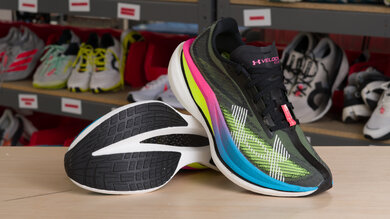
The Under Armour Velociti Elite 3 is the racing shoe that accompanied Sharon Lokedi to back-to-back victories at the Boston Marathon in 2025 and 2026. It is a firm, low-drop racer that works well for midfoot strikers, higher-cadence and lighter runners, but less so for anyone else. The HOVR+ foam, a beaded TPU-based compound, delivers energy return that would have felt cutting-edge only a few years ago but is now rather blasé in the current market. If you want a viable racing shoe that has a very low heel-to-toe drop, or you like a firmer feeling underfoot when pushing the pace, the Velociti Elite 3 could be for you. For most runners, though, there are more accommodating and compelling super shoes out there.
Our Verdict
The Under Armour Velociti Elite 3 is a great marathon racing shoe for midfoot strikers who maintain a high cadence and lighter runners. The cushioning holds up well over long distances, but is more forgiving under lighter loads. The energy return is impressive but far from cutting-edge, and the shoe just doesn't feel as lively as many of its competitors.
Impressive long-run cushioning.
Forefoot is impressively springy.
The Under Armour Velociti Elite 3 is a good shoe for racing a 5k or 10k. It's not a featherweight, but it's light and nimble enough for serious racing. The carbon-plated midsole comes alive at faster paces and gives back enough energy to make it a viable racing shoe for runners who maintain a high cadence.
Forefoot is impressively springy.
Changelog
- Updated Apr 27, 2026: Review published.
- Updated Apr 21, 2026: Early access published.
- Updated Mar 19, 2026: Our testers have started testing this product.
- Updated Feb 03, 2026: The product has arrived in our lab, and our testers will start evaluating it soon.
- Updated Jan 15, 2026: We've purchased the product and are waiting for it to arrive in our lab.
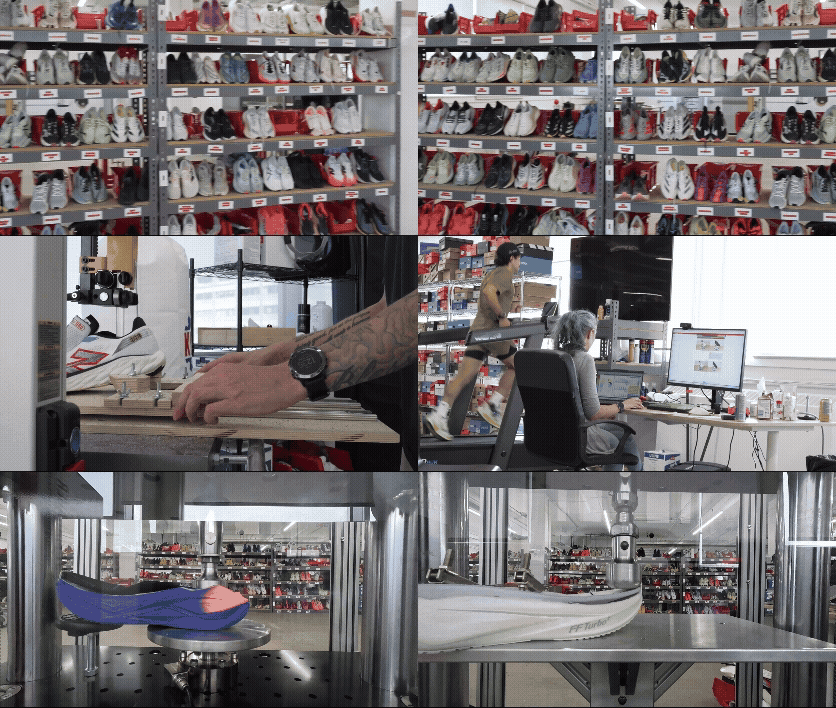
We've bought and tested more than 300 running shoes. Every pair purchased with our own money, never supplied or sponsored by brands. Our data-driven tests are designed to go beyond marketing claims, and since every shoe goes through the exact same methodology, you can directly compare results to find the right pair for your needs.
Test Results
Energy Return
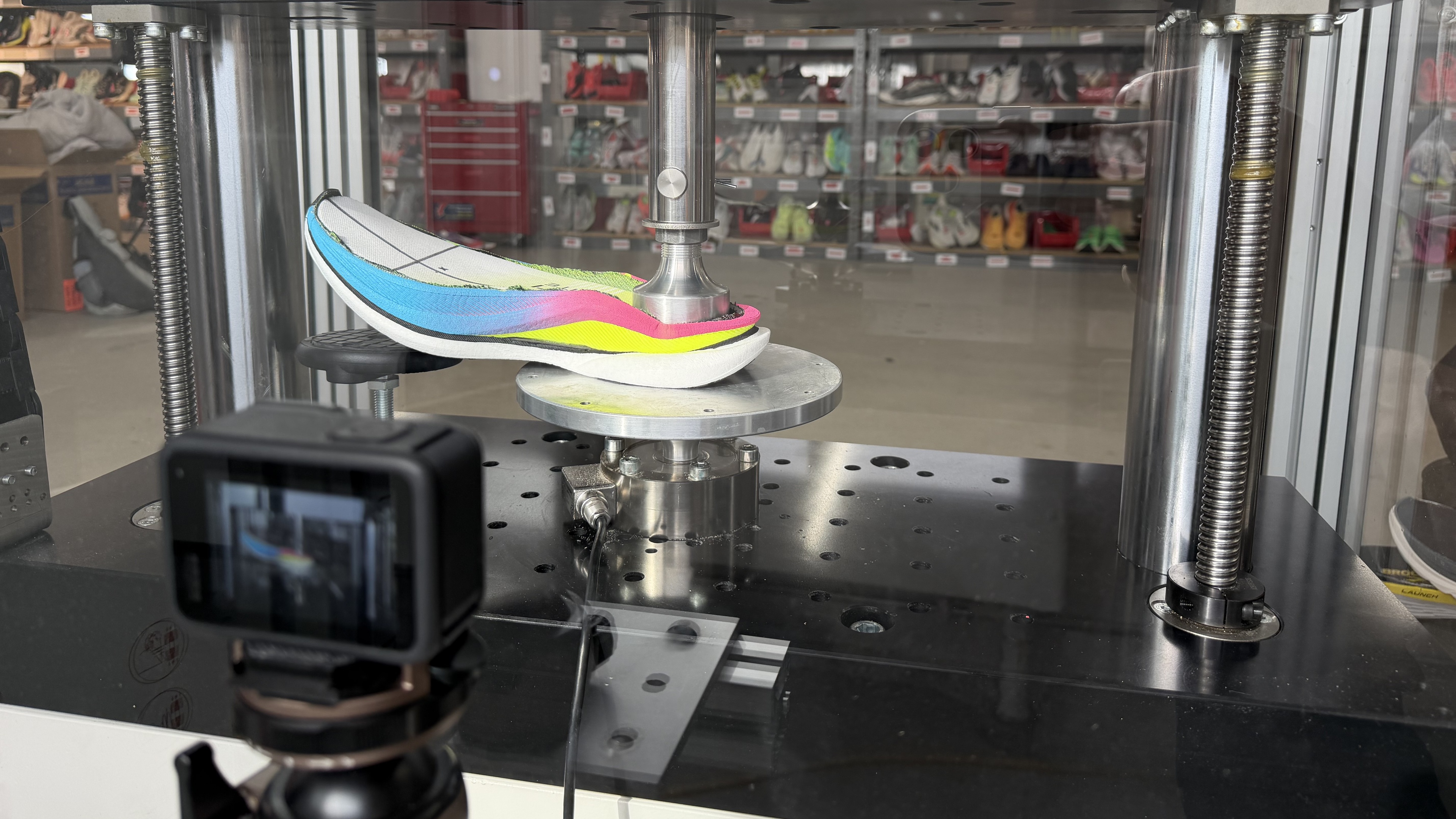
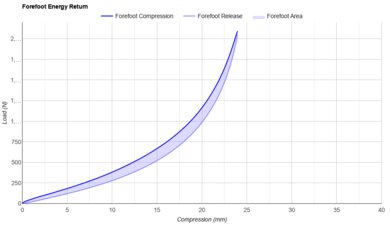
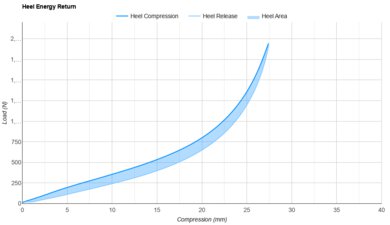
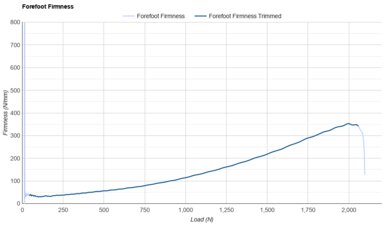
The Under Armour Velociti Elite 3 gives very good energy return. The forefoot has enough spring to feel like your efforts are being rewarded when you push the pace, but the sensation is not nearly as bouncy as other modern super shoes. The midsole comes alive at faster paces, and the energy return is most evident at a higher cadence.
Forefoot is impressively springy.
Cushioning
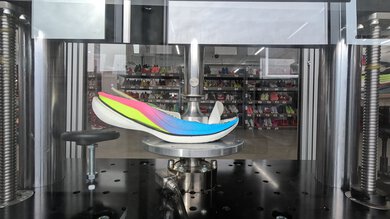
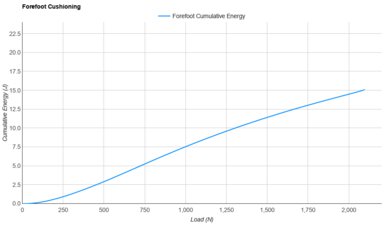
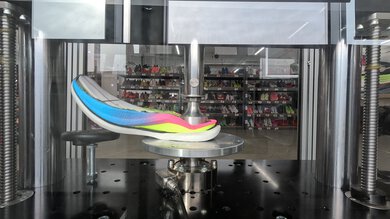
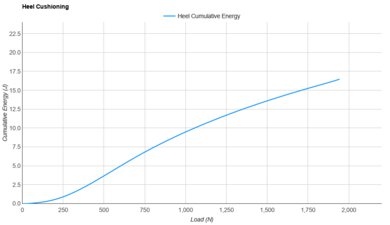
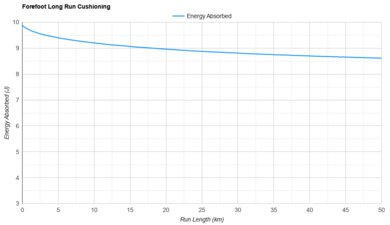
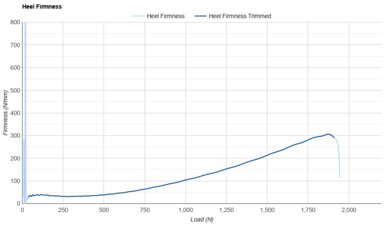
The Under Armour Velociti Elite 3 has excellent cushioning and is particularly suited to lighter runners, who will get the most protection from the beaded HOVR+ midsole. The foam holds up pretty well over long distances, offering impressive impact absorption over long distances without feeling overly soft.
Impressive long-run cushioning.
Absorbs impact from lightweight runners exceptionally well.
Lateral Stability
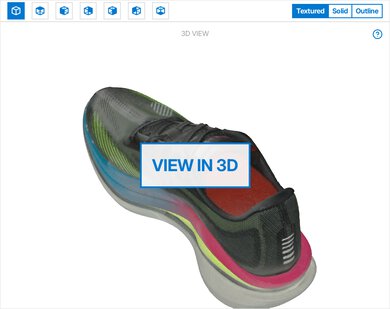
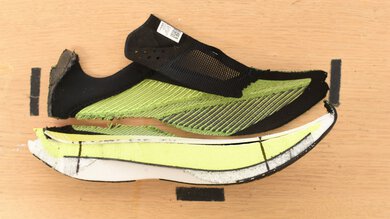
The Under Armour Velociti Elite 3 has decent lateral stability, but it's designed for racing and consequently makes some compromises to stability. The shoe's platform is reasonably wide under the heel and forefoot, but it narrows considerably under the arch, which can make it feel like your foot is precariously perched.
Good width to stack height ratio under heel and forefoot.
Platform is very narrow under the arch.
True To Size
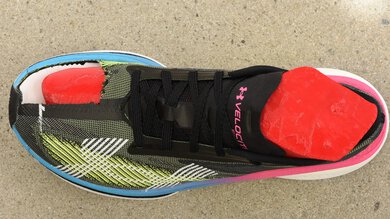
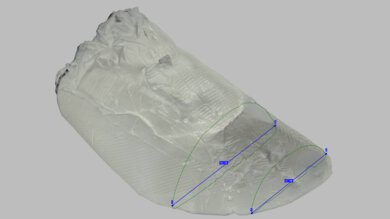
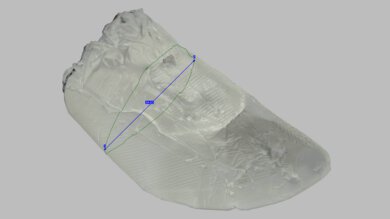
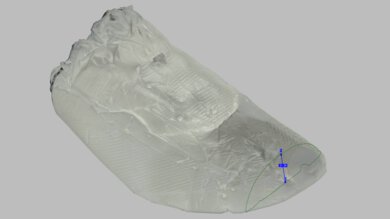
The Under Armour Velociti Elite 3 fits remarkably true to size, and most runners can buy in their usual size. The arch is a bit tight, however, and there's not much height through the forefoot, so if you have high arches, this shoe could be uncomfortable.
Length is true to size.
Very snug in the arch.
Popular Running Shoe Comparisons
The Under Armour Velociti Elite 3 is a fairly niche racing shoe that has had a few notable successes among elite runners, but it's a bit of a harder sell for amateur runners. Its low-drop geometry is very similar to the On Cloudboom Strike and works for runners with a similar strike pattern, but the Cloudboom Strike's cushioning holds up better over the marathon distance. The Velociti Elite 3 works best for higher cadence runners, similar to the ASICS METASPEED EDGE TOKYO, but the ASICS shoe is much lighter and feels better executed.
Under Armour is still much stronger in the apparel game than the running shoe game, but the Velociti Elite 3 is part of a growing family of shoes from the brand. The Velociti lineup also includes the Velociti Pro 2, a plated trainer; the Velociti SPD 5, a lighter (unplated) daily trainer; the Velociti Distance, marketed as a lightweight long-run shoe; and the Velociti Pace, an entry-level budget trainer. Outside the Velociti series, the most standout shoe is the Under Armour Infinite Elite 2, which is a comfort cruiser well-suited to long runs with its impressive cushioning and energy return.
If you're looking for a shoe for your next PB attempt, check out our recommendations for the best marathon running shoes. If you're looking for the right shoe for your long run training, check out our best long-distance running shoe recommendations.
The PUMA Velocity NITRO 4 is not to be confused with the Under Armour Velociti Elite 3, despite their similar names. Puma's Velocity with a 'Y' is a lightweight daily trainer that has the high heel-to-toe drop and stable platform of a classic daily trainer, but with more bounce. Under Armour's Velociti with an 'I' is a low-drop racing shoe that has a carbon plate in a stiff, but energetic midsole.
The Under Armour Velociti Elite 3 and Under Armour Infinite Elite 2 are two shoes with elite ambitions, but different uses. The Velociti is the brand's racing shoe, featuring a carbon plate in a HOVR+ midsole. It's lighter and has only a 4mm heel-to-toe drop. The Infinite Elite 3 is a more cushioned, comfort cruiser that has the same HOVR+ cushioning, but with a broader base, a more padded upper, and an eight mm heel drop that makes it more suited for slower long runs.
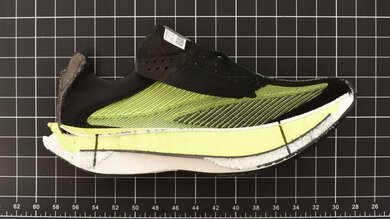
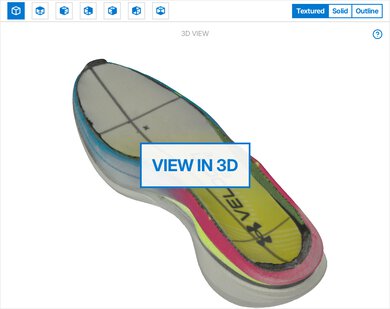
The On Cloudboom Strike and Under Armour Velociti Elite 3 are two racing shoes that share a similar low-drop geometry and similar energy return. The On shoe has a more accommodating fit, especially through the arch, and is more spacious in the toe box. The shoes both have carbon-plated midsoles, but the plate in the Under Armour is flat through the midfoot before curving up in the forefoot. The plate in the On is spoon-shaped, dipping under the ball of the foot before scooping back up toward the toes. The setup of the On is a bit more suited to forefoot strikers, while the Under Armour slightly favors midfoot strikers.
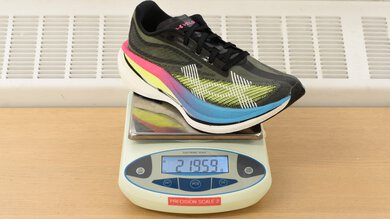
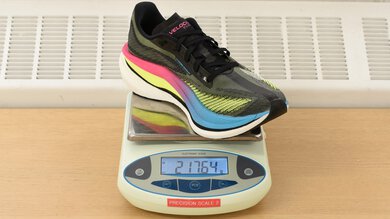
The Under Armour Velociti Elite 3 and the ASICS METASPEED RAY are two low-drop racing shoes, and the Under Armour was worn by the women's winner of the 2026 Boston Marathon, while the ASICS was worn by the runner-up. They offer two completely different rides: the Under Armour is rather stiff but decently stable, while the ASICS is soft and bouncy but extremely wobbly if your form breaks down. For racing purposes, a significant difference is that the ASICS is much lighter, just over half the weight of the Under Armour.
Differences Between Sizes And Variants
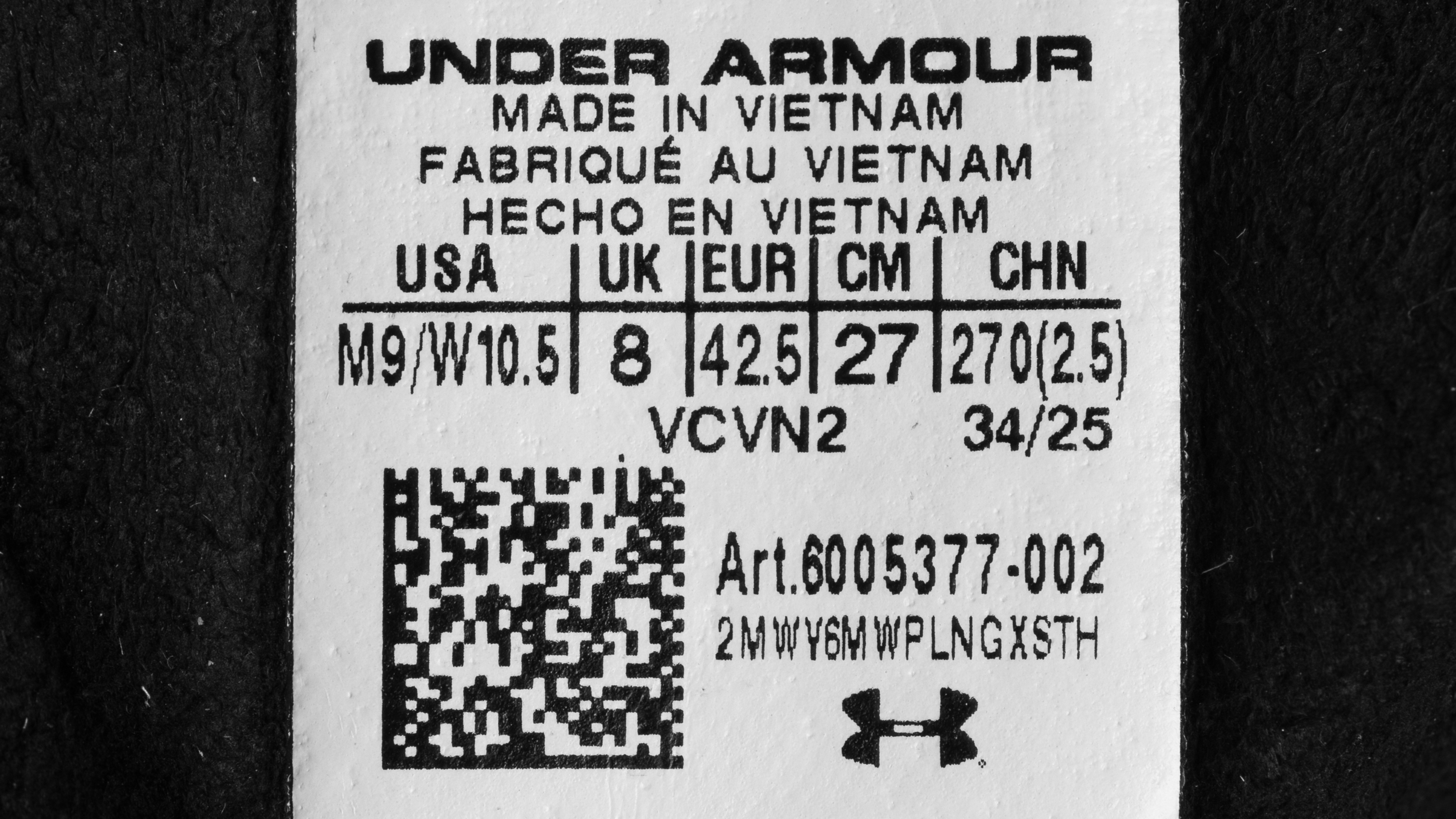
We tested the Under Armour Velociti Elite 3 in men's U.S. size 9, as noted on the label for our pair. The model we tested is the Black/High Vis Yellow/White colorway. The shoe is also available in White/Fade Green/Green Mode for both men and women. Currently, there are no wide versions offered for both men and women. The design section applies only to the exact pair we tested, but we expect other sizes and gender variants to perform similarly.