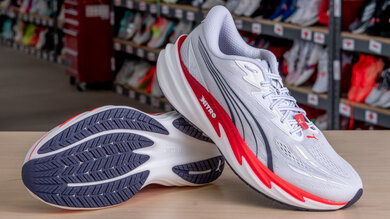
The PUMA Velocity NITRO 5 is a classic daily trainer for runners who want a straightforward shoe for regular mileage. It feels quite light and has enough bounce to stay agile, allowing it to handle occasional pace pickups with ease. Its very stable, moderate-stack platform also provides some ground feel, though it lacks the cushioning and response for longer and faster sessions. Its reliable grip and stable, grounded ride make it a dependable everyday option, especially if you dislike shoes that are overly towering and plush.
| ✅ Buy If: | ❌ Skip If: |
|
|
Our Verdict
The PUMA Velocity NITRO 5 isn’t built for long-distance racing, making it a sub-par choice for half and full marathons. Its stable platform and relatively low weight help, but its limited cushioning, modest energy return, and unresponsive geometry make it difficult to maintain faster paces comfortably. It can cover these distances, but it’s much better suited to regular training.
Excellent stability keeps the ride controlled and secure.
Limited cushioning is harsh during longer efforts.
Not a propulsive shoe.
The PUMA Velocity NITRO 5 isn’t designed primarily for 5K or 10K racing, but it’s an adequate option if you don’t need every last bit of efficiency. Its firm forefoot and manageable weight give it a direct, fairly agile feel, though it lacks the snappy transitions and strong propulsion needed for hold very fast paces effortlessly.
Firm forefoot provides a grounded feel through toe-off.
Not a propulsive shoe.
The PUMA Velocity NITRO 5 is okay for long runs. Its great stability and effective heel rocker keep the ride controlled and relatively smooth, but its moderate stack and limited forefoot cushioning provide less protection as the distance builds. It can still work for lighter runners or those who don't put down a lot of pressure, but it will feel bottomed out if you apply more force underfoot.
Excellent stability keeps the ride controlled and secure.
Limited cushioning is harsh during longer efforts.
Its moderate stack provides less protection than most long-run shoes.
The PUMA Velocity NITRO 5 is good for daily training. Its very stable, moderate-stack platform feels secure and grounded during easy runs, while its relatively low weight and light rebound make it versatile enough to handle occasional pace pickups. However, it's not very cushioned, meaning the ride never feels plush or forgiving during daily miles.
Excellent stability keeps the ride controlled and secure.
Relatively low weight makes the shoe feel quite nimble for a trainer.
Decent forefoot rebound adds some pep to your daily miles.
Moderate stack preserves ground feel.
Not a propulsive shoe.
Not a plush shoe for daily training in pure comfort.
Changelog
- Updated Jul 29, 2026: Review published.
- Updated Jul 27, 2026: Early access published.
- Updated Jul 16, 2026: Our testers have started testing this product.
- Updated Jul 15, 2026: The product has arrived in our lab, and our testers will start evaluating it soon.
- Updated Jul 13, 2026: We've purchased the product and are waiting for it to arrive in our lab.

We've bought and tested more than 250 running shoes. Every pair purchased with our own money, never supplied or sponsored by brands. Our data-driven tests are designed to go beyond marketing claims, and since every shoe goes through the exact same methodology, you can directly compare results to find the right pair for your needs.
Test Results
Energy Return
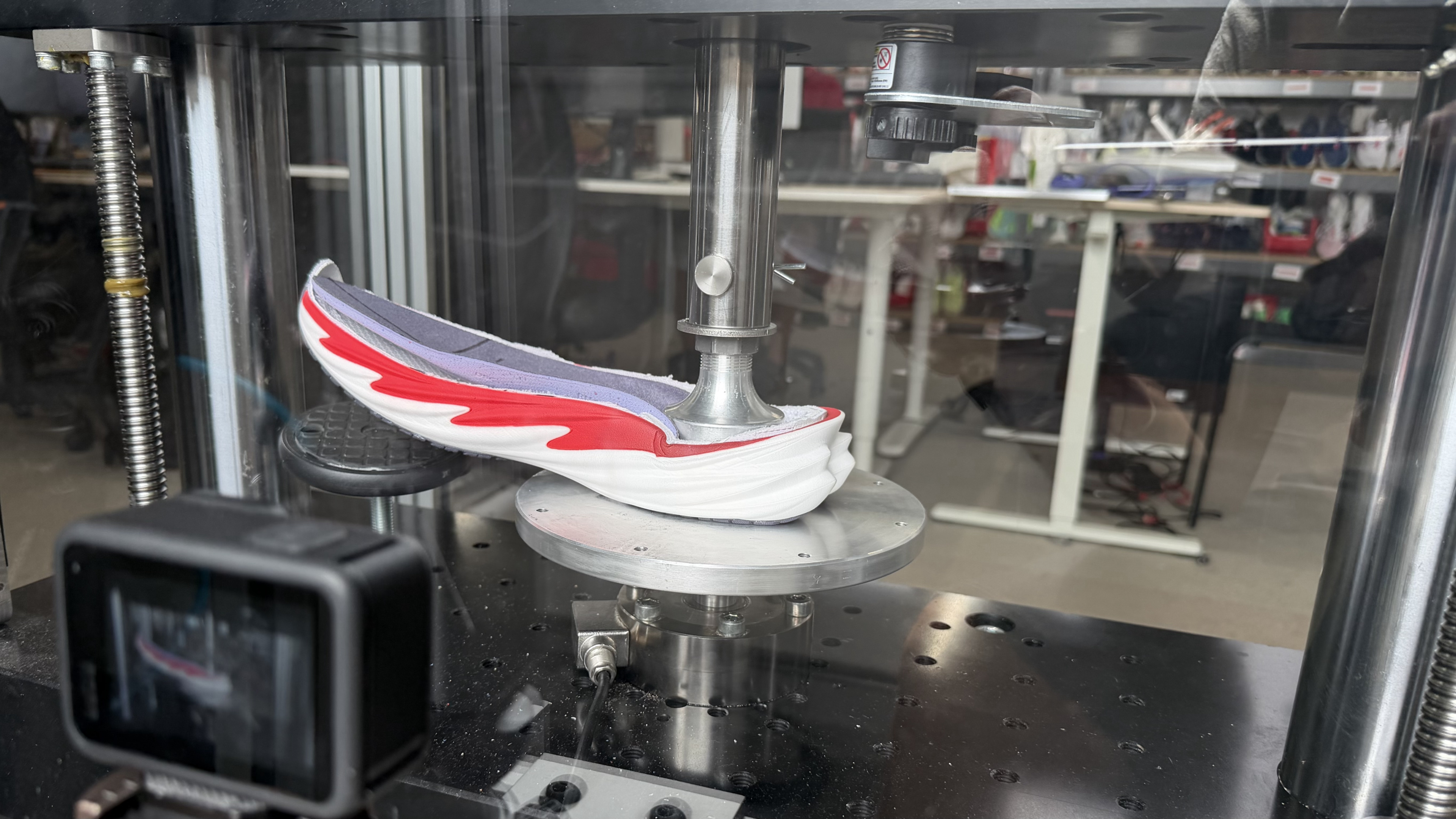
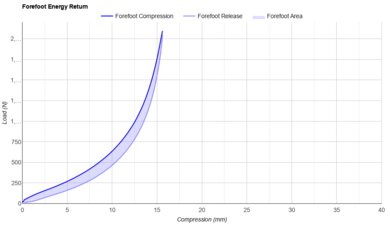
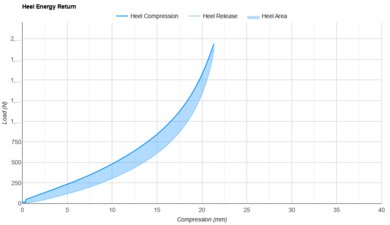
The PUMA Velocity NITRO 5 returns a fair amount of energy. The forefoot provides a decent amount of rebound, giving the shoe a light touch of bounce when you pick up the pace, but the heel feels noticeably less lively. It keeps everyday runs from feeling flat without delivering a particularly energetic ride overall.
Decent forefoot rebound adds some pep to your daily miles.
Doesn't feel very energetic in the heel.
Stability
The PUMA Velocity NITRO 5 has great stability. Its firm foam, broad platform, and moderate stack keep the foot planted, while the gusseted tongue provides a secure hold inside the shoe. It feels reassuring through corners and uneven landings, despite not being designed to correct your stride.
Excellent stability keeps the ride controlled and secure.
Moderate stack preserves ground feel.
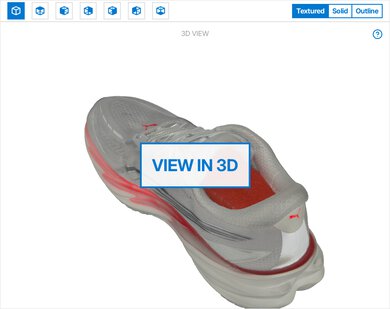
This model has a broader forefoot platform than the previous Velocity NITRO 4. This added width likely contributes to its slightly higher weight, but it also creates a more planted base and improves stability without turning the shoe into a bulky trainer.
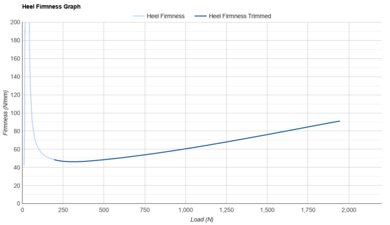
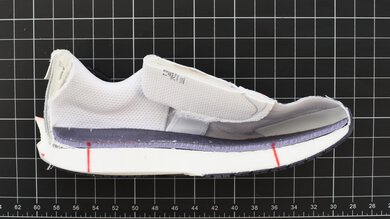
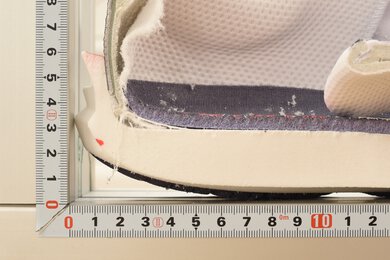
The PUMA Velocity NITRO 5 has a very firm heel. It feels dense and controlled underfoot, helping keep rearfoot landings planted.
Cushioning
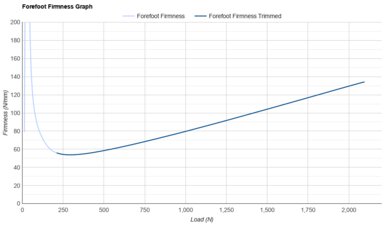
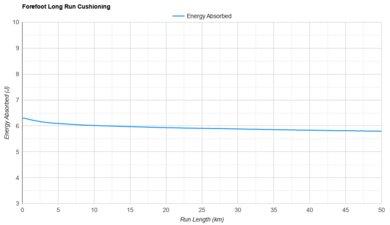
The PUMA Velocity NITRO 5 has mediocre cushioning. Its moderate stack provides enough protection for shorter, easier runs while preserving some ground feel, but neither the heel nor forefoot feels especially cushioned. The limited protection becomes more noticeable during longer efforts, where it feels a bit thin and harsh.
Decent protection at easy paces for forefoot strikers
Limited cushioning is harsh during longer efforts.
The midsole bottoms out under higher forces.
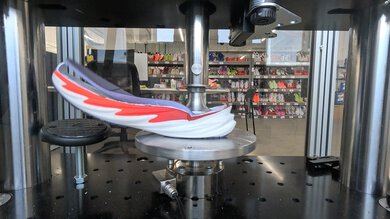
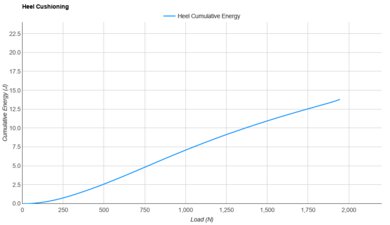
The midsole has mediocre heel cushioning overall. It absorbs impact reasonably well at lighter and moderate forces, making it protective enough for slower or lighter runners, but heavier landings push the foam closer to its limits and feel noticeably less forgiving.
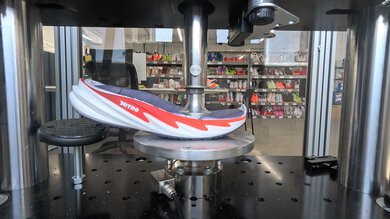
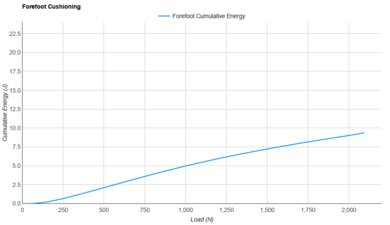
Bounciness
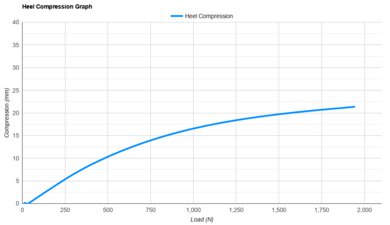
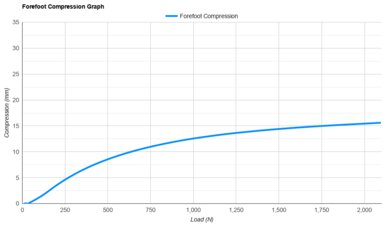
The PUMA Velocity NITRO 5 has inadequate bounciness. Its midsole doesn’t compress very deeply, so landings aren't trampoline-like. There’s still enough rebound to keep it from feeling completely dull, but runners seeking a plush, springy sensation won’t find it here.
Low midsole compression limits how bouncy the shoe feels.
Doesn't feel very energetic in the heel.
Snappiness
The PUMA Velocity NITRO 5 has mediocre snappiness. Its very firm forefoot creates a direct platform at toe-off, but the shoe doesn’t spring forward strongly as it bends. Its already subtle rocker also flattens easily under pressure, further limiting the propulsion needed to sustain faster paces.
Firm forefoot provides a grounded feel through toe-off.
Low bending rebound limits propulsion through toe-off.
The compliant rocker flattens under pressure, limiting smooth turnover.
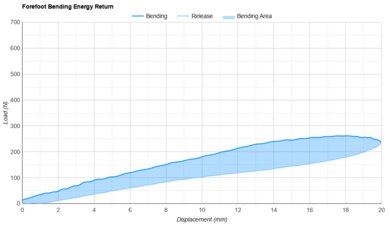
This model has inadequate bending energy return in the forefoot. It doesn’t spring back as strongly as other trainers like the HOKA Mach 7, so it doesn't feel as snappy when you try to pick up the pace.
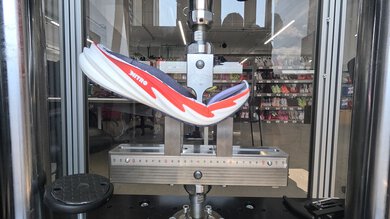
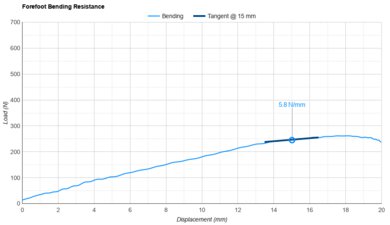
The PUMA Velocity NITRO 5 has inadequate forefoot bending stiffness. It feels more flexible than snappy at toe-off, which keeps the ride natural but provides little assistance when you run faster.
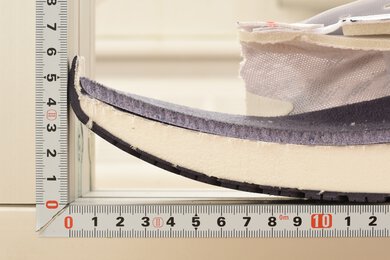
The PUMA Velocity NITRO 5 has a modest forefoot rocker with limited toe spring. It provides some forward guidance, but the relatively flat shape doesn't create the strong rolling sensation found in more aggressively rockered trainers like the New Balance FuelCell Rebel v5.
Roll
The PUMA Velocity NITRO 5 rolls forward poorly. Its heel rocker helps guide the initial transition, but the low, relatively flat forefoot doesn’t carry momentum smoothly through toe-off. The ride doesn't feel very smooth and rolling, particularly when trying to increase the pace.
Heel rocker helps smooth the initial transition.
The compliant rocker flattens under pressure, limiting smooth turnover.
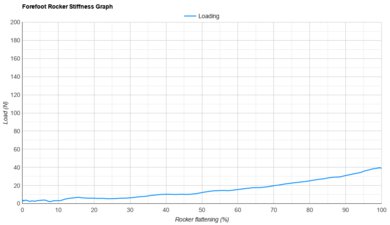
The already subtle rocker flattens easily under pressure, limiting how effectively the shoe maintains its shape and guides you forward through the stride.
True To Size
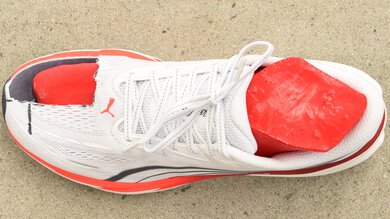
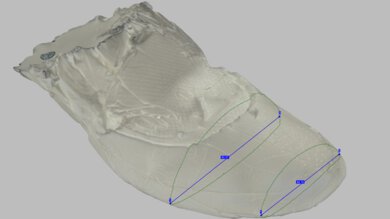
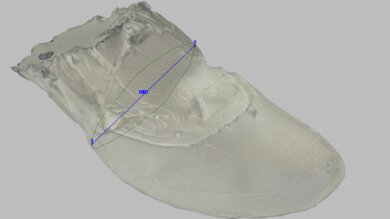
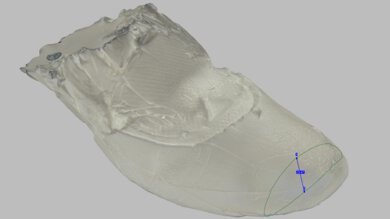
The PUMA Velocity NITRO 5 fits true to size. Its length and width closely match what most runners will expect from their usual size, with a well-proportioned forefoot and arch. However, the toe box is somewhat shallow, which may feel restrictive for runners with higher-volume feet. The vast majority of runners will be happy in their usual size for this model.
Length is spot on.
Enough room in width.
The shallow toe box may restrict higher-volume feet.
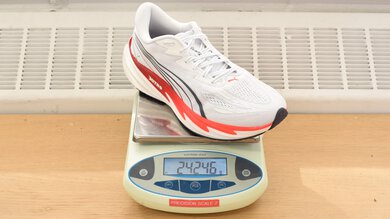
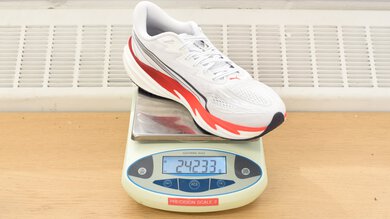
The shoe's weight is reasonable for a classic daily trainer, though it's slightly heavier than the previous PUMA Velocity NITRO 4. Its broader forefoot platform likely contributes to that gain, but it still feels considerably lighter than traditional trainers like the Nike Pegasus 42, even if it can't match true lightweight options like the HOKA Mach 7.
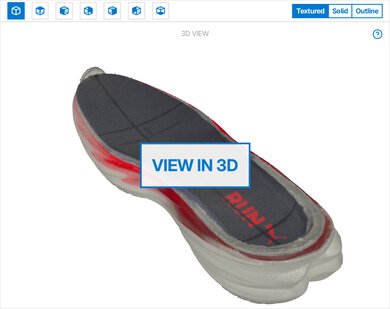

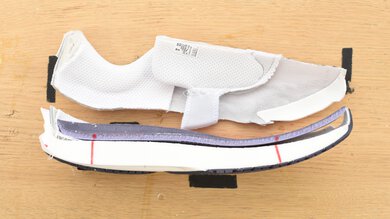
The midsole uses full-length Aliphatic TPU-based Nitrofoam. Within PUMA's lineup, it delivers a lighter and slightly livelier feel than the foams used in more traditional trainers, but it remains tuned for everyday mileage rather than the aggressive propulsion of the super shoes like the PUMA Fast-R NITRO Elite 3, which uses Nitrofoam Elite.
Popular Running Shoe Comparisons
The PUMA Velocity NITRO 5 occupies the space between traditional workhorse trainers like the Nike Pegasus 42 and true lightweight daily trainers like the HOKA Mach 7. Classic daily trainers are better if you want a basic shoe for a mix of walking and running, while lightweight trainers are noticeably more nimble and better suited to faster paces. The Velocity NITRO 5 offers a good balance between the two, with a relatively light and dynamic ride while retaining excellent stability, strong grip, and a grounded feel.
The PUMA Deviate Pure NITRO uses a similar, mostly unplated setup (with only a partial plastic shank) but is much lighter and more versatile, making it the better choice for both easy and faster runs. For the brand's full lineup and top picks, check out our recommendations for the best PUMA running shoes.
For more options from other top brands, see our recommendations for the best running shoes.
The PUMA Velocity NITRO 5 is a modest update to the PUMA Velocity NITRO 4. Both use the same midsole compound and deliver a very similar overall ride, but the fifth version adds a firmer heel and a much wider forefoot platform, making it more stable at the cost of a little extra weight. These changes don't fundamentally alter the shoe, so get whichever version is cheaper.
The PUMA Velocity NITRO 5 and PUMA Deviate Pure NITRO are lightweight daily trainers with different ride characters. Get the Velocity if you want a straightforward, firmer shoe with excellent stability for easy runs and regular mileage. Get the Deviate Pure if you prefer a lighter, more cushioned, and more responsive ride that handles faster paces better, though its softer platform feels less controlled underfoot.
The PUMA Velocity NITRO 5 and Saucony Triumph 24 are both daily trainers, but the Saucony is the better all-around option. It offers more cushioning and energy for a wider range of paces and distances, making it the stronger choice if you want one shoe for most of your running. Get the PUMA instead if your priority is a firmer, more grounded, and more stable ride.
Differences Between Sizes And Variants
We bought and tested the PUMA Velocity NITRO 5 in men's U.S. size 9, as noted on the label for our pair. Our pair is the PUMA White-Ultra Red colorway, but you can also find the shoe in other color options. There is also a HYROX special edition with a unique color and print. They also come in a dedicated wide version. The design section applies only to the exact model we tested, but we expect other sizes and gender variants to perform similarly.