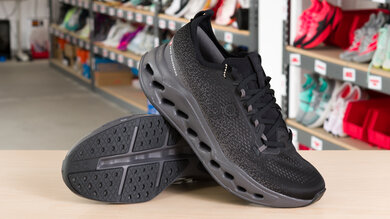
The On Cloudsurfer Max replaces the On Cloudeclipse as the Swiss brand's take on the premium max-cushion trainer, but in practice, it doesn't feel nearly as plush or as towering underfoot as most shoes in that category. Its Helion foam and CloudTec Phase pods deliver a more muted, controlled ride that's not super cushioned nor energetic. Fortunately, the shoe's rockered geometry and smooth rolling transitions do a lot of the heavy lifting, delivering a steady, guided feel that's reminiscent of its little brother, the On Cloudsurfer 2. This helps it feel steady and consistent once you're moving, even if it lacks the soft, sink-in comfort many runners expect from a "Max" trainer. Overall, it's best suited to runners who want a firmer, consistent, geometry-driven ride for their daily miles.
Our Verdict
The On Cloudsurfer Max isn't designed for marathon racing because its design doesn't prioritize speed and efficiency. On the plus side, its tall platform and very stable base help keep the ride composed. This can suit runners who want a controlled, comfort-first marathon experience. However, its heavy build, plate-free design, and very muted midsole make it hard to sustain faster paces, so it's not the best shoe to chase PRs.
The forefoot can feel harsh once the Cloud pods are fully collapsed.
Heavy.
One of the least energetic midsole on the market.
Unplated.
The On Cloudsurfer Max is a poor choice for 5K/10K racing because it lacks the quick, propulsive feel that helps at faster paces. The forefoot has enough firmness to keep transitions from feeling sloppy, but the overall package is too heavy and too unresponsive to feel race-ready. It's better suited for shorter training runs than for short-distance efforts where snap and efficiency are the priority.
Heavy.
One of the least energetic midsole on the market.
Unplated.
Changelog
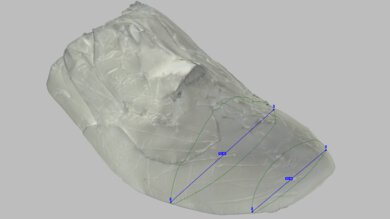
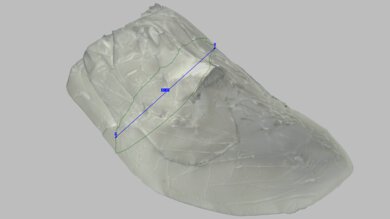
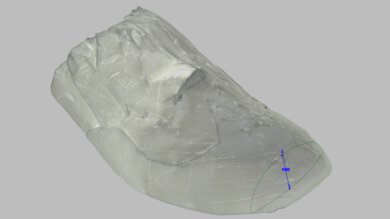
- Updated Jul 03, 2026: We've converted this review to Test Bench 0.13, which identifies the different foams used in the shoe's midsole. We've included a microscopic image of the foam cells to give you an idea of what the microstructure looks like. To read more about the changes, see the changelog.
- Updated Jun 30, 2026: We've converted this review to Test Bench 0.12, which fixes how we measure firmness, a component of the Stability and 5K/10K Racing usages. There may be inconsistencies between the text and the scores for these usages, but the scores should still be considered valid. We've also brought back the Energy Return score and added two new usages: Daily Training and Long Run. To read more about the changes, see the changelog.
- Updated Jun 30, 2026: We've converted this review to Test Bench 0.11, adding two new rocker measurements to the Design section, and three new responsiveness tests to the Performance section. The Energy Return usage score has been replaced with Responsiveness. Check out the details in our changelog.
- Updated Apr 29, 2026: We've converted this review to Test Bench 0.10, adding a new set of fit tests to the Design section and an overall fit performance usage. Check out the details in our changelog.
-
Updated Jan 12, 2026:
We mentioned the Kiprun KS900 2 in the Popular Running Shoe Comparisons section of the review.
- Updated Dec 16, 2025: Review published.
- Updated Dec 11, 2025: Early access published.
- Updated Jun 06, 2025: Our testers have started testing this product.
- Updated Jun 05, 2025: The product has arrived in our lab, and our testers will start evaluating it soon.
- Updated Jun 05, 2025: We've purchased the product and are waiting for it to arrive in our lab.
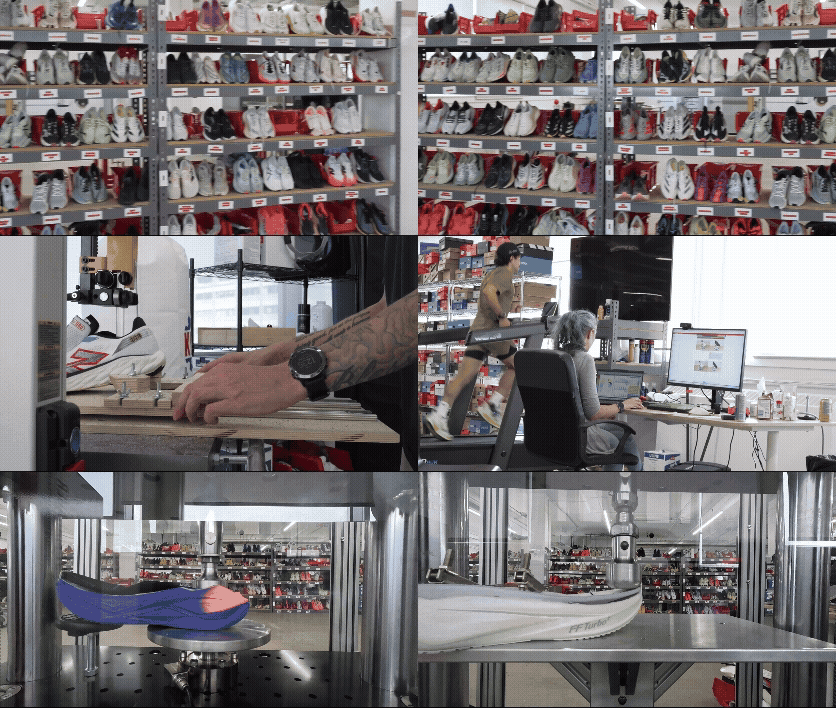
We've bought and tested more than 300 running shoes. Every pair purchased with our own money, never supplied or sponsored by brands. Our data-driven tests are designed to go beyond marketing claims, and since every shoe goes through the exact same methodology, you can directly compare results to find the right pair for your needs.
Test Results
Energy Return
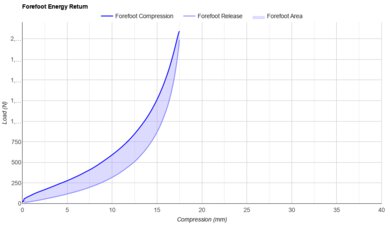
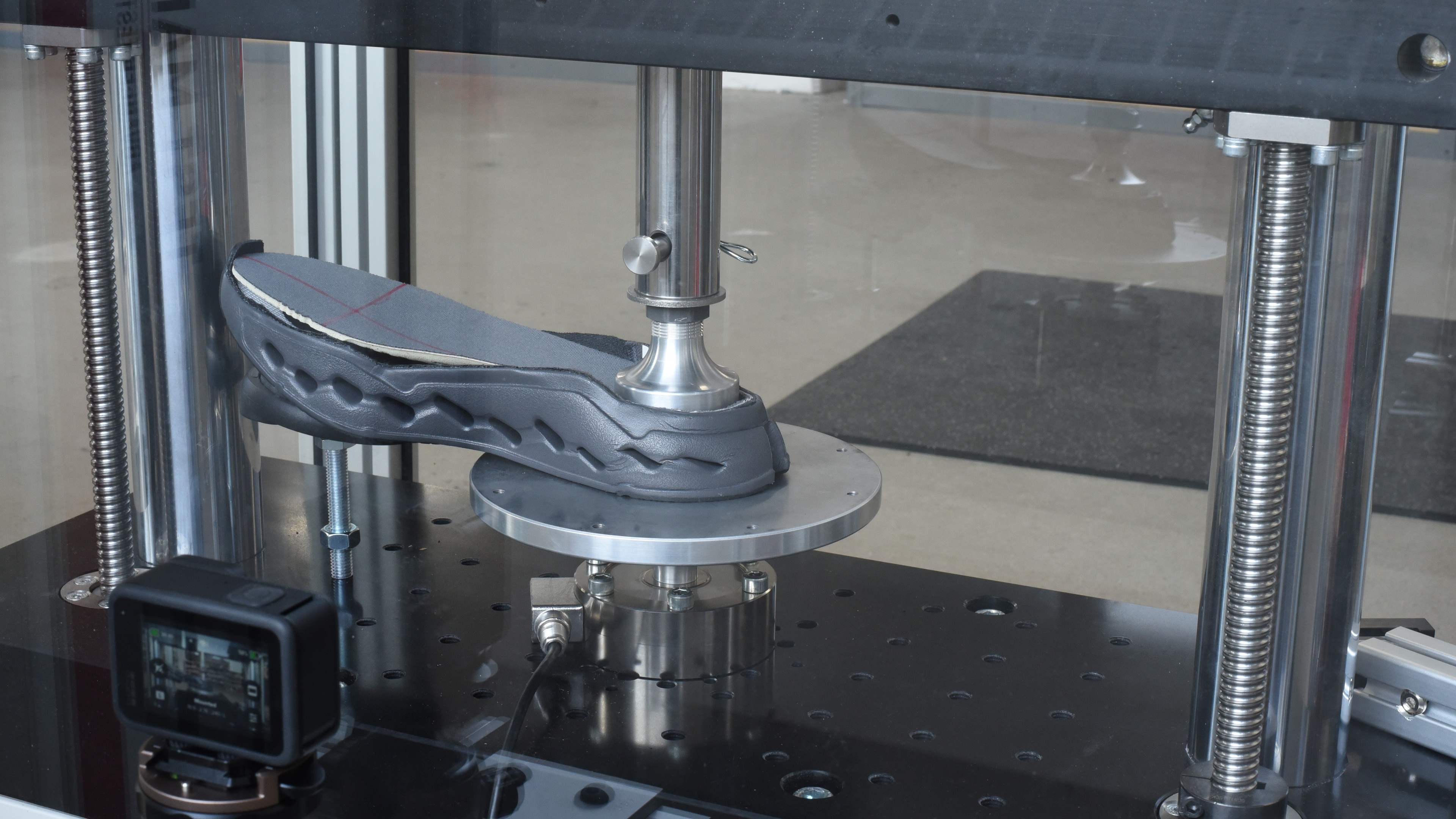
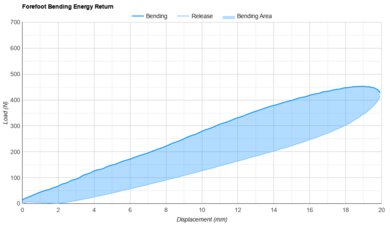
The forefoot energy return is also extremely poor. While the shoe clearly prioritizes cushioning over bounce, many modern trainers like the ASICS MEGABLAST still manage to blend protection with some rebound, whereas this shoe largely ignores that pop sensation, leaving faster running feeling inefficient and overly reliant on the rocker to keep things moving.
Stability
The On Cloudsurfer Max offers very good lateral stability, thanks to its broad outsole platform and firmer midsole with a straightforward geometry that resists unwanted side-to-side movement. This helps the shoe stay predictable when cornering or when form starts to break down, making it a confidence-inspiring option for runners who want a stable ride without traditional support features.
Wide base in relation to stack height.
Firm midsole keeps ride predictable.
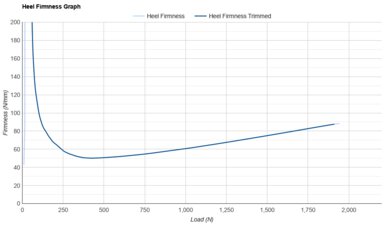
The On Cloudsurfer Max has moderately firm heel cushioning. This firmer heel helps the shoe feel stable and consistent, but it also limits that sink-in comfort many runners want from a max-cushion cruiser, especially on recovery days.
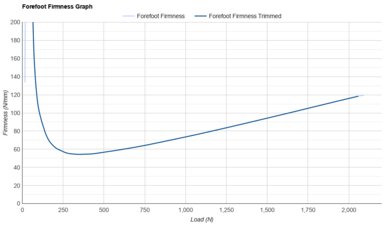
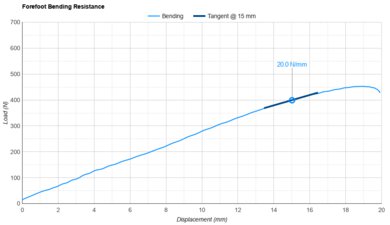
The On Cloudsurfer Max has a very firm forefoot, and it feels noticeably harsher than most premium trainers like the Mizuno Neo Vista 2 or the Brooks Glycerin Max 2. That firmness can help keep the platform from feeling unstable, but it also makes the shoe feel unforgiving when you load the front of the shoe.
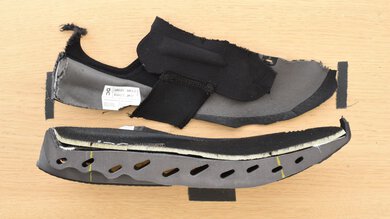
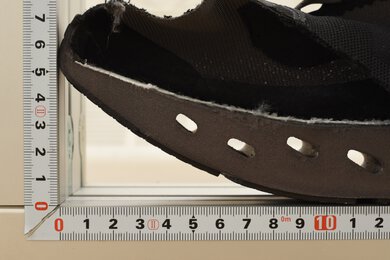
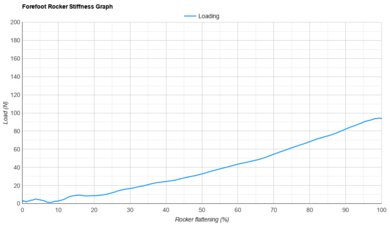
The On Cloudsurfer Max's rockered geometry is one of the shoe's biggest highlights because it helps smooth out transitions and keeps you rolling forward even when the midsole feels dull. It does a lot to mask the shoe's lack of bounce, making steady cruising feel more fluid and controlled than the foam itself would suggest.
Cushioning
The On Cloudsurfer Max offers decent cushioning overall, with its relatively high stack of Helion foam, providing a buffer that helps take the sting out of everyday road mileage. Instead of relying on a particularly soft or high-rebound midsole, it leans heavily on the Cloud pods to manage impact by compressing under load, which works quite well at slower paces and/or for lighter runners. However, when you start applying more force, particularly through the forefoot, the Cloud pods can fully compress, and the ride can turn noticeably harsh, making it less forgiving for harder efforts and/or heavier foot strikes.
Great forefoot impact absorption at lower forces.
The forefoot can feel harsh once the Cloud pods are fully collapsed.
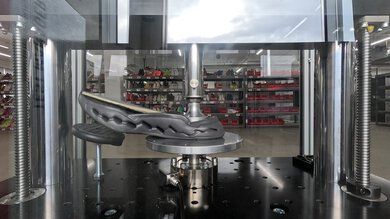
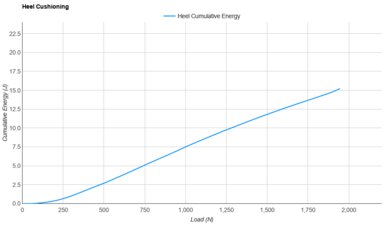
The On Cloudsurfer Max provides a fair bit of heel cushioning overall. The relatively high stack and Cloud pods combine to absorb the forces and redirect them away from your legs to help you keep going.
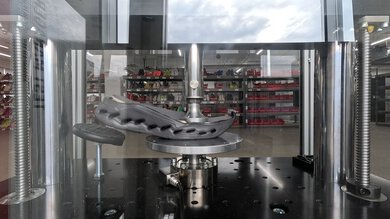
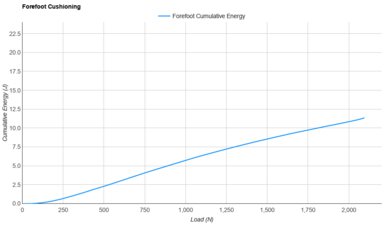
The forefoot cushioning is decent overall. For easy paces and lighter runners, the CloudTec pods actually do a great job of compressing over each other, which helps a lot to dampen impacts. However, as force increases, the CloudTec fully compresses and leaves you with a firmer, thinner-feeling layer between you and the road, which makes the forefoot feel harsh for heavier runners and faster efforts.
Responsiveness
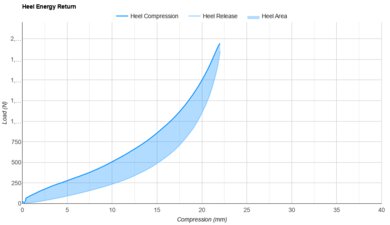
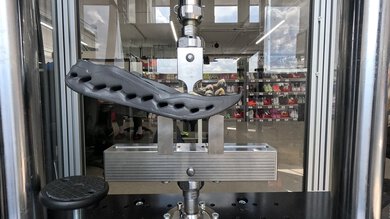
The On Cloudsurfer Max has abysmal energy return, so it doesn't feel bouncy no matter how much you try to load the midsole. The Helion foam and CloudTec Phase pods prioritize compressing and collapsing for a controlled ride, but they don't rebound in a way that gives you any meaningful pop back, making you work hard without getting much assistance at faster paces. On the plus side, the crisp forefoot and rocker help you roll forward and smooth the transitions, which makes it suitable for strides. However, the shoe still lacks the lively, responsive feel to make it a top-of-the-line option for efficient long runs and uptempo efforts.
One of the least energetic midsole on the market.
True To Size
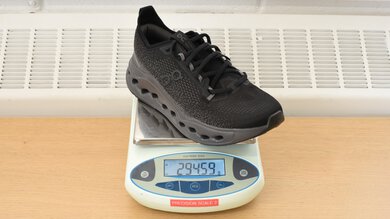
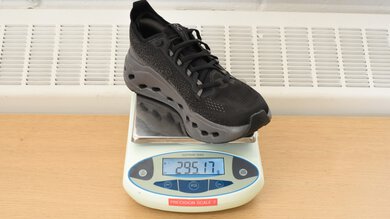
The On Cloudsurfer Max feels quite heavy, especially considering it doesn't deliver the towering, ultra-plush ride you'd expect from a "Max" model. Even substantially higher stacked options like the Mizuno Neo Vista 2 come in lighter on the scale.
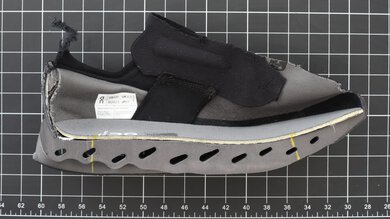
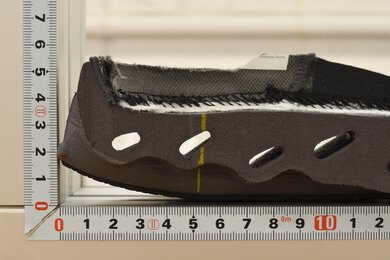
The On Cloudsurfer Max has a moderately high stack, but it falls short of what most runners now associate with a true max-cushion platform.

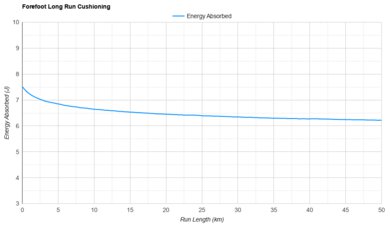
This shoe delivers mediocre forefoot long-run cushioning because it loses protection relatively quickly as distance builds. It feels serviceable early on, but the protection drops sharply after the first 5–10 kilometers, so it's better suited to shorter outings.
Popular Running Shoe Comparisons
The On Cloudsurfer Max is marketed as a max-cushion trainer, but in practice, it rides firmer and less protective than today's true max-stack cruisers like the HOKA Skyward X or the PUMA MagMax NITRO, and it also doesn't make up for that with an especially lively or high-energy midsole. If you want a more fun daily ride with noticeable pop, modern trainers built around more energetic compounds, like the ASICS NOVABLAST 5, typically feel bouncier and more rewarding across the same easy-to-steady mileage. As a result, the Cloudsurfer Max is a harder recommendation unless you specifically want a stable, controlled, roll-forward ride where the rocker does most of the work. In fact, those features can be genuine strengths for runners who value predictable transitions and solid inherent stability, making it a compelling choice if they're tired of the ultra-high stacks and overly soft foams flooding the market. Another shoe with a similar ride character is the Kiprun KS900 2, which feels less plush initially but loses its cushioning more gradually.
Within On's lineup, the Cloudsurfer Max essentially sits as a higher-stacked On Cloudsurfer 2, which shares a similar character in a more stripped-back package where the main standout traits remain the rocker and the stable platform. The bigger frustration is that On already has a genuinely premium foam in its super shoes, like the On Cloudboom Strike, so the Cloudsurfer Max doesn't fully deliver a premium or modern trainer experience in the way other brands like adidas or Nike do when they bring their top-end foam down into training models. On attempted to do that with the On Cloudmonster Hyper, but the use of a carrier around the heel yielded mixed results. Finally, while the On Cloudboom Zone goes further toward that goal, it feels more like an uptempo trainer than a cushioned cruiser because of its geometry and stack.
If you're looking for more options, check out our recommendations for the best running shoes, the best long-distance running shoes, and the best shoes for running a marathon.
The On Cloudsurfer 2 and the On Cloudsurfer Max share the same family name, but they have a few differences. The Cloudsurfer 2 is a lower-stacked, lighter daily trainer that emphasizes smooth transitions and a controlled ride rather than cushioning or energy return. Its Helion foam and CloudTec Phase geometry deliver a firm, stable, and predictable feel that works best for easy to moderate daily mileage, especially if you value guidance and a clean rocker over bounce. The Cloudsurfer Max takes that same concept and stretches it by adding significantly more stack (and weight in the process). While it's marketed as a maximalist shoe, it doesn't deliver an ultra-plush ride either, prioritizing smooth roll-through and stability over softness or rebound.
The On Cloudsurfer Max and Nike Vomero Plus both target runners seeking a cushioned, comfortable ride, but they approach that goal differently. The Nike is heavier, higher-stacked, and delivers a much bouncier, more cushioned ride, so it feels like a true premium trainer that prioritizes softness, protection, and energy return for long runs and daily cruising. The On shoe, by contrast, is firmer, with much less rebound and less deep cushioning than the name suggests, but it feels more stable and more predictable underfoot thanks to its platform and geometry.
The On Cloudmonster 2 and On Cloudsurfer Max are both daily trainers by the same Swiss brand, but pretty different. The Cloudsurfer Max leans into a smoother, firmer, more controlled ride, with its CloudTec Phase design emphasizing a steady roll-through rather than noticeable rebound. The Cloudmonster 2, on the other hand, feels more cushioned and a bit more lively underfoot, and its Speedboard plastic plate gives the shoe more structure and a more driven transition. If you want a smooth, predictable cruiser for everyday miles, the Cloudsurfer Max fits better, but if you want a more cushioned daily trainer with a bit more pop, the Cloudmonster 2 is the stronger pick.
The On Cloudsurfer Max and Brooks Glycerin Max are both premium trainers carrying the Max moniker, and they interpret it in a similar, geometry-first way rather than chasing maximum bounce. The Glycerin Max is higher stacked and heavier, delivering more overall protection and a slightly more substantial underfoot feel, while the Cloudsurfer Max sits lower and feels a bit firmer and lighter on foot. Both shoes favor a consistent, predictable ride that stays protective without feeling overly soft, and both rely heavily on a pronounced rocker to smooth transitions and keep turnover efficient. For those reasons, they stand out in the premium trainer space for their controlled ride and their emphasis on geometry over raw energy return.
The Kiprun KS900 2 and On Cloudsurfer Max are both max-cushion attempts that deliver a surprisingly similar ride character: protective, reliable, and more focused on smooth consistency than bounce or excitement. They work best as easy-pace daily trainers when the run stays on the shorter side, and they have a nearly identical weight. The Kiprun fits narrower, while the On tends to feel a bit more accommodating. Where they start to split is how the cushioning holds up over time. The Cloudsurfer Max feels more cushioned right out of the gate, but the underfoot performance tends to drop off more sharply as the run drags on. The KS900 2 doesn't feel quite as plush at first, yet it fades more gradually, delivering a steadier decline in absorption.
Differences Between Sizes And Variants
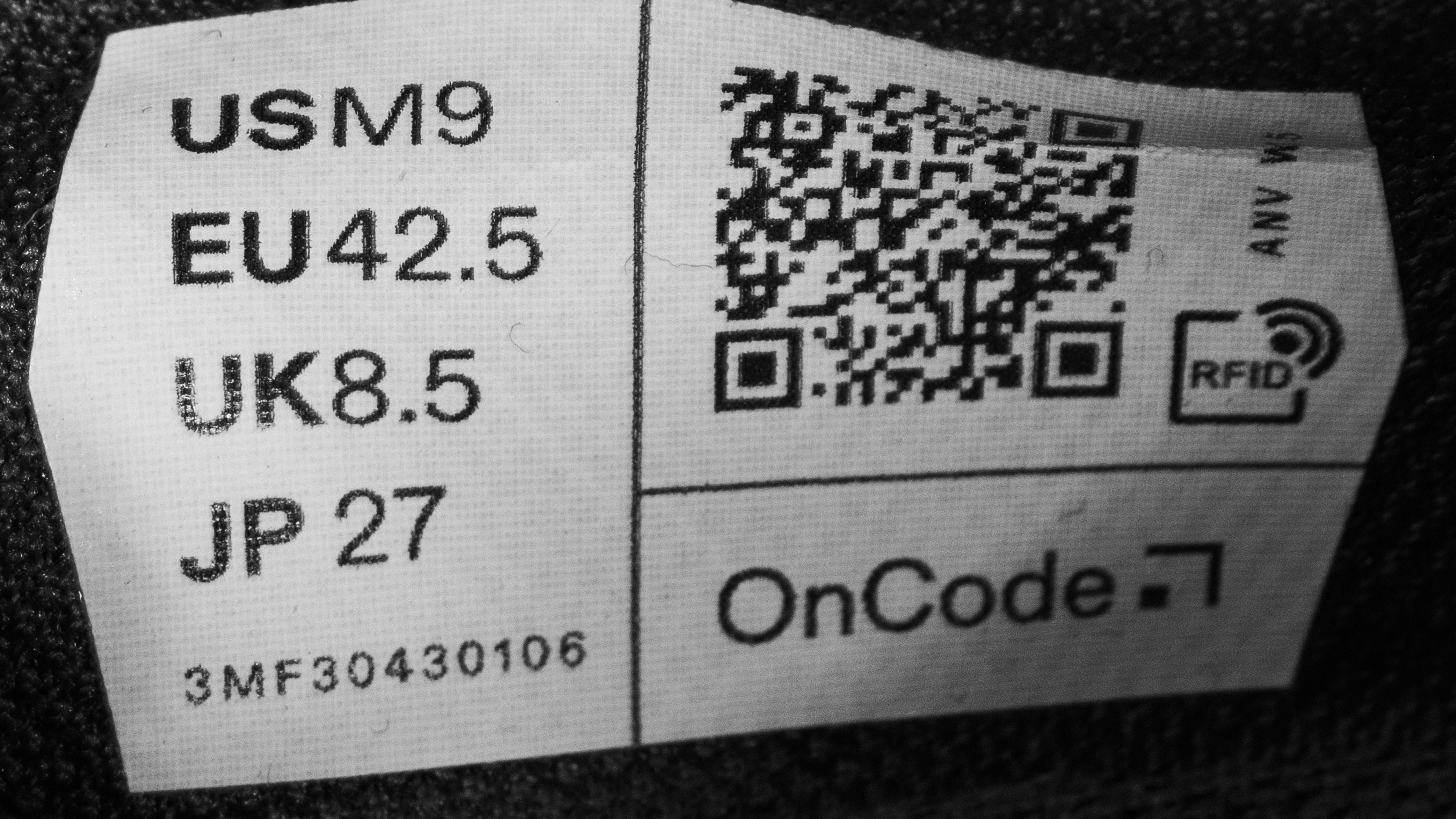
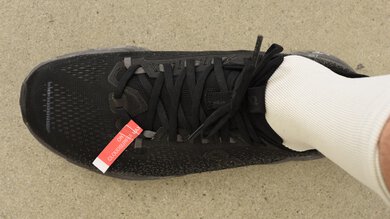
We bought and tested the On Cloudsurfer Max in men's US size 9, as noted on the label for our pair. The pair we purchased is the Black/Eclipse colorway, but you can also buy the shoe in a wide range of colors, depending on the region. Other available options include White/White, Asphalt/Ice, Dust/Ivory, Ivory/Salmon, Horizon/Ivory, and Ivory/Arctic, among others. There's also a special colorway for the 2025 holiday season that's exclusive to On members. Both men and women can buy this shoe in the regular or wide version.