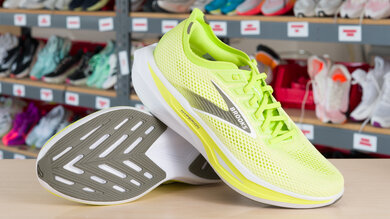
The Brooks Hyperion 3 is a relatively cushioned trainer that tries to balance everyday comfort with enough snap for pace pickups. This iteration adds a thicker slab of DNA Flash v2 on a higher, softer platform than the Brooks Hyperion 2, turning what was a firm, lightweight tempo trainer into a more conventional daily trainer. The trade-off is a big bump in weight and a less responsive ride, so it no longer feels like the agile option to reach for during fast workouts, yet it also stops short of the deeply cushioned, super-protective feel of true max-cushion models. It aims for versatility, but that middle-ground positioning leaves it searching for its identity, caught between dedicated lightweight tempo shoes on one side and more cushioned cruisers on the other.
Our Verdict
The Brooks Hyperion 3 isn't exactly the worst choice for running a marathon if you're in a pinch, but it's more of a training shoe you could technically race in than a purpose-built marathon racer. The platform offers acceptable cushioning and a secure, laterally stable ride that helps when form starts to fade late in the race, yet the relatively low forefoot stack and low energy return mean it never feels especially efficient or effortless at steady marathon pace. Runners wanting true super shoe pop and protection for 42K will find it underwhelming.
Very good lateral stability.
Heel cushioning offers reasonable protection.
Forefoot cushioning can bottom out at higher forces.
Insufficient energy return, especially in the heel.
Simply too heavy to remain in the lightweight trainer category.
The Brooks Hyperion 3 performs fairly well for 5K and 10K racing, with a firm, stable forefoot that gives toe-offs a locked-in sensation. Its high weight and low midsole rebound, however, limit its overall efficiency compared to featherlight, highly propulsive shoes that dominate short road races. It's a reasonable option if you want to race in the same shoes you train in, but dedicated speed shoes will feel livelier and more effective for all-out efforts.
Forefoot is very firm.
Insufficient energy return, especially in the heel.
Simply too heavy to remain in the lightweight trainer category.
Changelog
- Updated Jun 30, 2026: We've converted this review to Test Bench 0.12, which fixes how we measure firmness, a component of the Stability and 5K/10K Racing usages. There may be inconsistencies between the text and the scores for these usages, but the scores should still be considered valid. We've also brought back the Energy Return score and added two new usages: Daily Training and Long Run. To read more about the changes, see the changelog.
- Updated Jun 30, 2026: We've converted this review to Test Bench 0.11, adding two new rocker measurements to the Design section, and three new responsiveness tests to the Performance section. The Energy Return usage score has been replaced with Responsiveness. Check out the details in our changelog.
- Updated Jun 17, 2026: We've converted this review to Test Bench 0.10, adding a new set of fit tests to the Design section and an overall fit performance usage. Check out the details in our changelog.
-
Updated Dec 03, 2025:
We updated the Popular Running Shoe Comparisons section to include the recently reviewed Brooks Glycerin Max 2 in Brooks' lineup.
-
Updated Nov 27, 2025:
We've updated the popular comparisons section to include the recently reviewed Brooks Glycerin 22.
- Updated Nov 20, 2025: We've converted this review to Test Bench 0.9, which adds a Forefoot Long Run Cushioning test to our performance section. Read more in our changelog.
- Updated Nov 06, 2025: Review published.
- Updated Aug 08, 2025: Our testers have started testing this product.
- Updated Jul 09, 2025: The product has arrived in our lab, and our testers will start evaluating it soon.

We've bought and tested more than 300 running shoes. Every pair purchased with our own money, never supplied or sponsored by brands. Our data-driven tests are designed to go beyond marketing claims, and since every shoe goes through the exact same methodology, you can directly compare results to find the right pair for your needs.
Test Results
Energy Return
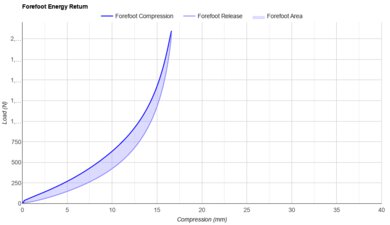
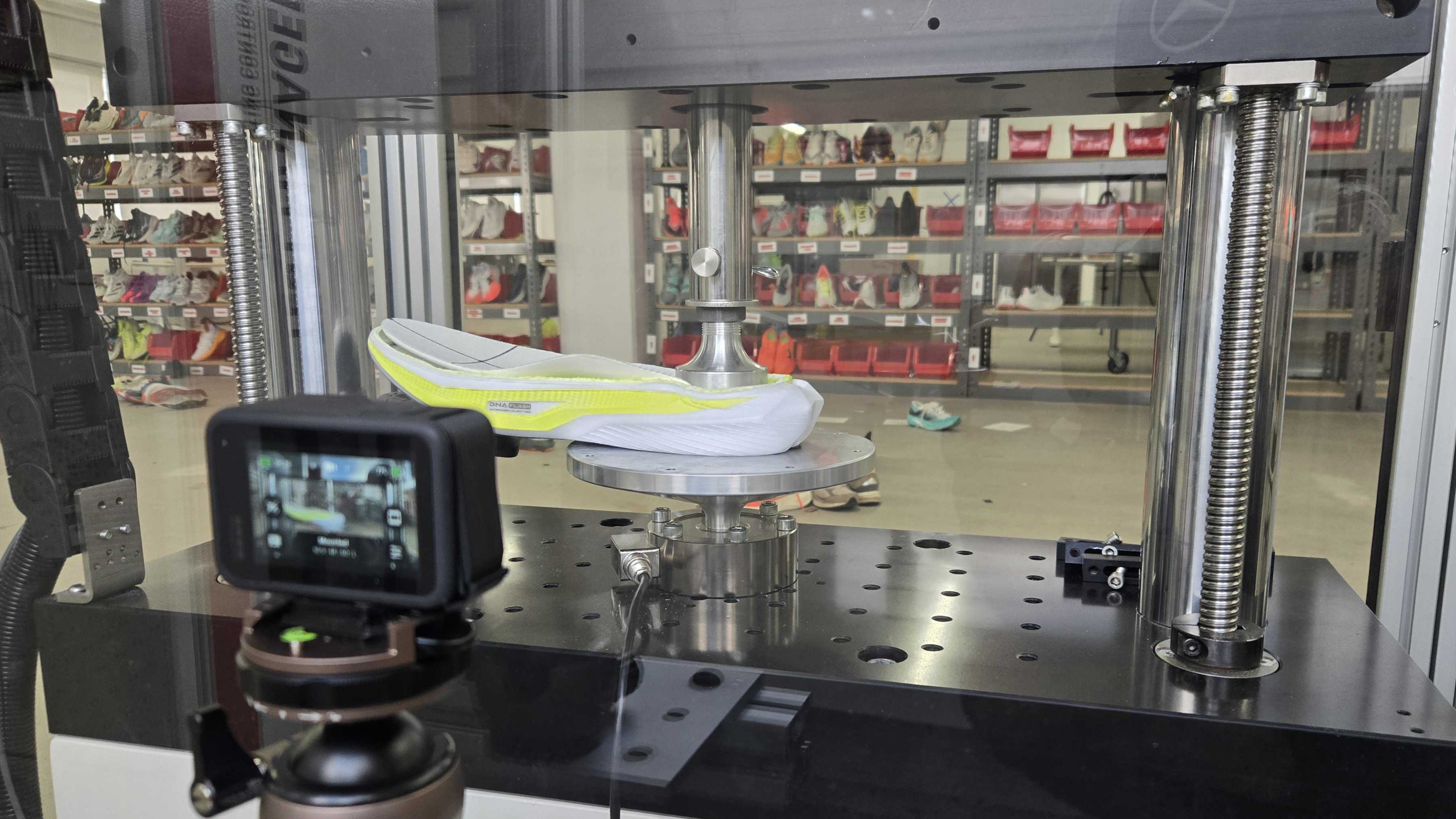
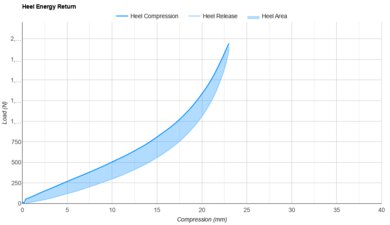
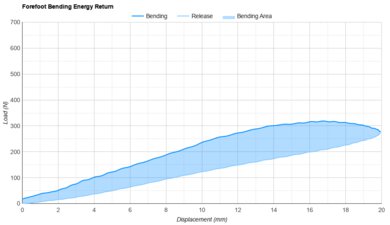
The Brooks Hyperion 3's forefoot offers slightly better energy return than the heel, providing a modest sense of pop when you load. This slight bounce and the firm front end work together to add a sense of responsiveness that feels good enough for strides and small pace pickups, but the rebound still falls short of the very bouncy sensation you get from more energetic trainers such as the ASICS MEGABLAST.
Stability
The Brooks Hyperion 3 has good lateral stability. A firm forefoot, relatively broad base, and a reasonable stack height all work together to keep your foot centered, so you feel planted at pace. The slightly softer heel does introduce a touch of instability on impact, but the overall package remains controlled and confidence-inspiring for runners who want a stable, predictable platform without stepping into a dedicated stability shoe.
Very good lateral stability.
Firm forefoot and wide base keep the foot centered.
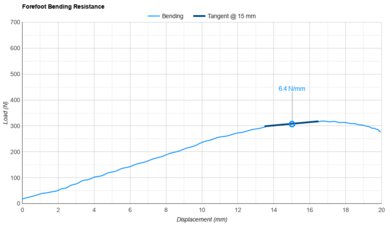
Forefoot is very firm.
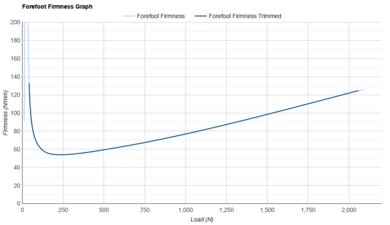
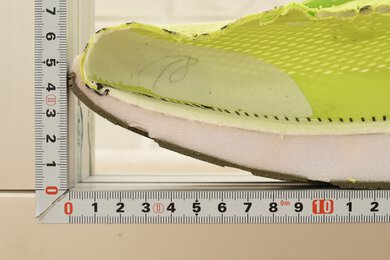
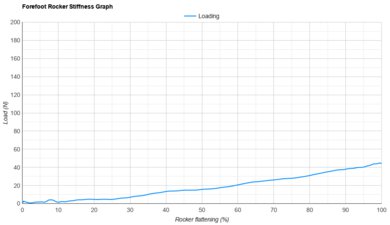
The forefoot is distinctly firm, which gives toe-off a very crisp, controlled feel. This stiff front end clearly helps lateral stability and nods to earlier Hyperions, but it feels out of place in a shoe that no longer has the agile, stripped-back package that usually pairs well with firmer toe-offs. In this case, it makes the ride feel a bit harsh, and that's pretty much it.
Cushioning
The Brooks Hyperion 3 delivers cushioning that is alright for daily miles, but it's not an especially protective model overall. Heel absorption is solid enough to take the sting out of some impacts, while the forefoot feels a bit thinner and tends to bottom out, especially if you land further forward or are heavier. The result is a shoe that doesn't really feel pillowy, which suits runners who prefer a connected feel underfoot but won't satisfy anyone seeking a deeply cushioned shoe for the bulk of their mileage.
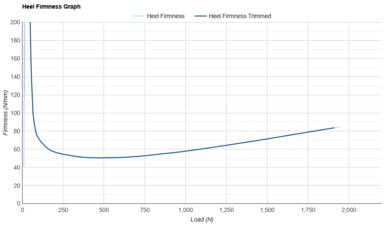
Heel cushioning offers reasonable protection.
Forefoot cushioning can bottom out at higher forces.

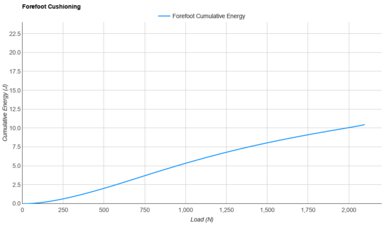
This shoe's forefoot cushioning is more modest, offering decent protection at lighter forces but clearly giving up comfort as the impacts increase. It absorbs energy well for slower paces and lighter runners, yet it can bottom out when forces rise, so heavier runners or those doing very fast work may feel more harshness under the ball of the foot than in thicker, more protective trainers like the Mizuno Neo Zen.

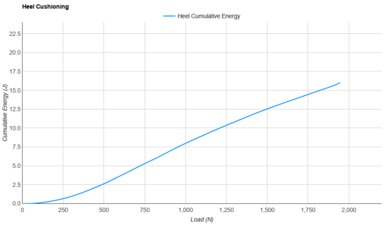
The Brooks Hyperion 3 delivers decent cushioning in the heel, showing consistently solid protection from slower efforts up to higher-force landings.
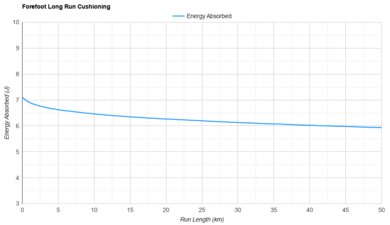
The Brooks Hyperion 3 offers disappointing forefoot long-run cushioning, with a gradual drop in impact absorption as the simulated distance increases from 10 km to 30 km. Over shorter outings, the front of the shoe feels reasonably protective, but as the miles pile up, it provides less relief, making it better suited to moderate-distance runs or lighter, efficient runners.
Responsiveness
The Brooks Hyperion 3 provides sub-par energy return, and its liveliness differs across different strike patterns. There's some pop when you load the forefoot, making uptempo work and strides feel reasonably responsive, but the heel feels noticeably less springy, so transitions and heel-strike landings come across as a bit dull. Overall, the shoe leans more on its geometry and firmness for responsiveness than on a bouncy midsole, so runners expecting a lot of rebound will be disappointed.
Insufficient energy return, especially in the heel.
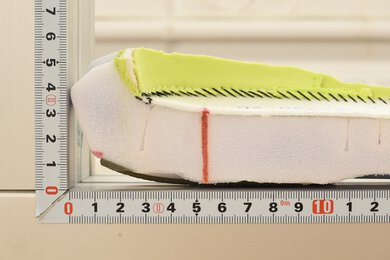
True To Size
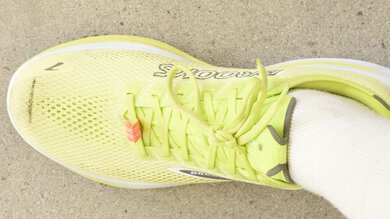
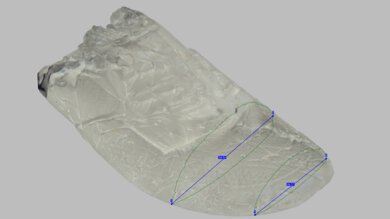
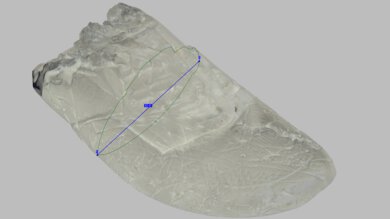
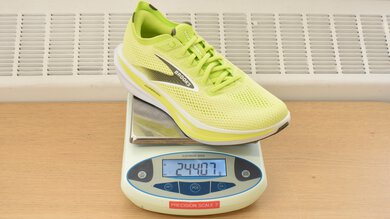
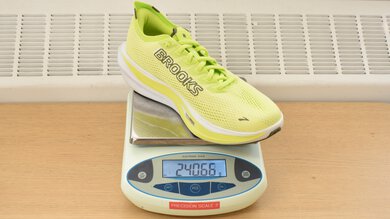
The Brooks Hyperion 3 is now only moderately light, so it no longer fits the featherweight trainer label that defined earlier Hyperions. The added foam and more substantial upper push it into a middle-of-the-road category where it doesn't feel burdensome, but it also doesn't stand out as a particularly nimble or effortless option for pickups.
Popular Running Shoe Comparisons
The Brooks Hyperion 3 sits in an awkward but increasingly common middle ground created by the industry’s slow move away from true lightweight trainers. As more runners now reach for super trainers, like the HOKA Mach X 3, modernized racing-flat alternatives, like the adidas Adizero Adios 9, or even bouncy trainers, like the ASICS MEGABLAST, for their faster workouts, the lightweight trainer niche has become remarkably small. Brands are responding by adding more stack and cushioning to these models, at the cost of more weight, but without fully committing to max cushioning either. This drift isn't unique to Brooks, with shoes like the New Balance FuelCell Rebel v5, which added stack and softness compared to the much lighter New Balance FuelCell Rebel v4 but lost a bit of its rebellious soul in the process.
The Brooks Hyperion 3 is exactly that kind of hybrid: softer and more cushioned than the previous Brooks Hyperion 2 but not as protective or bouncy as a max-stack premium trainer like the Brooks Glycerin Max 2; it's lighter and more agile than legacy daily trainers like the Brooks Ghost 17 or Brooks Glycerin 22, but not propulsive enough to properly replace a plated super trainer, like the Brooks Hyperion Max, for hard workouts. That said, the Brooks Hyperion 3 is still a good choice for runners who want one comfortable shoe for everyday miles that can still handle strides and light pace pickups.
For more options, check out our recommendations for the best running shoes, as well as the best running shoes for men and the best running shoes for women. If you're after shoes well-suited for long runs, check out our recommendations for the best long-distance running shoes.
The Brooks Ghost 17 and the Brooks Hyperion 3 share a similar profile with their stack height, but they have a few key differences as daily trainers. The Ghost 17 is the brand's legacy daily trainer, with a heavier build, a midsole that feels a bit dull, and a ride that tends to bottom out more noticeably during longer miles. It's better suited for a mix of walking and running. The Hyperion 3 is slightly lighter, a bit bouncier, and offers marginally better protection and cushioning despite not being dramatically softer, which generally makes it the stronger choice for most daily mileage. However, the Ghost 17 still holds a small edge in overall stability, making it the safer pick for runners who prioritize a controlled platform.
The Brooks Hyperion 3 and the Brooks Hyperion Max 3 share a family, but they're built for different roles within your rotation. The Hyperion 3 is a daily trainer with a DNA Flash v2 midsole, a moderate stack, and a firmer forefoot that works well for everyday miles, light tempos, and runners who prefer a stable, no-nonsense platform. The Hyperion Max 3, by contrast, is heavier, higher stacked, and uses a plastic plate with a bouncier foam package to behave more like a super trainer for structured uptempo work, offering noticeably more cushioning and protection underfoot. In practice, the Hyperion Max 3 outshines the Hyperion 3 in pure bounce, long-run performance, and workout capability, while the Hyperion 3 holds the edge if you care more about lower weight, better stability, and a firmer forefoot for everyday training.
The Brooks Hyperion 2 and the Brooks Hyperion 3 occupy very different roles despite sharing the same lineage. The Hyperion 2 is a firm, low-to-the-ground lightweight trainer built for daily miles and faster paces, with a lean upper and a snappy feel. The Hyperion 3 adds a thicker slab of DNA Flash v2 and a softer, higher platform, turning the design into a more cushioned and more forgiving daily trainer that can still handle some pace pickups. It is now only moderately light rather than featherweight, and while the added foam improves comfort and long-run protection, it also removes the agile character that made the Hyperion 2 feel quick underfoot. The result is a shoe that is smoother and more versatile for everyday running, but less nimble and less immediately responsive than the Hyperion 2 for pickups.
The Brooks Hyperion 3 and Brooks Launch 12 are two trainers whose earlier versions used to feel lighter and more stripped down, but both have gradually shifted toward a more comfort-oriented identity and now sit in a similar weight range. The Hyperion 3 is the more protective trainer, with a slightly higher stack, a marginally wider platform, and a touch more inherent stability that helps it feel more capable overall. The Launch 12 feels firmer and more connected to the ground, with a bit more forefoot liveliness that gives it a snappier sensation despite offering less protection. If you want the more balanced and comfortable option for daily training, the Hyperion 3 makes more sense, but if you prefer a firmer ride with more ground feel and a slightly punchier forefoot, the Launch 12 is the better fit.
The Brooks Hyperion 3 and the Brooks Hyperion Elite 5 are companion shoes within Brooks' roster, designed for different uses. The Hyperion 3 is a daily trainer, but with a lighter build and more aggressive geometry than the brand's other daily trainers. The Hyperion Elite 5 goes further still, dropping more weight and adding a carbon plate to the midsole. Runners who like the fit and feel of the Hyperion 3, but who want an edge on race day, will feel comfortable (and fast) lacing up the Hyperion Elite 5.
Differences Between Sizes And Variants
We bought and tested the Brooks Hyperion 3 in men's US size 9, as noted on the label for our pair. The pair we purchased is the Sunny Lime/Olive/White colorway (369), but you can also buy this shoe in several other colors, including Oyster Mushroom/Black/Tea (139), Primer/Ebony/Oyster (054), and Atomizer/Black/Pink Clay (470), depending on the region. The Brooks Hyperion 3 is only available in a standard width, with no wide variants listed.