
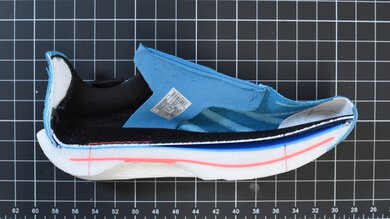
The Brooks Hyperion Max 2 is a plated tempo trainer. It features a nylon 'SpeedVault' plate in the midsole and has a pronounced forefoot rocker that makes it a good fit for speed training, though it isn't the most lightweight shoe. Its moderately high-stack cushioning and breathable mesh upper make for a stable, comfortable ride.
Our Verdict
The Brooks Hyperion Max 2 is intended to be a trainer rather than a race-day option, but it's best suited to training for moderate to longer distances. It offers a decently cushioned ride, though it isn't the most protective for high-performance racing. It's also overly heavy and lacks the responsiveness needed for efficient racing, though its rockered geometry helps with smoother transitions. The nylon plate also adds structure and stability to your distance efforts, where form can begin to break down.
Nylon plate adds stability.
Forefoot rocker.
Decent cushioning overall.
Energy return is a bit lacking for high efficiency.
Not the most impact absorption for longer efforts.
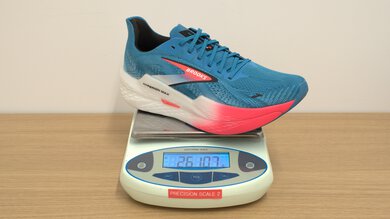
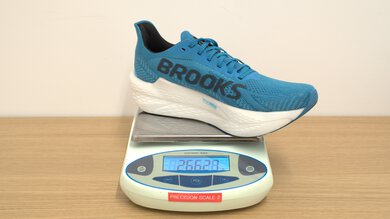
Heavy.
The Brooks Hyperion Max 2 isn't intended for racing at shorter distances. It's too heavy to really be efficient for races, and its energy return is only decent. However, its nylon plate adds some stiffness that makes for snappier transitions at faster paces.
Forefoot rocker.
Nylon plate adds stiffness.
Energy return is a bit lacking for high efficiency.
Heavy.
Changelog
- Updated Sep 15, 2026: We've converted this review to Test Bench 0.12, which fixes how we measure firmness, a component of the Stability and 5K/10K Racing usages. There may be inconsistencies between the text and the scores for these usages, but the scores should still be considered valid. We've also brought back the Energy Return score and added two new usages: Daily Training and Long Run. To read more about the changes, see the changelog.
- Updated Sep 02, 2026: We've converted this review to Test Bench 0.11, adding two new rocker measurements to the Design section, and three new responsiveness tests to the Performance section. The Energy Return usage score has been replaced with Responsiveness. Check out the details in our changelog.
- Updated Apr 29, 2026: We've converted this review to Test Bench 0.10, adding a new set of fit tests to the Design section and an overall fit performance usage. Check out the details in our changelog.
- Updated Apr 13, 2026: We've converted this review to Test Bench 0.9, which adds a Forefoot Long Run Cushioning test to our performance section. Read more in our changelog.
-
Updated Oct 22, 2025:
We updated the Pros & Cons, Cushioning, Marathon Racing, Heel Energy Return, Heel Cushioning, Forefoot Cushioning, and Heel Firmness boxes to align with the latest test bench.
- Updated Oct 20, 2025: We've converted this review to Test Bench 0.8.2, which updates our methodology for the impact force range used in our compression tests to improve their accuracy. This also affects all usage and performance usage boxes using those compression tests as score components.
-
Updated Jul 30, 2025:
We revised the phrasing in the Cushioning, Marathon Racing, Compared To Other Running Shoes, and Forefoot Cushioning boxes to reflect the changes in the latest test bench.
- Updated Jul 30, 2025: We've converted this review to Test Bench 0.8.1, which mainly updates the score components for the Marathon Racing and Lateral Stability usage boxes to improve accuracy.
- Updated Apr 02, 2025: Converted to Test Bench 0.8.
- Updated Apr 02, 2025: Review published.

We've bought and tested more than 300 running shoes. Every pair purchased with our own money, never supplied or sponsored by brands. Our data-driven tests are designed to go beyond marketing claims, and since every shoe goes through the exact same methodology, you can directly compare results to find the right pair for your needs.
Test Results
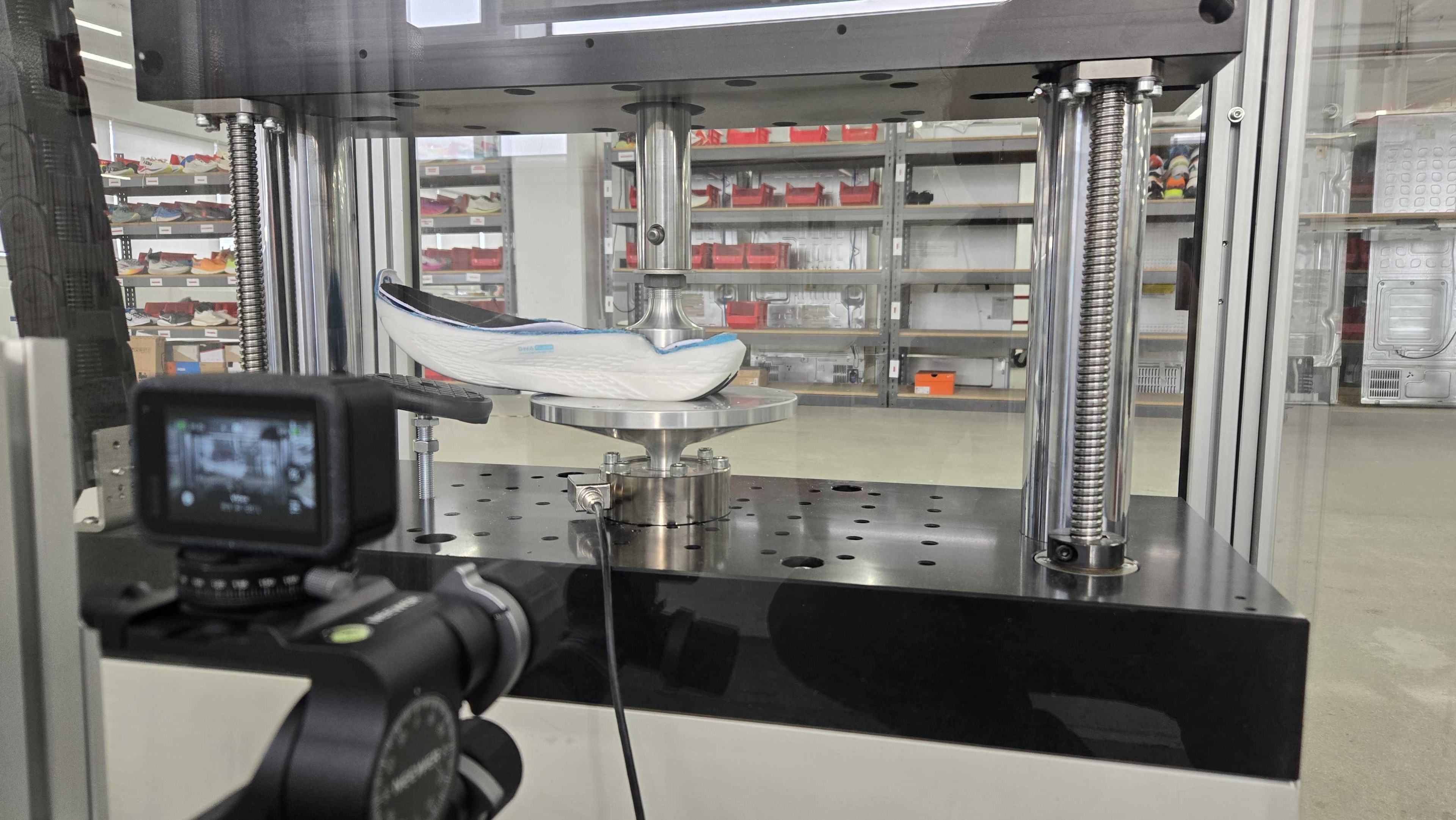
Energy Return

The forefoot provides similar energy return. While you won't get the most propulsive toe-offs out of it, it still returns enough energy for a fairly lively feel, especially for a trainer.

The Brooks Hyperion Max 2 has okay energy return in the heel. However, its DNA Flash v2 foam doesn't deliver the bounciest experience, especially compared to more efficient plated trainers like the Saucony Endorphin Speed 4.
Stability
The Brooks Hyperion Max 2 has very good lateral stability. Its relatively firm foam and nylon plate add stability to the midsole, and the shoe doesn't have an overly high stack height, giving it a more grounded feel. However, the outsole is slightly narrow in the heel.
Nylon plate adds stability.
Feels fairly firm underfoot.
Moderate stack height.
Narrow outsole heel.

The forefoot is very firm, making it feel more stable and controlled. That said, if you prefer a softer feel under the forefoot, you might find it a bit harsh.

The heel is fairly soft overall. That said, it still offers a bit more firmness and stability at all impact forces than other highly cushioned models like the Brooks Glycerin Max.
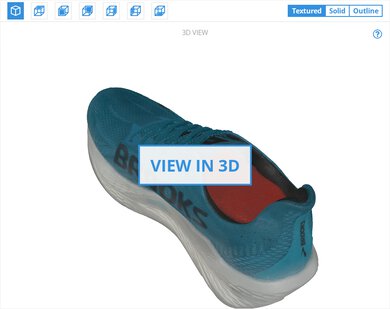
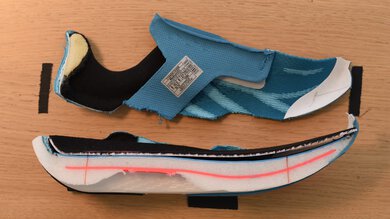
Cushioning
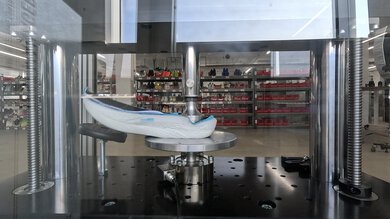
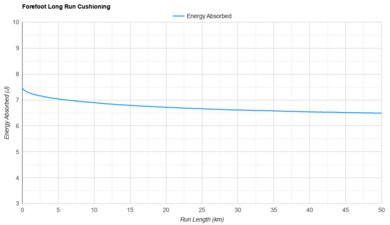
The Brooks Hyperion Max 2 is decently cushioned. Though its forefoot doesn't quite absorb as much impact as its heel, it's fairly protected underfoot, if a bit less than ideal for very long runs.
Decent cushioning overall.
Not the most impact absorption for longer efforts.
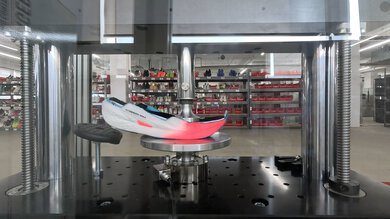

The forefoot cushioning is also decent. It doesn't provide as much comfort for those who land higher up on the foot, but it's cushioned enough to prevent bottoming out for shorter sessions. Still, it can start to feel harsh when pushing for longer distances or if you apply a lot of force when striking the ground.

Responsiveness
The Brooks Hyperion Max 2 has decent energy return. It's fairly responsive for a trainer, but it's not propulsive enough for high-performance efficiency.
Decent energy return, especially at the forefoot.
Energy return is a bit lacking for high efficiency.


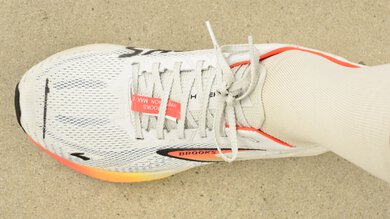
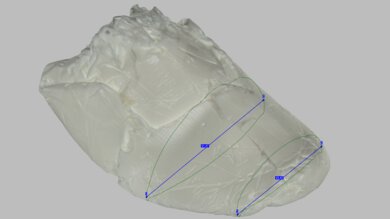
True To Size
Popular Running Shoe Comparisons
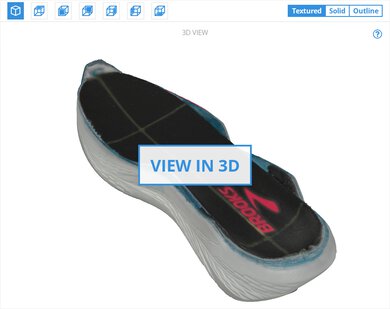
The Brooks Hyperion Max 2 is a plated daily trainer suited to up-tempo and longer runs. Despite the 'Max' in its name, it's not a maximalist shoe, with a moderate stack height and some underfoot cushioning. Like other models in the Hyperion lineup, such as the lightweight, lower-stack Brooks Hyperion 2 and the more performance-oriented Brooks Hyperion Elite 4, it features a breathable mesh upper and is intended for faster paces. However, it's still heavier than other shoes in its class, and its nitrogen-infused DNA Flash v2 foam doesn't offer the most responsive ride compared to more performance-oriented foams on the market. While the Hyperion Max 2 tries to balance comfort and speed, lighter and more efficient plated trainers like the Saucony Endorphin Speed 4 outpace it in most areas, while higher-stack options like the ASICS SUPERBLAST 2 offer superior cushioning for long runs.
See the best running shoes we've tested to find the best shoe for your needs.
Both the Brooks Hyperion 2 and Brooks Hyperion Max 2 are intended for faster-paced workouts, but they approach that goal in different ways. The Hyperion 2 is a more traditional shoe with a lighter weight and lower stack height that makes it well-suited to faster and shorter runs. Meanwhile, the Hyperion Max 2 has a less traditional geometry and falls a bit more into the super trainer category, with a pronounced rocker and nylon plate. It's notably more cushioned than the Hyperion 2, making it the better option for longer efforts.
Despite sharing a 'max' moniker, the Brooks Glycerin Max and the Brooks Hyperion Max 2 are quite different models. The Glycerin Max is a maximalist high-stack daily trainer, while the Hyperion Max 2 is a plated super trainer. The Hyperion Max 2 is notably lighter, with a lower stack height that delivers a more stable and responsive ride that's better for training at faster paces. By contrast, the Glycerin Max offers more cushioning but lacks the bounciness needed for uptempo runs, making it a better fit for easier miles and recovery runs.
The PUMA Deviate NITRO 3 and Brooks Hyperion Max 2 are both plated super trainers built to handle faster training sessions. The Puma has a carbon plate, which is superior for racing short distances. This plate offers a stiffer, more aggressive feel. The Hyperion Max 2, meanwhile, uses a nylon plate—less aggressive but paired with a midsole that provides greater energy return, offering a bouncier ride.
The ASICS SUPERBLAST 2 is a better option for long runs than the Brooks Hyperion Max 2. It has significantly better cushioning and offers more underfoot protection. It's also a bit lighter. However, some may prefer the Brooks' lower stack and firmer foam, which offers a bit more stability.
The Brooks Hyperion Max 3 practically towers over the Brooks Hyperion Max 2, with significantly more cushioning underfoot. It's not just the quantity of foam, but also the quality that has been upgraded: the Hyperion Max 3 features a layer of Brooks' premium DNA Gold foam, resulting in a ride that is both bouncier and more absorbent than the Hyperion Max 2. The upward growth and softer foam of the Hyperion Max 3 don't come without tradeoffs, however: it's both heavier and less stable than its predecessor.
While they're both plated trainers, the Saucony Endorphin Speed 4 is better overall than the Brooks Hyperion Max 2. The Saucony is notably lighter and more responsive thanks to its PEBA-based midsole, making it a bit more versatile and more efficient at faster paces.
The Brooks Hyperion Max 2 is a better choice than the adidas Adizero Boston 13 for most runners. It's more cushioned and a bit more stable, making it a comfortable pick for everyday training and long runs, where the adidas's firmer ride can feel harsh. The adidas is lighter and bouncier, so it's the better option for runners who mainly want a shoe for speed workouts and shorter races.
The Brooks Hyperion Max 2 and the adidas Adizero Boston 12 are both plated super trainers, but each has distinct strengths. The adidas features full-length carbon rods and a firmer forefoot, making it more snappy and better suited for shorter races. The Brooks, on the other hand, uses a nylon plate combined with a softer, more cushioned midsole, offering a more forgiving and comfortable ride for your interval sessions.
Differences Between Sizes And Variants
We bought and tested the Brooks Hyperion Max 2 in men's US size 9 in the Crystal Seas/Diva Pink/Black colorway. Here's the label for our pair. Depending on your region, you can also buy the shoe in other colorways, including Illusion/Coral/Black, Cobalt/Green Gecko/Limpett, White/Peach/Coral, and Black/Gold/Pink.

This shoe is only available in standard width in men's and women's sizing.