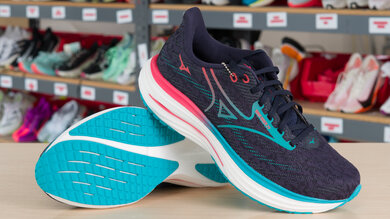
We've tested these running shoes to expand our database and allow users to compare results to help with their buying decisions. We don't expect to write a full review, but if you have any questions about this product, please let us know!
Changelog
- Updated Sep 15, 2026: We've converted this review to Test Bench 0.12, which fixes how we measure firmness, a component of the Stability and 5K/10K Racing usages. There may be inconsistencies between the text and the scores for these usages, but the scores should still be considered valid. We've also brought back the Energy Return score and added two new usages: Daily Training and Long Run. To read more about the changes, see the changelog.
- Updated Sep 02, 2026: We've converted this review to Test Bench 0.11, adding two new rocker measurements to the Design section, and three new responsiveness tests to the Performance section. The Energy Return usage score has been replaced with Responsiveness. Check out the details in our changelog.
- Updated Apr 29, 2026: We've converted this review to Test Bench 0.10, adding a new set of fit tests to the Design section and an overall fit performance usage. Check out the details in our changelog.
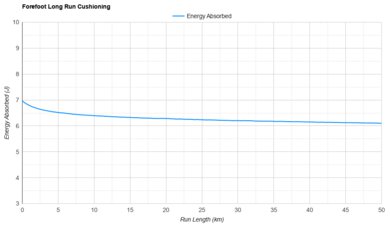
- Updated Apr 13, 2026: We've converted this review to Test Bench 0.9, which adds a Forefoot Long Run Cushioning test to our performance section. Read more in our changelog.
- Updated Nov 18, 2025: Review published.
- Updated Nov 17, 2025: Early access published.
- Updated Jul 16, 2025: Our testers have started testing this product.
- Updated Jul 07, 2025: The product has arrived in our lab, and our testers will start evaluating it soon.
- Updated Jun 19, 2025: We've purchased the product and are waiting for it to arrive in our lab.

We've bought and tested more than 250 running shoes. Every pair purchased with our own money, never supplied or sponsored by brands. Our data-driven tests are designed to go beyond marketing claims, and since every shoe goes through the exact same methodology, you can directly compare results to find the right pair for your needs.
Test Results
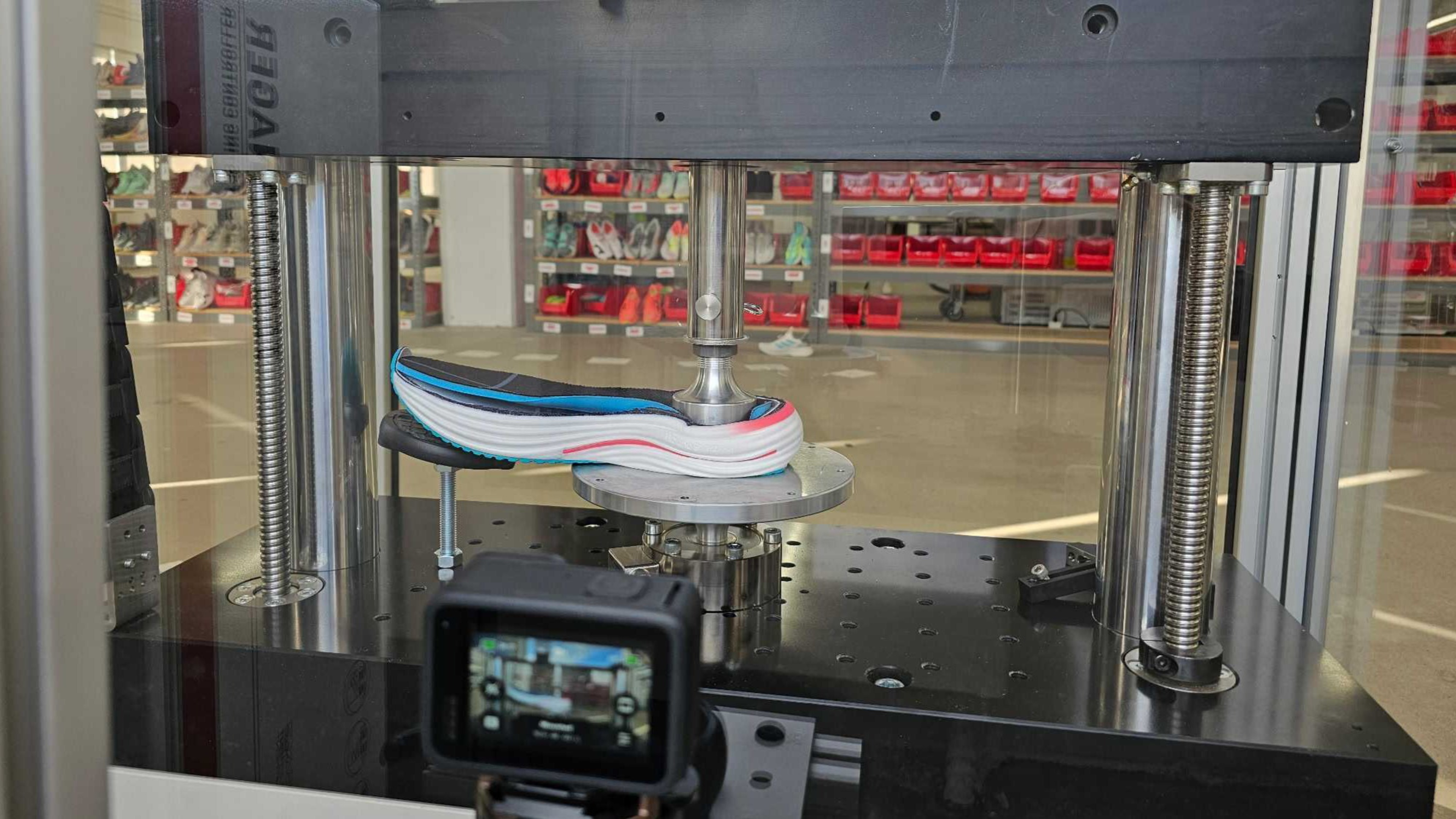
Energy Return


Stability
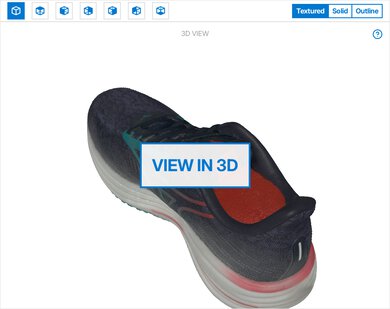


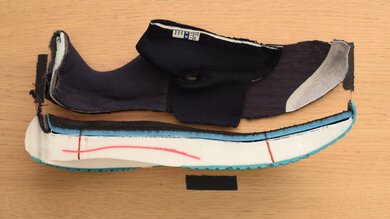
Cushioning
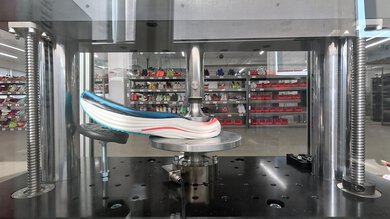

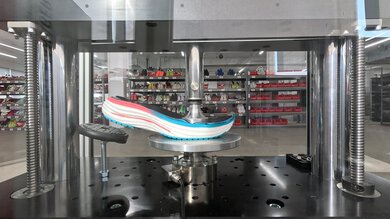

Responsiveness


True To Size
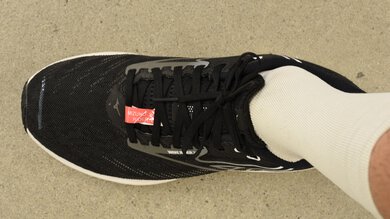
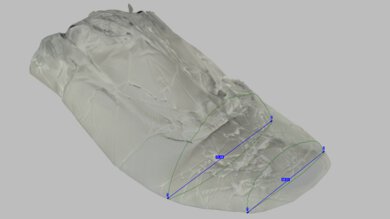
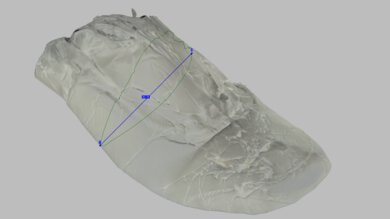
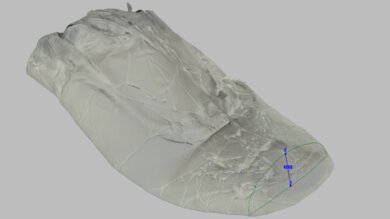
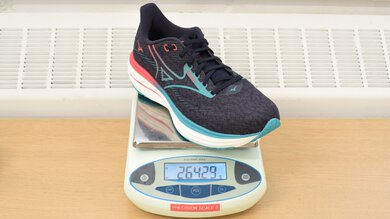
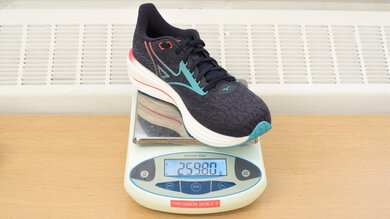

Popular Running Shoe Comparisons
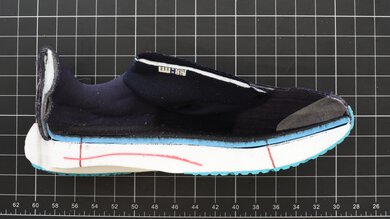
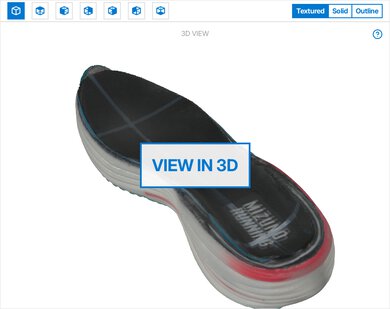
The Mizuno Wave Rider 30 and Mizuno Wave Rider 29 are both shoes in the same line, but the Wave Rider 30 is a clear upgrade. It keeps the same classic daily-trainer DNA, but adds a much taller heel stack, significantly more cushioning, better stability, and a full-length Wave Plate instead of the rearfoot-to-midfoot plate used in the previous model. It also fixes the Wave Rider 29's shorter fit, making the new version easier to recommend in your usual size. Neither shoe is especially lively, but the Wave Rider 30 is more responsive, more protective, and smoother overall. That said, if you prefer a shorter shoe with more ground feel, the Wave Rider 29 is the better choice.