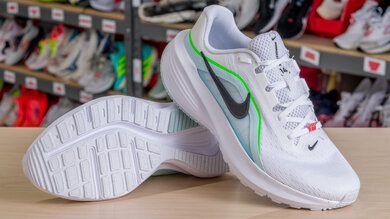
The Nike Downshifter 14 is a budget shoe intended for lifestyle wear as much as running. Its impressively firm platform is very stable, making it a reliable option for short, easy runs. However, the midsole isn't lively underfoot and delivers poor shock absorption, meaning running in this shoe feels labored and will leave your legs beat up if you go far.
| ✅ Buy If: | ❌ Skip If: |
|
|
Our Verdict
The Nike Downshifter 14 is a poor choice for marathon racing. While the stable platform helps keep the ride controlled, the inadequate cushioning provides sub-par protection, and the firm EVA midsole offers awful energy return. The shoe's weight makes it a slog over longer distances, too.
EVA midsole provides poor energy return.
Too heavy for marathon distance.
The Nike Downshifter 14 is a sub-par option for 5K and 10K races. Though the firm forefoot helps keep the ride stable under load, the EVA midsole provides awful energy return, and the shoe's weight makes it difficult to pick up the pace.
Firm forefoot helps keep the ride stable.
EVA midsole provides poor energy return.
Too heavy for faster efforts.
Changelog
- Updated Sep 24, 2026: We've converted this review to Test Bench 0.13, which identifies the different foams used in the shoe's midsole. We've included a microscopic image of the foam cells to give you an idea of what the microstructure looks like. To read more about the changes, see the changelog.
- Updated Sep 15, 2026: We've converted this review to Test Bench 0.12, which fixes how we measure firmness, a component of the Stability and 5K/10K Racing usages. There may be inconsistencies between the text and the scores for these usages, but the scores should still be considered valid. We've also brought back the Energy Return score and added two new usages: Daily Training and Long Run. To read more about the changes, see the changelog.
- Updated Sep 11, 2026: We've converted this review to Test Bench 0.11, adding two new rocker measurements to the Design section, and three new responsiveness tests to the Performance section. The Energy Return usage score has been replaced with Responsiveness. Check out the details in our changelog.
-
Updated Aug 18, 2026:
We refreshed the Popular Running Shoe Comparisons box to mention similar Nike models.
-
Updated Aug 14, 2026:
We've updated the Introduction to make the usage of this shoe clearer for the user. We've also updated the Popular Comparisons section to include a link to the newly reviewed Nike Run Swift 3.
-
Updated Aug 11, 2026:
We've updated the Popular Comparisons section to include a link to the newly reviewed New Balance Fresh Foam 520v9.
-
Updated Aug 04, 2026:
We've updated the Popular Comparisons section to add a link to the newly reviewed Brooks Trace 4.
-
Updated Jul 30, 2026:
We've updated the Popular Comparisons section to add a link to the newly reviewed HOKA Rincon 5.
-
Updated Jul 02, 2026:
We've updated the Popular Comparisons section to include a link to the newly reviewed Brooks Anthem 8.
- Updated Jun 09, 2026: Review published.
- Updated Jun 03, 2026: Early access published.
- Updated Apr 13, 2026: Our testers have started testing this product.
- Updated Mar 20, 2026: We've purchased the product and are waiting for it to arrive in our lab.
- Updated Mar 20, 2026: The product has arrived in our lab, and our testers will start evaluating it soon.
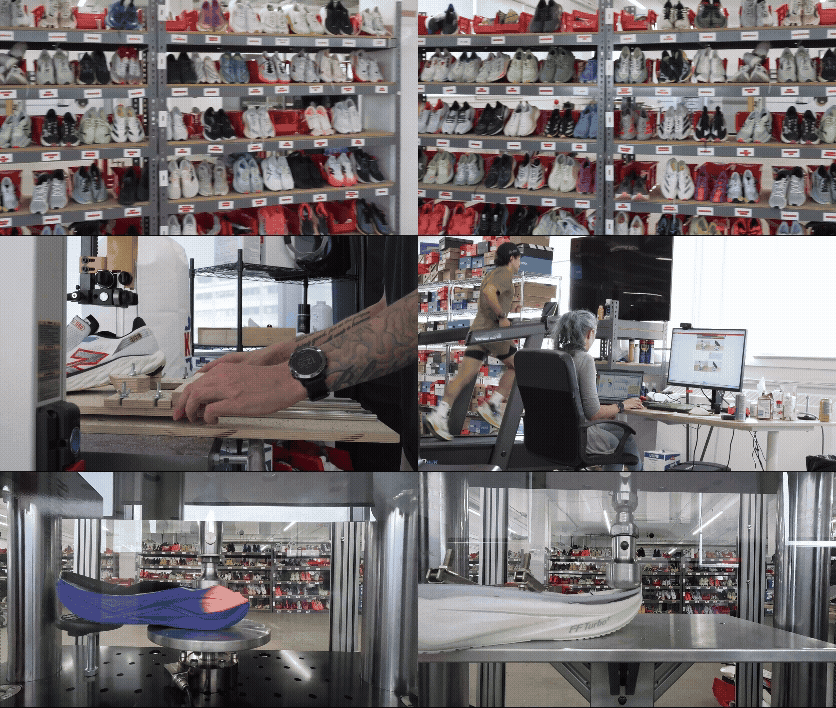
We've bought and tested more than 300 running shoes. Every pair purchased with our own money, never supplied or sponsored by brands. Our data-driven tests are designed to go beyond marketing claims, and since every shoe goes through the exact same methodology, you can directly compare results to find the right pair for your needs.
Test Results
Energy Return


Stability
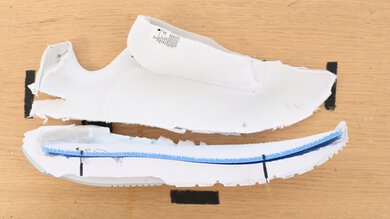
The Nike Downshifter 14 has impressive lateral stability. The wide outsole platform, firm midsole, and lower stack height keep the ride controlled. That said, there are many better options available for beginners who value stability and want a more protective, lively ride.
Wide outsole adds stability.
Firm midsole keeps the ride controlled.


Cushioning
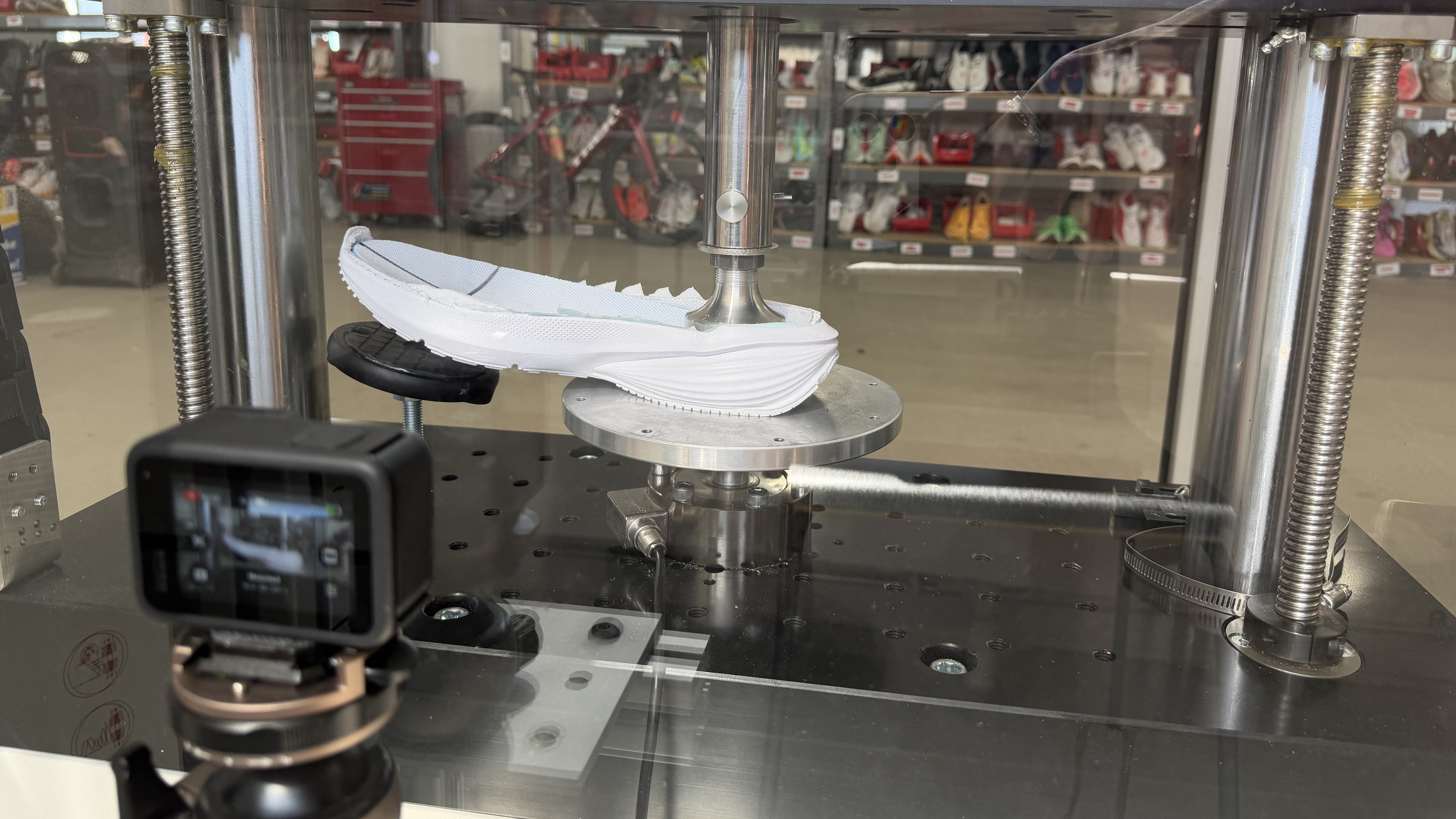
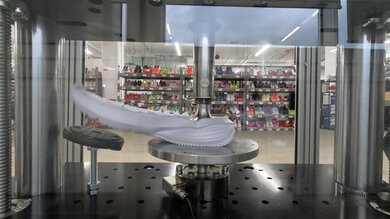
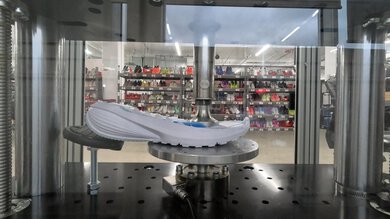
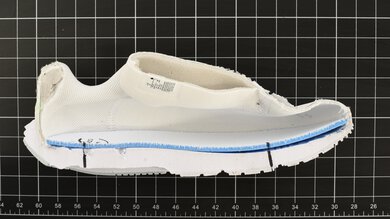
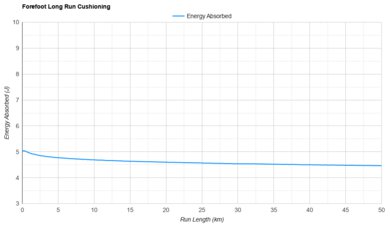
The Nike Downshifter 14 has poor cushioning. The forefoot provides inadequate protection from impact, and while the heel performs slightly better, it remains sub-par. It drops off considerably as more force is applied, making the shoe best suited to short runs or walking rather than consistent mileage.
Thin forefoot offers poor protection.
Heel cushioning is sub-par.


Responsiveness
The Nike Downshifter 14 has awful energy return. The EVA midsole gives very little back, resulting in a flat, lifeless ride that is more suited to walking than running.
Heel returns almost no energy.
EVA midsole is firm and dull.


True To Size
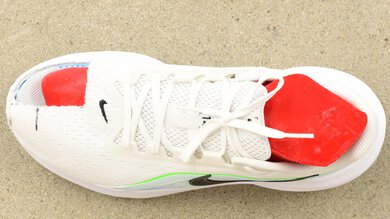
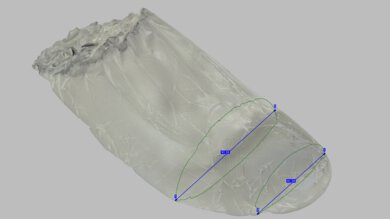
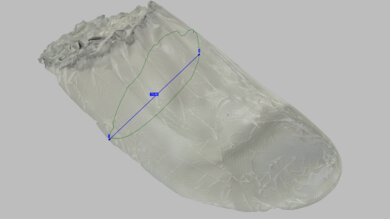
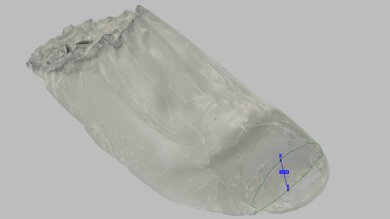
The Nike Downshifter 14 fits mostly true to size. The length is spot on, and the forefoot has good width, but the arch runs very narrow. Runners with a wider midfoot or taller toes may find the fit restrictive.
Length is spot on.
Forefoot width is good.
Arch runs very narrow.


Popular Running Shoe Comparisons
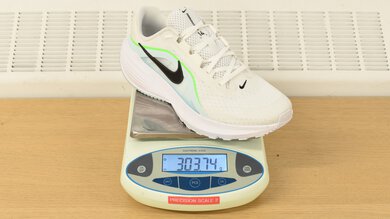
The Nike Downshifter 14 is a bare-bones budget shoe. It's good for beginners who want something stable for short runs, but it suits walking and gym work about as much as running. Compared to other no-frills daily trainers like the HOKA Rincon 5, New Balance Fresh Foam 520v9, and Brooks Trace 4, the Downshifter is heavier, less cushioned, and much less responsive.
Within Nike's lineup, the Downshifter 14 sits on the bottom rung of the ladder. The brand's core running families: the Nike Pegasus 42, Nike Vomero 18, and Nike Structure 26 sit at the top, using more premium foams and offering better performance overall. The Downshifter is comparable to the Nike Run Swift 3 and Nike Run Defy. Since all three are similar basic running shoes, you can generally choose whichever is available at the lowest price.
For more options, check out our recommendations for the best beginner running shoes, the best Nike running shoes, and the best running shoes.
The Nike Downshifter 14 and Nike Revolution 8 are both entry-level trainers, but the Revolution 8 is the better running shoe. It's lighter, more responsive, and performs better over every distance. The Downshifter 14 only makes sense if you prefer its fit or find it at a better price.
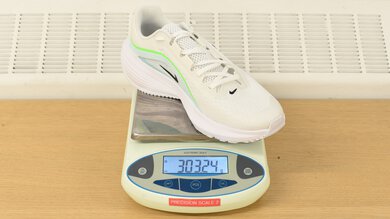
The Nike Run Swift 3 and Nike Downshifter 14 are very similar entry-level shoes for walking and occasional short runs. There's little to separate them in actual running performance, as they're not meant for building serious mileage. The main difference is weight: the Downshifter is much heavier, while the Run Swift 3 is less cumbersome underfoot. If that extra heft doesn't bother you, though, the Downshifter is cheaper and therefore the better pick.
The Nike Run Defy and Nike Downshifter 14 are both basic, stable shoes with similarly limited cushioning. However, the Run Defy is lighter and returns more energy, making it less cumbersome for short runs. You can still choose the Downshifter 14 if you find it heavily discounted; otherwise, the Run Defy is the slightly better choice.
The Nike Downshifter 14 and Nike Pegasus 42 may both sit in Nike's daily trainer lineup, but the Pegasus 42 is the more complete running shoe. It offers more cushioning and a lighter build, and is a dedicated running shoe, whereas the Downshifter 14 is more of a gym shoe that can handle occasional runs.
The Nike Downshifter 14 and Nike Downshifter 13 are extremely similar shoes. The newer model is slightly lighter, slightly more cushioned, and a bit more stable, but the differences are minor. If you can find the previous model cheaper, it's the better pick.
The adidas Adizero Pacer and Nike Downshifter 14 are both budget shoes from rival brands, but the adidas is better suited to actual running because it's lighter and offers more cushioning. The Nike has a lower stack that results in more ground feel and a higher drop, while its broad platform and fully gusseted tongue give it the more stable and secure ride.
Differences Between Sizes And Variants
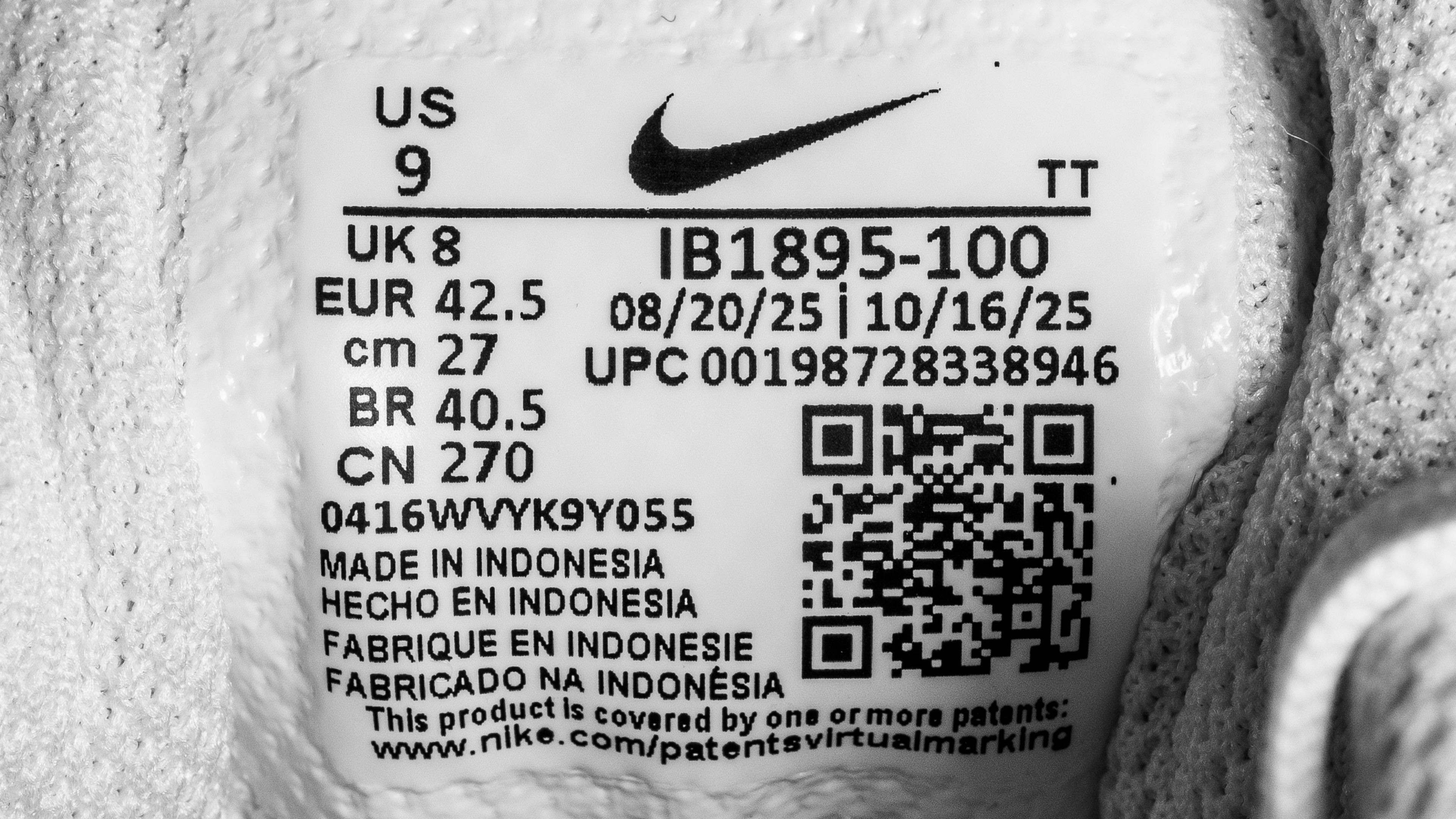
We tested the Nike Downshifter 14 in men's US size 9, as indicated on the label of our pair. The color featured on the shoe we tested is White/Glacier Blue/Green Strike/Black, but you can also get the shoe in other colors, depending on the region. This shoe isn't available in wide widths. The design section applies only to the exact model we tested, but we expect other sizes to perform similarly.