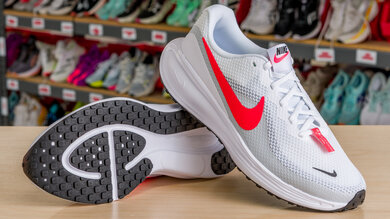
We've tested these running shoes to expand our database and allow users to compare results to help with their buying decisions. We don't expect to write a full review, but if you have any questions about this product, please let us know!
Our Verdict
Changelog
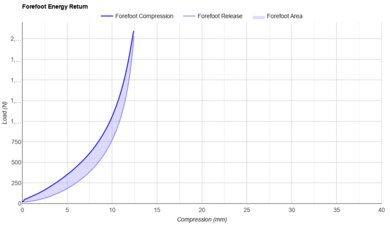
- Updated Jun 17, 2026: We've converted this review to Test Bench 0.12, which fixes how we measure firmness, a component of the Stability and 5K/10K Racing usages. There may be inconsistencies between the text and the scores for these usages, but the scores should still be considered valid. We've also brought back the Energy Return score and added two new usages: Daily Training and Long Run. To read more about the changes, see the changelog.
- Updated May 05, 2026: We've converted this review to Test Bench 0.11, adding two new rocker measurements to the Design section, and three new responsiveness tests to the Performance section. The Energy Return usage score has been replaced with Responsiveness. Check out the details in our changelog.
- Updated Apr 29, 2026: We've converted this review to Test Bench 0.10, adding a new set of fit tests to the Design section and an overall fit performance usage. Check out the details in our changelog.
- Updated Apr 13, 2026: We've converted this review to Test Bench 0.9, which adds a Forefoot Long Run Cushioning test to our performance section. Read more in our changelog.
- Updated Nov 18, 2025: Review published.
- Updated Nov 17, 2025: Early access published.
- Updated Sep 04, 2025: Our testers have started testing this product.
- Updated Aug 21, 2025: The product has arrived in our lab, and our testers will start evaluating it soon.
- Updated Aug 12, 2025: We've purchased the product and are waiting for it to arrive in our lab.
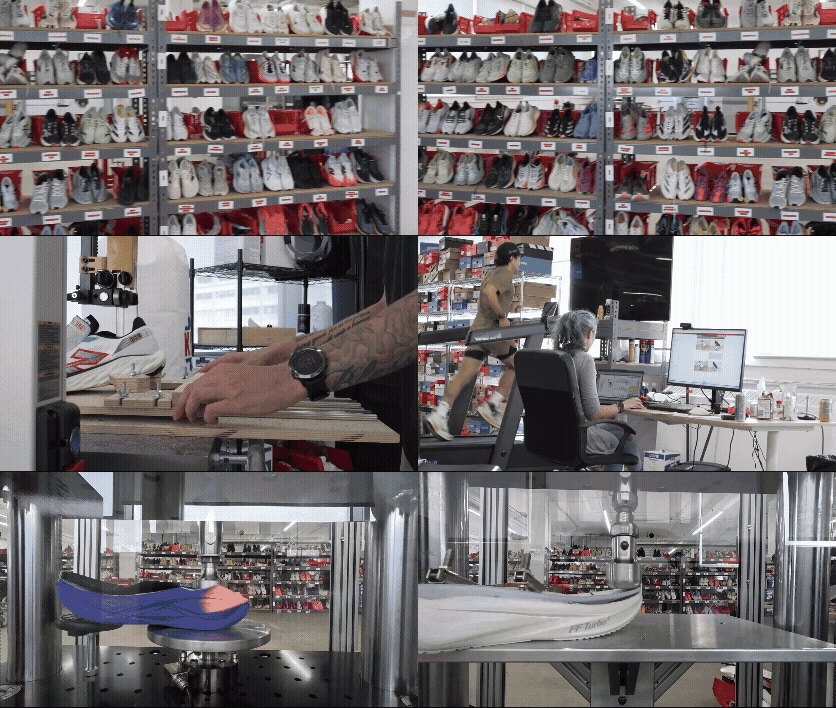
We've bought and tested more than 300 running shoes. Every pair purchased with our own money, never supplied or sponsored by brands. Our data-driven tests are designed to go beyond marketing claims, and since every shoe goes through the exact same methodology, you can directly compare results to find the right pair for your needs.
Test Results
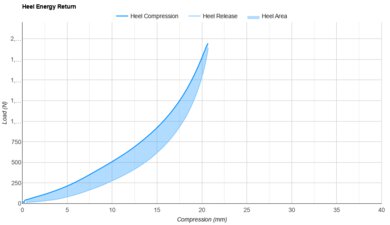
Energy Return
Stability
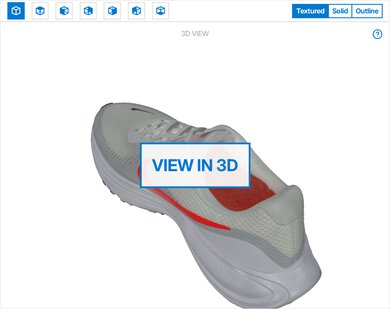
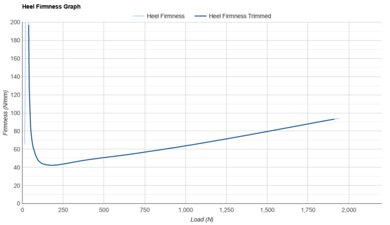
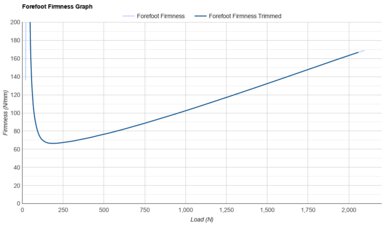
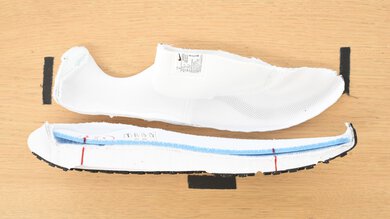
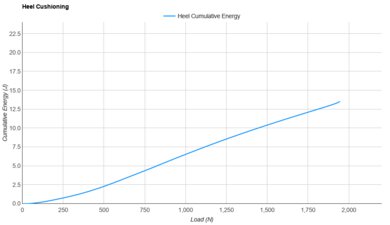
Cushioning
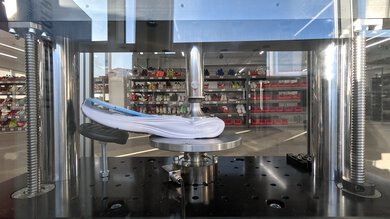
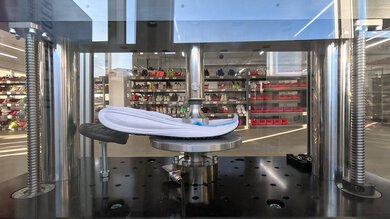
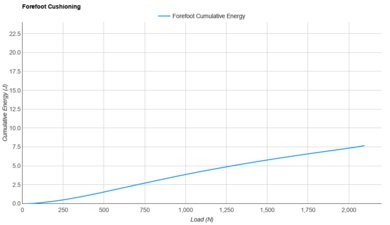
Responsiveness
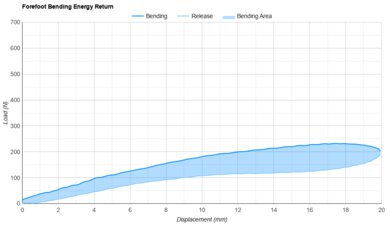
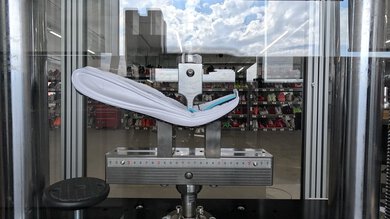
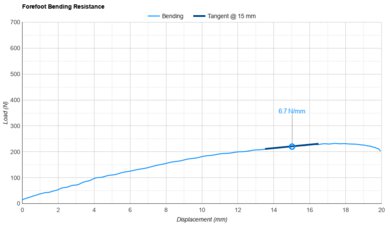
True To Size
Popular Running Shoe Comparisons
The Nike Downshifter 14 and Nike Revolution 8 are both entry-level trainers, but the Revolution 8 is the better running shoe. It's lighter, more responsive, and performs better over every distance. The Downshifter 14 only makes sense if you prefer its fit or find it at a better price.
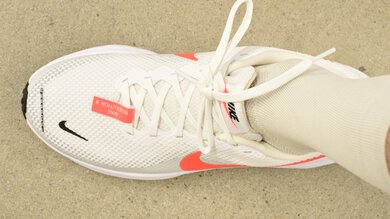
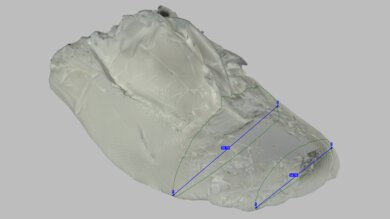
The Nike Revolution 8 and Nike Run Defy are very similar entry-level shoes. They provide a firm, stable ride and perform similarly for daily training, but they're both overall better suited to walking, gym use, and occasional short runs than consistent mileage. The main difference is fit, where the Run Defy fits more true to size and provides more toe clearance, while the Revolution 8 runs slightly short and has a shallow toe box. Get the Run Defy if you need the roomier fit; otherwise, buy whichever shoe you can find for less.
The Nike Run Swift 3 and Nike Revolution 8 are very similar entry-level shoes for walking and shorter runs. There's little between them in terms of running performance, but the Revolution 8 is cheaper and more stable, making it the better buy for most people. Get the Run Swift 3 only if you have extremely tall toes; otherwise, save your money and get the Revolution 8.
The Nike Pegasus 41 and Nike Revolution 8 are both daily trainers with impressive lateral stability, but the Pegasus 41 is the more complete everyday running shoe. The Pegasus 41 has Nike’s ReactX foam and Air Zoom units, giving it a more premium underfoot feel and slightly better protection for regular daily mileage. The Revolution 8 is simpler, with a standard EVA midsole and a more stripped-back ride, though it still feels stable enough for easy runs or walking. You’ll likely prefer the Pegasus 41 if you want one dependable shoe for weekly mileage, while the Revolution 8 makes more sense if you want a simpler Nike trainer for occasional runs, walking, or casual use.