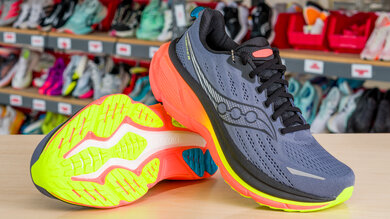
The Saucony Hurricane 25 is a comfortable running shoe that straddles the gap between a stability shoe and a max cushioned trainer. The stability features of this shoe are definitely on the gentler side; there are soft medial sidewalls, but they feel more like extra cushioning than rigid structure. The dual-density midsole is also contoured with stability in mind: a layer of bouncy PWRRUN PB foam sits inside a dense PWRRUN carrier foam, which is thicker on the medial side, creating a more stable platform for runners who over-pronate. However, the Hurricane 25 is both much more comfortable and much livelier than a traditional stability shoe. With its excellent cushioning and gentle rocker, it's a great long run shoe, as the mild stability features mostly stay out of the way until they're needed to correct deteriorating running form.
Our Verdict
The Saucony Hurricane 25 is a decent shoe for covering the marathon distance. The cushioning is very supportive over long distances, and the midsole returns enough energy to keep you bouncing along for the full distance. This is not a shoe built for speed, though, and it will feel bulky if you are trying to push the pace, especially on tired legs.
Great cushioning over long distances.
Still a fairly heavy shoe.
The Saucony Hurricane 25 is not a racing shoe, and a competitive 5k or 10k will expose its limitations. Although the layer of PWRRUN PB gives some bounce, the weight of the shoe makes picking up the pace feel more laborious.
Still a fairly heavy shoe.
Changelog
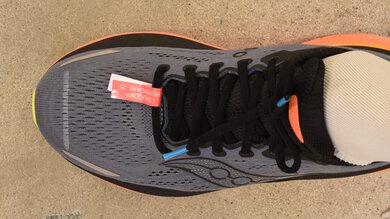
- Updated Sep 17, 2026: We've converted this review to Test Bench 0.14, which adds new lace-specific results. We've included a close-up photo of the laces, as well as details including lace type, width, thickness, and stretch. To read more about the changes, see the changelog.
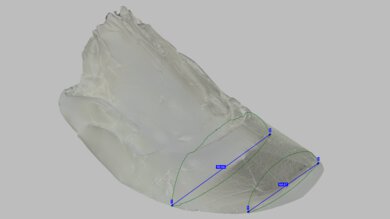
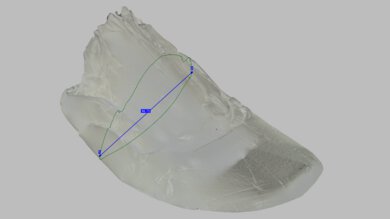
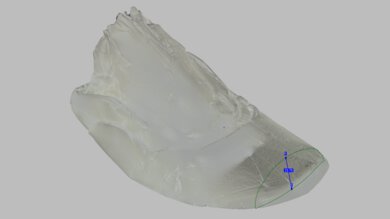
- Updated Jun 30, 2026: We've converted this review to Test Bench 0.13, which identifies the different foams used in the shoe's midsole. We've included a microscopic image of the foam cells to give you an idea of what the microstructure looks like. To read more about the changes, see the changelog.
- Updated Jun 17, 2026: We've converted this review to Test Bench 0.12, which fixes how we measure firmness, a component of the Stability and 5K/10K Racing usages. There may be inconsistencies between the text and the scores for these usages, but the scores should still be considered valid. We've also brought back the Energy Return score and added two new usages: Daily Training and Long Run. To read more about the changes, see the changelog.
-
Updated Jun 11, 2026:
We've updated the Popular Comparisons section to include a link to the newly reviewed Saucony Guide 19.
-
Updated Apr 30, 2026:
We've updated this review to add text for the new Responsiveness usage box and made minor phrasing adjustments throughout the review for consistency.
- Updated Apr 28, 2026: We've converted this review to Test Bench 0.11, adding two new rocker measurements to the Design section, and three new responsiveness tests to the Performance section. The Energy Return usage score has been replaced with Responsiveness. Check out the details in our changelog.
-
Updated Feb 26, 2026:
We updated the review to include text for the new Fit usage box, which was recently added to our test bench.
- Updated Feb 20, 2026: We've converted this review to Test Bench 0.10, adding a new set of fit tests to the Design section and an overall fit performance usage. Check out the details in our changelog.
- Updated Nov 14, 2025: Review published.
- Updated Nov 10, 2025: Early access published.
- Updated Aug 08, 2025: Our testers have started testing this product.
- Updated Jul 09, 2025: The product has arrived in our lab, and our testers will start evaluating it soon.
- Updated Jul 04, 2025: We've purchased the product and are waiting for it to arrive in our lab.
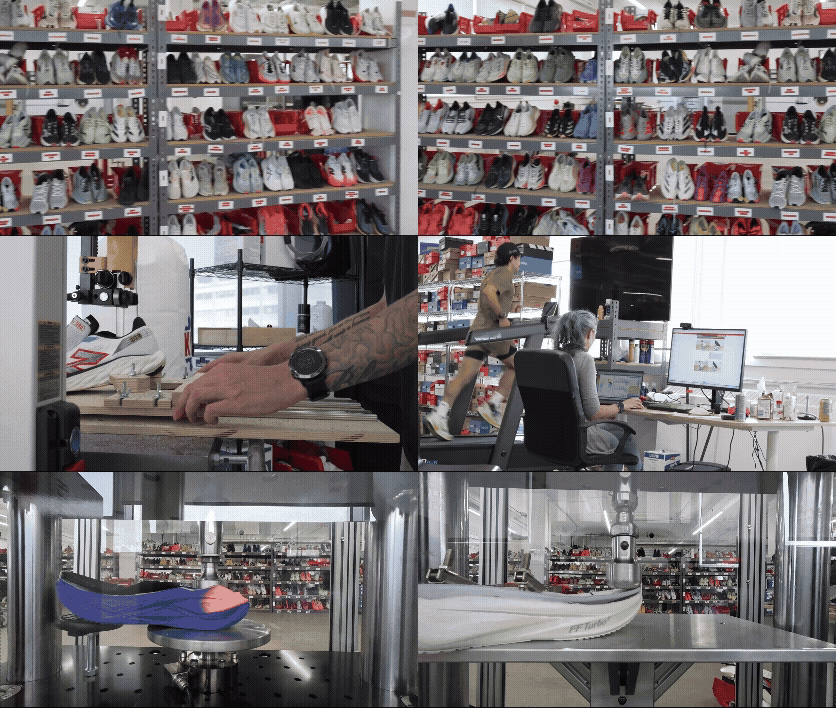
We've bought and tested more than 250 running shoes. Every pair purchased with our own money, never supplied or sponsored by brands. Our data-driven tests are designed to go beyond marketing claims, and since every shoe goes through the exact same methodology, you can directly compare results to find the right pair for your needs.
Test Results
Energy Return
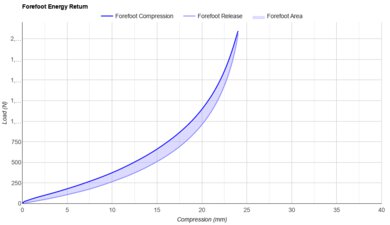
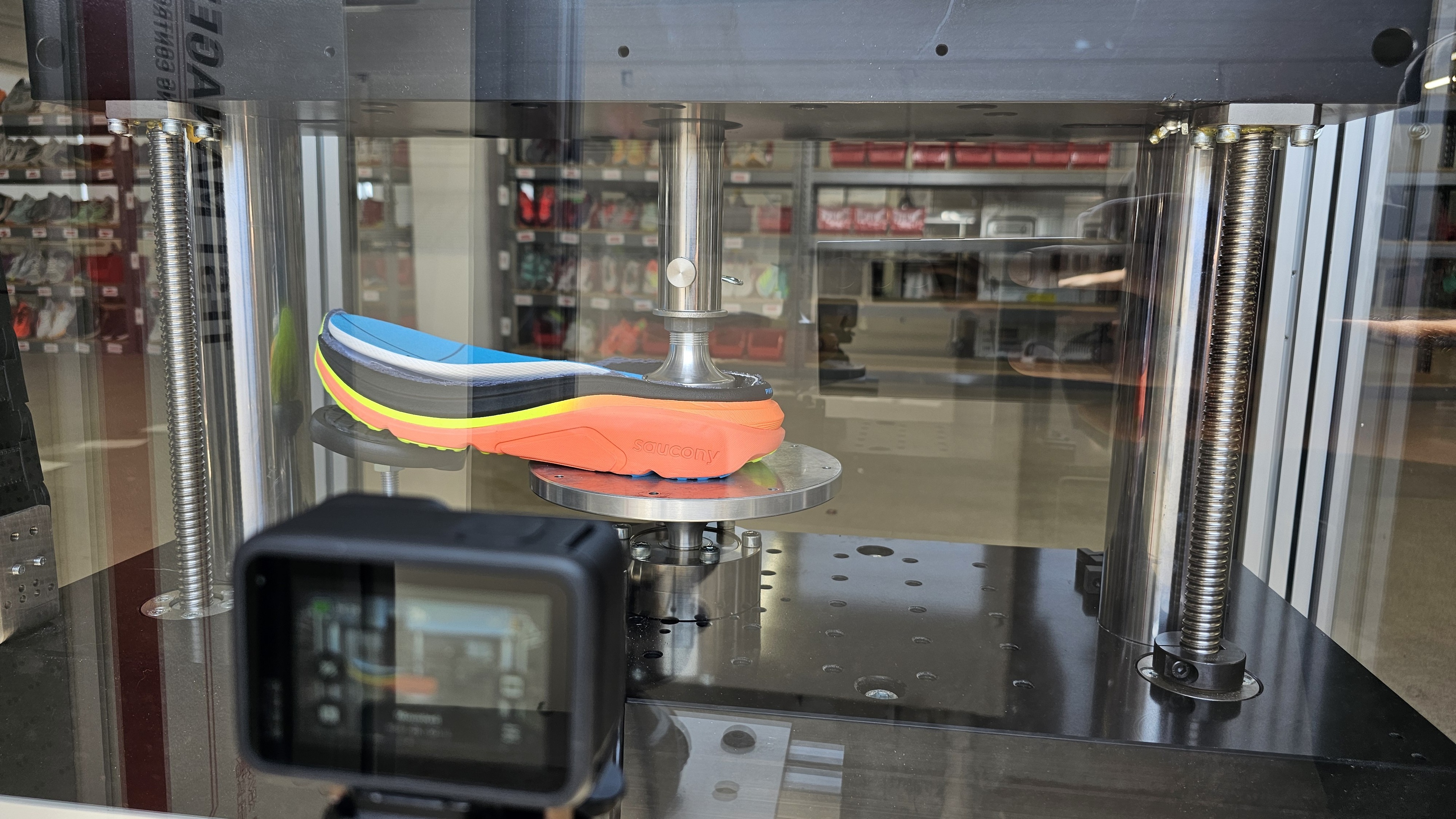
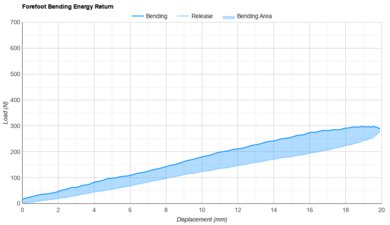
The forefoot of the Saucony Hurricane 25 gives impressive rebound, feeling more like a trampoline than a stability shoe. Although it's not quite as bouncy as the ASICS MEGABLAST, it's much closer to a shoe like this than to the ASICS GEL-NIMBUS 27 or ASICS GEL-KAYANO 32.
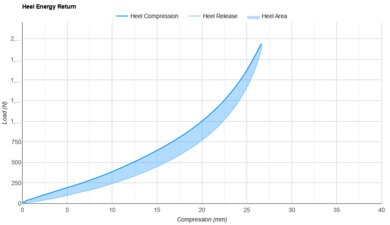
Stability
The Saucony Hurricane 25 has good lateral stability. The reasonably wide base and secure upper combine with the shoe's mild stability features for a smooth and confident ride.
Midsole strikes good balance between softness and stability.
Wide platform.

The Saucony Hurricane 25 features a subtle cutout on the lateral side that enables a much smoother rolling transition than the flat, chunky sole of the Saucony Hurricane 24.
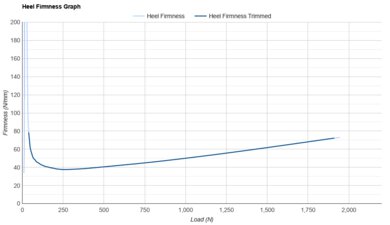
The heel of the Saucony Hurricane 25 is not very firm, even when lots of force is applied. This makes the shoe feel forgiving for heel strikers, but less inherently stable.
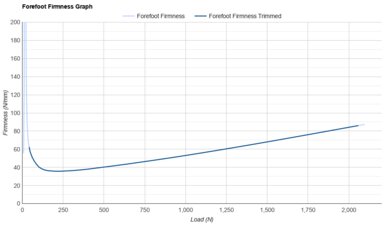
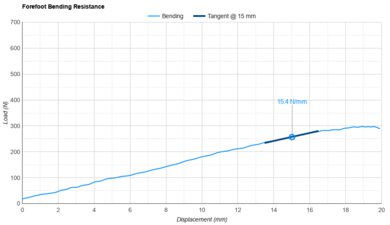
The forefoot of the Saucony Hurricane 25 is decently firm, and becomes proportionally more so as the pace picks up, but is still nowhere near as rigid as dedicated stability shoes like the Nike Structure 26 or ASICS GEL-KAYANO 32.

This version of the Hurricane now features a fully gusseted tongue, which improves lockdown compared to its predecessor, the Saucony Hurricane 24.
Cushioning
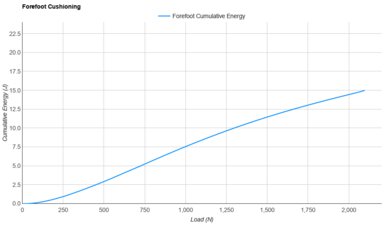
The Saucony Hurricane 25 has excellent cushioning. Although it doesn't feel squishy soft, the midsole does an impressive job of absorbing impact and continues to protect your legs from impact even as the miles pile up.
Great cushioning over long distances.
Midsole strikes good balance between softness and stability.
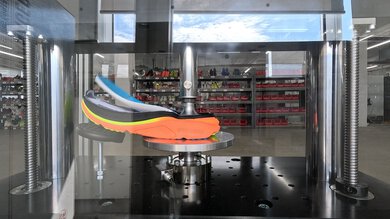
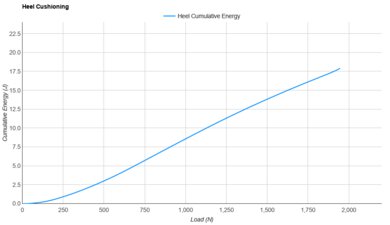
The Saucony Hurricane 25 is very forgiving for heel strikers, offering better protection than comfort-oriented daily trainers like the Nike Vomero 18, HOKA Bondi 9, or ASICS GEL-NIMBUS 27.

Responsiveness
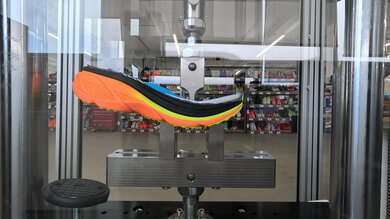
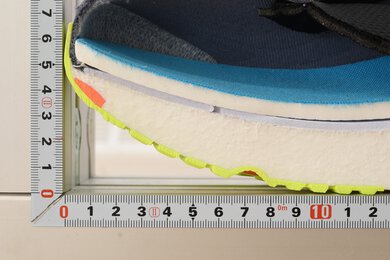
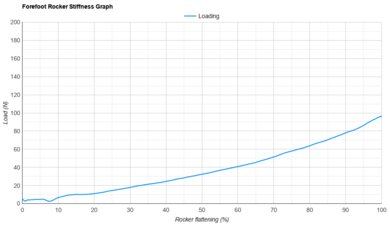
The Saucony Hurricane 25 has good responsiveness, with a lively forefoot that gives an almost trampoline-like feel when pushing off. The dual-density midsole strikes a good balance between comfort and energy return, as the midsole rocker is not too aggressive, but holds its shape decently well.
Very lively forefoot.
True To Size
The Saucony Hurricane 25 fits almost perfectly, spot on. The length is true to size, and the width is appropriate from the heel through the forefoot, though there's a Wide version of the shoe for runners with wider feet. The shoe doesn't have much volume in the forefoot, but it's not excessively cramped. Most runners should stick to their usual size.


The Saucony Hurricane 25 has shaved off weight compared to the Saucony Hurricane 24, and certainly feels much nimbler than its predecessor.


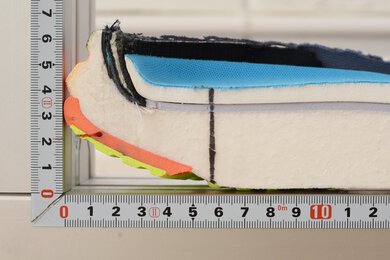



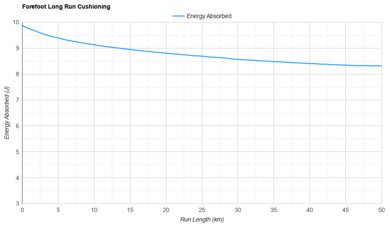
The forefoot cushioning of the Saucony Hurricane 25 holds up impressively well over long distances. As with most shoes, the midsole's ability to absorb the impact of repeated footstrikes gradually decreases over the course of a long run, but because it starts out so soft, the cushioning remains protective.
Popular Running Shoe Comparisons
The Saucony Hurricane 25 is a genre-bending shoe that has mild stability features, the comfort of a recovery shoe, but is still great for long runs, thanks to its excellent cushioning and gentle rocker. The Hurricane 25 perfectly demonstrates the move away from 'stability' as a distinct category of running shoe, and toward understanding stability as a set of characteristics that can be incorporated across categories. The Hurricane 25 is not only much livelier and more nimble than traditional stability shoes like the Nike Structure 26 and ASICS GEL-KAYANO 32, but also compared to max-cushioned daily trainers like the HOKA Bondi 9, ASICS GEL-NIMBUS 27, or Nike Vomero 18.
Saucony's lineup is one of the most stability-focused among the major brands, with the Hurricane 25 being one of several models that incorporate this focus. The Saucony Guide 19 is the closest counterpart in both geometry and support features, but its midsole only contains dense PWRRUN foam, so it lacks the bounce of the Hurricane 25. The Saucony Tempus 2 is a lighter shoe that incorporates the same soft, wraparound cushioning of the Hurricane 25, but with a firmer midsole that's more tuned for quick turnover than soft landings. The Hurricane 25 and Tempus 2 are logical companion shoes in a rotation, with the Hurricane 25 better for long runs, and the Tempus 2 better for speed workouts. Rounding out the lineup is the Saucony Omni 22, which has the most overt stability guidance of any of Saucony's shoes, with a medial sidepost designed to correct overpronation.
For more options, check out our recommendations for the best running shoes to find the perfect pair.
The Saucony Guide 19 and Saucony Hurricane 25 both use geometry-led stability, but the Hurricane pushes further into max-cushion territory. It has substantially more cushioning, better responsiveness, and a livelier ride, making it the better pick for long runs and runners who want comfort first. The Guide 19 is firmer and more grounded, with a wider, more stable platform for runners who prioritize support over bounce.
The HOKA Bondi 9 and Saucony Hurricane 25 are two deeply cushioned trainers that have taken different routes to end up in a similar corner of the current running market. As one of the pioneers of the max-cushion trend, the HOKA shoe unabashedly focuses on cushioning above all else, delivering a softer ride at the expense of speed and stability. The Hurricane 25, on the other hand, is a stability shoe whose cushioning has evolved to adapt to the max cushion trend. It still maintains some moderate stability features and delivers excellent cushioning without sacrificing too much energy return. For runners who just want a comfortable shoe for easy runs, the Bondi 9 is an excellent option. However, if you're seeking versatility, the Hurricane 25 is a more attractive choice.
The Nike Vomero Plus and Saucony Hurricane 25 are two max-cushioned trainers built on very different design principles. The Nike shoe has the brand's classic high drop, so while its heel sits higher than the Saucony's, the Nike shoe's forefoot is actually lower to the ground. The Nike is also built on a narrower platform than the Saucony, which, combined with Saucony's moderate stability features, makes the Hurricane 25 the more stable of the two shoes. Unsurprisingly, given the shoes' differing designs, the Nike is comparably more cushioned in the heel, while the Saucony is better cushioned in the forefoot. Both shoes have a fun, bouncy ride, but the Nike returns energy more consistently.
The Saucony Hurricane 26 follows on from the Saucony Hurricane 25 as a deeply cushioned, very stable, and lively support shoe for daily training. Though the Hurricane 26 is a touch more protective and energetic, most runners won't notice a huge difference underfoot. However, it's also significantly lighter, so if you want a more nimble shoe, it's the pick. Otherwise, the Hurricane 25 is still a great shoe, especially if you can find it on sale.
The Saucony Hurricane 25 and Nike Structure 26 are both stability trainers that rely on a classic combination of a wide outsole and guide rails along the footbed to correct over- or under-pronation. But the Hurricane 25 has several more modern innovations designed to correct over-pronation, including a dual-density arrangement of foam under the heel with a higher concentration of denser foam on the medial side to prevent inward rotation. A cutout on the lateral side of the Hurricane 25 acts as a corrective measure for over-pronation, but also makes the ride much more fluid. With its softer cushioning, the Saucony shoe feels like a modern trainer that provides support for over-pronators, while the Structure 26 feels like a classic stability shoe.
The Nike Structure Plus and Saucony Hurricane 25 are both mild support trainers that manage to add guidance features without making the usual big sacrifices in cushioning and comfort. The Nike has a higher 10 mm drop and a ride that feels more in line with a classic support shoe, just with more cushioning than the category usually offers. The Saucony pushes further into the modern side of things, delivering much more cushioning and noticeably more bounce from the midsole while staying in a similar weight range. It also uses a lower-drop setup, which gives it a less traditional feel overall.
The On Cloudrunner 3 and Saucony Hurricane 25 are similarly weighted support trainers, but they reflect very different design philosophies. The Saucony is higher stacked and more cushioned, yet still manages to feel stable thanks to its platform and midsole design, while also offering a bit of liveliness that makes the ride feel more modern and less dull. The Cloudrunner 3 feels more stable overall, with a lower stack and more ground feel, but that comes with a firmer, harsher ride that is less comfortable over longer sessions.
Differences Between Sizes And Variants
We tested the Saucony Hurricane 25 in men's US size 9, as indicated on the label for our pair, in the Shadow/ViZi colorway. The shoe is also available in numerous other colorways, depending on your region. Like many other Saucony shoes, the Hurricane 25 is available in Regular and Wide versions for both men and women. The design section applies only to the exact model we tested, but we expect other sizes and gender variants to perform similarly.