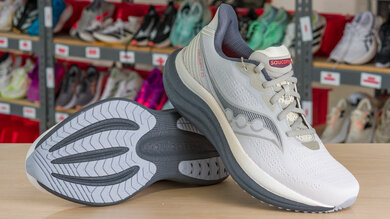
The Saucony Triumph 23 is a premium daily trainer that marks another chapter in the long history of a Triumph series that has undergone so many changes in recent iterations. Saucony addressed some of the most notable flaws of the Saucony Triumph 22, shaving off over 20g of weight, and making the PWRRUN PB midsole a bit softer and bouncier. The thickly padded upper of the Triumph 23 is designed for comfort, but it is not very breathable and can get uncomfortably hot in summer temperatures. The firm forefoot can also feel harsh at faster paces. Overall, the Triumph 23 is a solid shoe designed to get through the grind of everyday runs with no frills and no thrills.
Our Verdict
The Saucony Triumph 23 is a decent shoe for runners who are just focused on finishing a marathon. The shoe has enough cushioning and stability to get you through 26.2 miles, but it's too sluggish and heavy for runners chasing a fast time.
PWRRUN PB foam has good springiness.
Too heavy for racing.
The Saucony Triumph 23 is a passable option for a 5 or 10k race. It's not built for speed, but with its firm forefoot and good energy return, it can turn over quickly when called upon. Despite its mighty name, though, this shoe is too heavy to triumph in a competitive race.
PWRRUN PB foam has good springiness.
Too heavy for racing.
Changelog
- Updated Aug 17, 2026: We've updated this review to Test Bench 0.16, expanding our coverage with new tests for breathability, water absorption, and drying time. For more details, see the changelog.
- Updated Aug 03, 2026: We've converted this review to Test Bench 0.15, which replaces Responsiveness with three specific performance usages: Bounciness, Snappiness, and Roll. To read more about the changes, see the changelog.
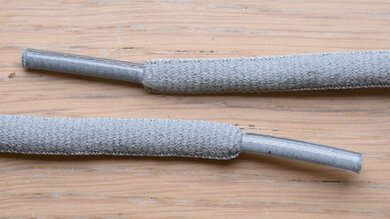
- Updated Jul 30, 2026: We've converted this review to Test Bench 0.14, which adds new lace-specific results. We've included a close-up photo of the laces, as well as details including lace type, width, thickness, and stretch. To read more about the changes, see the changelog.
- Updated Jul 07, 2026: We've converted this review to Test Bench 0.13, which identifies the different foams used in the shoe's midsole. We've included a microscopic image of the foam cells to give you an idea of what the microstructure looks like. To read more about the changes, see the changelog.
- Updated Jun 22, 2026: We've converted this review to Test Bench 0.12, which fixes how we measure firmness, a component of the Stability and 5K/10K Racing usages. There may be inconsistencies between the text and the scores for these usages, but the scores should still be considered valid. We've also brought back the Energy Return score and added two new usages: Daily Training and Long Run. To read more about the changes, see the changelog.
- Updated Jun 22, 2026: We've converted this review to Test Bench 0.11, adding two new rocker measurements to the Design section, and three new responsiveness tests to the Performance section. The Energy Return usage score has been replaced with Responsiveness. Check out the details in our changelog.
-
Updated Mar 11, 2026:
We updated the Popular Running Shoe Comparisons box to mention the latest iteration of the Saucony Ride in the brand's lineup.
-
Updated Feb 27, 2026:
We updated the review to include text for the new Fit usage box, which was recently added to our test bench.
- Updated Feb 20, 2026: We've converted this review to Test Bench 0.10, adding a new set of fit tests to the Design section and an overall fit performance usage. Check out the details in our changelog.
-
Updated Oct 23, 2025:
We updated the review to include text for the Forefoot Long Run Cushioning test, which was recently added to our test bench.
- Updated Oct 23, 2025: We've converted this review to Test Bench 0.9, which adds a Forefoot Long Run Cushioning test to our performance section. Read more in our changelog.
- Updated Oct 14, 2025: Review published.
- Updated Oct 01, 2025: Early access published.
- Updated Jun 25, 2025: Our testers have started testing this product.
- Updated Jun 11, 2025: The product has arrived in our lab, and our testers will start evaluating it soon.
- Updated Jun 06, 2025: We've purchased the product and are waiting for it to arrive in our lab.
We've bought and tested more than 250 running shoes. Every pair purchased with our own money, never supplied or sponsored by brands. Our data-driven tests are designed to go beyond marketing claims, and since every shoe goes through the exact same methodology, you can directly compare results to find the right pair for your needs.
Test Results
Energy Return
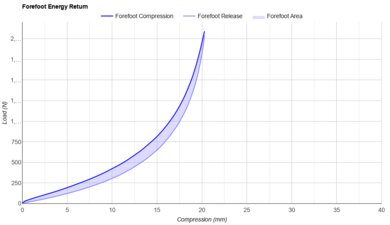
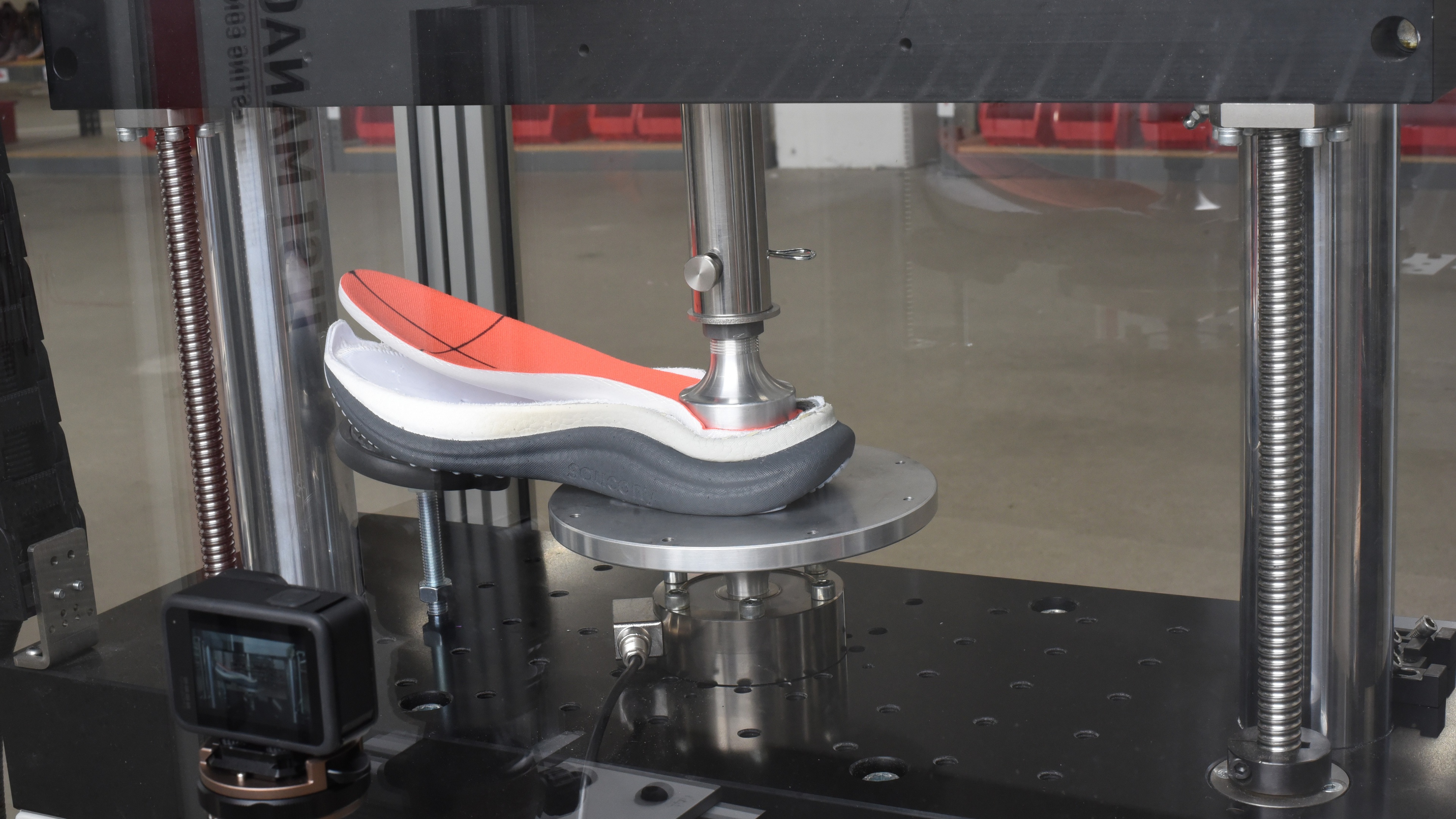
The forefoot of the Saucony Triumph 23 has good energy return and is a definite improvement over the Saucony Triumph 22, but it's actually marginally less energetic than the Saucony Ride 18. The Triumph 23's overall construction mitigates the midsole's bounce, and can get in the way of picking up the pace.
Stability
The Saucony Triumph 23 offers great stability, thanks to its balanced construction and fully gusseted tongue. The shoe's platform is more flared on the medial side than the Triumph 22, contributing to the wider base and greater medial stability.
Wide midsole creates stable base.
Fully gusseted tongue helps with with lock down.
Soft heel foam can be unstable.
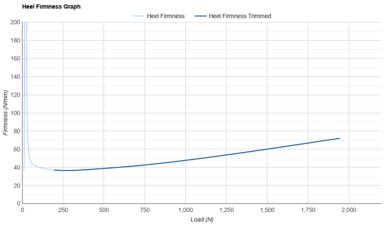
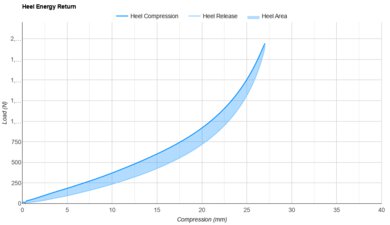
The Saucony Triumph 23 lacks rigidity in the heel, which has both positive and negative aspects: landings will feel softer, but heel strikers may be less stable.
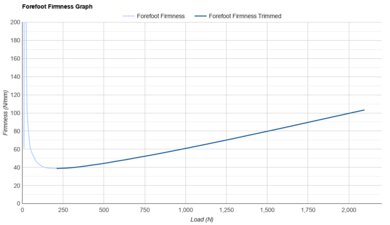
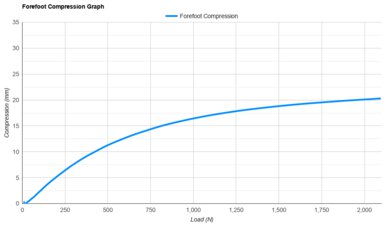
As with most shoes, the forefoot of the Saucony Triumph 23 gets firmer as more force is applied, but this tendency is much more dramatic with the Triumph 23. At lower forces, the forefoot firmness of this shoe sits near the median of shoes we've tested, but when moderate force is applied, it's one of the stiffest. This can lead to a feeling of the shoe becoming a brick during a run.
Cushioning
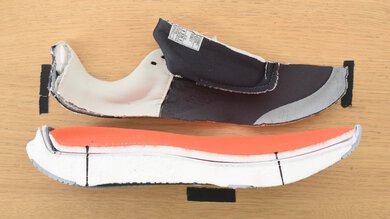
The Saucony Triumph 23 has very good cushioning, and the PWRRUN PB foam's ability to absorb impact will especially appeal to larger or heavier runners. The heel can feel a bit mushy, but the overall ride is solid and consistent.
Very soft foam in midsole.
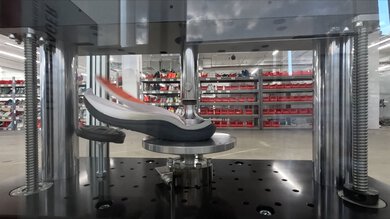
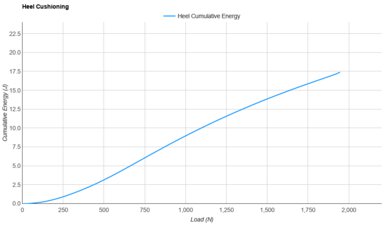
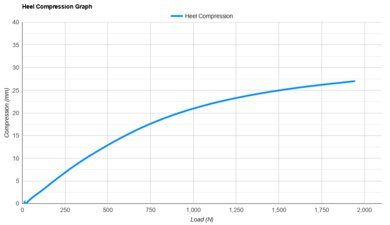
The heel of the Saucony Triumph 23 has very good impact absorption and holds up impressively well under heavy forces, making it a good option for larger heel strikers.
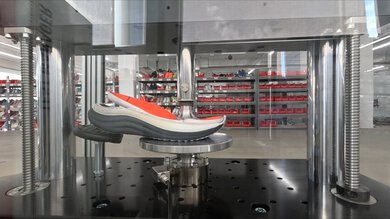
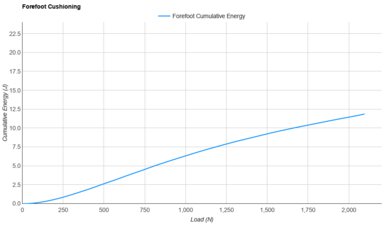
Overall, the cushioning in the forefoot of the Saucony Triumph 23 is good, although it struggles to keep up with higher impact forces. At easy paces, it provides excellent protection, but absorbs comparatively less and less impact as you apply more force.
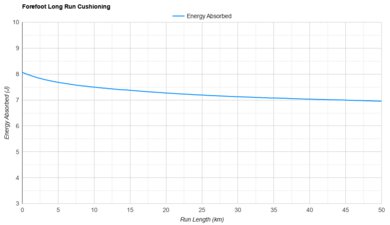
The Saucony Triumph 23 starts out with a moderately cushioned feel, but its PWRRUN PB midsole loses absorption capabilities as the run progresses. An initial, relatively sharp drop in cushioning occurs within the first 10km, then the decrease is more gradual. While there's still adequate protection for long runs, the forefoot becomes less forgiving over distance, making it a better fit for shorter efforts than for runners seeking plush comfort deep into a 20 km or longer session.
Bounciness
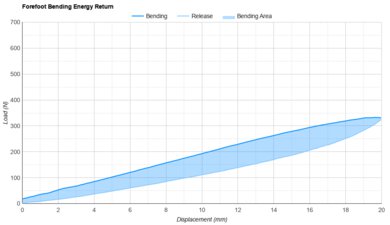
The Saucony Triumph 23 gets good energy return from its PWRRUN PB midsole. However, the shoe's weight and geometry somewhat mitigate the bouncy foam, making it feel more cumbersome than its score would suggest.
PWRRUN PB foam has good springiness.
Snappiness
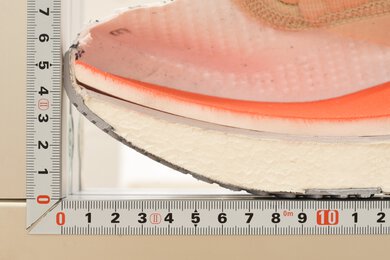
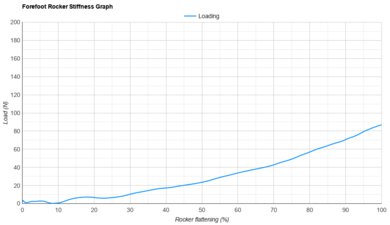
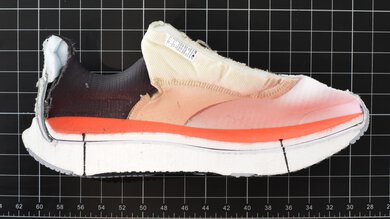
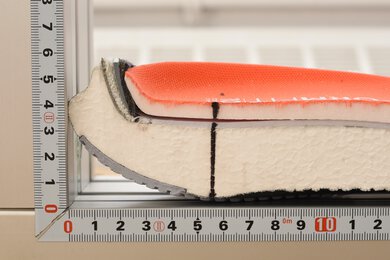
Roll
True To Size
The Saucony Triumph 23 fits remarkably true to size. The arch is accommodating without being too loose, the length is spot on, and the forefoot is gently tapered, allowing enough room for some toe splay. Most runners can buy in their usual size.
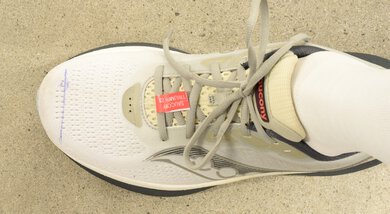
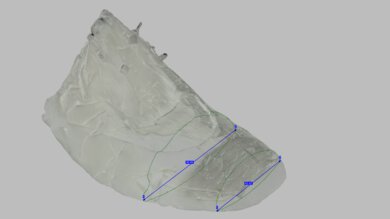
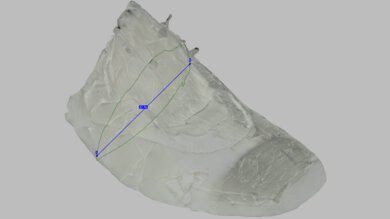
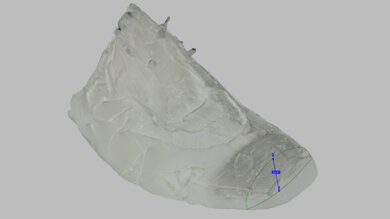
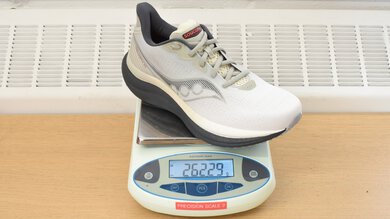
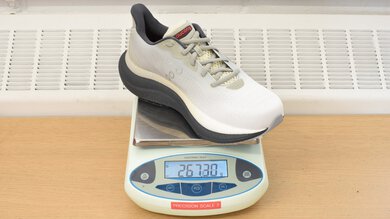
The Saucony Triumph 23 is over 20g lighter than the Saucony Triumph 22. Much of this weight savings comes from having less rubber coverage on the outsole.



Popular Running Shoe Comparisons
The Saucony Triumph 23 is a premium daily trainer that captures some, but not all, of the qualities that have made the Triumph series a popular shoe for so many years. As a comfort-oriented everyday running shoe, it stacks up well against the Brooks Glycerin 22, Nike Vomero 18, or ASICS GEL-NIMBUS 27. The Triumph 23 is now significantly lighter than these rivals, thanks to Saucony trimming weight from the Triumph 22. Nevertheless, the Triumph 23 is still not a speedy shoe, and remains better suited for easy, everyday runs than harder workouts.
Saucony's lineup contains a robust selection of daily trainers, with the Triumph 23 being at the more cushioned end of the spectrum. The Saucony Ride 19 is more of a classic daily trainer with a more consistent ride that can handle a wider range of paces. The Saucony Guide 18 is a stability-focused daily trainer that has multiple guidance features to correct overpronation. The Saucony Hurricane 25 is also a stability shoe, but with enough cushioning and energy to be a good long-run shoe.
For more options, check out our recommendations for the best running shoes, as well as the best running shoes for men and the best running shoes for women.
Historically, the Saucony Triumph 23 has been the brand's premium cushioned trainer, while the Ride has served as the classic, simpler daily trainer. With the 19th iteration, the Saucony Ride 19 increases the stack and introduces the PWRRUN+ midsole compound, making it both more cushioned and noticeably bouncier than previous versions. As a result, the Ride now performs surprisingly close to the Triumph in terms of comfort and energy return for daily miles. The Saucony Triumph 23 still sits higher and delivers more overall cushioning, but it also weighs more. In practice, the Ride becomes the more balanced and versatile option for everyday training, while the Triumph remains the choice if your priority is more protection for relaxed runs.
The Saucony Ride 18 and Saucony Triumph 23 are two of the American brands' most popular daily trainers, each providing a different experience underfoot. The Triumph 23 is the softer, more cushioned option and has a steeper heel-to-toe drop, which will appeal to heel strikers. The Ride 18 gives a firmer feel underfoot, but is less bulky than the Triumph 23, and is an overall more versatile shoe. Both shoes have good energy return from their midsoles, but the overall geometry makes both of them somewhat less lively than their scores would suggest.
The HOKA Clifton 10 and Saucony Triumph 23 are similar on paper in terms of weight and overall geometry, but they deliver different daily-training experiences. The HOKA is a comfort-first, cushioned trainer that prioritizes protection and a smooth ride, making it a dependable choice for relaxed miles when you want a plush feel. The Saucony feels more modern and well-rounded, combining cushioning with a more energetic, bouncier sensation that keeps the shoe engaging. It also feels more stable overall, which can make it easier to trust for longer steady runs when form starts to fade.
The ASICS GEL-NIMBUS 27 and Saucony Triumph 23 are both highly cushioned daily trainers that prioritize cushioning over performance. However, the Triumph 23 is noticeably lighter and has more bounce than the NIMBUS 27. This weight difference is largely due to the NIMBUS 27's much higher stack height, and the taller stack of foam in the ASICS shoe does provide better impact absorption.
The Saucony Triumph 23 and Brooks Glycerin 22 are both popular cushioned models from their respective brands, and are part of product lines that are undergoing significant evolution. In this respect, the Triumph 23 is a step ahead of the Glycerin 22, as Saucony has managed to make this iteration of the Triumph significantly lighter while still providing better cushioning. The Triumph 23 also returns energy much better than the Glycerin 22. One area where the Glycerin 22 has an advantage would be for heavier heel strikers, as the cushioning in the rearfoot of the Glycerin does a better job of absorbing impact at higher force levels.
The Saucony Triumph 23 and Nike Vomero Plus are both modern daily trainers with energetic, bouncy compounds, but they have different secondary priorities. The Nike sits higher and feels more protective, offering a bigger buffer underfoot that makes it especially comfortable for longer steady runs and easy mileage. The Saucony still delivers very good cushioning and a lively feel, but it isn't quite as high stacked, and its slightly firmer forefoot gives it a more stable, controlled ride overall.
The Saucony Triumph 23 and Saucony Triumph 24 are both premium daily trainers that offer comfortable, protective rides. However, the latest iteration takes things further. Using its new IncrediLUX midsole, the Triumph 24 provides more protection, more pop, and a much livelier ride while also being much lighter. The Triumph 23 is still a comfortable, cushioned shoe, and it's more stable overall, so runners who prioritize stability may still prefer it. However, the Triumph 24 is the more engaging, modern, and energetic shoe overall.
The Saucony Triumph 23 is the successor to the Saucony Triumph 22 and contains a number of noteworthy tweaks and improvements. The 23 is noticeably lighter, and although both have PWRRUN PB foam, the 23 is softer and better cushioned. The Triumph 23's midsole has more medial flare, leading to a wider base and a slightly more stable ride than the 22.
Differences Between Sizes And Variants
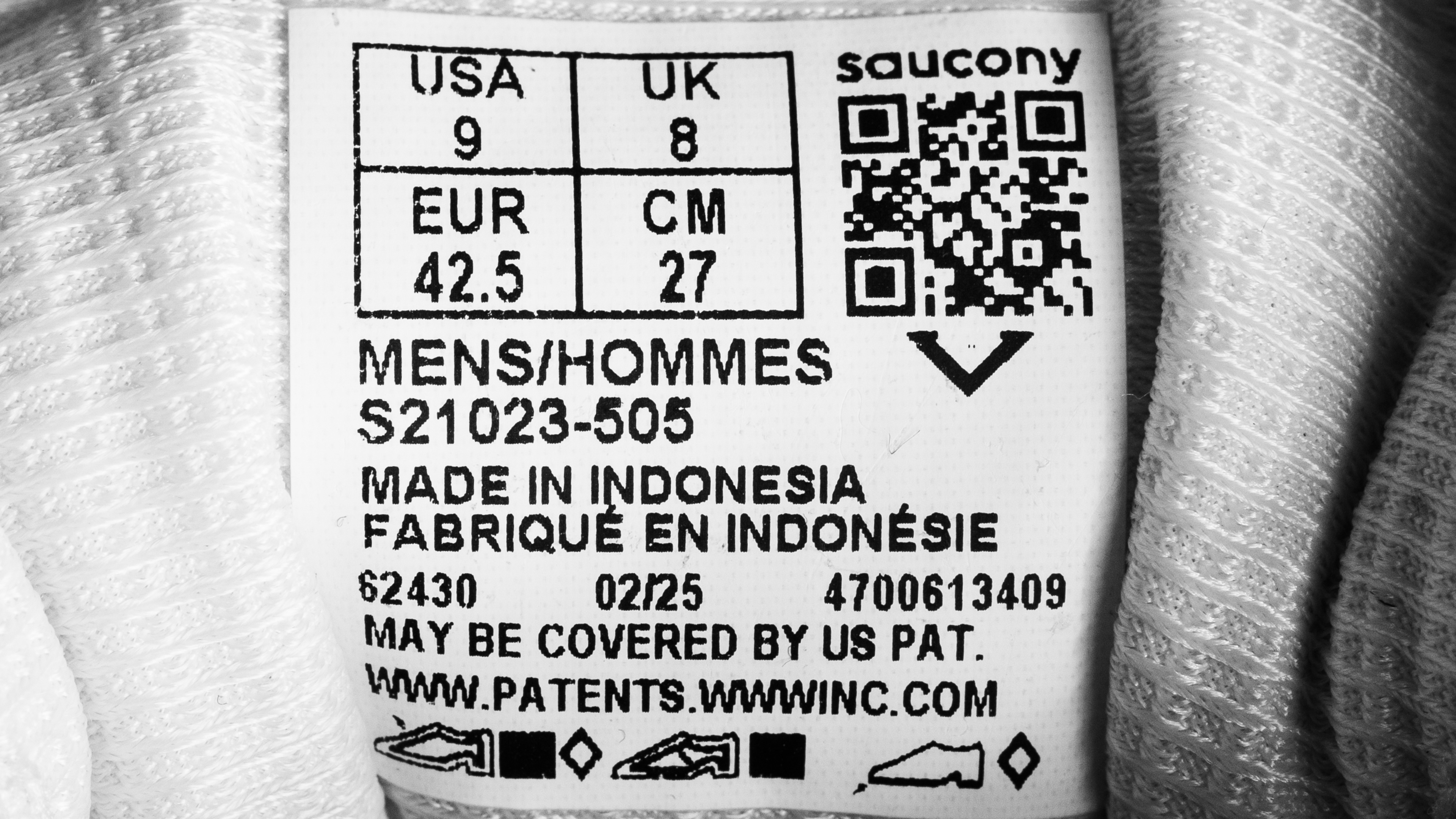
We tested the Saucony Triumph 23 in men's US size 9, as indicated on the label for our pair, in the Grey/Shadow colorway. The shoe is also available in numerous other colorways, depending on your region. The shoe is available in Regular and Wide versions for both men and women. There is also a GTX version, which has a waterproof, GORE-TEX lined upper. The design section applies only to the exact model we tested, but we expect other sizes and gender variants to perform similarly.