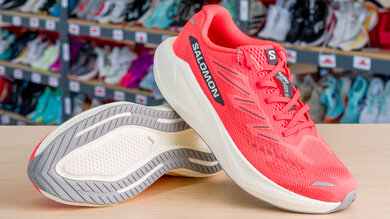
We've tested these running shoes to expand our database and allow users to compare results to help with their buying decisions. We don't expect to write a full review, but if you have any questions about this product, please let us know.
Our Verdict
Changelog
- Updated Jun 22, 2026: We've converted this review to Test Bench 0.12, which fixes how we measure firmness, a component of the Stability and 5K/10K Racing usages. There may be inconsistencies between the text and the scores for these usages, but the scores should still be considered valid. We've also brought back the Energy Return score and added two new usages: Daily Training and Long Run. To read more about the changes, see the changelog.
- Updated Jun 22, 2026: We've converted this review to Test Bench 0.11, adding two new rocker measurements to the Design section, and three new responsiveness tests to the Performance section. The Energy Return usage score has been replaced with Responsiveness. Check out the details in our changelog.
- Updated Mar 25, 2026: We've converted this review to Test Bench 0.10, adding a new set of fit tests to the Design section and an overall fit performance usage. Check out the details in our changelog.
-
Updated Feb 02, 2026:
We've updated the introduction text, but all test scores remain the same.
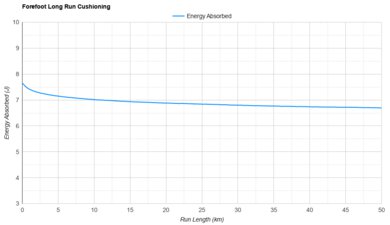
- Updated Oct 28, 2025: We've converted this review to Test Bench 0.9, which adds a Forefoot Long Run Cushioning test to our performance section. Read more in our changelog.
- Updated Oct 27, 2025: Review published.
- Updated Aug 18, 2025: Our testers have started testing this product.
- Updated Aug 07, 2025: The product has arrived in our lab, and our testers will start evaluating it soon.
- Updated Aug 01, 2025: We've purchased the product and are waiting for it to arrive in our lab.
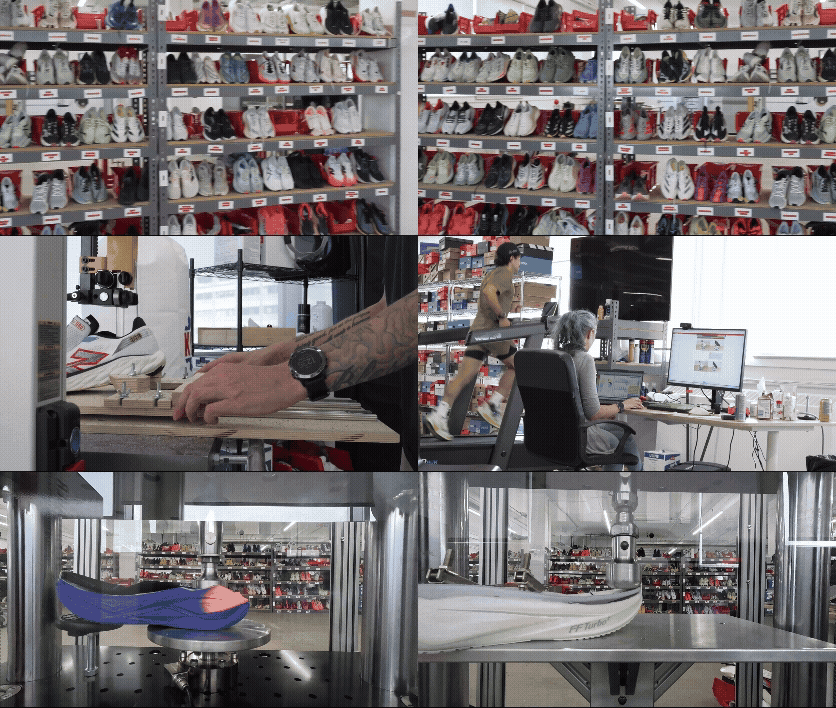
We've bought and tested more than 250 running shoes. Every pair purchased with our own money, never supplied or sponsored by brands. Our data-driven tests are designed to go beyond marketing claims, and since every shoe goes through the exact same methodology, you can directly compare results to find the right pair for your needs.
Test Results
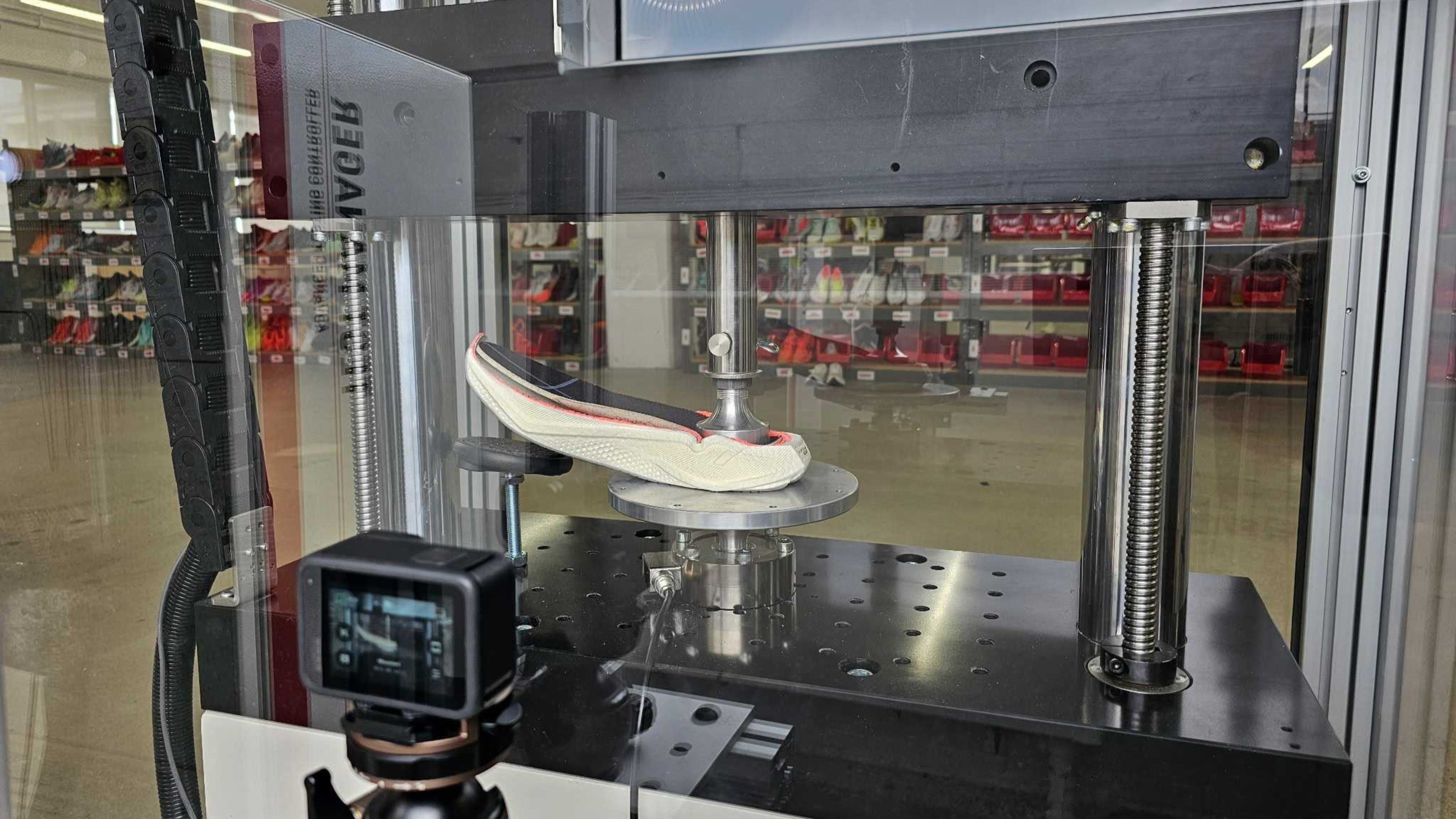
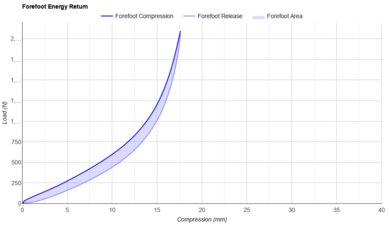
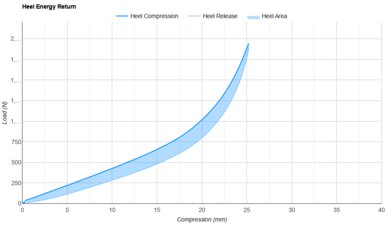
Energy Return
Stability
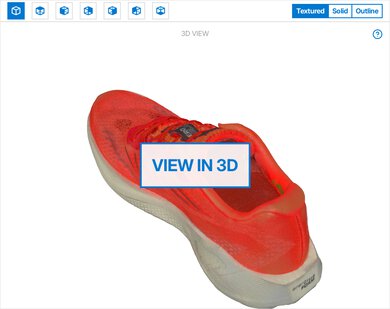
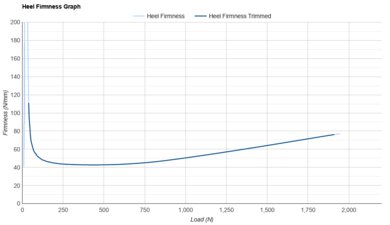
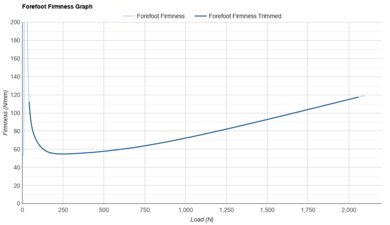
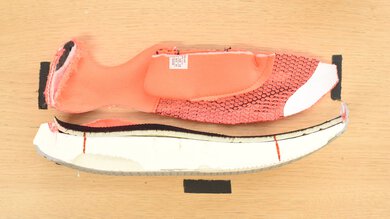
Cushioning
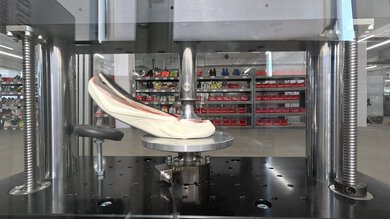
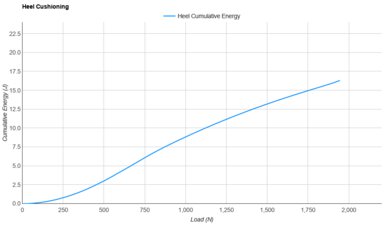
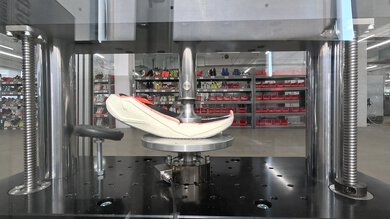
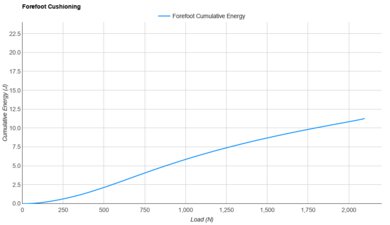
Responsiveness
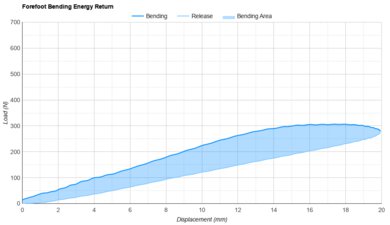
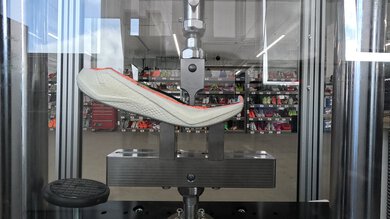
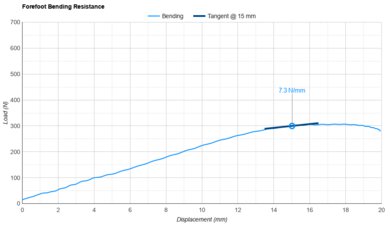
True To Size
Popular Running Shoe Comparisons
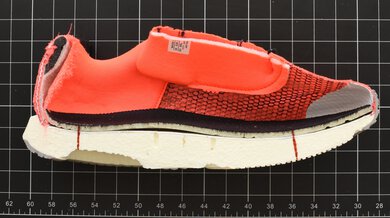
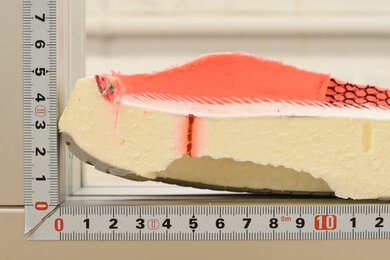
The Salomon Aero Blaze 3 and Salomon Aero Glide 3 form the core of the French outdoor company's foray into road running shoes. The Aero Blaze 3 is a lightweight, lower-stacked trainer designed for faster workouts and better suited to shorter distances, thanks to its thinner midsole. The Aero Glide 3 is a higher-stacked trainer that still packs a punch in terms of energy return, but is much more heavily cushioned. This makes it a better choice for long runs than the Aero Blaze 3. If you want a one-shoe rotation, the Aero Glide 3 is a worthwhile contender, while the Aero Blaze 3 makes the most sense for runners with several shoes in rotation who want a lightweight, unplated shoe for speed workouts.
The Salomon Aero Glide 4 and Salomon Aero Blaze 3 sit in different parts of a training rotation despite sharing some family traits. The Aero Glide 4 is a max-cushion trainer built around comfort and protection, with a higher stack, a bouncier ride, and better long-run cushioning. The Aero Blaze 3 is the lighter and more workout-oriented option, sitting closer to the ground and offering more road feel, which makes it feel more nimble during faster efforts. While both can handle daily mileage, the Aero Glide 4 is better suited to easy runs and long outings, whereas the Aero Blaze 3 shines when the pace picks up.
The Salomon Aero Blaze 4 has made several changes since the Salomon Aero Blaze 3. The most important thing is that, while the third version was too long, the fourth is too short, so if you ran in the 3, you'll probably want to size up for the 4. The 4th version also weighs a bit more, but otherwise, it improves on the cushioning and energy return that made the Aero Blaze 3 a lively daily trainer.
The Salomon Aero Blaze 3 and Salomon S/LAB Phantasm 3 are both lightweight shoes from the French brand, but they target very different uses. The Aero Blaze 3 is a lightweight trainer geared toward workouts, with a lower stack and more ground feel that make it feel connected to the road. The S/LAB Phantasm 3 is a high-stack super shoe built for racing, offering more cushioning while also being lighter and more efficient overall. Interestingly, despite its race-day focus, the S/LAB's midsole doesn't feel especially bouncy by modern super shoe standards, and the Aero Blaze 3 actually delivers more noticeable rebound underfoot. The S/LAB instead relies on its carbon plate, aggressive geometry, and extremely low weight to help compensate for that flaw.