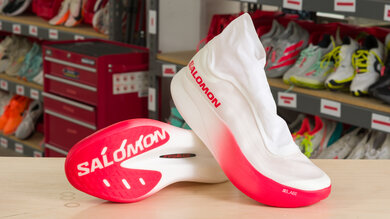
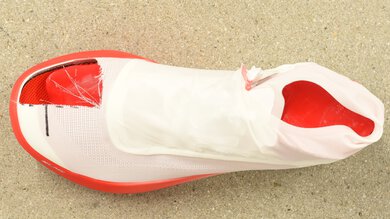
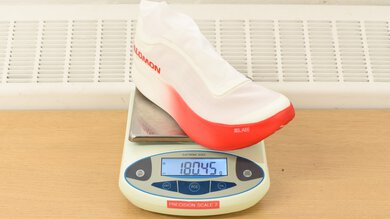
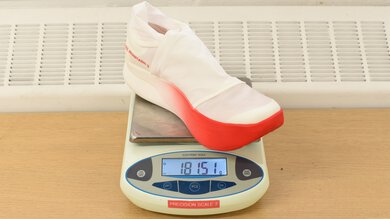
The Salomon S/LAB Phantasm 3 is Salomon's top road-racing shoe, combining a PEBA-based midsole, a carbon plate, and a bold upper that covers the laces and is marketed as an aerodynamic feature. This aero concept may not make the shoe meaningfully faster for most runners, but it at least shows ambition by targeting an overlooked part of racing-shoe design. Unfortunately, while the French brand's aerodynamic approach is distinctive, the shoe doesn't deliver on what matters most in a super shoe. The midsole isn't very energetic, making the ride less propulsive than most other marathon racers. To help compensate for the lack of bounce, the rocker promotes a forward roll, though it's not as aggressive as it first appears. The footbed sits low relative to the raised sidewalls, which makes the rocker look more pronounced than it actually feels underfoot. At least, the very low weight still keeps the ride well-suited to fast paces and racing.
Our Verdict
The Salomon S/LAB Phantasm 3 is well-suited to marathon racing, where its very light build and carbon plate help it feel efficient over sustained efforts. It doesn't deliver the explosive bounce of the top super shoes, but the low weight still makes for quite a nimble feel underfoot. Its cushioning is great, and it's stable enough for most runners racing long distances, though runners looking for a more propulsive ride have better options.
Very lightweight.
Carbon plate adds structure.
Stiff and aggressive rocker helps roll you forward.
Great underfoot protection for racing.
Foam isn't energetic enough for a super shoe.
The Salomon S/LAB Phantasm 3 can work for 5K and 10K racing, mainly because it's very light, stiff, and easy to turn over. Its relatively firm forefoot and carbon plate give it enough structure for it to bite at faster paces, but the midsole itself doesn't feel nearly as explosive and snappy as most short-distance racers. It works better for runners who like a stiff, rolling ride than those who want a highly energetic toe-off.
Very lightweight.
Carbon plate adds structure.
Stiff and aggressive rocker helps roll you forward.
Foam isn't energetic enough for a super shoe.
Changelog
-
Updated Jul 31, 2026:
We've updated the popular comparisons section to include a comparison with the recently reviewed Salomon Aero Blaze 4.
- Updated Jul 16, 2026: We've converted this review to Test Bench 0.15, which replaces Responsiveness with three specific performance usages: Bounciness, Snappiness, and Roll. To read more about the changes, see the changelog.
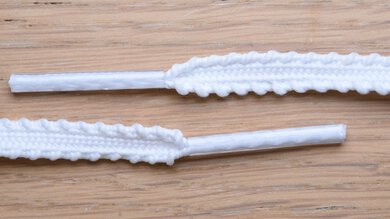
- Updated Jul 09, 2026: We've converted this review to Test Bench 0.14, which adds new lace-specific results. We've included a close-up photo of the laces, as well as details including lace type, width, thickness, and stretch. To read more about the changes, see the changelog.
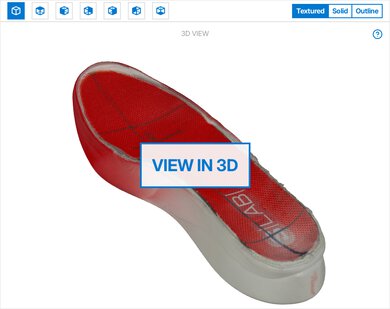
- Updated Jul 07, 2026: We've converted this review to Test Bench 0.13, which identifies the different foams used in the shoe's midsole. We've included a microscopic image of the foam cells to give you an idea of what the microstructure looks like. To read more about the changes, see the changelog.
- Updated Jun 17, 2026: We've converted this review to Test Bench 0.12, which fixes how we measure firmness, a component of the Stability and 5K/10K Racing usages. There may be inconsistencies between the text and the scores for these usages, but the scores should still be considered valid. We've also brought back the Energy Return score and added two new usages: Daily Training and Long Run. To read more about the changes, see the changelog.
-
Updated Jun 11, 2026:
We updated the Popular Running Shoe Comparisons section to mention the newly reviewed Salomon Aero Glide 4.
- Updated Jun 04, 2026: Review published.
- Updated May 28, 2026: Early access published.
- Updated Apr 16, 2026: Our testers have started testing this product.
- Updated Apr 10, 2026: The product has arrived in our lab, and our testers will start evaluating it soon.
- Updated Apr 08, 2026: We've purchased the product and are waiting for it to arrive in our lab.
We've bought and tested more than 300 running shoes. Every pair purchased with our own money, never supplied or sponsored by brands. Our data-driven tests are designed to go beyond marketing claims, and since every shoe goes through the exact same methodology, you can directly compare results to find the right pair for your needs.
Test Results
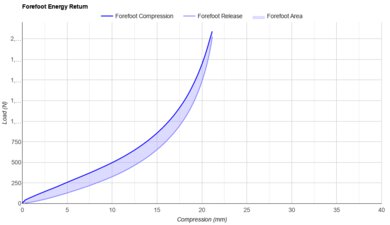
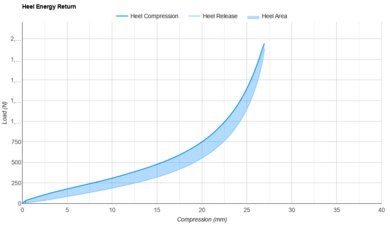
Energy Return
Stability
The Salomon S/LAB Phantasm 3 has decent lateral stability for a racing shoe. Its plate, wide forefoot, and midfoot area help keep most runners centered when running fast, but the narrower heel and softer rearfoot make it less confidence-inspiring for heel strikers or runners who need a very stable landing platform. It isn't unstable for a super shoe, but if you require specific support features to guide your stride, this isn't the shoe for you.
Broad midfoot and forefoot platform.
Narrow, softer heel can feel wobbly.
Cushioning
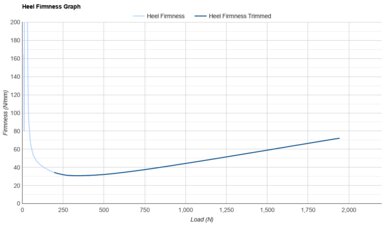
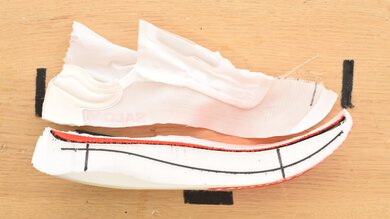
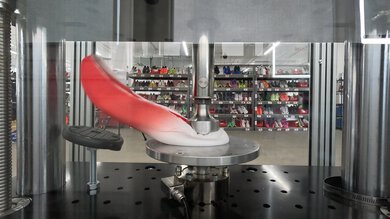
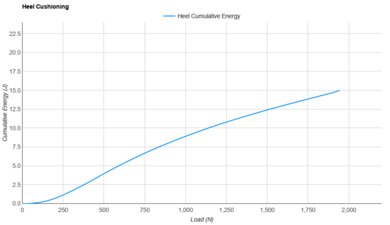
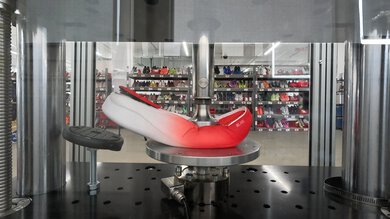
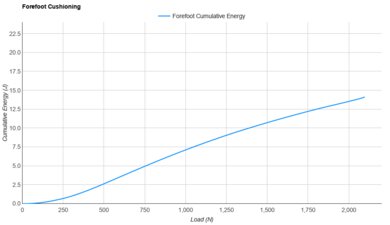
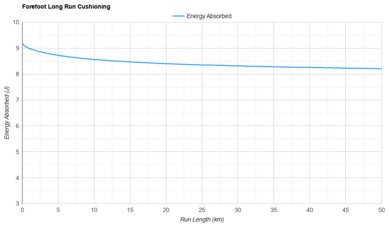
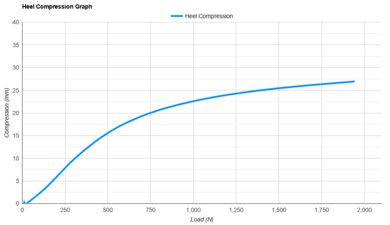
The Salomon S/LAB Phantasm 3 has great cushioning with its PEBA-based OptiFoam+ midsole providing a lot of underfoot protection. The forefoot feels plusher than the heel despite its lower stack, as the midsole absorbs impact more effectively up front. This gives the Salomon S/LAB Phantasm 3 enough protection for long-distance racing, but the cushioning loses some of its protective feel deep into longer efforts, so it won't feel as plush as early on.
Great underfoot protection for racing.
Bounciness
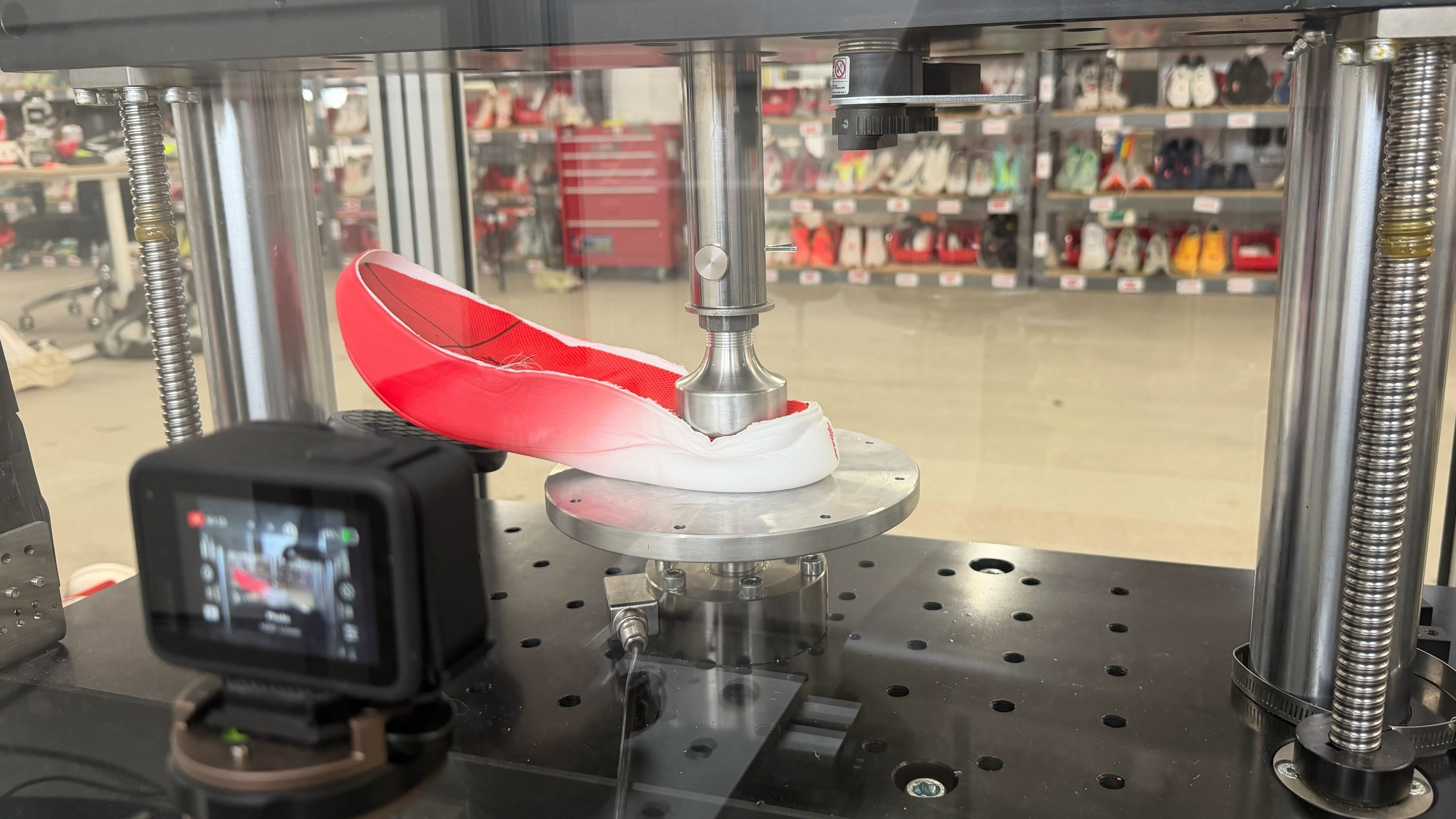
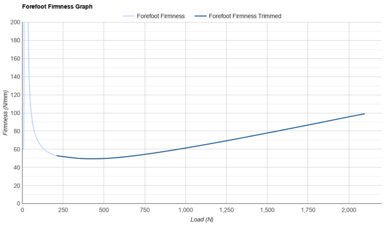
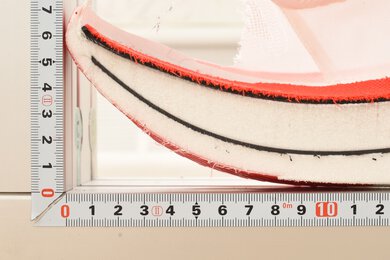
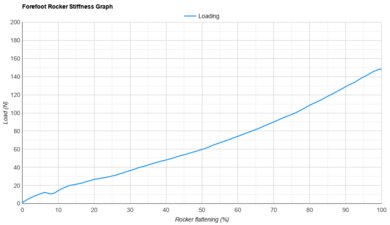
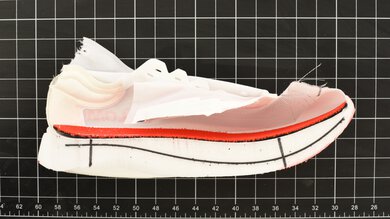
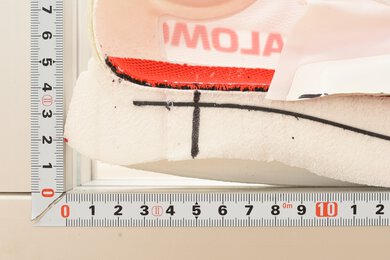
The Salomon S/LAB Phantasm 3 has decent responsiveness overall, but the foam doesn't return as much energy as the best super shoe midsoles, so the ride isn't especially bouncy. On the plus side, the stiff, aggressively shaped rocker helps you roll forward efficiently when pushing off, keeping it fully usable for workouts and racing. While the rocker doesn't flatten very easily, the forefoot itself bends quite easily. The plate adds some rigidity, but this is still a more flexible forefoot than typical plated racers. Overall, it works well at faster paces, even if it isn't as propulsive as the top rivals in this category.
Stiff and aggressive rocker helps roll you forward.
Foam isn't energetic enough for a super shoe.
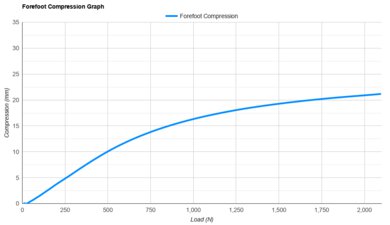
Snappiness
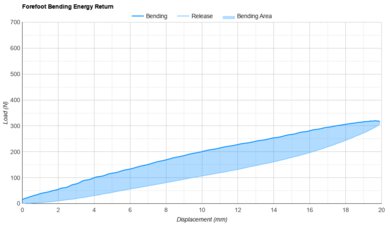
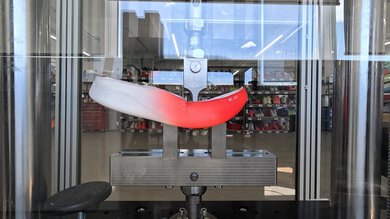
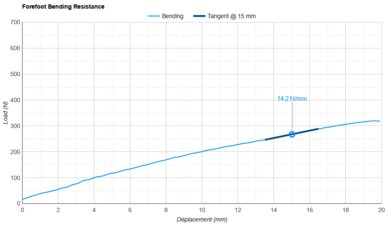
Roll
True To Size
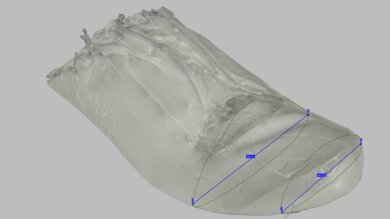
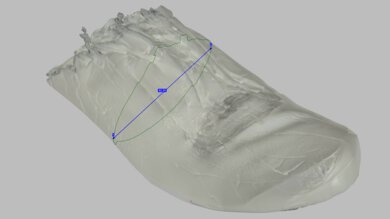
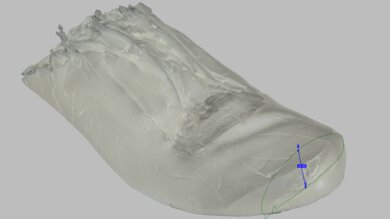
The Salomon S/LAB Phantasm 3 fits true to size in length, with a roomy enough forefoot for a racing shoe. However, its wrapped upper construction can create noticeable pressure through the midfoot, especially if you have flatter or wider feet. Still, most runners will be fine going for their usual size, since there's enough room lengthwise.
Length fits true to size.
Roomy forefoot for a racing shoe.
Lace-concealing upper is hard to fine-tune around the arch.

Popular Running Shoe Comparisons
The Salomon S/LAB Phantasm 3 is a lightweight carbon-plated racing shoe that marks Salomon's most serious attempt to enter the modern super shoe scene. It deserves credit for trying something distinctive, as its aero-focused upper targets a part of shoe design that most brands barely address. While we don't test aerodynamics and can't draw conclusions about the effectiveness of the concept, Salomon appears to have approached it seriously, including through wind-tunnel testing. As marketed by the brand, the idea is that because aerodynamics matter at high speeds, elite runners racing above 20 km/h may see a marginal gain from the design. That said, for the vast majority of runners, a bouncy, responsive midsole matters much more, and that's where the S/LAB Phantasm 3 completely falls behind. Its foam doesn't feel nearly as energetic as top racers like the PUMA Fast-R NITRO Elite 3, and it even feels less propulsive than more mid-pack super shoes like the Mizuno Hyperwarp Pro or the New Balance FuelCell SuperComp Elite v5. Its very low weight and aggressive rocker still make it efficient for fast running, but it isn't as optimized as the best shoes in the category.
Within Salomon's lineup, it sits above models like the Salomon Aero Glide 4, which is a max-cushioned trainer, and the Salomon Aero Blaze 4, which is a lighter, lower-stacked trainer built for shorter workouts.
If you're looking for more options, check out our recommendations for the best running shoes, the best long-distance running shoes, and the best shoes for running a marathon.
The Salomon Aero Glide 3 and Salomon S/LAB Phantasm 3 occupy completely different roles within the French brand’s lineup. The Aero Glide 3 is a max-cushioned trainer built for easy miles and long, comfortable runs, while the S/LAB Phantasm 3 is a race-day shoe focused on minimizing weight and maximizing efficiency. The S/LAB is much lighter and includes a carbon plate, but its midsole is surprisingly restrained by modern super shoe standards. In fact, the Aero Glide 3's midsole returns more energy and feels bouncier underfoot. The S/LAB instead relies more heavily on its lightweight construction, aggressive geometry, and carbon plate to generate propulsion.
The On Cloudboom Strike and Salomon S/LAB Phantasm 3 are two super shoes with distinctive visual designs and plenty of hype behind them, but they approach performance in very different ways. The Salomon is considerably lighter and feels more nimble when picking up the pace. The Cloudboom Strike, meanwhile, delivers significantly more bounce, cushioning, and responsiveness through its midsole. That said, its rocker tends to flatten a bit more under load, which reduces its effectiveness and makes the ride feel less smoothly rolling through toe-off.
The Salomon Aero Blaze 3 and Salomon S/LAB Phantasm 3 are both lightweight shoes from the French brand, but they target very different uses. The Aero Blaze 3 is a lightweight trainer geared toward workouts, with a lower stack and more ground feel that make it feel connected to the road. The S/LAB Phantasm 3 is a high-stack super shoe built for racing, offering more cushioning while also being lighter and more efficient overall. Interestingly, despite its race-day focus, the S/LAB's midsole doesn't feel especially bouncy by modern super shoe standards, and the Aero Blaze 3 actually delivers more noticeable rebound underfoot. The S/LAB instead relies on its carbon plate, aggressive geometry, and extremely low weight to help compensate for that flaw.
Differences Between Sizes And Variants
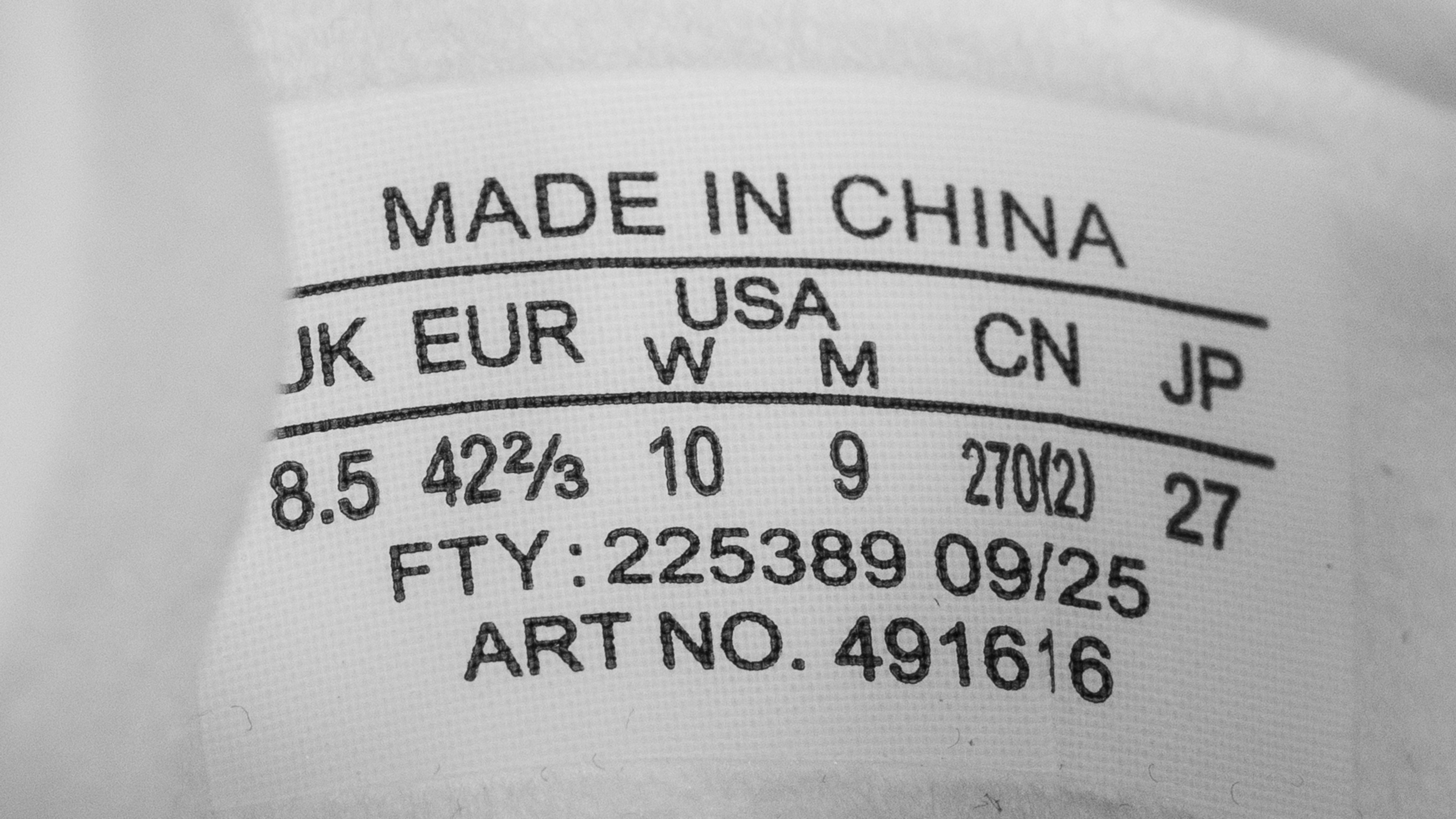
We tested the Salomon S/LAB Phantasm 3 in men's US size 9, as indicated on the label for our pair, in the White/White/Fiery Red colorway. There's also a special-edition colorway made in collaboration with L'Art de l'Automobile. The design section applies only to the exact model we tested, but we expect other variants to perform similarly.