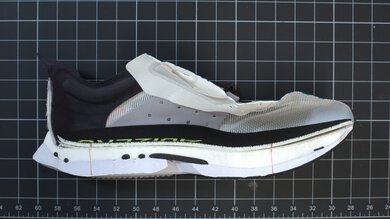
The adidas Adizero Boston 12 is a versatile marathon trainer intended for easy runs to light tempo intervals. The twelfth iteration of the well-loved Boston series features two midsole layers - the bottom is a firmer EVA foam and the top is a softer, more premium Lightstrike Pro foam. Sandwiched between these two layers are fiberglass ENERGYRODS, while the outsole features Continental rubber for reliable traction. However, these features come at the cost of weight, making the shoe quite heavy overall.
Our Verdict
The adidas Adizero Boston 12 offers reasonable performance for marathon racing. Its ENERGYRODS and great lateral stability give it a dependable feel over long distances, though the shoe is limited by its decent but unspectacular responsiveness, higher-than-ideal weight, and insufficient cushioning. As a result, it's best suited to runners prioritizing stability rather than plush comfort over 26 miles.
ENERGYRODS add stiffness.
Very good stability.
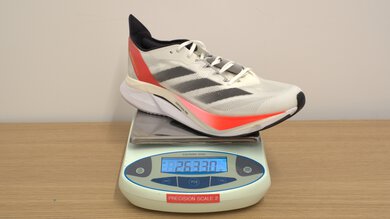
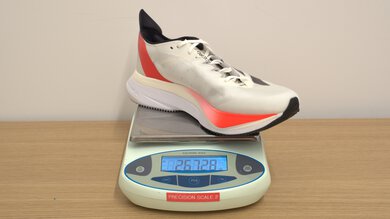
Heavy weight limits its efficiency.
Not enough bounce for racing.
The adidas Adizero Boston 12 is a decent choice for short races. Its firm forefoot and fiberglass rods translate into effective toe-offs at faster paces. However, its heavier weight and unexceptional responsiveness prevent it from standing out among the best shoes for shorter, speed-driven competitions.
ENERGYRODS add stiffness.
Foam is firm.
Heavy weight limits its efficiency.
Not enough bounce for racing.
Changelog
- Updated Jun 17, 2026: We've converted this review to Test Bench 0.12, which fixes how we measure firmness, a component of the Stability and 5K/10K Racing usages. There may be inconsistencies between the text and the scores for these usages, but the scores should still be considered valid. We've also brought back the Energy Return score and added two new usages: Daily Training and Long Run. To read more about the changes, see the changelog.
-
Updated May 12, 2026:
We've updated this review to add text for the new Responsiveness usage box and the True to Size box, and updated the language in the Marathon Racing and 5/10K Racing boxes. We also updated phrasing in some side-by-side comparisons for consistency.
- Updated May 05, 2026: We've converted this review to Test Bench 0.11, adding two new rocker measurements to the Design section, and three new responsiveness tests to the Performance section. The Energy Return usage score has been replaced with Responsiveness. Check out the details in our changelog.
- Updated Apr 29, 2026: We've converted this review to Test Bench 0.10, adding a new set of fit tests to the Design section and an overall fit performance usage. Check out the details in our changelog.
- Updated Apr 13, 2026: We've converted this review to Test Bench 0.9, which adds a Forefoot Long Run Cushioning test to our performance section. Read more in our changelog.
-
Updated Oct 21, 2025:
We updated the Pros & Cons, Lateral Stability, Energy Return, 5K/10K Racing, Heel Energy Return, Heel Cushioning, Forefoot Cushioning, Heel Firmness, and Forefoot Firmness boxes to align with the latest test bench and revised the side-by-side comparisons to keep the review accurate.
- Updated Oct 20, 2025: We've converted this review to Test Bench 0.8.2, which updates our methodology for the impact force range used in our compression tests to improve their accuracy. This also affects all usage and performance usage boxes using those compression tests as score components.
-
Updated Jul 30, 2025:
We revised the phrasing in the Heel Cushioning box to reflect the changes of the latest test bench scores.
- Updated Jul 30, 2025: We've converted this review to Test Bench 0.8.1, which mainly updates the score components for the Marathon Racing and Lateral Stability usage boxes to improve accuracy.
-
Updated May 29, 2025:
We added a mention of the adidas Adizero Prime X 2.0 STRUNG in the Compared To Other Running Shoes box.
- Updated Apr 02, 2025: Converted to Test Bench 0.8.
- Updated Apr 02, 2025: Review published.

We've bought and tested more than 250 running shoes. Every pair purchased with our own money, never supplied or sponsored by brands. Our data-driven tests are designed to go beyond marketing claims, and since every shoe goes through the exact same methodology, you can directly compare results to find the right pair for your needs.
Test Results
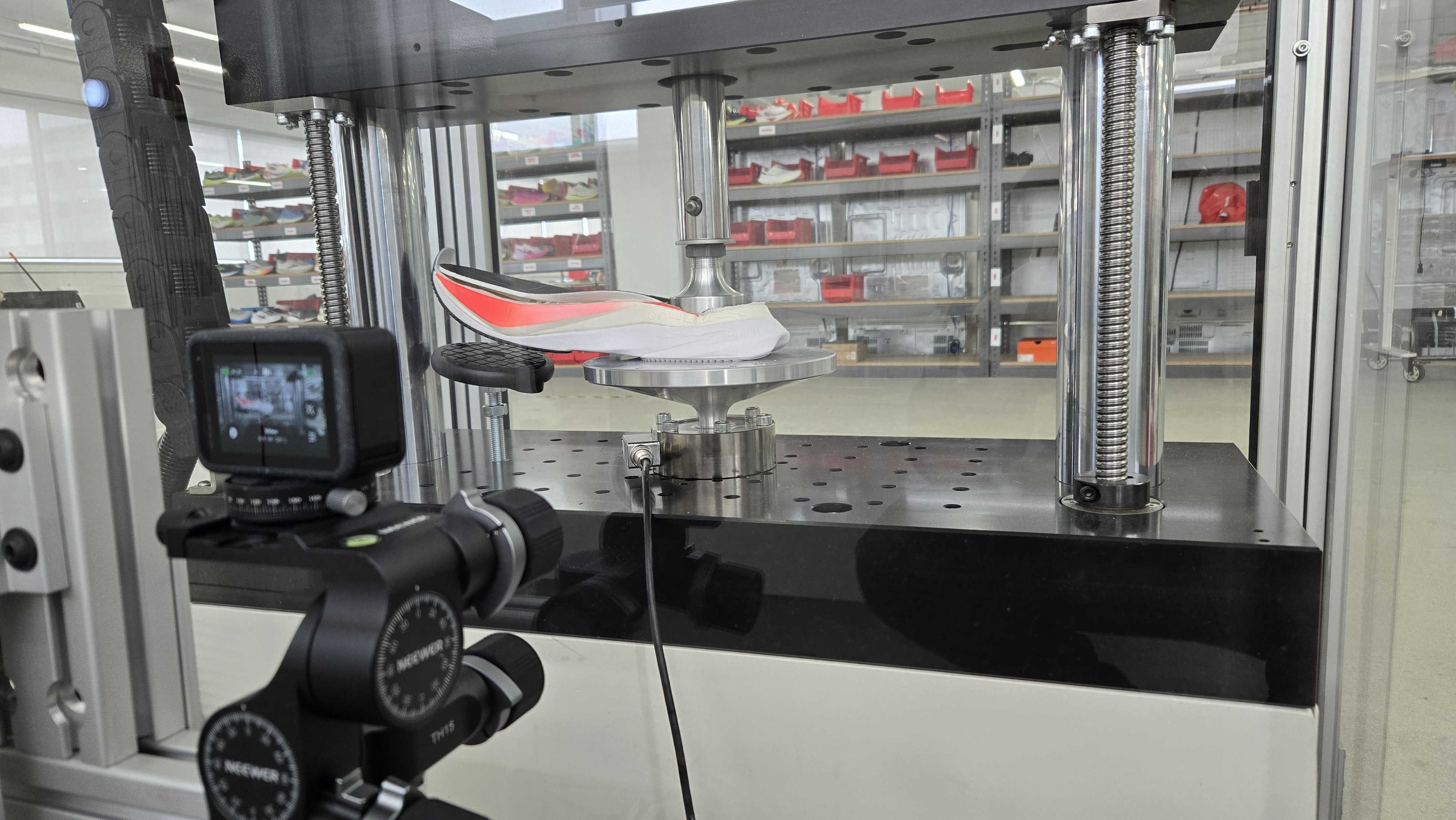
Energy Return
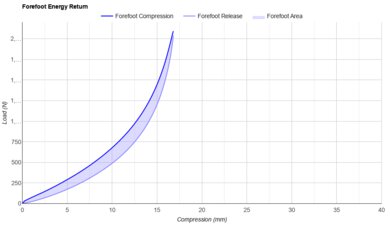
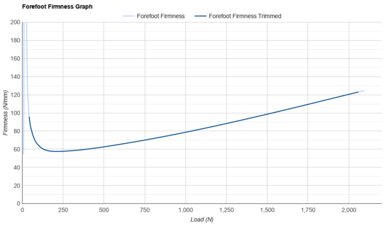
Forefoot energy return is decent, thanks to the predominance of premium, TPEE-based Lightstrike Pro foam in this area. This foam noticeably improves the shoe's bounciness, creating a more energized and springy toe-off. Forefoot strikers, in particular, will appreciate the energy the shoe provides, especially at faster paces.
Stability
The adidas Adizero Boston 12 has very good lateral stability, feeling highly secure underfoot. Its broad outsole and firm foam provide stability even when fatigue sets in. This makes the shoe particularly valuable for runners who need reliable foot control during longer distances or when maintaining form becomes challenging.
ENERGYRODS add stiffness.
Very good stability.
Foam is firm.
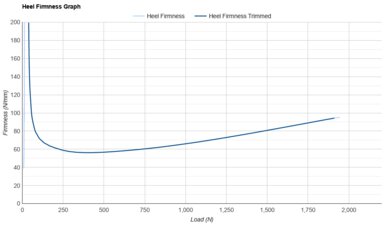
This model has quite a firm heel, especially at lower force impacts, providing a stable and secure feeling upon landing. However, as impact forces increase significantly (such as for heavier runners or during faster runs), the shoe will feel softer than other models like the adidas Adizero Adios 9, but it isn't overly soft either. This will particularly appeal to runners who prioritize control and a stable ride over plush comfort.
Cushioning
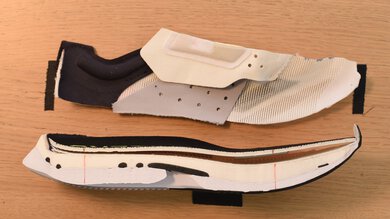
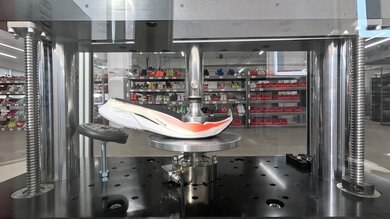
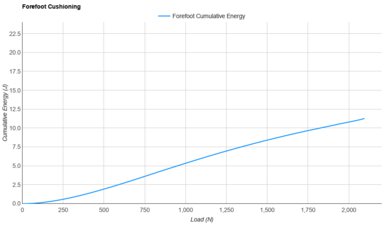
The cushioning of the adidas Adizero Boston 12 falls short, offering limited protection underfoot. Both heel and forefoot cushioning feel rather thin, contributing to an uncomfortable ride, especially for longer runs or heavier foot strikes. As a result, runners seeking more protective cushioning may find it overly harsh for extended use.
Feels quite harsh on feet.

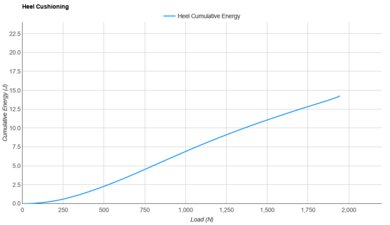
This shoe offers mediocre heel cushioning, feeling quite minimal in this area. The heel area provides limited protection, and runners seeking substantial comfort or shock absorption underfoot might find the experience harsh or uncomfortable, particularly on extended runs or harder surfaces.
Responsiveness
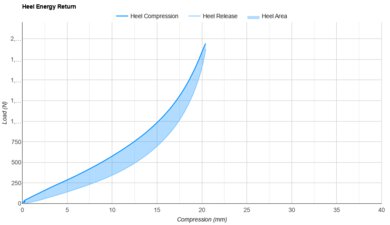
The adidas Adizero Boston 12 has decent responsiveness, with enough forefoot stiffness and rocker structure to help it move through toe-off at quicker paces. The forefoot compression and bending energy return are both acceptable, so the shoe has some rebound when loaded properly, especially for runners who like a firmer, more structured platform. However, the heel compression energy return is poor, which makes the rearfoot feel flatter and less lively than the forefoot. It works best for steady uptempo runs rather than runners expecting a highly springy or effortless ride.
Forefoot energy return is decent.
Heel energy return is bad.


True To Size
The adidas Adizero Boston 12 fits well overall, and the length is true to size. The forefoot and arch both run a bit narrow, so the fit may feel snug for runners with wider feet. The toe box also has slightly limited height, though not enough to be a major issue for most runners. We recommend sticking to your usual size, but wider-footed runners may want to try them on first.




Popular Running Shoe Comparisons
The adidas Adizero Boston 12 stands out among daily trainers primarily for its excellent stability, making it a reliable choice if you need solid underfoot support. However, while the shoe excels in stability, some competitors, like the Saucony Endorphin Speed 4, offer similar stability but with a more cushioned and responsive feel.
Within Adidas's lineup, this shoe sits below the versatile adidas Adizero Evo SL, which provides superior cushioning, responsiveness, and a lighter build, making it better for racing despite lacking rods. If you want a dedicated option for your steady long runs, check out the adidas Adizero Prime X 2.0 STRUNG. If you need a true racing shoe, look towards the more specialized super shoes like the lighter, faster adidas Adizero Adios Pro 3 or the newer adidas Adizero Adios Pro 4.
For more options, check out our recommendations for the best running shoes to find the perfect pair.
The adidas Adizero Boston 12 and the adidas Adizero Evo SL are two versatile options from the German giant, but despite the Boston 12 being named after a major marathon, you're probably better off racing one in the Evo SL. This is thanks to the Evo SL's superior cushioning, lighter build, and more responsive midsole. The Boston, however, remains the better choice if you highly value stability and prefer its full-length ENERGYRODS.
The adidas Adizero Boston 13 and adidas Adizero Boston 12 are close siblings, but the 13 refines the formula in ways that make it more approachable and enjoyable for a broader range of runners. Both share the same fundamental super trainer DNA (a dual-density midsole with Lightstrike Pro on top and a stabilizing Lightstrike carrier underneath, combined with the ENERGYRODS), but the Boston 13 brings notable updates that smooth out the ride. The combination of improved energy return and a more accommodating fit makes the Boston 13 feel less harsh and more fun to run in, especially when you're holding marathon pace. That said, the Boston 12 is a better option for those with narrower feet or who prioritize ground feel.
The adidas Supernova Rise and adidas Adizero Boston 12 occupy different spots within the adidas lineup. The Boston 12 is a more premium super trainer that incorporates fiberglass ENERGYRODS for stability and a mix of EVA and more premium TPEE foam. It's a lighter shoe that's designed for mid to long-distance training. On the other hand, the Supernova Rise is designed to be a daily trainer for shorter sessions, with some bounce for added fun.
The Saucony Endorphin Speed 4 and the adidas Adizero Boston 12 are both versatile, stable daily trainers, but differ notably in feel and cushioning. The Saucony provides more cushioning, a softer midsole, and better responsiveness, making it smoother for faster workouts or races. It's also lighter than the adidas, making it a more versatile partner for daily runs.
The Brooks Hyperion Max 2 and the adidas Adizero Boston 12 are both plated super trainers, but each has distinct strengths. The adidas features full-length carbon rods and a firmer forefoot, making it more snappy and better suited for shorter races. The Brooks, on the other hand, uses a nylon plate combined with a softer, more cushioned midsole, offering a more forgiving and comfortable ride for your interval sessions.
The adidas Adizero Boston 12 and HOKA Mach X are both super trainers designed to provide support for everyday runs. The adidas offers superior stability. However, it's less cushioned but still heavier, making it feel harsher and less agile. This means the HOKA is more versatile and more comfortable for most runners, especially over longer distances or varied training efforts.
Differences Between Sizes And Variants
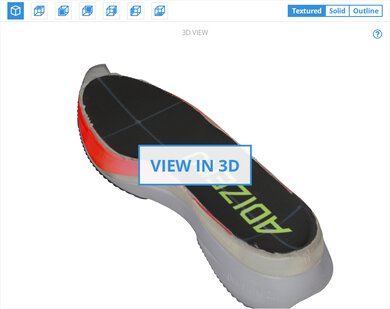
We tested the adidas Adizero Boston 12 in men's US size 9, as noted on the label. The color shown here is Cloud White/Aurora Metallic/Solar Red. This model is also available in other colorways, such as Core Black/Cloud White/Carbon and Blue Spark/Zero Metallic/Cobalt Blue. Wide versions are offered for both men and women, including the Chris Nikic Edition, which features a distinct orange colorway and iconography for the 1% Foundation. While visually unique, this edition shares the same specifications as the standard model.