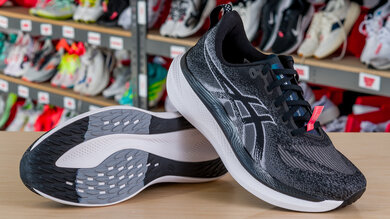
The ASICS GLIDERIDE MAX 2 is a cushioned daily trainer built to make steady mileage feel smooth and protective. It pairs a very high stack with a pronounced rocker that helps you roll through transitions with less effort. It uses a partial plastic plate in the midsole to add some welcomed structure and guidance. Underfoot, it keeps the same dual-layer concept as its predecessor, with a softer top layer over a firmer base, while the update focuses on a lighter, more performance-oriented upper design that feels closer to the ASICS SUPERBLAST 2, helping the shoe feel more streamlined and nimble than the original.
Our Verdict
The ASICS GLIDERIDE MAX 2 can work for marathon racing if your priority is staying protected over the full distance, but it won't give you the pop to allow you to chase podiums. Its very high stack and strongly cushioned platform keep impacts in check deep into the race. Plus, the stiff 3/4-length plate and rocker help you roll through toe-off with less effort when your legs start to fade, making it a viable option for runners who don't want to commit to carbon-plated options. That said, the midsole's rebound is very muted, and the shoe isn't especially light for a race-day option, so it feels more like a comfort-first marathon racer or a long-run specialist than a true performance shoe.
Well-cushioned underfoot for long runs.
Limited energy return.
Fairly heavy.
The ASICS GLIDERIDE MAX 2 isn't the best choice for 5K and 10K racing, as it leans more toward control and protection than all-out snap. The forefoot has a pleasantly firm, supportive feel, and the plate helps keep the transition crisp, which makes it easier to hold form when you're running hard. However, the midsole isn't energetic, and the overall package carries more bulk than typical race shoes, so it won't deliver an aggressive, bouncy experience in a short race.
3/4-length EVA plate adds useful rigidity through toe-off.
Limited energy return.
Fairly heavy.
Changelog
- Updated Jun 17, 2026: We've converted this review to Test Bench 0.12, which fixes how we measure firmness, a component of the Stability and 5K/10K Racing usages. There may be inconsistencies between the text and the scores for these usages, but the scores should still be considered valid. We've also brought back the Energy Return score and added two new usages: Daily Training and Long Run. To read more about the changes, see the changelog.
-
Updated Jun 08, 2026:
We modified the writing due to the new test bench and have updated the Responsiveness box text to reflect the new scores and added text to the True to Size box.
- Updated May 26, 2026: We've converted this review to Test Bench 0.11, adding two new rocker measurements to the Design section, and three new responsiveness tests to the Performance section. The Energy Return usage score has been replaced with Responsiveness. Check out the details in our changelog.
- Updated Mar 25, 2026: We've converted this review to Test Bench 0.10, adding a new set of fit tests to the Design section and an overall fit performance usage. Check out the details in our changelog.
-
Updated Jan 27, 2026:
We updated the review to include the latest iteration of the ASICS GEL-NIMBUS in the Popular Running Shoe Comparisons section.
-
Updated Jan 13, 2026:
We rectified an error regarding the categorization of the plate in the 'Other Features' section of the review.
- Updated Jan 12, 2026: Review published.
- Updated Jan 05, 2026: Early access published.
- Updated Dec 16, 2025: Our testers have started testing this product.
- Updated Dec 09, 2025: The product has arrived in our lab, and our testers will start evaluating it soon.
- Updated Nov 24, 2025: We've purchased the product and are waiting for it to arrive in our lab.
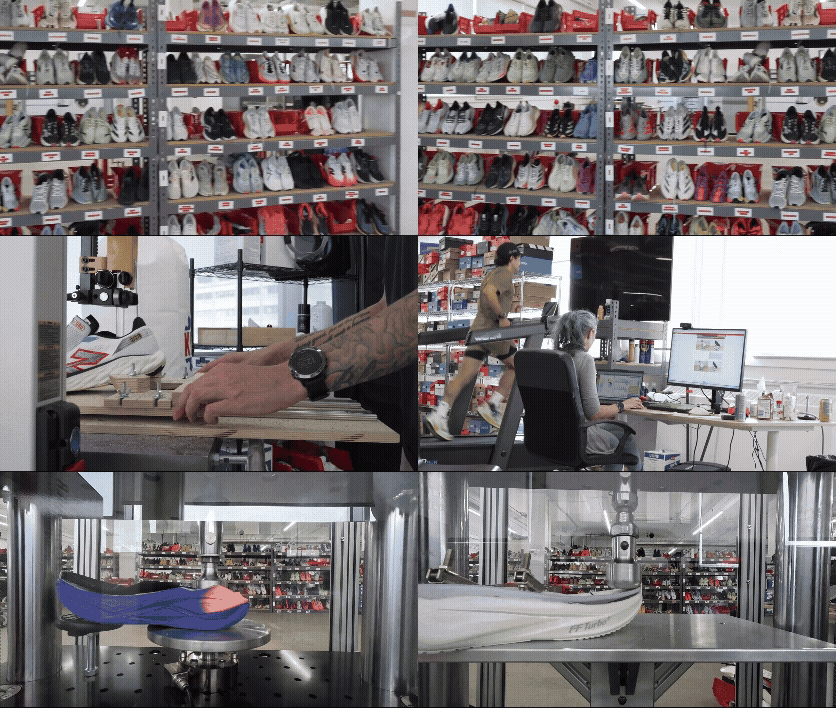
We've bought and tested more than 250 running shoes. Every pair purchased with our own money, never supplied or sponsored by brands. Our data-driven tests are designed to go beyond marketing claims, and since every shoe goes through the exact same methodology, you can directly compare results to find the right pair for your needs.
Test Results
Energy Return
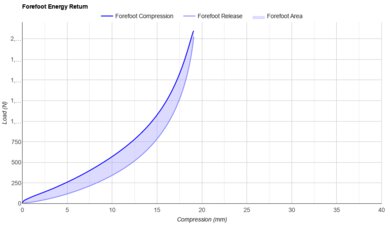
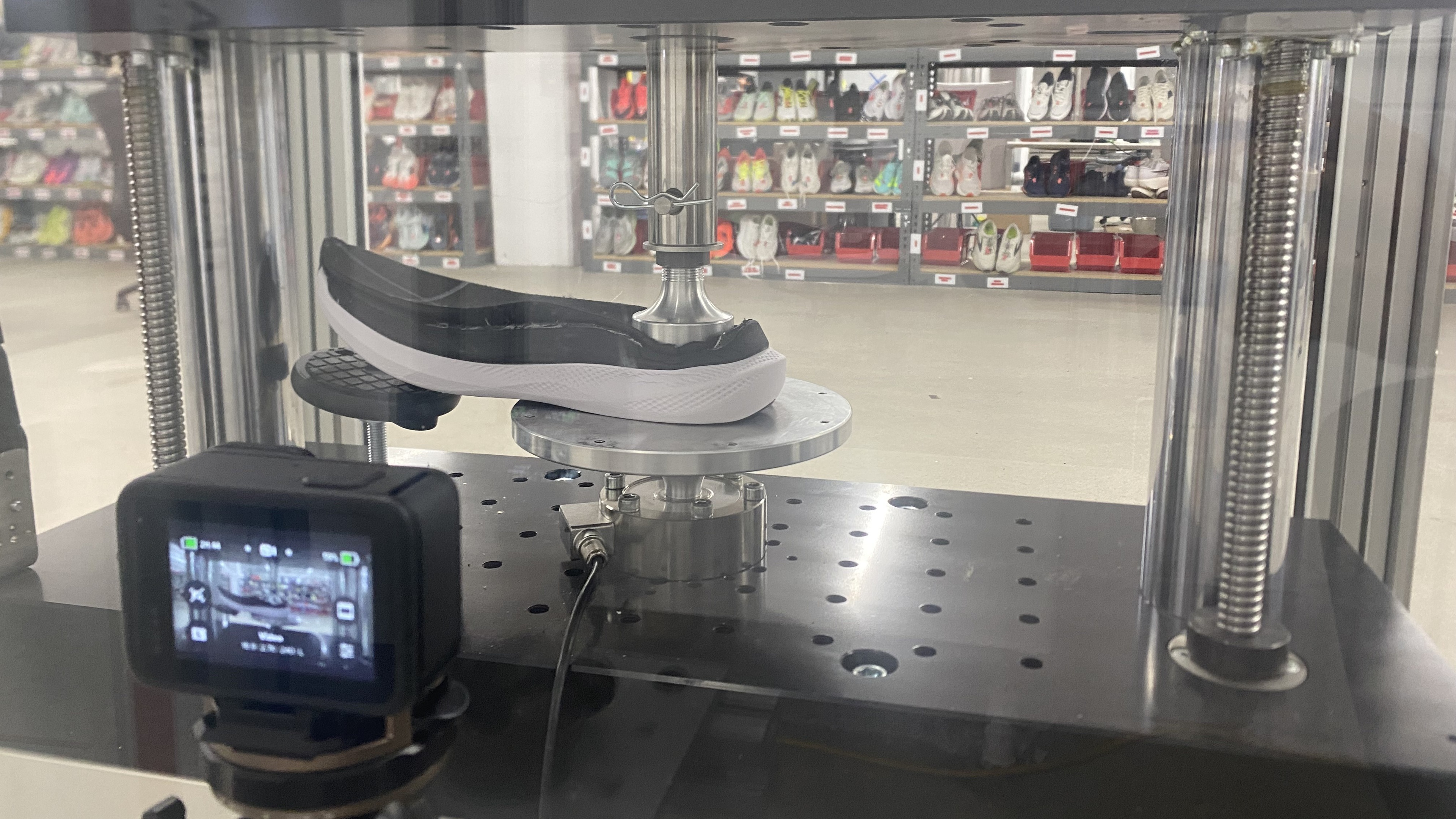
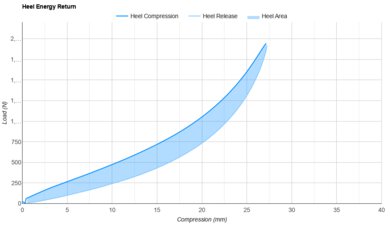
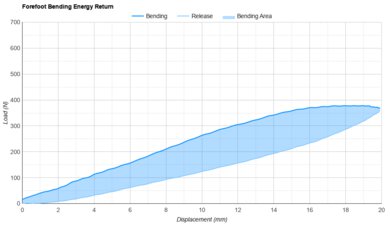
The ASICS GLIDERIDE MAX 2 delivers a lackluster forefoot rebound that can feel a bit slappy when you try to push harder. The upside is that it still rolls forward easily, so even without much pop from the foam, it maintains a smooth character that's driven by the shoe's geometry.
Stability
The ASICS GLIDERIDE MAX 2 provides decent lateral stability for a max-stack shoe, thanks to its structured platform and supportive design choices. A broad base under the arch and heel helps it feel planted, the partial plate adds rigidity that resists unwanted rolling, and the fully gusseted tongue helps lock the foot in place so you stay centered on the midsole. Still, the softer heel and the tall geometry mean it can feel less confidence-inspiring during sharp direction changes than lower, firmer trainers, so it's best when you're moving straight ahead at steady to moderate paces.
Wide outsole helps keep the platform steady.
3/4-length EVA plate adds useful rigidity through toe-off.
Fully-gusseted tongue improves lockdown.
Very high stack height can feel less planted.
Soft heel foam reduces stability.
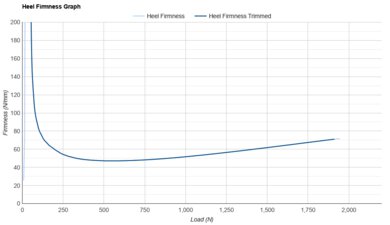
This model has a soft heel, which creates plush landings and easy cruising. That softer tuning also contributes to the shoe's relaxed feel, though it can reduce the sense of stability when you're cornering.
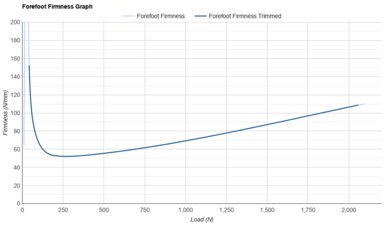
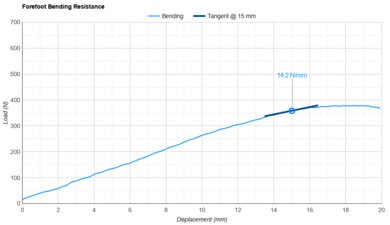
The ASICS GLIDERIDE MAX 2 feels fairly firm under the forefoot, giving it a crisp toe-off rather than a soft, pillowy sensation. It comes across firmer than the ASICS GEL-NIMBUS 27 and another plated option like the ASICS SONICBLAST, but it stops well short of feeling overly harsh or corrective like the ASICS GT-2000 14. Instead, that balanced firmness helps reinforce the shoe's pleasing rocker-driven transition.
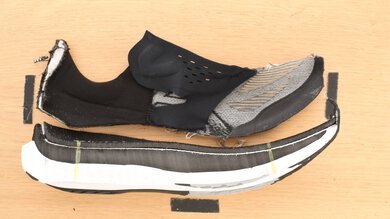
The ASICS GLIDERIDE MAX 2 uses a partial plastic plate that's there more for structure than snap. It helps hold the rocker shape and adds a guided, consistent roll through toe-off, which keeps the shoe feeling controlled and smooth, even though the foam itself doesn't deliver a springy rebound.
Cushioning
The ASICS GLIDERIDE MAX 2 offers great cushioning that feels purpose-built for long runs and high weekly volume. The heel provides plush, protective impact absorption for heel strikers and tired leg days, while the forefoot stays well-cushioned without turning overly mushy on toe-off. Combined with the tall stack, it keeps your legs fresher over time and encourages comfortable cruising.
Well-cushioned underfoot for long runs.
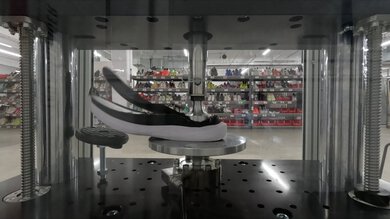
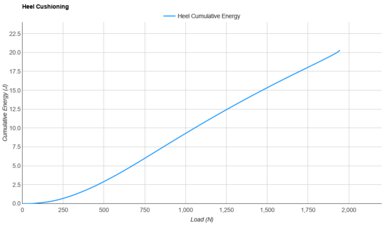
The ASICS GLIDERIDE MAX 2 offers excellent heel protection with a highly forgiving landing that soaks up impact super well. Even though the foam isn't particularly bouncy, the overall midsole setup feels very protective, and it tends to reward runners who load the shoe more heavily with an even more cushioned and reassuring feel.
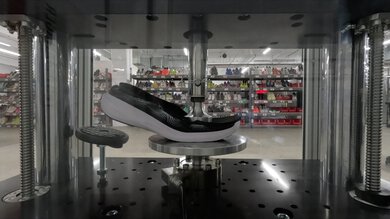
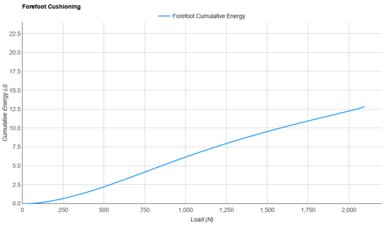
The ASICS GLIDERIDE MAX 2 provides very good forefoot protection that's comfortable for everyday mileage and steady long runs. It absorbs impact well at moderate loads, but it becomes comparatively less protective when forces get very high, so heavier runners or aggressive forefoot strikers may notice it feels a bit less dampening compared to an ideal option for long runs, such as the ASICS SUPERBLAST 2.
Responsiveness
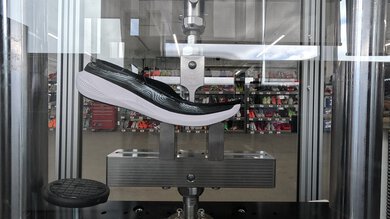
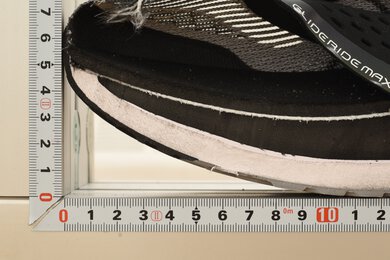
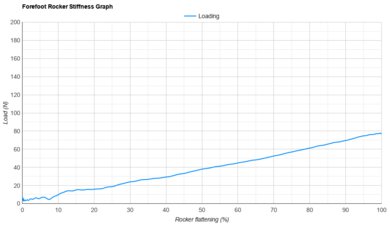
The ASICS GLIDERIDE MAX 2 delivers a low-energy, dampened ride that prioritizes smoothness over bounce. It has a pronounced rocker intended to help your foot roll through each stride. This makes it a strong pick for steady mileage and long efforts where you want predictable transitions, but it doesn't have the bouncy, energetic foams of more modern trainers.
Limited energy return.
True To Size
The ASICS GLIDERIDE MAX 2 is true to size in length, and most runners can stick with their usual size. The toe box doesn't have much height, and the arch is rather narrow, but the shoe is available in Wide versions for both men and women.
Length is true to size.
Sufficient width in the forefoot.
Arch runs a bit narrow.
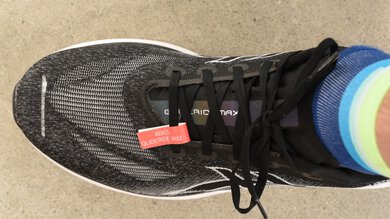
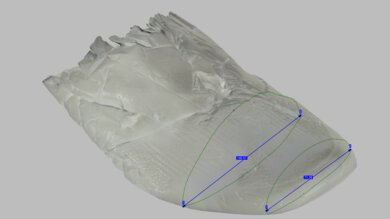
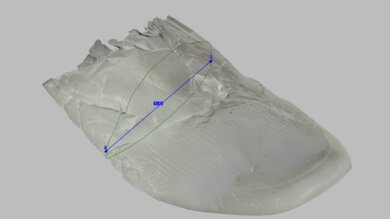
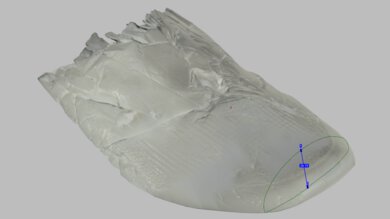
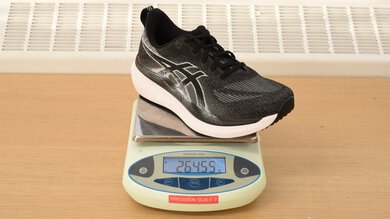
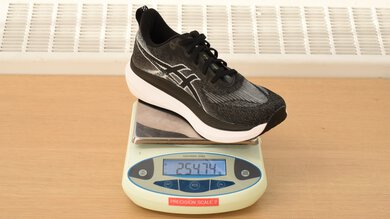
The ASICS GLIDERIDE MAX 2 feels only average for its category on the scale, but it's noticeably leaner than the previous version thanks to the redesigned upper. That drop in weight helps the shoe feel more streamlined on easy runs and steady cruising, especially for a max-stack trainer, even if it still doesn't disappear on foot like a true lightweight performance model.
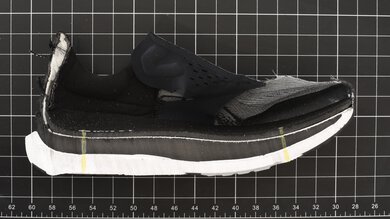
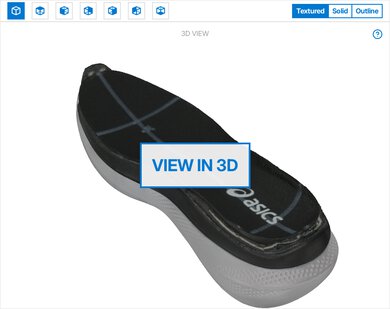
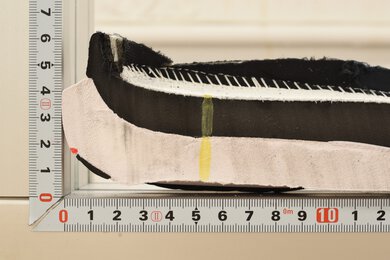
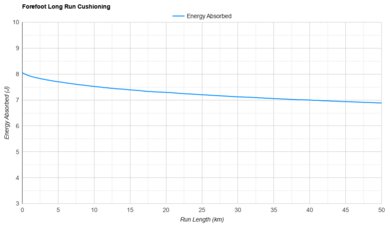
The shoe delivers adequate long-run comfort in the forefoot, but it isn't the most protective option once the distance really stretches out. It's fine for about 20K, but runners looking for more sustained forefoot protection and a fresher late-run feel will do better in higher-end long-run specialists like the ASICS SUPERBLAST 2 or the ASICS MEGABLAST.
Popular Running Shoe Comparisons
The ASICS GLIDERIDE MAX 2 is a max-cushioned daily trainer built around smooth geometry rather than ultra-plush softness. It doesn't feel as sink-in-soft as other premium cruisers like the Nike Vomero Premium or the HOKA Skyward X, but it still delivers a very protective ride thanks to its tall stack of foam capable of absorbing impacts. A pronounced rocker, backed up by a 3/4-length plastic plate, gives it a noticeably rolling transition that makes easy miles and long runs feel less labor-intensive than you'd expect from such a big shoe. It's for runners who want steady comfort and a guided roll-forward feel, but it's not for runners chasing the softest, bounciest rebound, nor for short, punchy speedwork where a lighter, more explosive super trainer like the HOKA Mach X 3 will feel more natural. This iteration doesn't reinvent the formula of the original ASICS GLIDERIDE MAX, but the redesigned upper trims weight, making it more similar to the ASICS SUPERBLAST 2 and giving it a slightly more performance-oriented vibe.
Within ASICS' lineup, the ASICS GLIDERIDE MAX 2 fills the smooth-cruiser slot between the brand's bouncier daily trainers and its pure recovery options. The ASICS NOVABLAST is the more energetic, modern-feeling trainer if you want a livelier bounce on everyday runs, while the ASICS SUPERBLAST 2 is still the better choice for long, steady miles when you want an unplated platform that stays efficient and consistent. The ASICS MEGABLAST plays the most do-it-all role, pairing a cushioned feel with a bouncy compound, for a versatile ride that can handle a wider mix of paces. If you want another max-cushioned shoe for your recovery days, the ASICS GEL-NIMBUS 28 is the go-to option, with its softer, unplated ride and more relaxed feel.
If you're looking for more options, check out our recommendations for the best running shoes, the best long-distance running shoes, and the best shoes for running a marathon.
The ASICS GLIDERIDE MAX 2 and the ASICS SUPERBLAST 2 serve similar long-run and high-mileage roles, but they approach that job differently. The GLIDERIDE MAX 2 leans on geometry and stability: its pronounced rocker and 3/4-length plastic plate create a guided, rolling transition that helps you cruise efficiently at easy and steady paces with minimal effort. It feels very protective, but not especially bouncy. The SUPERBLAST, on the other hand, is lighter and clearly more energetic. Its unplated, high-rebound midsole delivers more cushioning depth, which makes it feel more responsive and less monotonous as distances add up. Instead of relying on a plate to manage the stride, it uses foam rebound and a stable, wide base. It also tends to hold its cushioning more consistently over very long runs.
The ASICS GEL-NIMBUS 27 and ASICS GLIDERIDE MAX 2 are both max-cushioned trainers, but they deliver protection in different ways. The GLIDERIDE is the more performance-leaning option: it's lighter, uses a partial plastic plate, and has a more pronounced rocker, so transitions feel smoother and more rolling. The GEL-NIMBUS 27 is the more traditional max-cushion shoe. It doesn't rely on a plate or an aggressively guided rocker to move you forward, so the ride feels more relaxed. Cushioning also differs: the NIMBUS tends to feel less cushioned in the heel but more cushioned in the forefoot. Overall, the NIMBUS 27 is usually the better pick for pure recovery, where you just want comfort without thinking about the shoes you're wearing, while the GLIDERIDE MAX 2 makes more sense if you still want max protection but with more substance and a smoother geometry.
The ASICS GLIDERIDE MAX 2 and the Brooks Glycerin Max 2 may share a similar name, but they represent two very different interpretations of what a high-stack daily trainer should be. The Glycerin Max 2 is much heavier and sits higher off the ground, leaning fully into cushioning volume and impact absorption. It delivers a softer, more forgiving ride overall, with noticeably more forefoot cushioning that prioritizes shock reduction. The GLIDERIDE MAX 2, by contrast, with its lower weight, pronounced rocker, and partial plastic plate, creates a smoother, more rolling transition. While it's still highly protective, it doesn't feel as plush or sink-in soft as the Glycerin Max 2, especially up front.
Differences Between Sizes And Variants
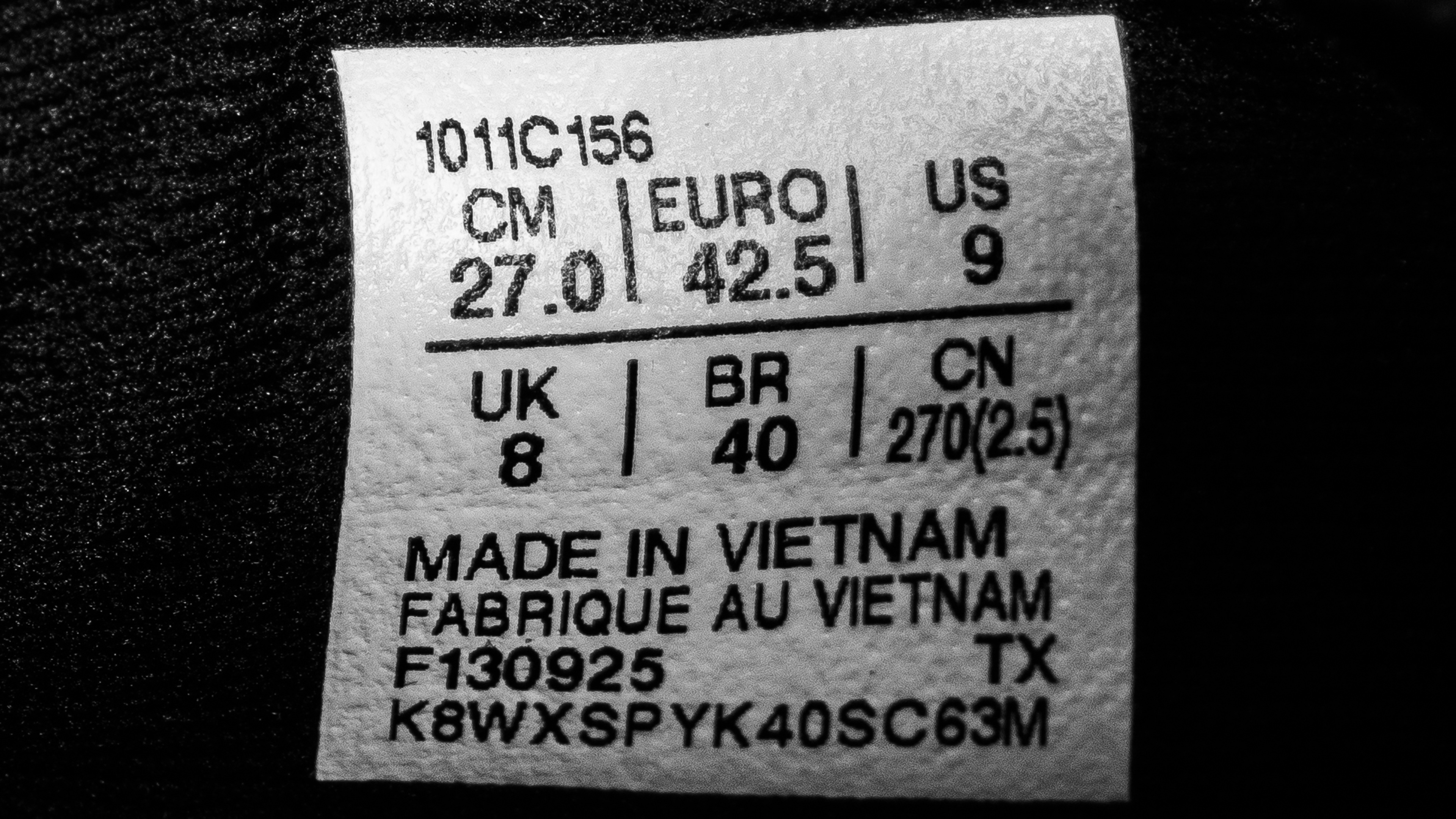
We bought and tested the ASICS GLIDERIDE MAX 2 in men's US size 9, as noted on the label for our pair. The pair we purchased is the Black/White colorway, but you can also buy the shoe in other colors, depending on the region. The men's variant includes options like Vital Green/Black and Cold Moss/Cobalt Burst, while other colorways like Pearl Pink/Dusty Red are also available. You can also get the men's shoe in a wide version in Black/White. The design section applies only to the exact model we tested, but we expect other sizes and gender variants to perform similarly.