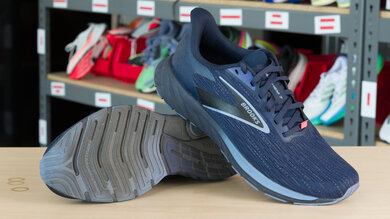
The Brooks Anthem 7 is a no-frills daily trainer for runners who want a firm, low-stack shoe with plenty of ground feel. Its impressively stable platform makes the shoe very secure, but the thin, lifeless midsole offers very little impact protection or propulsion underfoot. It works well for walking, gym sessions, and short, easy runs, though longer efforts will leave your legs beat up.
| ✅ Buy If: | ❌ Skip If: |
|
|
Our Verdict
The Brooks Anthem 7 is a bad choice for marathon racing. Its weight, combined with its lack of propulsion and midsole protection, means it does a poor job of protecting your legs over the distance.
Midsole provides awful long-run protection.
Ride lacks propulsion needed to turnover efficiently.
The Brooks Anthem 7 is an inadequate shoe for 5K/10K racing. Its firm forefoot is intended more for stability than pep, and its dull midsole plus its significant bulk make it a hard shoe to turn over at speed.
Dull midsole lacks responsiveness.
Too heavy to turn over quickly.
The Brooks Anthem 7 is a poor pick for long runs. Whilst it offers impressive stability, the midsole's poor protection becomes increasingly apparent as the miles build. Its lack of propulsion and weight also make it a hard shoe to turn over.
Midsole provides awful long-run protection.
Ride lacks propulsion needed to turnover efficiently.
The Brooks Anthem 7 is an adequate daily trainer. Its impressive stability makes it a trustworthy companion underfoot, though its lack of cushioning and bounce means it's best suited to runners who want a firmer, more traditional ride.
Excellent stability provides a secure platform underfoot.
Firm ride lacks cushioning and bounce.
Changelog
-
Updated Aug 12, 2026:
We've updated this review to add a link to the newly reviewed adidas Zenboost in the Forefoot Compression Energy Return box.
-
Updated Aug 05, 2026:
We've updated the Forefoot Firmness box to add a comparison to the newly reviewed adidas Runfalcon 6 CLOUDFOAM.
-
Updated Jul 23, 2026:
We've added a new table in the intro to help you quickly determine if this shoe matches your needs.
-
Updated Jul 02, 2026:
We've updated the article to add text across all boxes and side-by-sides after converting the shoe to Test Bench 0.12.
- Updated Jun 30, 2026: We've converted this review to Test Bench 0.12, which fixes how we measure firmness, a component of the Stability and 5K/10K Racing usages. There may be inconsistencies between the text and the scores for these usages, but the scores should still be considered valid. We've also brought back the Energy Return score and added two new usages: Daily Training and Long Run. To read more about the changes, see the changelog.
- Updated Jun 29, 2026: Review published.
- Updated Jun 22, 2026: Our testers have started testing this product.
- Updated Jun 10, 2026: The product has arrived in our lab, and our testers will start evaluating it soon.
- Updated May 26, 2026: We've purchased the product and are waiting for it to arrive in our lab.
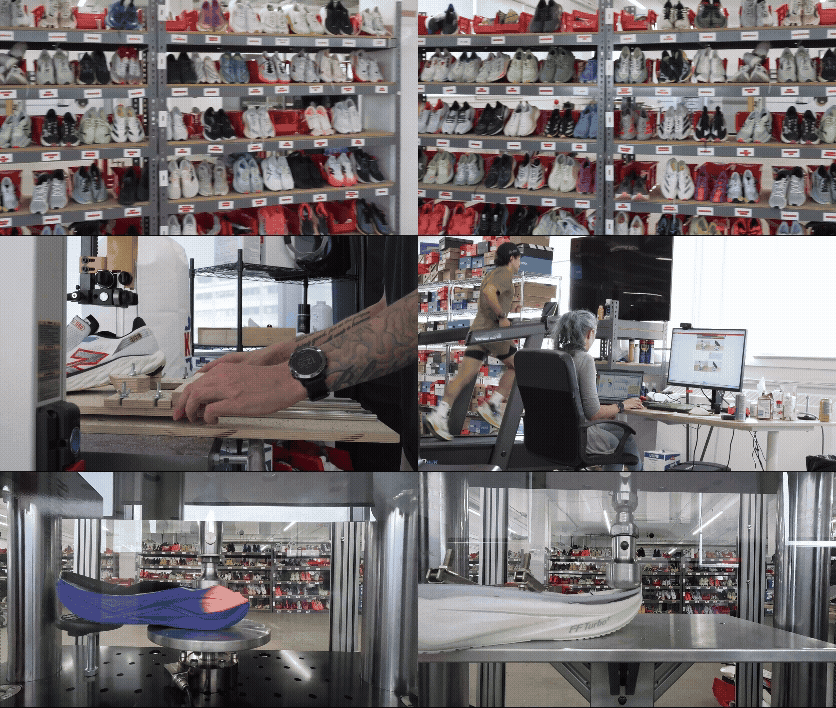
We've bought and tested more than 250 running shoes. Every pair purchased with our own money, never supplied or sponsored by brands. Our data-driven tests are designed to go beyond marketing claims, and since every shoe goes through the exact same methodology, you can directly compare results to find the right pair for your needs.
Test Results
Energy Return
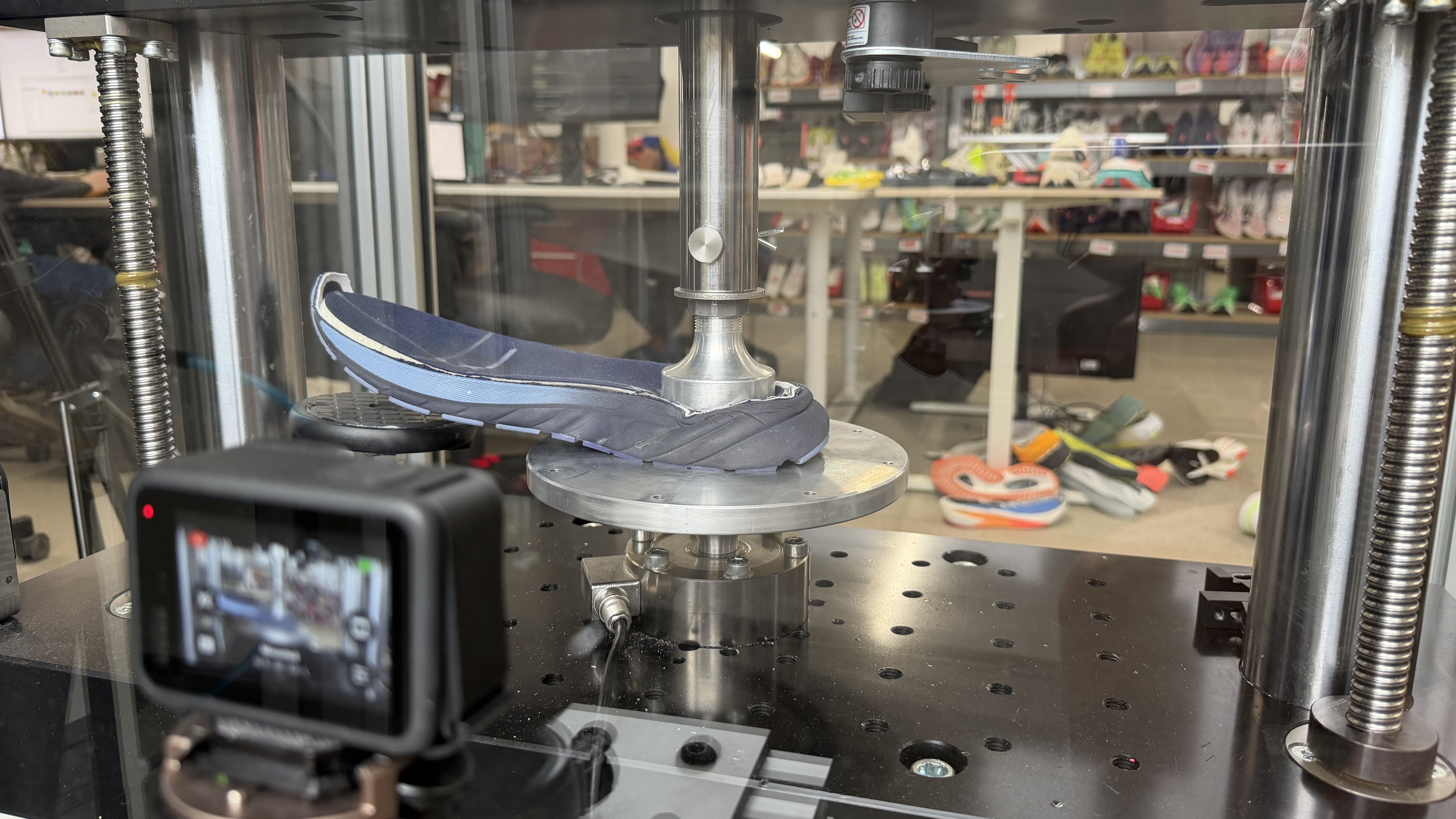
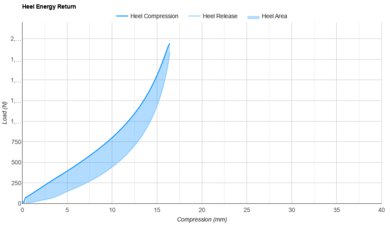
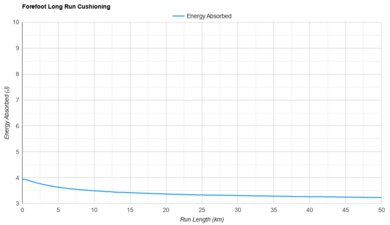
The Brooks Anthem 7 provides absolutely awful energy return. The shoe gives nothing back across both the forefoot and heel, making runners work very hard for the paces they want to sustain.
Forefoot and heel give little back under load.
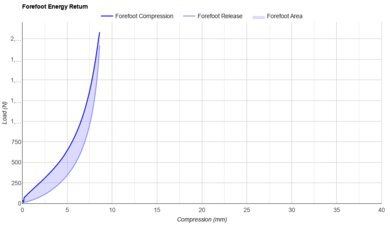
The forefoot energy return is also one of the worst we've tested. Like the heel, it provides a languid and unsympathetic ride that makes toe-off harsh and muted. If you're looking for a low-stack, speedy shoe that's got enough good old-fashioned groundfeel, check out the adidas Zenboost instead.
Stability
The Brooks Anthem 7 is an impressively stable shoe. Its firm heel, firm forefoot, and excellent heel width-to-stack ratio make it easy to trust underfoot, while the low stack keeps the ride planted despite the narrower outsole arch.
Firm platform keeps strides planted.
Confidence inspiring underfoot.
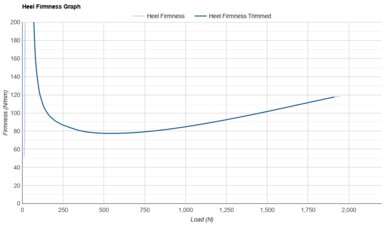
The heel of the Brooks Anthem 7 is amongst the firmest we've ever tested. This contributes to its excellent stability, but also makes the ride harsh underfoot.
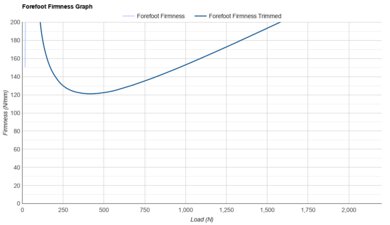
The forefoot in this shoe also ranks as one of the firmest we've ever tested. It's very similar to other no-frills shoes like the adidas Runfalcon 6 CLOUDFOAM. It makes roll-through and toe-off remarkably trustworthy, though it also makes the midsole unforgiving of the road.
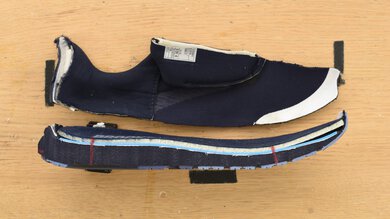
Cushioning
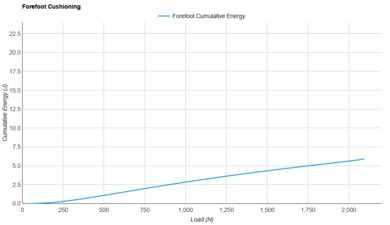
The Brooks Anthem 7 is a poorly cushioned shoe. Heel protection is bad, and the forefoot is even worse, leaving the ride harsh and unforgiving.
Forefoot protection is truly awful.
Ride is harsh overall.

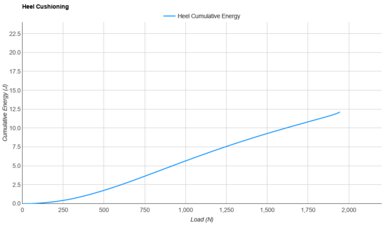
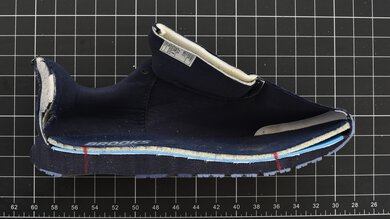
The cushioning in the heel is poor overall. The basic, EVA-blend midsole offers bad protection underfoot, resulting in a much harsher ride than shoes like the Brooks Ghost 18.
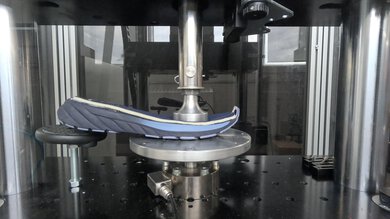
Responsiveness
The Brooks Anthem 7 delivers poor responsiveness underfoot. The forefoot and heel give little back under load, which, combined with the compliant rocker and inability to store and return energy in the midsole, means the ride is lifeless.
Forefoot gives little back at toe-off.
Compliant rocker fails to add propulsion.
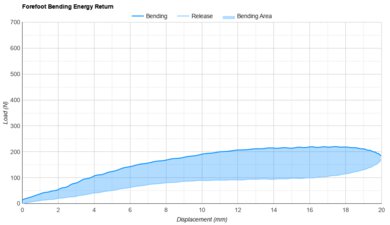
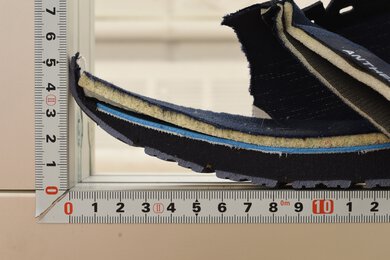
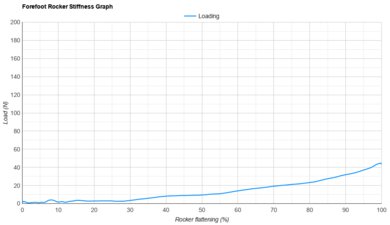
This shoe returns a truly terrible amount of stored energy when bent. Runners looking for a popping, efficient shoe should look elsewhere.
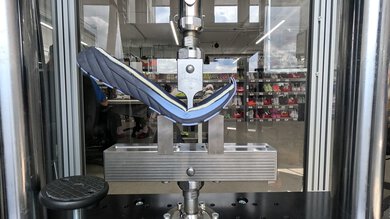
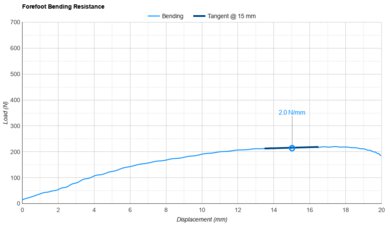
The forefoot's lack of stiffness means it lacks the snap to provide efficiency. Though not a performance shoe like the On Cloudboom Strike, even daily trainers like the Nike Winflo 11 prove that price doesn't have to compromise performance.
True To Size
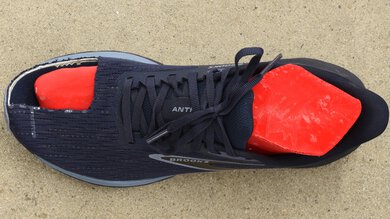
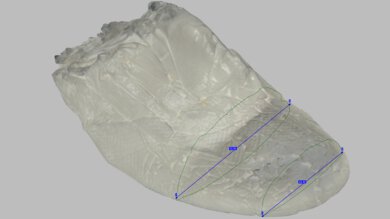
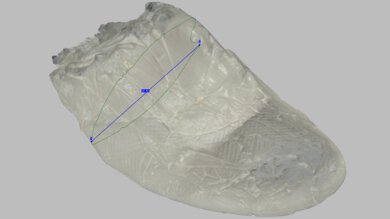
The Brooks Anthem 7 fits true to size. The length is spot on, while the forefoot and arch provide plenty of room. The only caveat is the shallow toe box, which may feel restrictive for runners with particularly tall toes.
Roomy forefoot accommodates most feet.
Low toe box may restrict taller toes.

Popular Running Shoe Comparisons
The Brooks Anthem 7 is an entry-level daily trainer that pushes back against the direction modern running shoes have taken. Its DNA LOFT midsole lacks the cushioning and rebound of newer foams, but that's entirely the point. Not everyone wants a towering, ultra-bouncy ride, and the Anthem 7 caters to runners who still prefer a firmer, closer-to-the-road feel. It occupies similar territory to the Saucony Kinvara 16, with both shoes prioritizing stability and ground feel over maximum cushioning, though the Brooks is the heavier and firmer of the two. It doesn't go as far as zero-drop options like the Altra Torin 8, instead striking a middle ground between zero-drop trainers and today's towering super stacks. For runners who miss what shoes once were, it presents very good value.
Elsewhere in Brooks' lineup, the Brooks Glycerin 23 fills the premium daily trainer slot, while runners who need help with overpronation should look at the Brooks Adrenaline GTS 25. The Brooks Hyperion 3 is the uptempo trainer, and the Brooks Glycerin Max 2 towers above the rest as the mile-soaking, max-cushion cruiser.
For more from the brand, check out our picks for the best Brooks running shoes. First-time runners can start with our best beginner running shoes picks, while our best running shoes recommendations cover our top picks across categories.
The Brooks Anthem 7 and Brooks Revel 8 are both budget shoes from the same brand, though they have slightly different philosophies. The Revel 8 is the taller of the two, and though it uses the updated DNA Loft v2 midsole foam, it is outperformed by the Anthem 7 on everything from stability to responsiveness. That said, neither ride is lively; instead, they target runners looking for a traditional, no-frills feel underfoot, with the Anthem 7 best suited to runners who want a lower profile, and the Revel 8 those looking for a modern feel.
The Brooks Anthem 7 and Brooks Ghost 17 are both Brooks daily trainers, but they target different runners. The Ghost is the classic daily trainer, offering runners more protection underfoot, with a heel-striker-centric geometry that makes it a reliable companion for those landing rearfoot first. The Anthem 7 is the entry-level shoe, using an old blueprint that is significantly less cushioned. Both shoes can handle daily training, though the Ghost is the more purpose-built shoe. That said, it costs more at retail too, but for those who don't want a low-stack underfoot, the performance upgrades are absolutely worth it.
The Brooks Anthem 8 is the successor to the Brooks Anthem 7 and brings with it some significant changes underfoot. Both shoes are equipped to handle a mix of running, walking, and gym work, though the Anthem 8 is the taller, higher-drop, much more cushioned shoe overall, and will suit those looking for a budget option with a modern trainer profile. The Anthem 7 is the lighter, lower shoe, geared towards those who prefer a more traditional, ground-feel-first ride.
The Brooks Trace 4 is a better running shoe than the Brooks Anthem 7. Though the Anthem 7 is a bit lighter and more stable, its lower profile is much less protective underfoot. The only world in which the Anthem 7 makes more sense for running is if you want a very low stack height by today's standards; otherwise, the Trace 4 is the better running shoe.
Differences Between Sizes And Variants
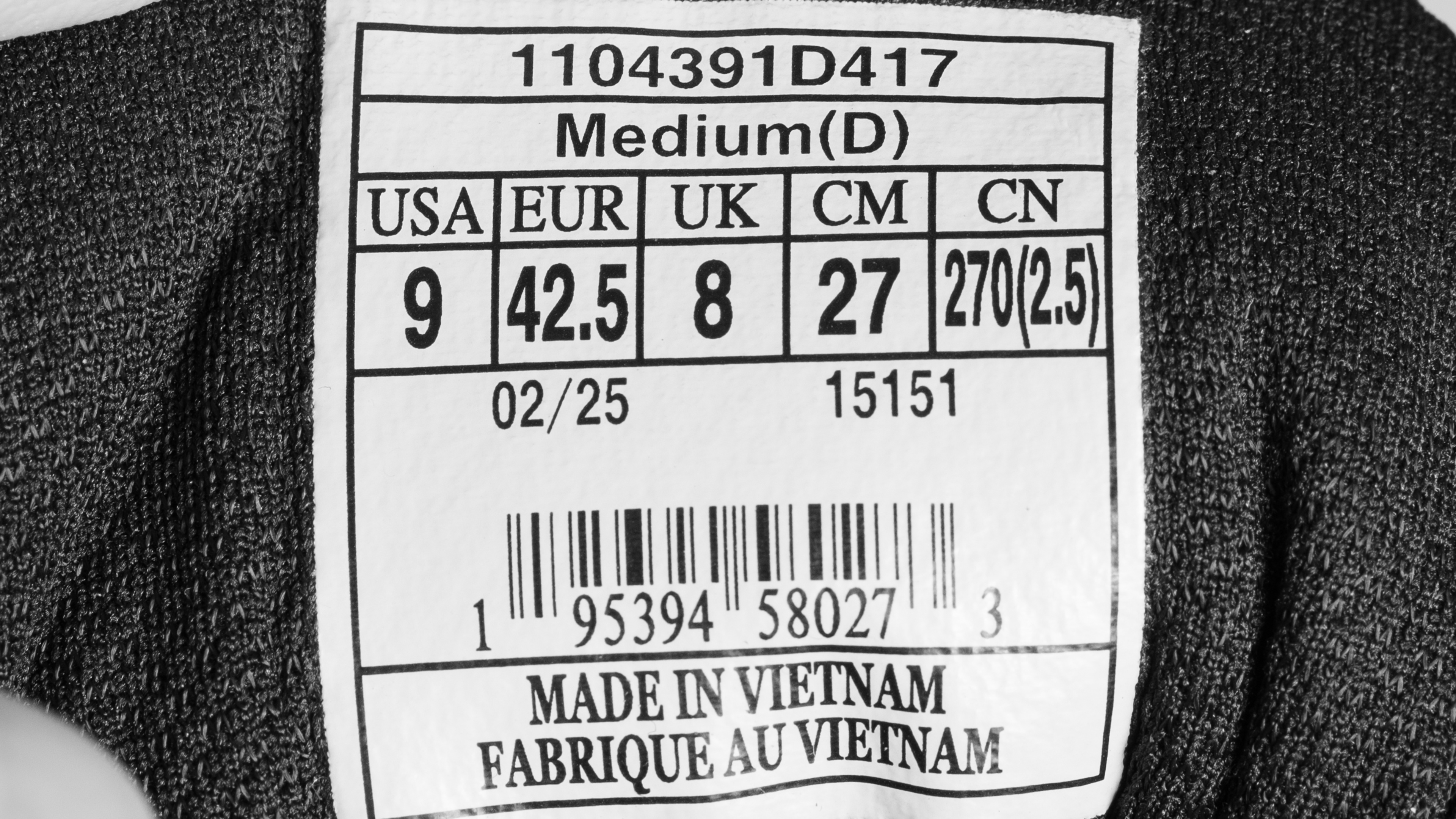
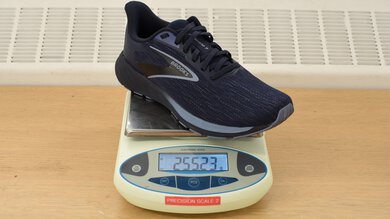
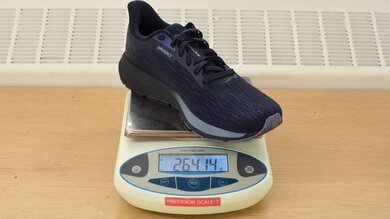
We tested the Brooks Anthem 7 in men's US size 9, as indicated on the label of our pair. The color featured on the shoe we tested is Peacoat/Ribbon/Country Blue, but you can also get the shoe in other colors, depending on the region. This shoe is available in two widths: Medium and Wide. The design section applies only to the exact model we tested, but we expect other sizes and genders to perform similarly.