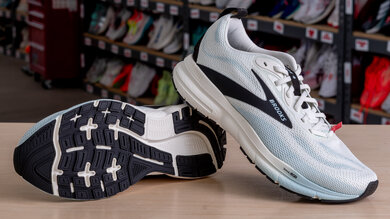
The Brooks Trace 4 is a no-frills, all-purpose shoe for beginners who want one pair for running, walking, or gym work. Its low-stack platform is impressively stable and easy to trust underfoot. It's a decent pick for easy runs and routine daily training. However, the firm midsole provides poor impact protection from the road, and the shoe's bad rebound and sub-par roll make the ride flat when you pick up the pace.
| ✅ Buy If: | ❌ Skip If: |
|
|
Our Verdict
The Brooks Trace 4 is a bad choice for marathon racing. Though very stable underfoot, it's much too heavy for a racer. Its midsole isn't up to the task either, delivering very little rebound or propulsion, and the thin, lifeless foam is harsh from the first mile, meaning the road takes a significant toll on the legs.
Ride is very trustworthy underfoot.
Significant heft is very cumbersome.
Lack of rebound or propulsion make ride very inefficient.
Thin midsole offers poor protection over distance.
The Brooks Trace 4 is a passable 5K/10K racer. Its forefoot rocker does an okay job of propelling you forward, and the platform is remarkably firm, providing a very planted base. However, it's much too heavy to be a competitive racer, and the forefoot bends too easily, returning very little energy under load, so the shoe doesn't deliver the snap or propulsion necessary for a quick, speedy turnover.
Forefoot rocker is reasonably assistive.
Significant heft is very cumbersome.
Forefoot bends too easily to be snappy.
Poor energy return makes turnover very inefficient.
The Brooks Trace 4 is an inadequate long-run shoe. Though the platform is impressively stable and the geometry provides a reasonably assistive turnover, the thin midsole does a bad job of protecting the legs from any amount of pounding, so your body will feel beat up very quickly. Its weight will also feel cumbersome over longer distances, especially since the shoe is very inefficient, providing poor rebound across the whole midsole.
Ride is very trustworthy underfoot.
Significant heft is very cumbersome.
Thin midsole offers poor protection over distance.
The Brooks Trace 4 is a decent daily trainer. Its great stability delivers a very trustworthy ride underfoot, with a super firm heel that makes rearfoot landings very controlled. However, the heel rocker does a poor job of rolling you through to midstance, and the platform does a disappointing job of protecting your legs from the road. The ride is also very inefficient, relying on the work you put in to sustain momentum.
Ride is very trustworthy underfoot.
Heel landings are very controlled.
Ride lacks excitement of more modern offerings.
Heel rocker provides poor assistance rolling through to midstance.
Changelog
-
Updated Aug 07, 2026:
We've updated the Popular Comparisons section to include a link to the newly reviewed Brooks Revel 9.
-
Updated Aug 06, 2026:
We've updated this review to add a link to the newly reviewed Brooks Ghost Max 4 in the Heel Firmness box.
- Updated Aug 04, 2026: Review published.
- Updated Jul 31, 2026: Early access published.
- Updated Jul 24, 2026: Our testers have started testing this product.
- Updated Jul 21, 2026: The product has arrived in our lab, and our testers will start evaluating it soon.
- Updated Jul 15, 2026: We've purchased the product and are waiting for it to arrive in our lab.
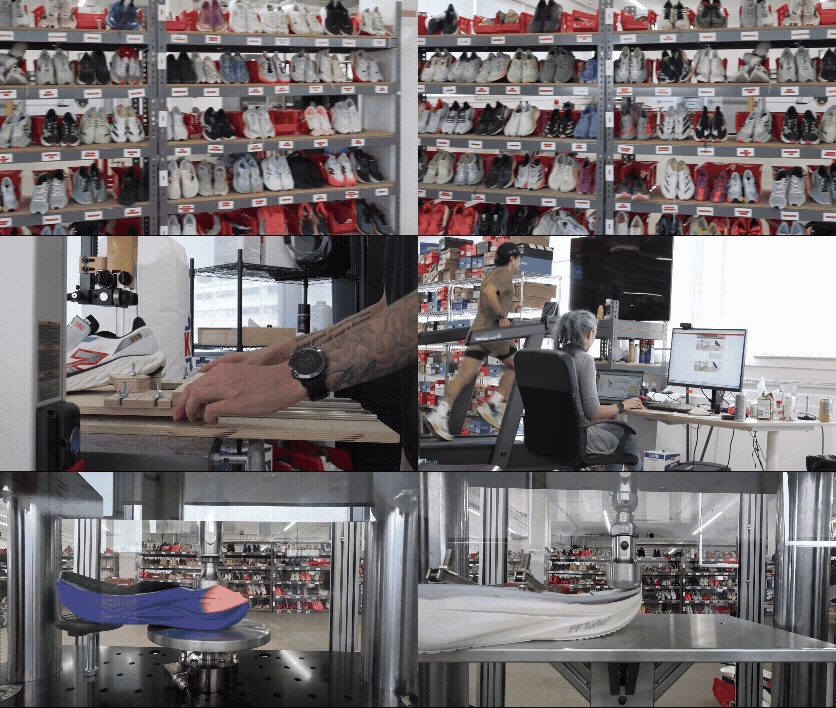
We've bought and tested more than 250 running shoes. Every pair purchased with our own money, never supplied or sponsored by brands. Our data-driven tests are designed to go beyond marketing claims, and since every shoe goes through the exact same methodology, you can directly compare results to find the right pair for your needs.
Test Results
Energy Return
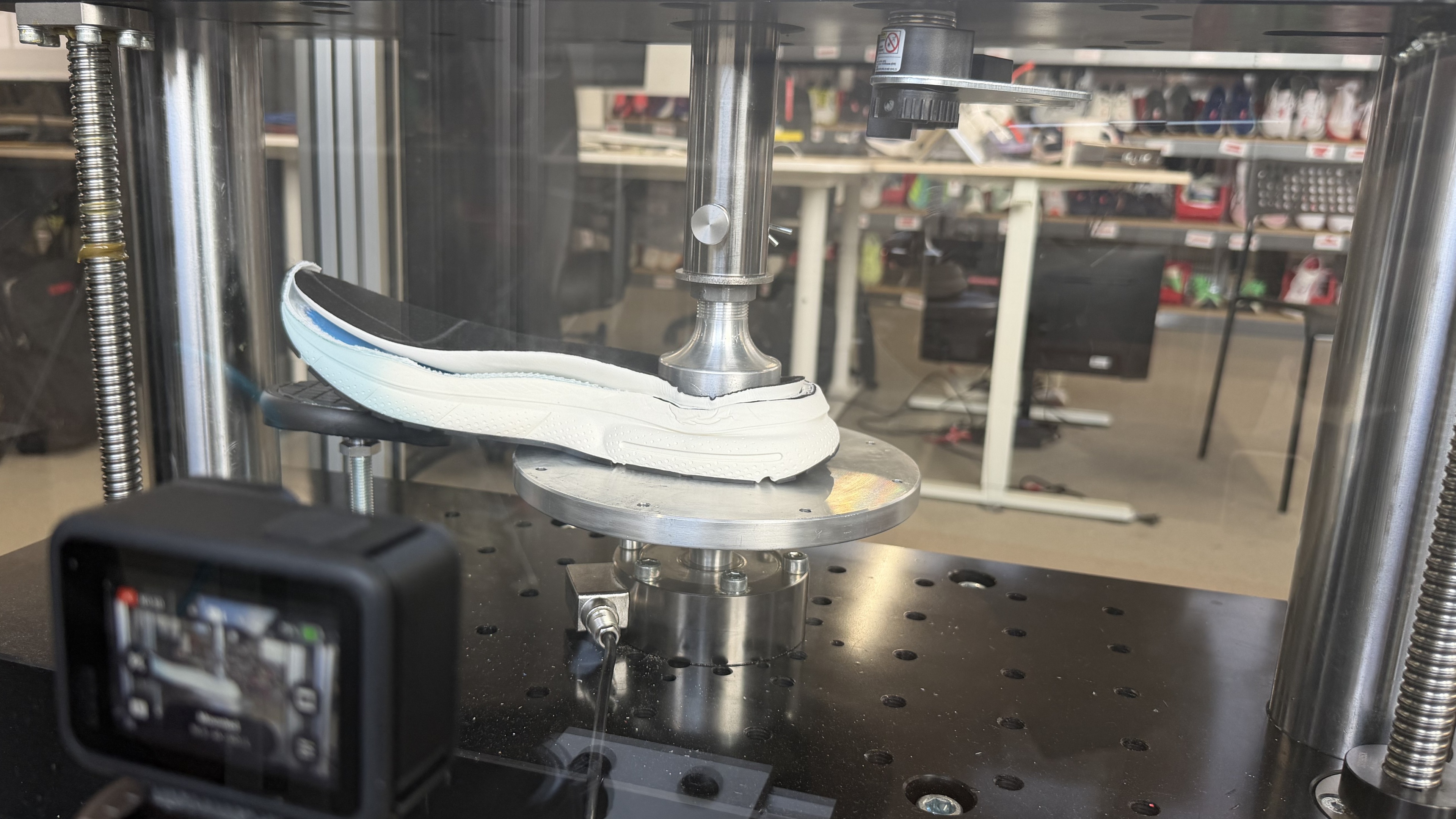
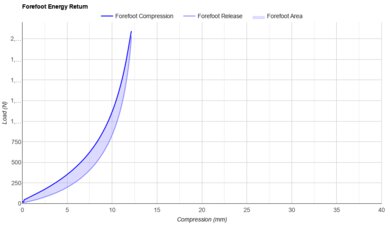
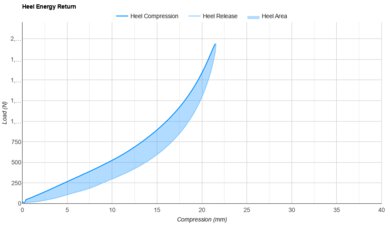
The Brooks Trace 4 delivers poor energy return. The forefoot is dull and provides inadequate rebound, and the heel is significantly worse, doing a very bad job of rewarding the effort you put in, providing a deeply flat and inefficient experience underfoot.
Poor forefoot energy return makes toe-off flat.
Heel landings are very dull.
Stability
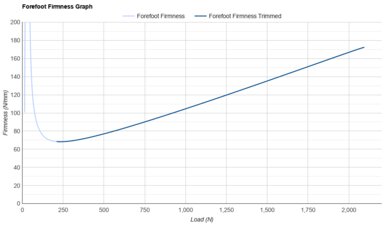
The Brooks Trace 4 is impressively stable. Its forefoot is incredibly firm, and the heel is very firm too, delivering a planted and trustworthy platform from landing to toe-off. Its width underfoot is generous for the most part as well. That said, the outsole arch is on the narrow side, so those with excessive overpronation will need to run with good form.
Very firm heel makes rearfoot landings secure.
Incredibly firm forefoot makes toe-off very trustworthy.
Narrow outsole arch could cause issues for those who overpronate excessively.
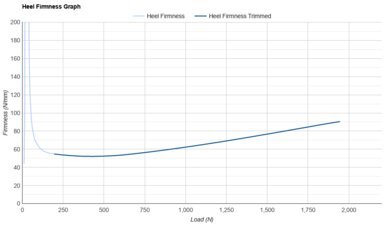
The heel of this shoe is very firm, delivering a very trustworthy platform for rearfoot landings. For comparison, the Brooks Ghost Max 4 is a more stable shoe overall, but the Trace 4's heel is even firmer.
Cushioning
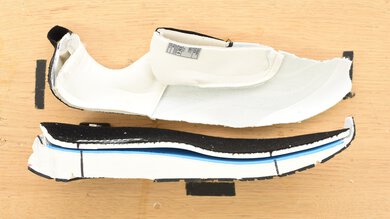
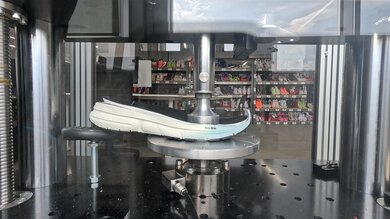
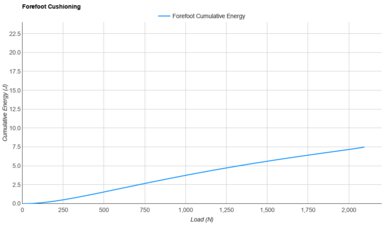
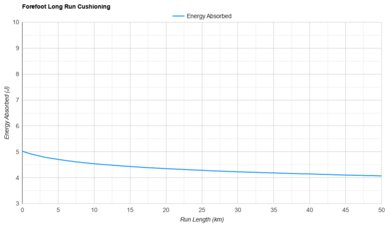
The Brooks Trace 4 is inadequately cushioned. Though the heel does an okay job of absorbing impact, the forefoot doesn't, providing poor protection from any amount of pounding. The midsole holds up atrociously over longer efforts, so though you get good feedback from the road, your legs will be beat up because of it.
Heel does an okay job of absorbing impact.
Forefoot provides poor protection from the road.
Midsole bottoms out very quickly.
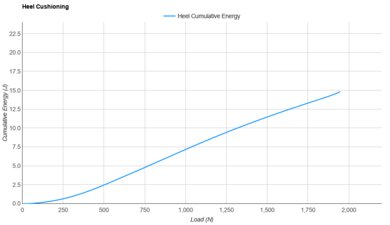
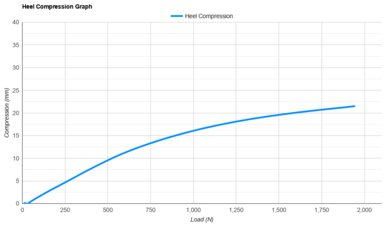
The heel of this shoe is fairly protective across all force levels, absorbing a reasonable amount of impact. It's significantly more cushioned than the Nike Downshifter 14, though it lags far behind the excellent protection provided by the HOKA Clifton 11.
Bounciness
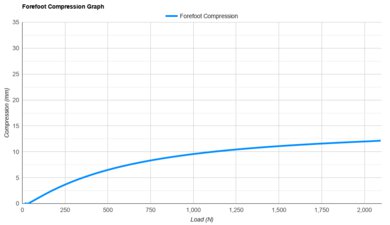
The Brooks Trace 4 is not a bouncy shoe. Its stiff midsole hardly compresses and returns very little energy, providing very minimal spring after landing or through toe-off.
Doesn't compress deep enough to create much bounce.
Bad energy return provides minimal spring back after landing.
Snappiness
The HOKA Rincon 5 has poor snappiness. Though its superbly firm forefoot delivers a trustworthy base for toe-off, the forefoot bends much too easily, returning very little energy when it unbends, which, combined with the gentle rocker angle, means that it's flat and lacks punch.
Forefoot bends too easily to create a punchy toe-off.
Gentle rocker angle lacks propulsion.
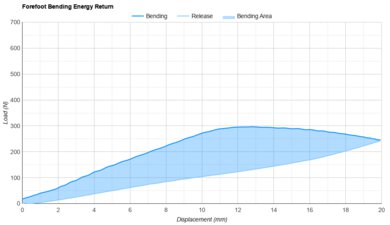
The Brooks Trace 4's forefoot returns very little energy when it bends, so toe-off lacks punch and bite.
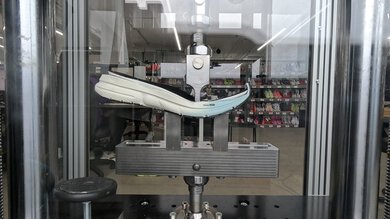
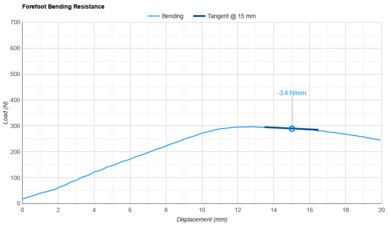
The forefoot is very compliant in this shoe, bending very easily and providing hardly any leverage when you push through the front of the shoe.
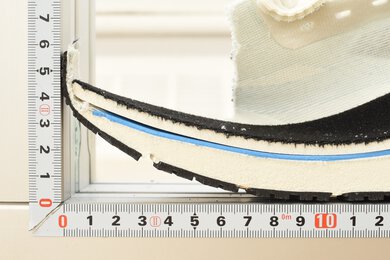
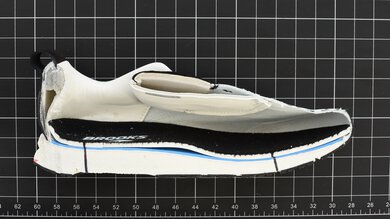
The Brooks Trace 4 has an okay forefoot rocker geometry. Though the apex starts quite early and provides a bit of smoothness through stance, the low toe spring and gentle angle mean it's still nowhere near as assistive as shoes like the HOKA Clifton 11.
Roll
The Brooks Trace 4 rolls disappointingly. Though its forefoot rocker geometry is fairly assistive overall, the front bends very easily, and, since it sits very close to the ground, it flattens rather than rolls.
Heel does a sub-par job of rolling you into midstance.
Low stack forefoot flattens too easily to roll.
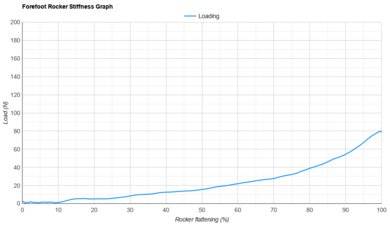
The rocker in this shoe is reasonably stiff, taking more force to flatten than the HOKA Clifton 11.
True To Size
The Brooks Trace 4 fits true to size, and we recommend all runners choose their usual size.
Length is bang-on.
Forefoot has good width.
Arch fits very well.
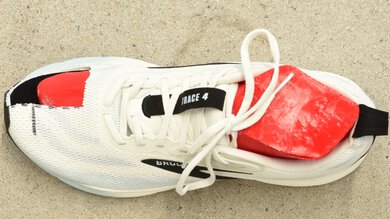
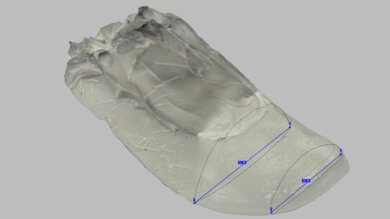
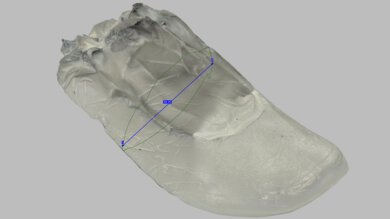
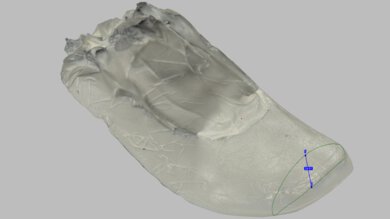
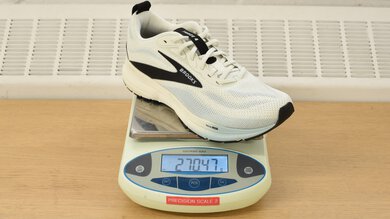
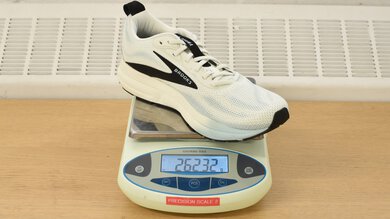
The Brooks Trace 4 is in line with the current standard for the average daily trainer. Significantly lighter than the Nike Downshifter 14, but similar to the HOKA Clifton 11.

Popular Running Shoe Comparisons
The Brooks Trace 4 is a no-frills running shoe in the same style as the Brooks Revel 9 and Nike Downshifter 14: intended to handle walking and gym work as much as running. Though neither shoe can match the deep protection of classic daily trainers like the HOKA Clifton 11, that's not their job. Instead, they cater to runners looking for a trustworthy, budget shoe they can use for all of their activities. Both the Brooks and Nike are quite similar on paper, with low-rebound rides that are rich with groundfeel. They're both very stable, though the Nike is the heaviest, and its tight arch means runners with wider feet should go with the Brooks.
For more options from the brand, check out our top picks from Brooks. If you're new to running and looking to find the best pair for your needs, our best picks for beginners have something for every runner.
The Brooks Trace 4 and Brooks Revel 8 are very similar shoes. They're both intended for gym work and lifestyle wear as much as running. They're both very stable underfoot, with poor impact protection that prioritizes feedback from the road over bounce or energy. If you're a heel striker, the Trace 4's higher drop will suit you better; otherwise, there's not much to differentiate them, so get whichever is on sale or in a color you prefer.
The Brooks Trace 4 is a better running shoe than the Brooks Anthem 7. Though the Anthem 7 is a bit lighter and more stable, its lower profile is much less protective underfoot. The only world in which the Anthem 7 makes more sense for running is if you want a very low stack height by today's standards; otherwise, the Trace 4 is the better running shoe.
The Brooks Trace 4 is a slightly better running shoe than the adidas Runfalcon 6 CLOUDFOAM. Though they're both equally stable, and neither particularly peppy nor protective, the Brooks delivers significantly more cushioning and rebound. That said, if you're looking for a shoe to handle gym work, walking, and some warm-ups and cool downs on the treadmill, there's really not much between them, so pick whichever shoe's cheapest or the design you like best.
Differences Between Sizes And Variants
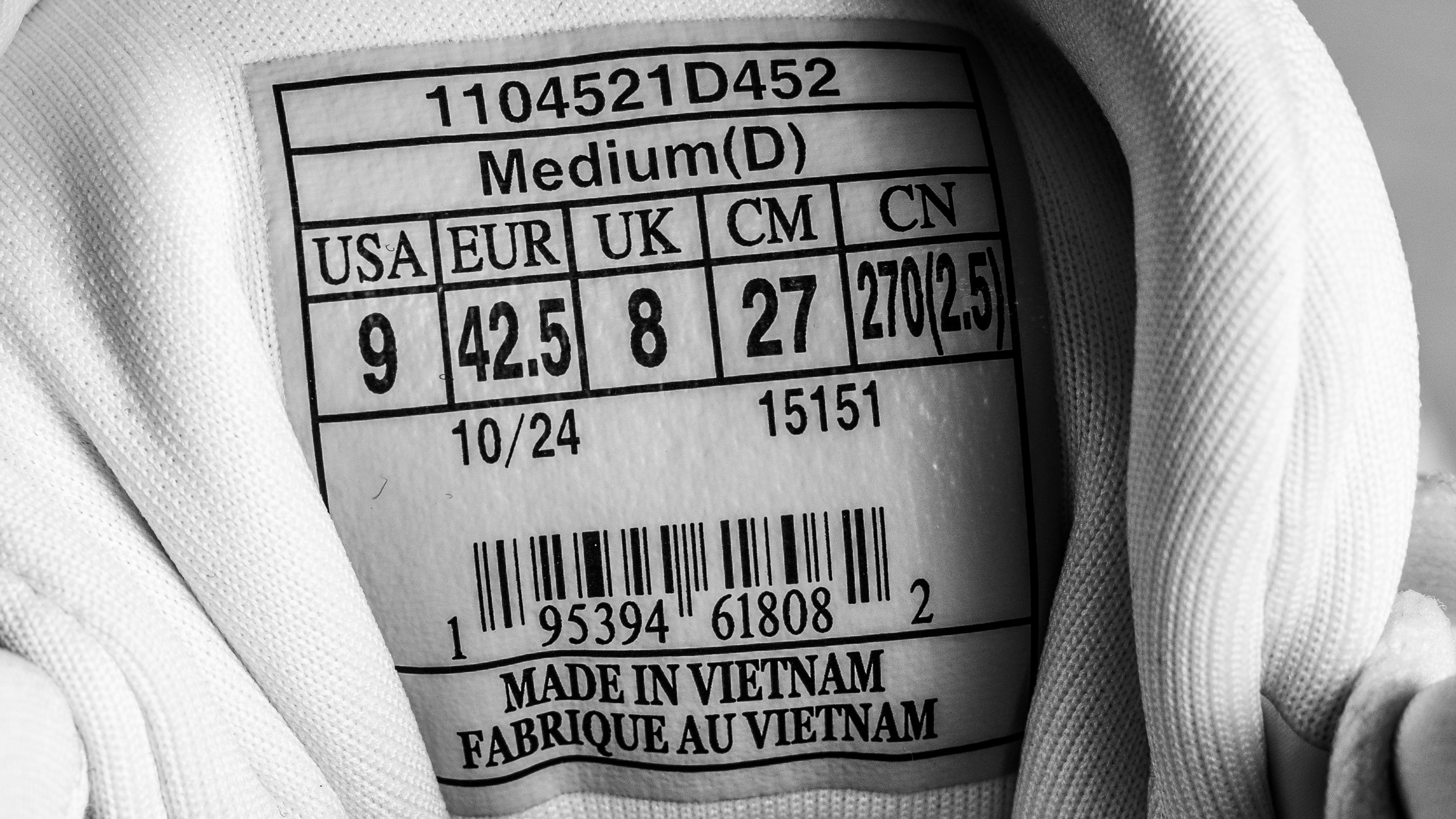
We tested the Brooks Trace 4 in men's U.S. size 9, as indicated on the label of our unit. The colorway shown here is Grey/Wintersky/Black. Brooks offers Standard and Wide sizing for men and women, with multiple color options available across regions. The design section applies specifically to the version we tested, but we expect other sizes and gender variants to perform similarly.