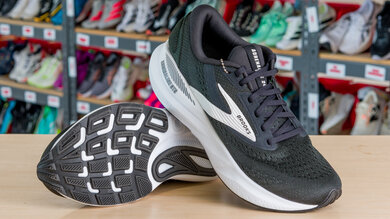
We've tested these running shoes to expand our database and allow users to compare results to help with their buying decisions. We don't expect to write a full review, but if you have any questions about this product, please let us know.
Changelog
- Updated Apr 29, 2026: We've converted this review to Test Bench 0.10, adding a new set of fit tests to the Design section and an overall fit performance usage. Check out the details in our changelog.
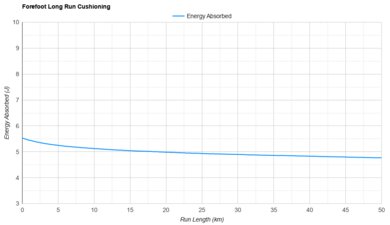
- Updated Apr 13, 2026: We've converted this review to Test Bench 0.9, which adds a Forefoot Long Run Cushioning test to our performance section. Read more in our changelog.
- Updated Dec 17, 2025: Review published.
- Updated Dec 15, 2025: Early access published.
- Updated Aug 08, 2025: Our testers have started testing this product.
- Updated Jun 23, 2025: The product has arrived in our lab, and our testers will start evaluating it soon.
- Updated Jun 20, 2025: We've purchased the product and are waiting for it to arrive in our lab.

We've bought and tested more than 300 running shoes. Every pair purchased with our own money, never supplied or sponsored by brands. Our data-driven tests are designed to go beyond marketing claims, and since every shoe goes through the exact same methodology, you can directly compare results to find the right pair for your needs.
Test Results
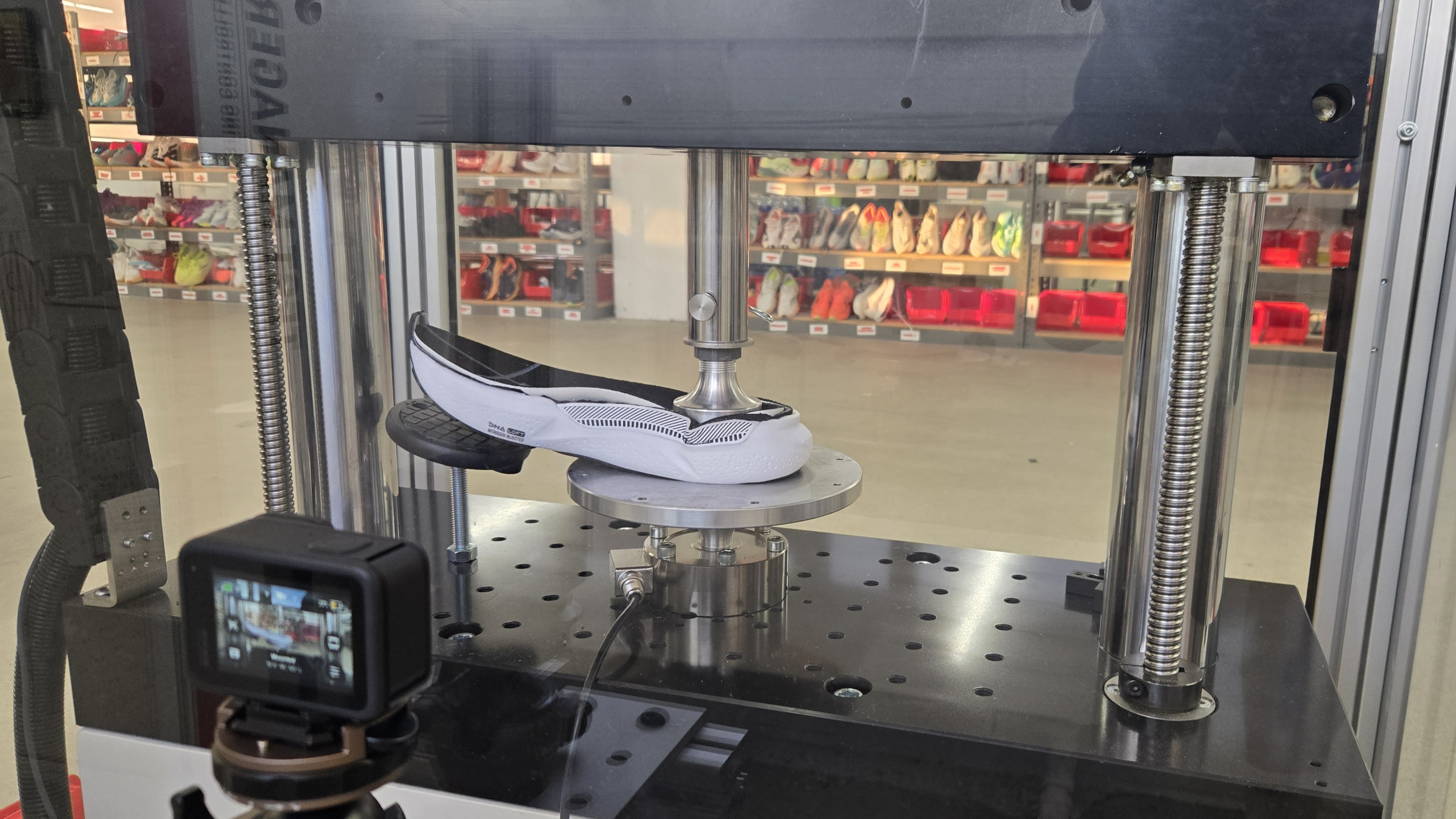
Energy Return
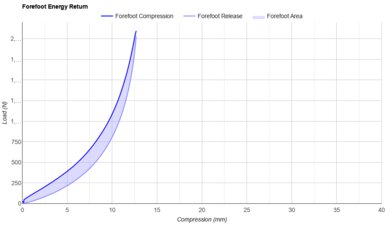
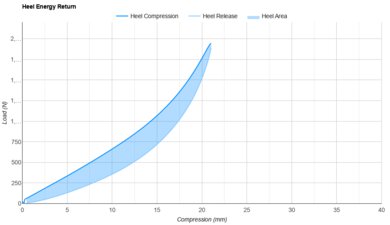
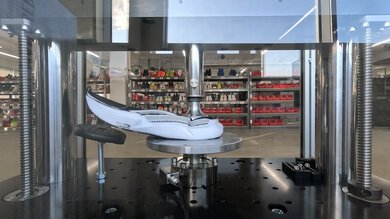
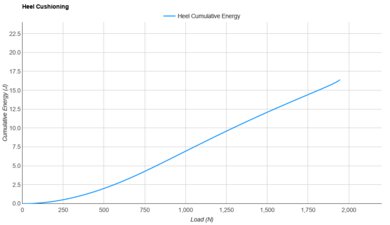
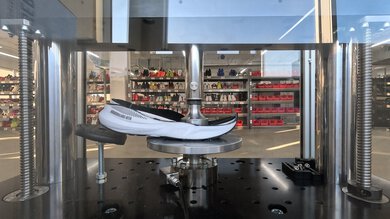
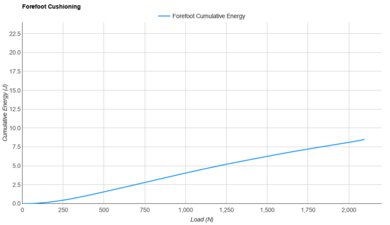
Cushioning
Lateral Stability
True To Size
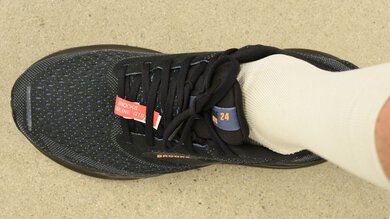
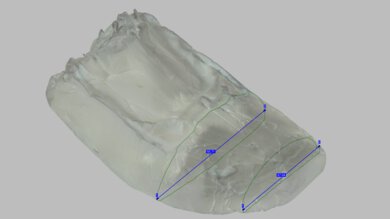
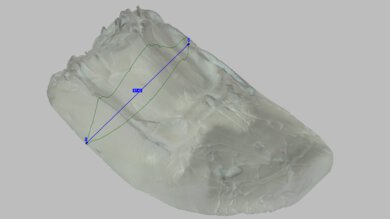
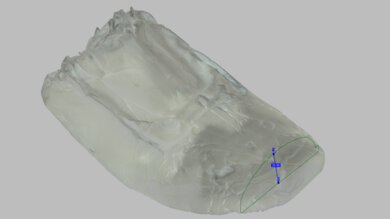
Popular Running Shoe Comparisons
The Brooks Ghost 17 and Brooks Adrenaline GTS 24 are two of the brand's flagship daily trainers, with the former more suited to runners with a neutral stride, and the latter designed to provide stability to runners with pronation issues. The Adrenaline does so through raised sidewalls that keep your foot from rolling side to side. It's a bit firmer and less cushy than the Ghost, and it has a more pronounced heel-to-toe drop. The Ghost, while not a dedicated stability shoe, still has a very solid platform that provides good lateral stability, so runners who don't have pronation issues can run in it with confidence.
The Brooks Adrenaline GTS 24 and Brooks Revel 8 may both be daily trainers, but they are for very different runners. The Adrenaline GTS is the classic stability option, fitted with GuideRails to help overpronators keep their foot centered, along with a broader platform and higher stack. The Revel 8 is a more value-oriented offering, good for beginners and short, easy runs or walking, though it lacks the pep and cushioning, so runners wanting a premium shoe without GuideRails are best served elsewhere in the Brooks lineup.
The Brooks Adrenaline GTS 24 and Brooks Glycerin 22 are both daily trainers, but they’re built around different priorities. The Adrenaline GTS 24 is the dedicated stability shoe, with a broad support-focused platform, firmer forefoot, and guide-rail-style support that gives it a more controlled feel underfoot. The Glycerin 22 is the more cushioned, comfort-first option, with better heel and forefoot protection, a roomier fit, and slightly more rebound overall. Neither shoe feels especially snappy, but the Glycerin 22 is the better pick for a softer, more comfortable daily trainer for running or walking. The Adrenaline GTS 24 is the one to reach for if you need structured support to help with overpronation.