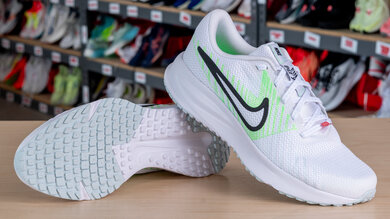
The Nike Run Defy is a decent entry-level athletic shoe for walking, fitness classes, and occasional running. Its firm platform makes it feel very stable, but it provides little cushioning underfoot. It works well for physical education classes and short casual runs, though its heavy build and lifeless ride make it poorly suited to longer mileage or serious run training.
| ✅ Buy If: | ❌ Skip If: |
|
|
Our Verdict
The Nike Run Defy is poor for half and full marathon racing. Its excellent stability keeps it planted, but its minimal stack, limited cushioning, weak energy return, and heavy build make long-distance racing harsh and inefficient.
Firm platform keeps the ride highly stable.
Thin forefoot offers poor impact protection.
Minimal stack of low-quality foam makes it harsh for longer distances.
Too heavy for faster efforts.
The ride feels dull and inefficient.
The Nike Run Defy is mediocre for 5K and 10K racing. Its very firm forefoot provides a solid base to push off, but its heavy build, weak energy return, and limited rocker prevent it from feeling quick.
Firm forefoot creates a solid push-off base.
Too heavy for faster efforts.
Too flexible and dull to feel snappy at toe-off.
The Nike Run Defy is inadequate for long runs. Its excellent stability keeps it controlled, but its poor cushioning, low stack, and weak energy return make extended mileage harsh and tiring.
Firm platform keeps the ride highly stable.
Heel rocker smooths initial landings.
Thin forefoot offers poor impact protection.
Minimal stack of low-quality foam makes it harsh for longer distances.
The ride feels dull and inefficient.
Limited forefoot rocker slows transitions.
The Nike Run Defy is decent for daily training, particularly short easy runs and run-walk sessions. Its firm platform provides excellent stability, but its limited cushioning and dull ride restrict it to shorter casual mileage.
Firm platform keeps the ride highly stable.
Heel rocker smooths initial landings.
Thin forefoot offers poor impact protection.
The ride feels dull and inefficient.
Changelog
-
Updated Sep 22, 2026:
We've updated this review to add a link to the newly reviewed Nike Quest 7 in the Heel Cushioning box.
-
Updated Sep 18, 2026:
We've added a link in the Popular Comparisons section to the newly reviewed Saucony Procyon Max.
- Updated Aug 18, 2026: Review published.
- Updated Aug 17, 2026: Early access published.
- Updated Aug 07, 2026: Our testers have started testing this product.
- Updated Aug 05, 2026: The product has arrived in our lab, and our testers will start evaluating it soon.
- Updated Jul 15, 2026: We've purchased the product and are waiting for it to arrive in our lab.
We've bought and tested more than 250 running shoes. Every pair purchased with our own money, never supplied or sponsored by brands. Our data-driven tests are designed to go beyond marketing claims, and since every shoe goes through the exact same methodology, you can directly compare results to find the right pair for your needs.
Test Results
Energy Return
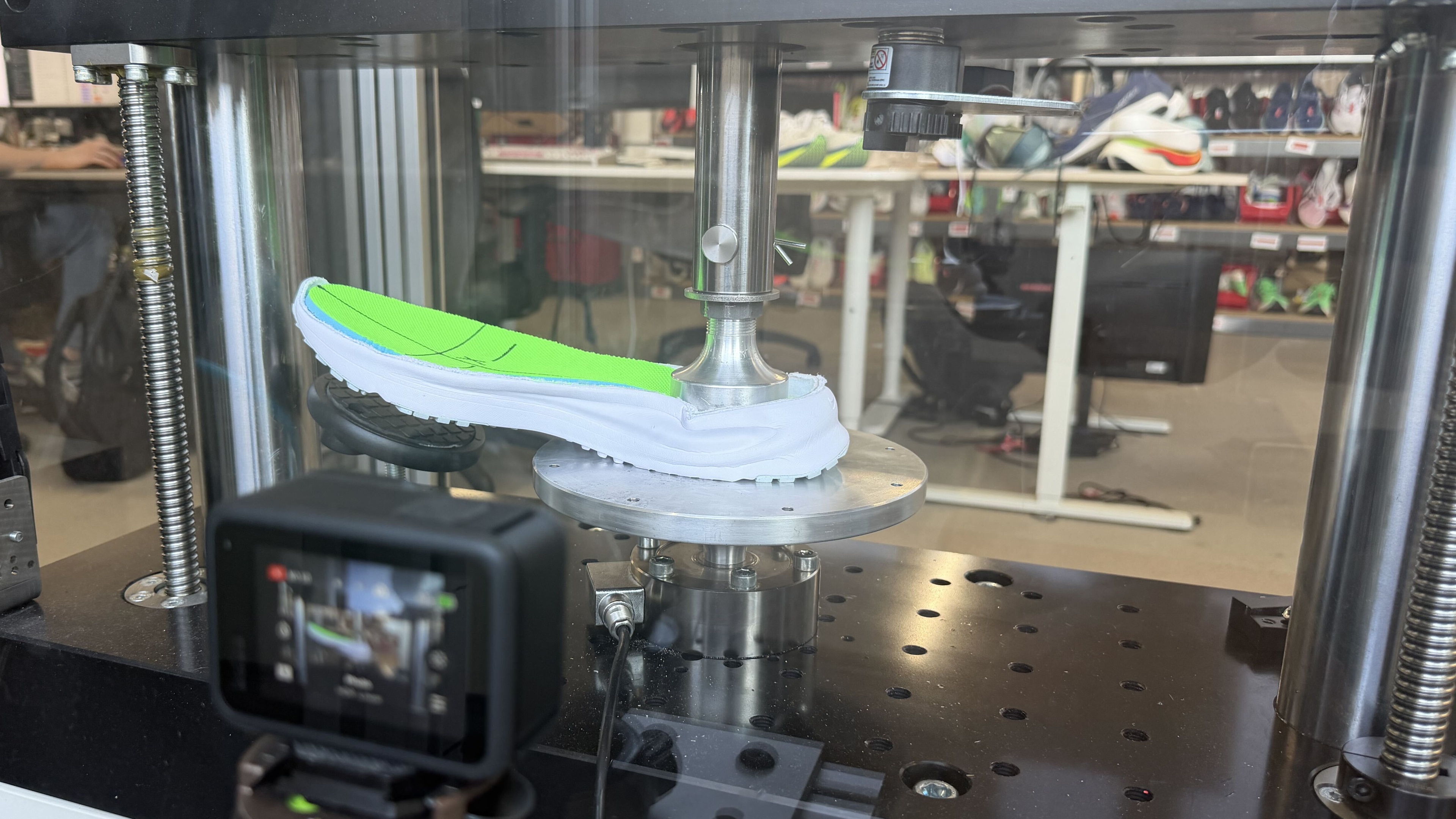
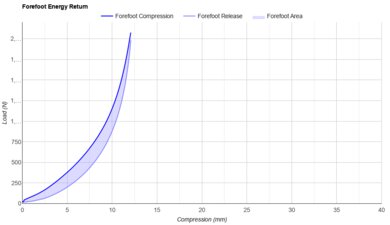
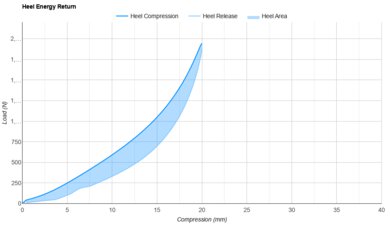
The Nike Run Defy has poor energy return. Its forefoot feels flat, while the heel returns very little energy, making each stride feel more demanding.
The ride feels dull and inefficient.
Stability
The Nike Run Defy has excellent lateral stability. Its remarkably firm platform, broad heel, and secure gusseted tongue keep the foot planted during everyday runs or while moving around at the gym.
Firm platform keeps the ride highly stable.
Broad outsole creates a planted base.
Gusseted tongue secures the foot.
The arch could be a little bit wider for even more control.
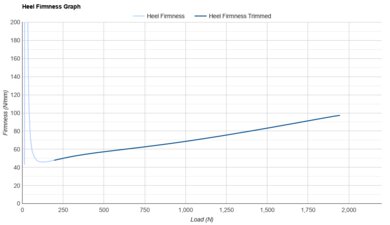
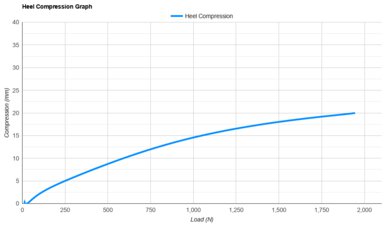
The Nike Run Defy has a remarkably firm heel. It barely has any give under load, so it feels stable but it's not plush whatsoever.
Cushioning
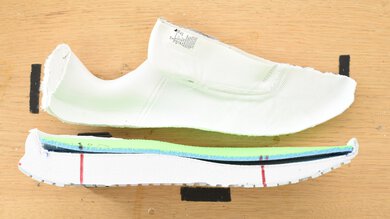
The Nike Run Defy has poor cushioning. The heel offers only sub-par protection, while the forefoot feels especially harsh, making repetitive impacts increasingly uncomfortable. It can still work for short, casual runs, but once you go beyond 10K, you’ll really feel it in your legs.
Thin forefoot offers poor impact protection.
The heel doesn't feel protective.
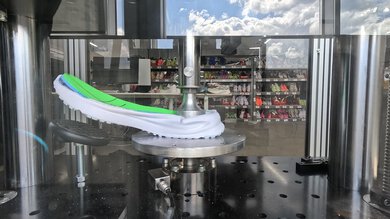
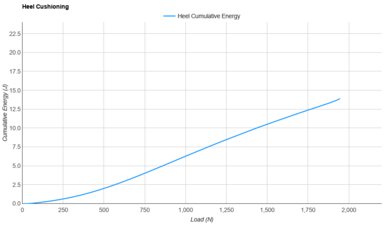
The Nike Run Defy has sub-par heel cushioning. It provides limited impact protection and little comfort over repeated landings, similar to the Nike Quest 7.
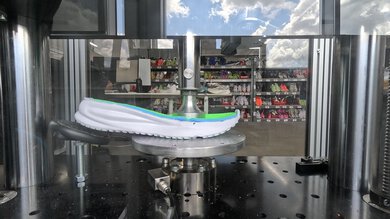
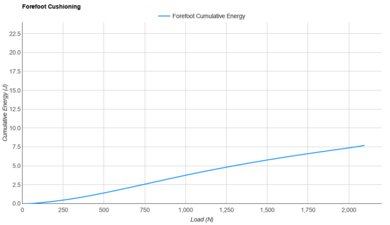
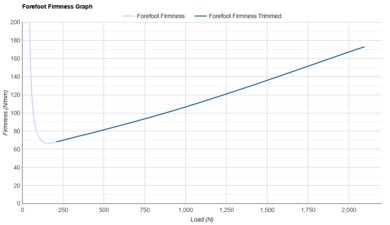
The forefoot is poorly cushioned. Its thin, firm platform does little to disperse the energy of impacts, especially for runners who put down more force when they land. This makes it feel very harsh, almost unbearable after a while.
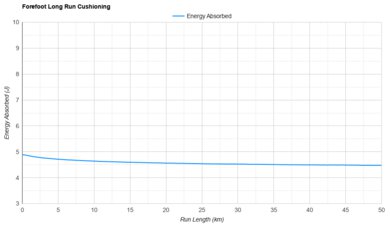
This shoe has poor cushioning over long distances. It already feels undercushioned from the start, and protection deteriorates further during our simulated 50K test. Some other basic shoes, like the adidas Questar 4, are better suited to long runs.
Bounciness
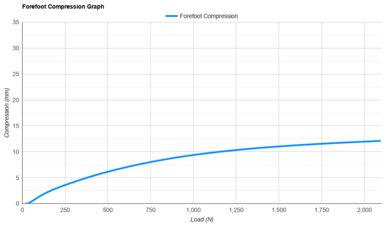
The Nike Run Defy has poor bounciness. Its firm midsole compresses very little underfoot. That means it doesn't feel springy underfoot, so it works best for casual running.
The ride feels dull and inefficient.
The midsole doesn't compress enough to feel bouncy upon release.
Snappiness
The Nike Run Defy has mediocre snappiness. Its very firm forefoot provides a solid lever to push-off, but the rocker isn't pronounced, and the shoe doesn't feel responsive when it unbends, so toe-offs don't truly feel efficient and propulsive.
Firm forefoot creates a solid push-off base.
Too flexible and dull to feel snappy at toe-off.
Limited forefoot rocker doesn't feel propulsive.
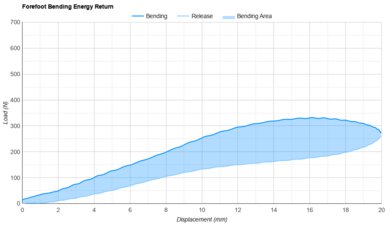
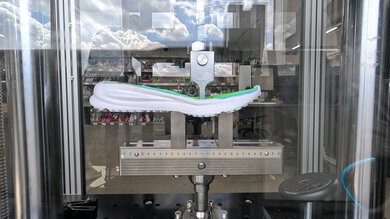
The forefoot has poor bending energy return. The midsole returns little energy as it unbends, so toe-off doesn't feel snappy. In that sense, it's similar to basic shoes like the adidas Zenboost and Nike Run Swift 3.
Roll
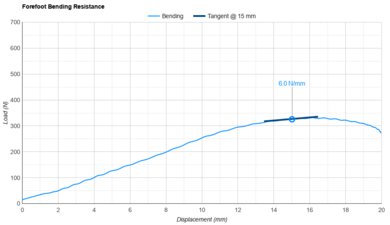
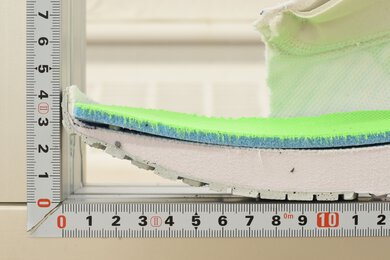
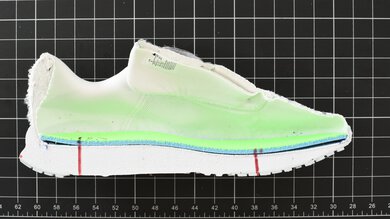
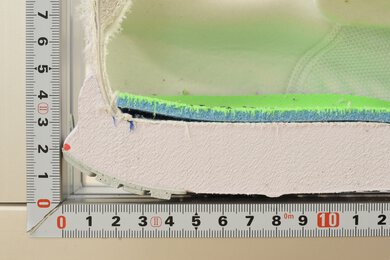
The Nike Run Defy has a poor rolling motion. Its decently rockered heel helps smoothen things out when landing, but the low stack and ineffective forefoot rocker create abrupt transitions through toe-off.
Heel rocker smooths initial landings.
Limited forefoot rocker slows transitions.
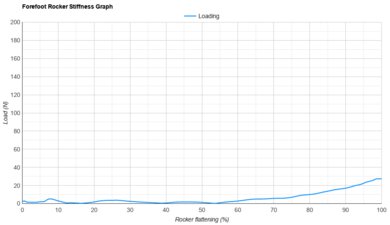
The Nike Run Defy has poor rocker stiffness. The already subtle rocker has the unfortunate tendency of flattening easily under load, so it provides little leverage during push-off.
True To Size
The Nike Run Defy fits true to size. The length and forefoot width closely match the standard, while the arch width and toe-box height accommodate most feet well. You can confidently pick your usual size with this one.
Fits very well in both length and volume.
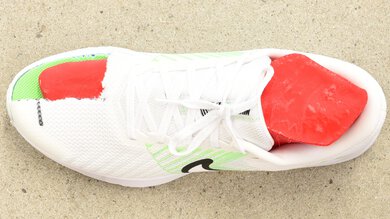
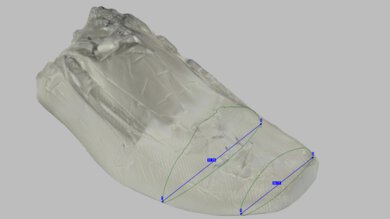
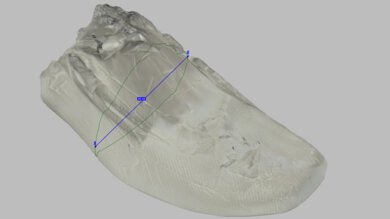
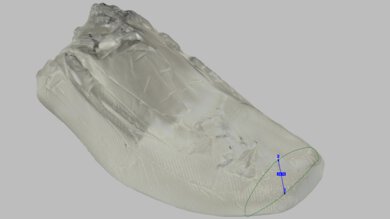
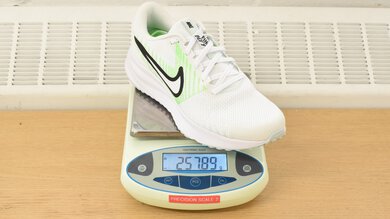
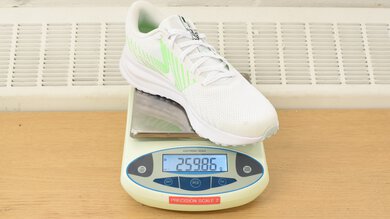
The Nike Run Defy has an acceptable weight for a daily trainer. It isn't especially light, though it's lighter than entry-level shoes like the Nike Downshifter 14 and Nike Run Swift 3.

Popular Running Shoe Comparisons
The Nike Run Defy is a bare-bones, entry-level shoe best suited to walking, gym classes, and occasional short runs. It usually retails for less than the already basic Nike Downshifter 14 and Nike Run Swift 3, and it's lighter than both. However, its thin, exceptionally firm platform feels harsh underfoot and provides very little impact protection. If you want an affordable shoe that's better suited to actual running, get the adidas Questar 4 instead. It's heavier and similarly subdued, but its more protective cushioning makes it much better for regular daily mileage and longer efforts. For another budget option that's better cushioned and livelier, check out the Saucony Procyon Max.
For additional options, check out our recommendations for the best beginner running shoes, the best Nike running shoes, and the best running shoes.
The Nike Revolution 8 and Nike Run Defy are very similar entry-level shoes. They provide a firm, stable ride and perform similarly for daily training, but they're both overall better suited to walking, gym use, and occasional short runs than consistent mileage. The main difference is fit, where the Run Defy fits more true to size and provides more toe clearance, while the Revolution 8 runs slightly short and has a shallow toe box. Get the Run Defy if you need the roomier fit; otherwise, buy whichever shoe you can find for less.
The Nike Run Defy and Nike Downshifter 14 are both basic, stable shoes with similarly limited cushioning. However, the Run Defy is lighter and returns more energy, making it less cumbersome for short runs. You can still choose the Downshifter 14 if you find it heavily discounted; otherwise, the Run Defy is the slightly better choice.
The Nike Run Defy and Nike Downshifter 13 are both bare-bones shoes built for walking, gym use, and occasional short runs, but the Run Defy is the better overall option. It’s lighter, more stable, and less lifeless underfoot, while also providing a more accommodating toe box. Get the Downshifter 13 if you can find it for much less; otherwise, get the Run Defy.
The Nike Run Defy and adidas Questar 4 are both affordable entry-level shoes, but the Questar 4 is the better choice for actual running. It usually costs a bit more and is heavier, but its taller, more protective platform and smoother roll make it better suited to daily mileage and longer efforts. The Run Defy is lighter and less cumbersome for walking, gym classes, and occasional short runs, but its thin, firm platform provides much less impact protection.
Differences Between Sizes And Variants
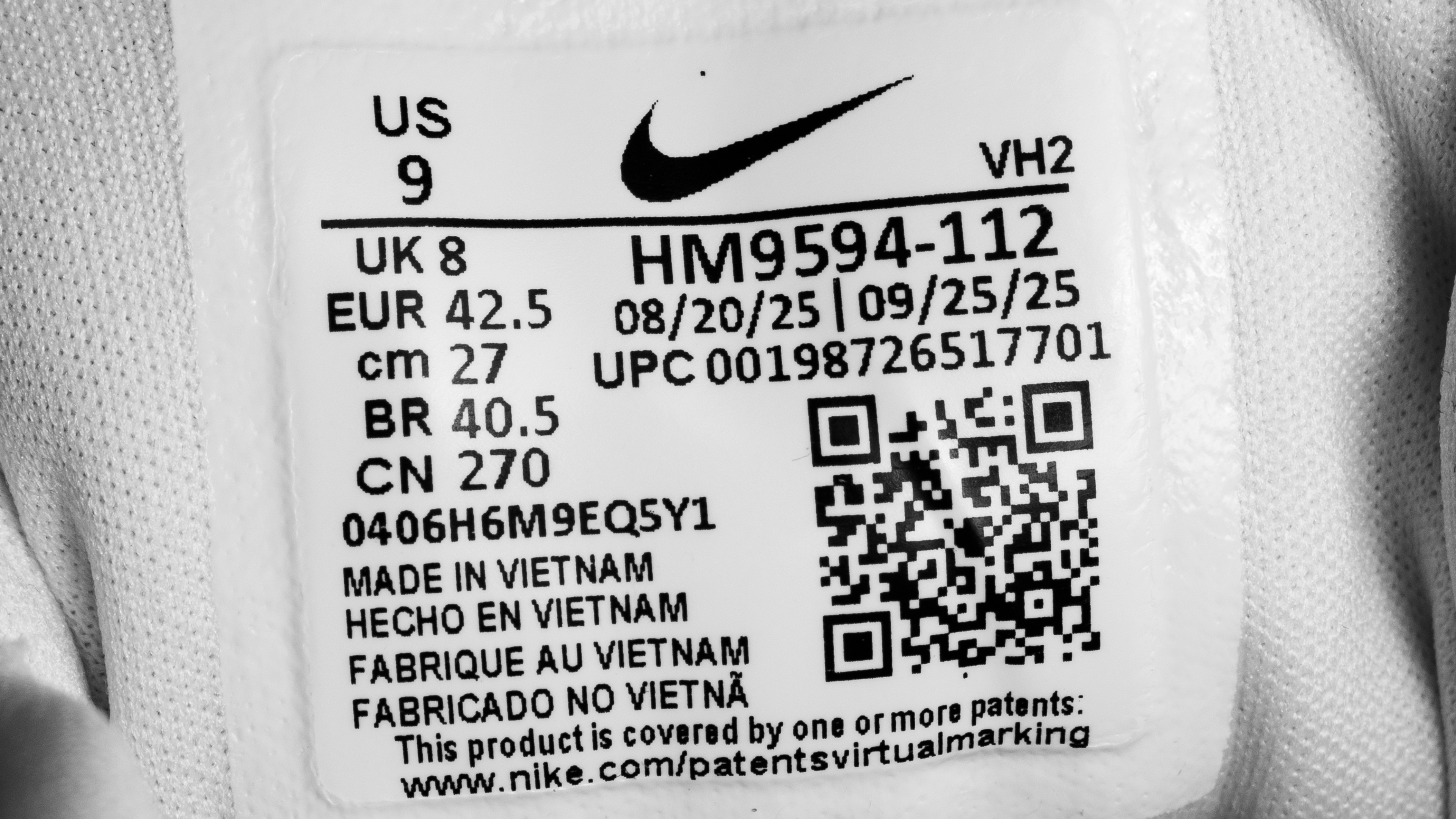
We tested the Nike Run Defy in men's U.S. size 9, as indicated on the label of our pair. The color featured on the shoe we tested is White/Glacier Blue/Green Strike/Black, but you can also get the shoe in other colors, depending on the region. This shoe isn't available in wide widths. The design section applies only to the exact model we tested, but we expect other sizes to perform similarly.