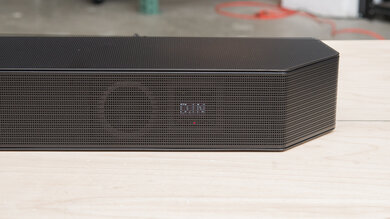
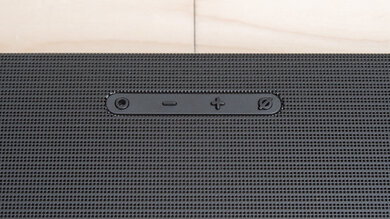
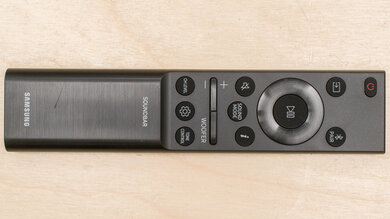
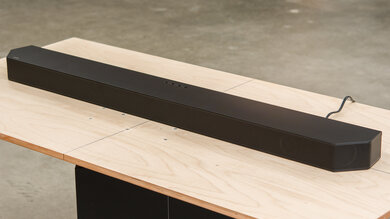
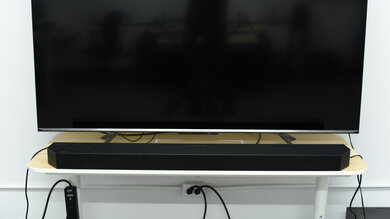
The Bose Smart Soundbar is a compact all-in-one home theater solution, and it's the 2024 model update to the Bose Smart Soundbar 600. It carries on the TrueSpace technology from the last generation, which is meant to create an immersive sound, and it adds features like syncing the soundbar with your Bose Ultra Open Earbuds Truly Wireless for a personalized listening experience. If you're low on space but still want to experience the effect of Dolby Atmos, the bar might be the ticket. Let's check it out.
Our Verdict
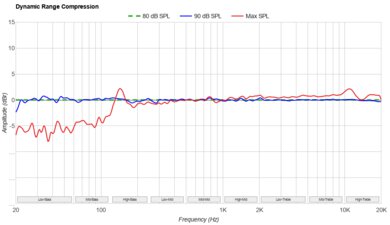
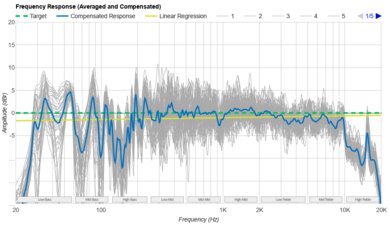
The Bose Smart Soundbar is a decent pick for mixed usage. It's a small, low-latency bar compatible with Dolby Atmos and outputs your audio loud enough to fill a room while avoiding too much compression. It's mainly hindered by a lack of low-bass in its sound, which is a limitation determined by its size, but it outputs clear sound that's great for dialogue-heavy media, and you can adjust a few parameters like bass, treble, and height. While there's a lack of room calibration, the Wall EQ preset helps adjust the sound if you mount it. There's support for most wireless connections, and you can connect to older devices with Optical or use the eArc port. The absence of an HDMI In port means you can't use it as a hub for devices, though. Plus, without DTS support, it can't optimize the sound for all media either.
Wide soundstage for its small size.
Low latency.
Lots of wireless connectivity.
Retains dynamics well.
Lack of a subwoofer limits bass extension.
No DTS support.
No HDMI In.
No room calibration.
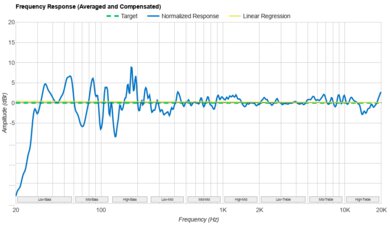
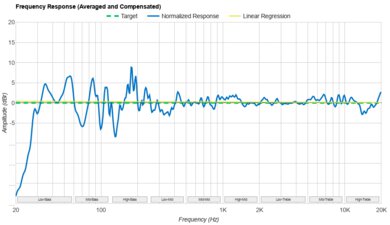
The Bose Smart Soundbar is satisfactory for dialogue and TV shows. Its center channel sounds balanced, so you can hear clear speech. Plus, it has an AI Dialogue mode to bring out more articulation for shows with busy mixes. It retains your audio's dynamics well, even at high volumes, too. However, if your shows are action-packed, it doesn't convey deep bass well because the bar's size inherently limits it from outputting a lot of low-bass.
Wide soundstage for its small size.
Low latency.
Balanced-sounding center channel and AI Dialogue mode.
Lack of a subwoofer limits bass extension.
No room calibration.
No 'Night' mode.
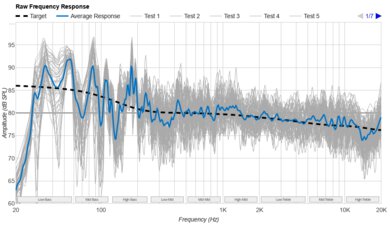
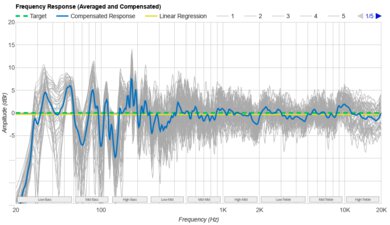
The Bose Smart Soundbar is decent for music. Its stereo soundstage is pretty wide, considering its compact size, thanks to the side-firing drivers, and it retains dynamics well so that music doesn't come across as overly compressed. Its frequency response has a good amount of punch and bright top-end, though it lacks the deep rumble of sub-bass synths and heavy low-end associated with EDM, hip-hop, and metal genres. Vocals and lead instruments sound more or less pretty balanced and articulate, though. It helps that you can connect wirelessly to Spotify, Wi-Fi, Bluetooth, and more, so it's not a hassle to throw on a song. The bass and treble adjustments add some additional control over the sound, too. Because TrueSpace is always on, there is a somewhat artificially wide quality to the overall mix.
Wide soundstage for its small size.
Lots of wireless connectivity.
Lack of a subwoofer limits bass extension.
No room calibration.
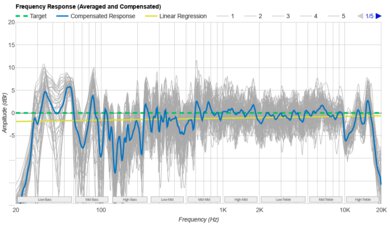
The Bose Smart Soundbar is satisfactory for movies. For its small size, it conveys a fairly wide passive stereo soundstage, while soundtracks and speech are clear sounding. However, it can sound a bit boomy due to the high-bass boost without the full low-end extension necessary to fully immerse you. Even at high volumes, it retains dynamics well. It's compatible with Dolby audio formats, but if you have a large Blu-ray collection, it lacks DTS. While there's not much in the way of user control, you get a couple of useful tools like bass and treble adjustment, and it handles Dolby Atmos content okay, which you can adjust the height of in the app. It's more of a jack-of-all-trades rather than a master of any, so surround audio sounds fine, though you can play around with the bass and treble.
Wide soundstage for its small size.
Low latency.
Retains dynamics well.
Lack of a subwoofer limits bass extension.
No DTS support.
No room calibration.
Check Price
Differences Between Sizes And Variants
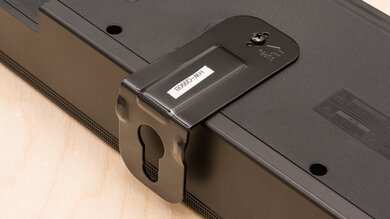
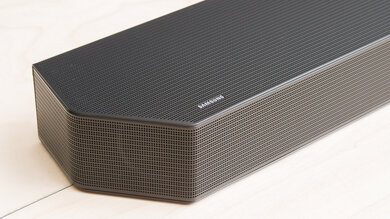
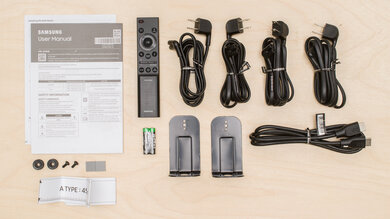
The Bose Smart Soundbar comes in one color, 'Black' and you can see our unit's label. If you find another variant of this soundbar, let us know in the comments, and we'll update our review.
Popular Soundbar Comparisons
Sitting a step above the slightly smaller and rather utilitarian Bose TV Speaker, the Bose Smart Soundbar adds Dolby Atmos support and higher max output volume, but if you're not interested in surround sound, they don't sound massively different in stereo. Compared to the previous Bose Smart Soundbar 600, the Smart Soundbar is quite similar in spec and performance, but if you have a pair of Bose Ultra Open Earbuds Truly Wireless, you can pair them with your Smart Soundbar for an enhanced surround experience. Still, it's not really a notable upgrade if you have the 600 already. That said, the Sonos Beam (Gen 2) is likely the most obvious competitor to the Smart Soundbar. Both are small bars, but the Sonos yields a bigger stereo soundstage, while the Bose has a better-sounding surround and more immersive Atmos implementation, and if you're in either brand's ecosystem, you gain access to a couple of extra features, too.
Check out the best all-in-one soundbars, the best small soundbars, and the best Dolby Atmos soundbars to see what else is available.
Whether you should choose the Sonos Beam (Gen 2) or the Bose Smart Soundbar depends on your primary usage and if you already own Sonos or Bose products to integrate under one app. The Sonos has a bigger stereo soundstage and works better for TV shows and music with a slightly better audio format support that includes DTS. Meanwhile, you may prefer the Bose for its better Dolby Atmos and surround sound and less compressed sound at high volumes.
The Sonos Arc is a larger and more premium all-in-one soundbar that is a bit better than the Bose Smart Soundbar for most people, unless you're short of space, though they share some of the same qualities, like a lack of full bass extension. The Sonos' stereo soundstage is bigger and sounds similarly balanced as the Bose, but you get room calibration and a 5.0.2 configuration as opposed to a 3.0.2. On the other hand, the Bose is smaller and keeps up well for Dolby Atmos and surround performance and falls only a bit shy on most other metrics, though it lacks DTS support.
The Bose Smart Soundbar is arguably almost the same as the Bose Smart Soundbar 600. They're the same size and sound very similar, with comparable performance. For most people whichever model you can find for less money is the better choice.
Whether the Klipsch Flexus Core 200 or the Bose Smart Soundbar is better is determined mainly by your habits. The Klipsch has a bit better stereo sound and soundstage, with more bass content out of the box. However, the Bose handles surround and Dolby Atmos content better with a more balanced and immersive sound. Plus, the Bose offers greater wireless connectivity allowing you to integrate it more easily for listening to music, whereas the Klipsch is limited to Bluetooth only.
Test Results
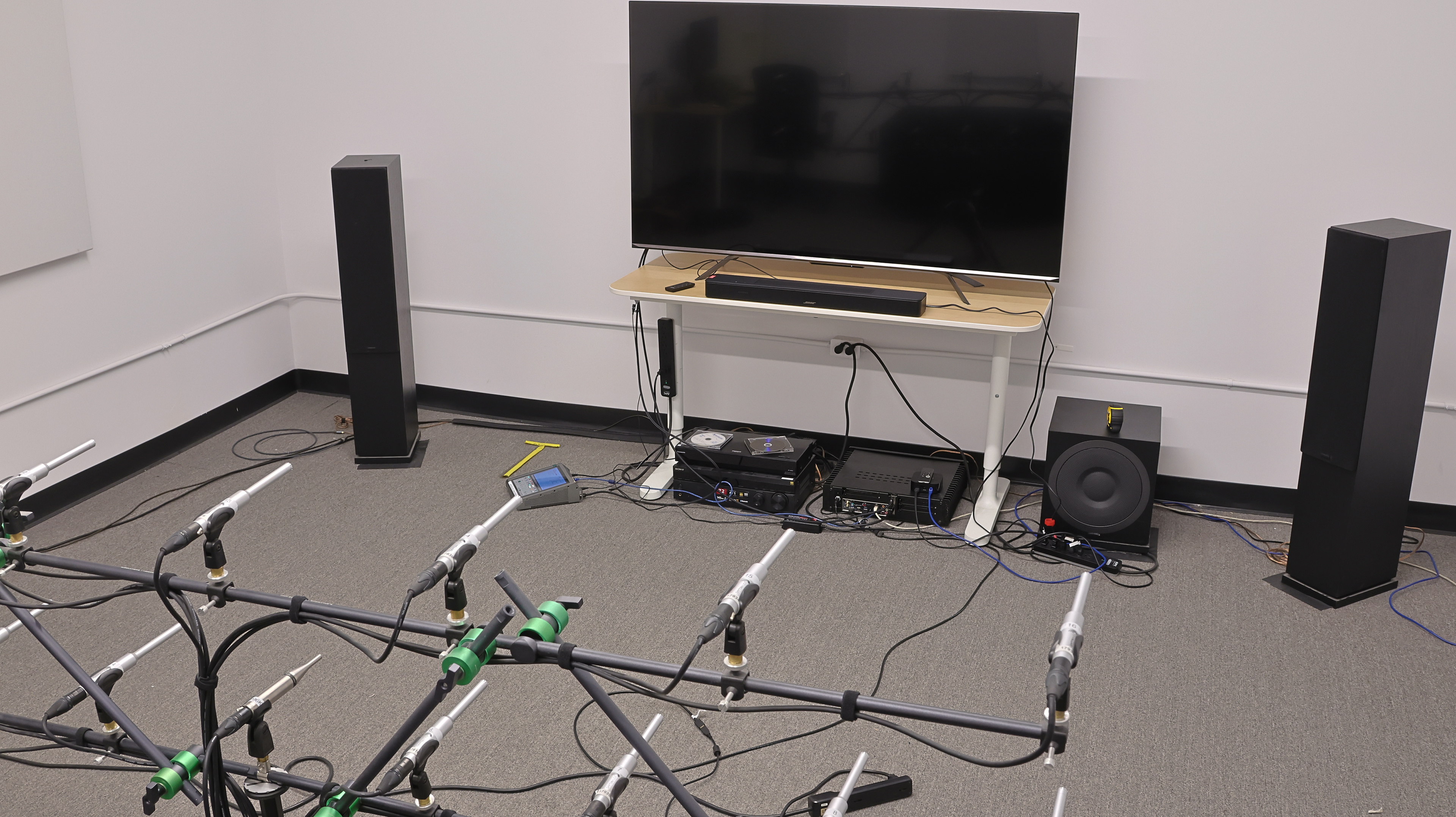
for pictures & test results
for pictures & test results
for pictures & test results

for videos & test results