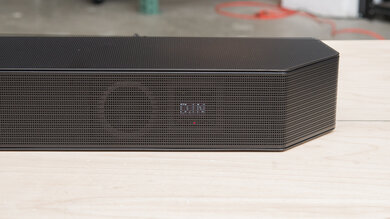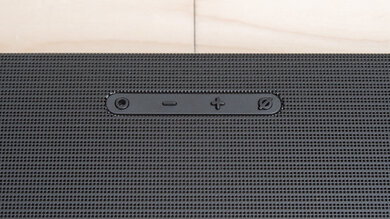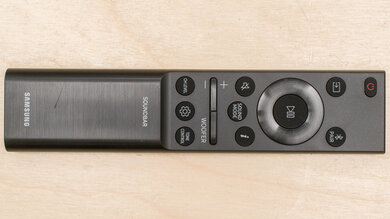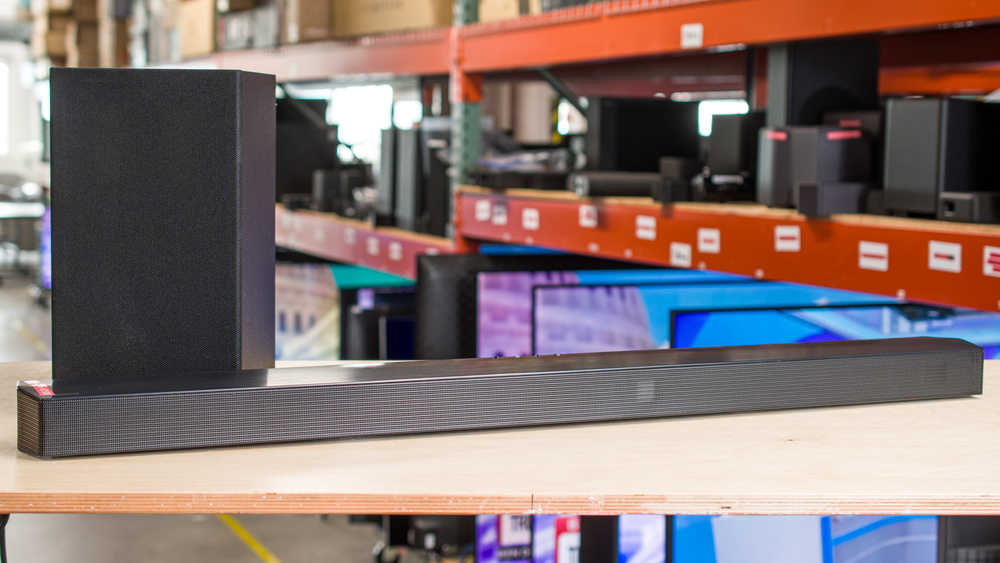
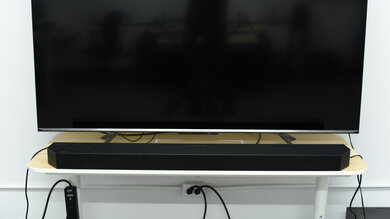
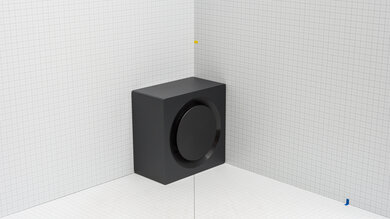
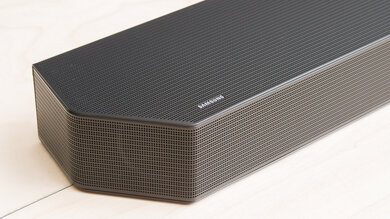
The Samsung HW-B750F is a 2025 soundbar with an outboard subwoofer. This 5.1 configuration includes side-firing drivers meant to extend the soundstage and create a more immersive experience despite lacking rear speakers. For the app-averse, the bar's remote handles all of the commands, so you can use it off-the-grid without missing out on features. That said, the previous year's Samsung HW-B750D meets the same brief with extremely similar specs.
Our Verdict
The Samsung HW-B750F is good for mixed usage. It boasts a wide stereo soundstage due to the side-firing drivers on the bar, with defined focus even at the far edges, alongside balanced stereo and center frequency responses. You can make a lot of changes to the tuning with a selection of tools like Sound Modes, bass and treble, and a graphic EQ (in 'Standard' mode), just to name a few. On the other hand, it's limited when it comes to 3D audio, lacking up-firing drivers, and more generally, audio formats are restricted to Dolby Digital, DTS, PCM, or, if wireless, Bluetooth. Without the aid of a companion app, you'll need to use the remote for everything, which is a matter of preference, but it makes updates more arduous, though you won't be hampered by automatic updates. While the soundbar does an alright 5.1 surround sound, it doesn't have satellites.
Great dynamics.
Balanced stereo frequency response with a spacious soundstage.
Plenty of sound enhancement features.
No room correction.
Limited audio format support.
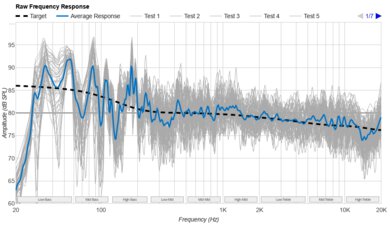
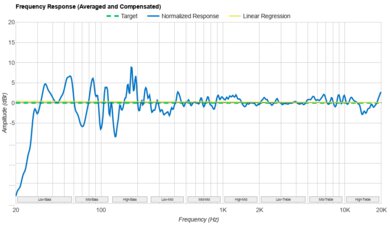
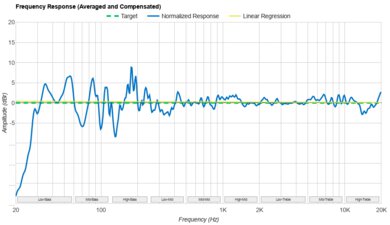
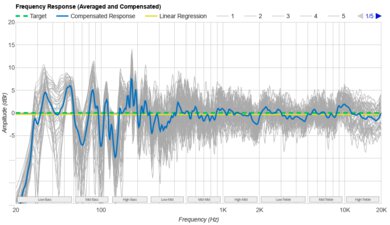
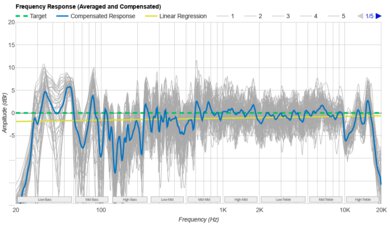
The Samsung HW-B750F is very good for TV and dialogue-centric content. It has a great stereo frequency response with a solid low-end punch, balanced mids, and bright treble. Meanwhile, the center channel is tuned similarly, resulting in concise dialogue. Plus, you can play around with the suite of sound features like 'Voice Enhance,' 'Tone Control' (for bass and treble), or graphic EQ in 'Standard' mode to make further adjustments, though there's no room correction. That said, for modern series that use object-based audio formats, there's an absence of support for audio formats outside of DTS and Dolby Digital. If you like to stream using wireless formats, it only supports Bluetooth.
Great dynamics.
Balanced stereo frequency response with a spacious soundstage.
Plenty of sound enhancement features.
No room correction.
Limited audio format support.
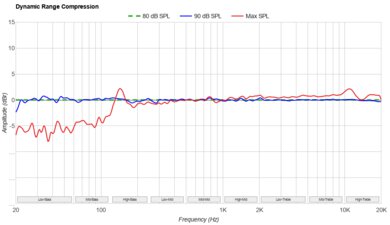
The Samsung HW-B750F is very good for music. It's tuned well out of the box with a punchy bass, a balanced mid-range, and clear, sparkly top-end. Thanks to its side-firing drivers, the stereo soundstage is wide without sounding artificial, and instruments retain good focus. Even at max volume, it scarcely compresses, so your music retains its dynamics. That said, if you like to blast your music or have a spacious room, it's not the loudest soundbar on the market, but it's more than enough for most folks. In 'Standard' mode, there's an EQ you can use to make adjustments to the sound, or adjust the bass and treble with 'Tone Control' in other modes. On the downside, the soundbar's sole wireless connection is Bluetooth 4.2, so you can't stream lossless audio over Wi-Fi.
Great dynamics.
Balanced stereo frequency response with a spacious soundstage.
Plenty of sound enhancement features.
No room correction.
Limited audio format support.
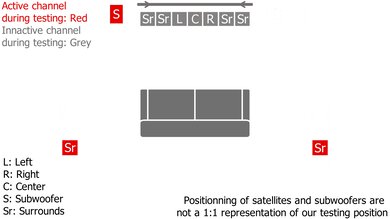
The Samsung HW-B750F is satisfactory for watching movies. It has limitations that can deter you if you mainly watch the latest action superhero flicks that take advantage of audio formats like Dolby Atmos, as the bar downmixes the format to Dolby Digital 5.1. It also lacks the up-firing speakers for Atmos and DTS:X. While the side-firing drivers that bookend the bar convincingly extend the soundstage, they're not a perfect substitute for discrete satellites when it comes to surround sound. That aside, considering Dolby Digital and DTS were the industry standards for many years, older movies that use these standards sound great with low latency, and the kit has a balanced stereo and center frequency response out of the box, though there's no room correction.
Great dynamics.
Balanced stereo frequency response with a spacious soundstage.
Plenty of sound enhancement features.
No room correction.
Limited audio format support.
Lack of rear speakers limits the surround sound effect.
Changelog
-
Updated May 14, 2026:
We mentioned the Sony BRAVIA Theater Bar 5 in the Audio Format Support: ARC/eARC section of this review.
-
Updated Feb 11, 2026:
We've updated the Sound Enhancement Features box to mention the JBL Bar 500MK2.
-
Updated Oct 06, 2025:
The Height (Atmos) box was revised to mention the Samsung HW-Q600F.
- Updated Aug 28, 2025: Review published.
Check Price
Differences Between Sizes And Variants
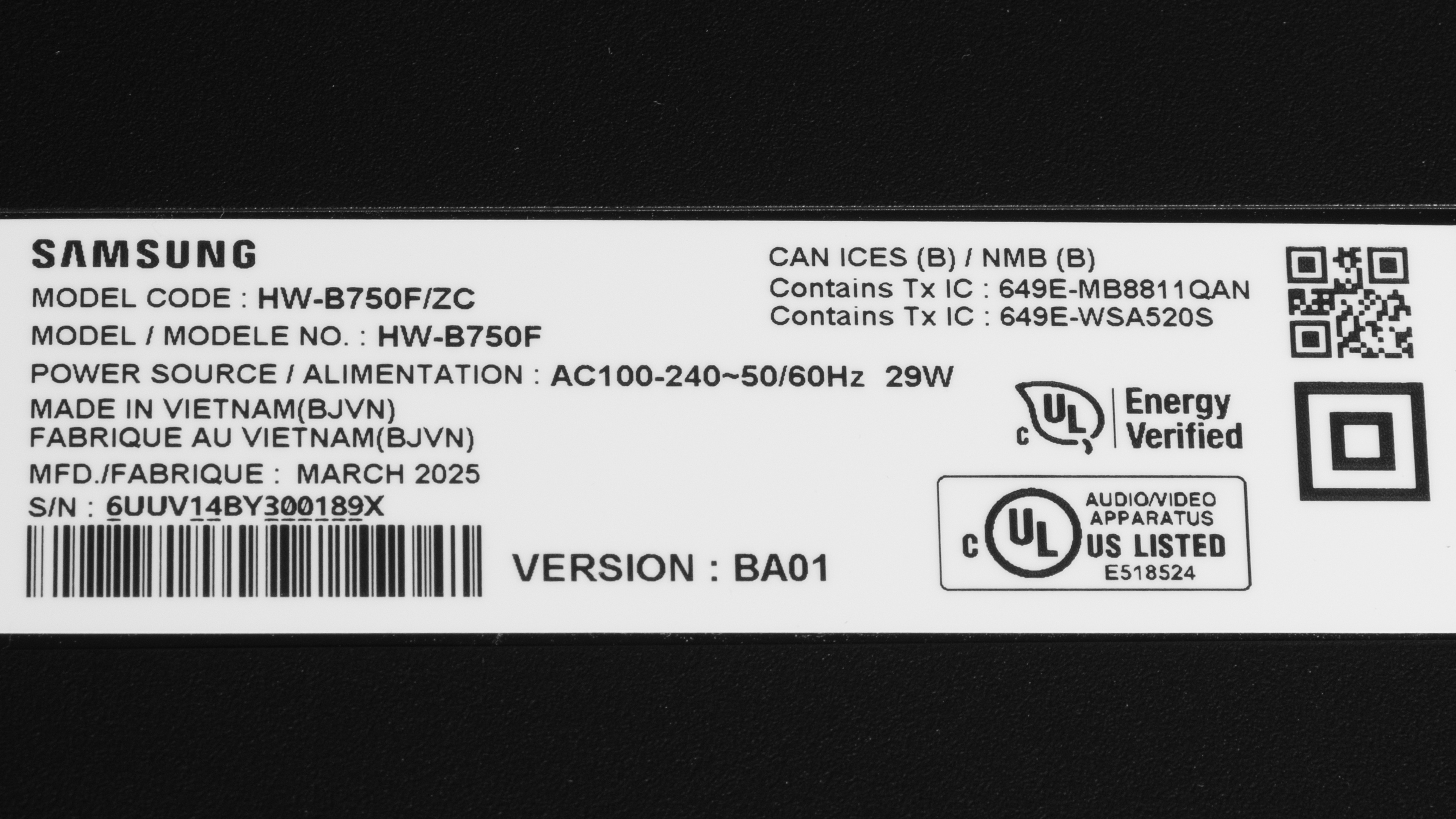
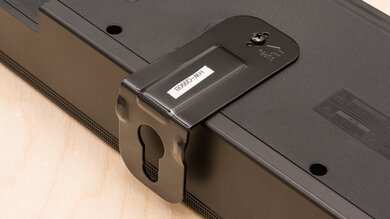
The Samsung HW-B750F only comes in 'Black,' and it's also known as the Samsung HW-B750F/ZC. You can see the label for our unit here.
If you come across another variant of this soundbar, let us know in the comments, and we'll add it to the review.
Popular Soundbar Comparisons
The Samsung HW-B750F is a somewhat cost-conscious soundbar that focuses on sound performance without the frills of software and up-firing drivers, much like the 2024 Samsung HW-B750D. You'd be hard-pressed to locate meaningful differences between these soundbars besides a slight tuning change, which you can coax to sound fairly similar with EQ. Upgrading to the Samsung Q-Series unlocks app support and improved wireless connectivity. Even if you nab a soundbar from a previous year on a discount, like the Samsung HW-Q800B, it may prove worth it for Atmos and the far more extensive audio format support.
If the appeal of the HW-B750F is freedom from software and forced updates, Hisense manufactures soundbars worth looking into, such as the Hisense HS5100 and the Hisense AX5125H. These app-less Hisense models offer broader audio format support than the HW-B750F, but they also take up more space due to their satellite speakers. Since most products in the HW-B750F's bracket have trade-offs, it's worth considering your viewing and listening habits and whether other features like Atmos compatibility take precedence over great stereo sound in an unimposing form factor.
Check out the best soundbars under $500, the best budget soundbars, and the best soundbars with a subwoofer.
The Samsung HW-B750F and Samsung HW-B750D are extremely similar 5.1 kits with side-firing drivers on the ends of the bar with outboard subwoofers, but no satellites. They share most of the same aesthetics and features, with the main point of differentiation being that the HW-B750F is tuned a little brighter out of the box with a bit more punch, while the HW-750D has a tamer treble response. However, EQ and Tone Control available on both offer you tools to change the sound to your tastes.
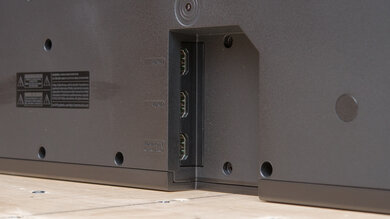
The Samsung HW-B750F and the Sony BRAVIA Theater Bar 5 are both straightforward soundbar-and-subwoofer setups, but they have different strengths. The Samsung's side-firing drivers mean it delivers a more immersive sense of space, and can reproduce 5.1 audio without downmixing it to stereo, unlike the Sony. The Samsung also offers slightly deeper, better-controlled bass and comes with more sound customization options, including bass and treble controls, sound modes, and a 7-band EQ. It also has an HDMI In port, though its video passthrough and audio format support are limited compared to more premium bars. The Sony's main advantage lies in its broad format compatibility via ARC. The Sony supports Dolby Digital and Dolby Atmos, along with DTS and DTS:X, while the Samsung only supports Dolby Digital and DTS playback via eARC.
The Samsung HW-B750F is a better soundbar than the Samsung HW-B650. While these are similar soundbars in many respects, including their stereo tuning and design, the HW-B750F has the added benefit of a 5.1 configuration, so surround sound isn't converted to stereo. Because the HW-B750F also has side-firing drivers, it has a wider stereo soundstage, too. Still, the 3.1 HW-B650 has a higher max output volume and retains dynamics well. And, for TV and stereo music, these bars might be similar enough that you can comfortably make the compromise for the lower price. They otherwise share many of the same sound enhancements and limited audio format support.
The Hisense AX5125H is more versatile than the Samsung HW-B750F thanks to its extensive audio format support that includes Dolby Atmos and DTS:X, and more. The Hisense TV also has satellites, so surround sound audio is more immersive from all around. That said, the Samsung gets louder, has a wider stereo soundstage, and offers greater flexibility for sound adjustments. If you mainly listen to stereo music and older movies mastered in DTS or Dolby Digital, it's a solid choice with a very balanced sound that's a bit brighter, but it lacks the immense audio format support of the Hisense.
Test Results
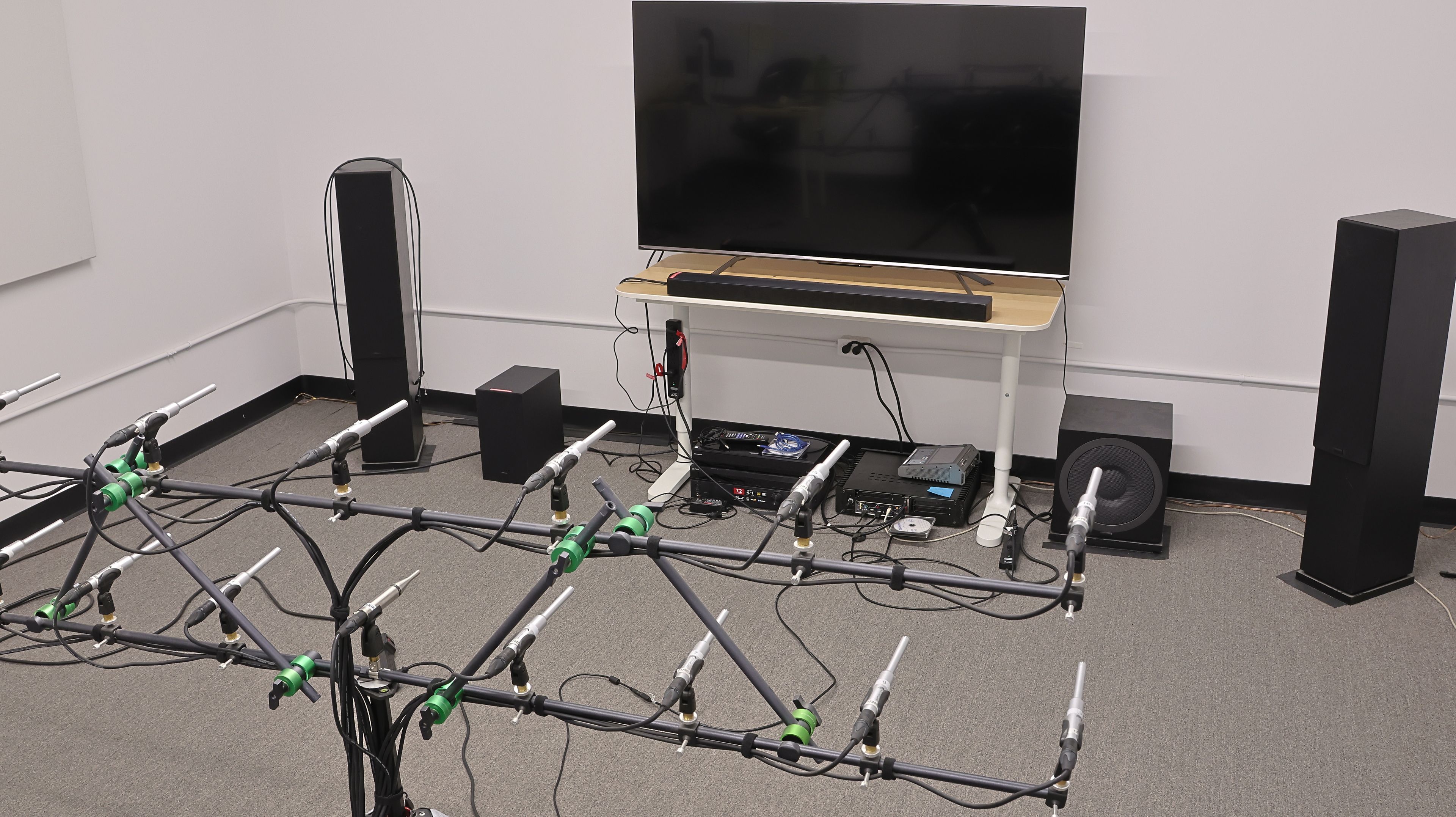
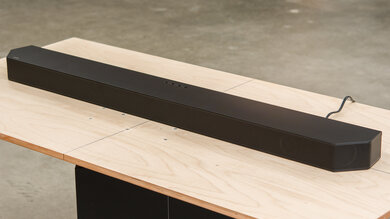
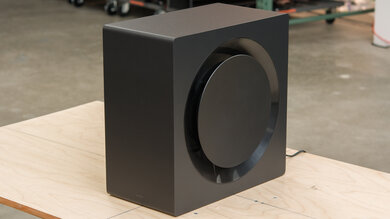
for pictures & test results
for pictures & test results
for pictures & test results
for videos & test results

for videos & test results