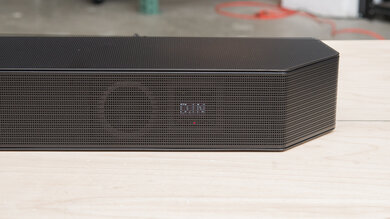
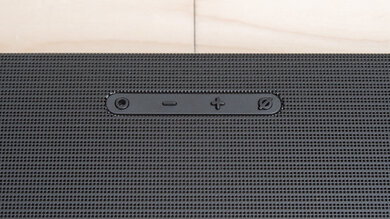
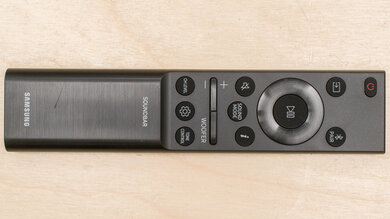
The Samsung HW-Q910D is a 2024 mid-range 9.1.2 soundbar offering from Samsung that offers an array of familiar features: Dolby Atmos compatibility, a HDMI 2.1 In port and the ability to passthrough a 4k signal at 120Hz. It's a (mostly) wire-free design, with a wireless sub, though the two satellites need to be wired to a receiver in order to work. Positioned just below the flagship Samsung HW-Q990D, it brings many of the more premium bar's features to the table at a competitive price point.
Our Verdict
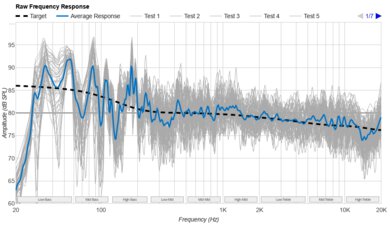
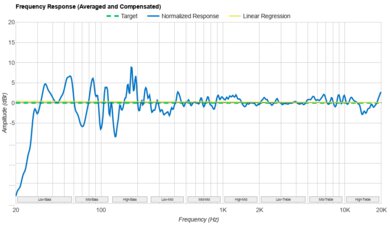
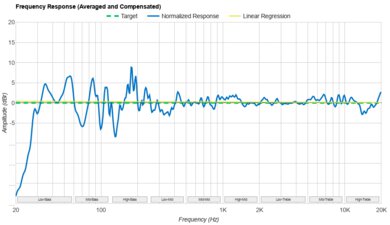
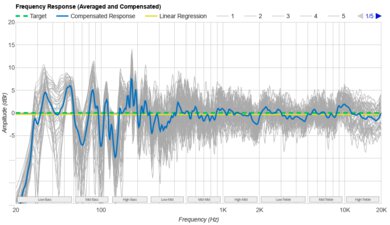
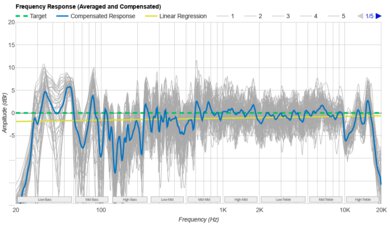
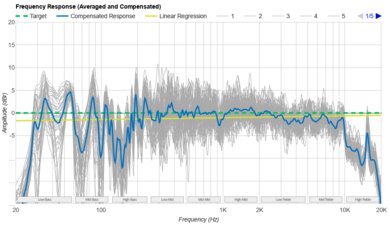
The Samsung HW-Q910D is impressive for mixed usage. It's 9.1.2 configuration, with rear speakers and a discrete sub makes it a real all-rounder: with a balanced frequency response that can be tweaked via sound modes and a 7-band EQ. There's plenty of punchy bass on tap, as well as a balanced mid-range and smooth treble response that can help both music and movie audio shine. The two satellite speakers create an immersive 5.1 surround experience that can envelope you with sound, but it falls short of more premium bars' ability to convey verticality with Atmos content. The focused, detailed center channel is great at rendering dialogue and vocal-centric content in an articulate and intelligible way, aided by dialogue enhancement features like the Active Voice Amplifier.
Compatible with most audio formats, including Dolby Atmos and DTS:X.
SpaceFit Sound Pro room correction tool.
Full HDMI 2.1 In port.
Discrete center channel with great focus.
Only supports 4k @ 120Hz @ passthrough up to 8-bit.
Atmos height performance isn't up to par with more premium models.
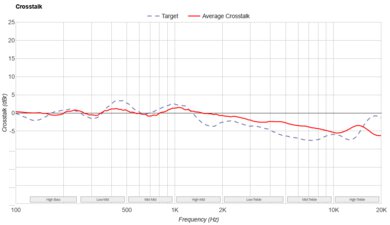
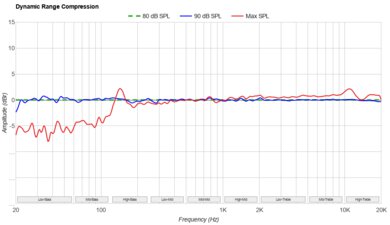
The Samsung HW-Q910D excels when it comes to TV shows and dialogue-driven content. Its even frequency response balances a controlled bass range with a detailed mid-range and articulate highs, with limited spillover between frequency bands. The discrete center channel renders conversations in a precise and focused way, meaning rapid-fire conversations are easy to follow and can be pinpointed within the stereo field. You can further enhance dialogue using features like Active Voice Amplifier, too. Even when you crank the volume up to near max, the detail is preserved, and there's minimal compression present that can reduce the clarity of dialogue.
Compatible with most audio formats, including Dolby Atmos and DTS:X.
SpaceFit Sound Pro room correction tool.
Discrete center channel with great focus.
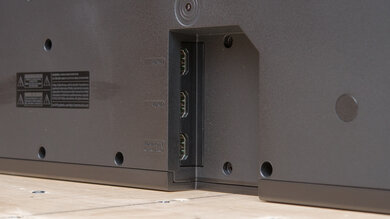
Satellite speakers still need to be wired to a receiver.
The Samsung HW-Q910D is a great choice for music. The dedicated sub makes for a tight, punchy low-end that doesn't overwhelm the very balanced mid-range, meaning delicate vocals won't be overwhelmed by big kicks and sub-bass frequencies. The stereo soundstage is wide too, extending to the bar's extremities, which can make for an enveloping experience when listening to live orchestral performances, for example. The dynamics performance is also a step up from previous iterations, reaching the same (loud) max volume as the Samsung HW-Q910B, while reducing compression and better preserving the dynamics of the original mix.
Compatible with most audio formats, including Dolby Atmos and DTS:X.
SpaceFit Sound Pro room correction tool.
Satellite speakers still need to be wired to a receiver.
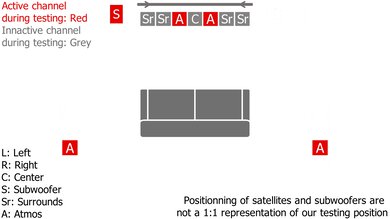
The Samsung HW-Q910D is an impressive soundbar for watching movies. It's compatible with the whole gamut of audio formats, from Dolby Digital and DTS to object-based formats like Dolby Atmos and DTS:X. Its 9.1.2 configuration with two satellites, a wireless sub, and a discrete center channel mean it's well-equipped for surround sound and Atmos content. Consequently, it's capable of creating an immersive listening experience that extends both vertically and horizontally. While the subwoofer isn't especially boomy, it outputs a tight bass that still adds intensity to rumbles and explosions. The balanced mid-range and dedicated center channel ensure dialogue stays prominent in the mix so that you can follow along with the plot. This bar can get plenty loud with minimal compression as well, ensuring consistent audio reproduction even within a large home cinema environment.
Compatible with most audio formats, including Dolby Atmos and DTS:X.
SpaceFit Sound Pro room correction tool.
Discrete center channel with great focus.
Atmos height performance isn't up to par with more premium models.
Check Price
Differences Between Sizes And Variants
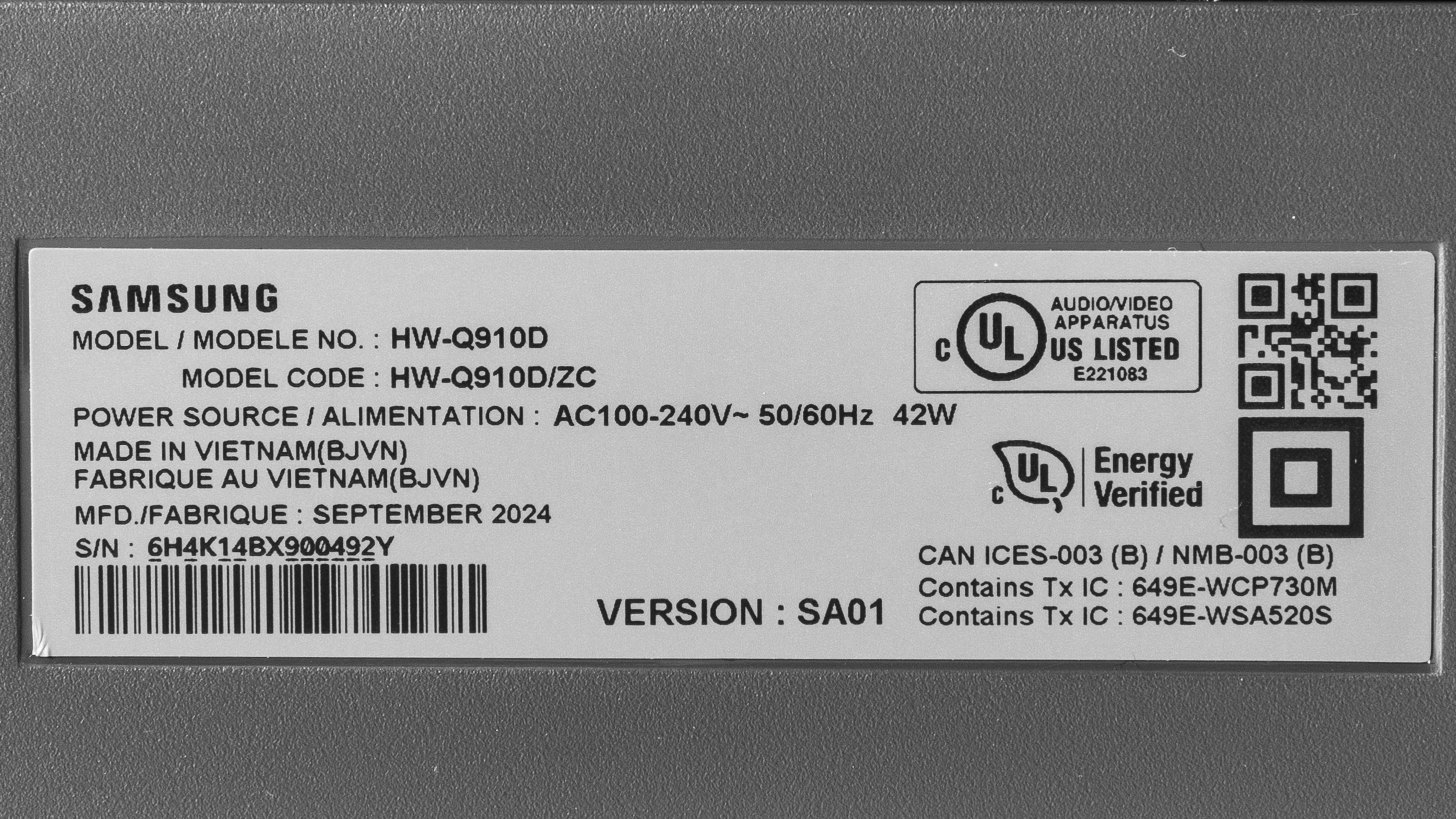
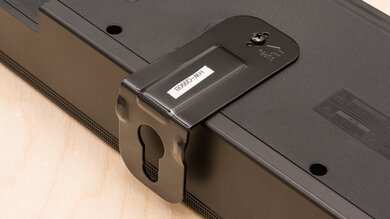
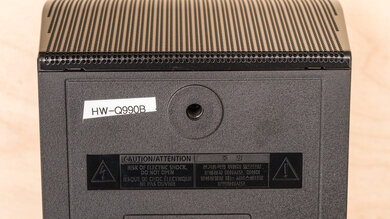
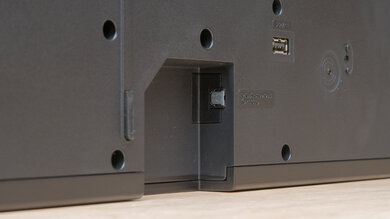
The Samsung HW-Q910D is the next generation of the Samsung HW-Q910C. It's available in just one color: 'Black', and here's a picture of its label.
If you encounter any other variants of this soundbar, please let us know in the comments, and we'll update our review.
Popular Soundbar Comparisons
The Samsung HW-Q910D is a mid-range 9.1.2 soundbar with a few premium features that help it stand out in a crowded price range. As is often the norm with Samsung, there have been incremental improvements from the Samsung HW-Q910B from two generations prior. The 2024 Samsung HW-Q910D adds Chromecast support, as well as FreeSync and G-SYNC passthrough, for those who want to use the bar as a hub between their PC and TV. Performance-wise, the two are very similar, though the newer model can get a little louder with less compression at max volume. If you're looking to splash on the flagship model, the Samsung HW-Q990F offers a smaller, redesigned subwoofer, as well as four up-firing drivers for a more immersive Atmos experience. Finally, looking outside of the Samsung ecosystem, the LG S90TR offers a 7.1.3 channel configuration with 4k passthrough @ 120Hz. Its center channel performance isn't as strong as the Samsung Q910D, though, and its up-firing drivers don't create a particularly convincing impression of height in Atmos content. Otherwise, there's not much to split these two bars, beyond integration with their respective product ecosystems.
See also our recommendations for the best soundbars for movies, the best Samsung soundbars, and the best Dolby Atmos soundbars.
The Samsung HW-Q930D and the Samsung HW-Q910D are very similar soundbars, and choosing between them might come down to very small deciding factors. The Q930D is slightly better-built and features fully wireless satellites, while the Q910D requires the satellites to be wired to a receiver. The Q930D also features two more up-firing drivers that help create a more immersive vertical plane in Atmos content, compared to the Q910D. Though the two are neck-and-neck in our other sound tests, the Q910D has a more balanced frequency response out-of-the box. It also supports 4k passthrough at 120Hz, which is great if you plan on using the bar as a hub between your console and display.
The Samsung HW-Q910D is an incremental upgrade on the Samsung HW-Q910B. Despite there being a generation between them, the differences in both features and performance between these two bars are quite small. Both have balanced default frequency responses, with plenty of scope for sound enhancement. The Q910D offers an improved dynamics performance and a better center channel focus, though the older model's up-firing drivers create a slightly better perception of height in Atmos content. Otherwise, the Q910D comes with Chromecast support, and it supports FreeSync and G-SYNC passthrough, which will suit gamers. If you're okay with foregoing any of these improvements, the older model will likely be available for a marked-down price.
The Samsung HW-910D and the LG S95TR are similar soundbars with little to separate them. Both feature a wireless subwoofer and satellites, though the Samsung requires you to wire the satellites to a receiver. They have similarly balanced default frequency responses, with plenty of scope for adjustment, though the Samsung comes out on top when it comes to its surrounds and center channel performance. The LG features three more up-firing drivers than the Samsung, but both offer a comparable Atmos (height) performance that falls short of the most premium bars. Both bars support 4k passthrough via their HDMI In ports, but the Samsung offers compatibility with HDR10+ and FreeSync passthrough. All in all, both soundbars offer compelling features, but the Samsung offers slightly more bang for your buck, unless you value a fully wireless design.
The Samsung HW-Q990D is Samsung's 2024 flagship soundbar, and it outperforms the mid-range Samsung HW-Q910D in a few regards. Its 11.1.4 configuration gives it a few more height and surround channels compared to its mid-range cousin, resulting in a more immersive Atmos (height) performance. The Q990D is better-built and also supports 4k passthrough @ 120hz 10-bit. The two bars have a very similar default frequency response otherwise, with similar sound enhancement options and the ability to pair compatible Samsung TVs via Q-Symphony. It'll be up to you to decide if these flagship features warrant an additional outlay.
Test Results
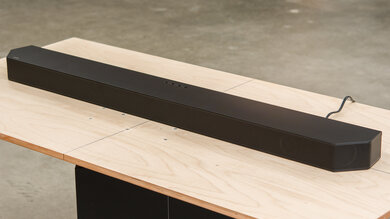
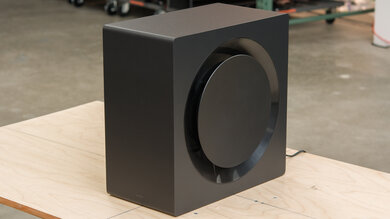
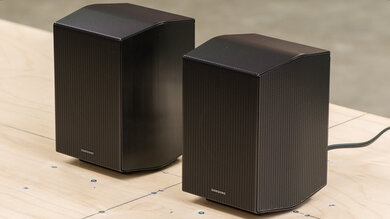
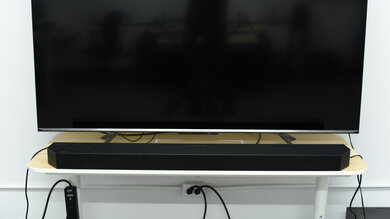
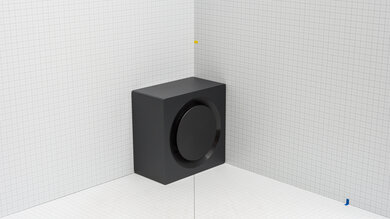
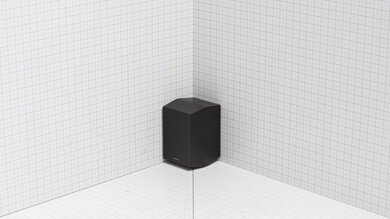
for pictures & test results
for videos & test results

for videos & test results