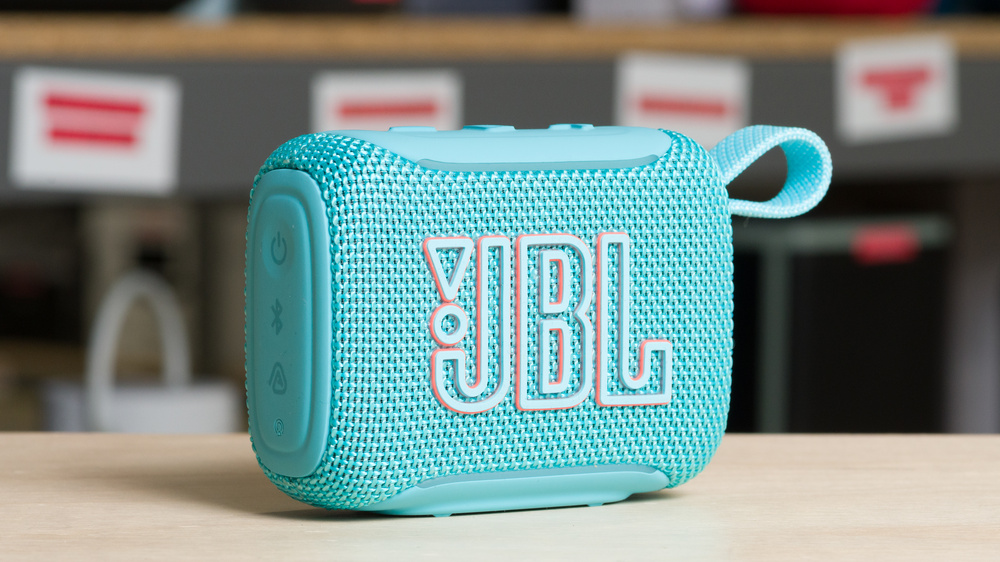
The JBL Go 5 is the successor to the JBL Go 4, bringing incremental, quality-of-life upgrades to the popular palm-sized speaker. While the supremely portable design and bright color variants remain unchanged, this iteration introduces LC3 codec support, an improved IP68 rating, and AirTouch pairing for easy stereo linking between two Go 5 speakers.
Our Verdict
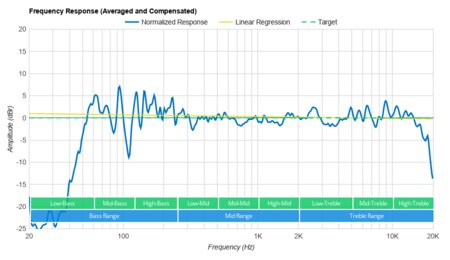
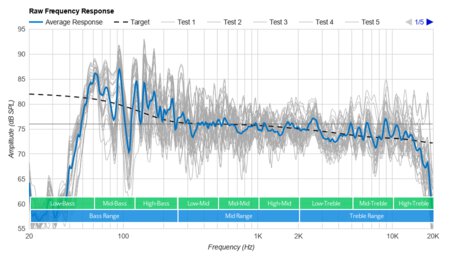
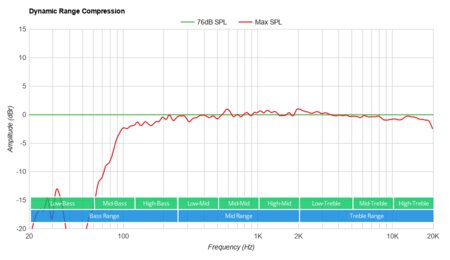
The JBL Go 5 is disappointing for music. Its compact design is a limiting factor for bass output, so there's not much low or mid bass, which can limit the impact of thudding kick drums. Still, the mid and treble ranges are reproduced quite accurately, meaning vocals and lead instruments sound detailed. There's also a 7-band EQ available in the app for fine-tweaking. The speaker downmixes stereo content to mono, though, and its front-facing design means audio doesn't sound consistent across all listening angles. It can get reasonably loud considering its diminutive size, so it's capable of filling your bedroom with sound, without much compression.
7-band graphic EQ and presets.
Downmixes stereo content to mono.
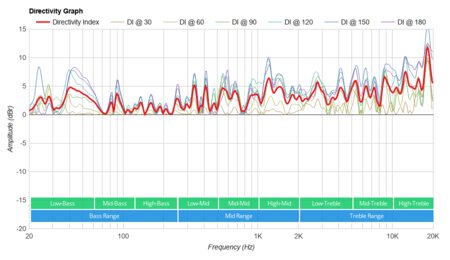
Mediocre directivity.
Doesn't get particularly loud.
The JBL Go 5 is disappointing for videos and movies. It'll do in a pinch if you want to add some extra atmosphere while spontaneously streaming sports on your phone, and its low-latency performance with iOS devices should limit AV desync. Latency is a little higher with Android devices, though this tends to vary between different devices and apps. That said, its inability to reproduce bass frequencies and mediocre directivity mean it's not a natural fit for movie nights. It'll also downmix stereo content to mono, which can limit the impact of panning audio in action-packed sequences.
Low latency with iOS devices.
Downmixes stereo content to mono.
Mediocre directivity.
Doesn't get particularly loud.
The JBL Go 5 is decent for podcasts. It can reproduce mid-range frequencies accurately, so your favorite podcast hosts' voices sound natural and lifelike. It gets reasonably loud for its size, too, and can fill a bedroom with sound at top volume. While its highly portable design makes it easy to clip on to a backpack or belt loop, its front-facing design limits directivity. So if you walk behind it during kitchen errands, you'll notice some roll-off in the treble range.
7-band graphic EQ and presets.
IP68 rating for water submersion and dust protection.
Mediocre directivity.
Doesn't get particularly loud.
The JBL Go 5 doesn't have any voice assistant capabilities.
The JBL Go 5 is satisfactory for outdoor use. Its rugged build quality and IP68 rating mean you can take it on hikes and beach excursions without babying it, and you can even submerge it in water if the urge strikes you. Its highly portable design means it can be carried around in a pocket or attached via a carabiner to a hiking pack. With nine hours of continuous battery life, it'll keep the tunes going throughout a day of hiking, and you can always turn on PlayTime Boost to eek out an extra hour or two. While it can get reasonably loud for its size, it won't do for larger outdoor gatherings, and its front-facing design means audio reproduction isn't even across all listening angles.
IP68 rating for water submersion and dust protection.
Nine hours of continuous battery life.
Mediocre directivity.
Doesn't get particularly loud.
Changelog
-
Updated Jul 29, 2026:
We've updated this review's text to reflect the new Test Bench 1.0.1 results.
- Updated Jul 28, 2026: This review has been updated to Test Bench 1.0.1. This includes the Test Bench 1.0 updates to all of our Sound tests: Frequency Response Accuracy, Raw Frequency Response, Directivity, and Loudness, as well as the revised Low-Frequency Extension calculation and related DRC updates introduced in Test Bench 1.0.1. There have also been text changes throughout the review, including to the usages and product comparisons, where applicable, to match these results. You can read more about these changes in our Test Bench 1.0 changelog and Test Bench 1.0.1 changelog.
- Updated Jul 21, 2026: Review published.
- Updated Jul 15, 2026: Early access published.
Check Price
Differences Between Sizes And Variants
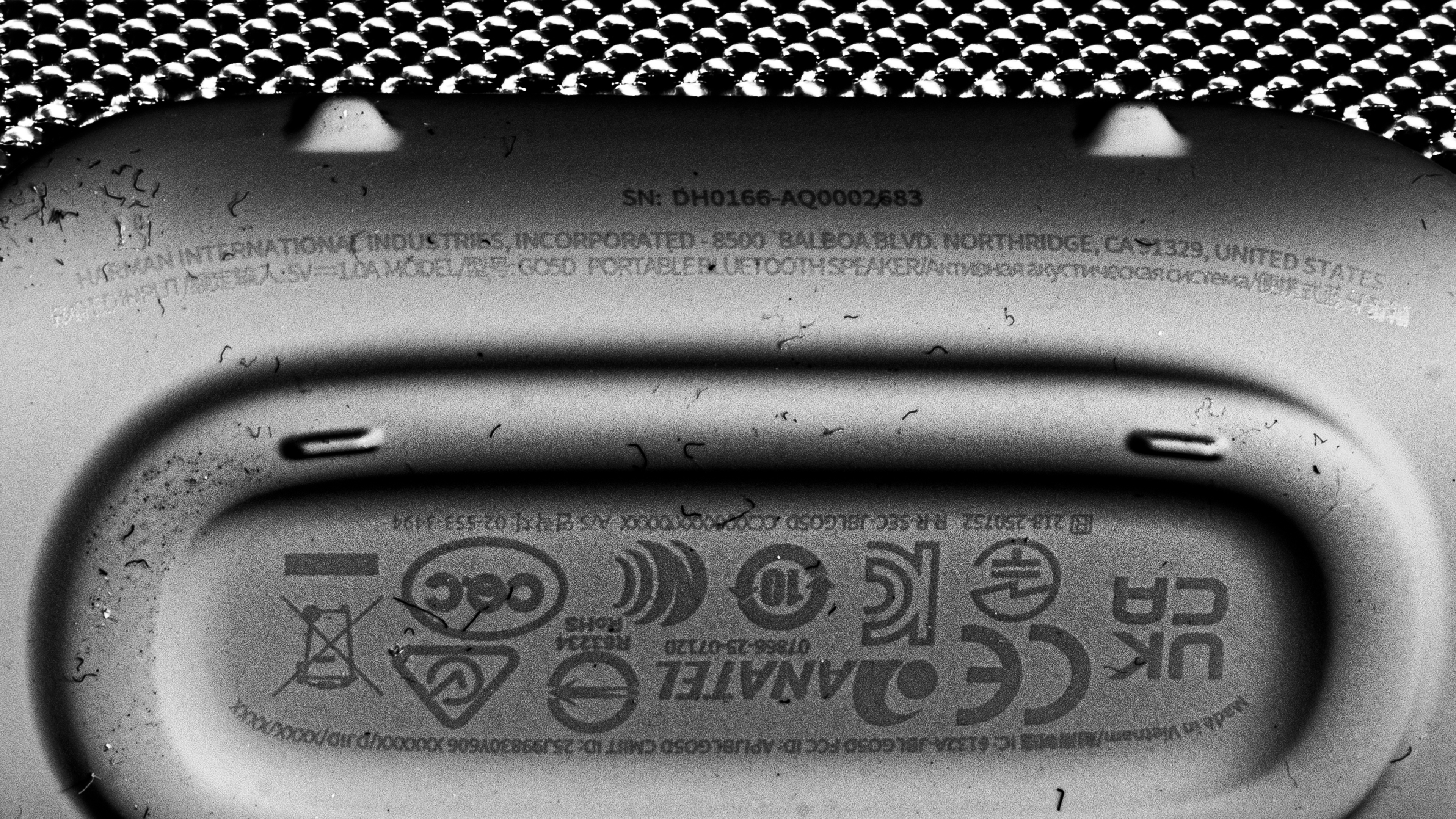
The JBL Go 5 comes in numerous color variants, including 'Squad' (Camo), 'White,' 'Turquoise,' 'Purple,' 'Yellow,' 'Blue,' 'Red,' 'Black,' 'Pink,' and 'Orange.' We tested the 'Turquoise' variant and took a picture of its label. We expect all color variants to perform similarly. If you encounter another variant of this speaker, please let us know in the comments, and we'll update our review.
Popular Speaker Comparisons
The JBL Go 5 is the next generation of the JBL Go 4. While there's rarely much in the way of design changes between generations, with the manufacturer sticking to the palm-sized blueprint, this new model introduces a few notable new features and spec upgrades. The ingress protection has been bumped up to IP68, and the new version adds LC3 codec support and easy stereo pairing with another JBL Go 5 speaker via AirTouch. There's also support for wired playback via USB-C. Still, performance is largely unchanged between generations, so if you need a bit more volume on tap, it's worth checking out the slightly larger JBL Charge 6. If directivity is a concern and you want a speaker with a 360-degree design for a more consistent sound across listening angles, it's worth looking at the Ultimate Ears WONDERBOOM 4 instead. The Ultimate Ears also outputs slightly more bass, though it lacks a companion app for further customization.
For other options, check out the best portable Bluetooth speakers and the best waterproof Bluetooth speakers for your outdoor adventures. Consider the best Bluetooth speakers under $100 to get the most for your cash.
The JBL Clip 5 and the JBL Go 5 are two of JBL's most portable speakers. As the name implies, the Clip 5 features an integrated carabiner for easy fastening to bags and keychains, while the Go 5 has a slightly less practical carrying strap. While both can easily be stowed in a pocket or tote bag, they have different trade-offs in terms of performance. The Go 5 has a better build quality and a higher IP68 rating against water and dust damage. It also has a slightly longer battery life, making it a solid choice for outdoor excursions. The Clip 5 has better directivity, though, making for a more consistent listening experience across different angles, as well as a more controlled treble range reproduction.
The JBL Go 5 is the next generation of the JBL Go 4. While the design is mostly unchanged between generations, the newer version introduces some quality-of-life upgrades. The IP rating has been bumped up to IP68 for full water submersion, and LC3 codec support has been added, along with Bluetooth 6.0 compatibility. Given that neither speaker can playback stereo audio without downmixing to mono, the new AirTouch feature (which stereo pairs two JBL Go 5 speakers if you touch them together) can be useful, and there's now support for wired USB-C playback, too. Still, performance is largely unchanged between the two generations, as they have similar frequency responses and peak volumes. The newer generation does have a slightly longer battery life, though, clocking in at 9 hours, compared to the last gen's 6.9 hours.
The Anker Soundcore Select 4 Go and the JBL Go 5 are highly portable speakers with similar strengths. Both can fit in the palm of your hand or be easily stowed in a tote bag or pocket. Both have front-facing designs that limit their directivity and can get similarly loud. However, there are some small differences that set them apart. The JBL has a sturdier build quality, with a higher IP68 rating for full water submersion, and allows for easy stereo pairing with another Go 5 speaker via the AirTouch feature. That said, the Anker has a slightly longer battery life, making it a better choice for all-day excursions.
The JBL Go 5 and the Ultimate Ears WONDERBOOM 4 approach portable playback in different ways, giving them different strengths, though the Ultimate Ears will still be better for most use cases. The Ultimate Ears features a 360-degree design that greatly improves its directivity and provides a more even listening experience across different angles compared to the JBL. It also has a longer battery life, can get a bit louder at top volume, and can output more bass-range frequencies. Still, the JBL remains the more portable option as it's smaller and lighter. Plus, it features a companion app that lets you adjust the lighting and dial in the sound via a graphic EQ.
Test Results
for pictures & test results
for pictures & test results

for pictures & test results