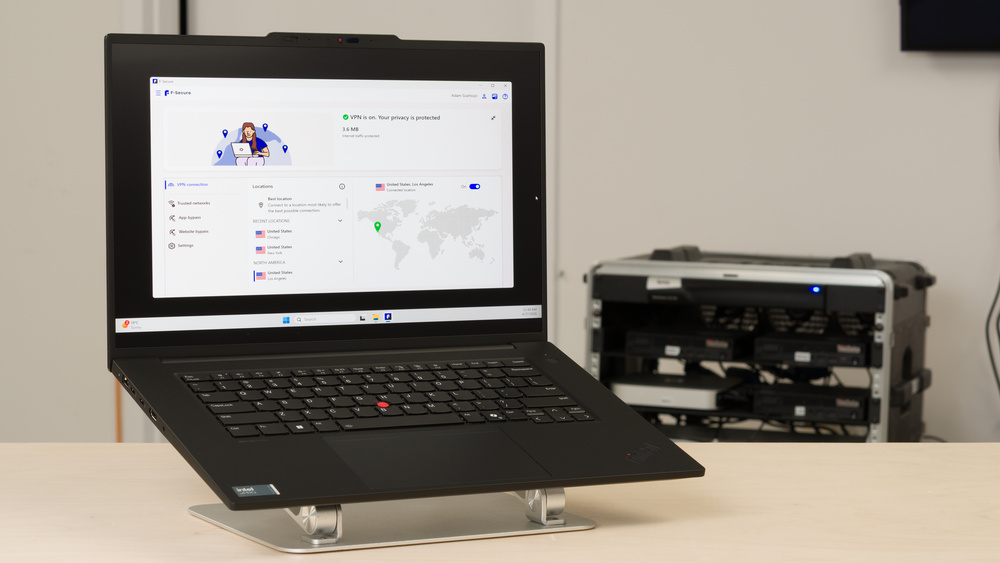
F-Secure VPN (formerly known as F-Secure Freedome) is a virtual private network service developed by F-Secure, a Finnish cybersecurity company founded in 1988. It functions as a straightforward, no-frills VPN service designed for ease of use and offers native applications for Windows, macOS, Android, and iOS. F-Secure supports the proprietary Hydra protocol alongside WireGuard and OpenVPN, with subscription models tiered according to the length of your subscription period and the number of devices you wish to protect (up to 25).
Our Verdict
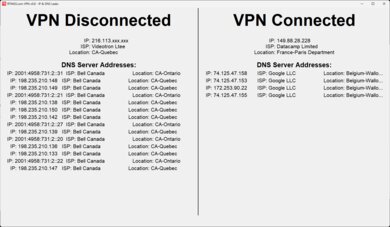
F-Secure VPN technically supports P2P traffic, but its utility is limited by regional restrictions. While the VPN has good IP and DNS leak protection along with a kill switch to keep your data safely encrypted, F-Secure warns that many of their servers don't support torrenting in compliance with DMCA legislation. This means you might need to connect to international servers for torrenting, depending on your location. You're also required to provide some identifying information to register, namely a personal email and password, and anonymous payment methods like crypto aren't accepted. This renders F-Secure less suitable for privacy-conscious users looking to torrent.
Doesn't leak your IP address or DNS queries.
Functional kill switch.
No limit on data usage.
Fast upload and download speeds.
No anonymous payment or registration options.
TLS interruption risk leaves you potentially vulnerable to man-in-the-middle attacks.
F-Secure VPN is acceptable for private browsing. It effectively encrypts your IP address and DNS queries within its tunnel, and it features a robust kill switch that blocks unencrypted data from leaving your device in the event of a sudden disconnect. The VPN lacks proper TLS and BGP implementation, which could leave your traffic vulnerable to interception on certain domains. The company has no record of independent privacy or security audits, and their terms of use outline the collection of device identifiers and analytics for marketing and distribution to undisclosed parties. F-Secure doesn't offer anonymous registration or privacy-preserving payment options, so you'll need to provide an email, password, and credit/debit card details in order to access the service.
Doesn't leak your IP address or DNS queries.
Functional kill switch.
No anonymous payment or registration options.
Collects, shares and analyzes user data and device information.
No transparency reports or policy audits.
TLS interruption risk leaves you potentially vulnerable to man-in-the-middle attacks.
F-Secure VPN has poor policies and business practices. While the company doesn't have any security incident history and maintains a useful knowledge base for their suite of products, the company's privacy policy is highly invasive and permits the logging of device information, feature usage, and analytics for ill-defined marketing purposes. They also reserve the right to change their policies without direct notification, and their VPN software's default use of a closed-source protocol (Hydra) hinders the independent evaluation of its data-handling practices.
Collects, shares and analyzes user data and device information.
No transparency reports or policy audits.
F-Secure VPN has good security. It successfully keeps your IP address and DNS requests encrypted within its tunnel, preventing third parties from monitoring your online activity. It also features a robust kill switch that effectively halts all network traffic to prevent leaks in the event of a system reboot, internet dropout, or software crash. However, it exhibits a Transport Layer Security (TLS) interruption risk when visiting select domains like Google, and it's missing proper Border Gateway Protocol (BGP) implementation, leaving you potentially vulnerable to having your traffic intercepted.
Doesn't leak your IP address or DNS queries.
Functional kill switch.
TLS interruption risk leaves you potentially vulnerable to man-in-the-middle attacks.
We're testing this VPN's speed on an ongoing basis and will update this verdict when we have more data. See the Performance section of the review to view the data we've collected so far.
No limit on data usage.
Fast upload and download speeds.
Performance Usages
Check Price
Differences Between Sizes And Variants
F-Secure VPN offers a single service tier, but its subscription plans are priced based on the length of your subscription and the number of simultaneous device connections you require. You can cover up to 25 devices per subscription on an annual or biennial payment cycle. We bought and tested F-Secure on their 25-device, 12-month plan.
Popular VPN Comparisons
F-Secure VPN presents a conventional VPN service with high speeds, uncapped bandwidth, and tiered pricing that scales to reflect the number of devices you wish to connect. The service is comprised of a small network spanning 27 countries, allowing for some flexibility in bypassing geolocation restrictions. It doesn't offer anonymous registration or payment options, and it lacks support for Linux systems and headless router configurations. Unlike competitors such as IVPN or Proton VPN, the tunnel demonstrates fundamental shortcomings across TLS and BGP implementation that increase the risk of traffic interception or redirection while connected. The company's marked absence of an audit trail leaves its logging policy unregulated, with terms permitting the collection and sharing of user data for marketing and other ambiguous purposes. Many of the VPN's servers block peer-to-peer file sharing due to DMCA regulations, for which F-Secure has published a list of impacted regions.
While it's a serviceable option for casual browsing, privacy-conscious users seeking anonymity should consider reputable alternatives like Mullvad or Windscribe, both of which uphold strict no-logging standards and a history of routinely commissioned audits yielding positive results.
For more recommendations, see our picks for the best VPNs, the best VPNs for privacy, and the best VPNs for torrenting.
F-Secure VPN is better than Bitdefender VPN for most uses. F-Secure provides significantly better security and higher speeds overall, with greater tunnel integrity to prevent IP and DNS leaks alongside a functional kill switch. By contrast, Bitdefender struggles with IP leaks and an unreliable kill switch that can leave your data largely exposed. Bitdefender does offer much better protection against man-in-the-middle attacks; however, this is a notable weak point for F-Secure due to its TLS interruption risks. Both VPNs have notably predatory policies that allow for the collection and distribution of user data.
F-Secure VPN offers higher speeds and better security for most applications thanks to its functional kill switch, while NordVPN provides greater protection against man-in-the-middle attacks with its proper TLS implementation. Both VPN providers require an email and a password to sign up, and neither has implemented BGN properly. NordVPN has a slightly more flexible approach to privacy by accepting cryptocurrency as a payment method, but both companies' policies and practices are abysmal and openly log user data.
Mullvad outperforms F-Secure VPN in almost every regard, thanks to its exceptional privacy standards and rigorously audited no-logging policy. You can use Mullvad with full anonymity by using a hashed login and paying with cash or crypto. In contrast, F-Secure requires personal information to sign up, has no published audit history, and openly logs your data for marketing purposes. Mullvad offers superior security and proper protection against man-in-the-middle attacks, a vulnerability present with F-Secure due to TLS interruption risks. Unlike F-Secure's servers, Mullvad also doesn't restrict P2P traffic on its servers, making it a much better choice for torrenting.
Test Results
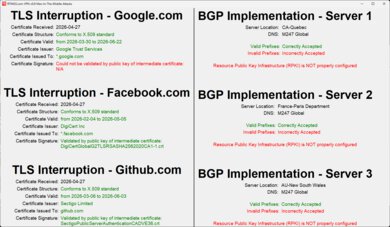
Like most VPN providers, F-Secure lacks proper BGP (Border Gateway Protocol) implementation. BGP vulnerabilities pose negligible risk to the average user, given that such attacks are resource-intensive, highly targeted, and typically reserved for state-level actors.
However, F-Secure VPN also failed part of our TLS certificate validation test while connecting to Google.com. This means we couldn't verify that the encrypted connection matched the certificate chain we expected to receive. While we didn't find definitive proof that F-Secure intercepted or decrypted traffic, an unexpected TLS verification result raises concerns about how consistently a VPN succeeds in maintaining a secure connection when handling your data.
Check out our article to learn more about TLS and its role in network security.
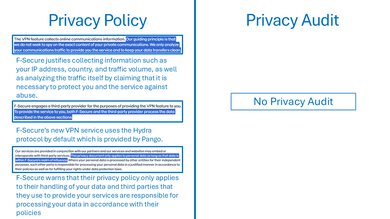
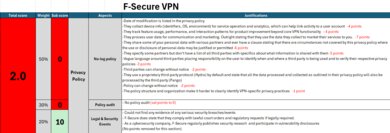
F-Secure has a terrible privacy policy that allows for the collection and sharing of user data, registration info, and device analytics with third parties. Furthermore, the company has no history of published privacy audits, and it openly reserves the right to change this policy without notice.
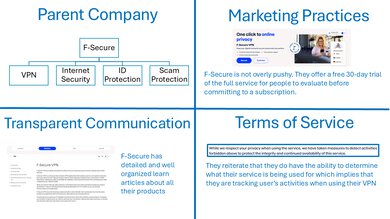
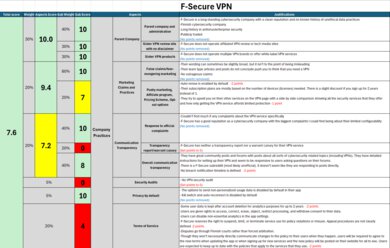
F-Secure VPN maintains decent company practices overall. Its parent company, F-Secure, is a reputable publicly traded Finnish cybersecurity company with a long history in enterprise security. The option to send non-personalized usage data is turned off by default when you first launch the VPN. However, the company hasn't published a transparency report or any independent audits, and its Terms of Service indicate that some analytics data is kept for up to two years after account deletion.
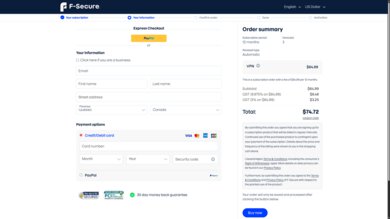
F-Secure VPN requires a valid email address and password to register for an account. They accept standard payment methods like credit cards and PayPal, but you can't pay with less-traceable payment methods like cryptocurrency or cash.
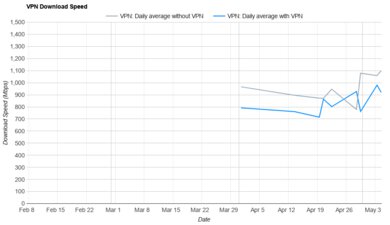
We're testing this VPN's performance on an ongoing basis, and will update the text for the download speed, upload speed, and latency tests when we have more data.
During our speed test automation, we had to select Vancouver as our West Coast server, since there was no US West Coast option available.
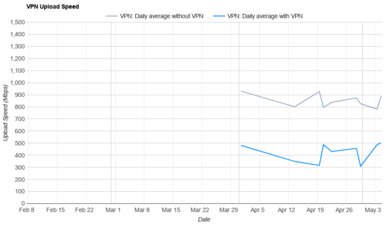
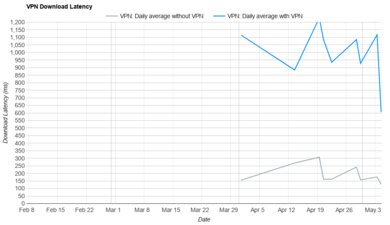
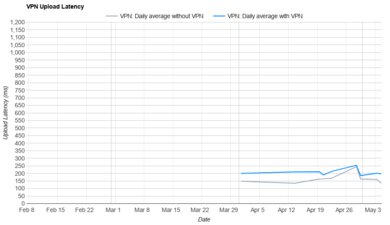
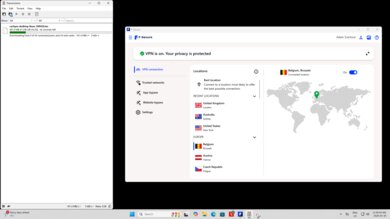
F-Secure VPN allows you to download files using the torrent (P2P) protocol on select servers, and doesn't impose any data limits. However, the company explicitly warns that they don't support torrenting on many of their gateways due to potential conflicts with the DMCA, and they provide a list on their website detailing which countries' servers restrict this type of traffic.
This VPN provides native application support for Windows, macOS, Android, and iOS, but it doesn't offer a Linux client or support for headless setups on routers.
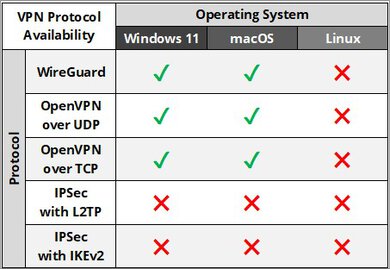
In addition to standard protocols, F-Secure works with Hydra, a closed-source protocol developed by the parent company of Hotspot Shield.
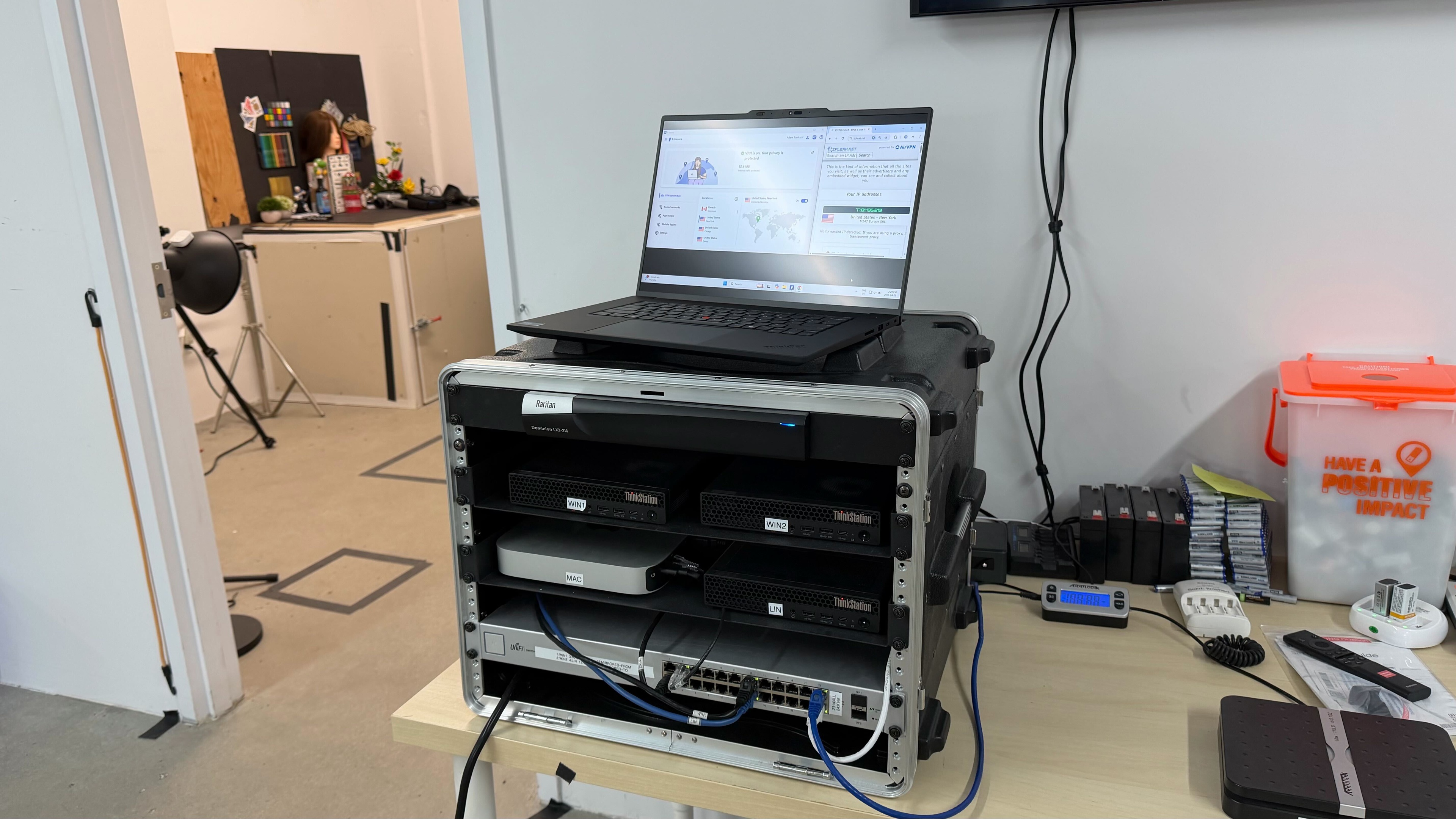
F-Secure VPN restricts the number of devices you can connect simultaneously based on the specific subscription plan you purchase, up to a maximum of 25 devices. While we bought a plan supporting 25 devices, our test bench currently only allows us to verify up to 11 concurrent connections.
Since we reached our testable maximum without encountering any connectivity issues, you're likely to reach the provider's advertised limit of 25 devices (provided your plan allows it).
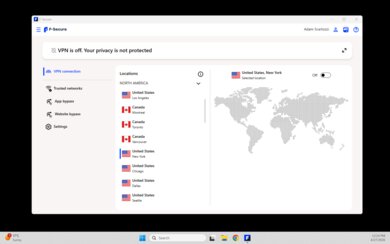
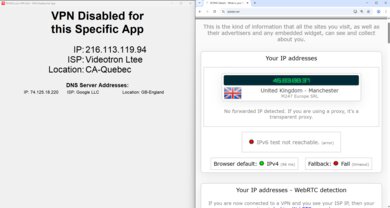
F-Secure VPN allows you to disable VPN tunneling for specified apps and web URLs, but not for IP addresses.