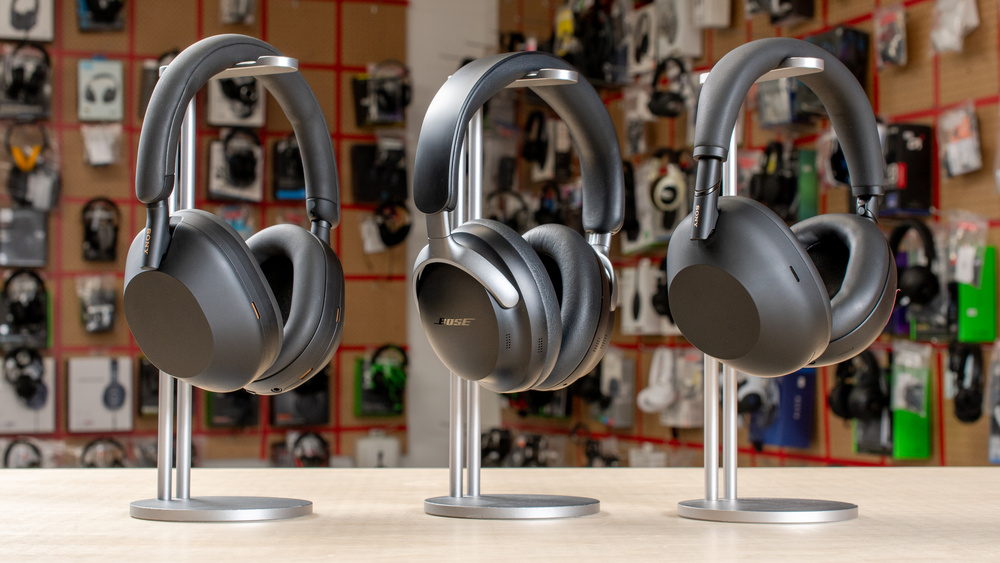
We've pitted the 2025 Sony WH-1000XM6 against the previous flagship from 2022, the Sony WH-1000XM5, and thrown in the class-leading Bose QuietComfort Ultra Headphones to see if the XM6 steals the crown as the best noise cancelling headphones in this three-way battle. While this rundown doesn't substitute for our full reviews, we'll highlight some of the differences, similarities, and areas where one pair stands out from the group.
Test results
Fast Facts

If you don't want to dig into the details, here's the core summary of the comparison between the WH-1000XM6, WH-1000XM5, and QuietComfort Ultra (also known as the QC Ultra).
| Winning Attributes | |
|---|---|
| Most Comfortable |
Winner: Bose QuietComfort Ultra Headphones Runner-Up: Sony WH-1000XM6 |
| Longest Continuous Battery Life |
Winner: Sony WH-1000XM6 Runner-Up: Bose QuietComfort Ultra Headphones |
| Best Microphone |
Winner: Sony WH-1000XM6 Runner-Up: It's complicated. |
| Most Customizable |
Winner: Sony WH-1000XM6 Runner-Up: Sony WH-1000XM5 |
| Best Noise Isolation |
Winner: Sony WH-1000XM6 Runner-Up: Bose QuietComfort Ultra Headphones |
| Best Sound Quality | It's complicated. |
| Best Connectivity |
Winner: Sony WH-1000XM6 and Bose QuietComfort Ultra Headphones (Tie! It depends!) |
Are the Sony XM5 The Best ANC Headphones?
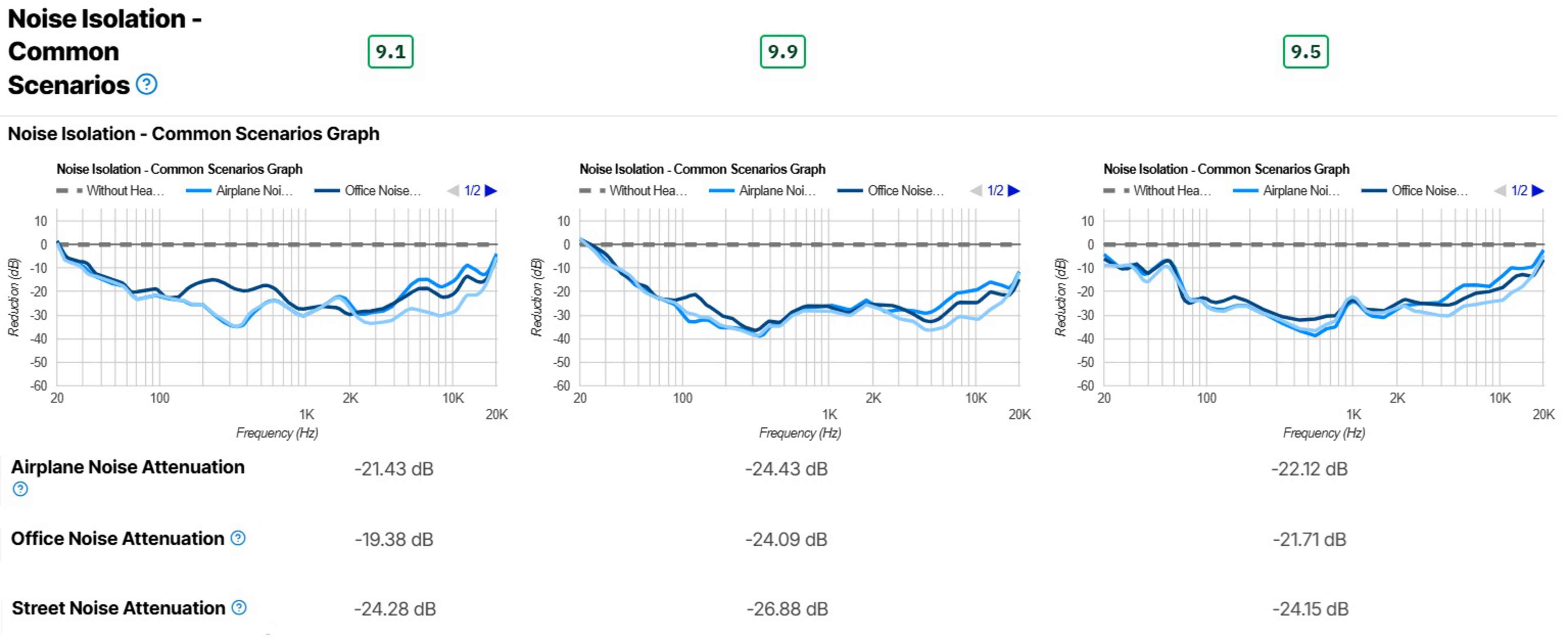
In short, the WH-1000XM6 outperform the WH-1000XM5 and the QC Ultra when it comes to active noise cancellation (ANC) and isolation. Still, in everyday use, the difference may feel negligible. In our common scenarios noise isolation testing, the WH-1000XM6 achieved a nearly benchmark-busting 9.9, while the QC Ultra previously led the pack with a strong 9.5 score, just edging ahead of the WH-1000XM5's 9.4. In practical terms, the WH-1000XM6 and QC Ultra are very similar, while the WH-1000XM5's ANC is fantastic but struggles a little more with filtering out office noises.
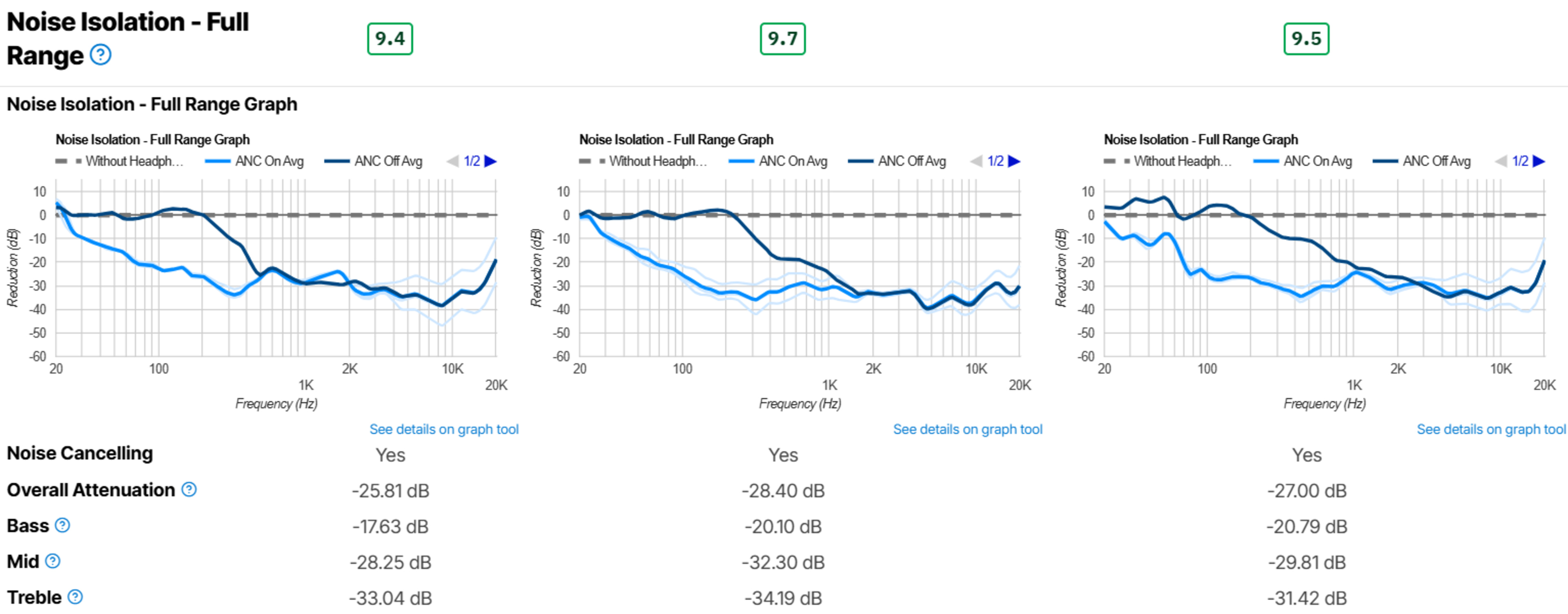
The similarities are reflected in the full-range noise isolation tests: nines across the board. Mere decimals differentiate these headphones' scores, and most people will feel satisfied with the performance of any of these sets as we enter the rule of diminishing returns at this high level of ANC performance. You may want to consult the graphs to identify which frequencies each model blocks most effectively, but the WH-1000XM6 outdo the QC Ultra here, based on the pure numbers.
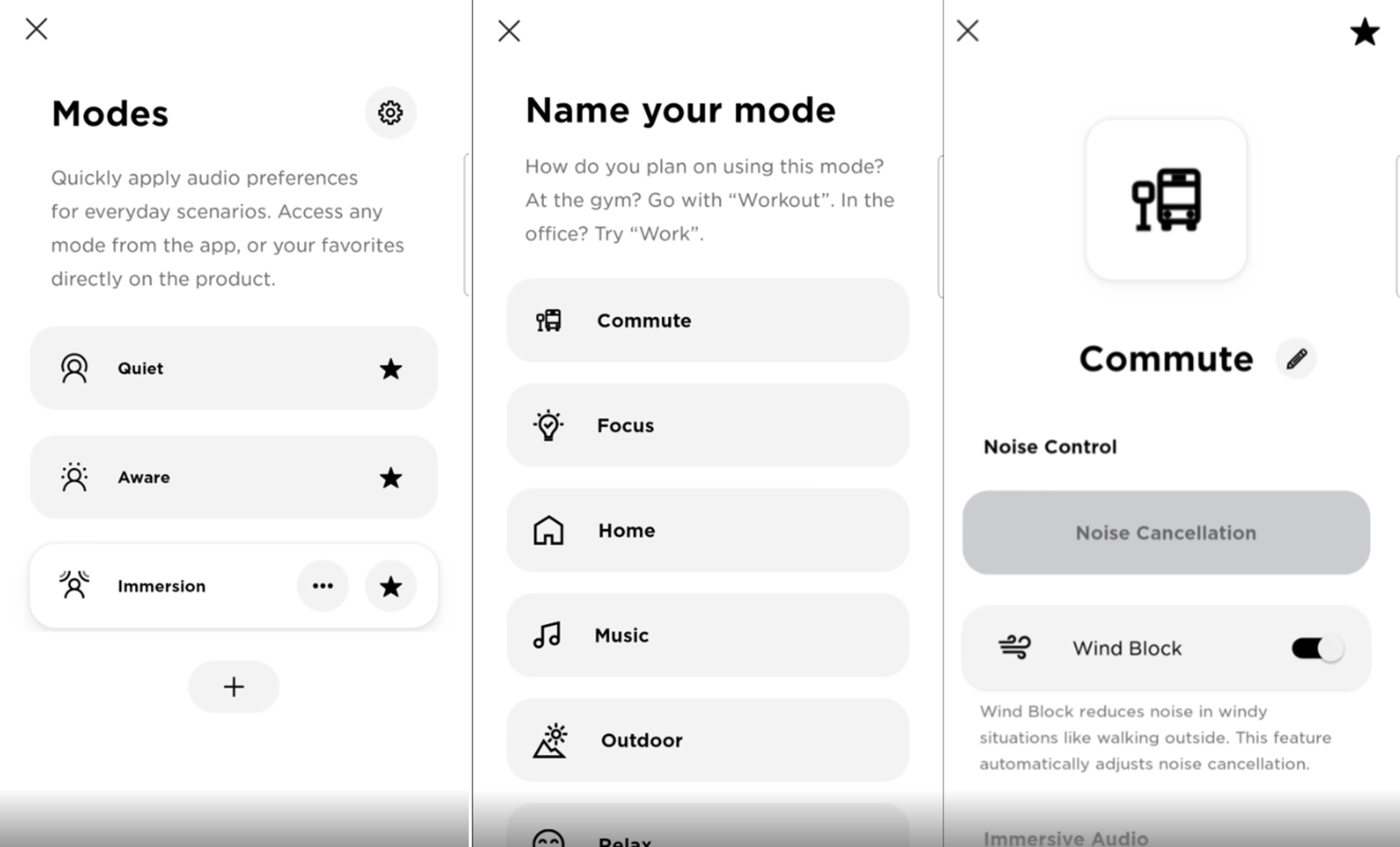
Interestingly, the QC Ultra don't have a 'normal' listening mode unaffected by ANC or Aware (the brand's name for ambient/transparency) mode. The WH-1000XM6 offer an adjustable ambient mode similar to the Aware presets you can create for the QC Ultra, a feature not available on the WH-1000XM5, and it lets you control the mix between your audio and the environment. Ambient mode is Adaptive only on the WH-1000XM5. Both Sonys include Speak-to-Chat, which pauses your audio and automatically switches to an ambient mode when you talk, so you can stay engaged with people around you without removing the cans. The Sonys also support Quick Attention Mode: cover the touch panel with your palm to temporarily enter ambient mode, which is helpful for announcements when traveling.
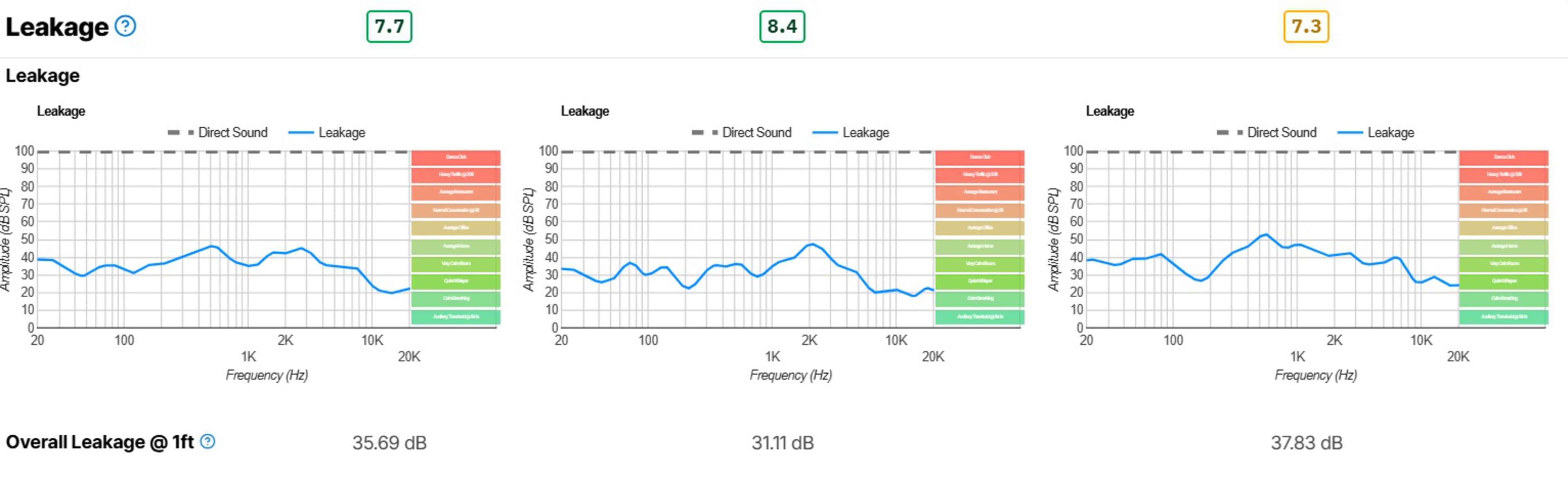
The WH-1000XM6 ensure your audio doesn't disturb others in your space as much as the other three pairs. That said, the WH-1000XM5 don't leak much more, while the Bose let the most audio escape into your environment. How much audio bleed impacts others around you depends on their proximity, your environment's ambient noise level, and how loud you listen to audio.
Do The WH-1000XM6 Sound Better Than The WH-1000XM5 And QC Ultra?
Out of the gate, all three of these headphones have graphic EQs and presets, so you have some room to adjust the tuning. Both Sony headphones have a more comprehensive equalizer than the Bose's limited three-band EQ, meaning you can alter their tuning more. However, if you want a one-and-done situation, that may not matter if you're already satisfied with the QC Ultra's out-of-the-box sound. The WH-1000XM5 and WH-1000XM6 have similar full and warm sound profiles, while the QC Ultra also sound fairly warm with a flatter mid-range.
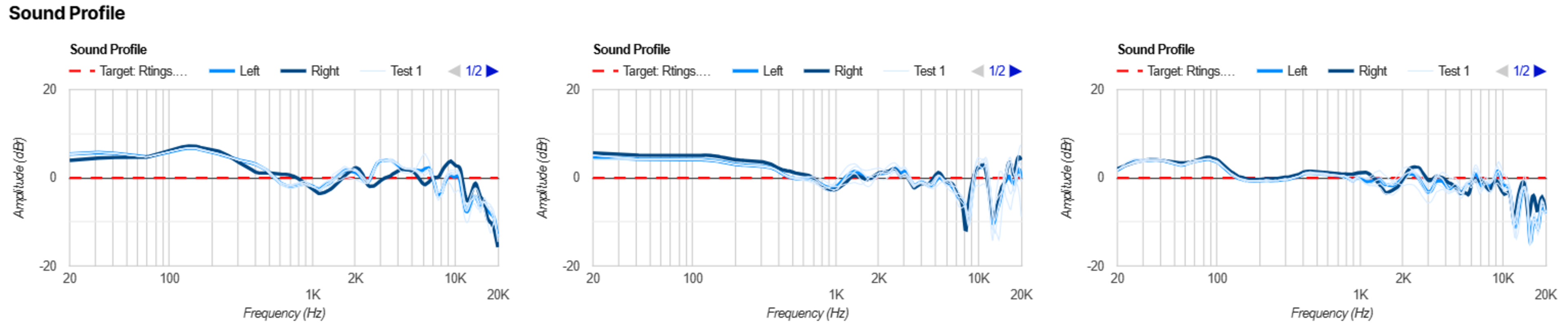
The QC Ultra are the most analytical in the mid-range but come with a jolt of bassy rumble. The WH-1000XM5 sound the bassiest and may even come across as bloated or boomy, depending on your preferences. Still, their bright and clear top-end mitigates that somewhat. Lastly, the WH-1000XM6 aren't tuned too differently from their predecessor, but the bass and low-mids are a touch more evenly boosted. Some listeners may find that the boosted low-end can mask upper frequencies due to auditory masking effects. All three pairs deliver clear treble with differences mainly in the mid-treble and above: the WH-1000XM6 have narrow bands of dulled harmonics, which some users may prefer, though it's not as transparent as the WH-1000XM5 or the QC Ultra.
While the Sonys warm up the sound profile by amplifying the bass and low mids, the QC Ultra deliver a mostly flat and clear treble that's detailed without verging on piercing. Some people prefer the thumpy, smooth bass and low-mid emphasis on both of the Sonys, while others prefer to feel the rumble of deep bass without bloating and muddying the high-bass and mid-range as with the QC Ultra.
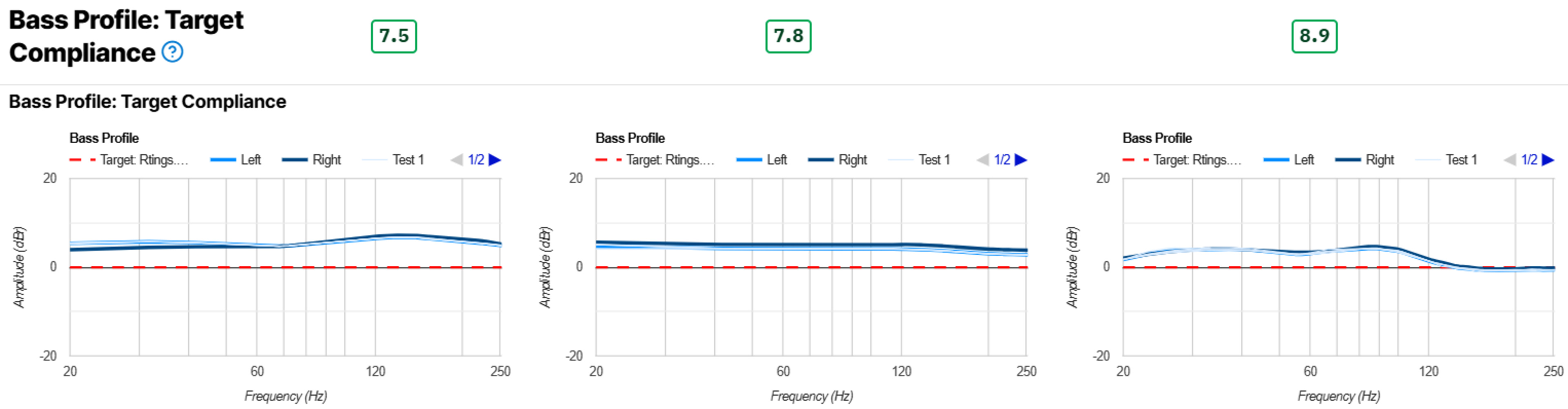
Neither of the Sony's bass responses are strongly tilted, so while they inject plenty of extra thump and boom to exaggerate the oomph of juicy 303 basslines and thick 808 kicks, their low ends sound smooth. Since this emphasis carries on into the low mids of both Sony cans, they add warmth and low-end presence to bass guitar harmonics and power chords, but can make busy mixes sound cluttered. The QC Ultra also boost the bass, but with a broad peak in the low- and mid-bass regions. The high-bass response aligns most closely with our target curve among the three, giving sub-bass synths a satisfying rumble without adding excessive warmth in the high-bass and low-mids that can make busy tracks sound muddy. Here, it seems important to highlight personal taste: evidently, many people like both approaches to bass and low-mids.
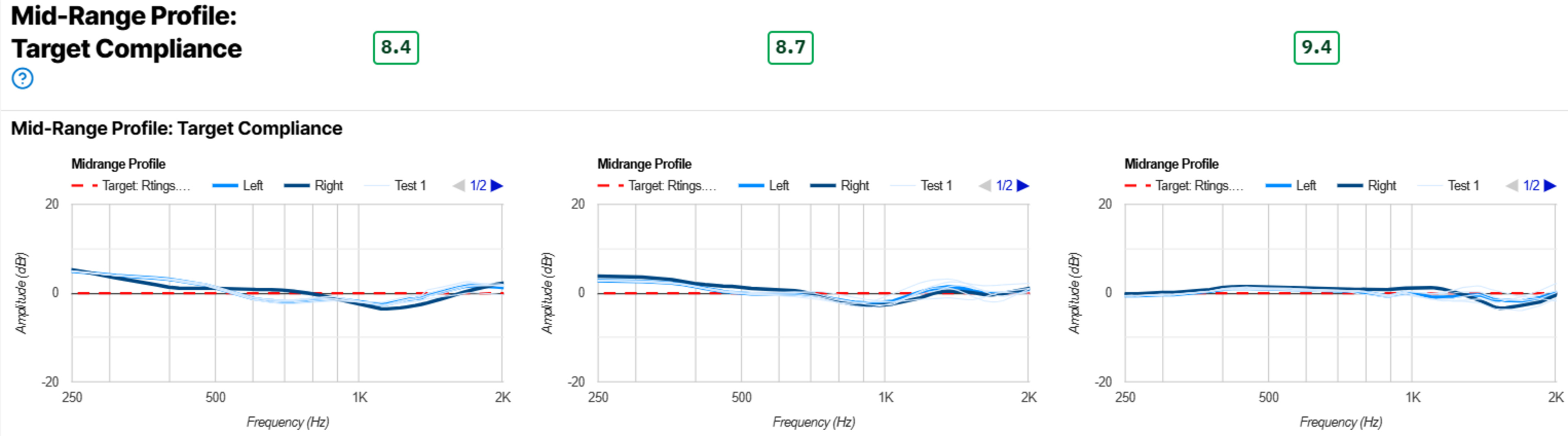
All three headphones have fairly balanced mid-ranges overall. Both Sony models slightly scoop the mid-range while boosting the low- and high-mids. The WH-1000XM6 have a smaller dip than its predecessor, so melodic instruments and vocals remain slightly more forward than on the WH-1000XM5. Still, the difference is subtle. On the other hand, the QC Ultra deliver a more balanced mid-range, resulting in a more natural presentation of lead instruments.
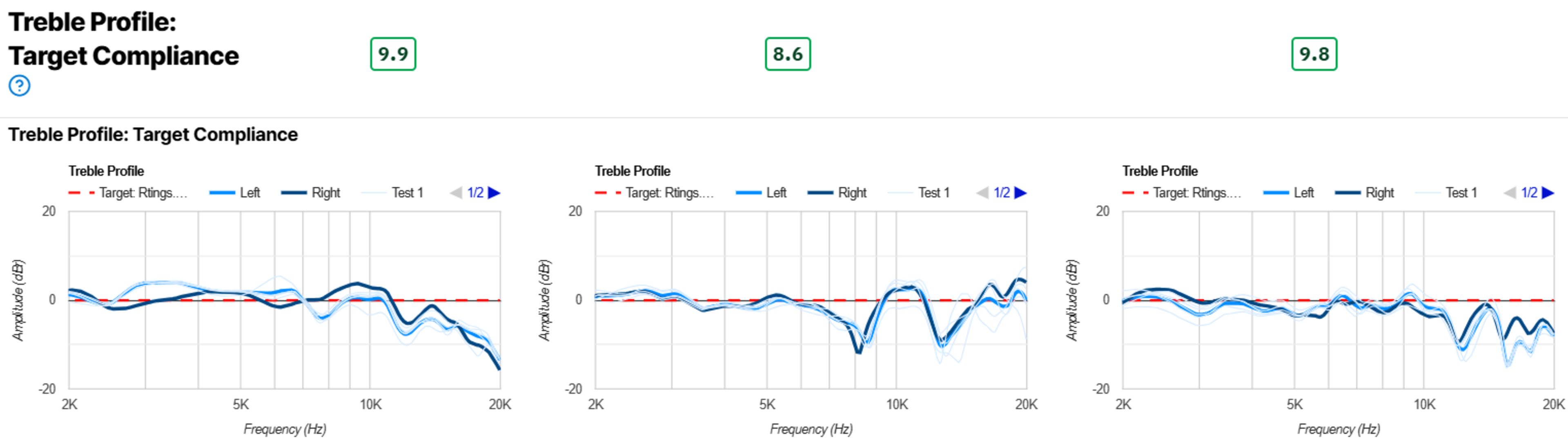
All three headphones reproduce intelligible vocals in the low-treble range. The QC Ultra produce a smooth and detailed treble response, with only minor peaks and dips. The WH-1000XM5 closely match our target curve, providing clear articulation and bright transients. The WH-1000XM6 are tuned slightly differently than the WH-1000XM5 and the QC Ultra. The low-treble remains detailed, but narrow dips in the mid- and high-treble reduce presence, sibilance, and brilliance, which can make cymbals sound splashy and lacking in depth. However, the WH-1000XM6 also feature narrow peaks that add sharpness and air to cymbal harmonics. Both the WH-1000XM5 and QC Ultra roll off in the high-treble, but perception above 10kHz can vary depending on an individual's hearing sensitivity.
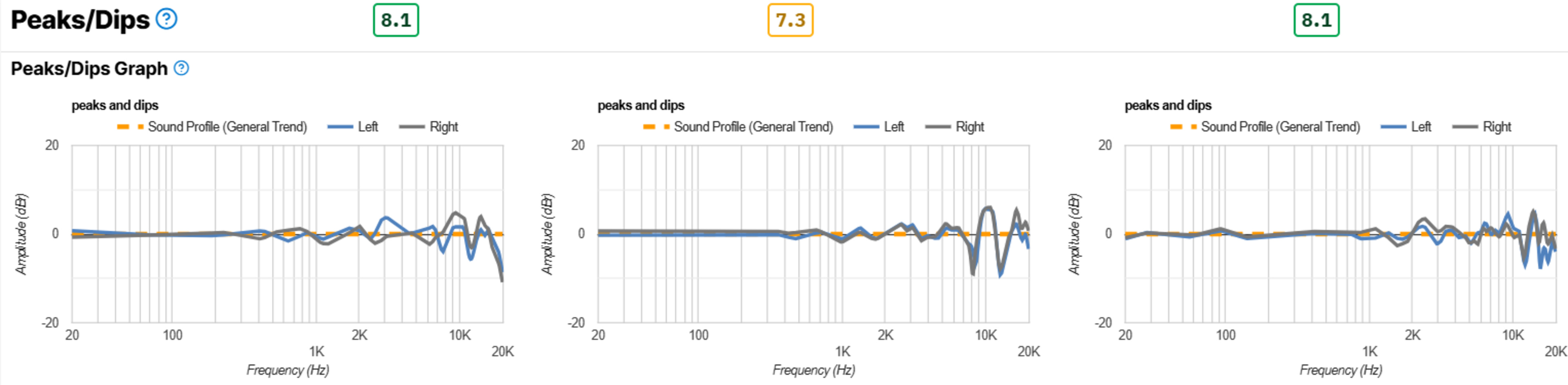
The WH-1000XM6 exhibit peaks and dips in the mid- and high-treble, which can make harmonics sound either piercing or veiled. As a result, the other two pairs have stronger peaks and dips performances. However, the WH-1000XM6 still deliver smooth performance in the bass and mid-range, just like the WH-1000XM5. The QC Ultra feature a soft peak in the high bass that isn't present on either Sony, resulting in a low-end with a touch more boom.
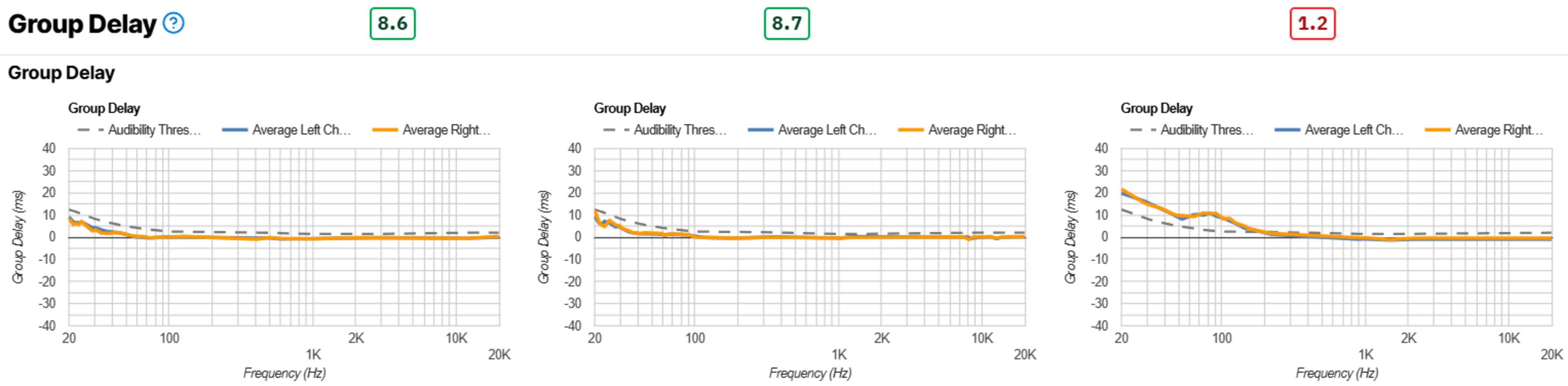
Both Sony models demonstrate excellent group delay performance, resulting in a tight and controlled bass response. In comparison, the Bose produce a less defined bass response due to their higher group delay, though this can vary between different units of the same model, so your pair may perform better. Take note, bassheads! While all three also have low harmonic distortion even when pushed to high output volumes, the QC Ultra introduce more coloration to the signal in the low frequencies, though you're unlikely to notice this. The WH-1000XM5 exhibit the best overall stereo mismatch results. However, because this score incorporates weighting, audibility thresholds, and results from multiple test conditions, they don't significantly outperform the others in every respect. For more details, refer to our individual headphone reviews.
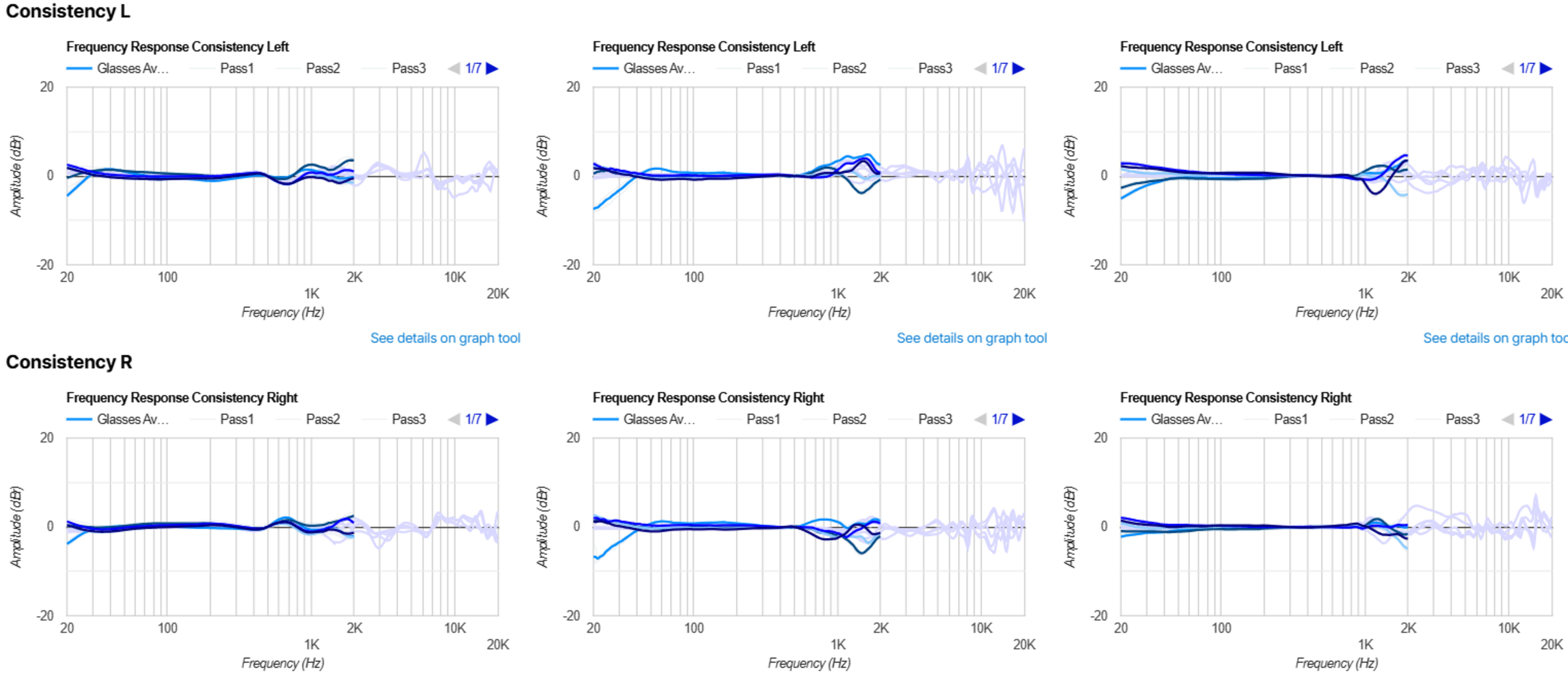
On the topic of frequency response consistency, all three pairs see a drop in the low-bass on passes with people wearing glasses, which is pretty common. Overall, the WH-1000XM5 yield the fewest deviations in the frequency response with a tendency to boost high-mids if you have long hair. The QC Ultra perform slightly better than the WH-1000XM6 in this area, while the WH-1000XM6 exhibit more variation due to their softer earpads. As a result, their low-bass and mid-range performance can vary more depending on your physical features, such as head shape and hair. However, if you don't wear glasses, the bass is otherwise consistent on the WH-1000XM6. As always, consider how each model fits your specific needs and physical characteristics.
The User Experience With The XM6 vs. XM5 vs. QC Ultra
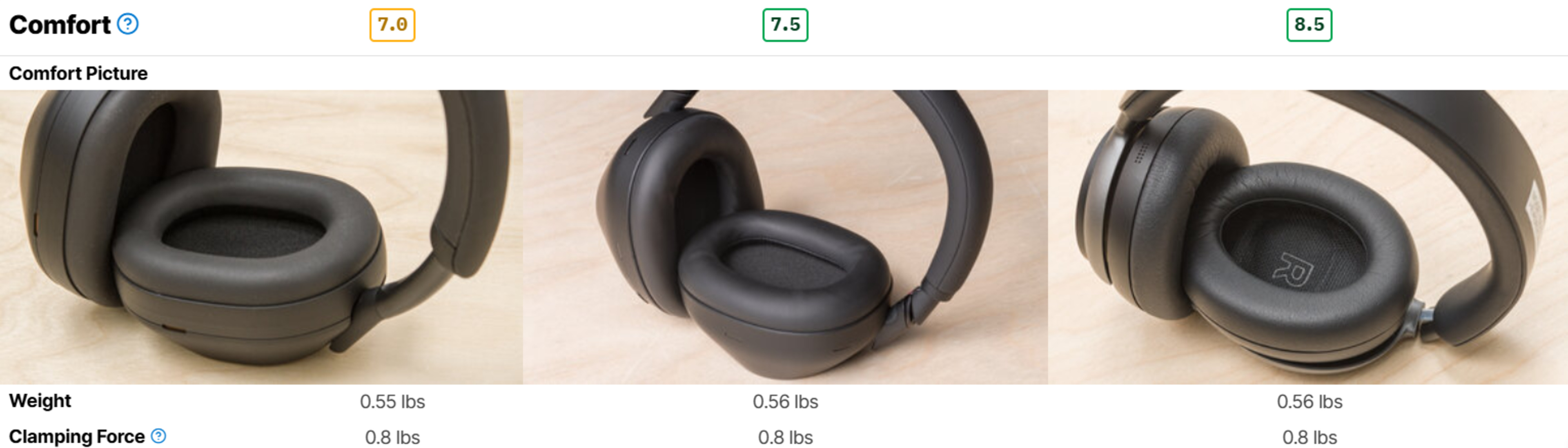
The Bose QC Ultra are the most comfortable of the three. They're also the most portable and come with the most compact carrying case. The WH-1000XM6 feature redesigned yokes and hinges that appear to address the durability concerns of the WH-1000XM5, which have hinges that are prone to breaking. The WH-1000XM5 offer more ear room compared to the WH-1000XM6, which have shallower ear cups. However, the WH-1000XM6 distribute their weight more evenly and, like the Bose, fold down for easier storage, which the WH-1000XM5 only do if something has seriously gone wrong. Still, the Bose win this one by offering plenty of space for your ears, though the WH-1000XM6 feel equally well-built out of the box.
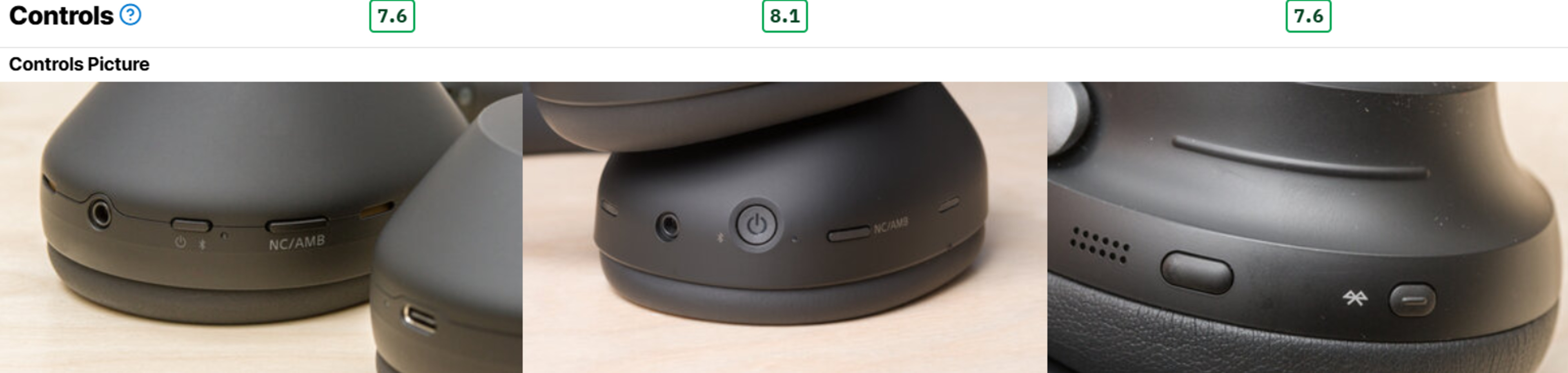
The Sony WH-1000XM6 offer the most comprehensive control scheme, combining physical buttons, a touch-sensitive panel on the right ear cup, and gesture-based inputs. They build on the previous generation with the addition of a mic mute function and more tactile differentiation between buttons. That said, all three models occasionally register incorrect inputs, as the touch-sensitive panels on the Sonys and the Bose's volume slider can lack precision. Also, while gestures like head shakes seem like a novel solution when your hands are full carrying groceries and a call comes in, in practice, the system doesn't reliably interpret the motion on either pair of the Sonys. Meanwhile, the Bose's controls are a bit simpler, chiefly relying on a utilitarian but effective multi-function button.
Which Pair Has The Best Bluetooth Connectivity?
All the headphones support multi-pair with two devices, and they feature SBC and AAC codecs—if you're an Apple user, that's most of what you need to know concerning Bluetooth. Android users can take advantage of higher resolution codecs: Sony's proprietary LDAC codec is available on both of the brand's headphones, and the LC3 codec (part of Bluetooth LE Audio) is available on the WH-1000XM6. At the same time, the Bose include a suite of aptX Adaptive codecs (though backward compatibility with aptX HD is absent). Because Bluetooth codecs work as a two-way communication bridge, your device must also support them. iOS devices are optimized for AAC, while select Samsung devices don't play nicely with all aptX codecs, and LC3 support is still in its infancy to an extent. Put plainly, your mileage varies with your device.
| Connections | Headphones | ||
|---|---|---|---|
| Sony WH-1000XM6 | Sony WH-1000XM5 | Bose QuietComfort Ultra Headphones | |
| LDAC | Yes | Yes | No |
| AAC | Yes | Yes | Yes |
| aptX Adaptive (Low Latency)/(High Quality) | No | No | Yes |
| LC3 (LE Audio) | Yes | No | No |
| SBC | Yes | Yes | Yes |
| Analog wired | Yes (passive and active) | Yes (passive and active) | Yes (active-only) |
The QC Ultra demonstrate low latency when using aptX Adaptive (Low Latency), and the WH-1000XM6 are expected to offer similarly low latency with the LC3 codec, but we weren't able to verify that due to compatibility issues with our rig. Meanwhile, the WH-1000XM5 offer the least flexibility when it comes to minimizing latency. However, this truly depends on your device and apps in the real world.
None of these headphones support USB audio for wired connections. All three include analog audio cables, though, and the Sonys show virtually no wired latency. While the QC Ultra have higher wired latency, it's not significant enough to cause A/V sync issues; it's just high for analog audio. You also need to power them to use them, while both Sonys can work passively.
How Do The Sony Sound Connect And Bose Music Apps Compare?
When looking at app support and operating system compatibility, keep in mind that some smartphone manufacturers implement limitations that the OS doesn't have natively. Some of these restrictions can be bypassed via Developer Settings on Android devices, but not all models allow this. As a result, it's important to check compatibility with your specific device and OS version. All three offer variations on virtual surround sound, though the extent to which you'll enjoy those features heavily depends on the compatibility and subscriptions with different music streaming services and, in some cases, your device, so check the reviews for more.
 |
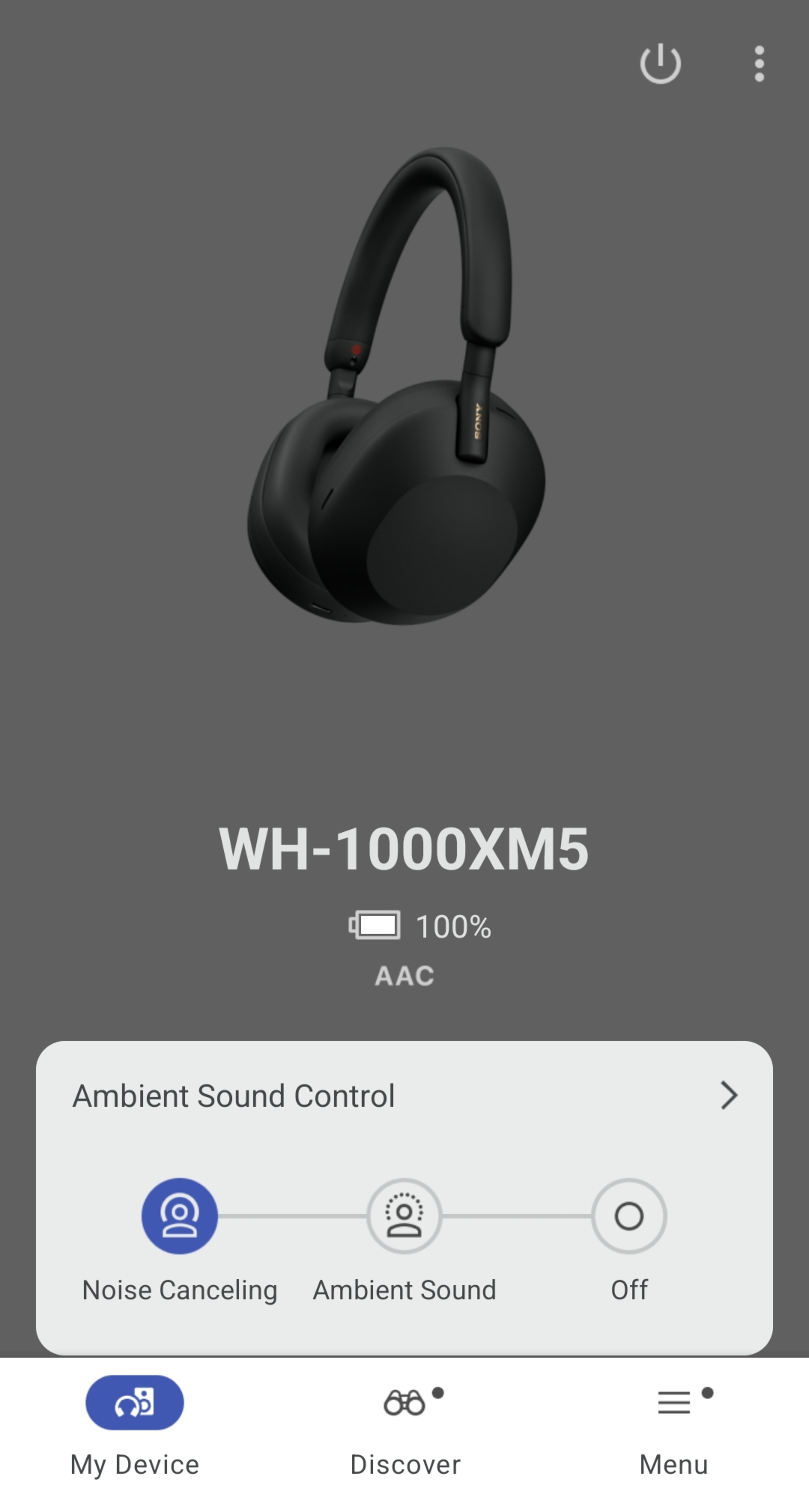 |
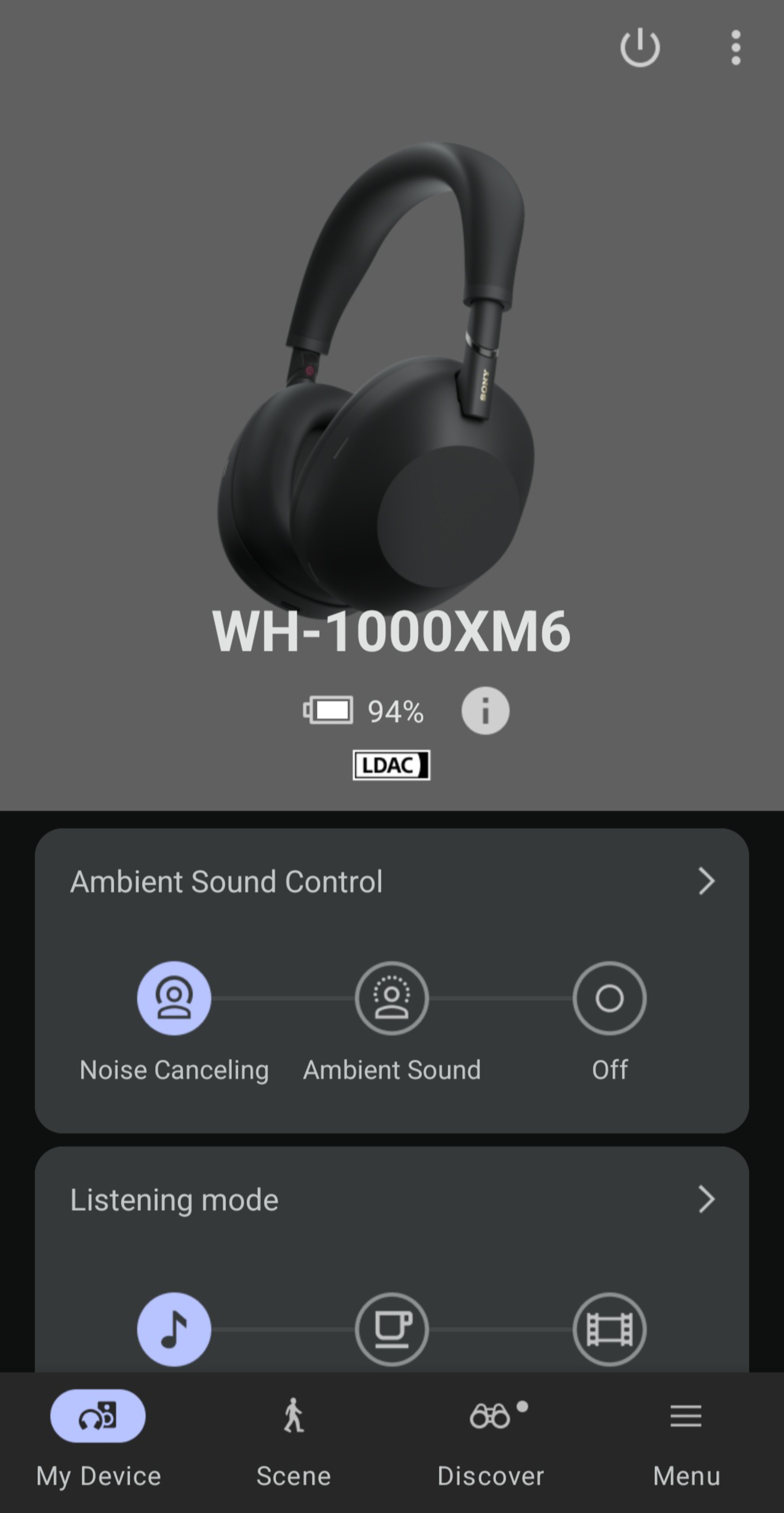
The Sony headphones both use the same app with largely similar features. | |
Both Sony models use the same Sony Sound Connect app (iOS/Android). Most of the features are identical between the WH-1000XM6 and WH-1000XM5, and, except for Bluetooth codecs, the app works virtually the same with Apple and Android devices. You can watch a video walkthrough of its interface with the WH-1000XM6. It offers more depth of tweakable features than the Bose Music app (iOS/Android), such as reassigning controls. You can use the comprehensive custom EQ, choose your codec connection (assuming it's enabled on the device), and cycle through the listening modes. Only the WH-1000XM6 have an adjustable Ambient mode, though.
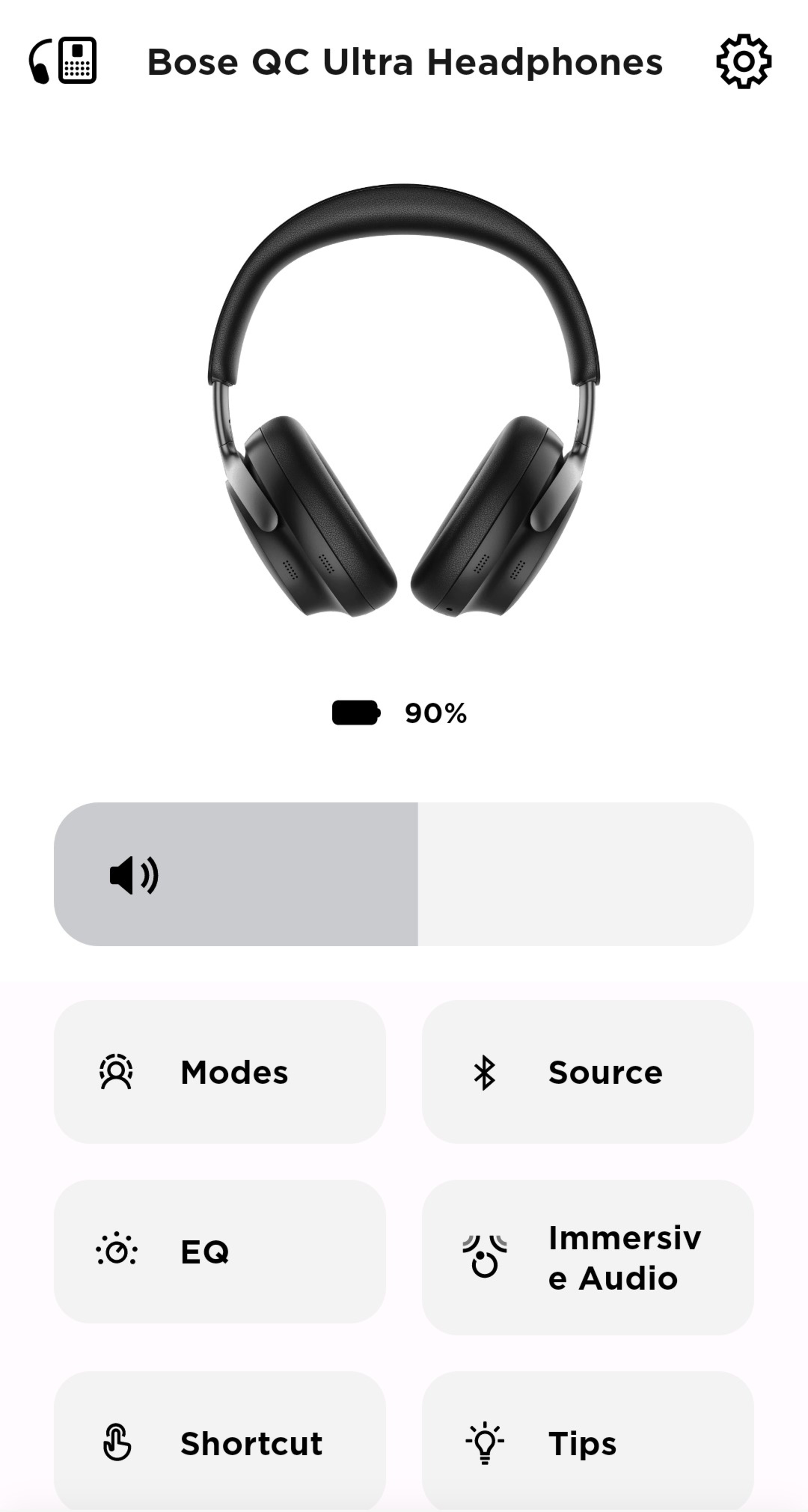
Bose Music (as shown) is a bit sparser, but it covers most of the features you need. You can create 'Shortcuts' for the controls, which most people will probably allocate to cycling between ANC/Aware modes because there isn't a dedicated physical control for that by default. A three-band EQ with presets offers a bit of tuning flexibility, but it's not as granular as Sony's EQ. You can also make use of customizable ANC and Aware preset modes for different situations. Both brands integrate their headphones into broader app ecosystems, allowing users to manage other devices like soundbars or speakers from the same app.
Microphone Comparisons: XM5, XM6, QC Ultra Headphones
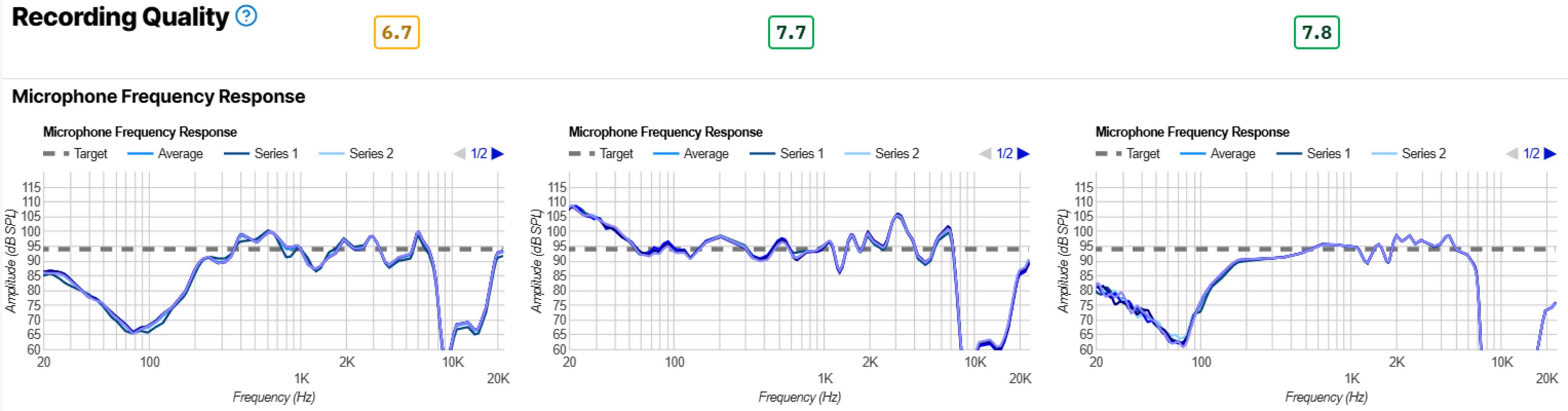
Only the WH-1000XM6 have a mute function, which can be worth its weight in gold. The recording quality of the WH-1000XM6 and QC Ultra score similarly well, and it's worth listening to our demos to assess which sounds better to your ears, given that they take different approaches to the frequency response on the mics. Both sound very good. The QC Ultra's response is flatter, which should sound more natural, but the roll-off in the bass can rob deep voices of their weight, while the WH-1000XM6 offer more low-end, but the peaks in the treble can sound a bit sharp. Meanwhile, the WH-1000XM5 trail behind, as if combining the less desirable traits of the other two: a narrower frequency response range and more peaks and dips in the response.
As with Bluetooth audio, microphone quality depends on the compatibility between the headphones and the connected device. Notably, using the WH-1000XM6's LC3 codec noticeably improves the microphone performance compared to how the mic sounds in our standardized test methodology, but LC3 support isn't widely adopted yet. At the time of writing, the LC3 codec support is in beta testing for the WH-1000XM6. All three only support microphone audio over Bluetooth connections.
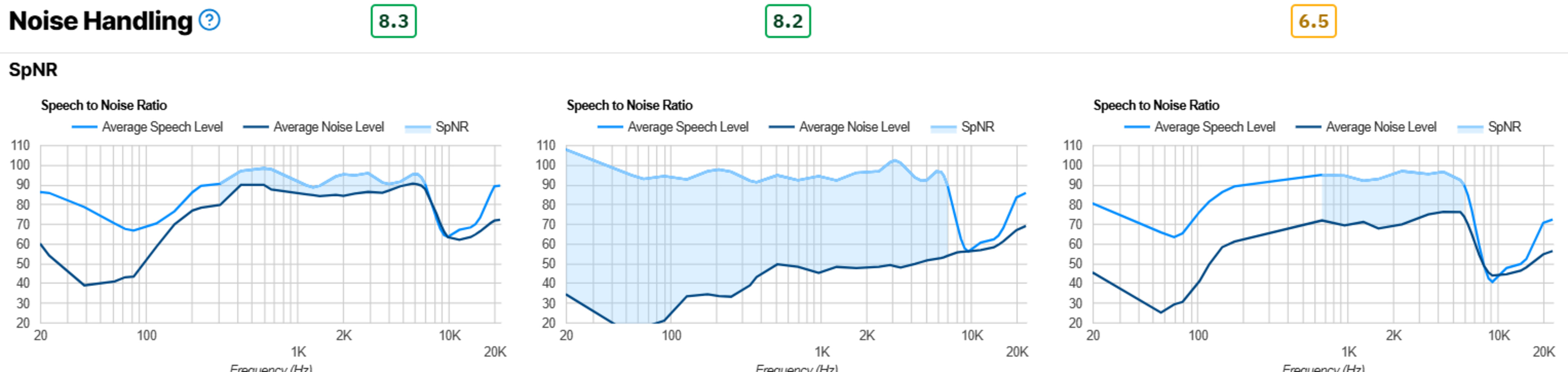
If you take calls in noisy environments, the WH-1000XM5 and WH-1000XM6 reject and filter out background racket better than the QC Ultra. We encourage you to click through the links to listen to their examples and judge for yourself.
Things To Keep In Mind
How you plan to use your headphones and with which devices are the main determinants when picking between the WH-1000XM6, WH-1000XM5, and QC Ultra. Some questions you can ask yourself to make a decision in this case:
| Decision Making Questions | Considerations and Caveats |
|---|---|
| How important is the microphone system and its noise rejection? | If you're using the mic in noisy situations, the WH-1000XM6 tend to perform the best, but if not, the QC Ultra are worth looking at. |
| Will you use any Bluetooth codecs besides AAC or SBC? | If yes, check which codecs are compatible with your device: LC3, LDAC, or aptX Adaptive. |
| Is comfort the most important thing above all else? | The QC Ultra feel most comfortable for most people. If you have larger ears, the WH-1000XM6 have smaller and shallower ear cups, which can cause your ears to bump up against the sides, while the WH-1000XM5 don't distribute their weight as well, but have ample space for ears. |
| Do you want headphones that fold down smaller? | They're all similarly portable headphones, but the WH-1000XM5 lack folding hinges. |
| Will you miss not having a standard listening mode with ANC or Ambient modes? | The QC Ultra don't have a standard listening mode. Only the WH-1000XM6 have adjustable Ambient mode mixing. |
| What kinds of controls do you prefer? | The WH-1000XM6 have the most comprehensive controls (and they're not too dissimilar to the WH-1000XM5), but if you prefer buttons to touch panels, the QC Ultra's layout mostly uses buttons. |
| What sort of sound profile do you prefer, and how much do you want to EQ it? | This is a matter of personal taste for the most part, but it's worth highlighting the importance of choosing what sounds good to you. |
Is It Worth It To Buy The Sony XM6?
If you already own the Sony WH-1000XM5 or Bose QuietComfort Ultra, you may want to consider the law of diminishing returns before upgrading to the WH-1000XM6. The evolutionary differences don't justify the entrance fee for most people who already own either the WH-1000XM5 or QC Ultra. While pricing will vary and affect buying decisions, in isolation, the WH-1000XM6 perform slightly better by most metrics than both the WH-1000XM5 and the QC Ultra, apart from the key areas of comfort and frequency response consistency. They're also the most well-rounded of the group. Ultimately, however, the best choice depends on your specific priorities; all three offer strong all-around performance, though.