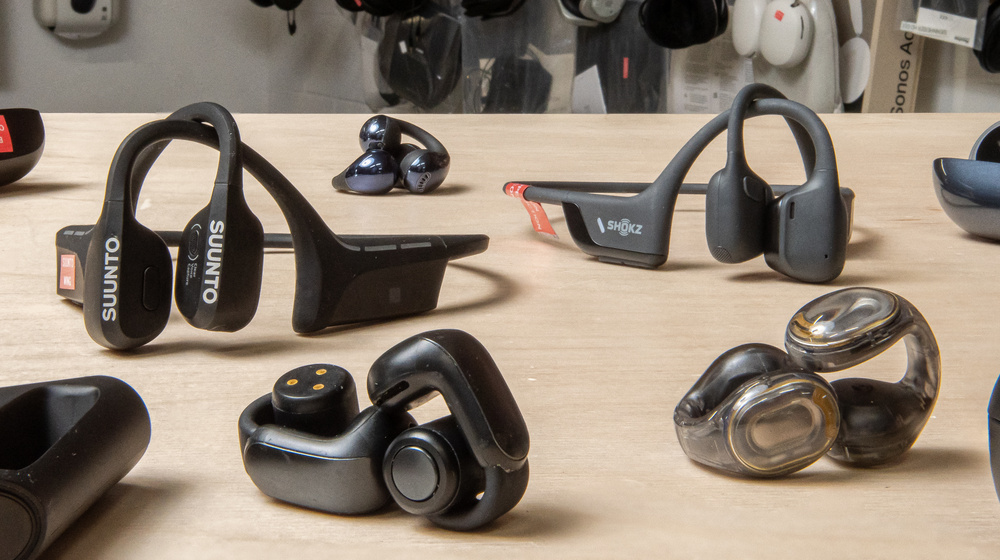
Although bone conduction (BC) and open-ear headphones are distinct headphone types, they share key similarities; neither design obstructs your ears, allowing for more situational awareness and avoiding the 'plunger'-like sensation you get with in-ears. They both tend to lack bass, too, with some designs rolling off the treble as well. However, bone conduction models may not be for everyone, as their unique transducer type can generate vibrations that feel uncomfortable, especially at higher volumes.
The best entries of either headphone are comfortable and stable since they tend to clip or hook on or over your ears. And although they're not well known for their sound quality, they should be free of major acoustic defects like stereo mismatch. Considering these products are also popular for activities like running, it's worth keeping an eye out for an IP rating for water resistance, too.
We've tested over 910 pairs of headphones, and below are our recommendations for the best open-ear and best bone conduction headphones. Given that most people prefer to use these for running, cycling, and other exercise, you can also see our recommendations for the best over-ear headphones for working out and the best wireless earbuds for more options.
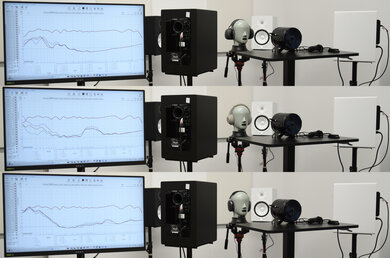
Our How We Test Headphones article takes you behind the scenes in our lab. You'll learn how we choose and purchase products and dive into the details of our review philosophy, from testing and scoring to writing and editing.
You can also discover how we produce recommendations like this one so that you can find the best headphones (or earbuds!) for your needs.
-
Best Bone Conduction Headphones
 Sports And FitnessComfortStabilityBuild QualitySee all our test resultsMicrophone (In Development)
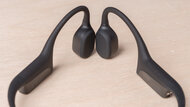
The best bone conduction headphones we've tested are the Shokz OpenRun 2 Pro Bone Conduction. Building on the foundation of the Shokz OpenRun Pro Bone Conduction, the headphones use a combination of bone conduction and dynamic drivers (air conduction), reducing the reliance on potentially uncomfortable vibrations needed to produce louder volumes with pure bone conduction. They're impressively comfortable to wear for long periods of time and have amazing stability for runners and hikers alike. There's also an IP55 rating for resistance to dust and water exposure, so you can use the headphones out in the rain.
Their design leaves your ear open, resulting in great awareness of your surroundings but also a lack of bass response. Their mid-range-centric sound makes them a great choice for speech-focused content. They come equipped with nine hours of battery life, Bluetooth multi-device pairing, and a built-in mic that isn't bad. The companion app even comes with a five-band graphic EQ, though it won't do much to overcome the headphones' inherent lack of bass.
-
Best Mid-Range Bone Conduction Headphones
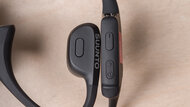
Sports And FitnessComfortStabilityBuild QualitySee all our test resultsMicrophone (In Development)If you want to reduce your spending on a bone conduction headset, check out the Suunto Wing. The Suunto trades the added dynamic drivers found on our top pick for a pure bone conduction design. It boasts an IP67 rating with a titanium-alloy frame for durability. It's comfortable, too, though vibrations from the bone-conduction drivers can cause discomfort over time. As with other pure bone-conduction designs, this is especially true if you wear glasses, earrings, or other headgear, as the drivers can vibrate them, too.
It has a few features that help it stand out from even our top bone conduction pick. The Suunto comes with a portable power bank that gives you another two full charges. Plus, integrated LED hazard lights help you remain visible even in low-light conditions. While the built-in microphone's recording quality is okay, it does a much worse job of separating your voice from background noise than the Shokz.
-
Best Budget Bone Conduction Headphones
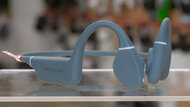
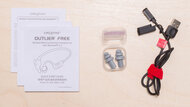
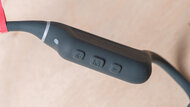
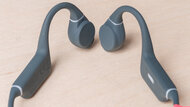
Sports And FitnessComfortStabilityBuild QualitySee all our test resultsMicrophone (In Development)The Creative Outlier Free are the best budget bone conduction headphones we've tested. You sacrifice the LED lights, app support, and power bank of our mid-range pick, but the Creative still offer the same levels of comfort and stability; they're more than enough if you're looking to use bone conduction headphones for fitness or sports. That said, their ear hook shape leaves a little less room around the ears than other bone conduction headphones on the list. They also have a lower IPX5 rating, though this level of water resistance should still be plenty for running in the rain.
Like other bone conduction or open earbuds, the Creative lack bass output and have a mid-forward sound that emphasizes speech and vocals. The headphones also support Bluetooth multi-point connections with up to two devices, so you can switch audio output between a work or personal device if you're using the Creative in the office.
-
Best Open-Ear Headphones
Sports And FitnessComfortStabilityBuild QualitySee all our test resultsMicrophone (In Development)The Bose Ultra Open Earbuds are the best open-ear headphones we've tested. These buds clip to your earlobe, resulting in a comfortable and stable fit. You also avoid the uncomfortable 'plunger' sensation and vibration of glasses often seen with in-ears and bone conduction headphones, respectively. However, people who wear earrings or have certain types of piercings may not have as much room to clip the earbuds in a comfortable position. Still, the Bose boast a very solid build quality, with an IPX4 rating to protect them against sudden rain showers.
As you'd expect from an open-fit design, you'll be able to hear everything around you, even while blasting motivational tunes. Just don't expect your music to feature much bass, as the earbuds struggle to reproduce thumpy club kicks and deep basslines. If you're more of a podcast fan, these will suit you perfectly, though, as the balanced mid-range renders the host's voice in plenty of detail. A nine-hour battery life and solid built-in mic round out the package, giving the bud extra versatility for all-day use and conference calls.
-
Best Budget Open-Ear Headphones
Sports And FitnessComfortStabilityBuild QualitySee all our test resultsMicrophone (In Development)The Anker Soundcore C30i are among the cheapest open-ear headphones you can buy right now. They sport a similar clip-on design to the Bose Ultra Open Earbuds, which provides excellent stability, even during higher-intensity activities like interval or speed work. However, the cuffs have a more rigid construction, which may not be as comfortable for most people, though they include silicone sleeves, which can mitigate some discomfort.
While they inevitably lack bass energy, they make up for it with flat mids and a balanced treble range, so the rhythm guitars and vocals in your favorite pop punk anthems cut through the mix, even if the kick drums don't. With over 14 hours of continuous battery life and two extra charges in the case, they're equipped for even the longest endurance events. Just don't expect too much of the built-in microphone, which introduces some distortion into your voice. While it sounds worse than our other picks, it'll get the job done in a pinch, though.
-
Best Bone Conduction Headphones For Calls
Sports And FitnessComfortStabilityBuild QualitySee all our test resultsMicrophone (In Development)While most people gravitate towards bone conduction headsets for sports and fitness use, the situational awareness they provide can also be a huge asset in an office environment. The Shokz OpenMeet UC is a specialized headset that employs both bone conduction and air conduction drivers in its over-the-head fit, recalling classic communication headsets. It's not as stable as the wrap-around design of the Shokz OpenRun 2 Bone Conduction, but it features a dedicated boom microphone.
The microphone is easily the best of our picks in this article, rendering your voice with plenty of detail and effectively separating it from background noise in a bullpen-style office. The comfortable fit and call-centric controls are further assets if you spend a lot of time in virtual meetings or pitching to clients. There's even a wireless dongle for non-Bluetooth wireless connectivity, which can be helpful if your devices don't have Bluetooth (a desktop PC, for example).






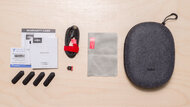
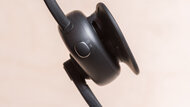
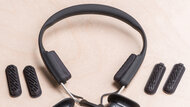
Notable Mentions
-
Shokz OpenFit Pro:
The Shokz OpenFit Pro are flagship open-ear buds. They sport a comfortable, lightweight ear hook design and come with a rudimentary ANC feature, though it doesn't attenuate much external noise. They aren't as stable as the Bose QuietComfort Ultra Open, though, and their battery life isn't as long, despite the fact that both headphones retail for a similar price.
See our review -
EarFun OpenJump:
The EarFun OpenJump are budget-oriented open-ear buds. They have an ear hook design that some may find more comfortable than the clip-on Anker Soundcore C30i. That said, their battery life is a tad shorter at 10 hours, compared to the Anker's 14.
See our review
Recent Updates
Sep 02, 2026:
We've made some adjustments to the article's structure, emphasizing bone conduction headphones first and adding a budget option, the Creative Outlier Free. We've also added the EarFun OpenJump to the Notable Mentions.
Jul 14, 2026:
We've trimmed text in the introduction and throughout the article, but our picks remain the same as they're still relevant and in-stock at major retailers.
May 15, 2026:
We've added the Shokz OpenFit Pro as a Notable Mention. They're not quite on par with our top picks in terms of performance, but still come with niche features that will interest some people. We've also confirmed all the other picks are still available and relevant.
Mar 19, 2026:
We've updated this article with a new pick for calling: Shokz OpenMeet UC. We've also added a mention of the Shokz OpenComm2 2025 as a more versatile alternative for calling.
All Reviews
Our recommendations above are what we think are currently the best open-ear headphones and bone conduction headsets for each price range. We factor in price (cheaper headphones beat pricier ones if the difference isn't worth it), feedback from our visitors, and availability (no headphones that are hard to find or almost out of stock everywhere).
If you want to do some extra research, here's a list of all our bone conduction and open-ear headphone reviews. Be careful not to get caught up in the details, especially sound-related ones, since our testing methodology may not always provide a full picture.