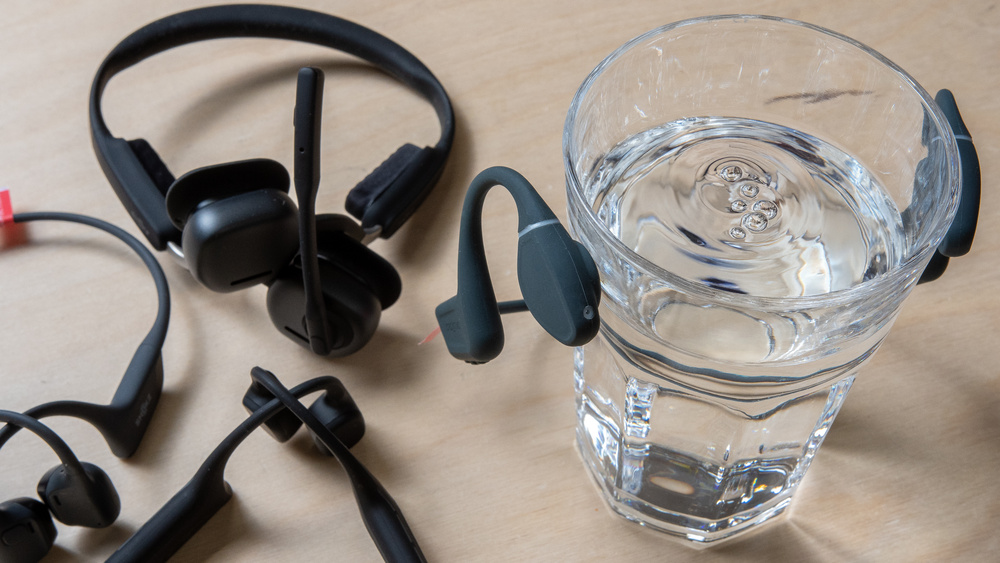
Perhaps you've heard about bone conduction headphones from someone in your run club or a coworker when prompted about the unique accessory over their ears. Maybe they can't help but share their experience and the benefits of using this type of headphone, but you're left wondering, "Okay, but what are bone conduction headphones?" Whether you're too shy to ask or just want more details, read on to find out.
What Is Bone Conduction?
In the simplest terms, bone conduction (BC) is a method of sound transmission that directs vibrations through the bones of your skull to excite your auditory machinery. This differs from air conduction (AC) transmission, used more commonly by dynamic and planar magnetic headphones, where the vibrations travel through the air to excite your auditory machinery. BC has been explored in a variety of applications, including in hearing aids and implants, professional communications, and, of course, sports and consumer use. But, as with most things in life, the theory is a lot tidier than the reality of its applications.
Not Just Bone

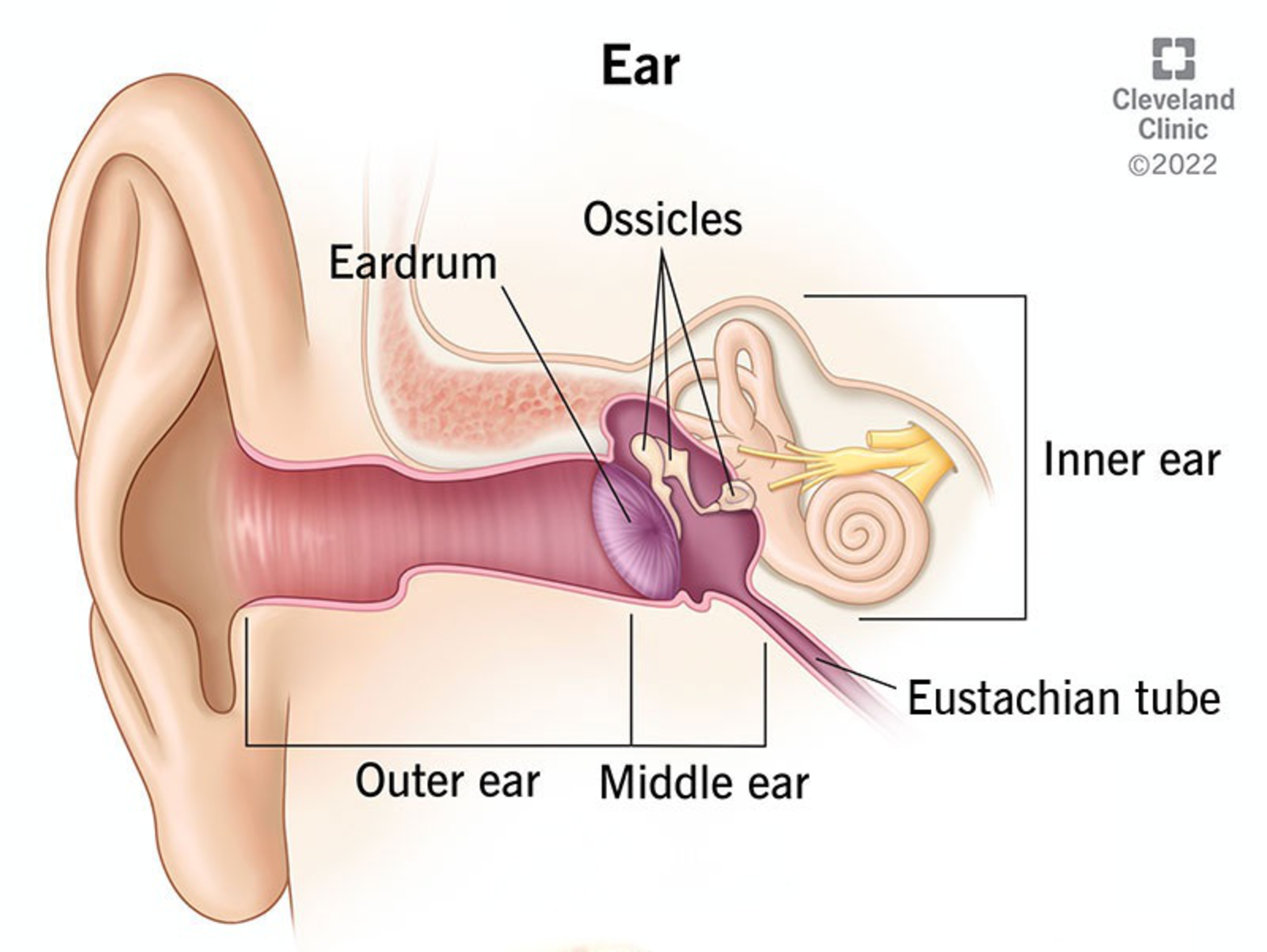
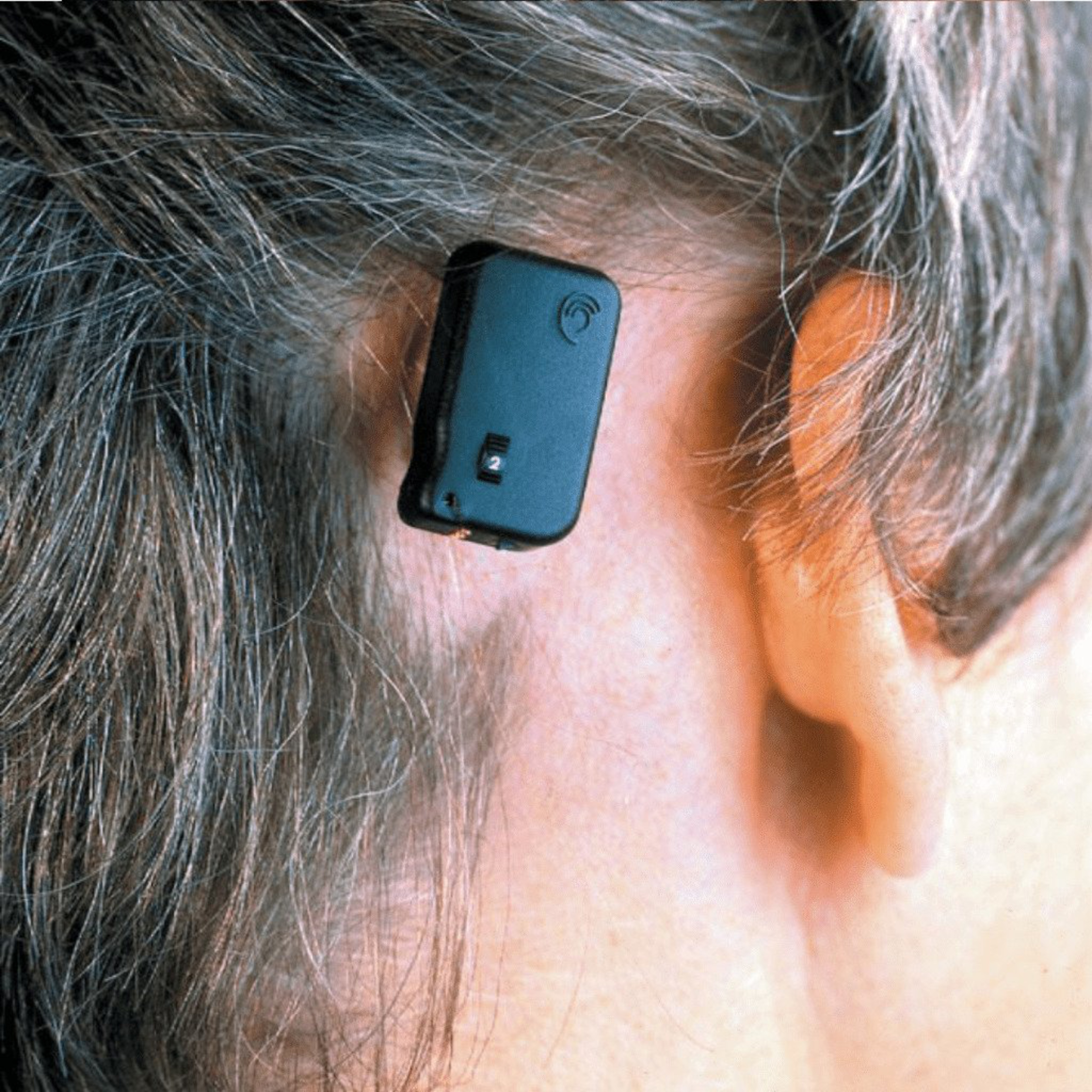
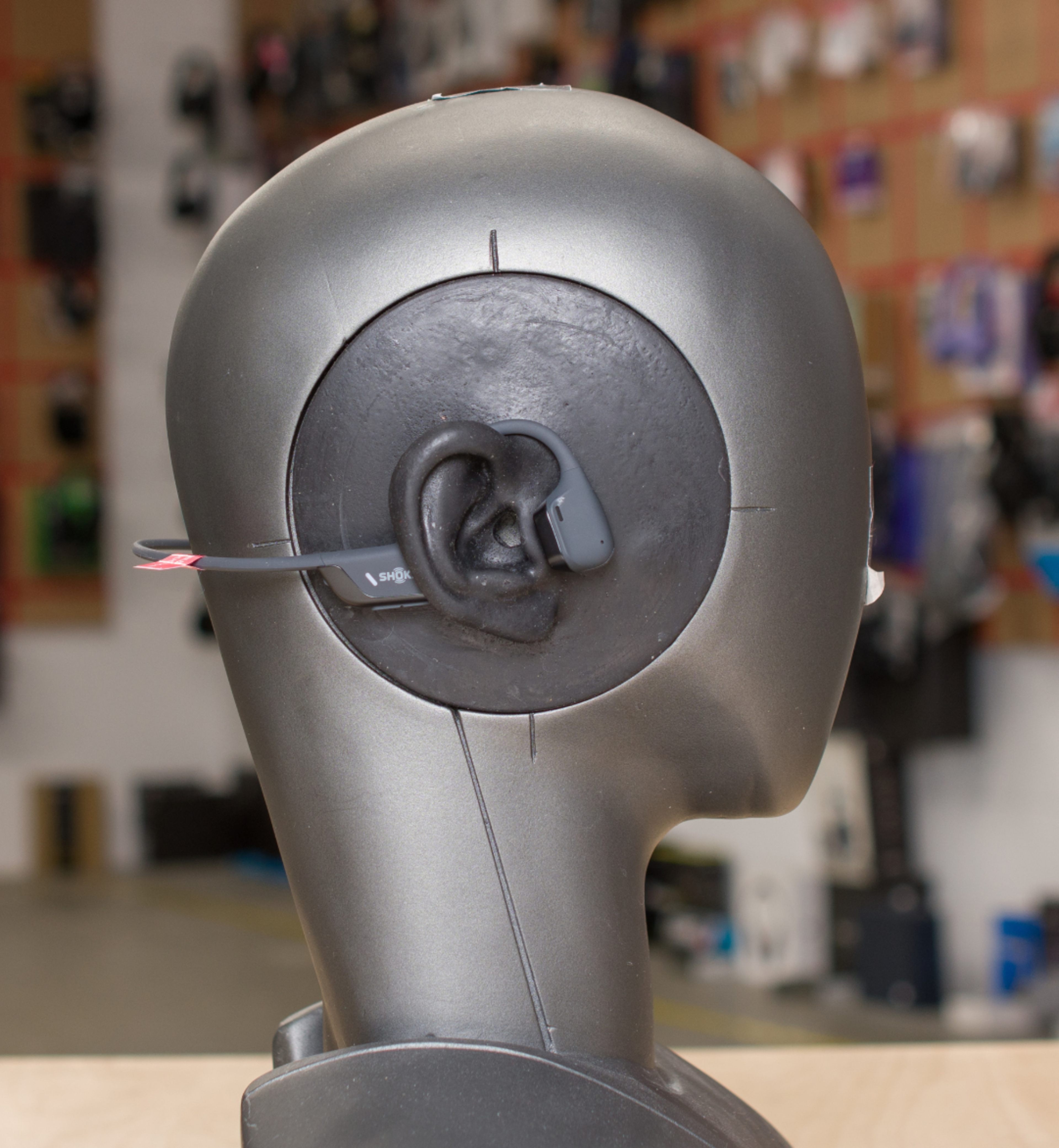
While most quick explanations may describe BC as bypassing the outer and middle ear and directly interacting with your inner ear (cochlea), real world applications of BC transducers (the vibrating bits) end up conveying sound information in a way that involves multiple pathways (which include the outer and middle ear) even if the transducers are placed on skin and bone; this means at least part of their sound transmission resembles that of AC. Additionally, most modern literature surrounding BC evaluates transducers placed behind, or behind and above, your pinna. This is in contrast to consumer bone conduction headphones, which typically have their transducers resting in front of your ears.
 |
 |
Consumer Bone Conduction Headphones
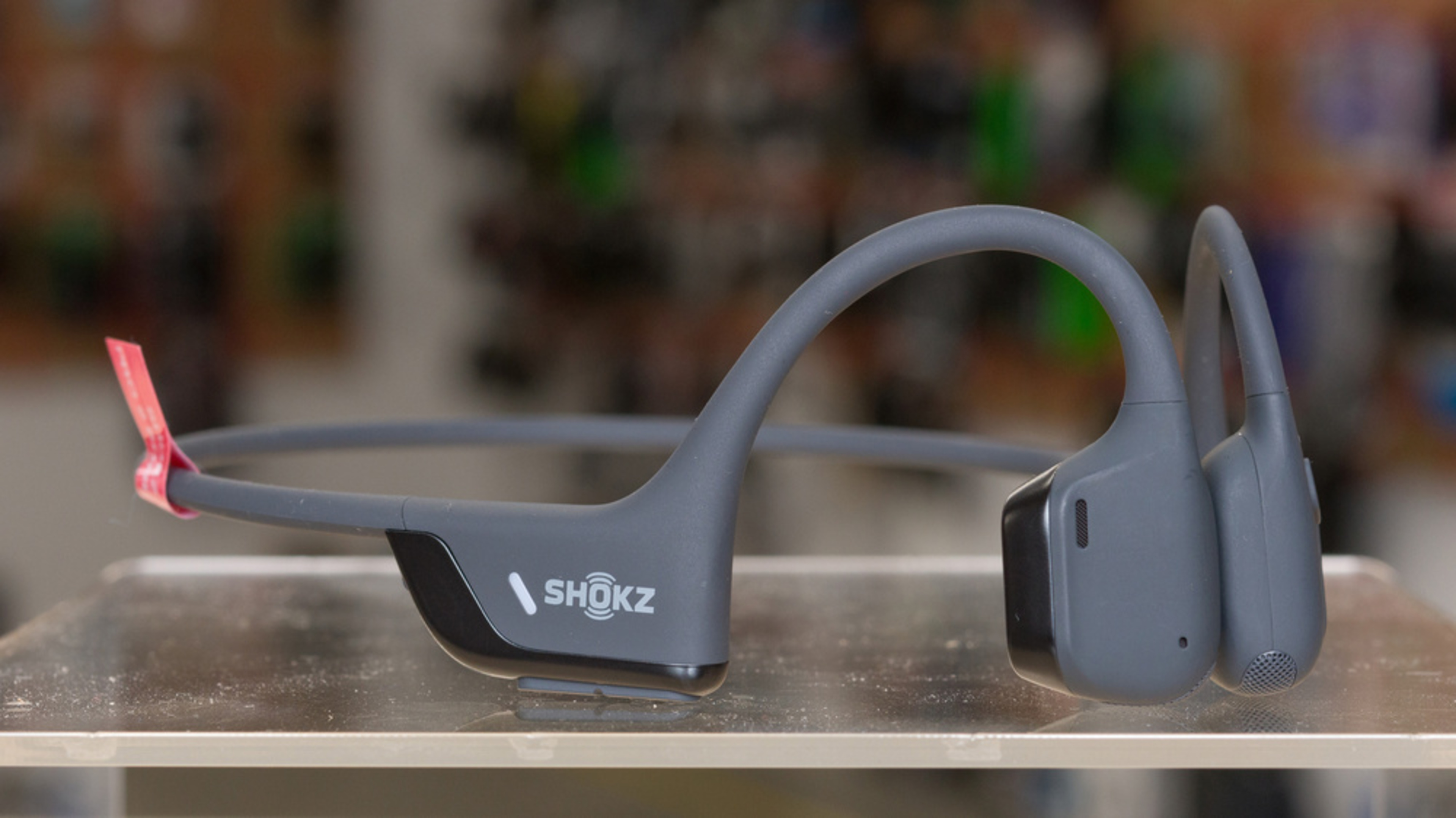
As you might expect, there are a few reasons that may be behind the driver location in headphones produced by brands like Shokz and Suunto. Unlike bone conduction hearing aids or bone-anchored implants, these products aren't exclusively marketed toward users who may be hard of hearing. As a result, manufacturers can optimize their driver placement to improve the overall performance of bone conduction headphones for those with healthy ears by utilizing bone conduction pathways that rely more heavily on the outer and middle ear and don't directly excite the inner ear. In practice, this design can allow for improved discernment of binaural cues and improved sensitivity to bone conduction sound, but can also make the product less effective for users with conditions that affect their outer and middle ears (like conductive hearing loss).
Are Bone Conduction Headphones Safe?
Yes, bone conduction headphones are safe. They don't conduct electricity through your head and simply vibrate on the surface of your skin. That said, you should follow similar safe listening practices as you would with regular headphones; listen to your body's signals if you feel discomfort or fatigue, and take breaks.
What Do Bone Conduction Headphones Sound And Feel Like?
To quickly answer the question, bone conduction headphones can sound hollow and boxy, and they produce a tingling sensation due to their vibration. Due to the unique mechanisms of bone conduction, measurements using head and torso simulators meant purely for air conduction headphones aren't the most reliable. HATS have no bones to interact with, so they can't capture a lot of the effects of bone conduction headphones. That said, most subjective assessments of consumer bone conduction headphones highlight a steep bass roll-off and poor low-frequency extension, and depending on the product, there are variations in treble frequency response.
In practical terms, bone conduction headphones are suitable for reproducing human speech in podcasts or interviews, but their limited low-frequency reproduction means you'll miss the thump and rumble of bassy effects in your favorite EDM tracks.

Who Should Use Bone Conduction Headphones?
So, theory and transducer location aside, should you use bone conduction headphones? The design of these headphones has two distinct advantages: they don't block or cover your ears, and they can be used underwater (provided the headphones have an adequate IP rating). This makes them a fantastic option for swimmers and anyone who wants to stay aware of their surroundings; you can even use them with earplugs to keep water out of your ears (some products even include earplugs). These headphones typically feature an ear hook design, too, so they likely won't fall off your head while you're moving.
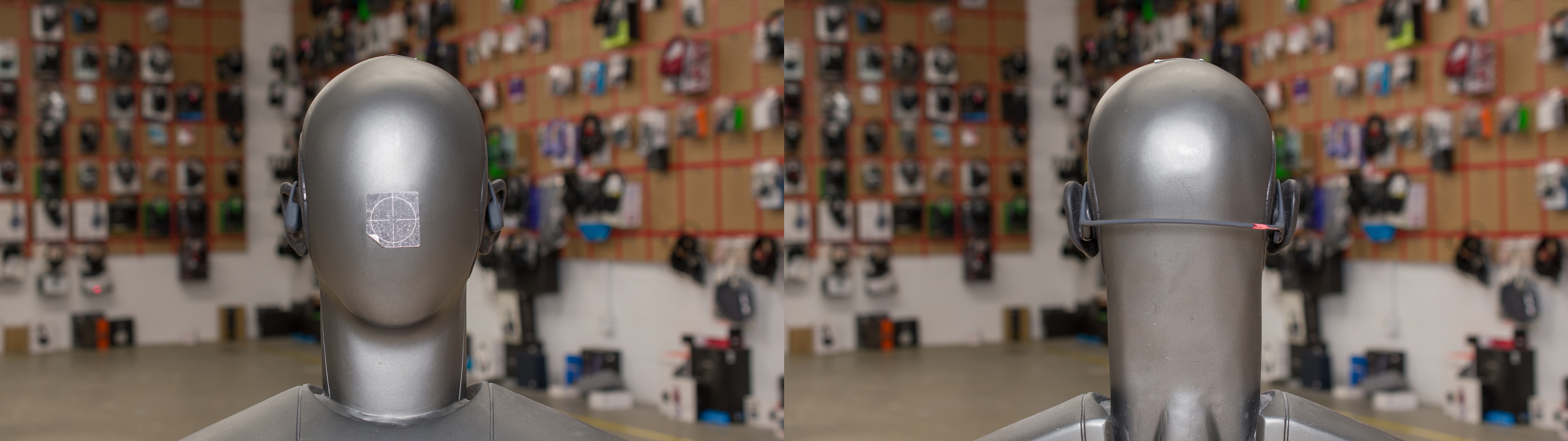
If you're planning on going for a jog (in one of our recommended running shoes), bone conduction headphones will remain solidly on your head. They can act as a more natural alternative to the transparency modes that some headphones offer. They also might be one of a few legal options for listening to music while cycling to the office, but make sure to check your area's local laws! Outside of physical activity, bone conduction headphones can be great for use in a collaborative environment like an office; you can listen to tunes while staying aware of anyone who might call your name for a question.
Who Shouldn't Use Bone Conduction Headphones
While this type of headphone can be a useful niche product, bone conduction headphones come with some downsides that may disqualify them as a viable purchase for some people. If you care about sound quality, bone conduction likely won't satisfy your needs; as mentioned earlier, they can sound hollow and boxy. The benefits of situational awareness and a lack of ear occlusion can be a negative, too, particularly for anyone who doesn't want to be distracted by their environment.
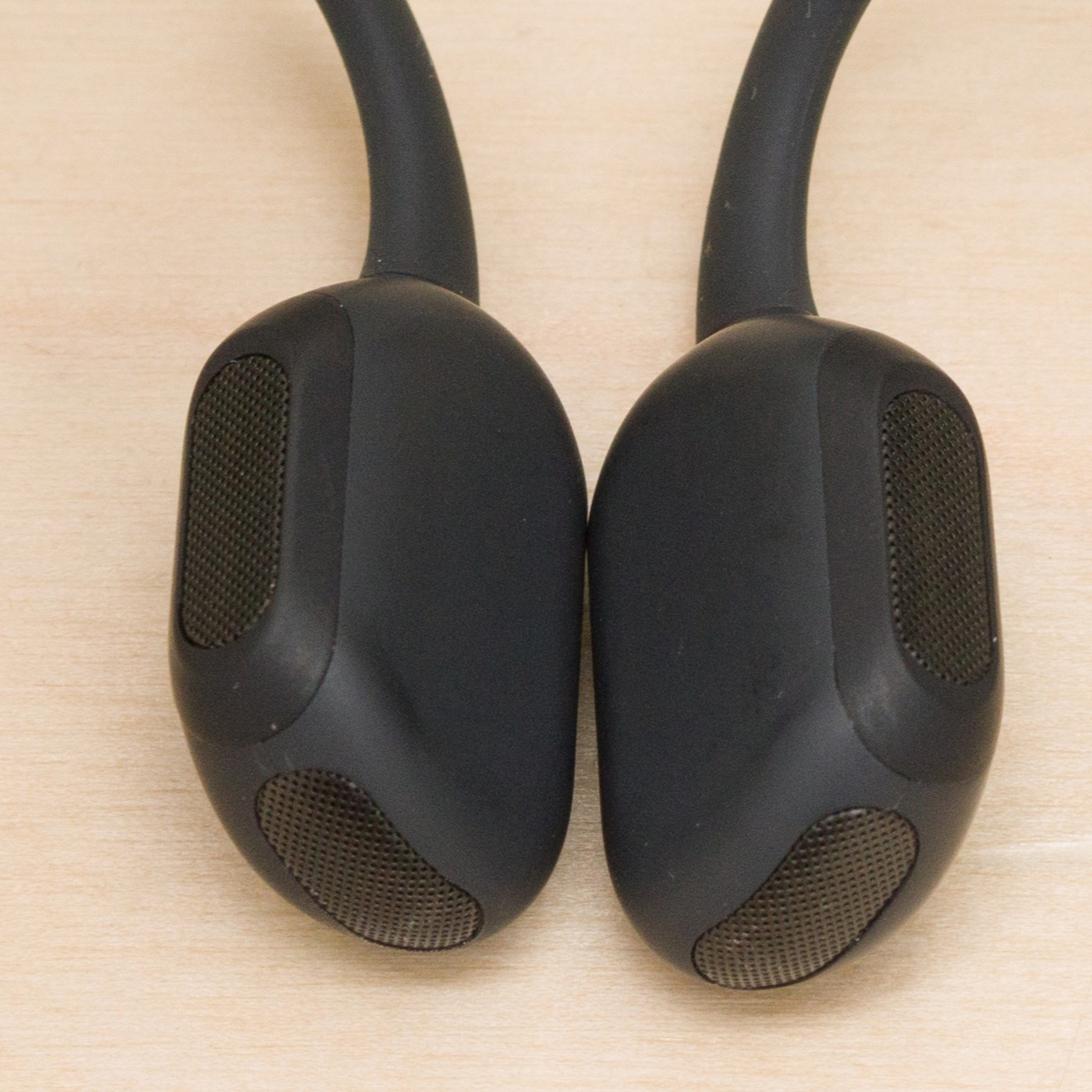
Additionally, the design of bone conduction headphones can potentially position the vibrating transducers in contact with the glasses of any bespectacled users, causing unexpected discomfort or annoyance. We've also found this to be an issue in our own testing. You don't have to wear glasses for bone conduction to be uncomfortable either; the headband commonly found on most bone conduction headphones can get in the way of your attire, too (tall collars, scarves, hoods, and hats). Plus, some people can find their characteristic vibrating sensation intolerable at louder volumes.
 |
 |
What To Look For When Buying Bone Conduction Headphones
Once you've accepted you won't be getting studio-grade sound quality from bone conduction headphones, here are a few characteristics you can use to evaluate the myriad bone conduction headphones to find the one that works best for you:
- Use Case: Do you need ingress protection for activities like swimming, all-season cycling, or dusty construction work?
- Fit and Comfort: Do the headphones have sizing options that work for you? If they're too small, the headband can dip down and slide the transducers closer to your temples. Are the ear hooks comfortable to wear for a long period of time?
- Battery: Wearing them for a long period of time is great, but it would be a waste if the battery didn't last long enough.
- Microphone: If you're planning on taking calls or using the headphones for meetings, having a microphone that works for your conditions is important, particularly if you're exposed to wind while cycling or running.
- App and Controls: As with most headphones, an intuitive control scheme and app can go a long way in reducing friction when cycling tracks or answering calls; this can matter even more when you (and your headphones) are bouncing up and down as you traverse your favorite trail.
- Other: Don't forget to consider other factors that might matter to you, like aesthetics, accessories, charging ports, and onboard storage or media player capabilities (for swimmers, Bluetooth doesn't work well underwater).
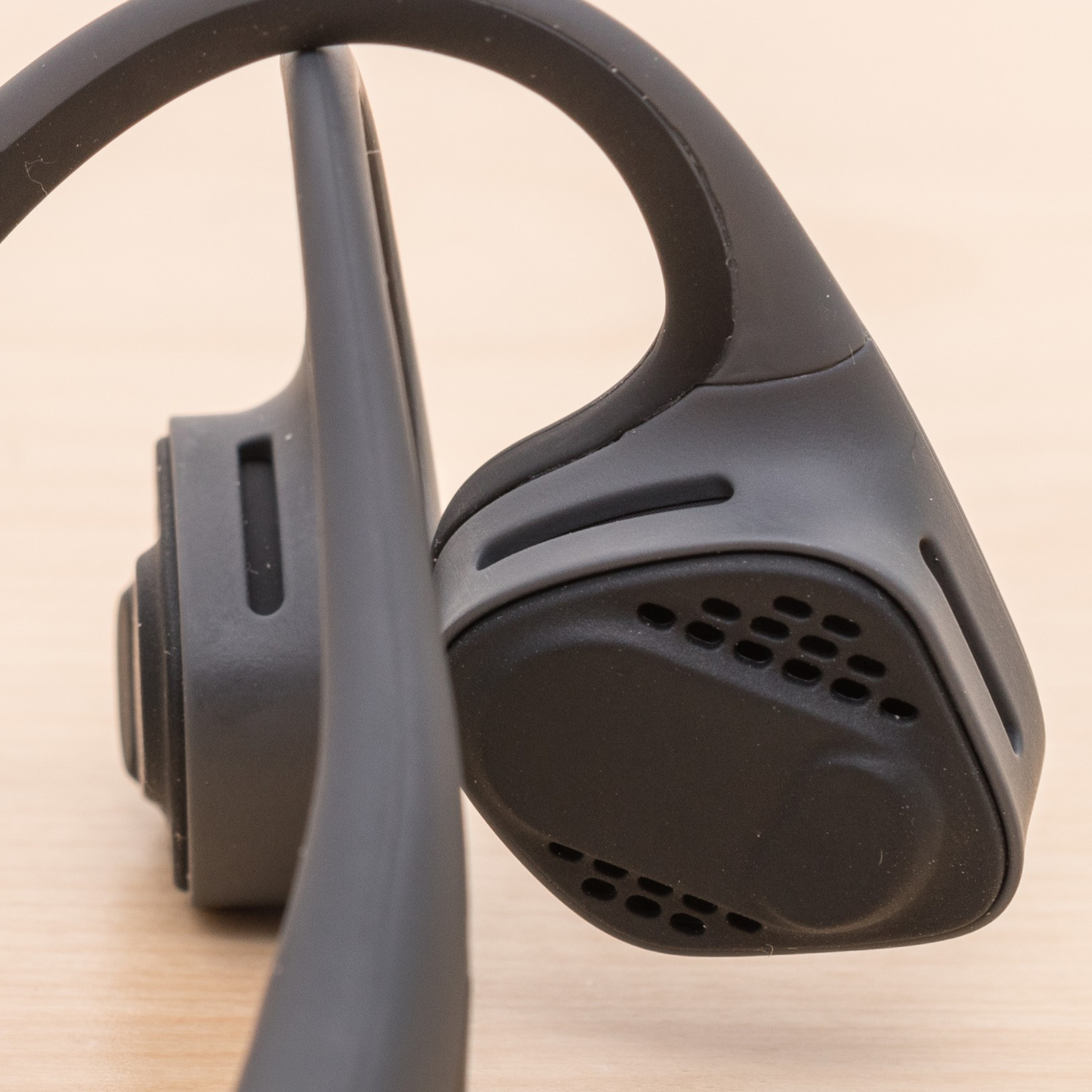
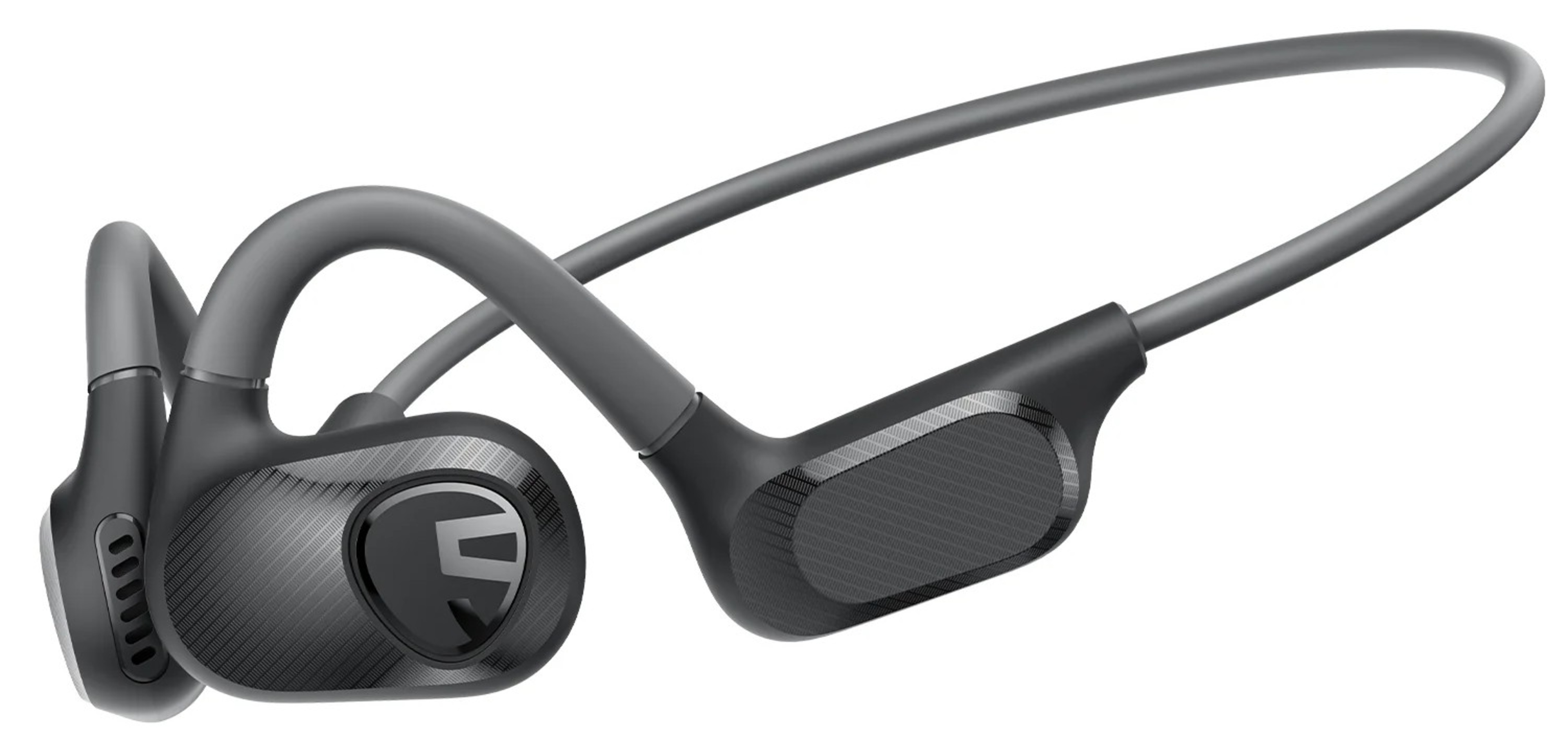
When you're browsing bone conduction headphones, make sure you take a look at each product's specifications. Some manufacturers use a similar headband and driver location, but they're actually air conduction headphones! This likely isn't malicious, though, as the earhook plus headband design that's commonly used for bone conduction headphones is quite stable, making it a good option for sports-oriented air conduction headphones too.
 |
 |
Conclusion
While bone conduction headphones can't provide the same quality as traditional headphones that use air conduction, their design can offer different advantages for athletes and people who prioritize environmental awareness. If you have any questions or you'd like to leave some feedback for us, please leave a comment below or contact us at feedback@rtings.com.
Recent Updates
08/26/2025: We created the article to introduce bone conduction headphone theory and applications.