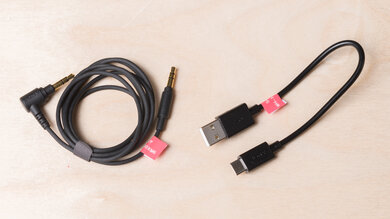
The Shokz OpenRun Pro 2 Bone Conduction is the 2024 follow-up to the Shokz OpenRun Pro Bone Conduction released in 2022. In essence, while this next generation of Shokz looks rather like the previous version, it seems that this time, it's what's on the inside that accounts for the biggest change. New to the second generation is a modified bone conduction and dynamic driver configuration, as opposed to just bone conduction alone, resulting in reduced vibrations. The open-fit design prioritizes environmental awareness and athleticism above all else, so whether running or walking your dog outdoors, you can hear any dangers and stay safe while still hearing your tunes.
Our Verdict
The Shokz OpenRun Pro 2 is good for sports and fitness. The open-fit design allows you to monitor your surroundings, which is especially helpful for avoiding hazards when exercising outdoors. It's comfortable and very stable, making it a solid companion for jogs, though if you do any horizontal exercises like crunches, the headband can get in the way. In addition to being dust- and water-resistant, the well-built IP55-rated headset is also sweatproof, according to the manufacturer, thanks to its mostly silicone-covered metal frame. Plus, the tactile controls mean that even if your hands are sweaty, skipping a song or cranking the volume isn't too fiddly. Its case is tough enough to withstand a few bumps from your sneakers in a gym bag, and it's light, though the package is still larger than true wireless earbuds. On the other hand, if you want silence to focus at the gym, this isn't the headset for you.
Continuous battery life will last through most sessions.
Stable fit.
Well-built with IP55 rating.
Leaks audio at elevated output levels.
The Shokz OpenRun Pro 2 is acceptable for traveling. The open-fit design offers virtually zero noise isolation, so you'll hear bus rumbles, passenger chatter, and airplane cabin ambient din unimpeded. While this may provide you with greater awareness regarding announcements, it otherwise means your audio is more difficult to hear without cranking the volume. It's a comfortable headset to wear when upright, but the wraparound design can get in the way if you lean back to rest your head, too. Still, the battery life is enough to last most flights, and the case helps protect the headset from getting battered around in your bag, even though it takes up real estate.
Continuous battery life will last through most sessions.
Open-fit lacks versatility for situations where noise isolation is preferred.
The Shokz OpenRun Pro 2 is passable for office use. Unless you want to hear your colleagues because you're collaborating, the open-fit design doesn't block out any environmental noises, which can be distracting and hinder how well you can hear your audio. Plus, sound can escape and be audible to your coworkers, depending on your listening volume and their proximity. On the upside, it's comfortable, the battery lasts through a workday, and multi-device pairing lets you switch between your work PC and your smartphone.
Bluetooth multi-pair with two devices.
The mic handles background noise well.
Open-fit lacks versatility for situations where noise isolation is preferred.
Leaks audio at elevated output levels.
The Shokz OpenRun Pro 2 only connects via Bluetooth, so you can't connect to consoles. It exhibits high latency without a gaming or low-latency mode, so you may experience an A/V mismatch, which is distracting. The open-fit headset lacks noise isolation and low-end response, making the experience less immersive.
The Shokz OpenRun Pro 2 is a Bluetooth-only headset and can't be used for wired gaming.
The Shokz OpenRun Pro 2 is a bone-conduction headset, so its audio reproduction method is incompatible with our testing rig. Consequently, we don't provide results for this usage.
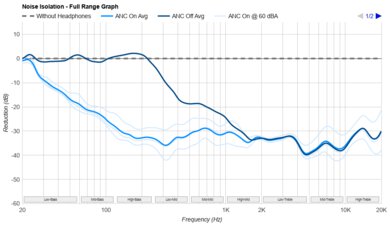
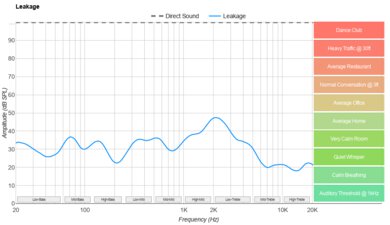
This score represents the leakage performance of the Shokz OpenRun Pro 2 Bone Conduction. Because it uses bone conduction technology, which isn't compatible with our standard isolation testing rig, we don't perform isolation tests on it. This headset is intentionally designed to leave your ear canal open and unsealed, so you'll hear your surroundings clearly while listening. At the same time, some of your audio will leak outward, and people nearby will hear a faint, thin version of what you're playing, even at moderate volumes.
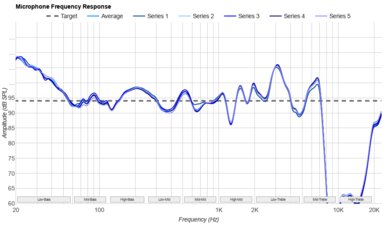
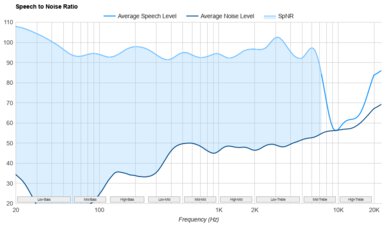
The Shokz OpenRun Pro 2 has decent microphone performance. The integrated mic does a great job of filtering out unwanted background noise, using an AI algorithm to separate your voice from the noise around you. However, it doesn't always render your voice totally natural, and depending on your timbre, it can cause your voice to sound congested or nasal.
The Shokz OpenRun Pro 2 is a bone conduction headset. As a result, we don't take measurements for our sound-related tests.
Performance Usages
Changelog
-
Updated Aug 28, 2026:
We've updated the Comfort box to mention the Shokz OpenDots 2, which have a design that doesn't interact with glasses and doesn't have a neckband.
- Updated Jun 23, 2026: This review has been updated to Test Bench 2.3, which removes the Virtual Soundstage, Base/Dock, and some comparisons from Bluetooth Connection. Have a look at our changelog for more info.
- Updated Apr 20, 2026: This review has been updated to Test Bench 2.2, which removes the Cumulative Spectral Decay (CSD) test, retiring its waterfall plot visualization from our reviews. You can read more about this change in the changelog.
-
Updated Apr 15, 2026:
This review has been updated to Test Bench 2.1, which removes the Group Delay test and rebalances scoring for the Harmonic Distortion test and Audio Reproduction Accuracy performance usage. For more details, consult our full changelog.
Check Price
Differences Between Sizes And Variants
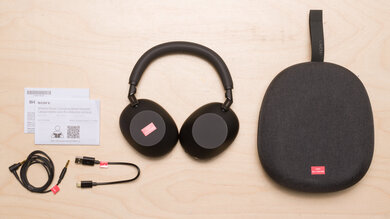
The Shokz OpenRun Pro 2 come in two sizes—Standard and Mini—and a few colorways; ours is Standard sized and 'Black' (you can see its label). There are also 'Silver' and 'Orange' variants. Shokz produces endorsement versions like the 'Kipchoge Co-branded Edition' colorway, which is named after one of the world's fastest long-distance runners, Eliud Kipchoge, and a 'Boston Marathon Co-branded Edition.’ Besides the sizing difference between the Standard and Mini, we expect these to all perform similarly to our unit.
If you encounter another variant of this headset, please let us know in the comments, and we'll update our review.
Popular Headphone Comparisons
One of the central differences between the Shokz OpenRun Pro 2 and the previous Shokz OpenRun Pro Bone Conduction is the addition of a dynamic driver; it works in concert with the bone conduction tech found in the last generation to reduce the vibrating sensations associated with bone conduction headsets. The OpenRun Pro 2 also swaps out the brand's proprietary charging connection for a more universal USB-C port. Shokz isn't the sole option for bone conduction, and the IP68-rated Mojawa Run Plus is considerably more waterproof. Still, we're in an era with an embarrassment of riches for wireless audio without isolation. Unique options like the Bose Ultra Open Earbuds are very stable 'cuffs’ that clip onto your earlobes for audio on the run, though the OpenRun Pro 2 are possibly slightly more resilient to drops, owing to the internal metal frame and silicone exterior. For the value-driven athlete, the Anker Soundcore C30i are another 'cuff' style pair of earbuds that are more portable than the Shokz, but the mic performance is worse.
If you want a more versatile option that can accompany you to the gym or the office, consider noise-isolating earbuds with transparency modes, some of which are our picks for the best headphones for running. If you prefer the security of a wraparound design, try the best neckband headphones. Lastly, if bone conduction isn't your preference, check out the best over-ear headphones for working out.
The main reason to choose the Shokz OpenRun Pro 2 Bone Conduction over the Shokz OpenRun Pro Bone Conduction is for quality-of-life improvements, like the USB-C charging port and the reduced vibrations associated with the first-generation OpenRun Pro. While neither offers amazing sound quality, you may prefer the OpenRun Pro 2's extra EQ options. Both have the same IP55 rating with similar builds. If you already own the OpenRun Pro, there aren't many other reasons to get the OpenRun Pro 2, aside from slightly longer battery life.
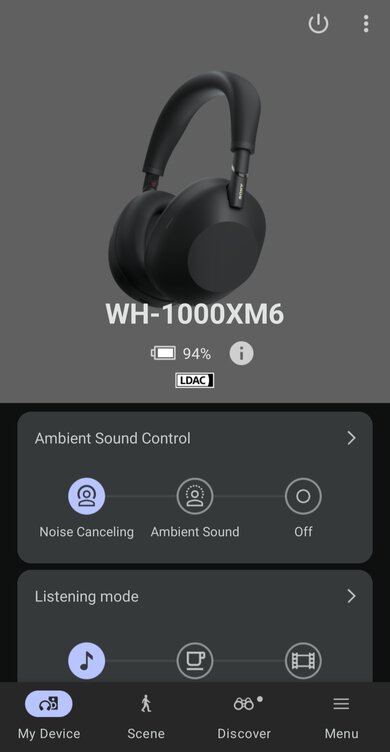
Depending on your needs, you may prefer the Shokz OpenRun Pro 2 Bone Conduction or the Shokz OpenRun Bone Conduction. The OpenRun Pro 2 has improvements like fewer vibrations from the bone conduction drivers and a USB-C charging port instead of the proprietary battery charger with the OpenRun. The OpenRun Pro 2's app lets you change the EQ, and its mic performance is improved. Folks can get it in a smaller size if needed, which makes a difference in sound and comfort. However, the standard OpenRun has a higher IP67 rating, which might override other considerations for the truly outdoorsy.
The Shokz OpenRun Pro 2 Bone Conduction and the Shokz OpenFit Pro are both workout and fitness-oriented earbuds that utilize different sound reproduction technologies. The former uses bone conduction drivers, which bypass the ear canal. While this leaves your ear canal totally unobstructed, for unparalleled situational awareness, it creates a sound that lacks almost all bass range frequencies and can vibrate your jaw uncomfortably at higher volumes. Meanwhile, the OpenFit Pro use dynamic drivers positioned outside your ear canal. This still gives you some situational awareness and rolls of some bass range frequencies, though the effect isn't as drastic as with bone conduction headphones. Both have comfortable, stable, and sturdy designs (though the OpenFit Pro are more portable) and both have similar battery life performances, so choosing between them ultimately comes down to which driver technology you prefer.
The Bose Ultra Open Earbuds are slightly better for most people than the Shokz OpenRun Pro 2 Bone Conduction, but each have loyal fans. The Bose are more portable and don't apply pressure near your cheekbones and temples, which can bother some people. Their continuous battery life is comparable to the Shokz, but the extra recharges the case provide edge them ahead. They're also slightly more stable. On the other hand, the Shokz headset has a tougher IP55 rating and multi-device pairing, and it won't get in the way if you have a lot of piercings along your ear lobes. While the Bose are well-built, the silicone and nickel-titanium frame of the Shokz seems more impervious to damage.
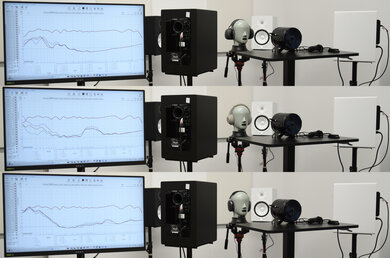
Our How We Test Headphones article takes you behind the scenes in our lab. You'll learn how we choose and purchase products and dive into the details of our review philosophy, from testing and scoring to writing and editing.
You can also discover how we produce recommendations like this one so that you can find the best headphones (or earbuds!) for your needs.
Test Results
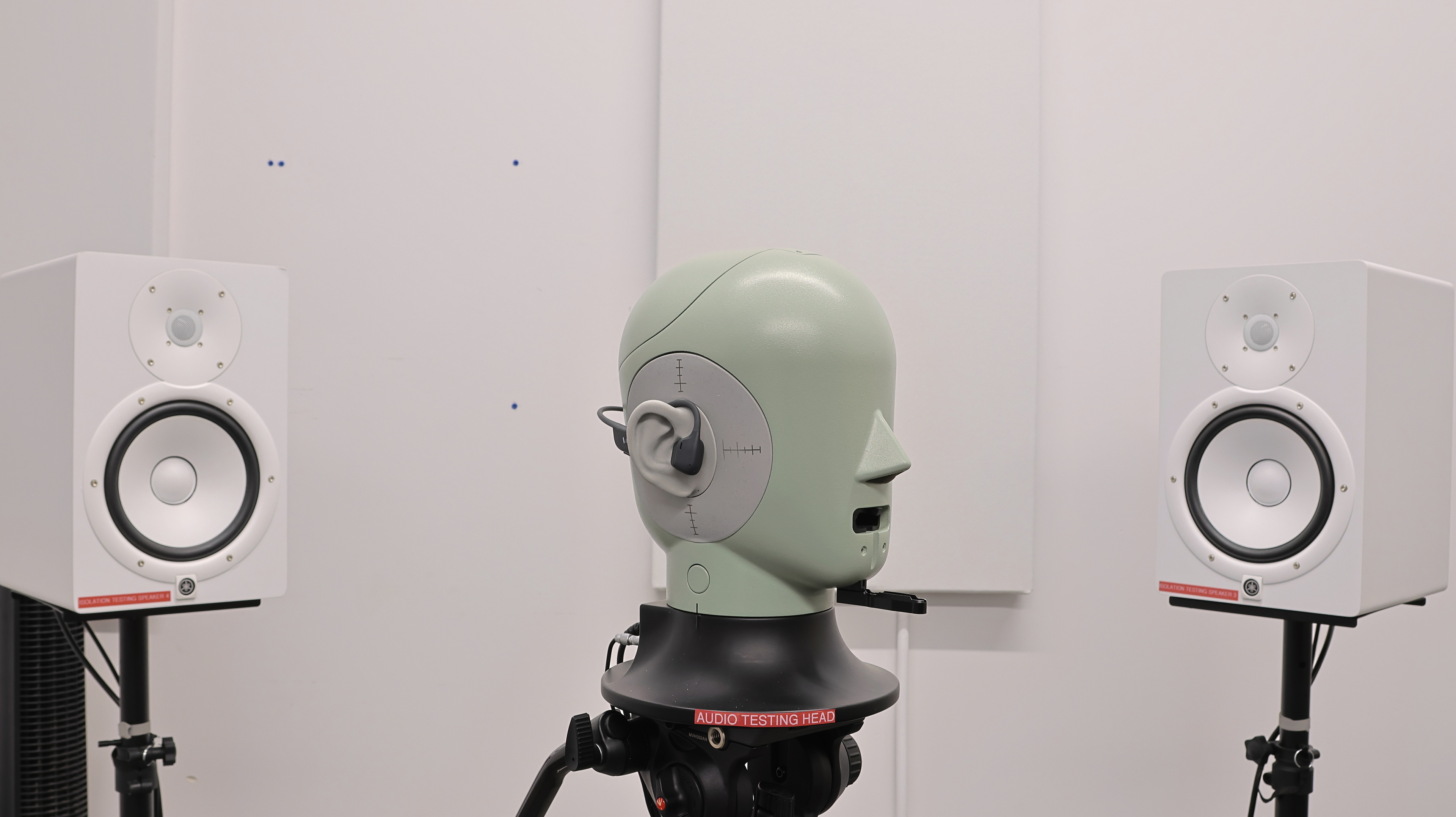
for pictures & test results
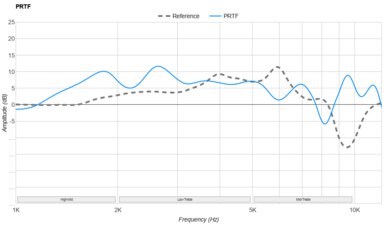

for pictures & test results

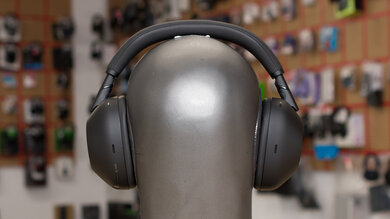
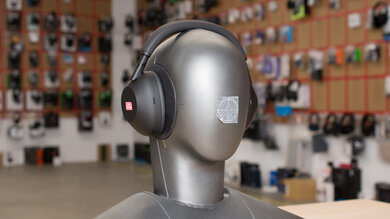
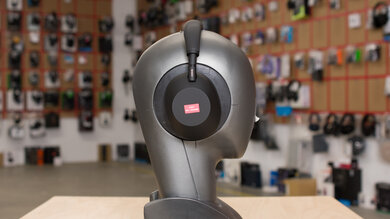
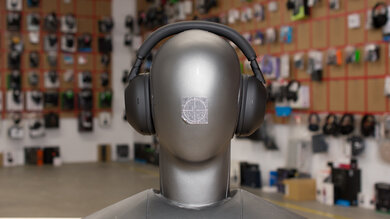

for pictures & test results
for pictures & test results