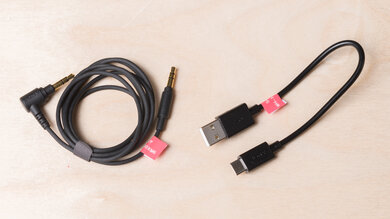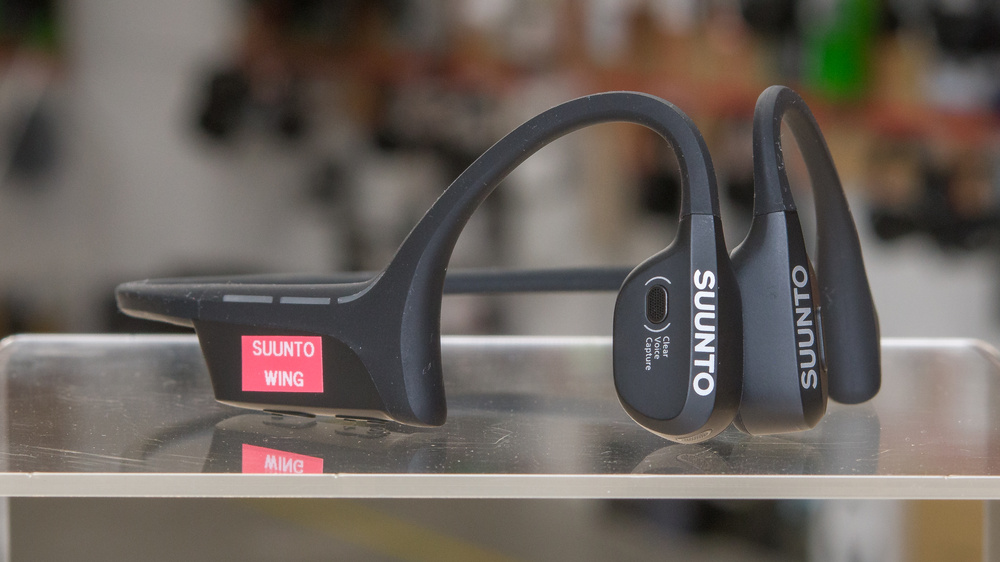
The Suunto Wing are bone conduction headphones made by Finnish company, Suunto, and feature unique additions like LED hazard lights and a power bank that set them apart from the rest of the pack. As with other bone conduction headphones, their open fit allows for safer traversal of busy streets and crowded trails thanks to the prioritization of environmental awareness.
Our Verdict
The Suunto Wing are very good for sports and fitness. They have an IP67 certification for dust and water resistance, making them some of the most weather-resistant headphones we've tested. You can take them out on dusty hikes or rainy jogs without hesitation. Their battery also lasts for 12.5 hours, which is more than enough for even a full marathon. Their design also makes staying active a breeze: your ears aren't blocked, so you can stay aware of your surroundings, and their ergonomic design delivers a lightweight, stable, and comfortable wear. To top it off, they support multi-point connectivity, allowing you to connect to a smartwatch and your smartphone simultaneously.
Stable and comfortable fit.
12.5-hour battery life.
Disappointing microphone noise handling.
Bone conduction can be uncomfortable if you wear glasses or earrings.
The Suunto Wing aren't ideal for travel. Their open design means you have no noise attenuation from the outside world; you'll hear airplane and bus engines rumble loud and clear. The Suunto are also wireless only, so you won't be able to use them with in-flight entertainment systems. And while their 12.5-hour battery will last for most flights, your neighboring passengers may notice audio leakage from your headphones.
Stable and comfortable fit.
Bad noise isolation performance.
Bone conduction can be uncomfortable if you wear glasses or earrings.
The Suunto Wing are suitable for office work if you're in a collaborative environment. The Suunto Wing have no noise attenuation to speak of, so if you need to lock in and concentrate in a busy bullpen, you're out of luck. However, if you work in a generally quiet space or often collaborate with coworkers, the Suunto headphones allow you to stay aware of your surroundings and conversations without needing to switch to transparency modes or remove your headphones. While they aren't the best for audio reproduction accuracy, their elevated mid-range means speech during Teams meetings will still be comprehensible. The Suunto are also comfortable and lightweight, though glasses wearers may find bone conduction in general annoying.
Stable and comfortable fit.
Bad noise isolation performance.
Disappointing microphone noise handling.
Bone conduction can be uncomfortable if you wear glasses or earrings.
The Suunto Wing only connect over Bluetooth, so they won't work with most consoles. That said, they support aptX Adaptive, so you may be able to use them for PC and mobile gaming without too much audio/video sync error.
The Suunto Wing only connect wirelessly and can't be used for wired gaming.
The Suunto Wing aren't designed with audio reproduction accuracy as a top priority. Due to their sports-oriented, open design and use of bone conduction technology, they reproduce audio with a dominant mid-range, making them best suited for voice-dominant content like podcasts. However, you can also block your ears with the included earplugs to boost their bass and volume.
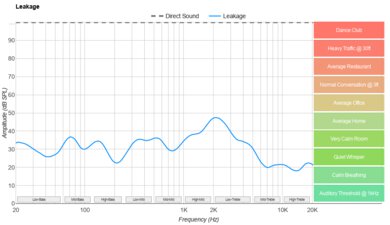
The Suunto Wing aren't meant to isolate you from noise due to their open design; you can hear your surroundings as though you weren't wearing headphones. That said, they have okay leakage performance. If you have them at max volume, a nearby coworker won't hear much of your audio leaking in a busy office.
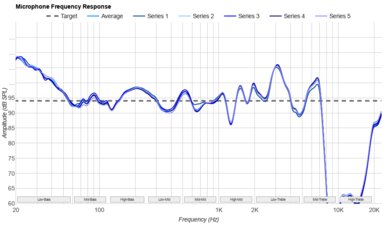
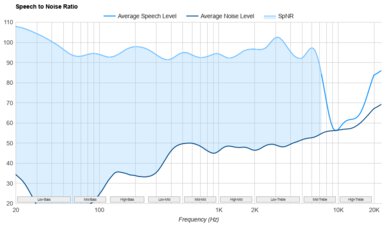
The Suunto Wing have a mediocre microphone system. While it reproduces your voice naturally and comprehensibly, it does almost nothing to separate your voice from background noise. Anyone on call with you will hear most background noise, and your voice can even be overwhelmed by loud sounds, like jackhammers.
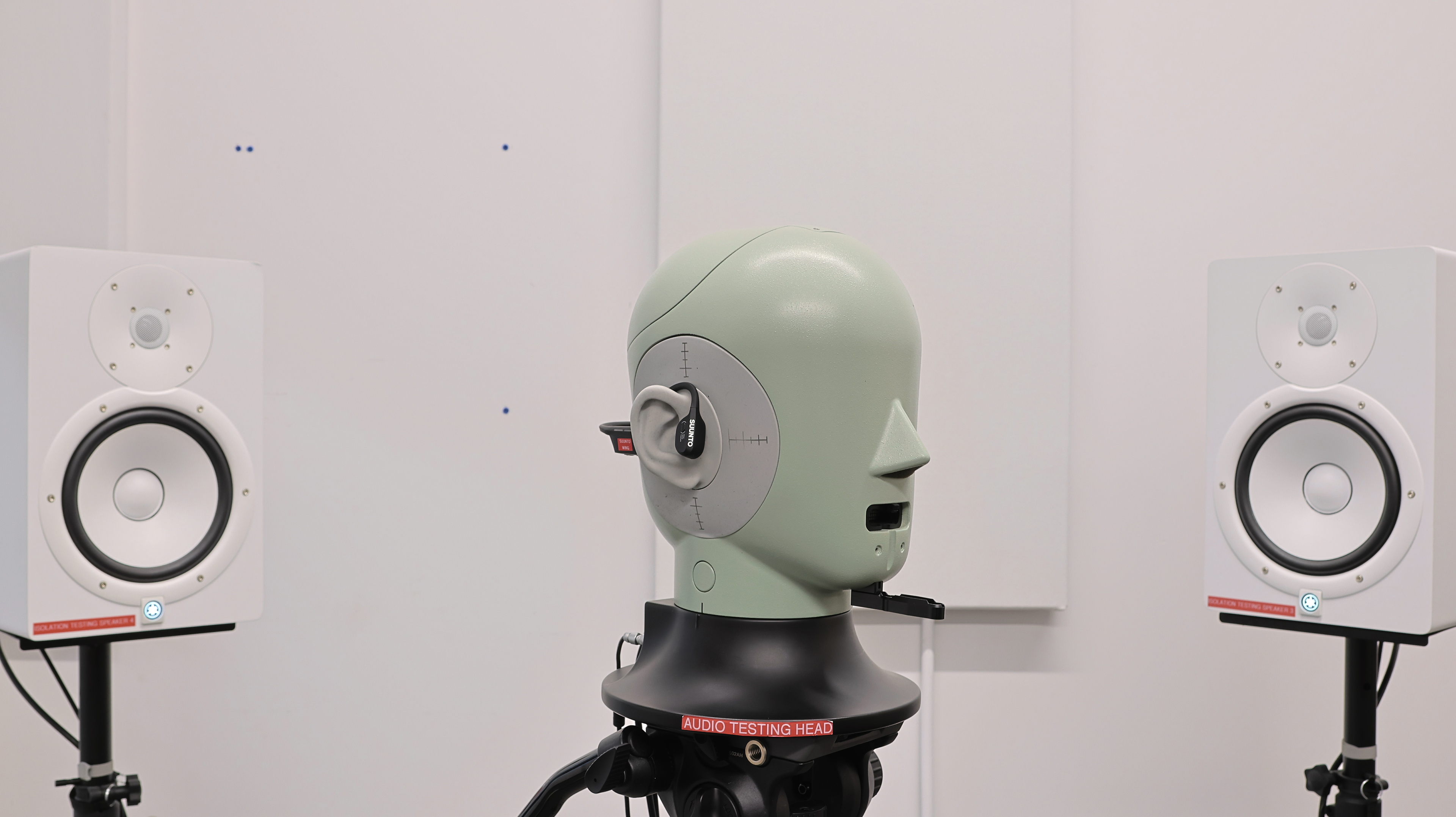
We were unable to take measurements to assess the frequency response consistency of the Suunto Wing due to incompatibilities with our test setup and the headphones' bone conduction design. However, we found that their placement can vary widely among the same individuals and those of different individuals, and that this leads to variation in how they sound.
Performance Usages
Changelog
-
Updated Sep 25, 2026:
We've mentioned the Shokz OpenRun 2 Air Bone Conduction in the Battery box.
- Updated Jun 23, 2026: This review has been updated to Test Bench 2.3, which removes the Virtual Soundstage, Base/Dock, and some comparisons from Bluetooth Connection. Have a look at our changelog for more info.
- Updated Apr 20, 2026: This review has been updated to Test Bench 2.2, which removes the Cumulative Spectral Decay (CSD) test, retiring its waterfall plot visualization from our reviews. You can read more about this change in the changelog.
-
Updated Apr 14, 2026:
This review has been updated to Test Bench 2.1, which removes the Group Delay test and rebalances scoring for the Harmonic Distortion test and Audio Reproduction Accuracy performance usage. For more details, consult our full changelog.
Check Price
Differences Between Sizes And Variants
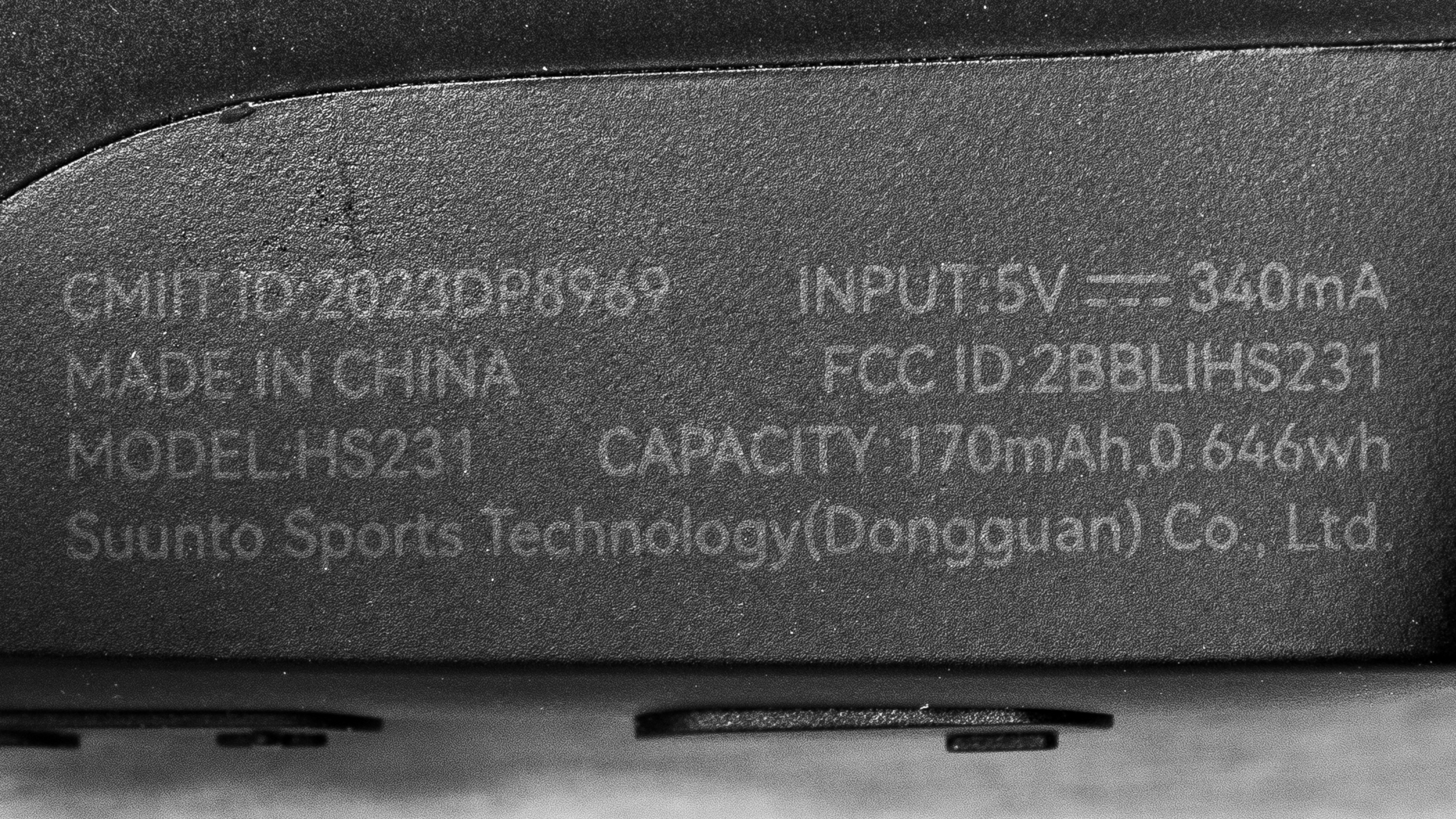
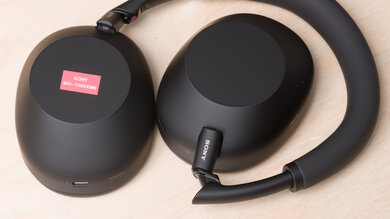
The Suunto Wing come in 'Black,' 'Lime,' and 'Red' variants. We tested the 'Black' color, and you can view the label.
If you encounter other variants of the headphones, please let us know in the comments, and we'll update the review.
Popular Headphone Comparisons
The Suunto Wing is the predecessor to the Suunto Wing 2. The sequel to the Wing drop their IP rating from 67 to 66, support fast charging with their power bank, and swap the headphones' charging port for USB-C. That said, the Wing 2 come in at a higher RRP (recommended retail price).
Expanding to products from the brand-to-beat in the bone conduction space, Shokz, the Suunto Wing's specs more closely match those of the Shokz OpenRun Bone Conduction, rather than the IP-55 rated Shokz OpenRun Pro 2 Bone Conduction. Like the Wing, the OpenRun feature an IP67 rating, making them suitable for a multitude of outdoor settings, though they aren't as comfortable or well built. On the other hand, the OpenRun Pro 2 match the Wing in ergonomics and feature additional dynamic drivers meant to enhance your listening experience. The OpenRun Pro 2's microphone is also significantly better at handling noise. Regardless, any of these options keep your ears free so you can concentrate on beating your PB.
If you find yourself distracted by bone conduction vibrations or just find them unpleasant, check out our recommendations for the best headphones and earbuds for running and working out or the best neckband headphones. Lacing up for your first quarter marathon? Have a look at our picks for the best marathon running shoes.
The Shokz OpenRun Pro 2 Bone Conduction and Suunto Wing are similar headphones that both use bone conduction transducers. That said, the Shokz also have dynamic drivers meant to improve their sound quality. Compared to the Suunto, the additional drivers allow the Shokz to reach similar levels of audio without relying as much on bone conduction, reducing the vibrating sensation for the listener (which some find uncomfortable). That said, the Shokz have a lower IP55 rating compared to the Suunto's IP67. For most, this won't matter, but if you often hike near water, you may prefer the protection against temporary submersion offered by the Suunto.
The Suunto Wing and Shokz OpenRun Bone Conduction are similar bone conduction headphones. They both sport an IP67 rating against water and dust exposure, and both manufacturers claim they're also sweat-resistant. That said, there are some minor differences that may push you toward one product over another. The Shokz are available in two sizes, which can be particularly attractive if you have a smaller head. Meanwhile, the Suunto come with a powerbank that stores an additional two charges and LED hazard lights on the sides. Plus, the Suunto are better built, and we found they were more stable to wear.
The Bose Ultra Open Earbuds and Suunto Wing are different headphones that are both suitable for active lifestyles. The Suunto are bone conduction headphones that use vibrating transducers to transmit audio through your head to your auditory machinery, while the Bose are cuff-style earbuds that use more standard dynamic drivers to transmit audio. Both designs allow your ears to remain unobstructed, enabling you to stay aware of your surroundings. The Suunto has a more aggressive IP67 certification in contrast to the Bose's IPX4 rating, so if you plan to do more than jog in the rain, you'll likely prefer the Suunto. That said, the Bose are less bulky and are better suited as general-use headphones due to their superior microphone and more customizable app.
The Suunto Wing and Beats Powerbeats Pro 2 are both headphones catered to people with active lifestyles. The Beats feature heart rate sensors and ear hooks for stability, while the Suunto have an open, headband-style design that features bone conduction transducers. The Suunto feature an IP67 rating that indicates stronger resistance to dust and water exposure compared to the Beats' IPX4, making them the better option for the hardcore outdoorsy. That said, the Beats have top-tier active noise cancellation and transparency modes, allowing you to choose between near-perfect isolation while concentrating on training and awareness when jogging on a busy trail or in the city.
Our How We Test Headphones article takes you behind the scenes in our lab. You'll learn how we choose and purchase products and dive into the details of our review philosophy, from testing and scoring to writing and editing.
You can also discover how we produce recommendations like this one so that you can find the best headphones (or earbuds!) for your needs.
Test Results

for pictures & test results



for pictures & test results
for pictures & test results