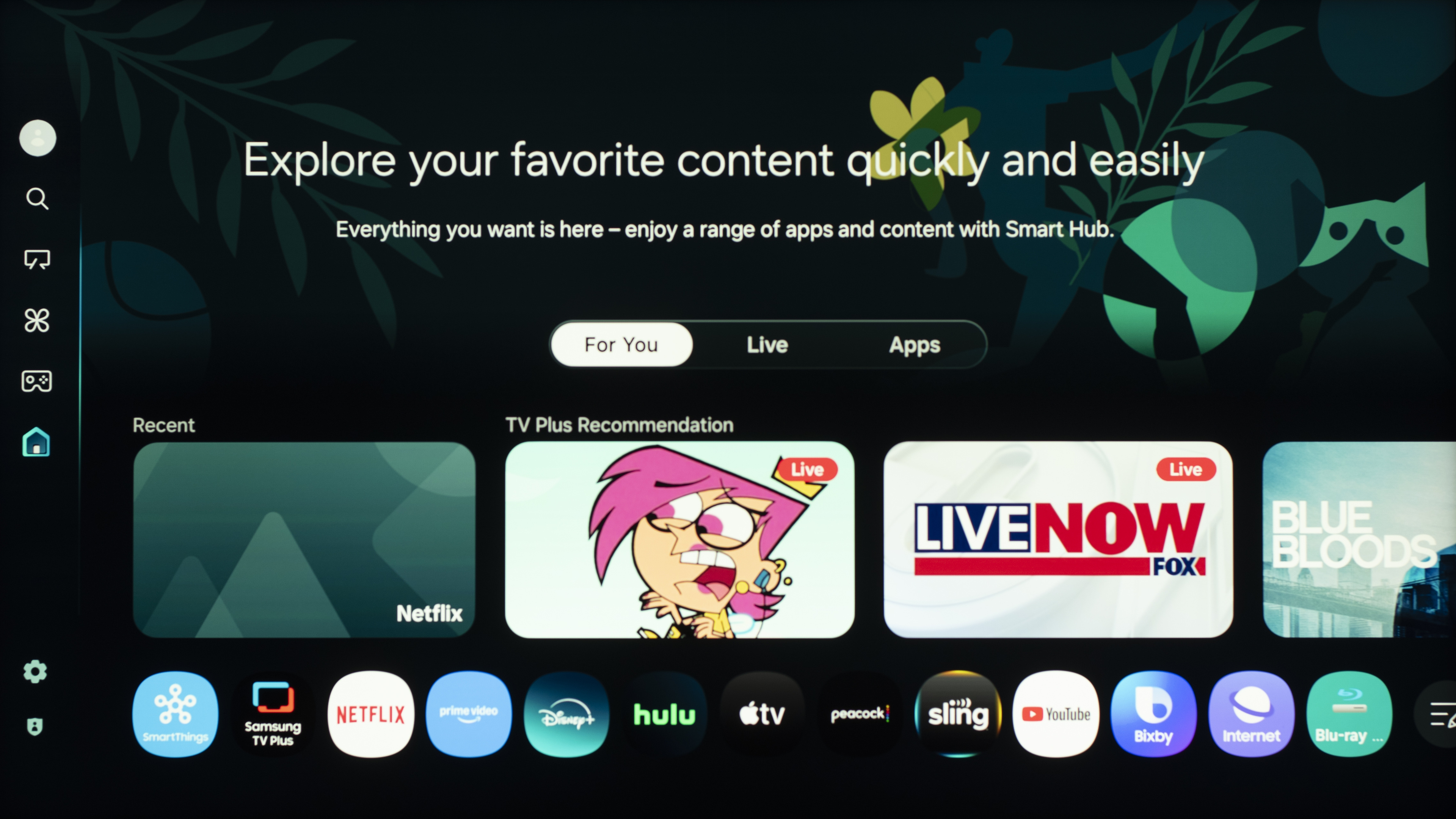
Most TVs nowadays have smart features, but a handful of different smart operating systems are used by the majority of brands. If you're looking for a TV that integrates seamlessly with your other smart devices, or you simply want to replace your external media player, selecting the right smart OS can be crucial. So, what is Tizen? Tizen (pronounced TIE-zin) is Samsung's Linux-based proprietary smart OS, and you will find it on all of their TVs. Samsung also licenses Tizen to other TV brands worldwide, so you can also find the platform in TVs made by brands like RCA. Before we dive into the features offered by Samsung's Tizen OS, let's briefly touch on smart TVs as a whole.
Smart TV Operating Systems
A TV's smart OS is essentially like having a streaming device built into your TV. Pretty much every television on the market today is a smart TV, and you will find very similar smart features regardless of the brand you choose. However, different brands and even individual TVs from the same brand can offer varied interfaces, performance, and features. There are many smart platforms used in TVs worldwide, but six operating systems account for the majority of the market, including Tizen. Like Samsung's Tizen OS, LG's webOS is proprietary, so you will find it built into all LG TVs. LG also licenses their smart platform to other brands worldwide. Google TV is the most widely used platform and is featured on TVs sold by many different manufacturers. You'll also find Roku TV, Fire TV, and Hisense's VIDAA OS used across various models and brands globally.
Below is a table with the most popular smart operating systems and the brands that use them at the time of publication. You'll notice that some brands, such as Hisense, utilize different smart platforms in various models and regions. The list below isn't exhaustive, but it covers the vast majority of the TV market.
| Smart OS | Brands Using It |
|---|---|
| Tizen | Mainly used by Samsung, but also licensed worldwide to brands like RCA, Axdia, EKO, and QBELL |
| Google TV/Android TV | Sony, TCL, Hisense, Xiaomi, Vizio, Sharp, other smaller brands |
| Fire TV | Amazon, Panasonic, Hisense, Toshiba, Insignia |
| webOS | Primarily used by LG, but also licensed to brands like RCA, Ayonz, Konka, Aiwa, and Hyundai |
| Roku TV | Roku-branded TVs, TCL, Hisense, Sharp, Philips |
| VIDAA | Mostly used by Hisense in some regions, but is also used by brands like Toshiba, Loewe, and Schneider |
There's not a massive difference between each of these options, so you will be able to cast content from your phone, easily find your favorite apps, play content from a USB stick, and use your voice to control the TV, regardless of the smart OS your television has. However, Tizen does offer some unique features.
What's Unique About Tizen?
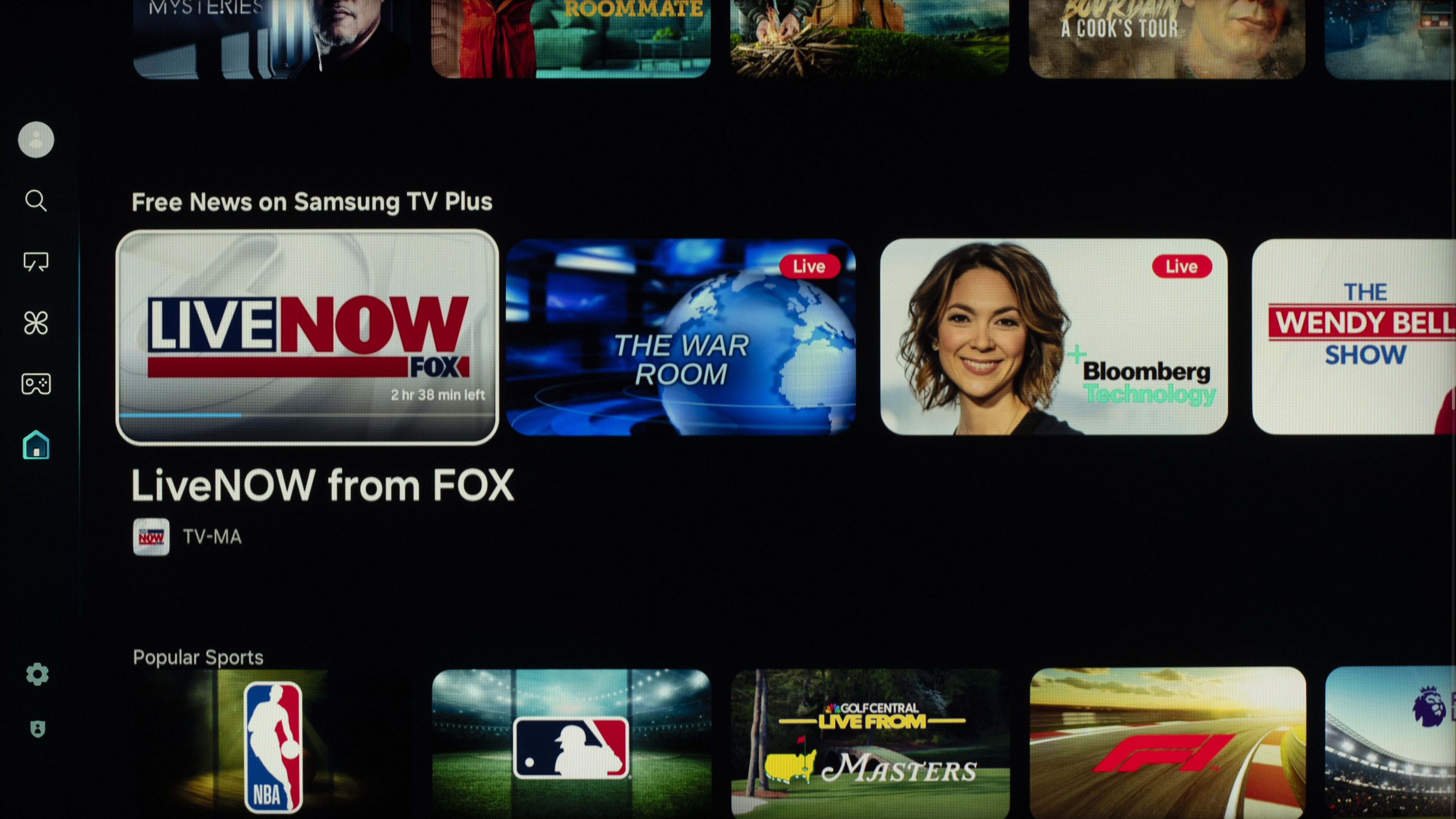
Tizen offers a few smart features that some other smart operating systems don't. One of the most popular features is Samsung's Multi View, which is essentially a picture-in-picture mode that allows you to view multiple sources on the screen simultaneously. For example, you can cast your own videos to half of the screen, while the other half displays the news from a cable box. Tizen also provides access to Samsung TV Plus, a free ad-supported streaming platform offering live TV and on-demand content.
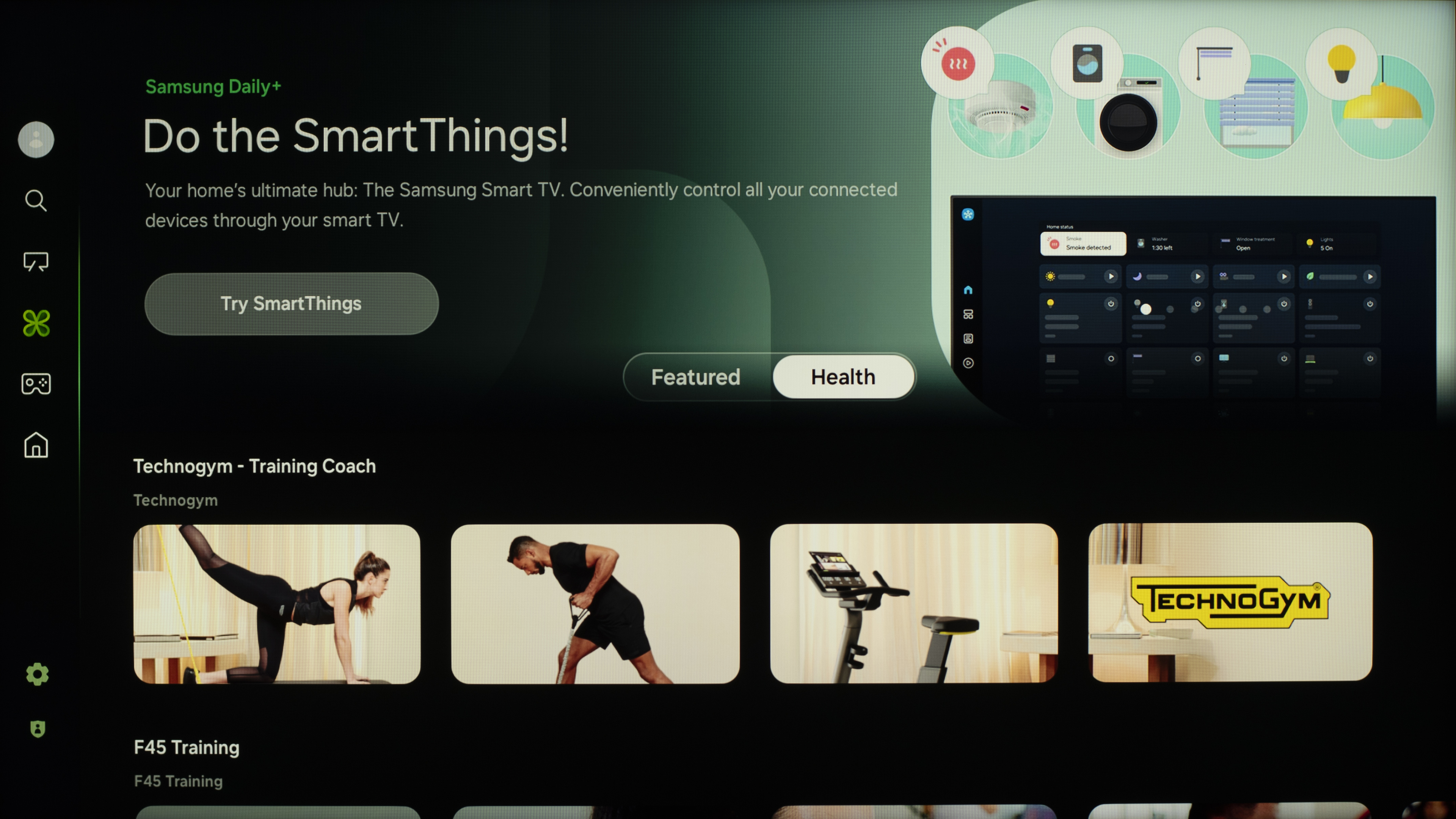
If you have other Samsung smart devices in your home, the Tizen OS integrates with Samsung's SmartThings ecosystem. This allows you to control your other Samsung smart devices through the TV, so you can control your lighting, appliances, and other devices without getting up from your couch. If you misplace your Samsung phone, you can even use the TV to help you find it.
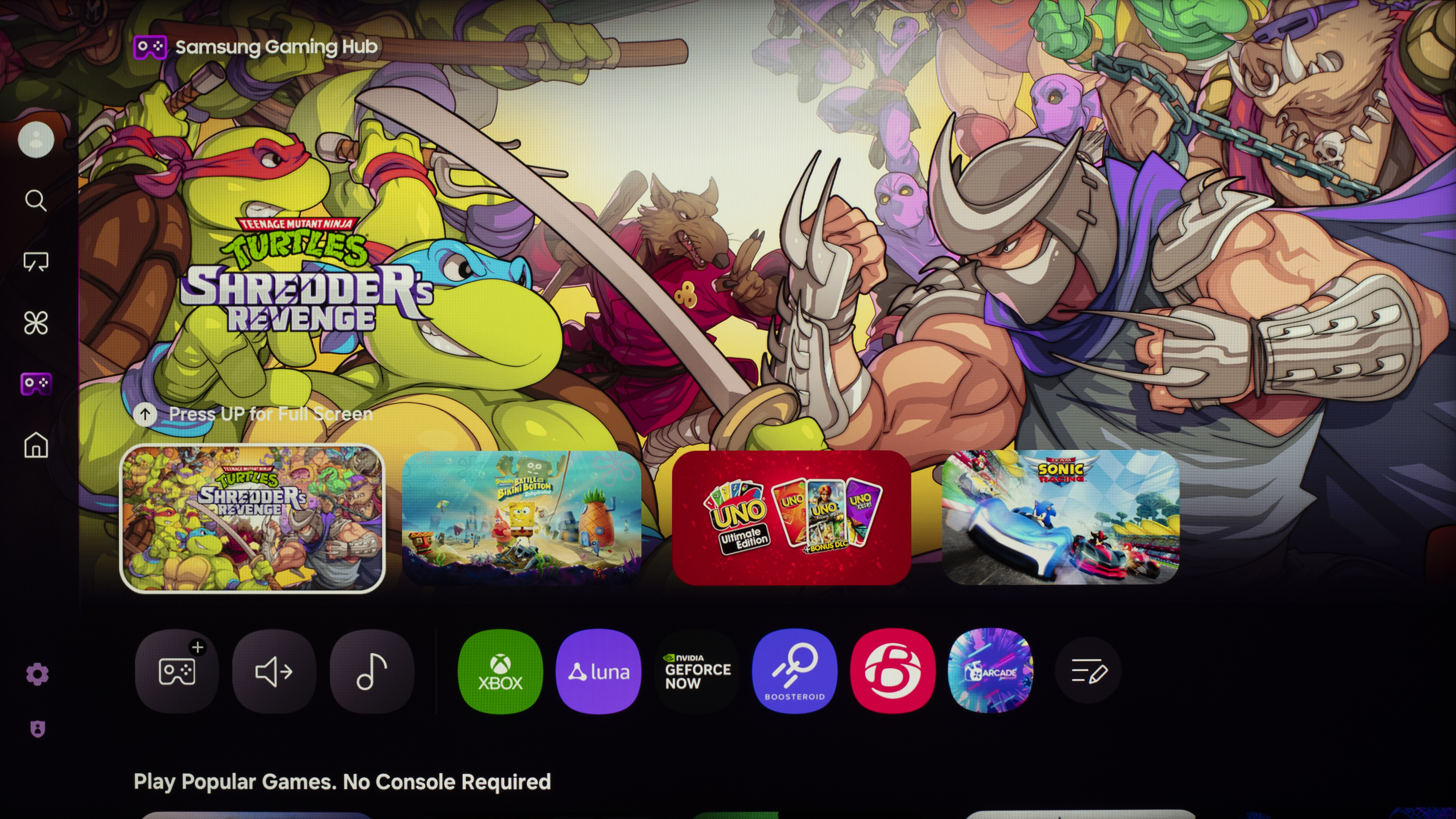
You gain access to a vast catalogue of games through Samsung's Gaming Hub, and can play those games using the TV's remote, or you can sync a controller to the TV for a more immersive gaming experience. Additionally, dedicated apps are available for Xbox and GeForce Now, allowing for cloud-based gaming without the need for a console or PC.
The Downsides
Although Tizen offers quite a bit, it's not perfect. You will have no trouble finding popular apps like Netflix, Disney+, and Plex. However, it doesn't have as many lesser-known apps that you can find on platforms like Google TV, such as Kodi. Many owners also dislike the way pages are organized and complain that the user interface isn't as clean and easy to navigate as those of other smart platforms.
Tizen also has a reputation for being laggy, so scrolling through menus can feel a bit sluggish at times. That being said, this depends on the model and the age of your TV. Most newer Samsung TVs offer a smooth browsing experience, especially their higher-end models. However, some of their budget TVs still feel a bit slower compared to similar models that utilize Google TV or webOS. Unfortunately, the Tizen interface is filled with ads that can't be disabled, but this is true for almost any other smart OS on the market. However, you do have the option to disable targeted ads, which means you will get generic ads instead of ones that are based on your viewing activity.
Conclusion
The answer to the question "What is a Tizen TV?" is pretty simple. Samsung's proprietary Tizen OS offers smart features that allow you to ditch your external streaming device. It also offers some unique features, such as Multi View, Samsung TV Plus, and integration with the rest of your Samsung smart devices. Tizen runs well, and most people will be satisfied with the user experience it provides; however, it still doesn't quite match the speed and ease of use that most dedicated streaming devices offer. If Tizen sounds like the smart platform for you, check out our recommendations for the best Samsung TVs. You can also see our recommendations for the Best Smart TVs or check out our 2025 TV Lineup article for an overview of the current models on the market.