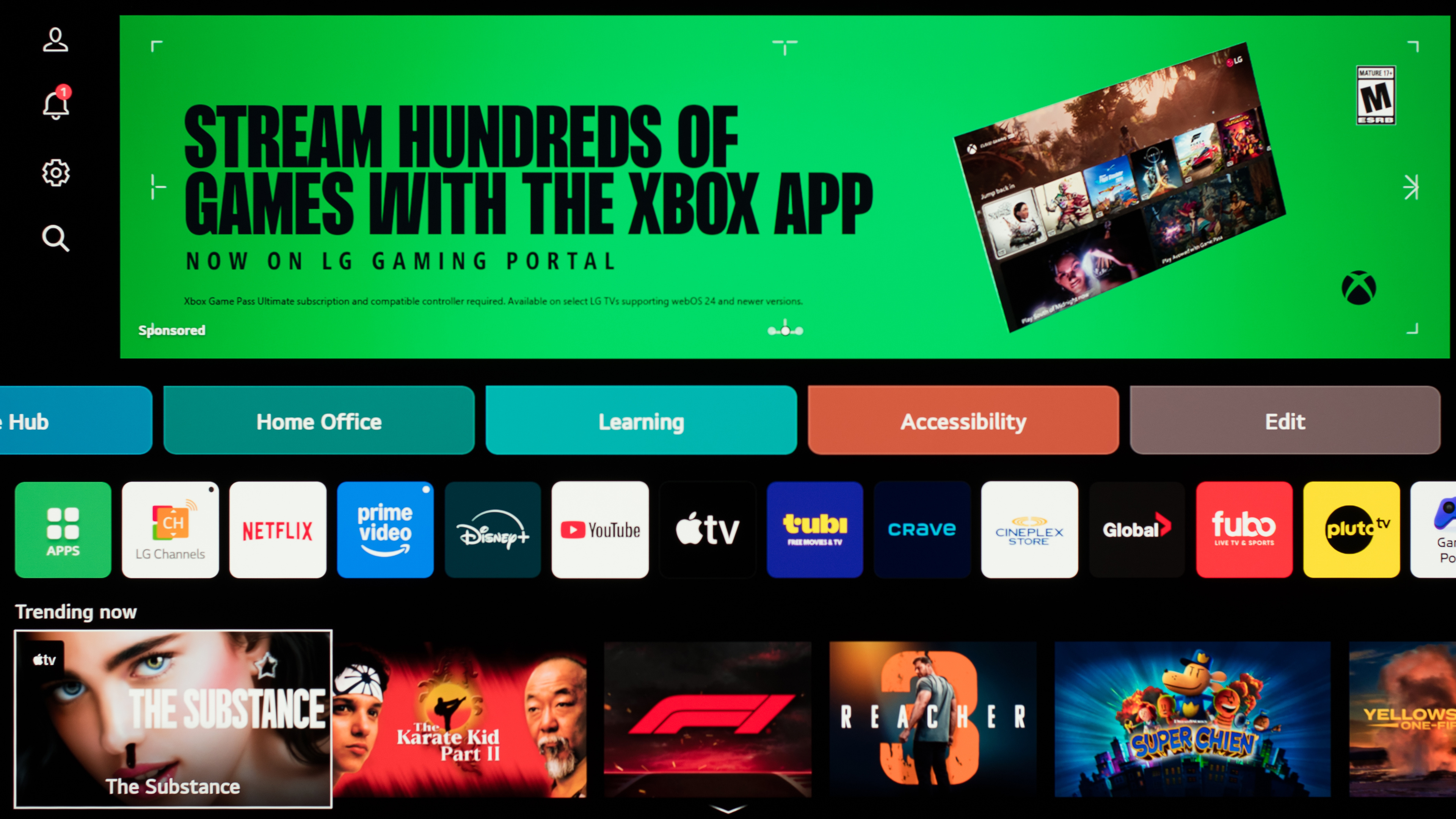
If you've ever considered an LG model, you've likely seen the term webOS associated with the brand. So, what is webOS? WebOS is LG's proprietary Linux-based smart OS. Whether you're looking at a high-end OLED or an entry-level LED model, webOS is used across their entire TV lineup. The OS is also licensed to other brands worldwide, so you might end up with webOS if you buy a TV from companies like RCA or Hyundai. WebOS offers several features that most other smart platforms lack, but before we delve into those, let's take a brief look at the main smart operating systems on the market.
Smart TV Operating Systems
The vast majority of TVs sold today are smart TVs. When buying a smart TV, you're essentially purchasing a television that comes with the features typically offered by dedicated streaming devices built into it. If you're shopping for a new television, you might be confused by the different smart operating systems used by various brands. Although most smart operating systems are very similar to each other, they offer varied interfaces, performance, and features. There are many smart platforms used in TVs worldwide, but six operating systems account for the majority of the market, including webOS.
Like LG's webOS, Samsung's Tizen OS is proprietary, so you will find it built into all Samsung TVs, and Samsung also licenses their smart platform to other brands worldwide. Google TV is the most widely used platform and is featured on TVs sold by many different manufacturers. You'll also find Roku TV, Fire TV, and Hisense's VIDAA OS used across various models and brands globally.
Below is a table with the most popular smart operating systems and the brands that use them at the time of publication. You'll notice that some brands, such as Hisense, utilize different smart platforms in various models and regions. The list below isn't exhaustive, but it covers the vast majority of the TV market.
| Smart OS | Brands Using It |
|---|---|
| webOS | Primarily used by LG, but also licensed to brands like RCA, Ayonz, Konka, Aiwa, and Hyundai |
| Tizen | Mainly used by Samsung, but also licensed worldwide to brands like RCA, Axdia, EKO, and QBELL |
| Google TV/Android TV | Sony, TCL, Hisense, Xiaomi, Vizio, Sharp, other smaller brands |
| Fire TV | Amazon, Panasonic, Hisense, Toshiba, Insignia |
| Roku TV | Roku-branded TVs, TCL, Hisense, Sharp, Philips |
| VIDAA | Mostly used by Hisense in some regions, but is also used by brands like Toshiba, Loewe, and Schneider |
There's not a massive difference between each of these options, so you will be able to cast content from your phone, easily find popular apps, play content from a USB stick, and use your voice to control the TV, regardless of the smart OS your television has. However, webOS does offer some features that make it stand out from the pack.
THE MAGIC REMOTE
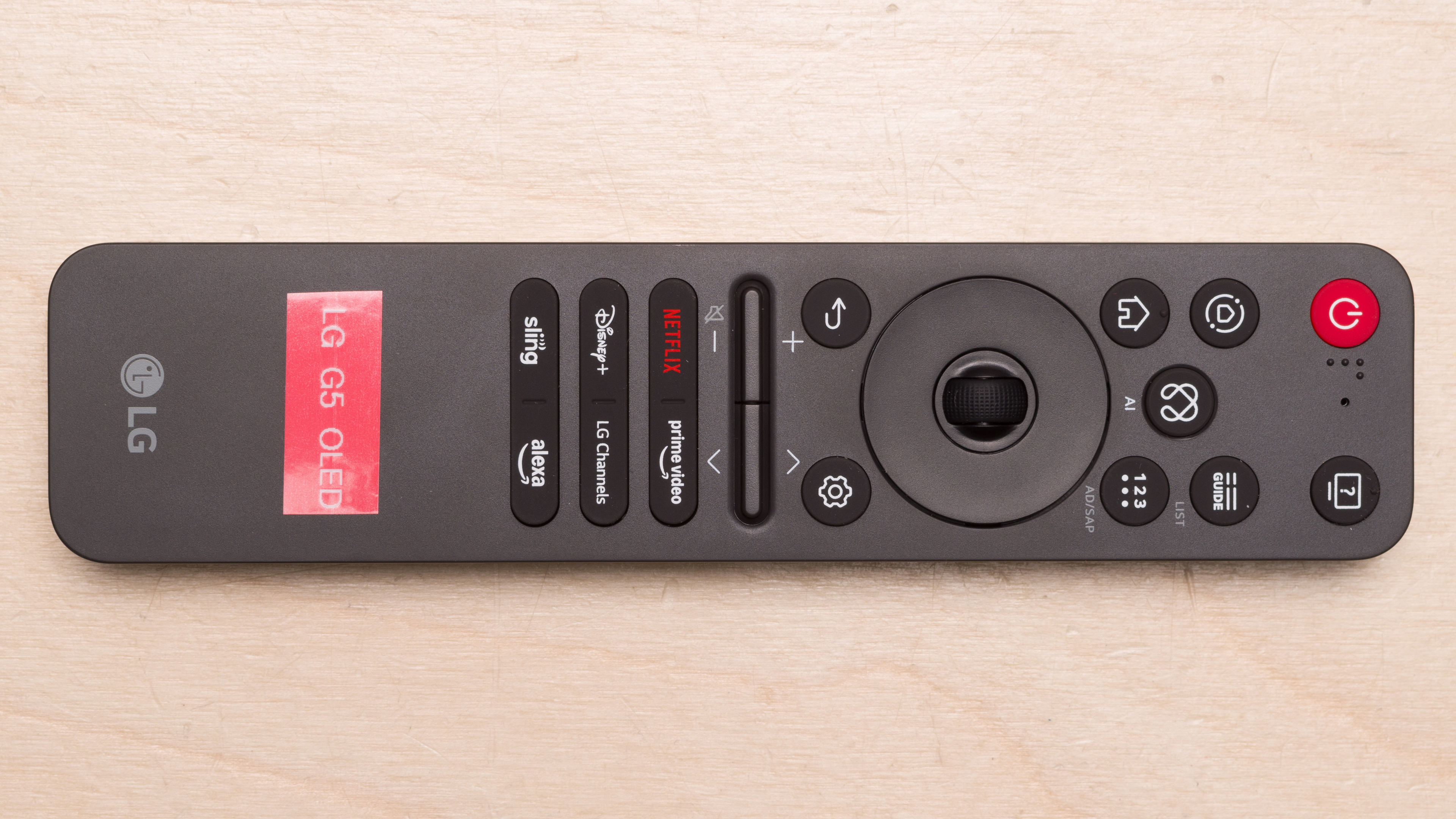
Most LG TVs come with the Magic Remote, which has undergone several iterations since its launch over a decade ago. You'll find the usual quick-access buttons for popular streaming services, settings, and AI features. The remote also features a built-in motion sensor, allowing you to point and navigate in much the same way as you would with a Nintendo Wii Remote. Some people find the motion control to be a bit of a gimmick and prefer sticking to the traditional buttons, while others really enjoy this unique way of navigating their TV's menus.
LG's Re:New program
LG's Re:New program promises five years of webOS updates for its QNED, OLED, and NanoCell TVs released in 2022 or later. This means that if you buy an LG TV in 2025, you'll get updates to the smart OS until 2030. This helps prevent the interface from looking dated in a few years, and these updates can also improve performance, fix bugs, and even add new features. It's a great initiative that helps give consumers peace of mind. Samsung followed suit, offering seven years of firmware updates for their 2024 models and beyond. In early 2025, Hisense also announced eight years of firmware updates for their models that run VIDAA, but this only applies to newer models and can vary depending on your region.
multi-view & lg channels
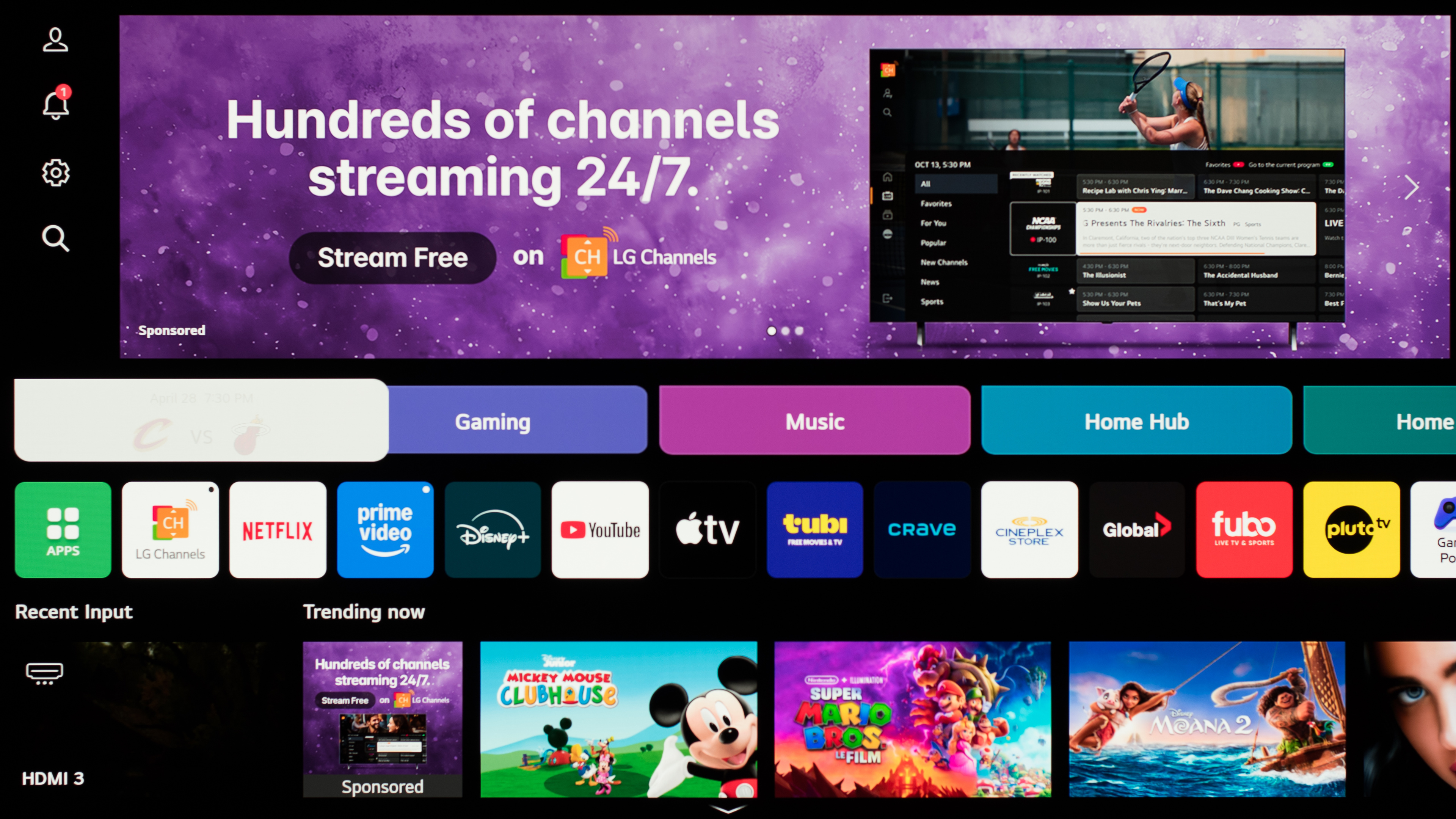
LG's webOS offers a few features that some other smart platforms don't. Like Samsung's Tizen OS, webOS features a Multi-View mode, which functions as a picture-in-picture mode, allowing you to view multiple sources simultaneously. For example, you can play a game on one half of the screen while the other half displays YouTube. WebOS also provides access to LG Channels, a free ad-supported streaming platform that offers live TV and on-demand content.
smart home integration
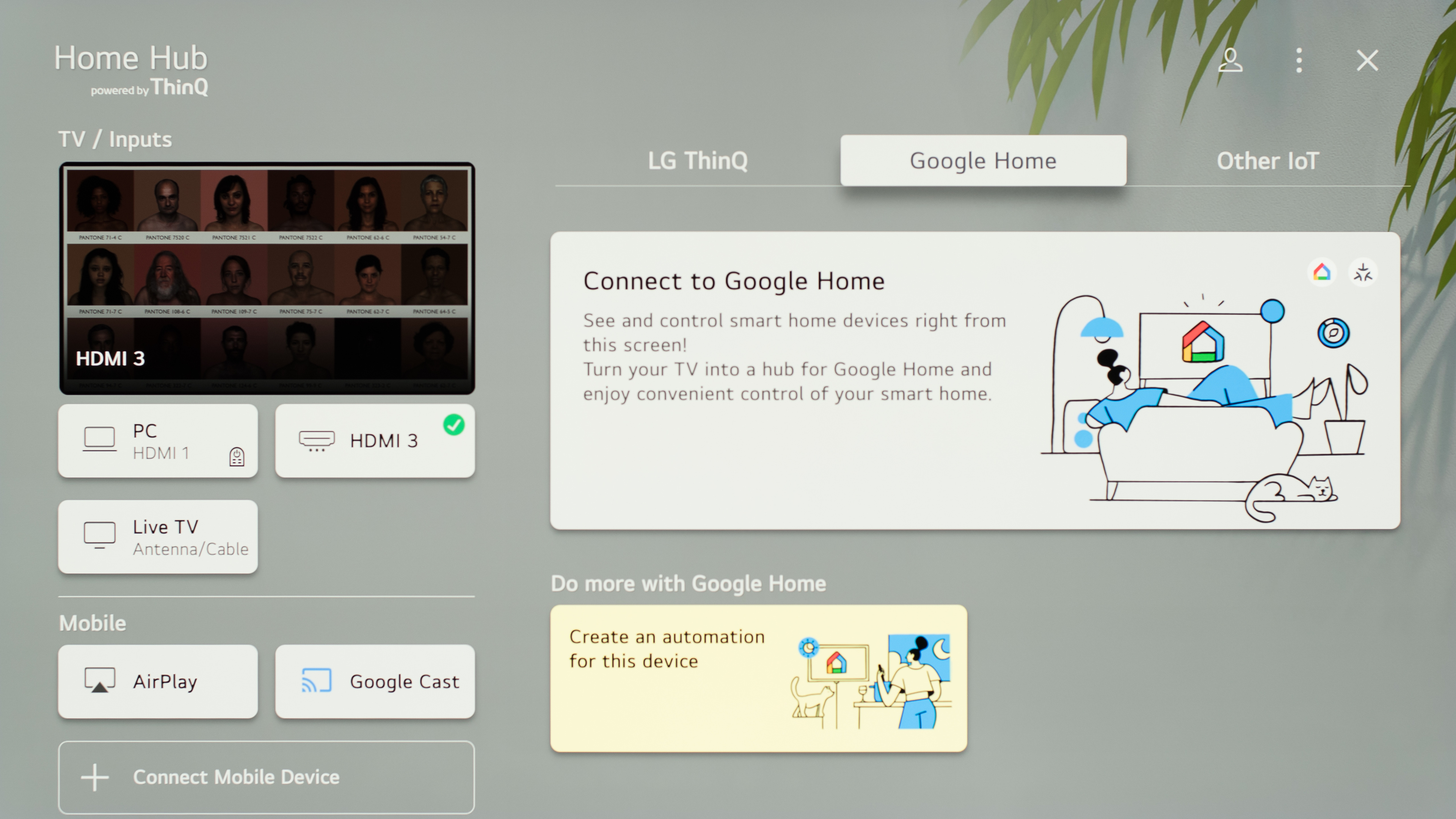
LG's webOS supports both AirPlay and Google Cast, providing you with two different methods for casting content from your phone. Since webOS is a proprietary smart OS, it integrates well with other LG ThinQ products. If you own a modern LG refrigerator, washing machine, dryer, or other appliance, you can control them and adjust settings right from your TV. The operating system also integrates with other smart home systems, making it compatible with Google Home devices and Amazon Alexa, among others. This gives it excellent smart home compatibility, so you don't need to worry about missing out on smart integration when purchasing an LG model. LG also offers a free app that allows you to control your TV with your smartphone, so you can ditch the remote if you usually keep your phone close by when using your TV.
gaming
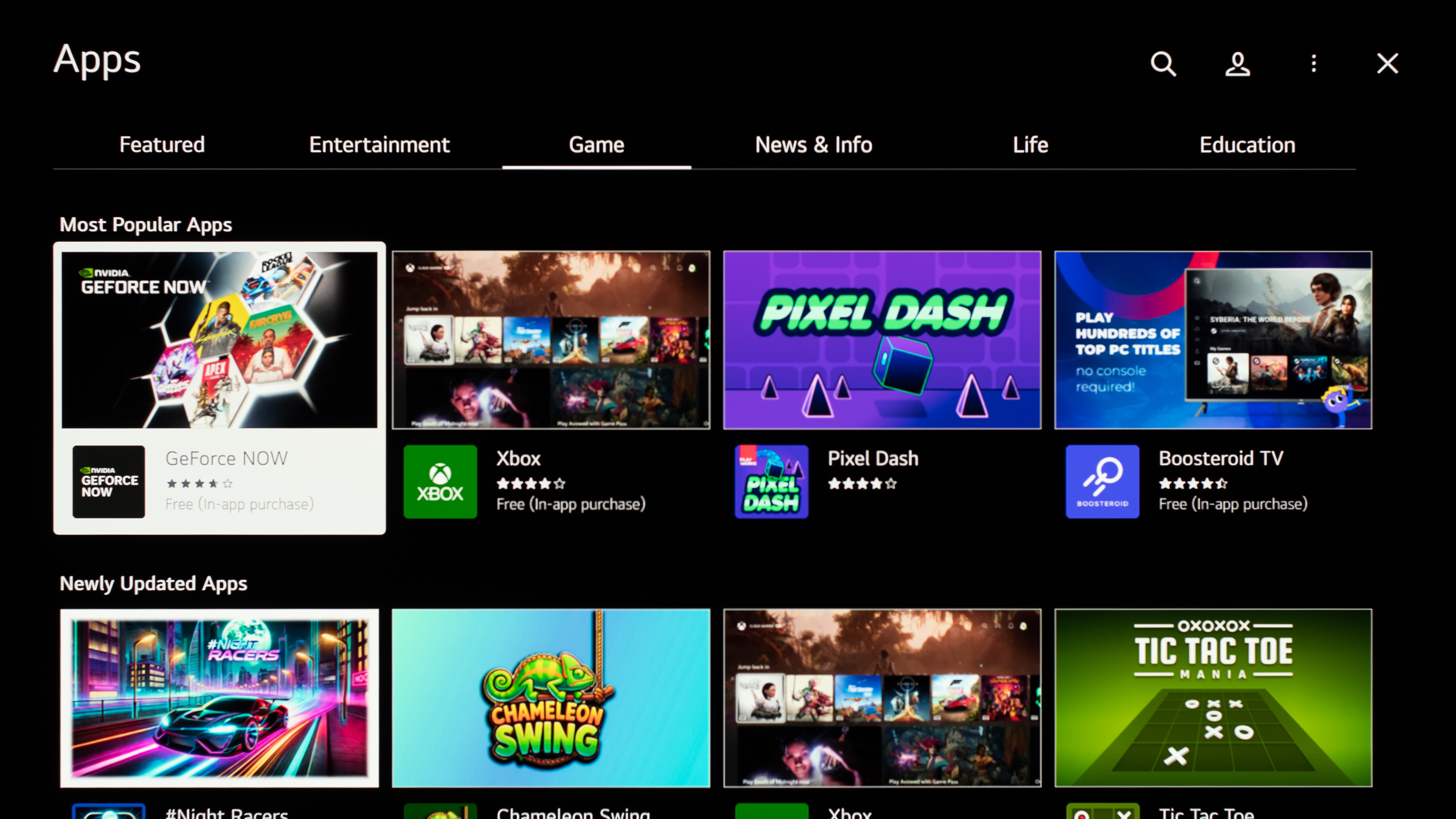
WebOS offers a large catalogue of arcade-style, mobile-style, and indie games, which you can play using the TV remote. You can also sync a controller for a more traditional gaming experience. WebOS isn't just for casual gamers, since it also supports Xbox Cloud Gaming and NVIDIA GeForce NOW, allowing you to play AAA titles directly on your TV without a console. As of this article's publication, it's the only smart platform that supports 120Hz through GeForce NOW. In addition, GeForce NOW offers low latency for a cloud-based gaming platform, allowing you to play at up to 120fps with minimal lag, making it ideal for more serious gamers who prioritize performance.
The Downsides
LG's webOS offers a solid amount of features, but it still has a few drawbacks. You can easily find popular streaming apps such as Prime Video, Netflix, and Disney+, but the app store doesn't have as large a catalogue as a smart operating system like Google TV. For example, as of late 2025, there is no dedicated app for The Criterion Channel. If you're a fan of that service, you have to cast the content from your phone using AirPlay or Chromecast. App availability also varies depending on your region. For instance, Sportsnet in Canada is a common way to watch hockey and other sports, but there's no webOS app for it.
All smart interfaces are filled with advertisements and recommendations for content. However, some of them, such as Samsung's Tizen OS, offer the option to disable targeted ads. Unfortunately, that's not the case with webOS, so the ads you see are based on your viewing history. Some people appreciate that the ads are relevant, while others don't like their TV tracking the type of content they watch.
Although webOS tends to run well overall, it still falls short of the speed and intuitiveness of dedicated streaming devices, such as the NVIDIA Shield TV or Apple TV. It's not as easy to switch between apps, you might encounter the occasional bug, and you don't have many options to customize your home dashboard. LG also relies on firmware updates to improve your experience, which is typically a good thing; however, it also means that a firmware update could affect something that worked fine before. This is common for any smart platform, so it's not exclusive to LG.
It's not only smart features that can affect your experience. In the past few years, LG TVs have experienced a handshaking issue with the Xbox Series X|S, resulting in signal dropouts. Sometimes, your signal will return after a few seconds, and at other times, you must reset your console to make it appear on your screen again. It's not something you typically encounter while playing a game, but it can happen when scrolling through the Xbox dashboard or switching games. There are even times you might boot up your console, but the TV displays a 480p image, requiring you to restart both the Xbox and the TV to get proper 4K.
Conclusion
The answer to the question "What is webOS TV?" is pretty simple. LG's webOS offers smart features that were once found on dedicated streaming devices, but now those features are built into your television. Although most smart operating systems are similar overall, webOS offers several standout features, including Multi-View, LG Channels, 120Hz support for GeForce NOW, a remote with motion control, and five years of guaranteed webOS updates. Most people will be satisfied with the functionality that webOS provides, but it still doesn't offer the same speed and features as popular streaming devices from brands like Roku, Apple, and NVIDIA. If you like what webOS offers as a smart platform, check out our recommendations for the best LG TVs. You can also see our recommendations for the best Smart TVs or check out our 2025 TV Lineup article for an overview of the current models on the market from every brand.