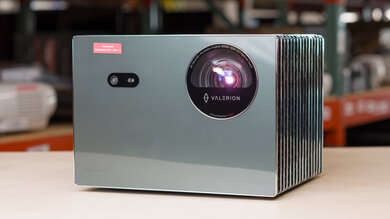
The XGIMI Halo+ is a 1080p HDR10/HLG projector. The projector comes with a full suite of image correction technologies, including autofocus, intelligent screen adjustment, and auto keystone correction with object avoidance, so it compensates for any geometry errors in the image automatically. It adjusts itself when it detects objects in the frame. It has Android TV with Chromecast and AirScreen built in, and it supports Bluetooth 5.0/BLE and Wi-Fi. It has one HDMI port and can passthrough advanced audio formats from DTS and Dolby through eARC. Finally, it has two integrated 5W Harman/Kardon speakers.
Our Verdict
The XGIMI Halo+ is bad for home theater setups. It has low contrast, so blacks look gray, and most content appears washed out. It displays a fairly wide range of colors, but it's inaccurate out of the box, so you'll need to get it calibrated to make the most out of it. Unfortunately, it doesn't remove judder from any source, so motion looks jittery no matter the source. As it's a DLP projector, it has a rainbow effect when your eyes move around the screen, which those sensitive to it will notice, but it's not as distracting as many other DLP projectors. It also has a relatively quiet fan, but it may be hard to hear the speakers if you're watching quieter content with the projector at its max brightness.
Rainbow effect is relatively minor.
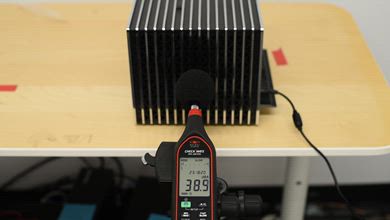
Fairly quiet fan.
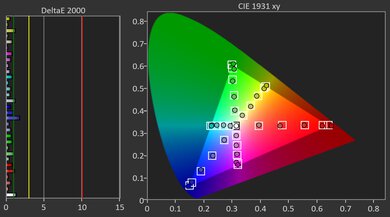
Poor pre-calibration color accuracy.
Doesn't passthrough any lossless audio format.
Low contrast as blacks look gray.
Can't remove judder from any source.
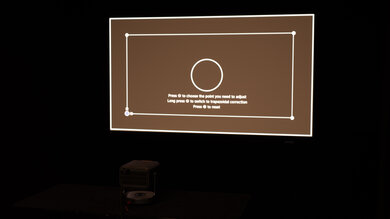
The XGIMI Halo+ is unremarkable for outdoor use. It doesn't get bright enough to be properly viewed in a well-lit environment, so you need to use it in a dark area. It's at least a very portable projector thanks to its built-in battery and smart system, so you can watch content without any extra wires, but it's limited to just over 90 minutes of battery usage. It includes features to help you set it up with a screen, including automatic keystone and focus adjustments, and obstacle avoidance so that nothing is blocking the image. However, without optical zoom and lens shift, you won't get a clean image unless the projector is directly in front of the screen or wall.
Includes Google TV.
Built-in battery means you can bring it outside or in a bedroom easily.
Not very bright.
Lack of optical zoom or lens shift.
Battery is limited to just over 90 minutes.
The XGIMI Halo+ is good for bedroom setups. It's easy to set up, with a built-in battery and a smart OS, so you can watch an episode or two of your favorite show without any additional wires. However, with just over 90 minutes of battery power, it's not enough for most full movies. Unfortunately, it doesn't have a carrying handle, and it lacks a lens cap to protect it when it's not in use. It doesn't have optical zoom or lens shift to get a clean image when you're off-angle, but its automatic keystone and focus adjustments make it easy to set up. Its fan isn't the loudest either, so you won't have to blast the volume just to properly hear a movie or show.
Includes Google TV.
Built-in battery means you can bring it outside or in a bedroom easily.
Fairly quiet fan.
Lack of optical zoom or lens shift.
Battery is limited to just over 90 minutes.
The XGIMI Halo+ is an unremarkable portable gaming projector. The projector accepts a 4k @ 60Hz signal but scales it to its native 1080p, and it doesn't support 120Hz. Input lag in Game Mode is subpar; it's sufficient for slower single-player titles, but most gamers will be dissatisfied with the unit's slow responsiveness. In terms of picture quality, brightness is disappointing, so visibility is an issue in well-lit spaces. The contrast is disappointing as the black floor is raised, so darker games appear gray in a dark room.
Very uniform brightness, with no obvious hot spots or dark corners.
Poor pre-calibration color accuracy.
Latency is too high for any serious gaming.
Limited resolution and refresh rate support.
Low contrast as blacks look gray.
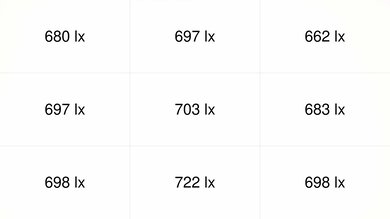
The XGIMI Halo+ has disappointing brightness. It looks fine on a smaller screen in a dark room, but it quickly starts to look dim if you leave a few lights on. The good news is that brightness uniformity is fantastic, so the image doesn't have obvious bright or dark patches across the screen.
Very uniform brightness, with no obvious hot spots or dark corners.
Not very bright.
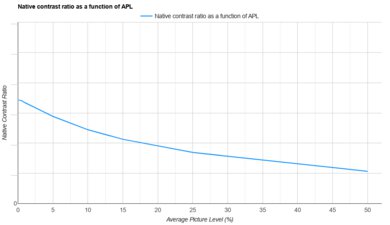
The XGIMI Halo+ has disappointing contrast. Its black floor is raised, so blacks look closer to gray. It also doesn't get bright, so most content looks washed out.
Low contrast as blacks look gray.
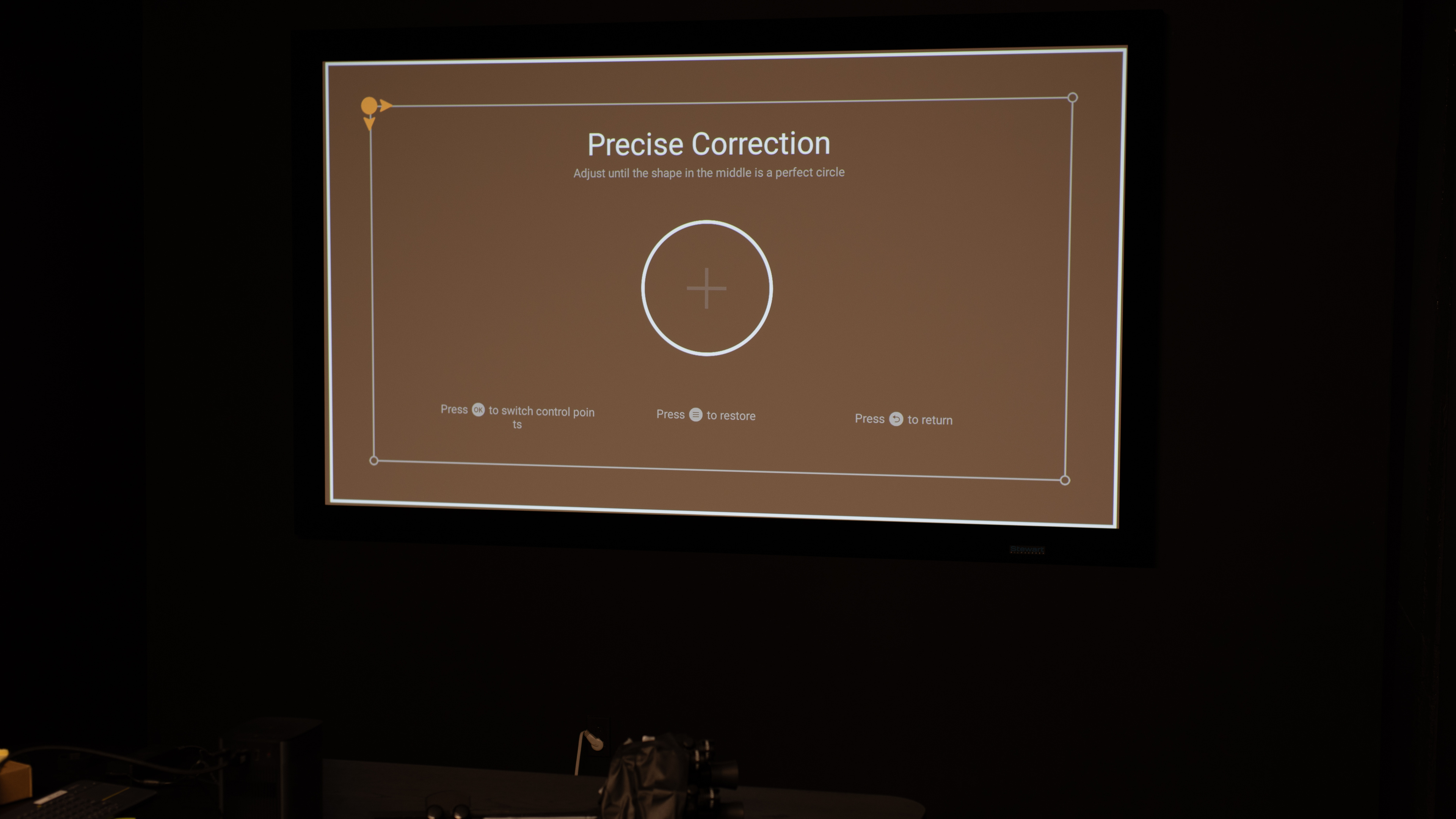
The XGIMI Halo+ has great portability. It's lightweight, but it lacks a carrying handle or case, and it doesn't have a lens cap to protect it when it's not in use. It's easy to set up thanks to its automatic keystone and focus adjustments and obstacle avoidance. However, it doesn't have optical zoom or lens shift to get a clean image when the projector is off-angle from the screen.
Includes Google TV.
Built-in battery means you can bring it outside or in a bedroom easily.
Small, compact size.
Lack of optical zoom or lens shift.
Battery is limited to just over 90 minutes.
No lens cap, carrying case, or handle.
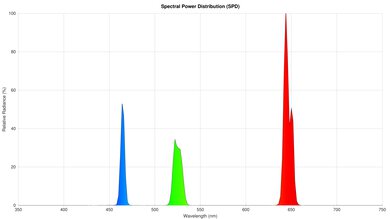
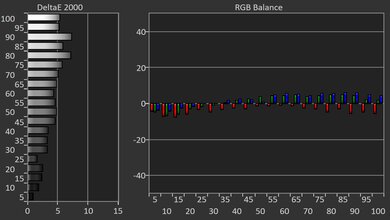
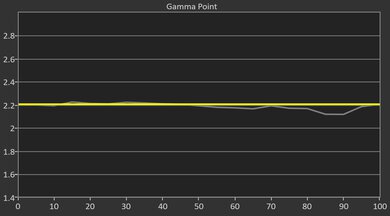
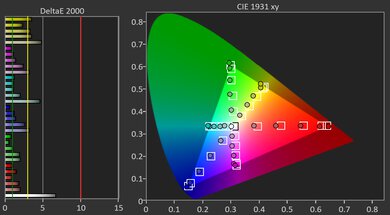
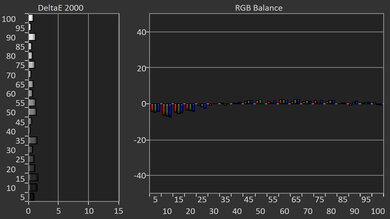
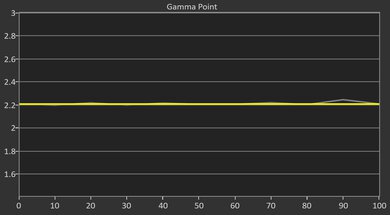
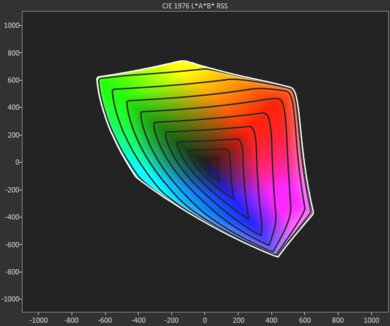
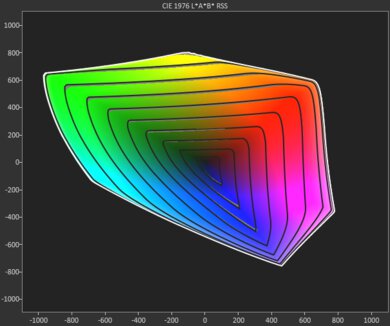
The XGIMI Halo+ has poor colors. It covers a fairly wide range of colors, but struggles with greens and darker colors. It's also inaccurate out of the box with a warm color temperature, so you'll need to calibrate it for an accurate image.
Displays red, yellow, and magenta well.
Poor pre-calibration color accuracy.
The XGIMI Halo+ has acceptable gaming responsiveness. Its DLP technology has minimal blur, and it supports downscaled 4k and native 1080p signals, although both are with a 60Hz refresh rate. The downside is that it has high input lag, so gaming doesn't feel responsive enough for playing reaction-based games.
DLP projector with minimal blur.
Latency is too high for any serious gaming.
Limited resolution and refresh rate support.
Performance Usages
Changelog
- Updated Aug 07, 2026: We've converted the review to Test Bench 1.0, which replaces our Color Gamut test with Color Volume and adds a new Rainbow Effect test box. We also updated Effective Contrast (formerly Native Contrast) to account for projector brightness and reworked Judder scoring. The new bench also adds Outdoors and Bedroom usages, plus Portability, Color, and Gaming Responsiveness Performance Usages; Movies is now Home Theater, and all existing usage scores have been updated. See the 1.0 changelog.
-
Updated May 13, 2026:
We mention the newly reviewed Anker Nebula P1 in the Input Lag section of this review.
-
Updated May 11, 2026:
We've added text to some test boxes as a result of our latest test bench. We've also updated Inputs & Connectivity to include Bluetooth support checks.
- Updated May 11, 2026: We've converted the review to Test Bench 0.12, which adds new Judder, Screen Adaptation, Battery, Maximum Volume, Size, Mobility Features, and Physical Setup Features test boxes. We also updated Inputs & Connectivity to verify Bluetooth support with wireless speakers or headphones. See the 0.12 changelog.
Check Price
Differences Between Sizes And Variants
We tested the XGIMI Halo+ projector, which succeeds the XGIMI Halo. The newer Halo Plus has a higher brightness rating than its predecessor, has MEMC motion smoothing technology, and can passthrough DTS-HD and DTS-Studio Sound through its eARC port.
| Model | Brightness | MEMC | ARC/eARC |
|---|---|---|---|
| XGIMI Halo+ | 700 lumens | Yes | eARC |
| XGIMI Halo | 600 lumens | No | ARC |
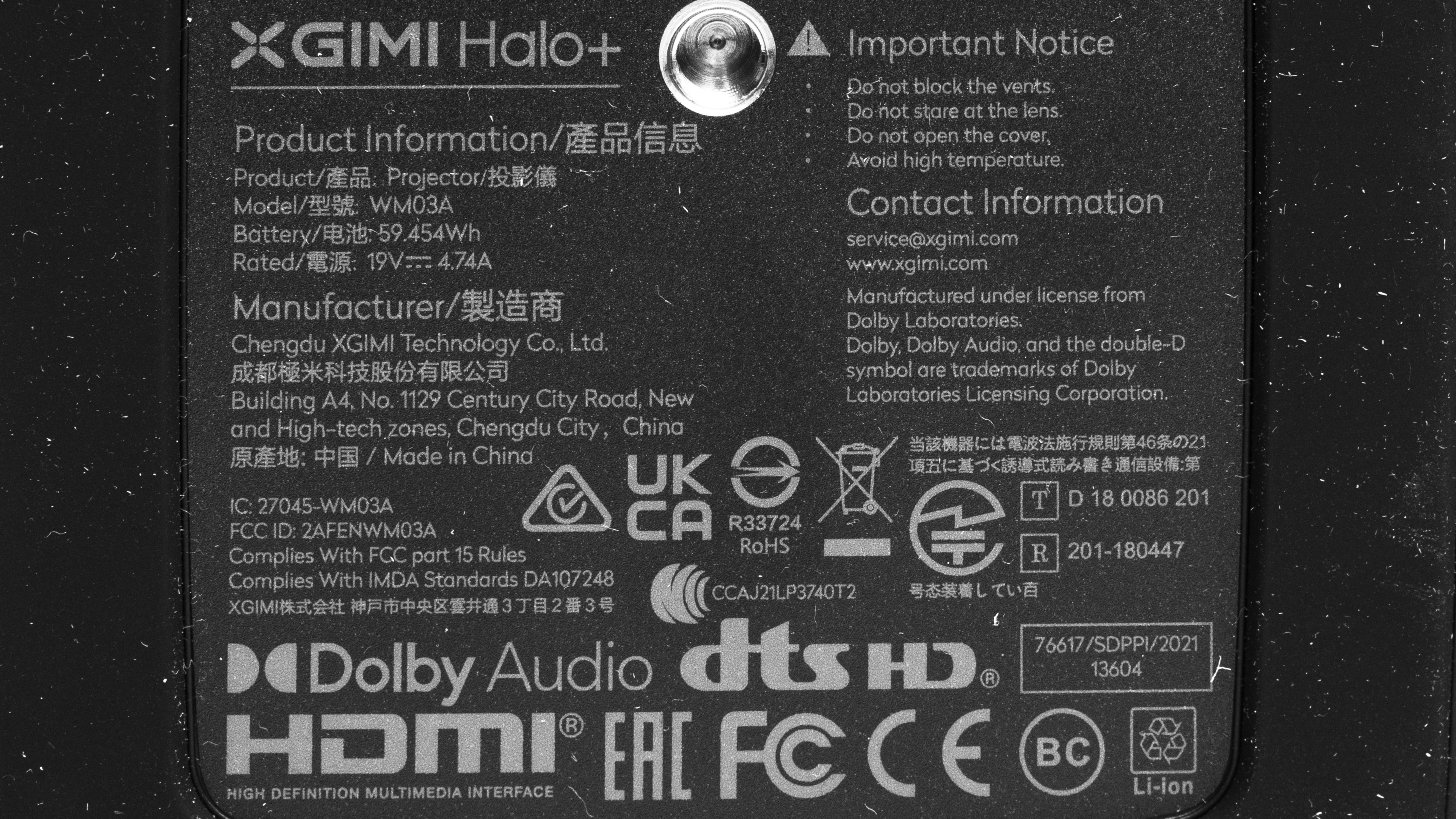
Our unit was manufactured in China.
Popular Projector Comparisons
The XGIMI Halo+ is an unremarkable but solid portable projector. It isn't especially bright, and its contrast is disappointing, but it still looks better than many similarly priced portable models like the Samsung The Freestyle 2nd Gen or the Anker Nebula Capsule 3. If you don't need an integrated battery, the XGIMI Elfin offers very similar overall performance and usually costs a bit less, making it a better value for most people.
Check out our recommendations for the best portable projectors, the best outdoor projectors, and the overall best projectors. If you'd prefer to shop for another product in the same price range, look up the best projectors under $1,000 instead.
The XGIMI Halo+ is better than the XGIMI MoGo 2 Pro. The Halo+ is slightly bigger and heavier than the very light MoGo 2 Pro, but it has an integrated battery, making the Halo+ more portable than the MoGo 2 Pro. The Halo+ is also significantly brighter, with slightly better contrast, so it projects a more attractive, vibrant image. The Halo+ also has an eARC port, so it can passthrough more advanced audio formats than the MoGo 2 Pro can through its ARC port.
The XGIMI HORIZON and XGIMI Halo+ serve different purposes, with the Halo+ being much more portable due to its size, weight, and integrated battery, although the HORIZON can also be moved around easily if needed. The HORIZON is much brighter, so it can handle a few lights in the room, but the Halo+ has slightly better contrast, so it looks a bit better in dark rooms.
The XGIMI Halo+ is much better than the Anker Nebula Capsule 3 Laser. The XGIMI is much brighter, offers better contrast, and delivers a wider color volume, so it projects a more vibrant image than the Anker. The Anker is more accurate than the XGIMI, but not nearly enough to compensate for the XGIMI's edge in image quality.
The XGIMI Halo+ is better than the Epson EpiqVision Mini EF21, except perhaps for those who care about accuracy, as the XGIMI is very inaccurate out of the box. Otherwise, the XGIMI has much better contrast than the Epson, is way more portable due to its size and integrated battery, and has lower input lag, making it better for gaming.
We've independently bought and tested over 80 projectors and published detailed results for each, so you can decide which one to buy. These have all been tested under the same standardized methodology, allowing you to compare them side by side. We still have all these projects in our lab, so we can continually go back and compare them to ensure our reviews are still accurate. All our test methodologies are also public on our website, so you can validate the results yourself.
Throw Calculator
Global Controls
Test Results
for pictures & test results
for pictures & test results



for pictures & test results