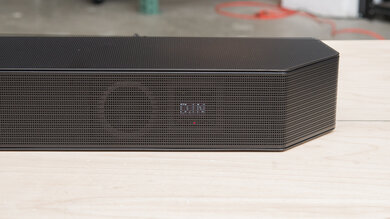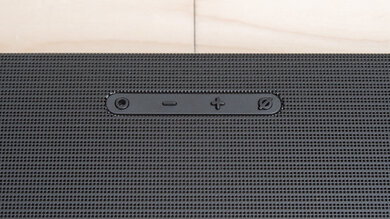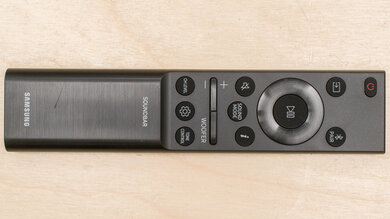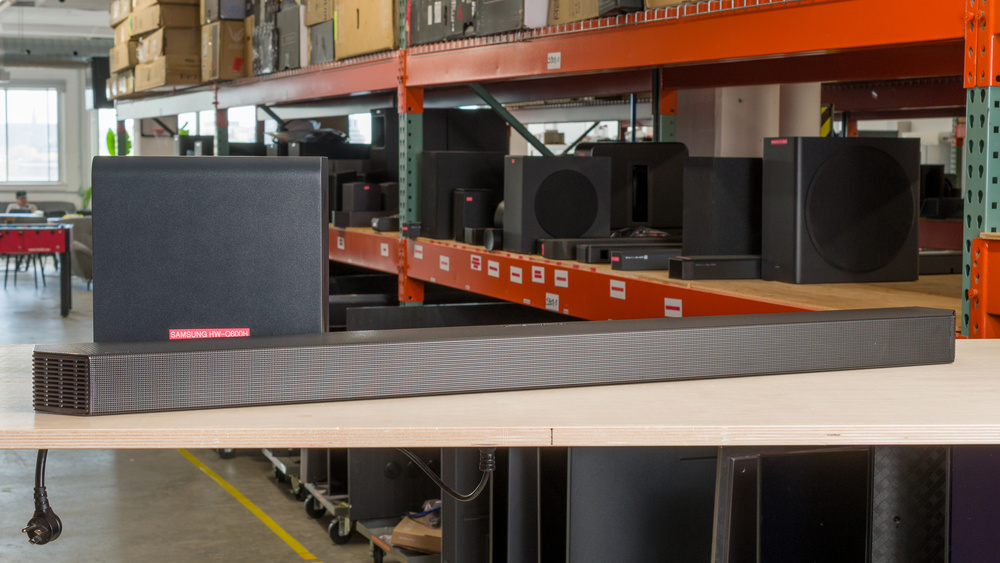
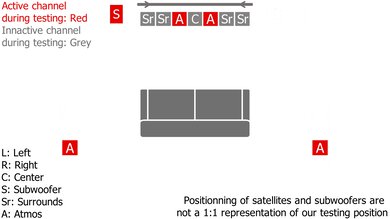
The Samsung HW-Q800H is Samsung's 2026 follow-up to the Samsung HW-Q800F. Little has changed on the surface, as both bars have a 5.1.2-channel bar-plus-subwoofer configuration. The newer version retains well-received features from the previous generation, including Q-Symphony and Wireless Dolby Atmos support with compatible Samsung TVs. It also introduces new features like Sound Elevation, which aims to raise dialogue and voices above the bar for a more natural listening experience.
Our Verdict
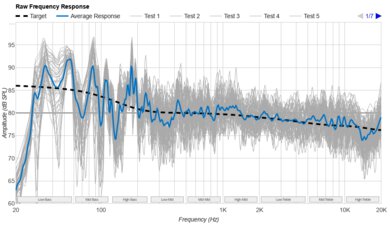
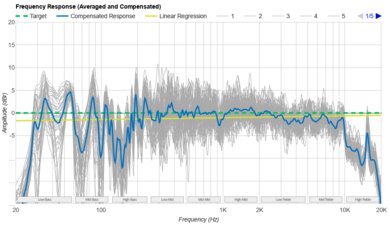
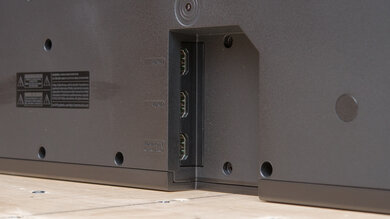
The Samsung HW-Q800H is great for mixed usage. The bar has a balanced, default sound with deep low-frequency extension thanks to its dedicated subwoofer. Plus, there's a wide range of sound enhancements that let you tweak the bar depending on your use case. You can boost dialogue for TV shows, turn on virtual surround if you want to upmix stereo music tracks, and toggle night mode if you want to watch a movie without disturbing your roommates. The bar also supports video passthrough with HDR signals and VRR support, so you can use the bar as a passthrough device with a console.
Room correction feature.
Video passthrough supports VRR, HDR, and ALLM.
No DTS format support.
The Samsung HW-Q800H is excellent for dialogue-heavy content like TV shows. The bar has a balanced sound with a powerful discrete center channel that can reproduce dialogue cleanly and naturally. If you typically have trouble hearing voices, the bar also has two dedicated enhancement features to help bring out dialogue. Plus, if you primarily watch procedurals or older sitcoms, you likely won't mind the lack of discrete satellites on this bar. That said, the bar doesn't have DTS format support, which may matter if you have a physical collection with DTS audio.
Two dialogue enhancement features.
Clear and powerful center channel.
No DTS format support.
The Samsung HW-Q800H is very good for music. The bar has a balanced stereo sound along with a room correction feature. This serves as a great starting point to build the sound you want using virtual surround sound modes if you prefer a more immersive listening experience or fine-tuning the 7-band graphic EQ if you're more of a stereo purist. On the downside, the bar has a limited number of up-firing drivers and no dedicated satellites, so Dolby Atmos Music won't be as immersive as on other systems.
Room correction feature.
7-band graphic EQ.
Subwoofer brings solid low-frequency extension.
No DTS format support.
No discrete satellites.
The Samsung HW-Q800H is good for movies. The bar has a dedicated subwoofer, which brings a good deal of low-frequency extension, rendering explosions convincingly with a respectable amount of thump and rumble. It also has a dedicated center and side-firing surrounds, so you hear witty one-liners and whizzing bullets at the same time. Still, the lack of discrete satellites and the limited number of up-firing drivers hold the soundbar back in titles that take full advantage of object-based formats like Dolby Atmos. The bar also drops DTS format support, which may discourage you if you can't decode the format on your media player.
Room correction feature.
Clear and powerful center channel.
Subwoofer brings solid low-frequency extension.
No DTS format support.
No discrete satellites.
Changelog
-
Updated Sep 03, 2026:
We've added a mention of the Samsung HW-Q900H in the Video Passthrough to TV box of this review.
-
Updated Aug 14, 2026:
We've updated the Style - Subwoofer box to mention the Samsung HW-QS90H.
-
Updated Jun 12, 2026:
We've corrected the measurements for 'Width' in Dimensions - Bar due to a data entry error.
- Updated May 28, 2026: Review published.
Check Price
Differences Between Sizes And Variants
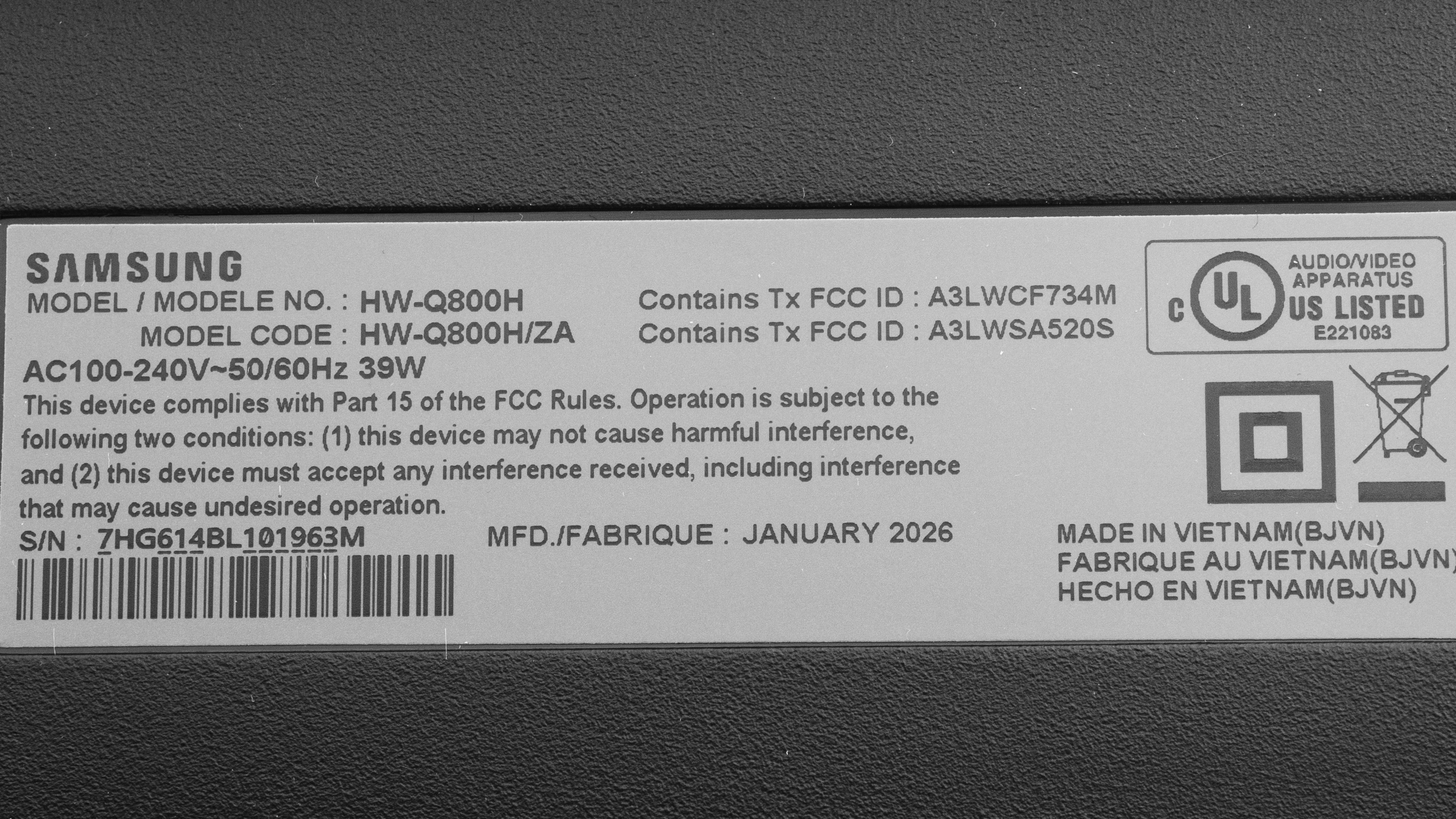
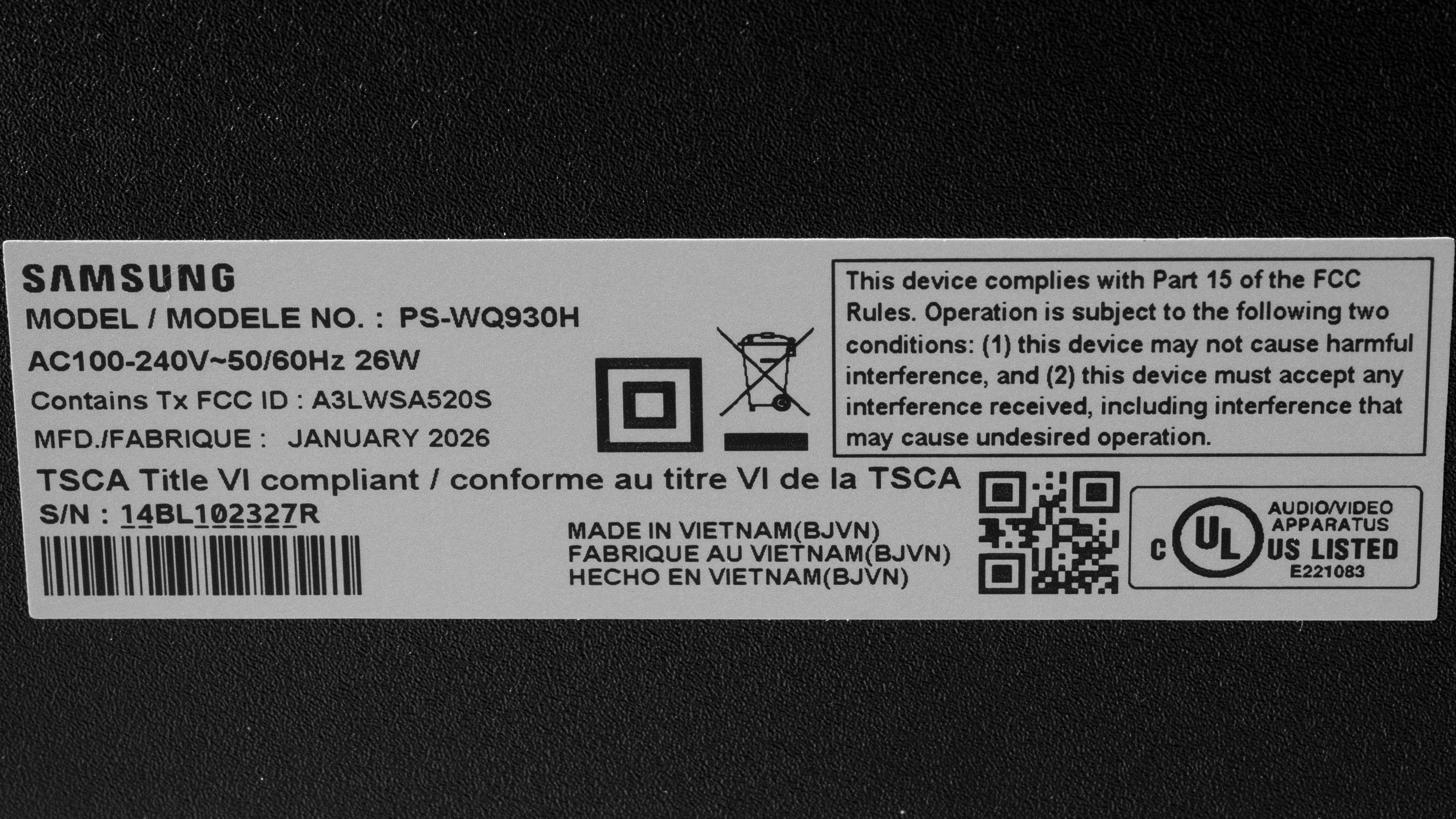
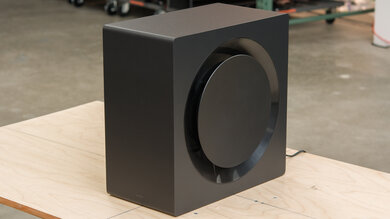
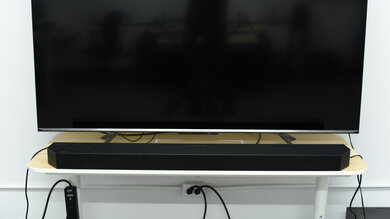
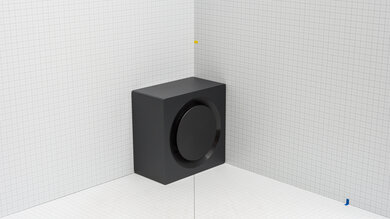
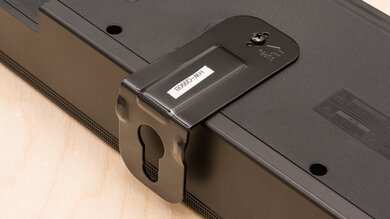
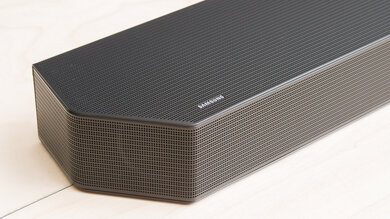
The Samsung HW-Q800H comes in only one color: 'Black.' You can see the soundbar label and subwoofer label. The HW-Q810H is the European version of the product, but we don't expect any significant performance differences.
If you run into a different variant of this soundbar, please let us know in the comments, and we'll update the review.
Popular Soundbar Comparisons
The Samsung HW-Q800H is one of the brand's annually refreshed soundbars in the 2026 H-series releases. Little has changed since the F-series for the Q800-class entry in design or on paper, though. There aren't any obvious performance differences between the Samsung HW-Q800H and Samsung HW-Q800F; that said, the H-series introduces the Sound Elevation feature (which pushes audio vertically) and a potential move away from SmartThings to the new Samsung Sound app. If neither feature is particularly appealing, you may be better off sticking with the F- or even D-series version (which has a bulkier subwoofer) for the lower cost.
Moving away from Samsung options, you may find something like the Hisense AX5140Q a more compelling option, particularly for surround and Atmos content. The Hisense has a similar 5.1.4-channel count (two additional up-firing drivers compared to the Samsung), but features discrete satellites instead. The satellites and extra up-firing drivers will provide a more immersive listening experience. Still, the Samsung HW-Q800H has a more premium sound enhancement feature set that includes automatic room correction.
If you're a Samsung die-hard, consider one of our picks for the best Samsung soundbar. Otherwise, have a look at our picks for the best soundbar or the best all-in-one soundbar if your space can't accommodate satellites.
The Sonos Arc Ultra and Samsung HW-Q800H are different styles of soundbars. The Samsung comes with a dedicated subwoofer, which provides extra low-frequency extension compared to the Sonos. That said, the Sonos has a wider stereo soundstage and better tracking of sound objects. If you already own other compatible Sonos products (like the Era 300 speaker), you can also expand the system to include them.
The Samsung HW-Q800H is the newer iteration of the Samsung HW-Q800F. In terms of design and hardware, there's ostensibly little to distinguish the two soundbars. Both have a 5.1.2-channel configuration with a dedicated subwoofer. That said, the newer HW-Q800H has new features like Sound Elevation, which pushes dialogue and voices up from the bar. However, the HW-Q800H loses DTS format support and the Tap Sound feature for tap-to-play functionality with supported smartphones. As you'd expect, the newer version is also more expensive.
The Samsung HW-Q900H is a better bar overall than the Samsung HW-Q800H, and it's worth the additional outlay if you can afford it. While both are simple bar and sub configurations, the Q900H boasts two extra channels courtesy of the bar's side-firing drivers. This gives it the edge when it comes to Atmos and 5.1 content. It can get a bit louder and has a wider, more expansive stereo soundstage. The Q900H can also pass through 4k signals at a higher refresh rate (120Hz compared to 60Hz for the Q800H) and natively supports DTS formats, while the Q800H has to downsample these to PCM. That said, both bars offer a similar suite of sound customization options, plus identical wireless connectivity and voice assistant integration, so if this is most important to you, you can go with the cheaper Q800H.
The Samsung HW-Q800H is two generations newer than the Samsung HW-Q800D. Both have a similar aesthetic, construction, and performance. That said, the HW-Q800D has an older subwoofer design, which can rattle or chuff when pushed to high output. The newer version has support for Eclipsa Audio (an open object-based audio format) and newer features like Sound Elevation, which pushes dialogue up vertically. If you can still find the HW-Q800D heavily discounted, it's the better value option for most people.
Test Results
for pictures & test results
for pictures & test results
for videos & test results

for videos & test results