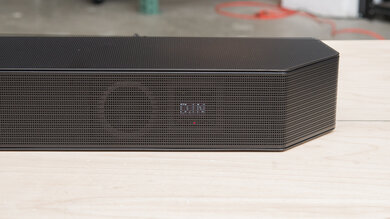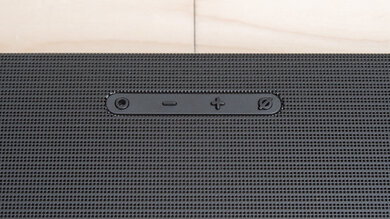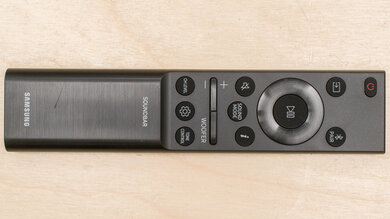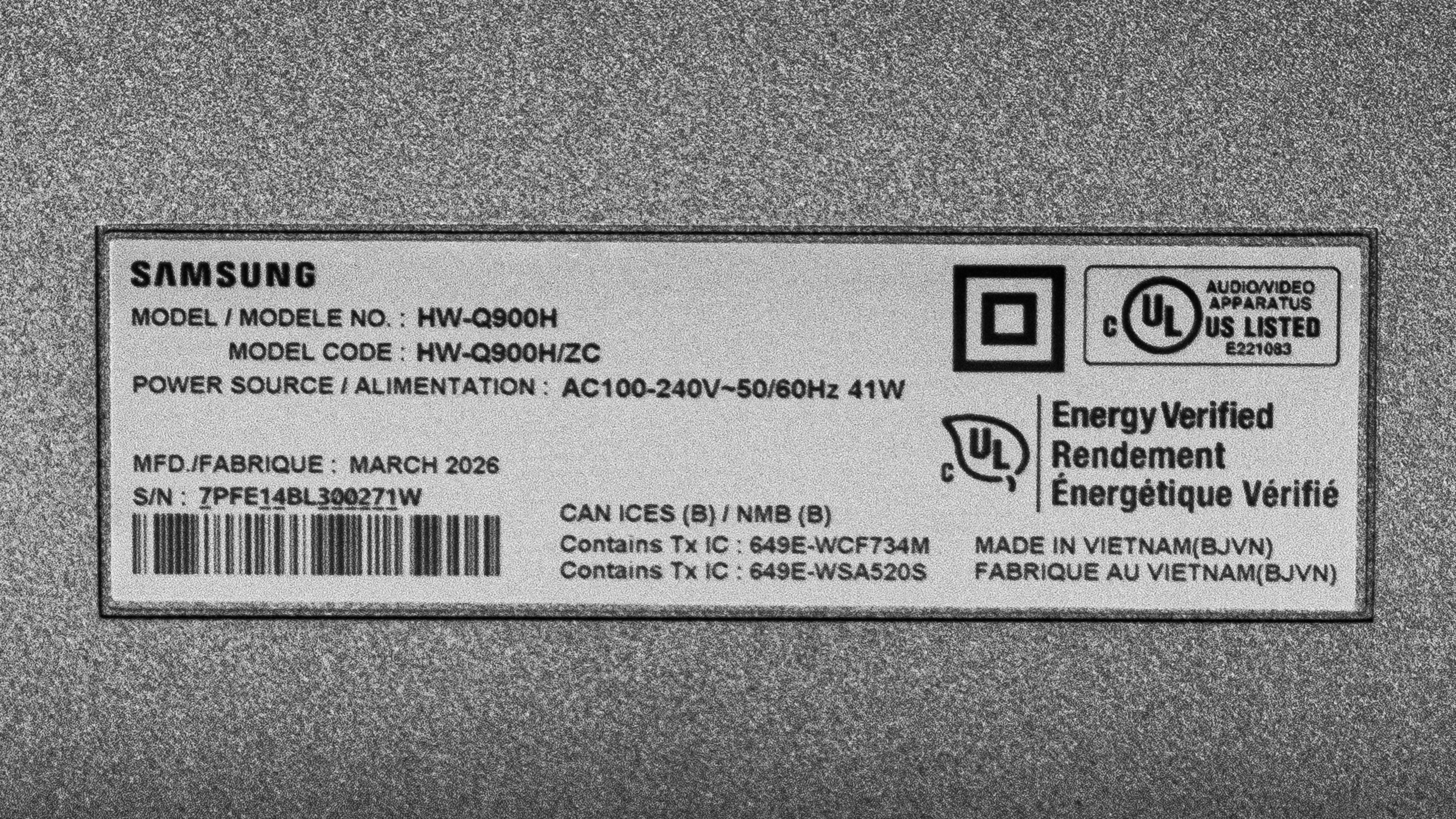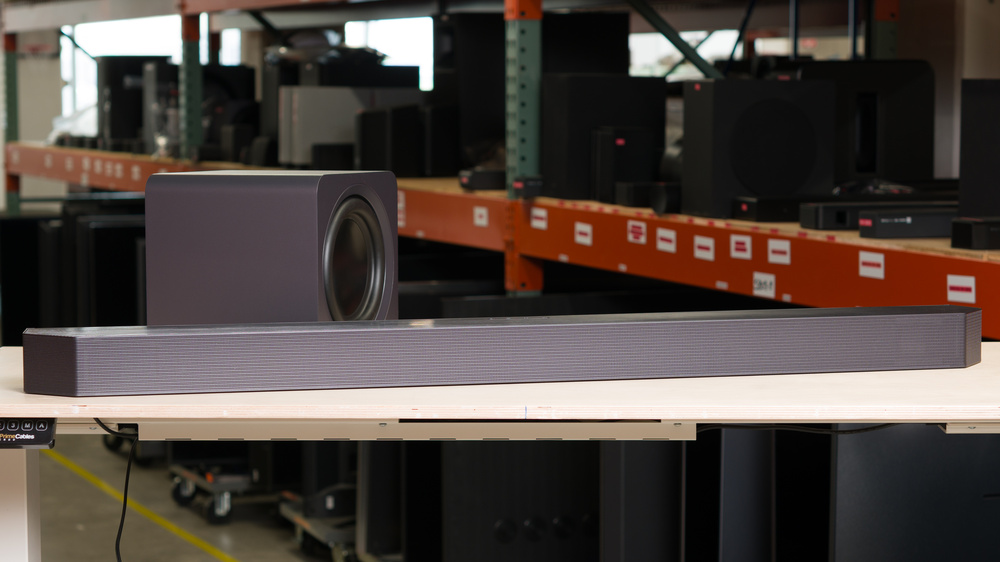
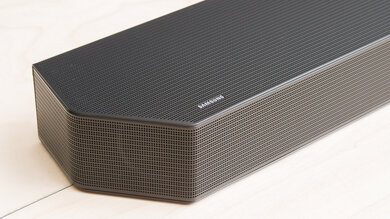
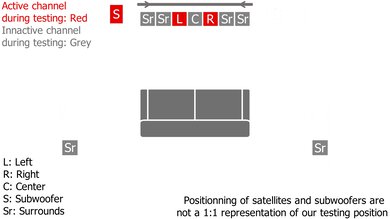
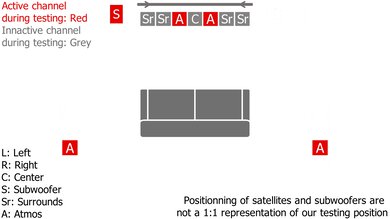
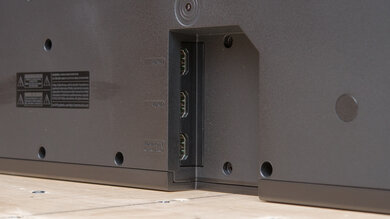
The Samsung HW-Q900H is a 2026 7.1.2 soundbar. It comes with very similar features to the brand's flagship Samsung HW-Q990H, including 4k @ 120Hz passthrough via its two HDMI In ports, and wireless Dolby Atmos (with a compatible Samsung TV). The main point of difference is the lack of discrete satellite speakers, which lowers the price point while appealing to those who lack space in their living room. Still, there's scope to add extra speakers later, as you can pick up either the SWA-9500S rear speaker kit or the Music Studio 5/7 speakers as aftermarket upgrades.
Our Verdict
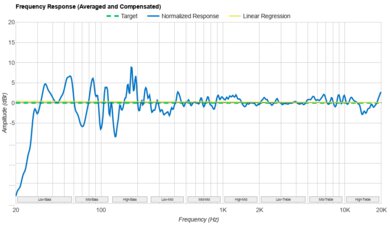
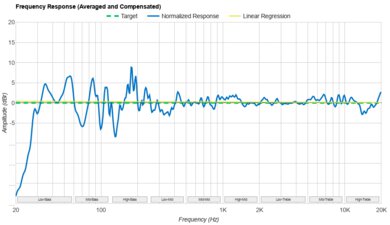
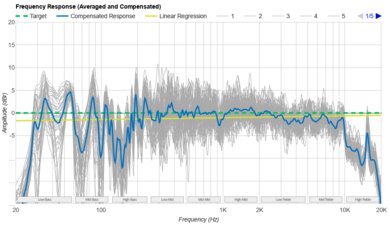
The Samsung HW-Q900H is a great choice for mixed usage. The discrete sub pumps out plenty of low-end to fill out club tracks and blockbuster thrillers alike, while the balanced mid-range serves both vocal clarity and snappy sitcom dialogue. It's worth experimenting with SpaceFit Sound Pro room correction, as it can alter the frequency response across all different content types. Two HDMI In ports and 4k @ 120Hz passthrough make this bar a solid proposition for gaming too, as you can use it as a hub between your console and display. Latency is very low over this connection type, too, so you'll keep your competitive edge. While the lack of discrete rear speakers can diminish the width of surround effects in both 5.1 and Atmos content, the bar can still make these formats sound immersive, with the two up-firing drivers adding some verticality to Atmos movies.
4k @ 120Hz HDMI passthrough.
Plenty of sound customization options, including 7-band EQ.
Gets loud enough to fill a large room.
Lacks of rear speakers limits immersion with surround content.
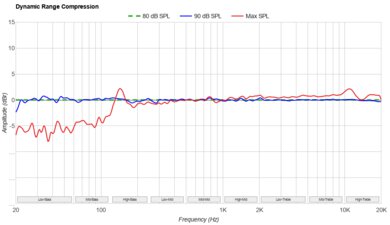
The Samsung HW-Q900H is amazing for dialogue and TV shows. The discrete center channel and balanced mid-range reproduction combine to deliver crisp dialogue and natural-sounding voices, with great localization within the soundstage. The bar gets loud, too, and though there's some compression at max volume, it doesn't affect the mid-range. There's a variety of dialogue-boosting sound modes to choose from among the sound enhancement features, and you can even dial in a more precise tuning via the 7-band graphic EQ.
Plenty of sound customization options, including 7-band EQ.
Gets loud enough to fill a large room.
Discrete center channel.
Lacks of rear speakers limits immersion with surround content.
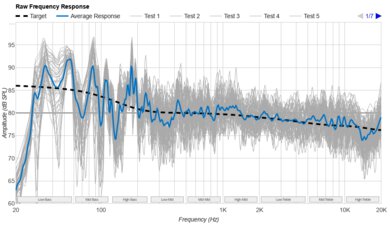
The Samsung HW-Q900H is impressive for music. The default tuning is versatile, with plenty of bass on tap to do justice to club anthems. while the mid and treble ranges retain plenty of detail and clarity. With stereo content, the soundstage is wide with good tracking, and the discrete center channel helps carve out space for vocal top lines. The bar gets quite loud with minimal compression too, so it can definitely pump up your next pre-game, and the wide variety of sound enhancement options (including a 7-band graphic EQ in Standard mode) gives you plenty of scope to adjust the sound. SpaceFit Sound Pro adjusts the sound to your room's acoustics, but it can also be disabled to give a slightly different tuning.
Plenty of sound customization options, including 7-band EQ.
Gets loud enough to fill a large room.
Tap to play feature has been removed.
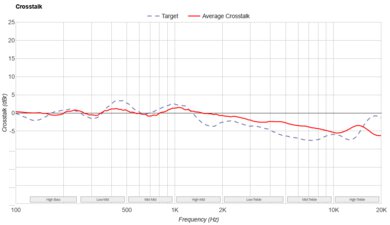
The Samsung HW-Q900H is a great choice for movies. It features a balanced default tuning, with ample bass-range oomph for high-octane chase sequences, while the balanced mid and treble ranges ensure dialogue and higher-pitched SFX are present and detailed in the mix. The various sound modes, EQ presets, and 7-band graphic EQ also let you tweak the sound to your heart's content. With stereo content, the soundstage sounds quite wide with solid tracking, while the discrete center channel anchors voices and dialogue within busier sequences. The bar gets plenty loud, too, with only some bass-range compression creeping in at max volume. That said, the lack of discrete rear speakers means the bar's side-firing drivers output surround sound content, which doesn't sound quite as immersive with Atmos and 5.1 content. Still, the bar's two up-firing drivers are able to convey some sense of height with Atmos content, adding some vertical movement.
Plenty of sound customization options, including 7-band EQ.
Gets loud enough to fill a large room.
Lacks of rear speakers limits immersion with surround content.
Check Price
Popular Soundbar Comparisons
The Samsung HW-Q900H is a high-end 7.1.2 soundbar that sits two tiers below the flagship Samsung HW-Q990H within Samsung's 2026 soundbar lineup. While it can be expanded with aftermarket rear speakers, you might be tempted to shell out for the Q990H from the outset, which comes with discrete rears that add some extra immersion with 5.1 and Atmos content. Still, if you're short on space and don't mind the lack of discrete rears, the Q900H gives you the same flagship features and 4k @ 120Hz passthrough at a lower asking price.
If you're set on the bar-and-sub configuration, the Samsung HW-Q800H can also be a viable choice at a lower price point, offering a similar frequency response and the same sound customization suite. It lacks the Q900H's second set of side-firing drivers and can only pass through 4k signals at a 60Hz refresh rate. If you're willing to look outside the Samsung ecosystem, the JBL Bar 1000MK2 offers comparable sound customization options in a more compact footprint, along with improved performance with Atmos and 5.1 content, courtesy of its discrete rear speakers. Its default frequency response isn't as balanced, though, and it doesn't feel as well-built as the Samsung.
If you're dead set on Samsung, check out the best Samsung soundbars. Otherwise, have a look at our picks for the best soundbar or the best all-in-one soundbar if you're looking for a standalone solution.
The Sonos Arc Ultra is a viable alternative to the Samsung HW-Q900H if you're looking for a standalone solution, though the Samsung performs better overall. The Samsung offers a more balanced default frequency response, has a broader suite of sound customization options, and can pass through 4k signals via its HDMI In port. However, the Sonos has a more expansive stereo soundstage, and its side-firing drivers do a better job of rendering surround sound details. Ultimately, choosing between them might also come down to which product ecosystem you want to invest in, as both bars are expandable with aftermarket components.
The Samsung HW-Q900H is a better bar overall than the Samsung HW-Q800H, and it's worth the additional outlay if you can afford it. While both are simple bar and sub configurations, the Q900H boasts two extra channels courtesy of the bar's side-firing drivers. This gives it the edge when it comes to Atmos and 5.1 content. It can get a bit louder and has a wider, more expansive stereo soundstage. The Q900H can also pass through 4k signals at a higher refresh rate (120Hz compared to 60Hz for the Q800H) and natively supports DTS formats, while the Q800H has to downsample these to PCM. That said, both bars offer a similar suite of sound customization options, plus identical wireless connectivity and voice assistant integration, so if this is most important to you, you can go with the cheaper Q800H.
The Samsung HW-Q990H and the Samsung HW-Q900H offer a very similar performance with stereo content, including a comparable default frequency response and soundstage, and they offer a virtually identical suite of sound customization options along with 4k @ 120Hz HDMI passthrough. The key point of difference between them is the Q990H's discrete rear speakers, which enhance immersion with Atmos and 5.1 content. That said, if you're okay with the Q900H's side-firing drivers' less immersive performance or don't have space for satellite speakers, the Q900H is a great option at a lower price point, even if the Q990H is the better bar overall.
The JBL Bar 1000MK2 and the Samsung HW-Q900H offer different strengths at a similar price range. The JBL gives you discrete rear speakers that boost immersion with 5.1 and Atmos content. The bar and satellites are also exceptionally compact and easy to integrate into your living room, though the sub is a little clunkier. The Samsung has a more balanced default tuning, though, and it can pass through 4k signals at a higher refresh rate (120Hz vs the JBL's 60Hz). It's also better built overall, with a more premium feel to the components. If you own a Samsung TV or Samsung Music Studio speakers, you might also want to opt for the Q900H for its integration possibilities.
Test Results
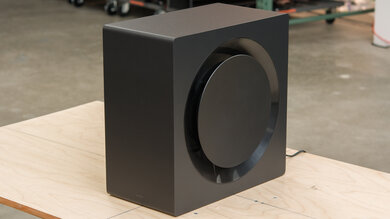
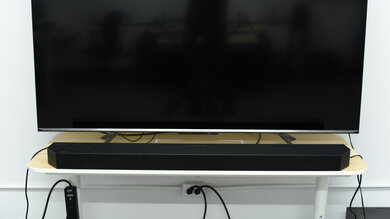
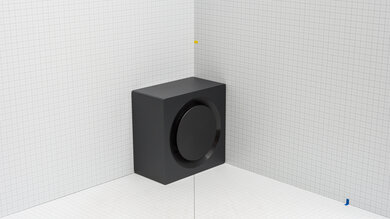
for pictures & test results
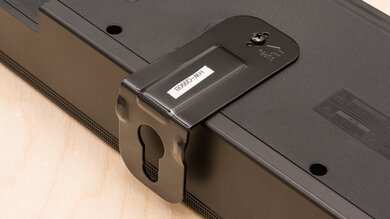
for pictures & test results
for videos & test results

for videos & test results