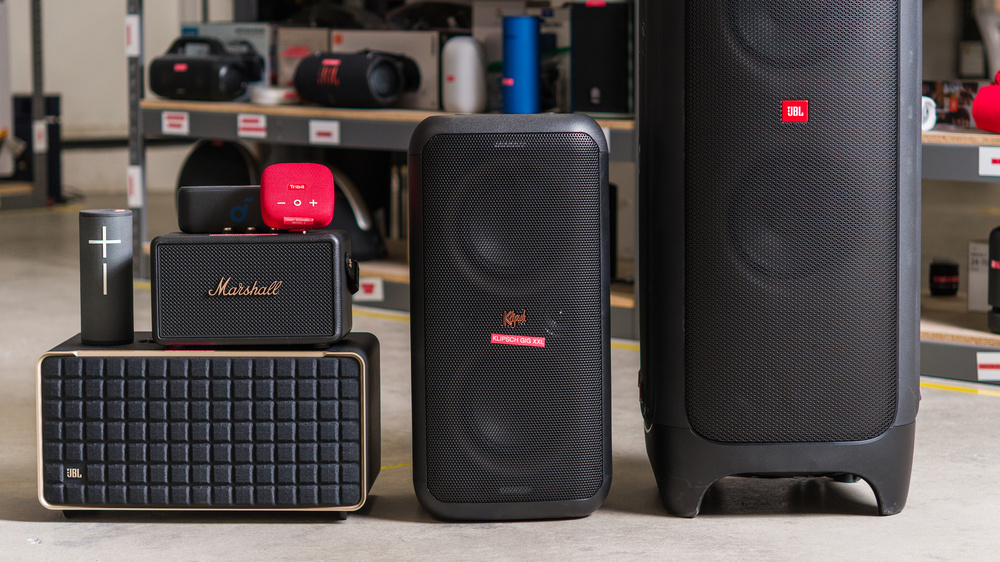
Bluetooth speakers come in every shape and size, from pocket-sized clip-ons to massive party towers. That variety is exciting, but it also makes shopping confusing. You can't have everything in one speaker, though. A tiny model that slips into your bag won't deliver thunderous bass, and a party box that rattles the walls won't fit on your nightstand. The first decisions you need to make are about budget, size, and where you'll actually use the speaker: indoors, outdoors, or both. Once you've figured those things out, it's easier to think about the rest: sound quality, battery life, stereo pairing modes, ecosystem compatibility, mic inputs, or more specific features like light shows.
There isn't a single hierarchy of priorities that fits everyone. If you're looking for specific features, you can always use our table tool to narrow down your search. But in this Bluetooth speaker buying guide, we're setting aside price as a separate category, since there are cheaper and more expensive speakers available in every category, whether those be party speakers, home speakers, or outdoor speakers. Before budget comes into it, you need to know exactly what you plan to do with your speaker.
Test results
Size: It Isn't What You Got, It's What You Do With What You Got
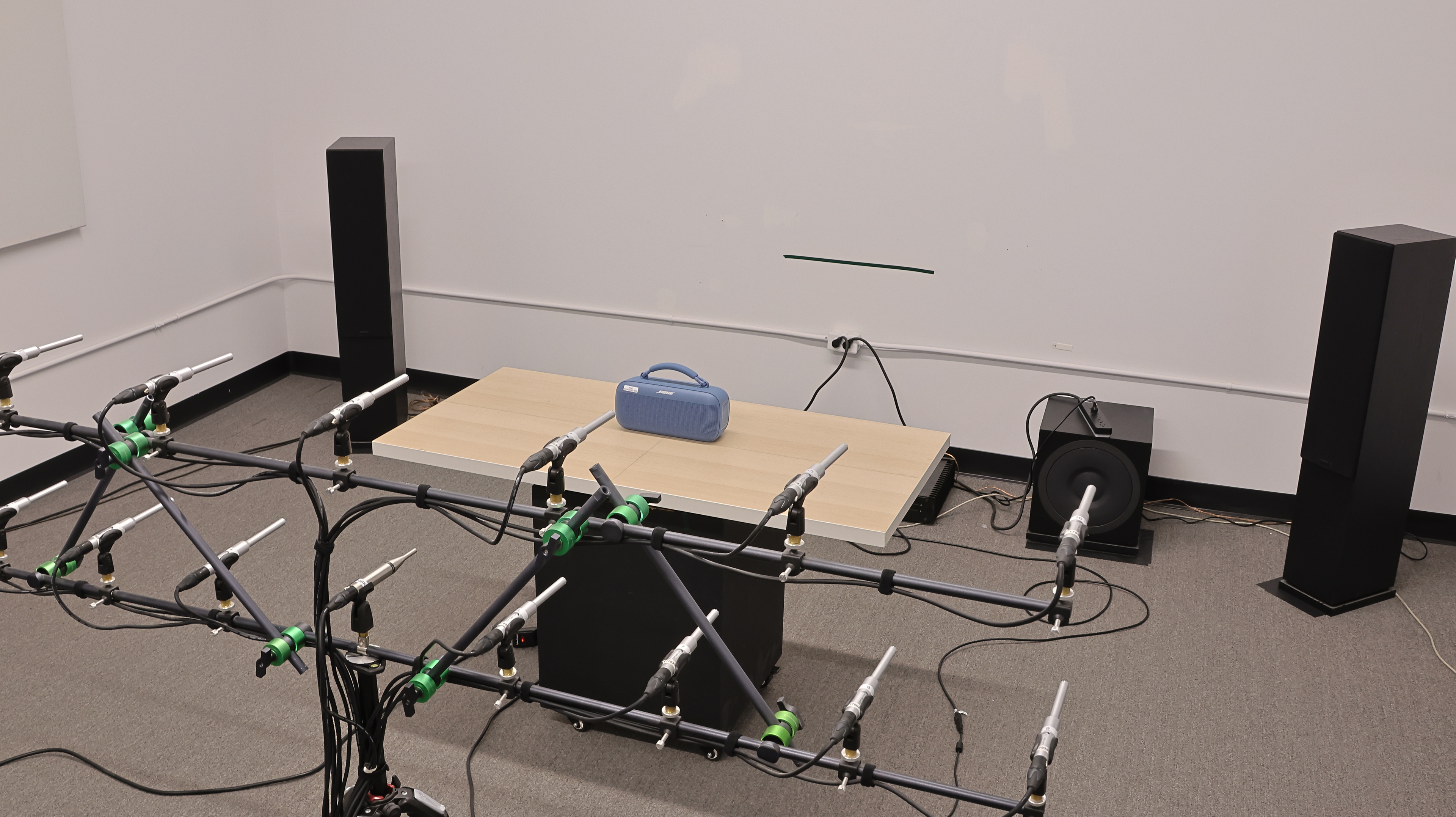
When shopping for a Bluetooth speaker, size is by far the most important thing to figure out because it shapes almost every other part of the experience. Loudness, battery life, sound (and especially bass), and portability are all closely related to size. That's why it's one of the first things we measure when we test a speaker.
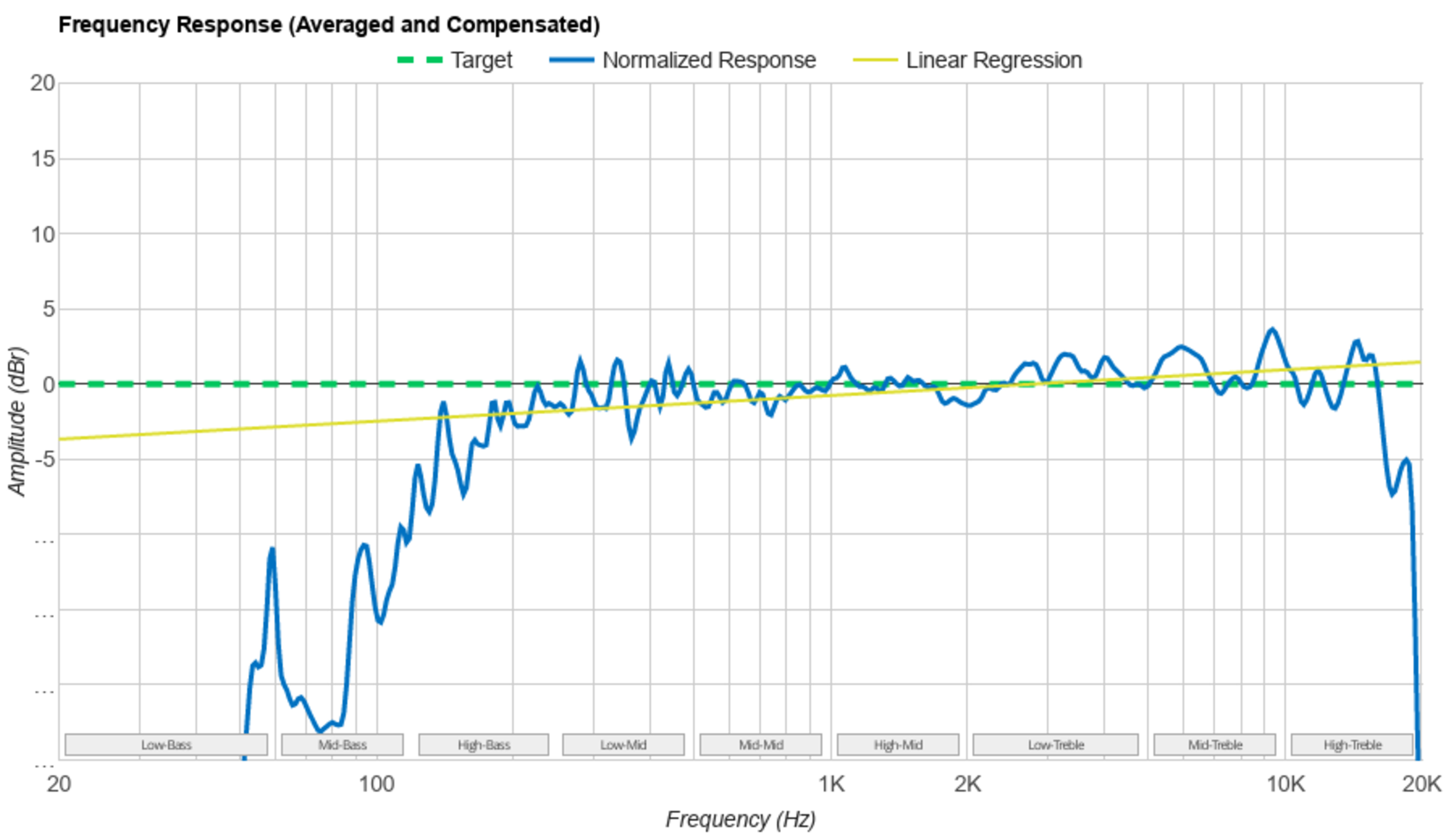
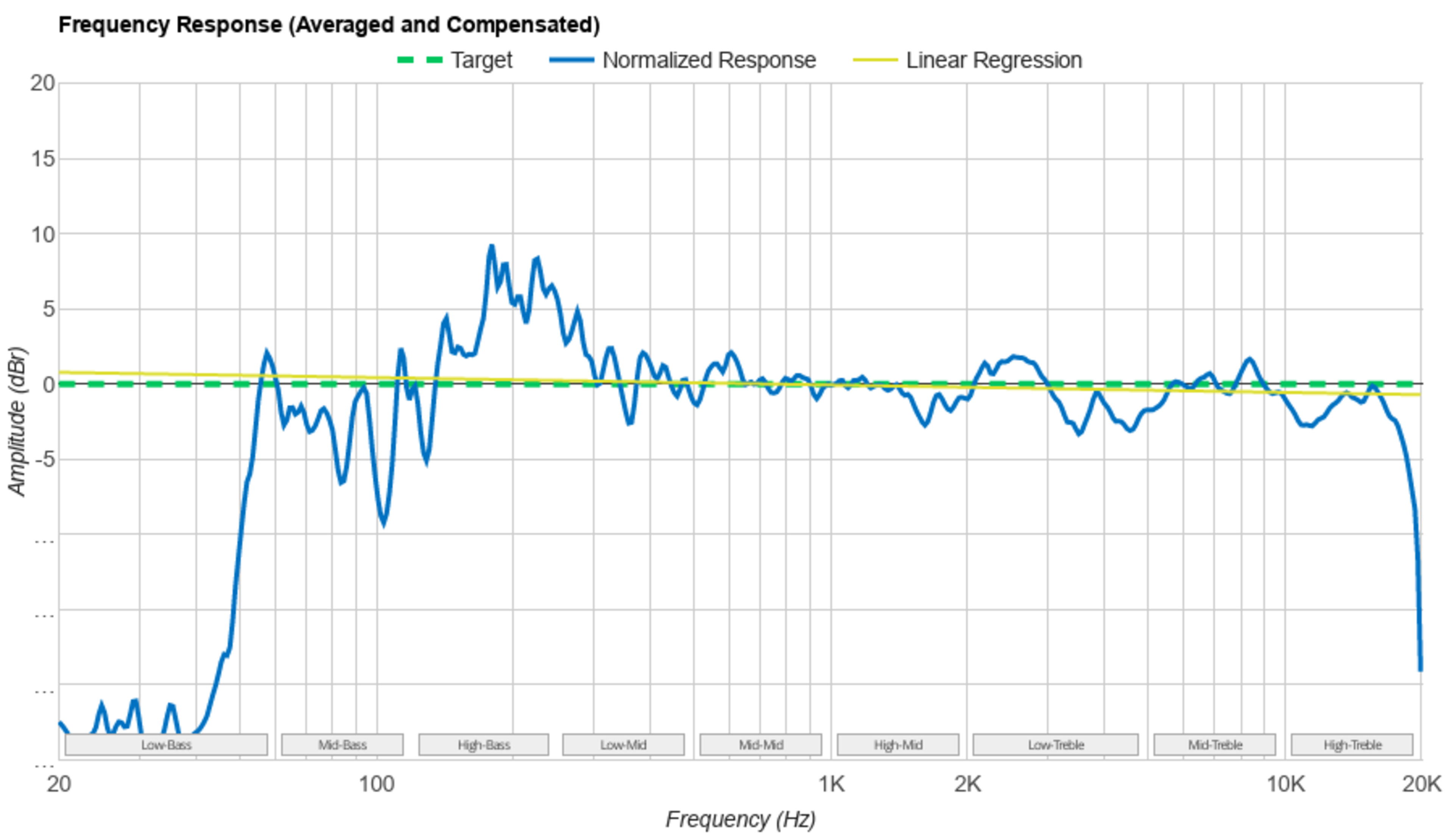
Smaller speakers are easier to carry around, whether you're clipping one to your backpack or slipping it into a tote bag. They're often (though not always) cheaper, but you're trading off sound quality: tiny speakers simply can't deliver the same deep bass or room-filling volume as larger ones. To find out if a speaker produces enough bass for your use case, check out the Frequency Response Accuracy section of our reviews. If you mostly want background music in a bedroom or a quiet soundtrack to a park meditation, handbag-sized portable speakers are more than enough. But if you need to get the party started or fill a larger space with sound, tiny models just won't do.
 |
 |
 |
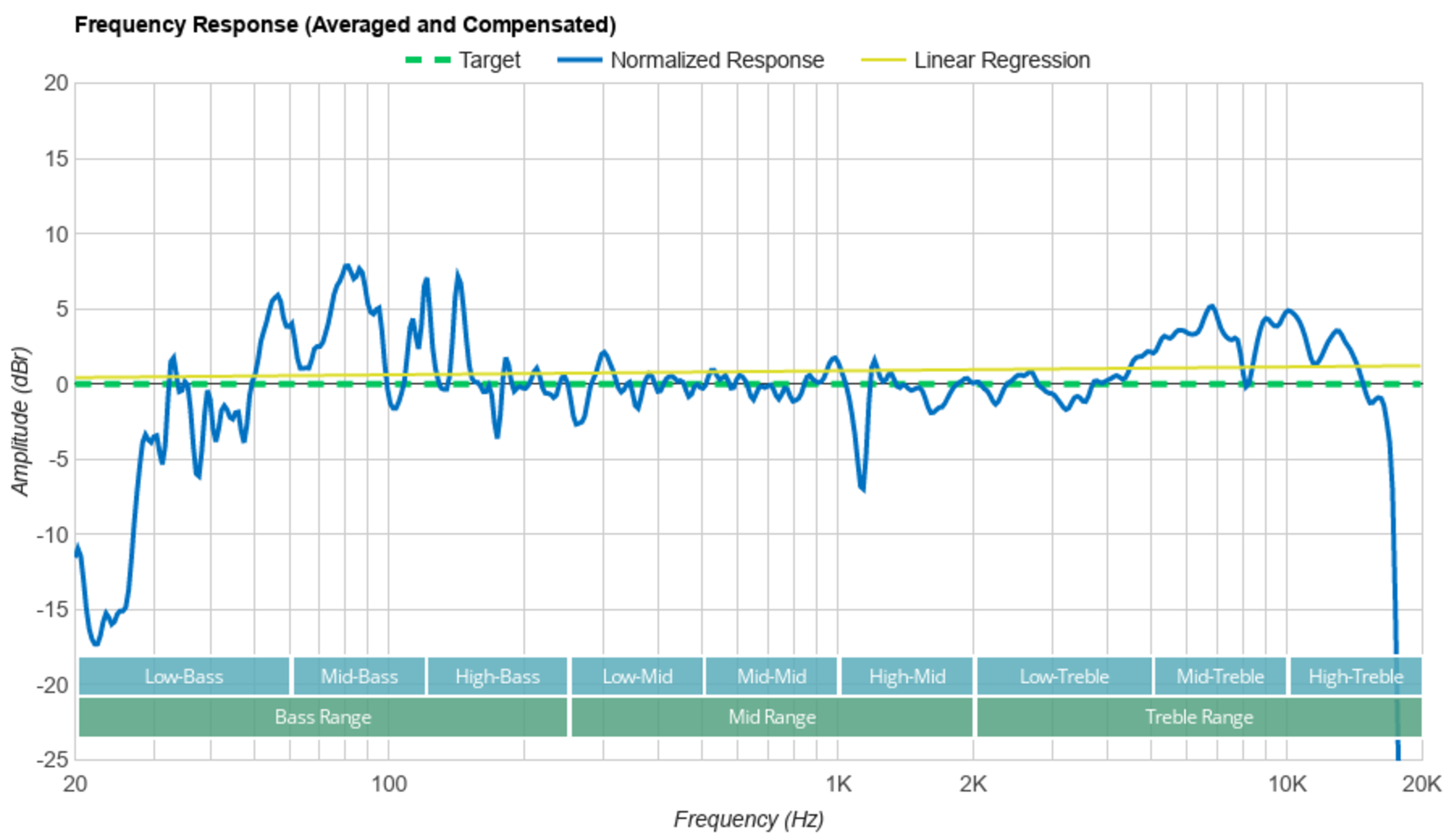 |
At the other end of the spectrum, large boomboxes or party-style speakers deliver the strongest bass and the highest maximum volume. In our testing, models like the JBL PartyBox 1000 can get loud enough to carry across a backyard or fill a big indoor space like a garage. On the downside, they're heavy, sometimes the size of a suitcase, and cost significantly more than smaller portables. Larger speakers that are battery-powered tend to last longer than smaller models, but some are so large that they can only work via AC power.
If you're wondering why most of our top picks are mid-sized, it's because these offer the best trade-off between portability and size. They're light enough for a park trip yet powerful enough for a kitchen party. They get pretty loud and are pretty easy to move around, but they're not the loudest or the most portable.
 |
 |
Sound Quality
Okay, so we said we wouldn't talk too much about sound quality, but how could we write a speaker buying guide without a quick dip into it?
As we said above, size is the main determinant of sound quality because larger speakers can produce more bass and thus more faithfully reproduce the entire frequency range. However, two other factors contribute significantly to sound quality: soundstage and EQ support.
Soundstage and Stereo Playback
Soundstage describes how spacious and immersive a speaker sounds, which matters because it affects how natural and engaging your music feels. When buying a speaker, the two most important components of soundstage you'll want to keep in mind are stereo support and directivity.
A speaker that supports stereo playback can reproduce separate left and right channels, which means the original panning decisions taken by artists and mix engineers are more accurately reproduced. Mono-only speakers can't faithfully reproduce things like reverb tails or instruments that have been hard panned to either the left or right.
Typically, a lot of small, portable speakers are mono only. That said, stereo playback doesn't always offer that much of a subjective improvement in these cases, as the tiny drivers are located so close together you don't get much sense of left and right audio, anyway. Still, it can be nice to have. These days, many portable speakers allow you to access true stereo playback by pairing them with another unit (more on this in the Stereo Pairing and Ecosystem Compatibility section below).
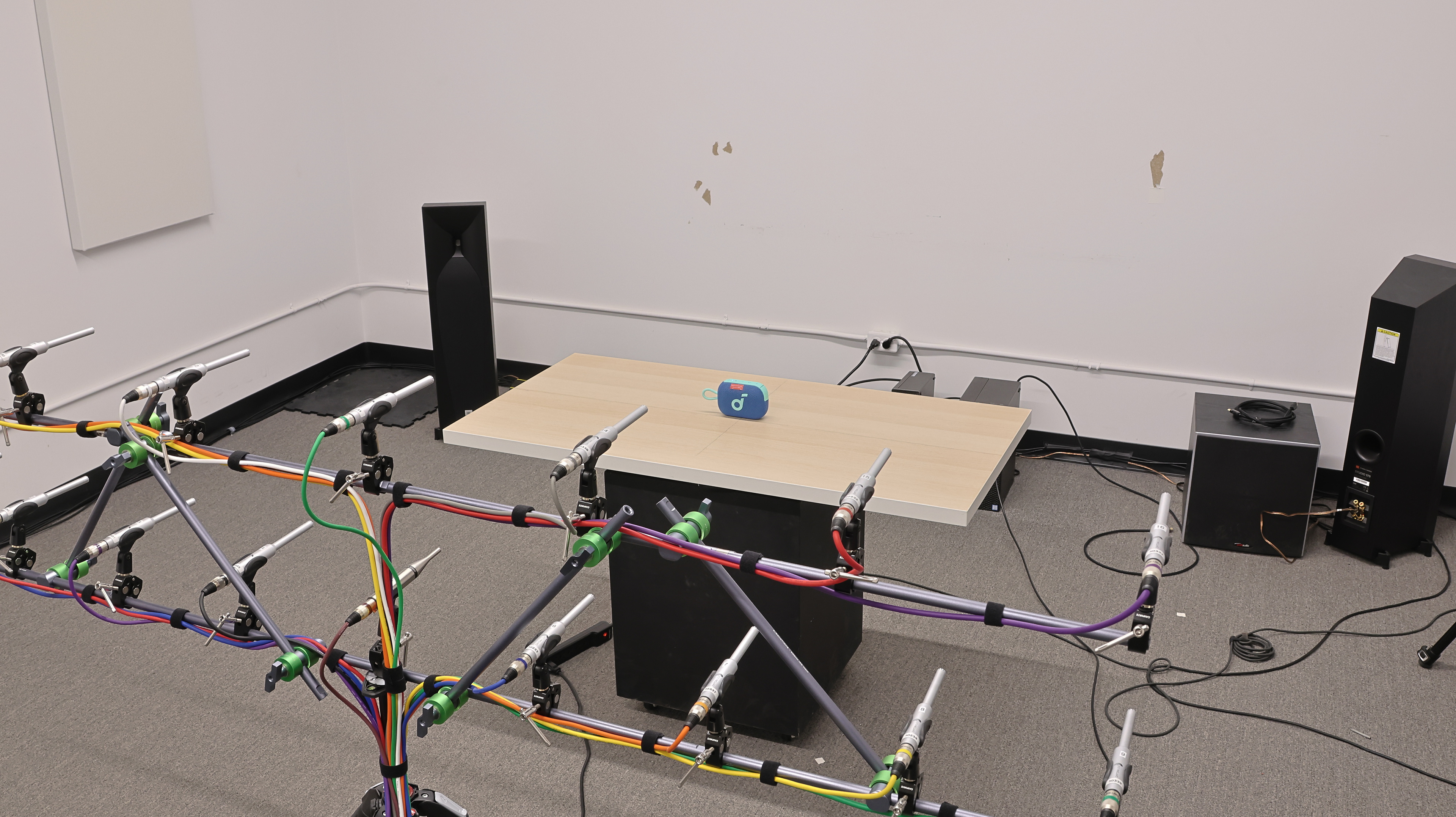
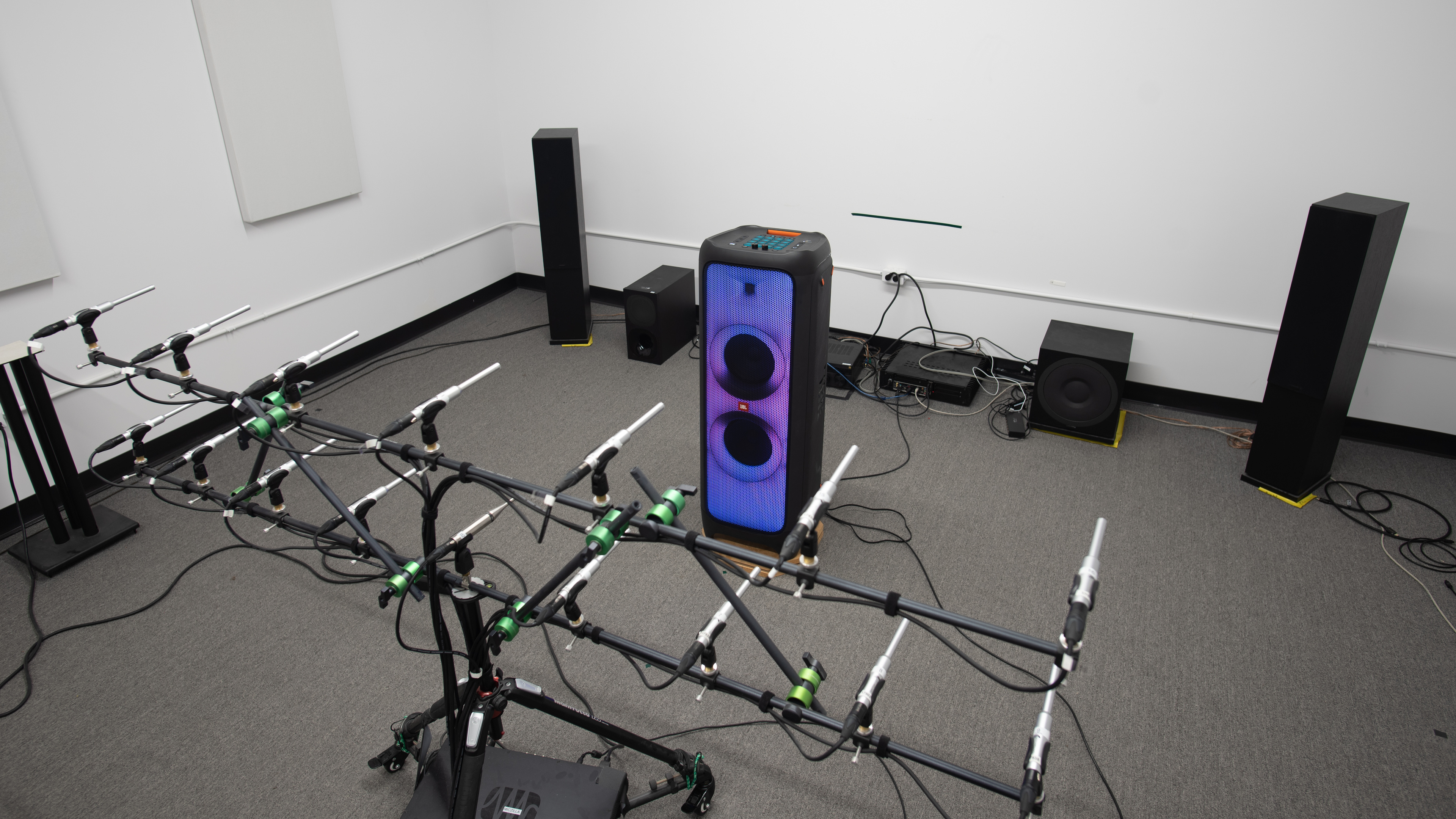
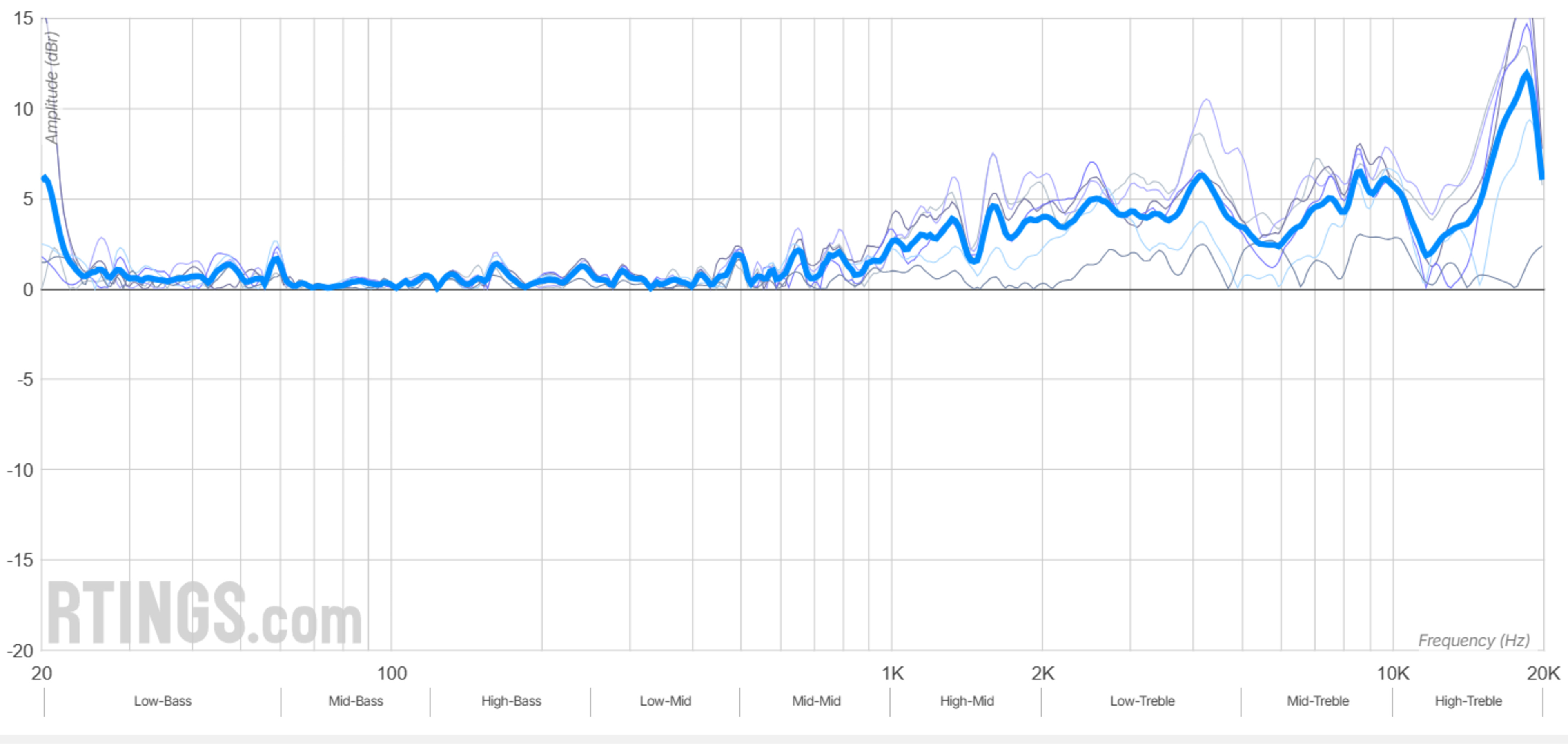
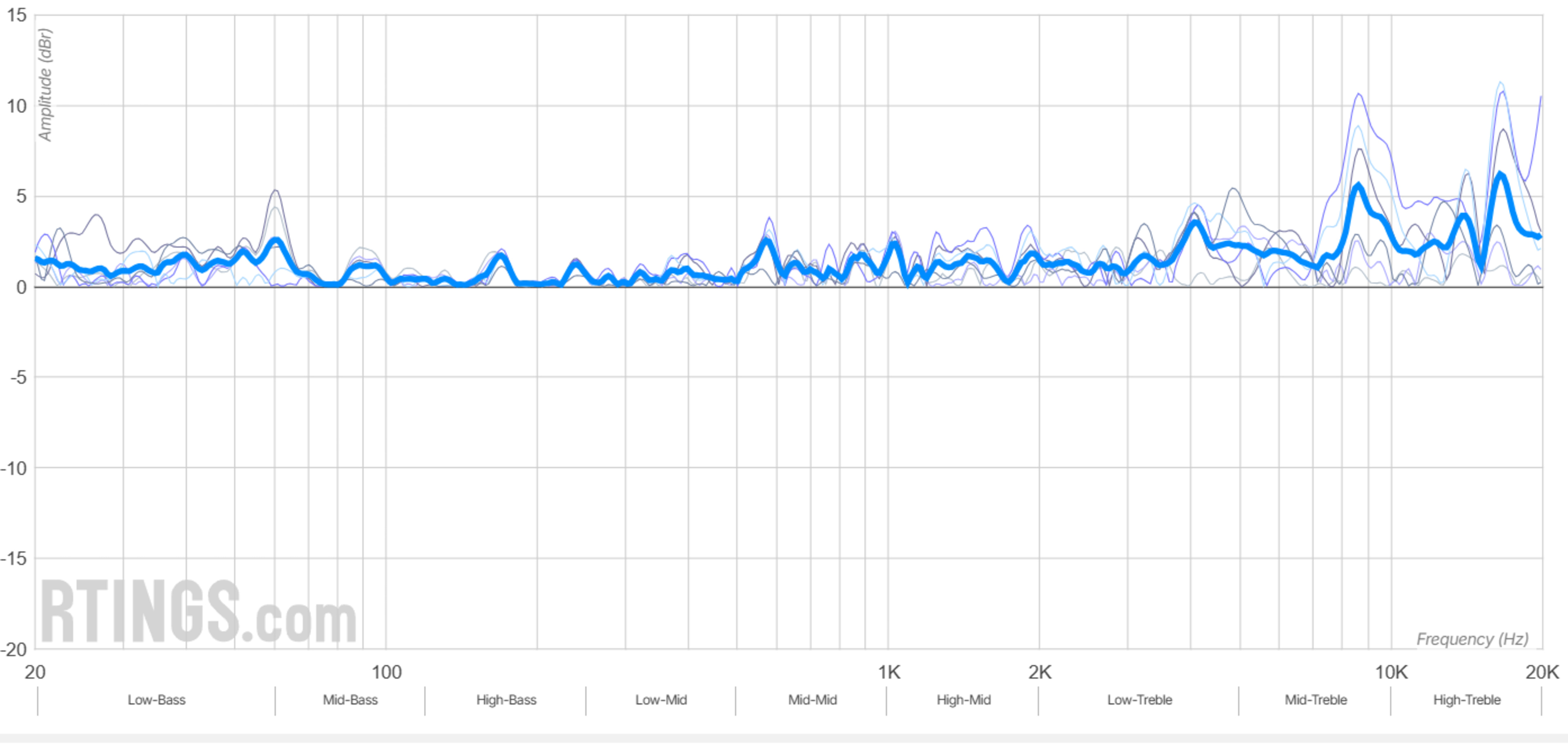
Directivity refers to how evenly the speaker spreads sound across different angles. Speakers with good directivity tend to have 360-degree speakers, which helps them maintain a consistent, balanced sound regardless of your listening angle. On the other hand, forward-facing speakers tend to sound quite different when you sit behind them.
 |
 |
 |
 |
EQ And App Support
If you're someone who knows they like a particular sound, it's worth looking for a speaker that has a companion app with an EQ. That way, you can tweak the speaker's sound to your liking. Companion apps also let you tweak the speaker's performance in various ways, so they're quite handy. But the EQ is what will most affect the sound quality. Turning up or down the bass to taste can be just the move that takes a speaker from decent to perfect for you.
Of course, you can also use third-party EQ apps if your speaker doesn't come with one, but those can be a little more fiddly to set up. Some high-end models go even further with built-in room correction, which automatically tailors the sound to your space so everything from bass to vocals stays balanced no matter where you place the speaker.
Indoors vs. Outdoors: Build Quality And Battery Life
Okay, so you've got a sense for the size of speaker you need. Next, you need to figure out where you're going to use it: outdoors, indoors, or both?
Build Quality
If you plan to use your speaker outdoors, you'll want to pay special attention to its build quality. Outdoors-oriented speakers tend to feature rugged housings and rubber bumpers that help absorb shocks. But the most important thing to look out for is probably the speaker's Ingress Protection (IP) rating, which tells you how resistant a speaker is to dust and water. IP ratings are written in the format IPXX, for example, IP67. The first number refers to dust resistance, from 0 (no protection) up to 6 (fully dust-tight). The second number refers to water resistance, from 0 (no protection) up to 9 (protected against close-range high-pressure, high-temperature spray downs).
Among outdoor speakers, an IP67 rating is pretty standard: it means the speaker is completely sealed against dust and can survive being submerged in up to a meter of water for 30 minutes. That's enough to prevent accidental drops into pools from doing damage. Some outdoor speakers are even designed to float, which is especially useful at the pool or on a boat.
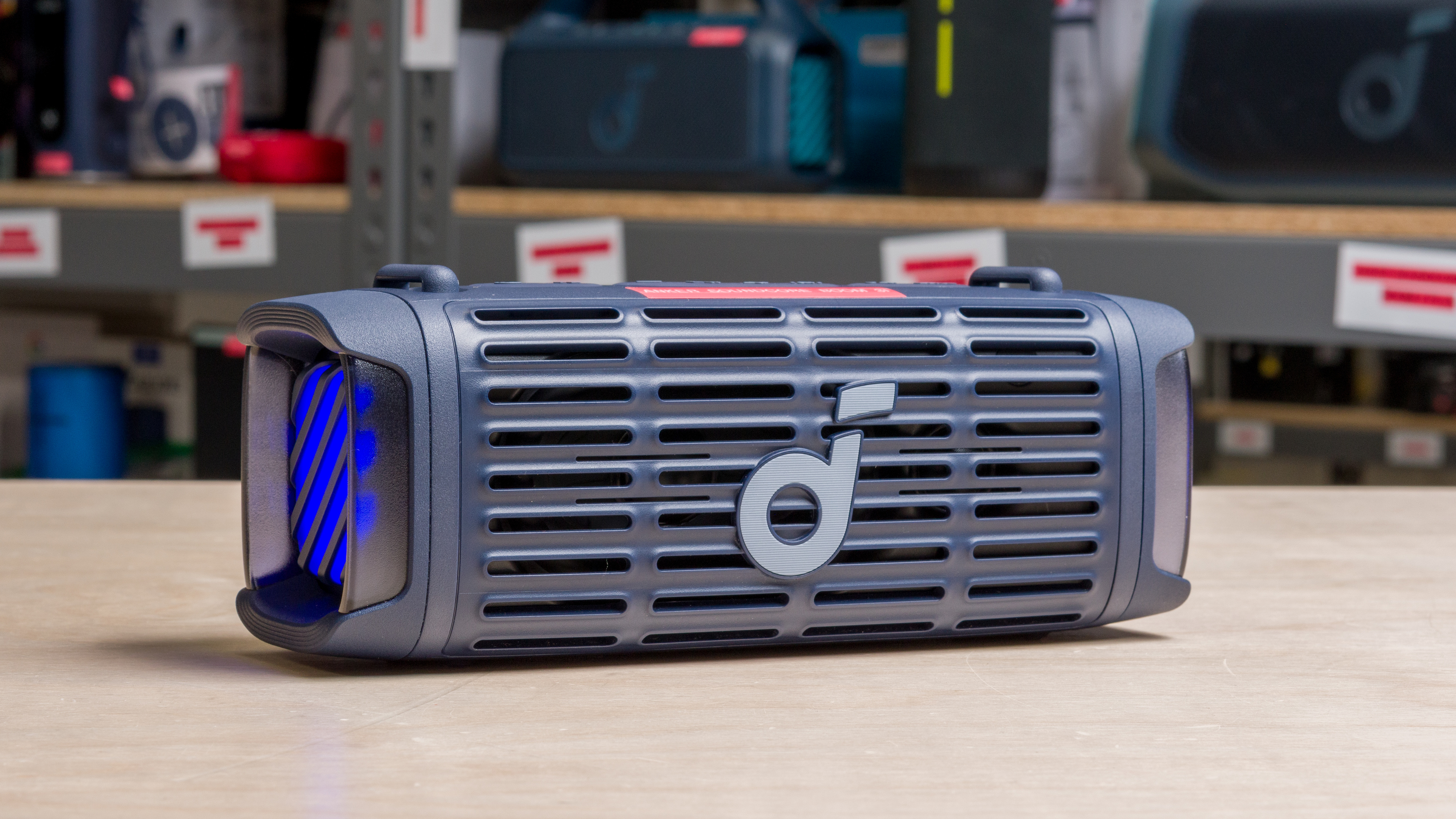
You may also see an IK rating (between IK00 and IK11), which measures resistance to mechanical impact like drops or knocks; higher values indicate stronger physical protection. Some manufacturers will also make special claims about their speakers, like their saltwater-worthiness, even if they don't receive third-party certification for them.
Battery Life And Bluetooth Performance
Since outlets aren't usually available outdoors, battery life becomes a top priority for the campers and park calisthenics fans among you. As we've already emphasized, battery life tends to scale with size, since larger speakers can house larger batteries. But if you know you plan to use your speaker outside, you'll want to make sure it lasts long enough for whatever you have planned and that its Bluetooth range is long enough for you to wander away from if needed.
Many portable speakers we've tested last 15 to 30 hours at moderate volumes, giving you enough power for a full day or weekend of use. Just remember that playing at maximum volume drains the battery faster, and recharge times vary. Some speakers top up in just a couple of hours, while others can take closer to five. Some speakers can even function as battery packs for you to charge your other devices.
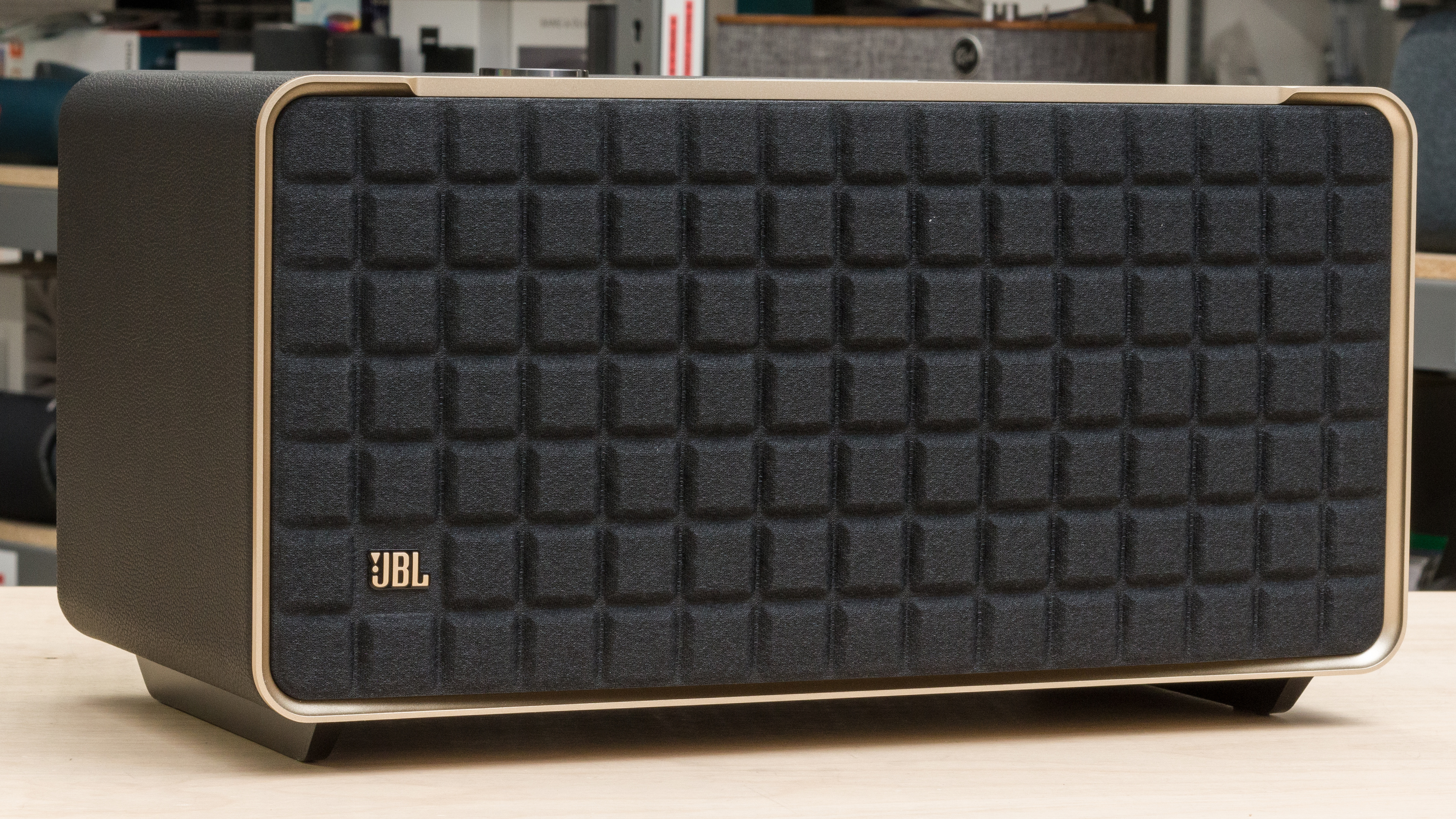
Indoors, most people can keep their speaker plugged in, so runtime isn't as critical. That's why many home-focused Bluetooth speakers don't include a battery at all. They're designed to stay in one place and offer steady power. This lets them use larger drivers and sleeker designs without worrying about weight or waterproofing. They're easier on the eye, but also easier to break.
Special Features: Home Companion Or Party Starter?
Most people's top concerns are the size of the speaker they want and where they plan to use it. But some of you know there are special features you simply can't do without. This is where speakers really start to branch into two main directions: home-focused models that double as lifestyle products and party speakers built for maximum fun.
Voice Assistants
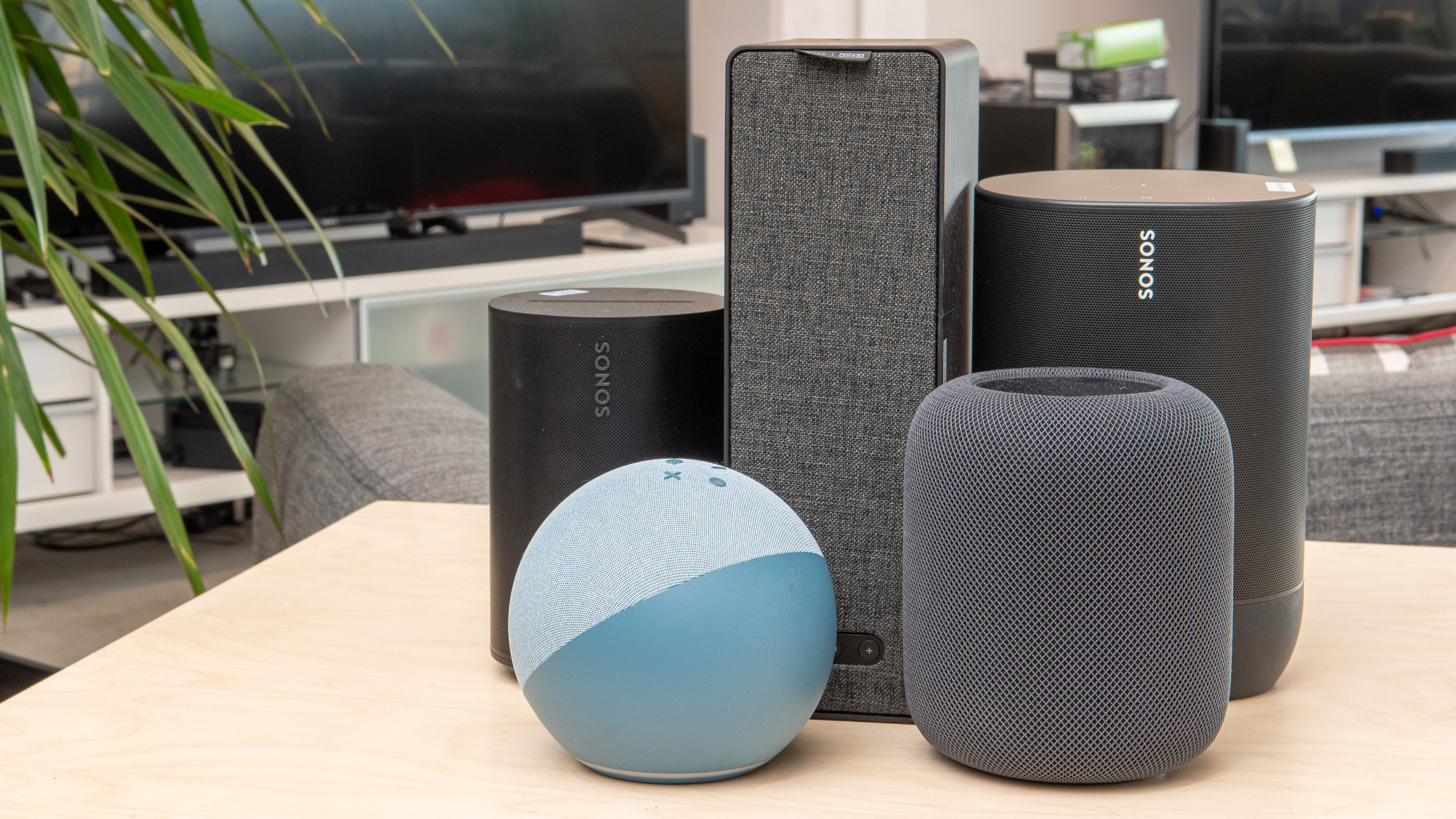
Many home-oriented Bluetooth speakers include built-in voice assistants like Amazon Alexa, Google Assistant, or Apple's Siri. That means you can ask your speaker to play music, control your smart lights, or set a timer, all hands-free. Of course, voice assistants aren't limited to home speakers. But for the most part, the voice assistant support offered by highly portable models will be fairly basic when compared with home-focused speakers.
Connectivity, Style, And App Support
Home-focused speakers often support Wi-Fi streaming for higher-quality audio and easier multi-room setups, letting you link multiple speakers throughout your house. Sometimes they support formats like Apple AirPlay and/or Google Chromecast, too. For both Wi-Fi and Bluetooth, it's worth checking out latency measurements, especially if you watch a lot of videos, but you should always take these with a pinch of salt, as different apps and devices compensate for latency in different ways.
Extra Inputs
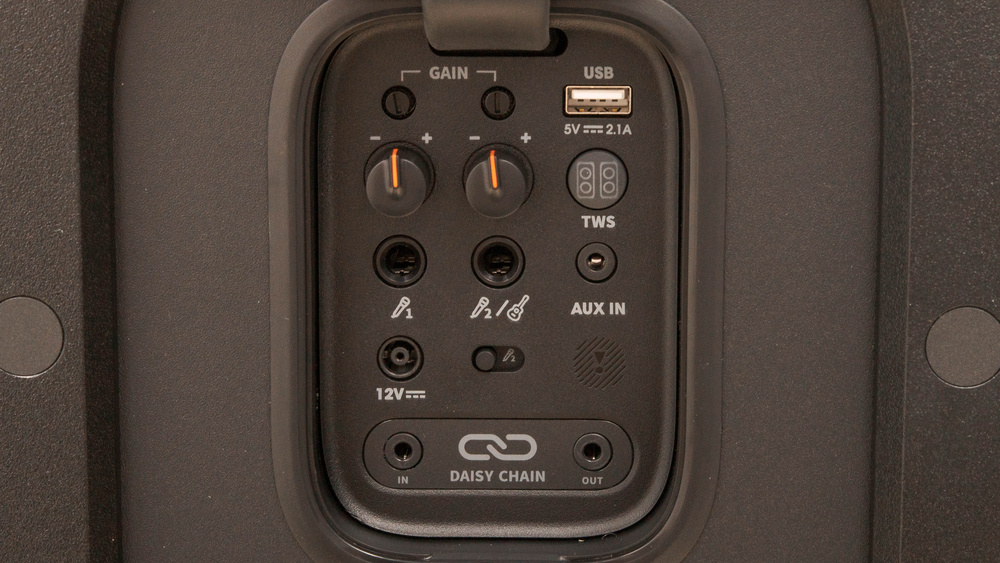
Party speakers take a different approach. While the loudness and bass output of a party speaker will mostly be determined by its size, these models are also distinguished by the presence of extra features and ports for microphones or guitar inputs, which make setting up makeshift venues or karaoke sing-alongs quick and easy. If you're hosting parties, those extra inputs can even be more important than portability or battery life.
Party speakers also sometimes come with built-in light shows for extra atmosphere. We don't grade those...but your fellow partiers might.
Stereo Pairing And Ecosystem Compatibility
Regardless of your use case, there are some features worth paying attention to. First, check out what kind of pairing features are available. Many Bluetooth speakers can link with a second unit for stereo playback or just to produce a wider, more immersive listening experience. Many speakers also support Party modes, where multiple units from the same brand sync together to blanket a larger space with sound.
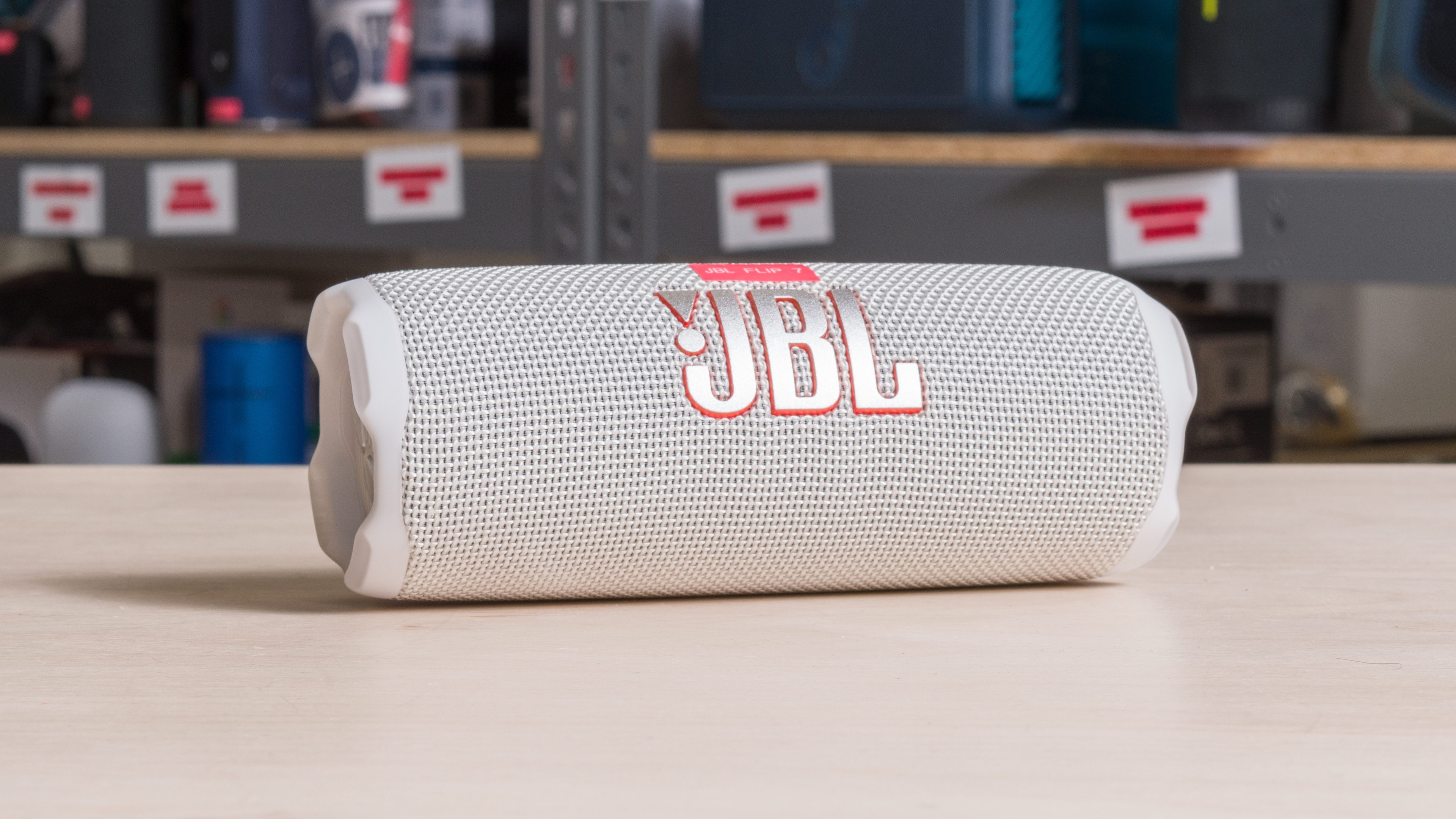
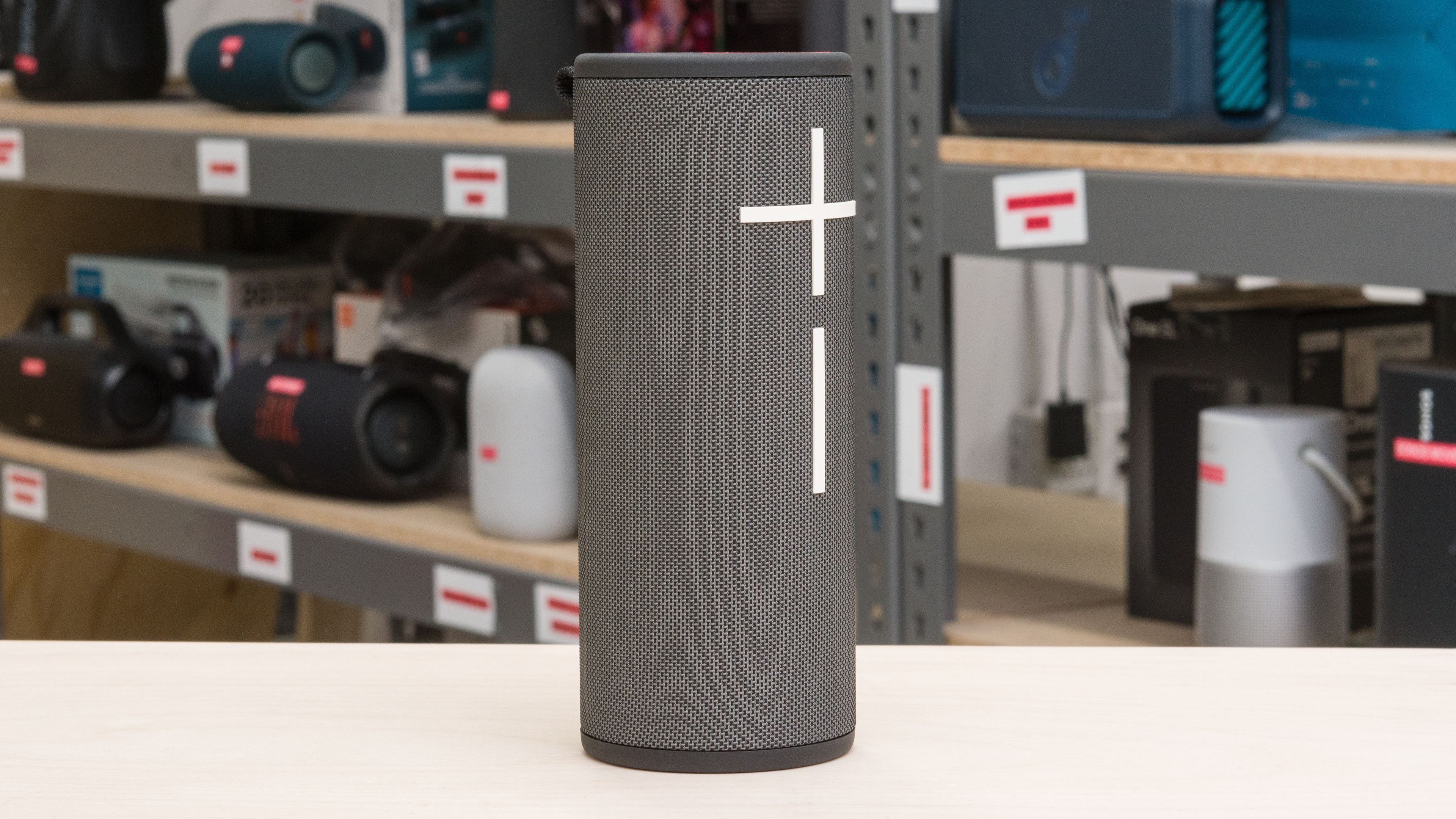
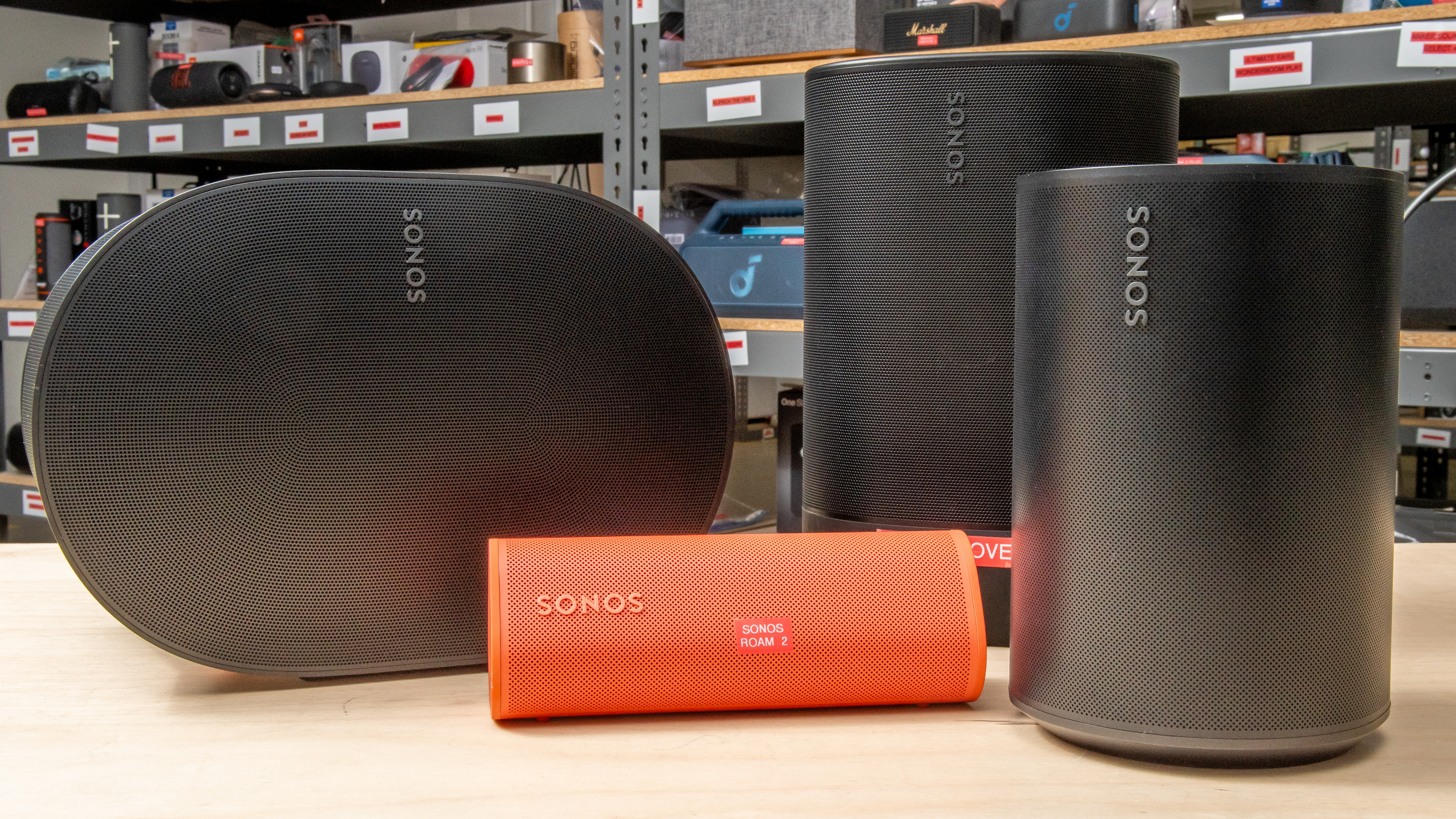
But those Party modes usually require you to have compatible speakers from the same brand. So the speakers you already own can play a huge role in helping you decide which new speakers to buy. For example, if you already own a Sonos system, a portable speaker like the Sonos Roam 2 might make the most sense for you, as it can slot right in and play music alongside your existing setup. Similarly, Apple users may prefer an Apple HomePod (2nd generation) for seamless Siri and AirPlay support. Sticking with a brand's ecosystem also makes it simpler to build out multi-room setups or link multiple units. The benefits of this feature aren't limited to home-oriented speakers. JBL and Ultimate Ears speakers feature Party modes, so you can dance the night away in your garden.
A word of caution: you might see some Bluetooth speakers touting their Auracast support and assume that's a cross-brand feature that will let devices from different manufacturers play nicely together. In theory, the technology can enable that. In practice, brands tend to limit their support to their own. So Auracast-enabled JBL speakers will only sync up with other Auracast-enabled JBL speakers.
Wrapping Up: Pick Your Priorities
Unfortunately, when buying a Bluetooth speaker, trade-offs are unavoidable. The smallest speaker can't be the loudest speaker, and the most stylish speaker is rarely the most rugged. Aside from budget, the most useful first step is deciding on the size you're willing to carry, and then whether you'll use it indoors, outdoors, or both. From there, you can decide how important sound quality and price are, and whether you need extras like mic inputs, stereo pairing, wired input ports, or voice assistants.
In short: if you want the biggest, bassiest sound, be ready for a larger (and often pricier) model. If you care more about portability and price, smaller or mid-sized speakers are the way to go. If you need something for the outdoors, waterproofing and battery life are important considerations.
Whether you're looking for something relatively specific like a golfing or shower speaker, or just interested in your favorite brand's lineup, check out our recommendation articles so you can find the best speaker for your needs.