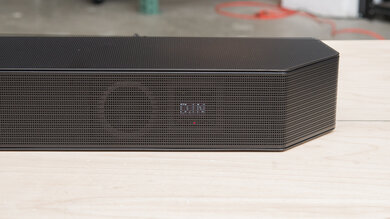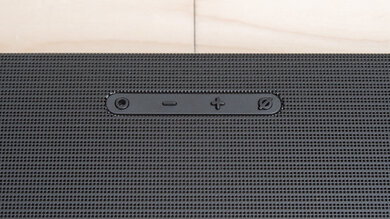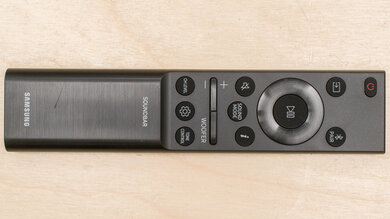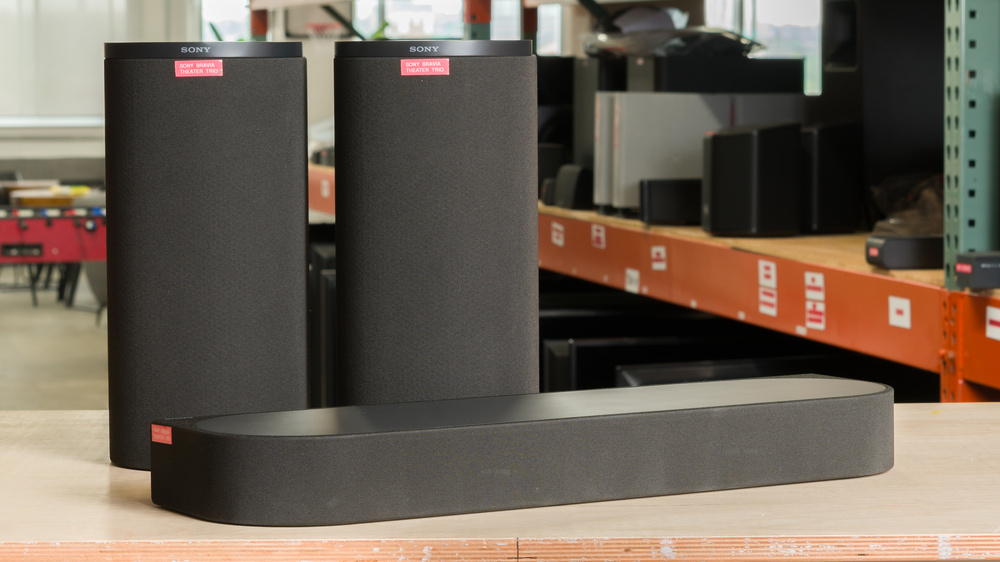
The Sony BRAVIA Theater Trio is the brand's ambitiously-priced flagship three-unit system. Rather than a single bar, the Sony BRAVIA Theater Trio features a dedicated center bar alongside discrete left and right speakers. With the option to expand the system with a supported subwoofer (or two) and additional satellites, the system matches the value proposed by many standalone bar offerings like the Sonos Arc Ultra and LG Sound Suite H7. That said, the Sony BRAVIA Theater Trio's solo performance will ultimately determine whether the expanded system is built atop a solid foundation or a rocky one.
Our Verdict
The Sony BRAVIA Theater Trio is reasonable for mixed usage. In particular, there's extra flexibility for gamers; HDMI In works with 4k @ 120Hz and 10-bit color, allowing you to passthrough high quality video signals from your consoles or gaming PC to your TV. Plus, there's adaptive sync in the form of HDMI Forum VRR and Dolby Vision for certain HDR games. Still, the bar isn't as immersive as more expanded competitors since it lacks a dedicated or integrated subwoofer and satellites. There's also little in the way of customization, so you can't tune the bar around your preferences besides selecting one of three bass settings.
Expansive video passthrough functionality.
No subwoofer, satellites, or side-firing drivers.
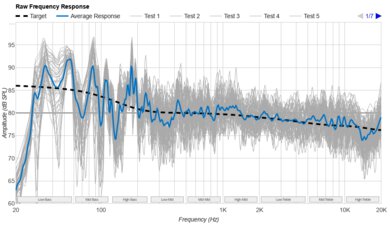
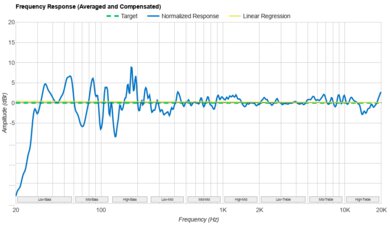
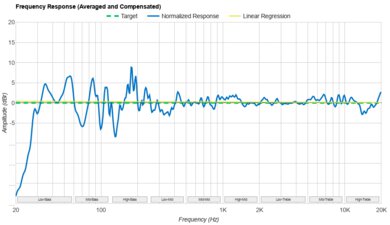
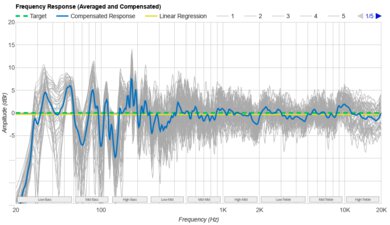
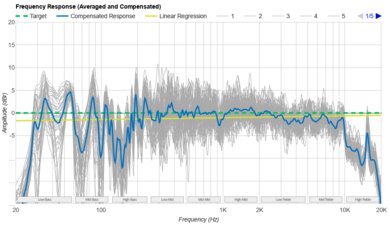
The Sony BRAVIA Theater Trio is decent for dialogue reproduction. The setup has a dedicated center channel that gets relatively loud, and there's a dedicated 'Voice' mode to enhance speech. That said, the frequency response overemphasizes the high-bass, which can muddy intelligibility. With real content, we found dialogue could be overwhelmed by audio from action sequences and surround effects. As a result, the bar will do better with procedural crime dramas rather than the latest GRRM adaptation.
'Voice' mode speech enhancement.
Dialogue can be overwhelmed by surround effects.
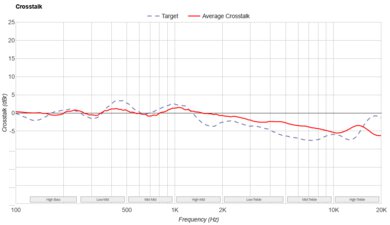
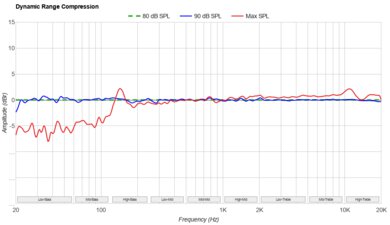
The Sony BRAVIA Theater Trio is fair for music. If you're a stereo purist, this isn't the bar for you, as both loudness and frequency response performance suffer greatly with the 'Sound Field' setting disabled. With 'Sound Field' enabled, the bar up-mixes stereo signals, slightly congesting the center of the stereo soundstage. And although the bar lacks low-bass rumble, the added high-bass energy somewhat compensates by adding extra punch to kicks and toms. There's also support for both Wi-Fi and Bluetooth playback, alongside Apple AirPlay and Spotify Connect integration.
Supports Wi-Fi and Bluetooth playback.
Stereo up-mixing forced for better frequency response behavior.
The Sony BRAVIA Theater Trio is adequate for movies. The included L/R front speakers each have an up-firing driver, which can help reproduce more immersive height effects in object-based formats like Dolby Atmos and DTS:X (both of which the bar supports). Still, the setup's movie performance suffers due to a lack of low-end rumble, leaving explosions underwhelming. In addition, the absence of side-firing drivers found on BRAVIA relatives means surround effects are equally unconvincing, as they originate from the front-facing stereo drivers. Tracking implementation isn't the greatest either, with objects moving from left to right noticeably jumping from the L/R speakers to the center speaker rather than smoothly panning.
Supports all common formats.
No subwoofer, satellites, or side-firing drivers.
Changelog
-
Updated Jul 23, 2026:
We've added a comparison to the Sony BRAVIA Theater Trio with Sub 9 + Rear 9 in the Style - Satellites box.
- Updated Jul 20, 2026: Review published.
- Updated Jul 14, 2026: Early access published.
- Updated Jul 02, 2026: Our testers have started testing this product.
Check Price
Differences Between Sizes And Variants
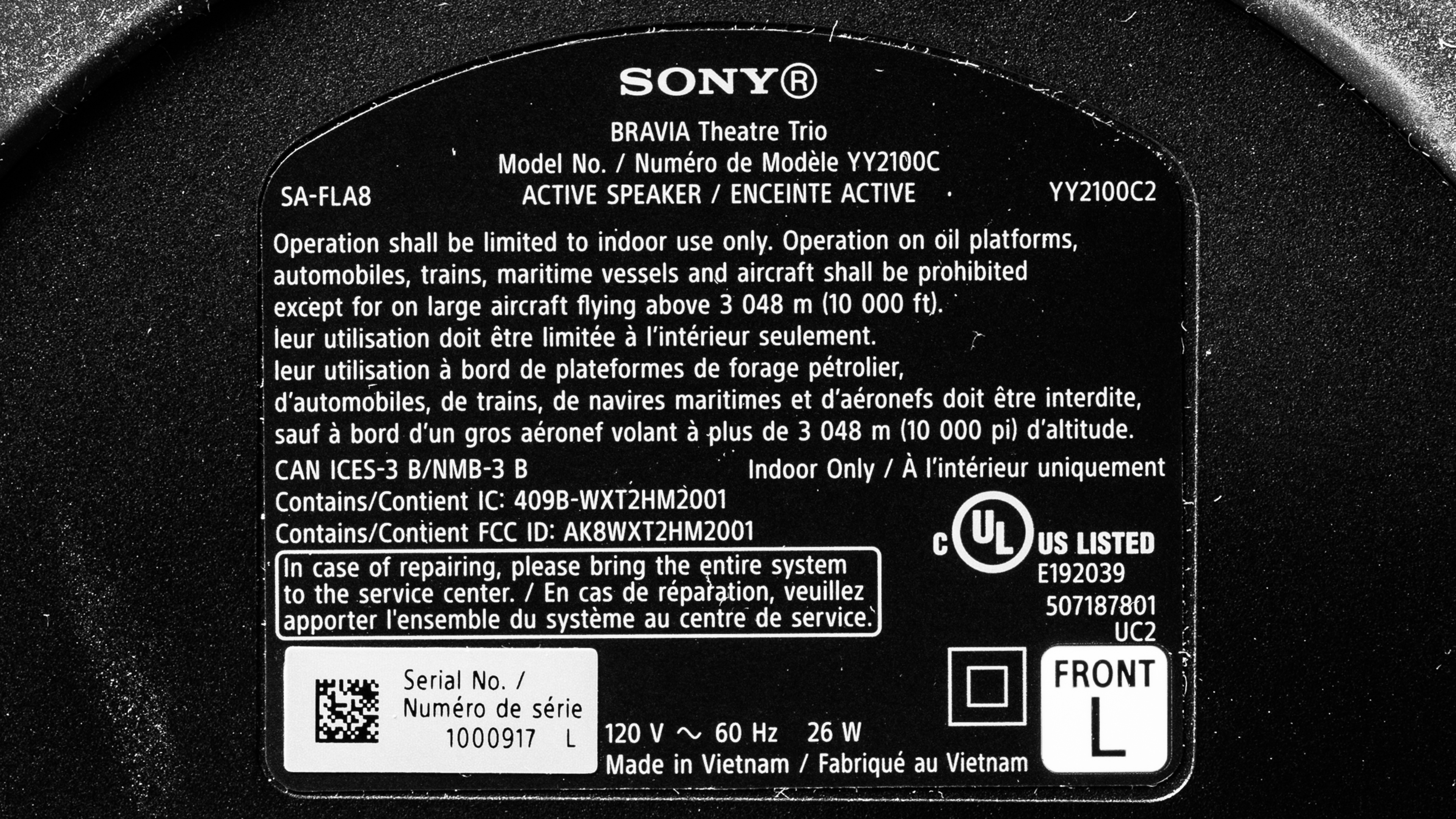
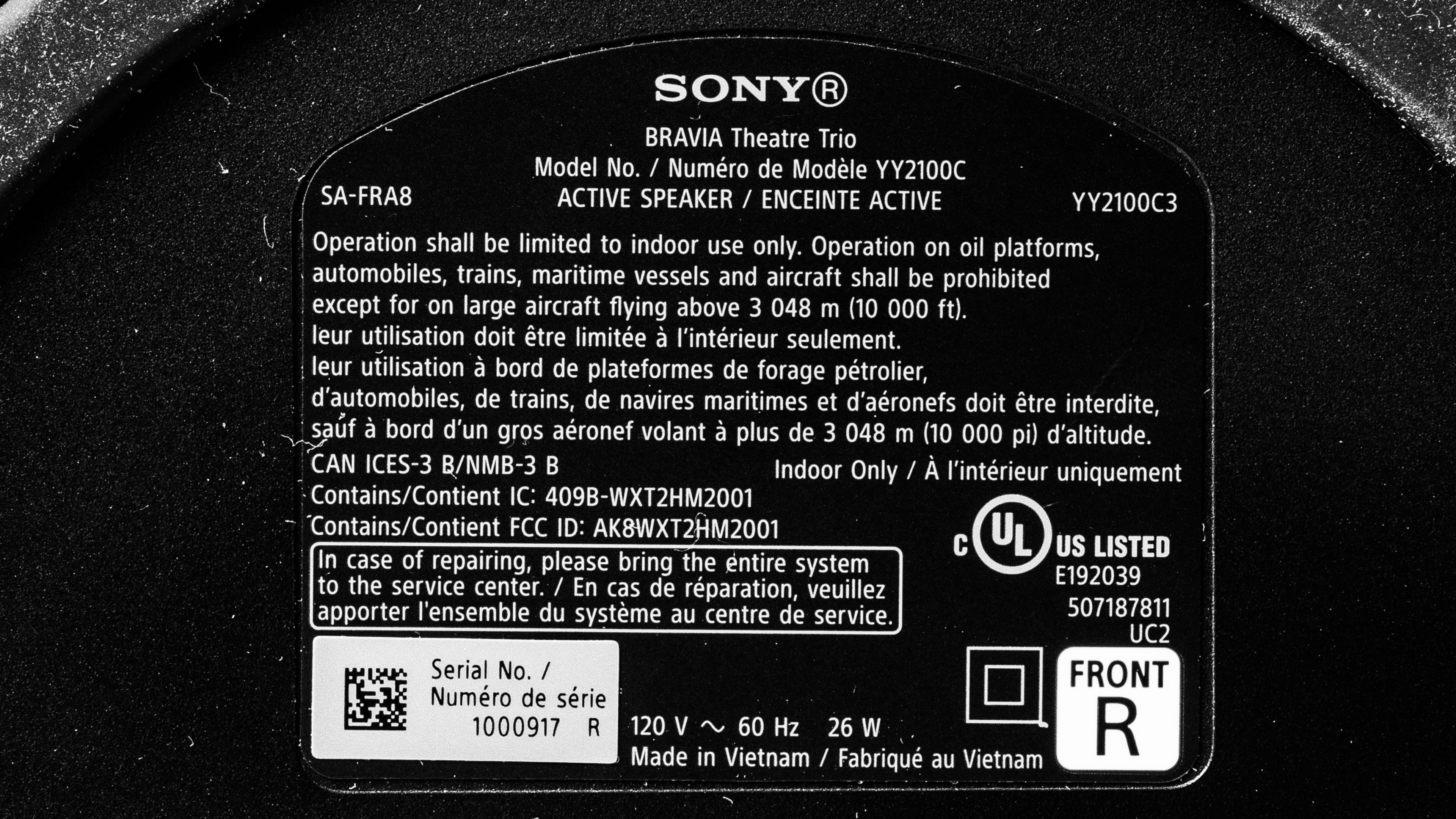
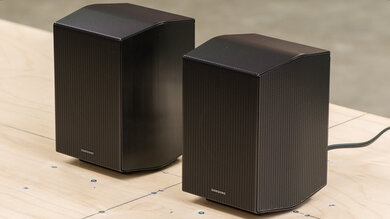
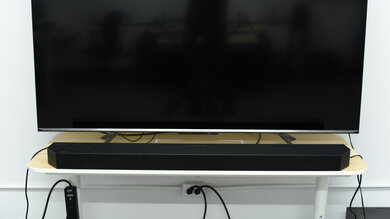
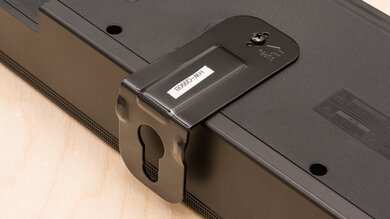
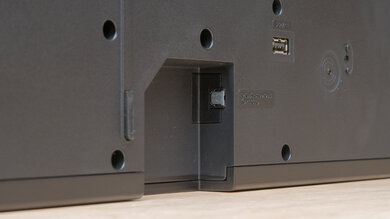
The Sony BRAVIA Theater Trio doesn't have any variants, but you can expand the system with up to two subwoofers (Sony BRAVIA Theater Sub 7, 8, or 9) and two satellites (Sony BRAVIA Theater Rear 8 or 9). We took photographs of the center speaker, left speaker, and right speaker labels.
If you encounter another variant, please let us know in the comments, and we'll update the review.
Popular Soundbar Comparisons
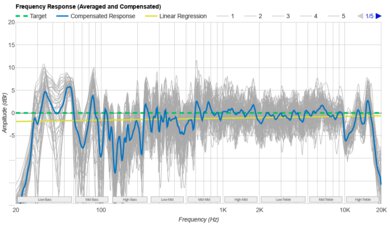
The Sony BRAVIA Theater Trio is Sony's take on the keystone component of their 2026 modular soundbar system. Unfortunately, it doesn't match up in performance when compared to the analogous LG Sound Suite H7. Notwithstanding its launch price of over double, the Sony can't output as much bass as the LG despite both bars lacking a subwoofer, and its frequency response is less balanced across all its channel's playback. While the LG offers more customization options, the Sony has the advantage of HDMI In, video passthrough, and DTS format compatibility. That said, even the complete setup of the Samsung HW-Q990H, which includes a dedicated subwoofer and satellites, demands less from your wallet while outperforming the Sony in nearly every metric we evaluate.
If you don't have any plans to expand your soundbar in the near future due to space constraints, it might be worth checking out our picks for the best all-in-one soundbars. Otherwise, have a look at our recommendations for the best soundbars and best Dolby Atmos soundbars.
The Sonos Arc Ultra is a better sounding soundbar system than the Sony BRAVIA Theater Trio. The Sonos has side-firing drivers, which sound more convincing when reproducing surround effects. Additionally, the Sonos has an integrated sub, which helps extend its bass range deeper, giving explosive action-flicks that extra dose of rumble. Neither bar supports much sound customization, though both have room correction. And while the Sony supports HDMI In for video passthrough and more DTS formats, the Sonos is significantly cheaper.
The Sony BRAVIA Theater Trio with Sub 9 + Rear 9 is an expanded variant of the Sony BRAVIA Theater Trio. Though the addition of the Theater Sub 9 and Theater Rear 9 poses an added expense, these extra components help combat some of the standalone bar's shortcomings. The discrete sub adds plenty of boom and rumble in the low-end, while the rear satellites help render surround effects more vividly while boosting immersion with Atmos content. The expanded setup retains the same comprehensive passthrough capabilities and format support of the base configuration, too. That said, the stereo soundstage is quite congested with both iterations of the bar, and playback behavior changes drastically depending on whether you enable the 'Sound Field' and 'Movie theater acoustics' settings. If you have the space to accommodate a larger setup and value a more immersive sound, the expanded variant is worth the additional outlay.
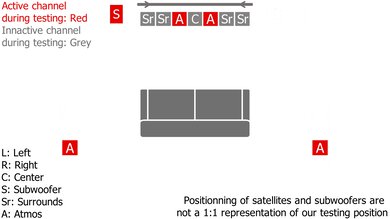
The Sony BRAVIA Theater Trio and Samsung HW-Q990H are both 2026 soundbar flagships. However, the Samsung is closer to a finished plug-and-play setup as it comes with a subwoofer and satellites. On the other hand, the Sony only is 3.0-channel, and you're meant to expand the setup. As a result, the Sony underperforms across nearly all acoustic metrics compared to the Samsung setup.
The Klipsch Flexus Core 300 and Sony BRAVIA Theater Trio are both soundbars without rear satellites or a discrete subwoofer. That said, the Klipsch is the better standalone options, as it packs plenty of bass-punch thanks to an integrated subwoofer. Plus, the Sony's lack of side-firing drivers means movies are less immersive and surround effects less convincing.
Test Results
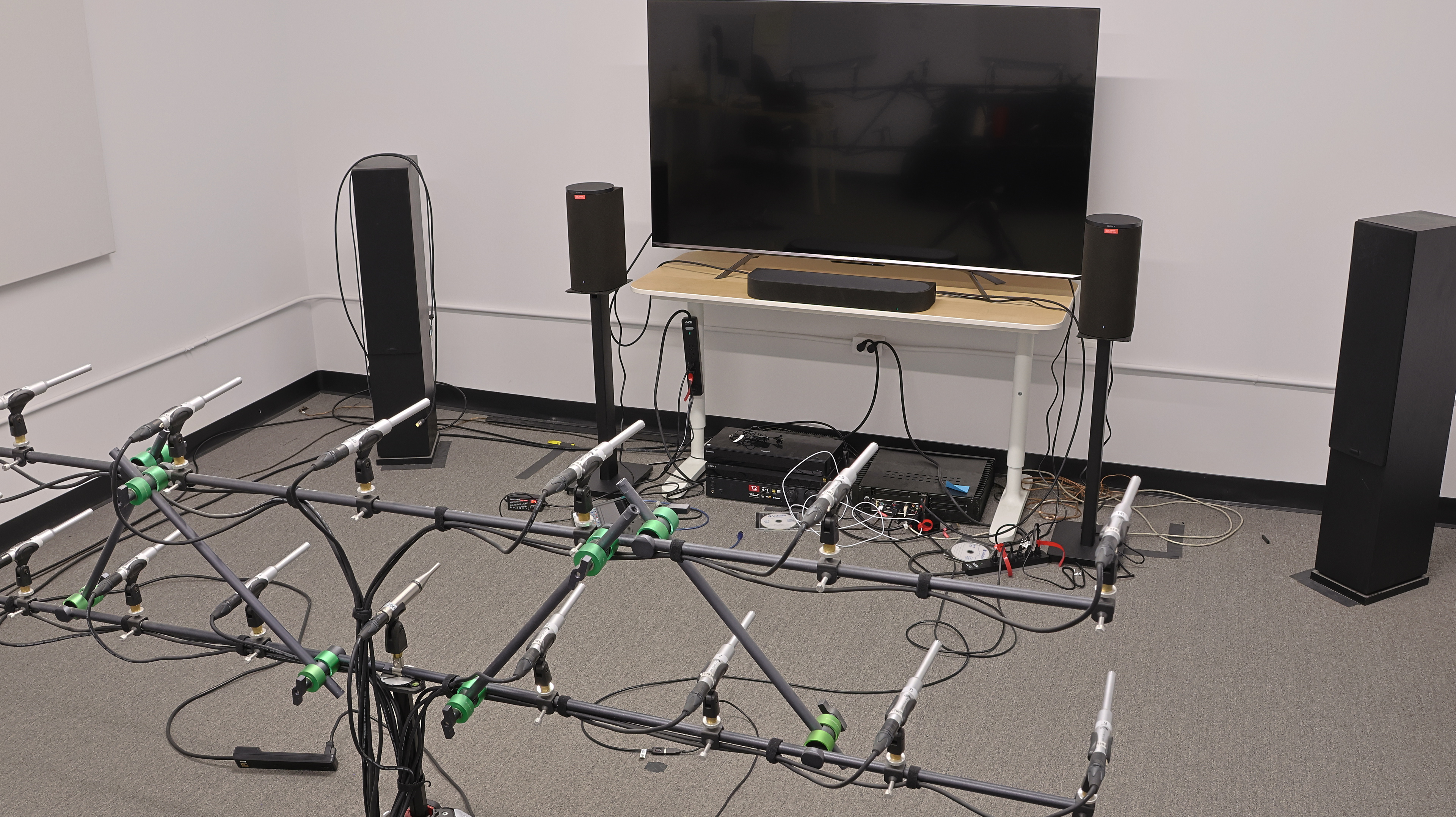

for pictures & test results

for videos & test results

for videos & test results