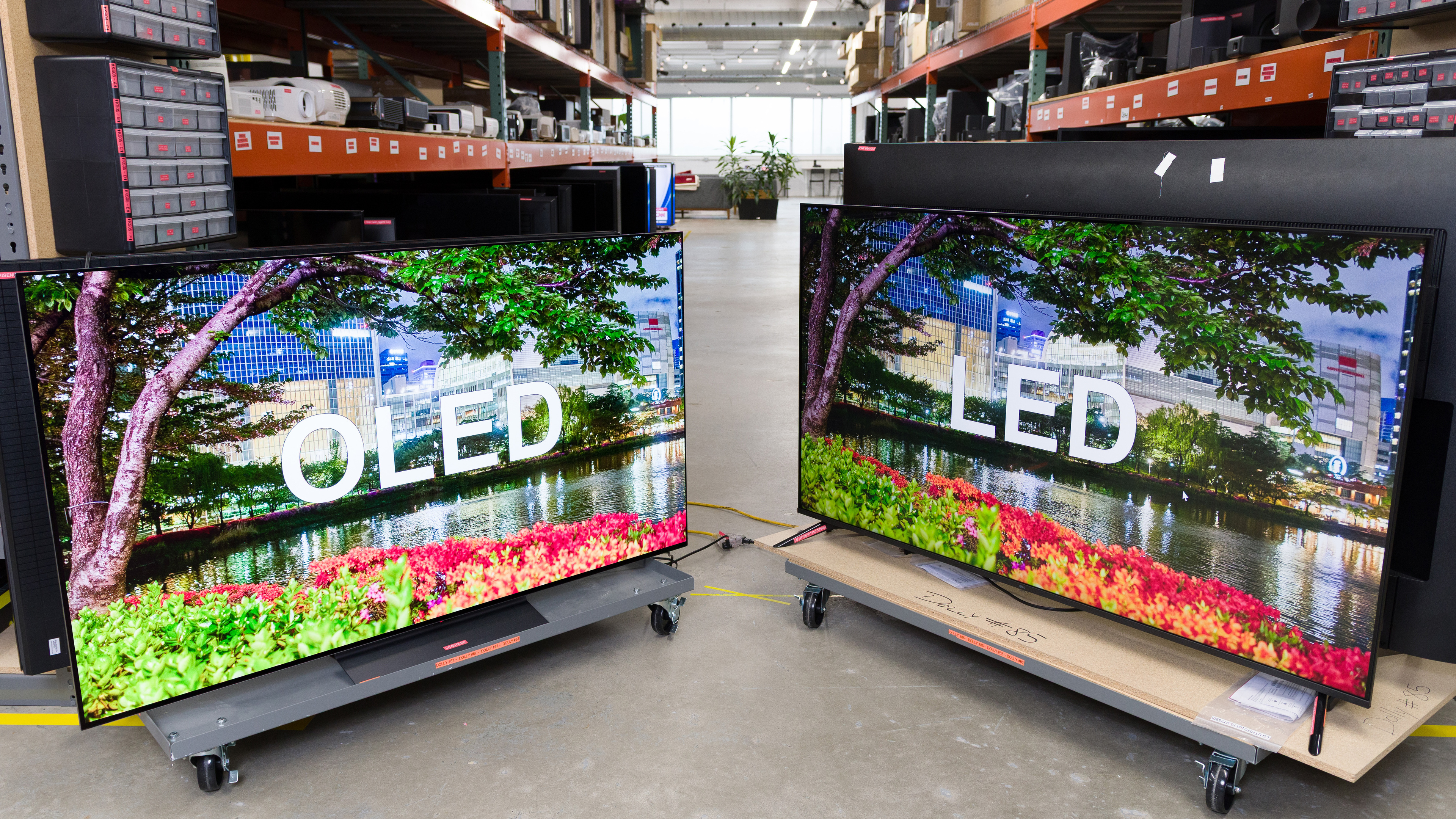
Not all TVs are created equally. There are multiple panel types to choose from, each with their own strengths and weaknesses. Two of the most common types of TV panels out there are OLED and LED. Trying to choose between OLED vs. LED TVs can be difficult, but we're here to help. Below, we'll look at these two panel types and compare various performance aspects of each, from contrast and brightness to response times and even build quality. To learn more about these and other types of TV panels, check out our guide on TV panel types.
What Are They?
Before we get into the details of how they perform and how you should choose one, let's start with the basics.
LED
What is LED? LED stands for Light Emitting Diode, and as the name suggests, it's a way to produce light. LEDs are used in just about everything these days, from the light bulbs in your house to the headlights in your car; they last longer than older incandescent bulbs, they're far more efficient, and they're cheap. In the world of displays, LEDs are used to light up your screen so you can see the content. True LED displays, which use an individual LED light source for each subpixel, also exist, but they're just starting to hit the market and are very large and expensive. LED backlights are thin, cheap, easy to produce, and versatile, so it's no surprise that they're also by far the most common backlight source.
OLED
What is OLED? OLED stands for Organic Light Emitting Diode. It refers to the way a display, like a TV, monitor, or maybe even your phone, generates light. OLED materials have one fantastic advantage over any other display technology: their size. Unlike LEDs, which are relatively large, OLEDs are the size of an individual pixel. This means that each pixel's light output can be controlled independently without affecting the pixels around it. Even if you have an extremely bright spot of light in a scene completely surrounded by black, both the bright light and the darkness surrounding it will be displayed perfectly. Blacks remain black, with no distracting halo effect or backlight glow. For a more in-depth explanation of OLED technology, check out our guide on what OLED is.
Performance
So now that we've explained what these terms mean, let's take a closer look at how they compare, so you can make a clear buying decision. There are multiple types of OLED and LED TVs, though, so for this comparison, we're going to limit the field to only look at models that don't use quantum dot technology, so we'll exclude QD-OLED and QLED TVs. If you're interested in a QLED TV, take a look at our comparison of OLED vs. QLED TVs instead. For this comparison, we'll take a look at two recent models from LG: the LG UT75 LED TV and the LG G5 OLED.
Contrast
 |
 |
 |
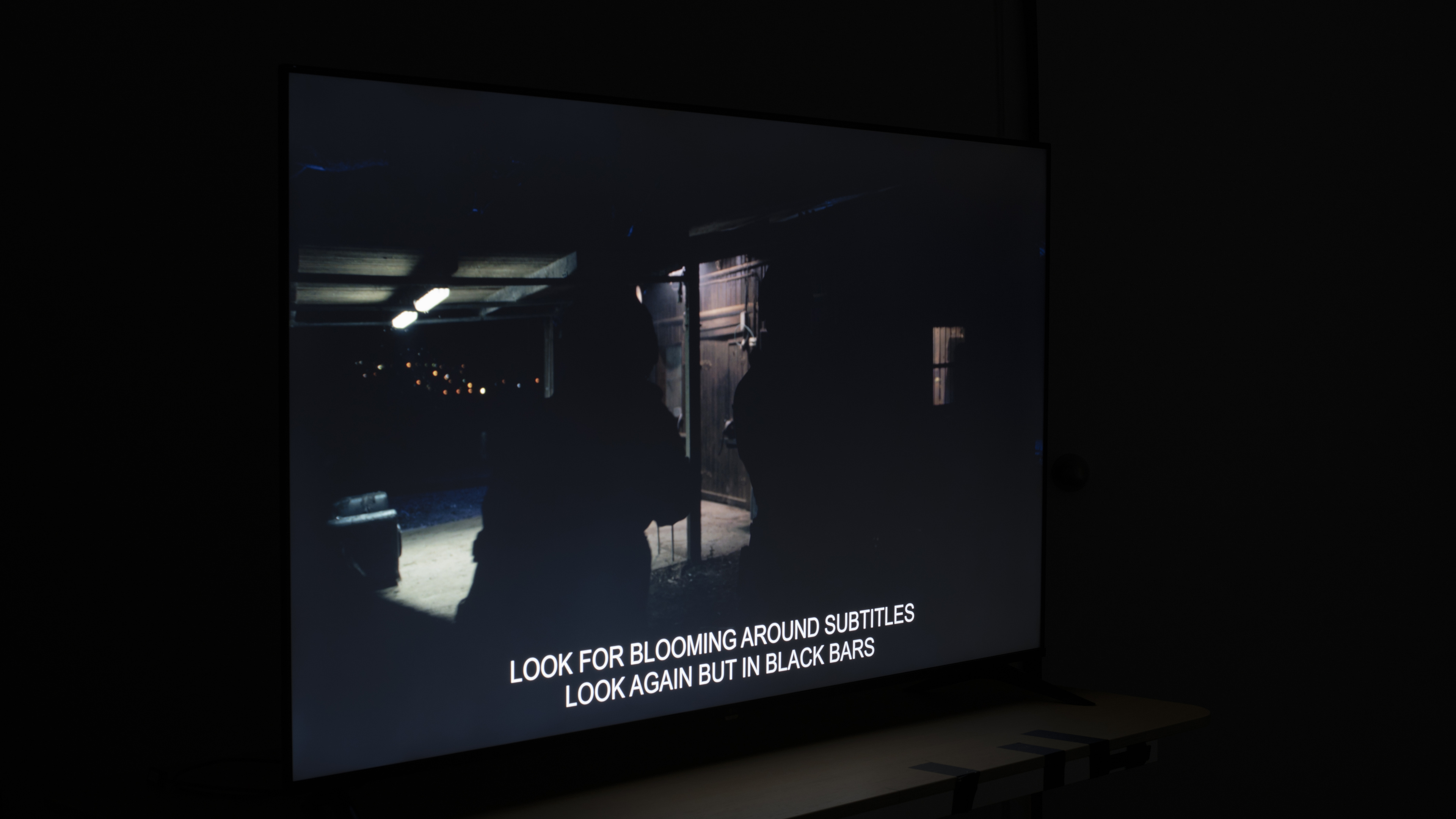 |
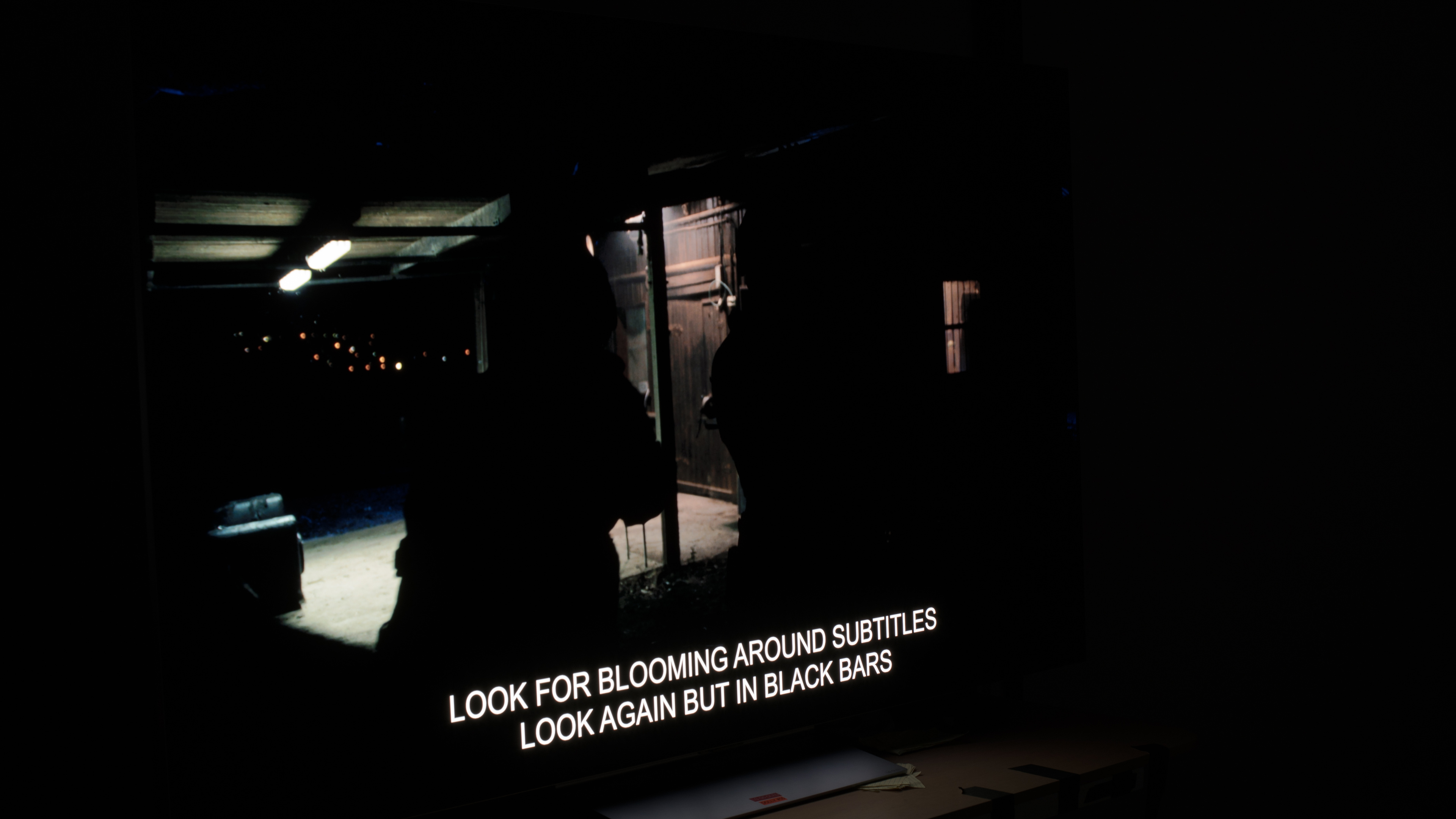
It's no contest, OLEDs are the clear winner in terms of contrast. Since OLEDs are self-lit and can control the light output of each pixel individually, they achieve perfect contrast, with no distracting halo effect or glow around bright parts of the scene. Taking the UT75 on the right in comparison, you can see that the entire screen has a blueish glow to it. This is because the backlight on this TV can only be either fully on or fully off. It can't dim the backlight at all or adjust the intensity per zone.
Looking at the lighting zone precision photo, the difference is even more striking. On the UT75, you can see that the entire screen is glowing, and it's especially noticeable around the subtitles at the bottom of the screen. Even on higher-end QLEDs with local dimming, this is still an issue on most TVs. The G5 OLED, on the other hand, is perfect, with no halo effect at all, and deep, uniform blacks in the dark parts of the scene. Mini LED models, which feature a more advanced full array local dimming system, are closing the gap against OLEDs, but they're not quite there yet. If you're interested in one of those panels, check out our Mini LED vs. OLED comparison.
Winner: OLED
Brightness
 |
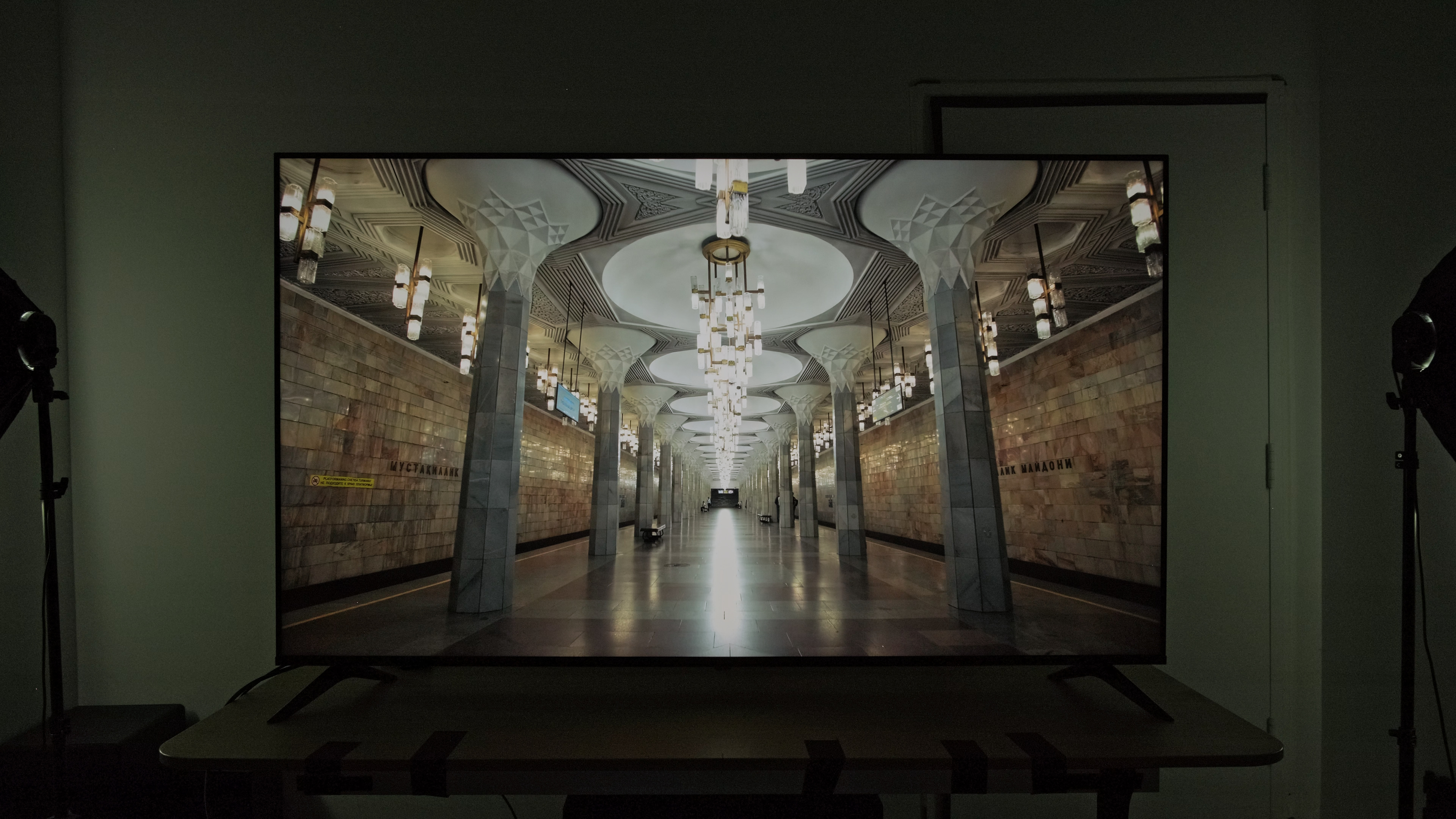 |
After contrast, brightness is one of the most important factors in TV picture quality. High peak brightness is important for different reasons depending on how you're using the TV. In SDR, a higher peak brightness makes it easier to see your TV in a bright room during the day, since you directly control the light output from the backlight. In HDR, the content itself sets the brightness of the scene, so bright specular highlights stand out better.
Taking the examples above of the HDR hallway scene from our real scene tests, you can easily see that the LG G5 is significantly brighter. The light from the chandeliers along the top of the scene stands out more, and it looks more vibrant in general. The LG UT75, on the other hand, looks dull and lifeless in comparison.
When it comes to pure brightness capabilities, OLEDs win, for the most part. Modern OLEDs are extremely capable at displaying small bright specular highlights, like the ceiling lights in that real scene photo, and they're far brighter than cheaper LED models. There's one exception, though. When it comes to large, bright scenes, like the kind you'll see when watching sports, OLEDs typically don't perform as well, and most LCD TVs are brighter with that sort of content.
Now, this comparison is valid for cheaper LED models, but it's not usually true of higher-end LEDs and Mini LED models that use quantum dots. If you're looking at those models, you should look at our OLED vs. QLED comparison instead.
Winner: OLED, mostly
Colors
 |
 |
 |
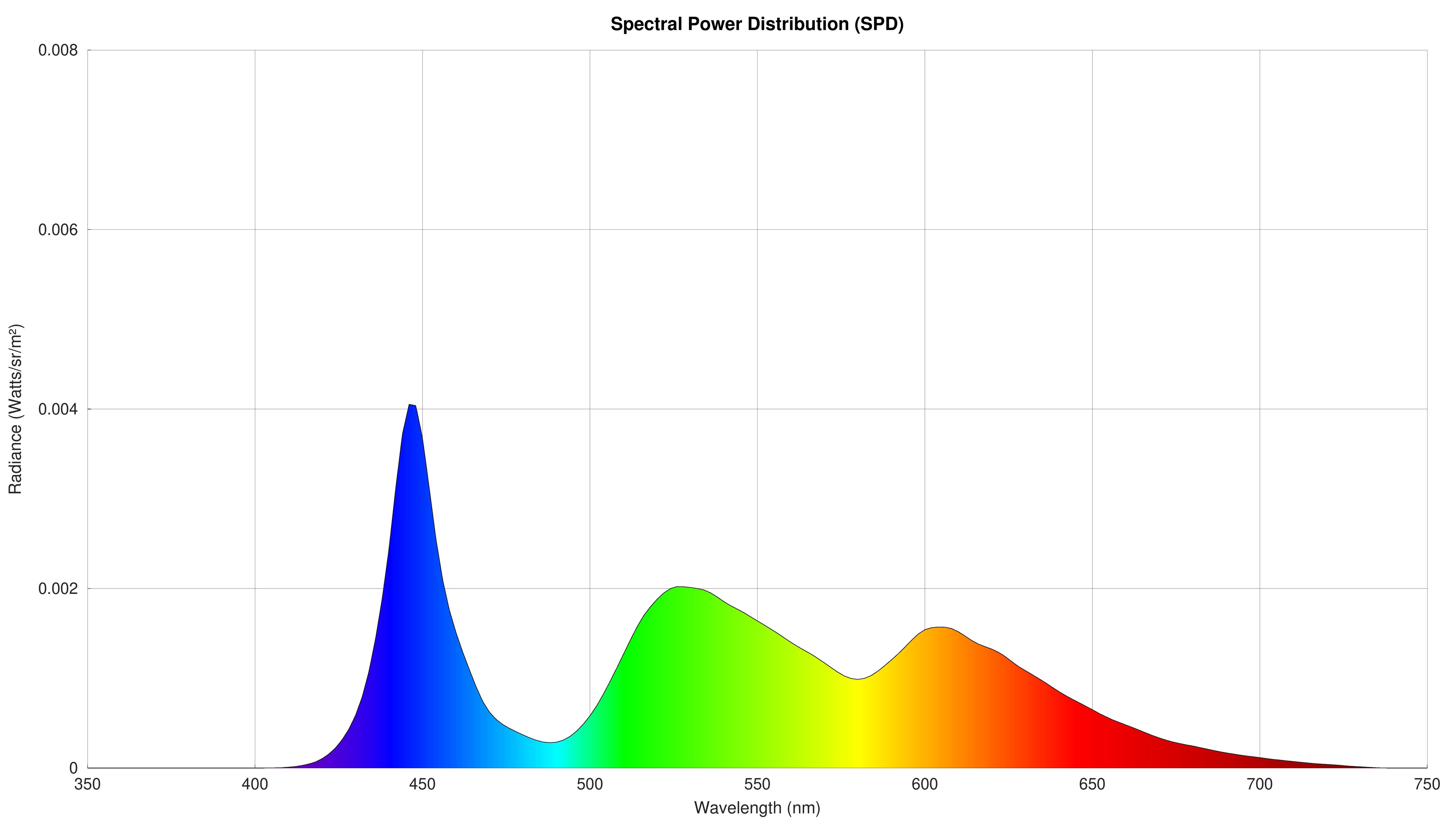 |
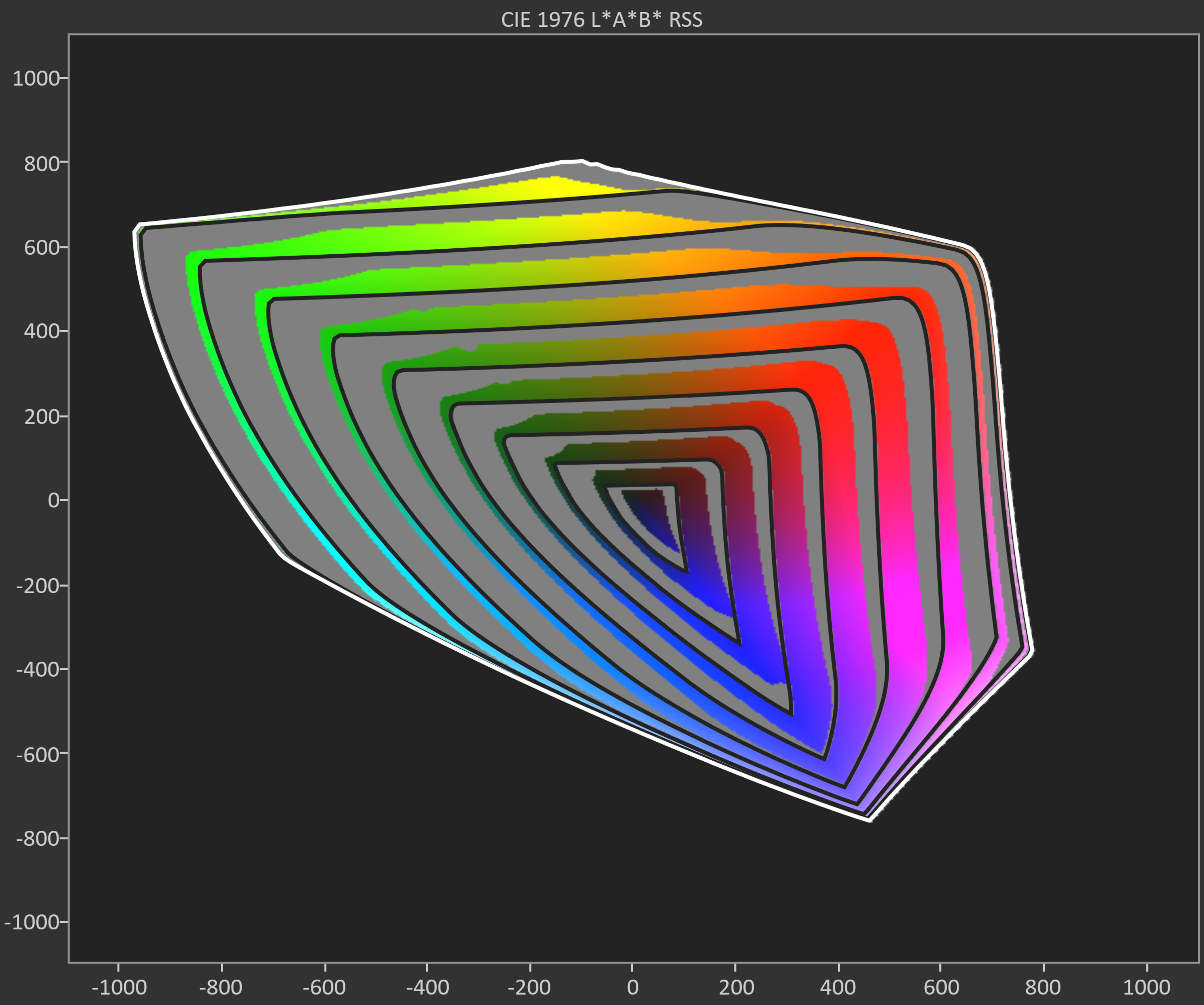
LED and OLED TVs produce color in much the same way. They start with a form of backlight, LEDs for LED TVs or a white OLED emitter stack for OLEDs. This white light then passes through red, green, and blue color filters, which convert that white light into the separate blue, green, and red colors that make up each pixel. Overall, this process is very inefficient, as color filters always end up either blocking too much light, which reduces the peak brightness of the display, or not blocking enough, which reduces the purity of each color. So if you take the example of the LG UT75 above, the green subpixel is mostly green, but it's also letting a lot of red and blue through, so you're still seeing some yellow and cyan hues. This lack of purity reduces the range of colors that the TV can display.
That being said, OLEDs are still generally better than LED displays at displaying colors. The LG G5 above uses an improved OLED emitter stack, so instead of using blue and yellow emitters to produce white light, it uses separate blue, green, and red emitters in a four-layer sandwich to produce white light. This results in much purer colors than previous generations of OLED, resulting in a wider color space than what was previously possible. Even without this new panel, OLEDs are typically better than LEDs at displaying colors.
Of course, there are many better ways to produce the separate colors that a TV needs. Quantum dot technology, for example, significantly increases the purity of each subpixel, reducing the amount of light leakage from other wavelengths and increasing the range of colors that a TV can display.
Winner: OLED
Uniformity
 |
 |
Surprise, surprise, OLEDs also have better uniformity than most LEDs. The exact uniformity varies between individual units, depending on manufacturing tolerances and the quality of the panel, but OLEDs are almost always better. This is important for a few reasons, and bad uniformity is noticeable in almost any content, but it's especially important for sports fans. Given the uniformity of most sports fields, whether it's a football pitch or a hockey rink, having a clean, uniform image is especially important, or else you might be distracted by uniformity issues like the dirty screen effect.
Winner: OLED
Response Time
 |
 |
 |
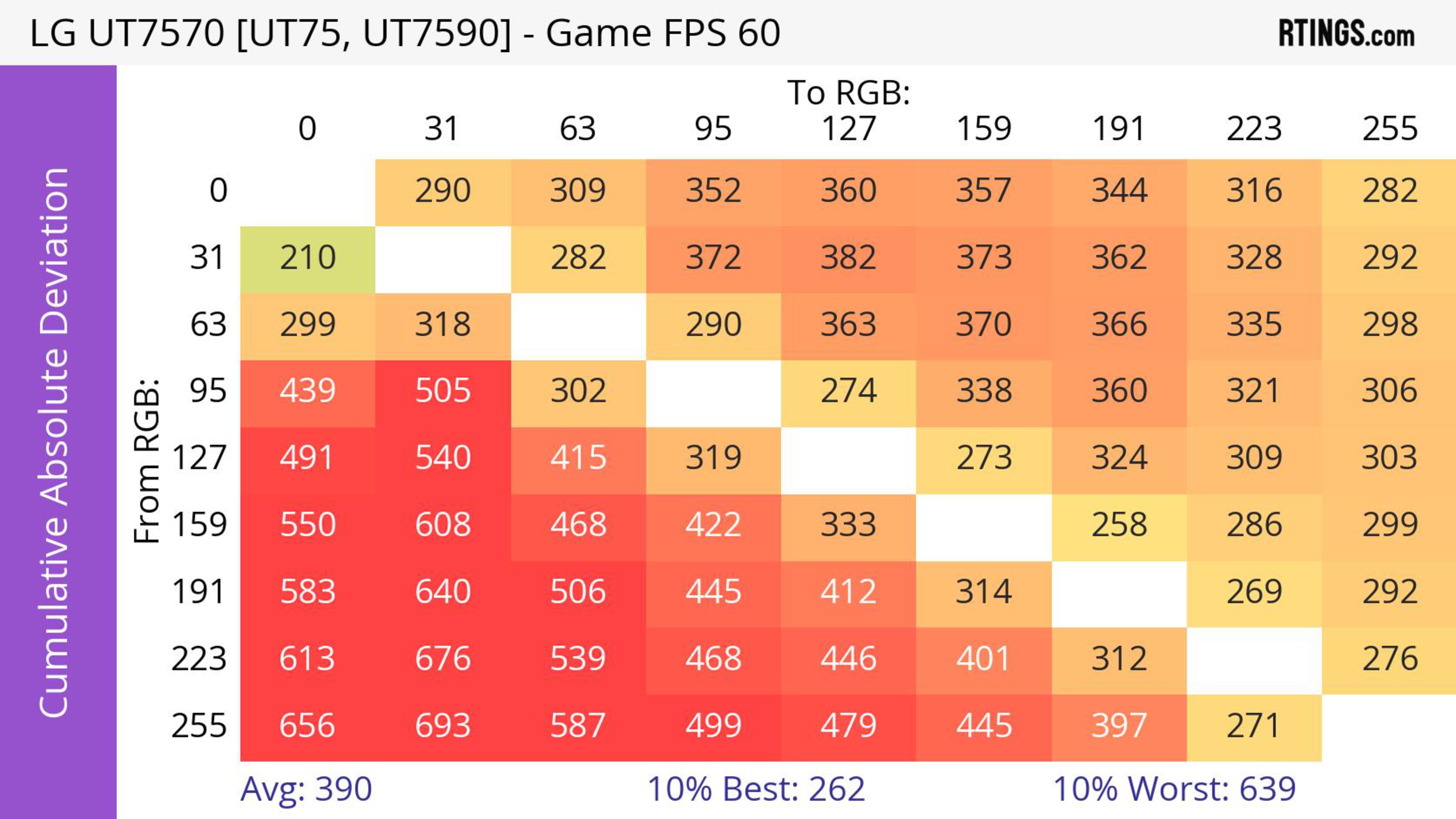 |
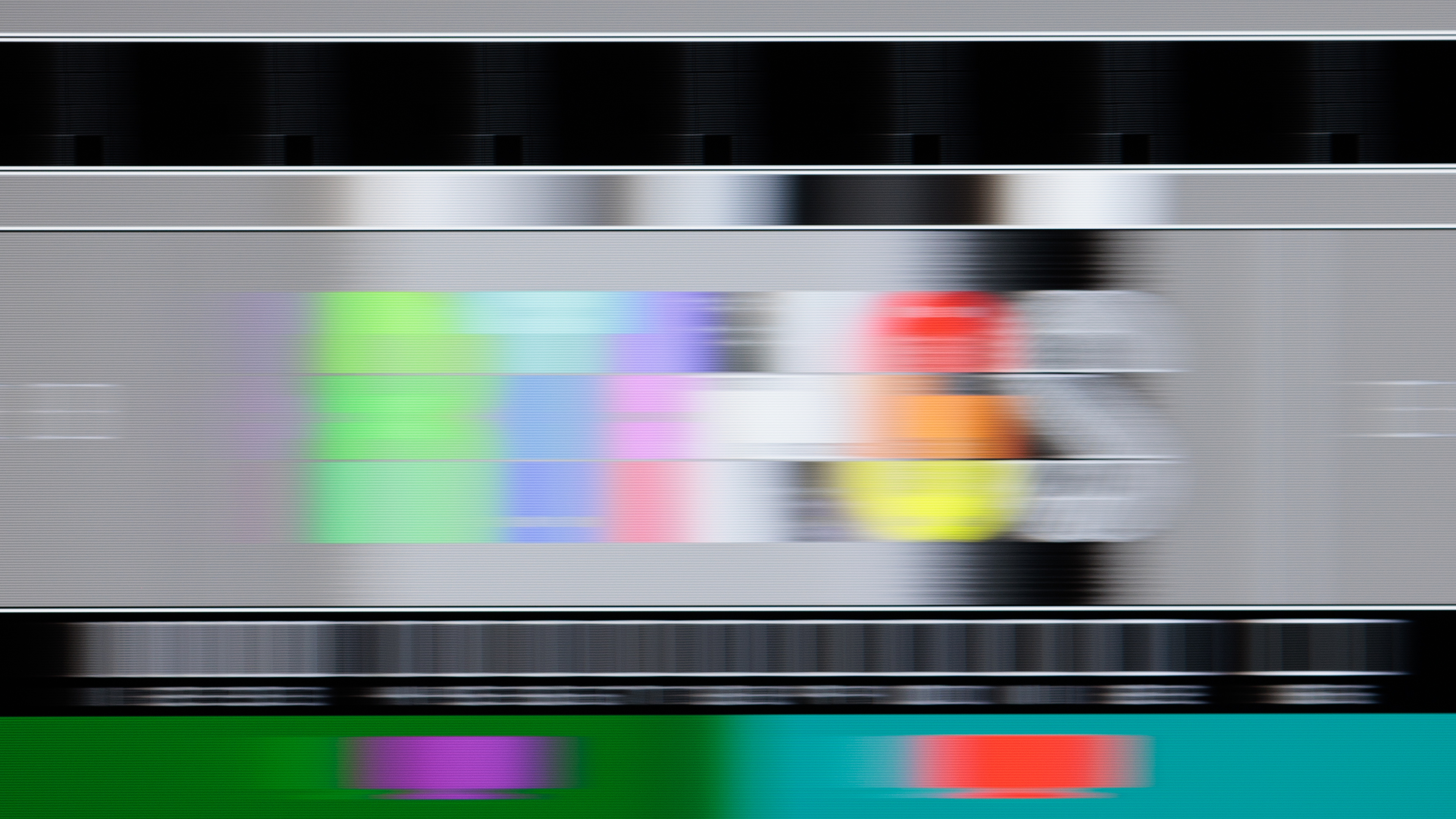
Response time is a measure of how quickly a TV pixel transitions from one shade to another. This is mainly important for gaming, since a faster response time results in smoother-looking motion, with less blur behind fast-moving objects. When it comes to response time, there's no contest: OLEDs are significantly faster than almost any LCD-based display technology, including LED TVs. Comparing the LG G5 to the LG UT75, the difference is clear, even at 60Hz. The UT75 doesn't support higher refresh rates, but the G5 looks even better when gaming at 120Hz or 165Hz.
There's one caveat here: this fast response time is beneficial for gaming or watching sports, but not for watching movies or TV shows. When watching low frame rate content like that, the quick response time means that each frame is held static on the screen. So instead of smooth motion, objects appear to jump from one spot to the next. Motion blur is actually beneficial in this case, as it results in a smoother appearance of motion.
Winner: OLEDs are better for gaming, LEDs are better for movies.
Longevity
 |
 |
If you're buying a TV, you want it to last. We've done extensive research into this issue as part of our 100 TV accelerated long-term longevity and burn-in test. When comparing OLED vs LED specifically, there's no clear winner, as they each have their own strengths and weaknesses.
As OLEDs consist of organic materials, they degrade over time and with use, so the biggest risk here is burn-in. Burn-in is caused by an uneven degradation of the subpixels, so if you only use red pixels in one part of the screen due to always watching the same cable news channel, for instance, then the red subpixels in that area will degrade more rapidly than the rest of the screen. This creates an uneven wear on the screen, and you get dark spots like the CNN breaking news banner in the example above from the LG B2 OLED. If you watch varied content, this usually isn't an issue, but it's definitely a concern if you often watch the same channel, including news or channels showing a stock ticker, or if you use a TV as a PC monitor.
On the LED side of things, there are a few issues that can impact your TV's lifespan. Our research into longevity has shown that edge-lit TVs tend to break faster under prolonged use. Although LEDs don't degrade the same way OLEDs do, they still have a limited lifespan, and if the backlight doesn't outright fail, you will eventually get dark spots like the LG UP8000 above.
Winner: Tie
Cost and Selection
Now let's get something out of the way: this wasn't a fair fight. This wasn't even close to a fair fight. The LG G5 is a very high-end OLED released in 2025. The LG UT75 was released in 2024, and you could buy nine of them for the price of one LG G5. That's kind of the point, though. OLED technology is far superior to base LED models that don't feature quantum dot technology. While LED TVs used to be the king of TVs, that hasn't been true for many years. LED TVs are a dying breed, and if you're looking at one in 2025, you'll be limited to cheap, entry-level models that are often featured at unbelievably low prices at places you usually wouldn't buy a TV, like your local pharmacy or garden center. They're available in a wide range of sizes, from tiny 24" models up to 86" behemoths, but most LED TVs at this price range aren't worth buying.
OLEDs, on the other hand, are far more expensive. The G5 itself is a high-end model, but you can get cheaper ones. There are entry-level models from many brands, but even these are more expensive than the most expensive LED you can buy. The size selection is also a bit more limited. If you want the best of the best you'll be limited to 55", 65", and 77" models. There are other sizes available, including up to 97", but these other sizes usually use lower-end OLED panel technology, so they're not as bright or as vibrant as the high-end models available in the three sizes mentioned.
Conclusion
Now that we've compared the various performance characteristics of LED and OLED TVs, it should be pretty obvious that OLEDs are the far better technology. LEDs are significantly cheaper and available in a wide range of sizes, though, so if you're looking for something cheap for a bathroom or garage, then LED TVs are an affordable alternative. No matter what kind of TV you're looking at, though, keep in mind that there are good and bad models of any type, and you should never pick a TV solely based on the panel type. This information is good to know, and it can give you a good idea of what to expect from a TV, but it's important to look at the full picture before choosing which TV to buy.