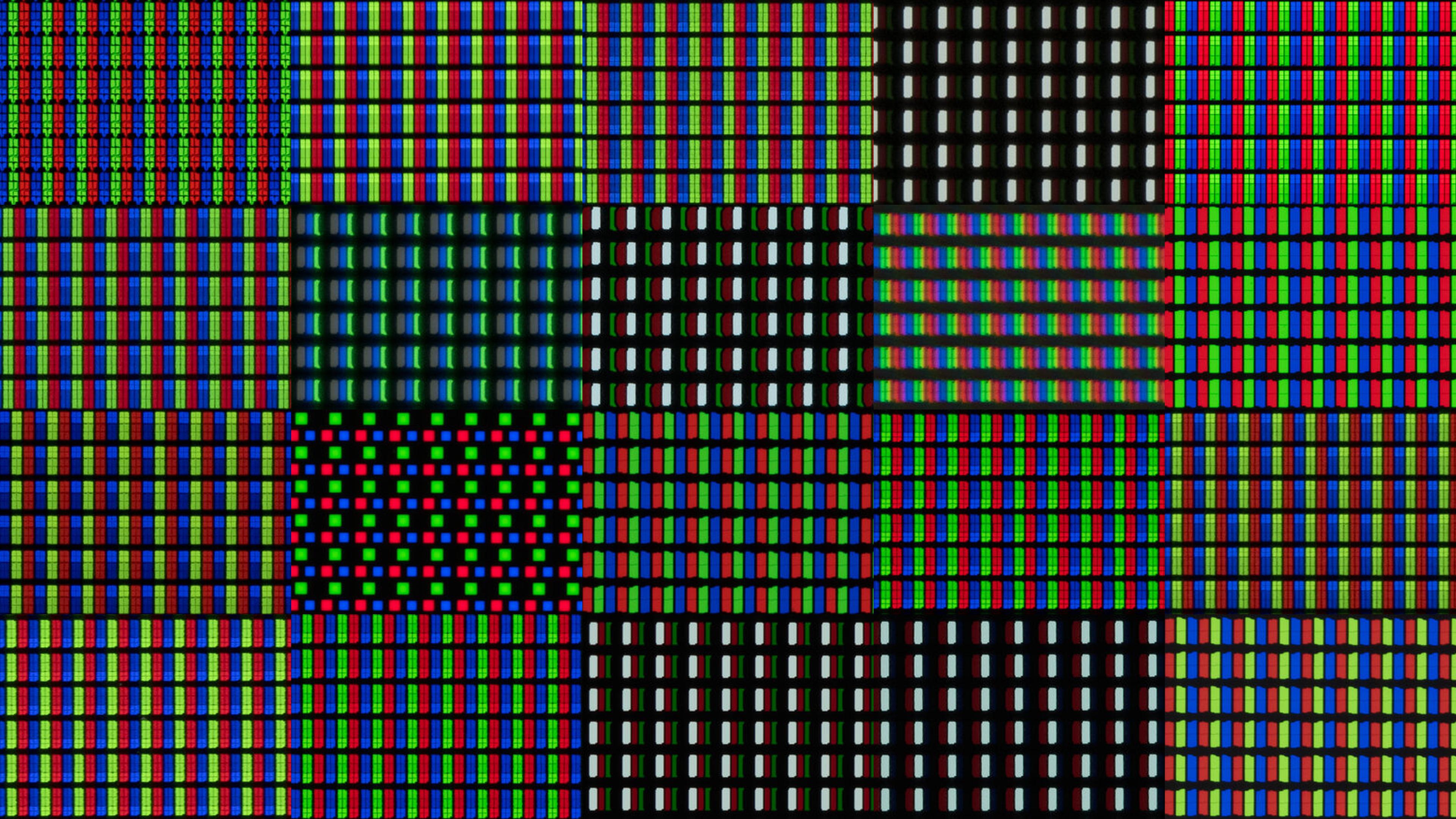
There are many different TV types, each with its own strengths and weaknesses. So if you're shopping for a new one, how do you choose which is best for you? In this article, we'll break down the most common TV panel types that you're likely to encounter on the market, and give you a few pointers to help you decide which one is right for you.
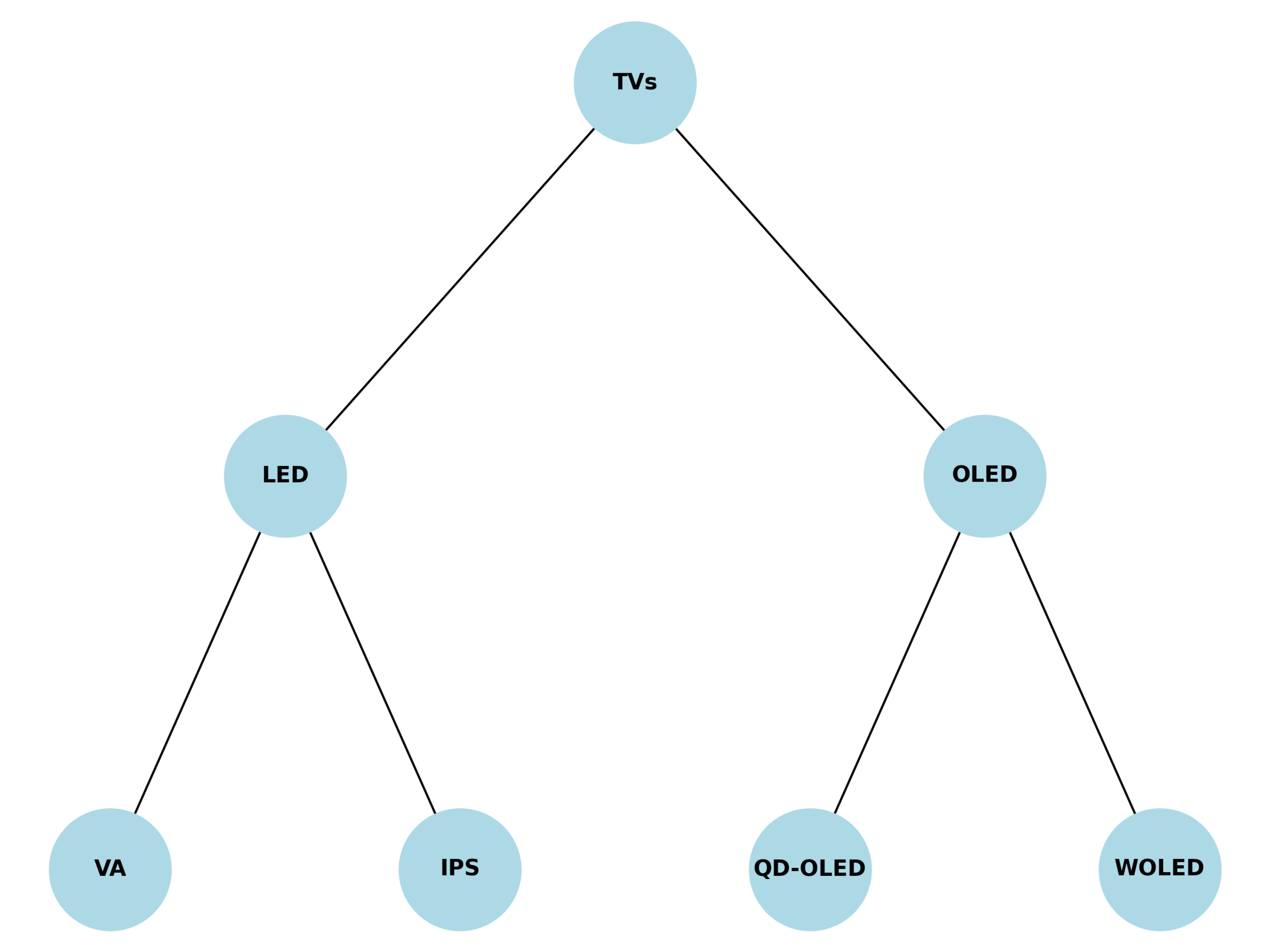
TV Family Tree
The TV family tree in 2025 is mainly broken into two main categories: LED and OLED. These terms refer to how the TV produces the light that allows you to see the image. Both LED and OLED come in two main varieties, but there are many different variants of these panel types. Even within the same type of panel, they're not all created equally, and there are good and bad models of any panel type. It's important to look at the specific performance of the model you're interested in before making a buying decision, but knowing what panel type you're looking for can help narrow down your search. TV panel manufacturers are also working tirelessly to improve existing technologies, so even from one year to the next, there can be a significant difference in performance.
Below, we'll break down the basics of these two panel types and their variants, but you can check out our article on OLED vs. LED TVs to learn more about these two competing technologies and decide which one is right for you. We'll focus on TV technologies that are still used in 2025 and available for purchase, so we won't get into defunct types like plasma, CCFL, or CRT screens.
LED/LCD
 |
 |
Choose for:
- Bright rooms
- Vibrant colors
- Wide selection of prices and sizes
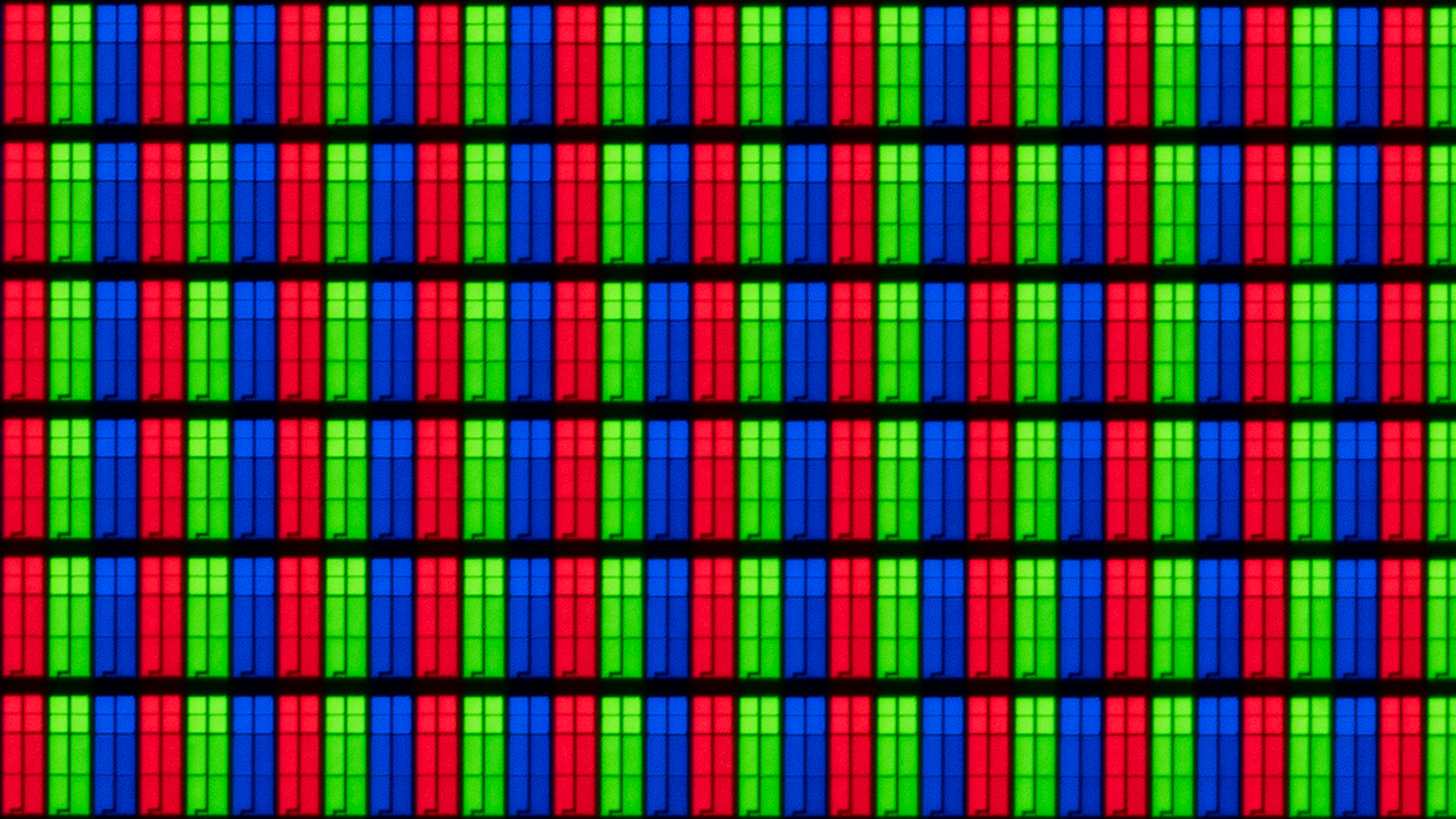
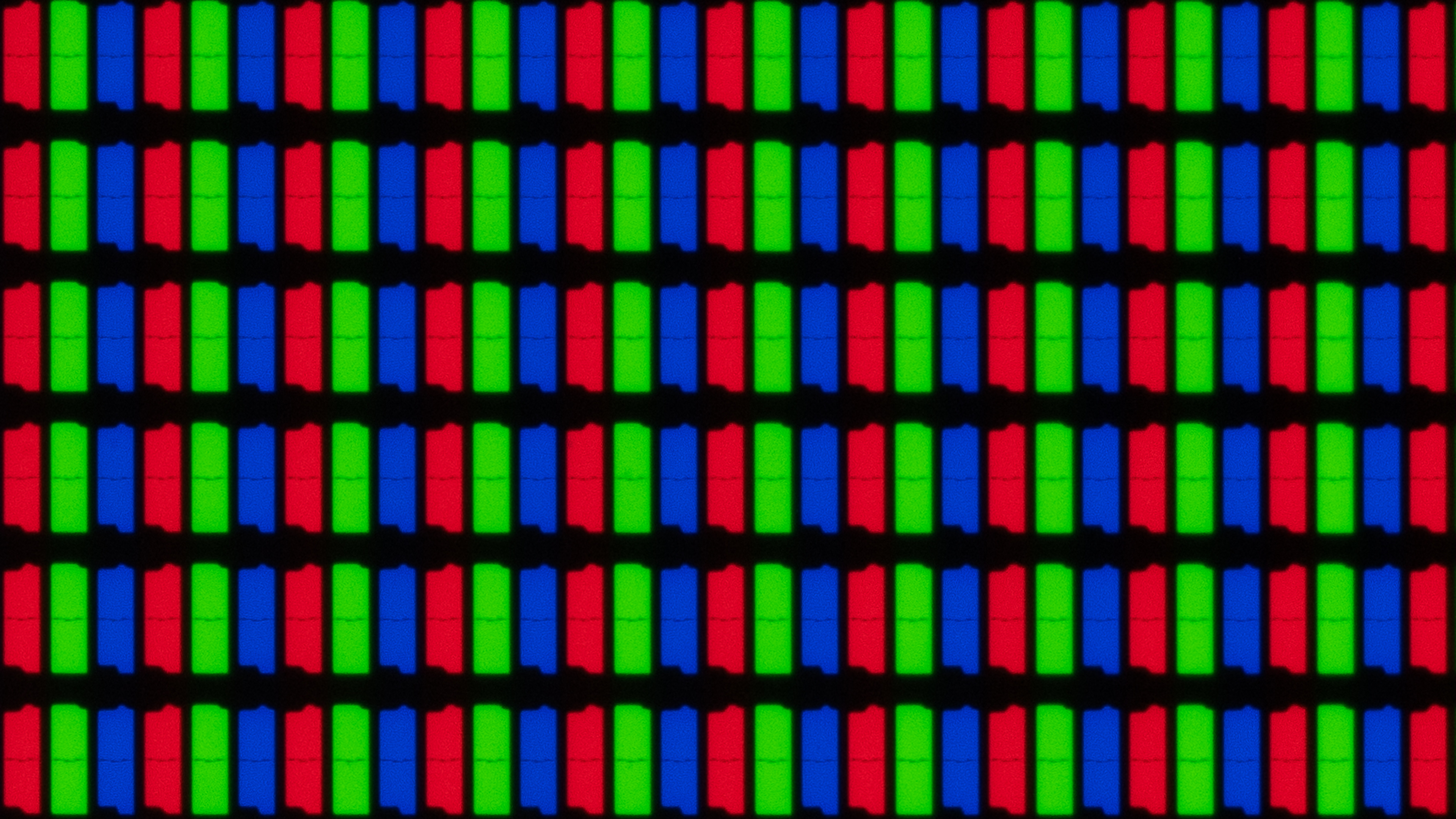
Even though most TVs on the market today are advertised as LED, they're not actually true LED TVs. These are actually LCD TVs that use an LED backlight to light up the screen. These LEDs are usually arranged in a grid-like pattern directly behind the screen, but there are also a few TVs that arrange the LEDs in a single row along the edge of the screen instead (read more about why thin LCDs break faster). True LED TVs also exist, but they're more commonly called Micro LED, and they're extremely expensive. You can read more about how LED TVs work here.
There are two main types of LED TVs on the market: VA and IPS. Whereas the LED part of the name comes from the backlight, VA or IPS refers to the part of the TV that is responsible for deciding how much light it should let through the screen, controlling the red, green, and blue levels that make up each pixel. Think of it like the iris of a camera; it simply controls the flow of light from the backlight through each subpixel.
LED TVs still make up the bulk of the TV market. They're available from every brand, in any size you can imagine, from tiny 24-inch kitchen TVs up to massive 115-inch behemoths that'll fill an entire wall (Samsung even has a TV called The Wall). They're also available in a wide range of performance levels, so no matter what you're looking for, there's an LED TV out there that'll meet your needs.
VA
Choose for:
- Deep blacks
- Good colors
- Well rounded
- Wide selection
- Brightness
VA panels make up the bulk of the LED TV industry. They've been around for a long time, and they're well known and liked for their deep blacks and generally good picture quality. They have a big downside, though, as they have a narrow viewing angle. This means that the image fades and changes color as you move to the sides, so they're not a good choice if you have a wide seating arrangement or a very wide room. Some manufacturers have tried adding extra layers on top of the VA panel to disperse light to the sides. These layers help a bit, but they typically have a significant impact on contrast. VA panels also typically have worse motion handling than other panel types. This is especially noticeable in dark shadow details, where their slow transition times result in distracting blur trails.
There are also a handful of variants on VA panels, including HVA and WHVA. HVA panels have been in use for a few years now and offer marginal improvements to older VA technology. WHVA first appeared in 2025 with the TCL QM8K, Samsung QN90F, and the Samsung QN990F, and it offers a wider color gamut than traditional HVA panels and slightly better viewing angles. Learn more about VA panels.
IPS
Choose for:
- Wide viewing angle
- Motion handling
- Brightness
IPS, or in-plane shift, is a type of LED TV that used to be very common but has dropped in popularity in recent years. This technology was known for its wide viewing angles, making it the best choice for a wide seating arrangement or if you like to move around the room while the TV is on. This improvement in viewing angle comes with a cost, however, as IPS panels typically have much worse contrast than VA panels. This makes them a worse choice for dark room viewing.
There are also a few variants of IPS, the most common of which are ADS and ADS Pro. We usually group these all together under IPS, but ADS panels improve on IPS in many different ways, including uniformity, viewing angle, and brightness. ADS panels have largely eclipsed IPS in terms of popularity, and most IPS panels on the market in 2025 are actually ADS or ADS Pro. Learn more about IPS panels.
OLED
 |
 |
Choose for:
- Dark rooms
- Home theater
- Gaming
Unlike LEDs, which require a backlight to produce light, OLEDs are entirely self-emissive. Instead of LEDs behind the TFT layer, each individual OLED pixel emits its own light. This results in a truly spectacular dark room experience, with deep, inky blacks even in the most complicated scenes, with perfect uniformity and absolutely no haloing around bright spots. That's not all, though! OLEDs are also fantastic TVs for gaming, as they have a nearly instantaneous response time. They're faster than any LED technology, resulting in crystal-clear motion with no noticeable blur behind fast-moving objects. OLEDs aren't perfect, though, as they're not typically as bright as high-end LEDs, and there's a chance of burn-in when exposed to static content.
There are two main types of OLED in 2025: WOLED and QD-OLED. Although they both deliver the same inky blacks and instant response times, there are some noticeable differences between them, and they each have pros and cons. This guide will just cover the basics, so if you'd like to learn more about these panels, check out this comparison between QD-OLED vs. WOLED in our in-depth guide on what OLED is.
OLEDs are typically considered mid-range and up. They're more limited in size and price point compared to LEDs, so if you're on a tight budget, you're unlikely to find what you're looking for. There are a few 42 and 48-inch OLEDs, but most OLED models are only available in 55 to 77-inch sizes. If you want something smaller, there are also many OLED monitors available, some of which also include a built-in smart platform so you can use them like a TV. There are also a few 83 and 97-inch models, but some of them don't perform as well as the smaller sizes, and they're very expensive. Overall, OLEDs tend to offer the best picture quality on the market, but the starting price point is higher than that of LEDs, and the size selection is worse.
WOLED
Choose for:
- Dark rooms
- Motion handling
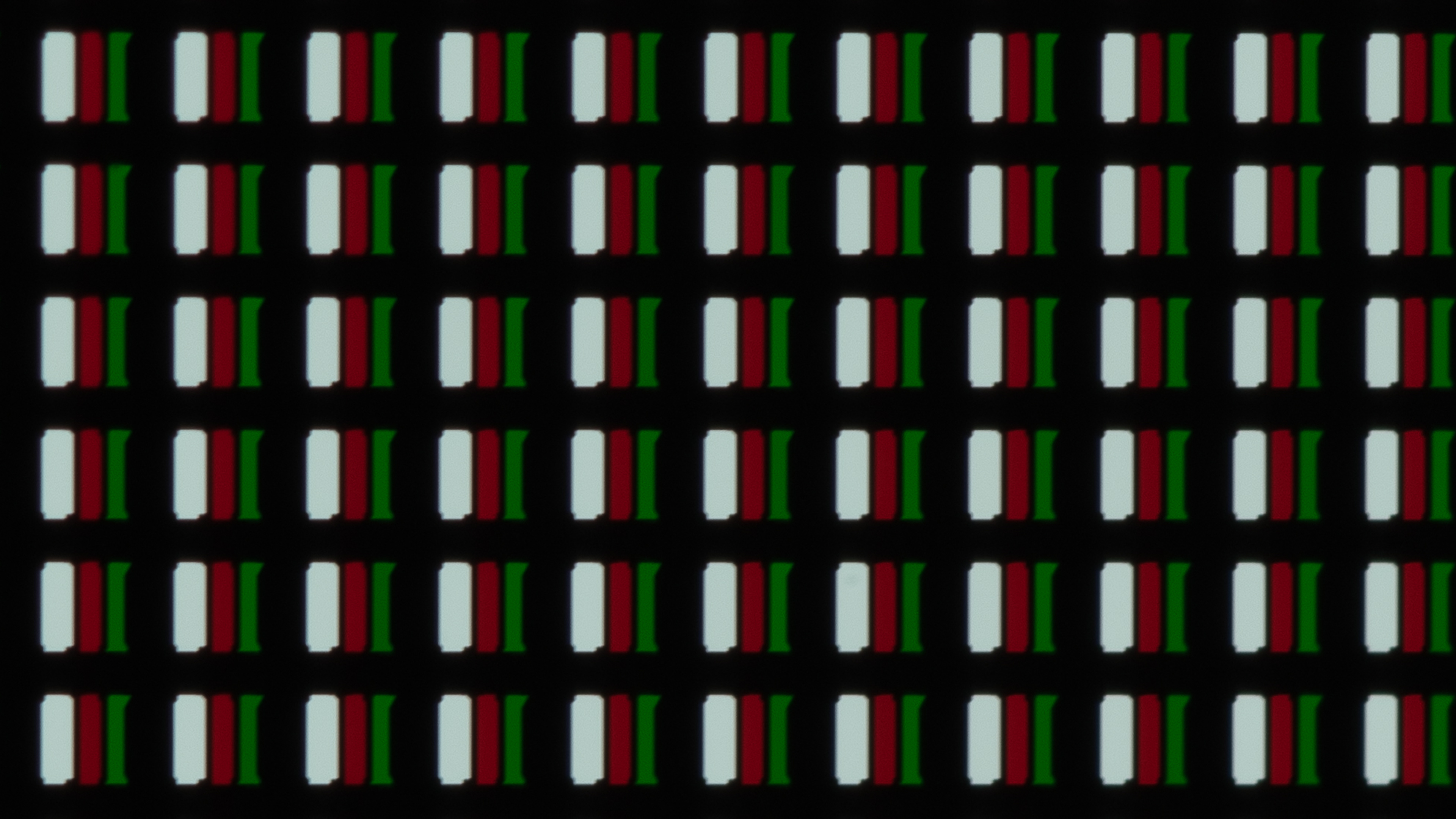
WOLED is the oldest type of OLED panel currently on the market. It stands for white organic light-emitting diode, and it refers to the light used to create an image. WOLED TVs use a stack of OLED material to create white light as the panel base. This light then passes through three color filters to create the red, green, and blue subpixels. A fourth subpixel lets the white light straight through with no filter; this is used to increase the overall brightness of each pixel. WOLED panels are very common and have been used by brands like LG and Sony for many years.
QD-OLED
Choose for:
- Dark rooms
- Motion handling
- Brighter colors
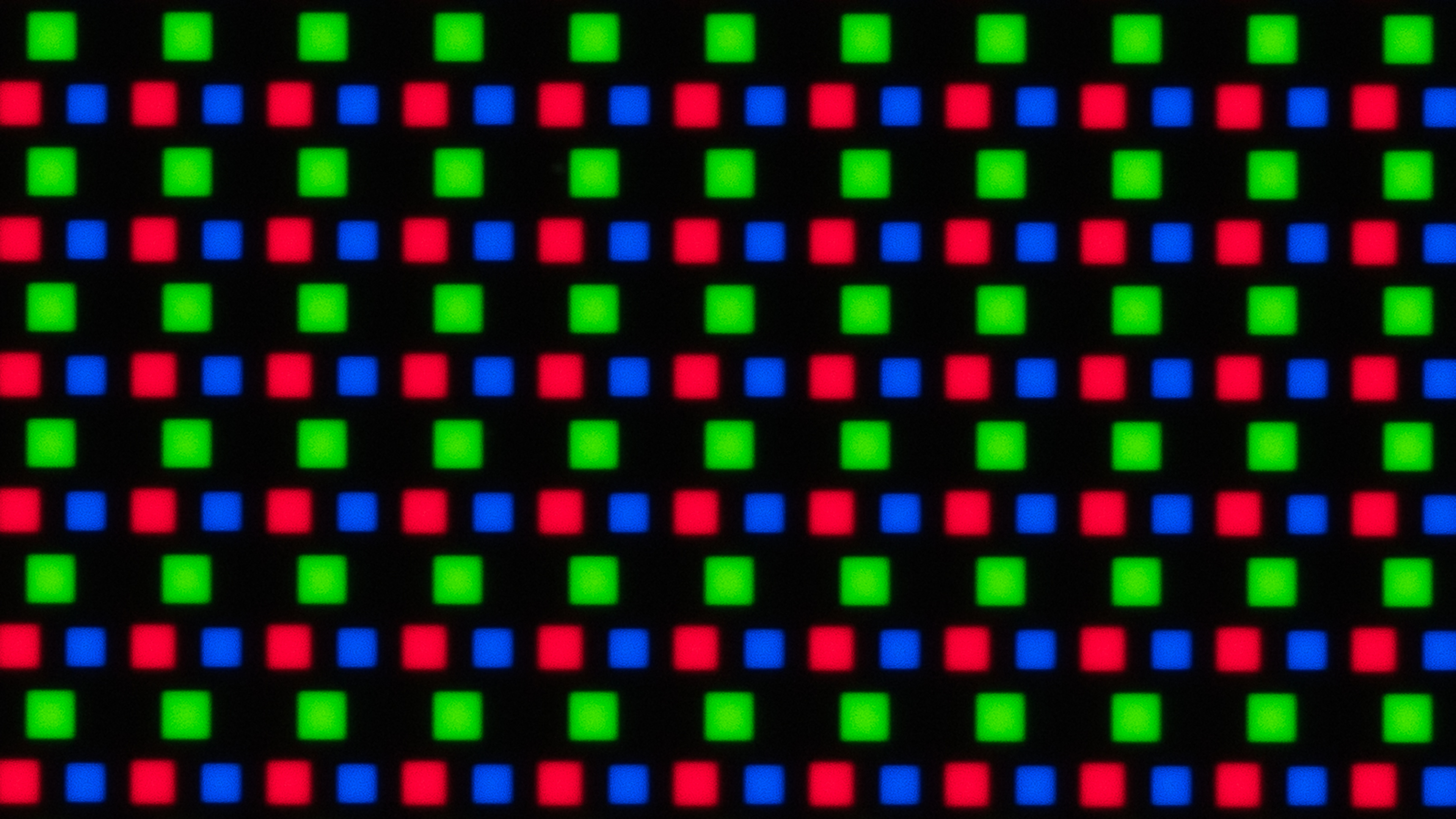
QD-OLEDs use the same basic principle as WOLEDs, but instead of white light, they start with blue light. This blue light then passes through a special layer that contains quantum dots. This material converts light from blue to red and green very efficiently, resulting in much more precise, brighter colors than traditional WOLEDs. QD-OLEDs tend to have brighter, more vivid colors than any other display technology out there, including LEDs. They also have the same main strengths as WOLEDs, including perfect blacks when viewed in a dark room and a nearly instantaneous response time.
As far as what you, the consumer, should care about, the biggest difference between them is how they handle ambient light. QD-OLED panels lack a polarizing layer. This helps increase their peak brightness and viewing angle, but there's a big downside: they have a noticeable pink/purple tint when you're watching them in a room with any ambient light, and their black levels rise noticeably. Even in a dark room, the light emitted from the TV can bounce off your walls and introduce this undesirable effect. Not everyone is bothered by this effect, but if you are, it can be quite distracting. The good news is it's mainly an issue in a bright room, so if you go to your local electronics retailer and look at it in person, you can compare a QD-OLED to a WOLED there and see if you notice the tint. Showrooms usually aren't a good place to compare picture quality, but in this case, it's actually helpful. Learn more about QD-OLED technology.
Other TV Types
The panels mentioned above aren't the only types of TV out there, but you have to be careful. TV manufacturers like to create all sorts of new marketing terms to sell their TVs. Most of these marketing terms don't refer to the specific panel types used (manufacturers are usually very secretive about that), but they can refer to specific features in the TV's construction. Did we miss something? Let us know in the comments below, and we'll add it.
Mini LED
Mini LED isn't actually a type of TV; in fact, it doesn't really mean anything at all. It's mainly a marketing term used by manufacturers to indicate that a TV has a higher-quality full-array local dimming feature, with a backlight made of many small LEDs instead of a handful of large LEDs that previous generations used. This isn't always true, though, so you really need to look at the TV's actual performance. As an example, the Samsung The Frame Pro 2025 is marketed as Mini LED, but it uses an edge-lit local dimming feature that barely does anything. Some brands like to focus on zone counts, but even that doesn't paint the full picture, as more dimming zones don't matter if the TV lacks the processing necessary to control the zones properly. Mini LED aims to compete with OLEDs for dark room performance, but they're not quite there yet. Read more in Mini LED vs. OLED TVs.
Micro LED
Micro LED is a relatively new panel type that aims to combine the strengths of Mini LED and OLED. Whereas Mini LED panels have many hundreds (or even thousands) of LEDs, in Micro LED panels, there's an individual LED for every single subpixel. Since these TVs can control the light output of each individual subpixel, they have the same amazing contrast as OLEDs, but without most of the downsides, like the chance of burn-in. They're incredibly bright, very colorful, and very, very expensive. Samsung has been one of the biggest champions of this technology in recent years, and you can buy them, but they're very much out of reach for the average consumer.
RGB Mini LED
RGB Mini LED is an upcoming tech that aims to bridge the gap between Mini LED and Micro LED, improving colors and local dimming performance over existing RGB Mini LED tech at a more affordable price point. Instead of using blue LEDs as a backlight, RGB Mini LED uses separate red, green, and blue LEDs in each dimming zone. This eliminates the need for quantum dot color converters or inefficient color filters. Sony, TCL, Samsung, LG, and Hisense will all be releasing RGB Mini LED TVs within the next year. Unlike Micro LED, these panels are expected to be far more reasonably priced, so expect to hear a lot more about RGB Mini LED in the next few months.
QLED
Much like Mini LED above, QLED doesn't really mean anything. It usually refers to some form of wide color gamut technology, the most common of which is quantum dot technology. Without getting too technical, quantum dots are simply a much better way to produce color, and when done right, these TVs typically have the best colors on the market. They can be found on just about any TV, and since it's just an extra layer, it doesn't matter if they use VA or IPS panels, or any variants. Learn more about QLED.
QLED is just one marketing term for wide color gamut technology; different brands have come up with their own names for it, but they all refer to wide color gamut technology. Here are just a few examples from some of the other brands out there:
- Samsung: QLED, Neo QLED
- LG: QNED
- Sony: Triluminos/Triluminos Pro
- Hisense: ULED
- TCL: QLED, QD-Mini LED
All of these marketing terms refer to some form of wide color gamut, but they don't all use the same quantum dot technology. Some might not even use quantum dots at all. Again, this is just a reminder that you can't buy a TV by simply looking at the marketing around it. QLED is different from QD-OLED mentioned above; you can read more about the differences between them here.
Conclusion
Buying a TV can be a difficult process. Knowing the panel type used in a TV you're interested in can definitely give you a good idea of what to expect, but it doesn't paint the full picture. It's good to look for specific panel types as a starting point, but always look at reviews to see how the TV actually performs.