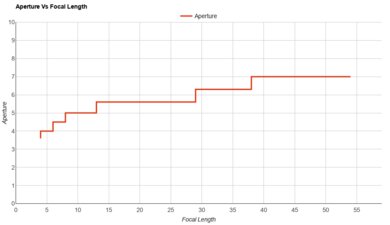
The Canon PowerShot ELPH 360 HS A is a compact entry-level point-and-shoot camera. This is, in fact, a very minor revision of the Canon PowerShot ELPH 360 HS, which originally came out in 2016. It uses the same 20.2MP Type 1/2.3 CMOS sensor, paired with a 25–300mm full-frame equivalent F3.6-7 lens, which provides a 12x optical zoom. It also keeps the same DIGIC 4+ and 1080p video recording at up to 30 fps. The most noticeable change is the switch to a micro SD memory card instead of the full-size SD used on the older version.
Our Verdict
The Canon PowerShot ELPH 360 HS A is disappointing for travel photography, primarily due to its poor overall technical performance. It doesn't shoot raw, and the image quality it produces is only decent in good lighting conditions. Its battery also doesn't last long at all. The build quality is also disappointing, as the camera is made from a very fragile plastic that easily gets scuffed. That said, aside from the poor build, these limitations are to be expected in a camera of this class, where the main appeal is the shooting experience and portability. It's extremely slim and easy to carry everywhere, and it turns on quickly enough to easily pop out and take a picture without feeling like you're waiting on it. The zoom range is a nice perk compared to a regular phone, so you can capture more distant subjects.
Extremely portable design.
Good stabilization.
Useful zoom range.
Good looking JPEGs at low ISO settings.
Disappointing build quality.
Can be awkward to hold due to its very slim design.
Very basic and inconsistent focusing system.
Poor battery life.
No RAW support.
The Canon PowerShot ELPH 360 HS A is ill-suited to landscape photography primarily due to its poor technical performance. The camera doesn't shoot RAW, which means you'll be quite limited when it comes to editing your pictures. It also requires ample light to deliver good results. That said, Canon's color science is pleasing, and the camera's portable design and 12x zoom lens give good reach, and the lens also retracts fully into the body when powered off, making it very easy enough to carry around to be worth bringing around.
Extremely portable design.
Useful zoom range.
Good looking JPEGs at low ISO settings.
Disappointing build quality.
Can be awkward to hold due to its very slim design.
Poor battery life.
No RAW support.
The Canon PowerShot ELPH 360 HS A is inadequate for sports and wildlife shooting. Although its zoom can come in handy in those contexts, its autofocus system is extremely basic. It can't track subjects during bursts, and its shooting speed is disappointing. It also requires ample light to deliver good results, which can be challenging when you have to shoot at high shutter speeds.
Good stabilization.
Useful zoom range.
Good looking JPEGs at low ISO settings.
Disappointing build quality.
Can be awkward to hold due to its very slim design.
Very basic and inconsistent focusing system.
Poor battery life.
No RAW support.
The Canon PowerShot ELPH 360 HS A is a bad choice for vlogging. It lacks a flip screen, and its video quality is poor. It's limited to 1080p/30 fps output and can only shoot about 18 minutes of video before hitting its 4GB recording limit. Its focus system is also very basic. It can't track faces or moving subjects properly. Its only redeeming value is its very small size, which makes it extremely easy to carry around. Nevertheless, you'll most likely get better results from your phone.
Extremely portable design.
Good stabilization.
Disappointing build quality.
Can be awkward to hold due to its very slim design.
Poor video quality.
Poor battery life.
The Canon PowerShot ELPH 360 HS A studio video performance is bad. It only shoots at 1080p/30 fps, and the files it produces aren't very detailed. You'll also be limited to a 4GB file size, which is about 18 minutes of video.
Disappointing build quality.
Can be awkward to hold due to its very slim design.
Poor video quality.
Poor battery life.
The Canon PowerShot ELPH 360 HS A is a bad choice for action video. Its focusing system is very basic; it can't track subjects properly, making it ill-suited for fast-moving action. The video quality is nothing to write home about, as it only delivers a very basic 1080p/30 fps output.
Disappointing build quality.
Can be awkward to hold due to its very slim design.
Poor video quality.
Very basic and inconsistent focusing system.
Poor battery life.
The Canon PowerShot ELPH 360 HS A doesn't shoot RAW.
No RAW support.
Performance Usages
Changelog
-
Updated Aug 31, 2026:
Added a reference to the Fujifilm X half in the Ergonomics & Comfort test box as an alternative with more of an emphasis on the shooting experience.
- Updated Aug 28, 2026: Review published.
- Updated Aug 24, 2026: Early access published.
- Updated Aug 13, 2026: Our testers have started testing this product.
Check Price
Differences Between Sizes And Variants
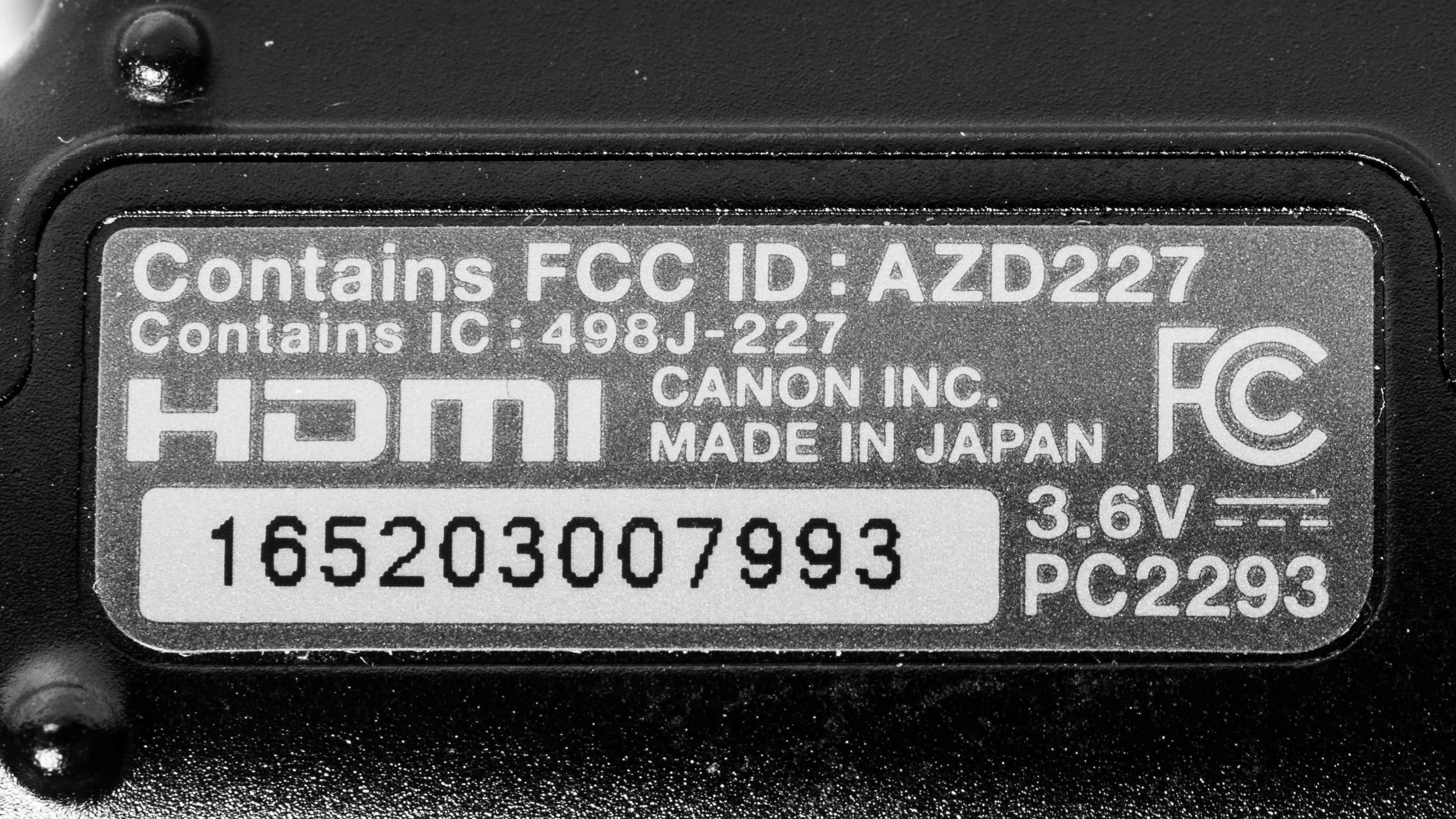
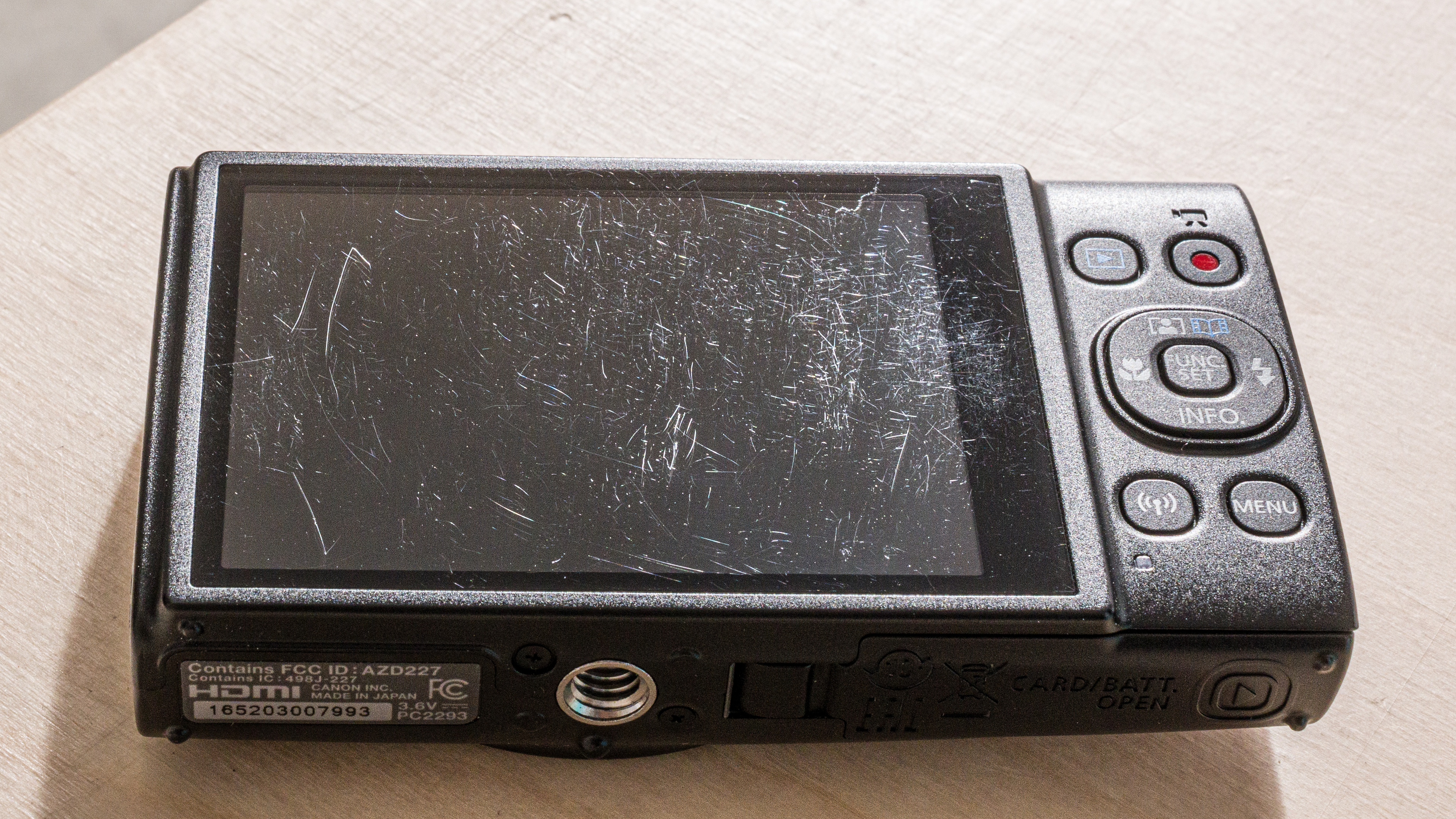
The Canon PowerShot ELPH 360 HS A comes in two color variants: Grey or Black. We bought the Black version. Here's our unit's label.
Popular Camera Comparisons
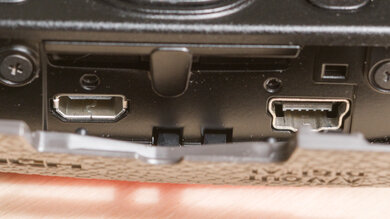
The Canon PowerShot ELPH 360 HS A is a compact camera that's difficult to wholeheartedly recommend to anyone. It's a rerelease of a 10-year-old model that's somehow accompanied by an 80% price bump over the original's MSRP. The simple fact that it still includes a Mini-USB port, despite coming out in late 2025, makes this seem like a minimum-effort product from Canon to ride the digicam trend. If the old-school early-2000s look is where you're after, you'd be as well served by a second-hand camera that'd be less than half the price of this one. If you really want a camera that's more likely to feel like an upgrade from a smartphone, you can consider higher-end models like the Panasonic LUMIX ZS99 or the Canon PowerShot G7 X Mark III.
Performance-wise, you shouldn't expect to be blown away by the camera's image quality, as most modern smartphones can achieve similar results. After all, the latest flagships can count on sensors that are about twice as big, combined with much more advanced computational photography prowess. What sets this Canon apart is its old-school shooting experience and its zoom performance. The 12x magnification is useful for capturing details at greater distances without significant loss of detail, as long as you have plenty of light to work with.
Overall, while it's totally serviceable, the Canon PowerShot ELPH 360 HS A's performance hardly justifies its pricetag. Although it can take perfectly decent photos in bright conditions, you'd get a very similar experience from much cheaper models on the second-hand market if you're more after the old-school point-and-shoot experience rather than image quality.
For more options, check out our recommendations for the best point-and-shoot cameras, the best cheap and budget cameras, and the best compact cameras.
The Sony RX100 VII is better than the Canon PowerShot ELPH 360 HS A in pretty much every respect except size, where the Canon shines with its extremely slim design. Its image quality is better in both photo and video, it can zoom further, and its focusing system is in a completely different league.
The RICOH GR III and the Canon PowerShot ELPH 360 HS A aren't exactly the same type of product, even if they're both small point-and-shoot cameras. The Canon includes a zoom lens, which will give you more flexibility, but that's pretty much the only advantage on the Canon's side. The RICOH's APS-C sensor produces much more detailed photos and includes RAW support, giving you a ton more leeway if you want to edit your pictures.
The Canon PowerShot SX740 has some advantages over the Canon PowerShot ELPH 360 HS A. While it's slightly less portable, it's more comfortable to use and offers a much better zoom range, a more responsive autofocus, and a tilt-screen. It also feels more solid. Both cameras support similarly tiny 1/2.3-inch sensors that are bested by most modern high-end smartphones. That said, if you're after the digicam look, which is the main appeal of these cameras, other than their zoom reach, image quality likely isn't your main concern.
The Canon PowerShot ELPH 360 HS A and Fujifilm X half are point-and-shoot cameras that offer quite different shooting experiences. The Fujifilm is a unique take on this segment. It has a vertically oriented sensor that shoots 3:4 pictures and focuses on providing a film-like photo-shooting experience. Its main attribute is Fuji's film simulation modes, which allow you to play around when it comes to the pictures' color profiles. The Canon is a much more run-of-the-mill camera. It's even more portable and includes a 12x zoom lens, which gives you a lot more flexibility.
Test Results
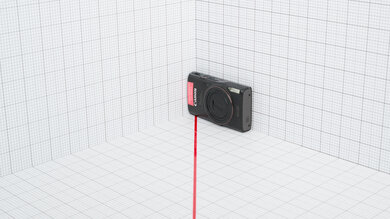
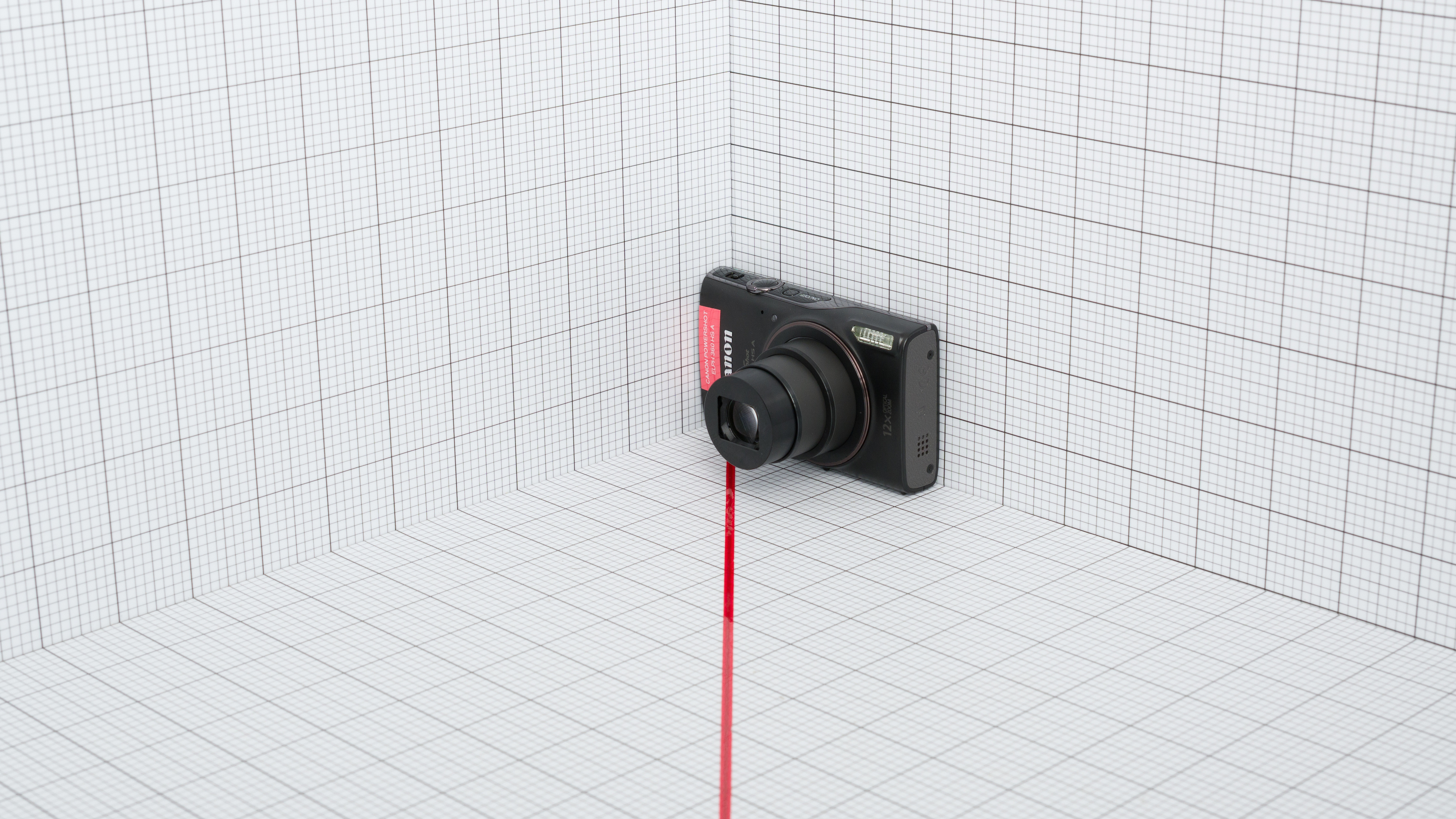
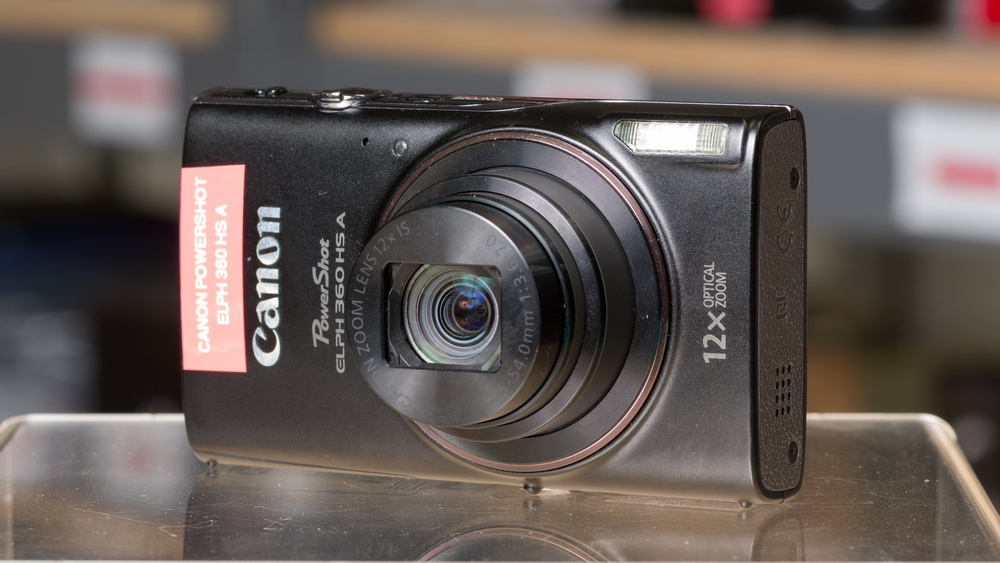
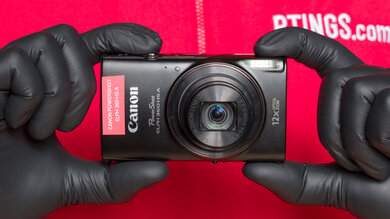
This camera is extremely portable, making it easy to carry around in pretty much any pocket when it's turned off. Here's a picture of the camera with the lens on maximum zoom.
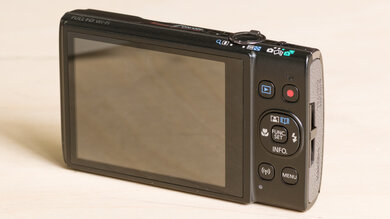
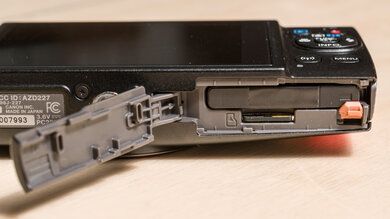
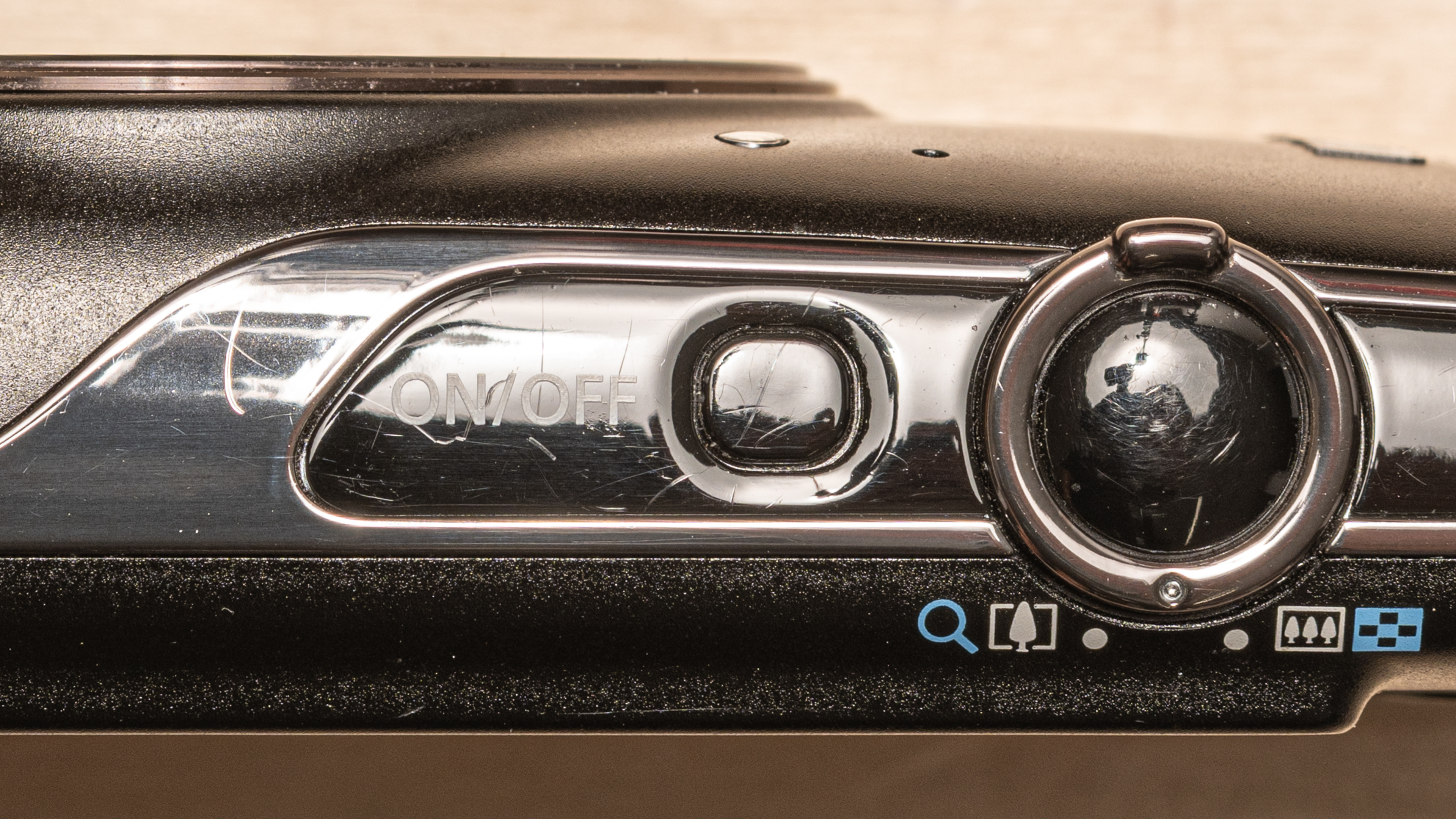
The camera's build quality is disappointing. After just one day of normal use, with the camera stored in a pocket or backpack away from anything abrasive, the display and glossy top panel already picked up numerous fine scratches. The rear display uses thin plastic and has noticeable flex, while the battery and SD card door feel particularly fragile due to their thin construction and flimsy hinge. The port cover also relies on a flexible plastic tab that could easily break with repeated use. On the positive side, the buttons feel reasonably sturdy and provide good tactile feedback. The lens protection mechanism is another thoughtful touch: the lens automatically retracts when it encounters resistance during startup, helping prevent damage if the camera is accidentally switched on in a pocket or bag.
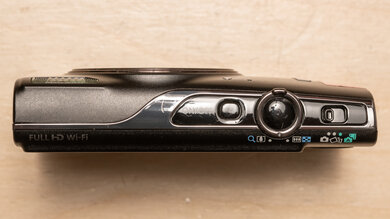
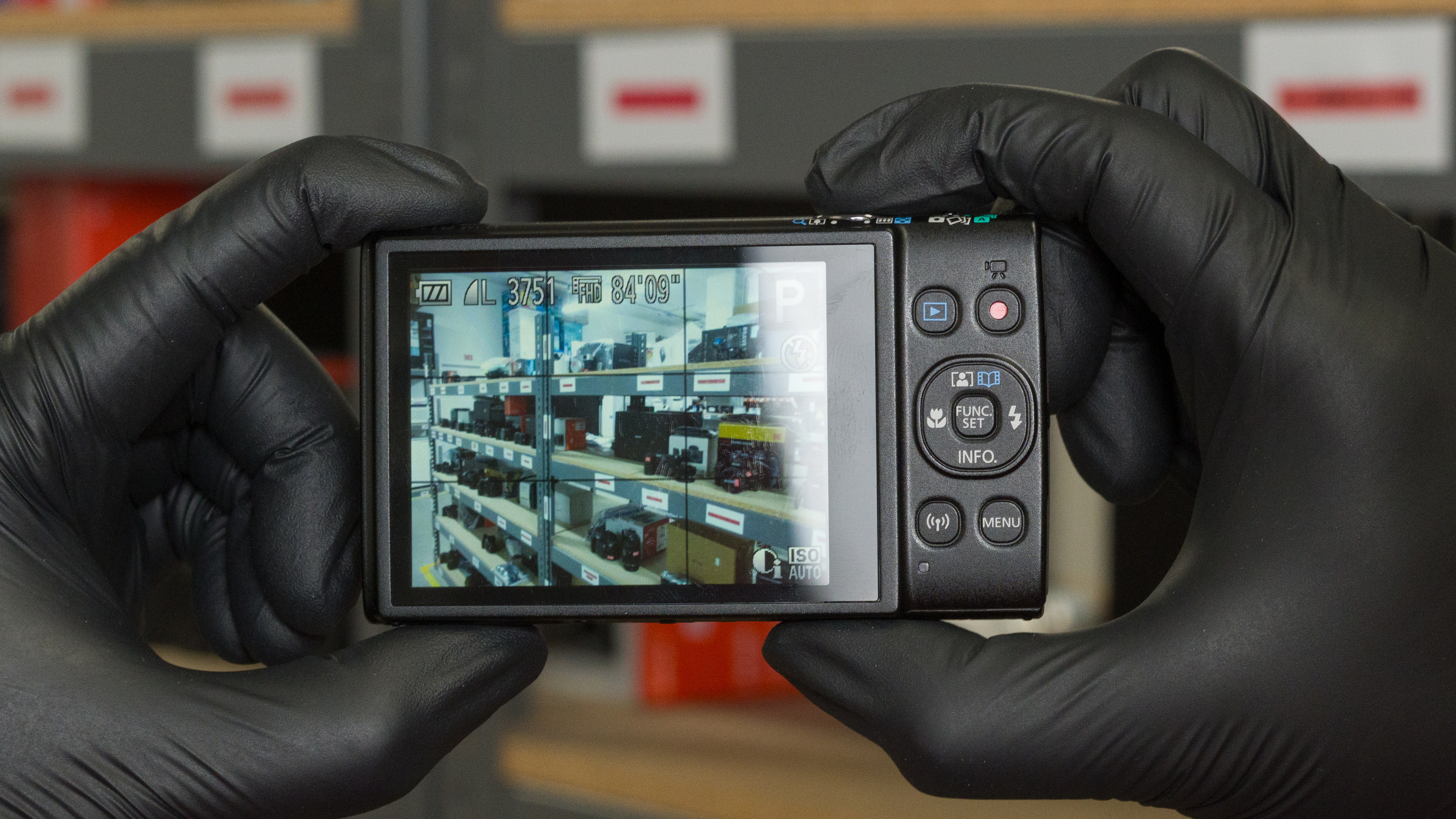
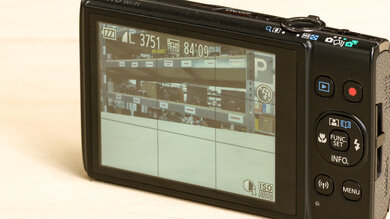
The Canon PowerShot ELPH 360 HS A's compact size comes at the expense of ergonomics. Its body is extremely thin and tapers toward the grip side, with no front grip or rear thumb rest, making it feel less secure in the hand, especially when shooting one-handed in vertical orientation. This makes it more difficult to use for people with larger hands, so relying on the wrist strap is essential for added security. There is also very little room on the back to rest your thumb without touching the buttons, although the buttons require enough pressure that accidental presses are unlikely. The lack of a touchscreen and manual mode further limits control, with even ISO adjustments buried in the function menu. Finally, the memory card cannot be accessed while the camera is mounted on a tripod, which can be inconvenient, but it likely won't really be an issue, considering how the camera will most likely be used.
If you're looking for a camera with slightly more controls and with an emphasis on the shooting experience, you can take a look at the Fujifilm X half.
The Canon PowerShot ELPH 360 HS A doesn't have a viewfinder.
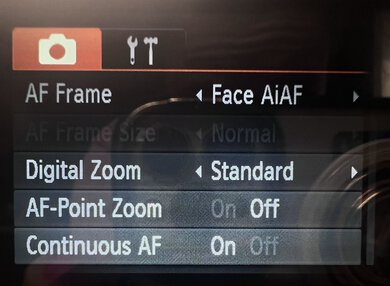
The camera's menu system is very simple and clearly designed around automatic and scene-based shooting rather than manual control. It has separate tabs for shooting and camera settings, but there are few options and no way to customize the buttons or menu. Navigating the main menu often requires scrolling through the entire list to find a setting. The shortcut Function menu provides quicker access to controls not available in the main menu, such as frame rate. A Guide mode to provide additional help can also be enabled. Most users will likely rely on the camera's Auto and Scene modes, which automatically select appropriate exposure and shooting settings for situations such as portraits, low light, and fireworks.
The camera also includes several creative effects, along with Creative Shot, which automatically generates six different images from a single shot using various effects and scene settings. Hybrid Auto takes a different approach by recording a short 2- to 4-second video clip before each photo and combining these clips into a short movie.
Battery life isn't the main limitation during video recording. The camera imposes a 4GB file-size limit, which can be reached in 18 minutes at 1080p/30 fps, rather than reaching the advertised 30-minute maximum.
Photo shooting performance is limited by the camera's approach to continuous shooting. In normal P mode, switching the drive mode enables low-speed continuous shooting while maintaining full 20 MP resolution. The camera can shoot at a higher speed in its High-Speed Burst mode, but this comes at a significant loss of resolution, reducing images to just 5 MP. Neither mode appears to have a buffer limit, so there is no waiting for a burst to finish processing before continuing to shoot.
The camera technically offers AF-C, but focus locks when you half-press the shutter, and it doesn't adjust between shots in a burst. As a result, it can't continuously track moving subjects during burst shooting. Canon confirms this on page 38 of the user manual.
This camera doesn't offer manual exposure control, so we couldn't perform a standard image stabilization test. By adjusting the ISO from 3,200 to 80, we were able to achieve progressively slower shutter speeds, reaching 1/3 s. This provides a reasonable approximation of its stabilization performance.
This camera doesn't shoot 4k.
This camera doesn't shoot 4k.
This camera doesn't shoot 4k.