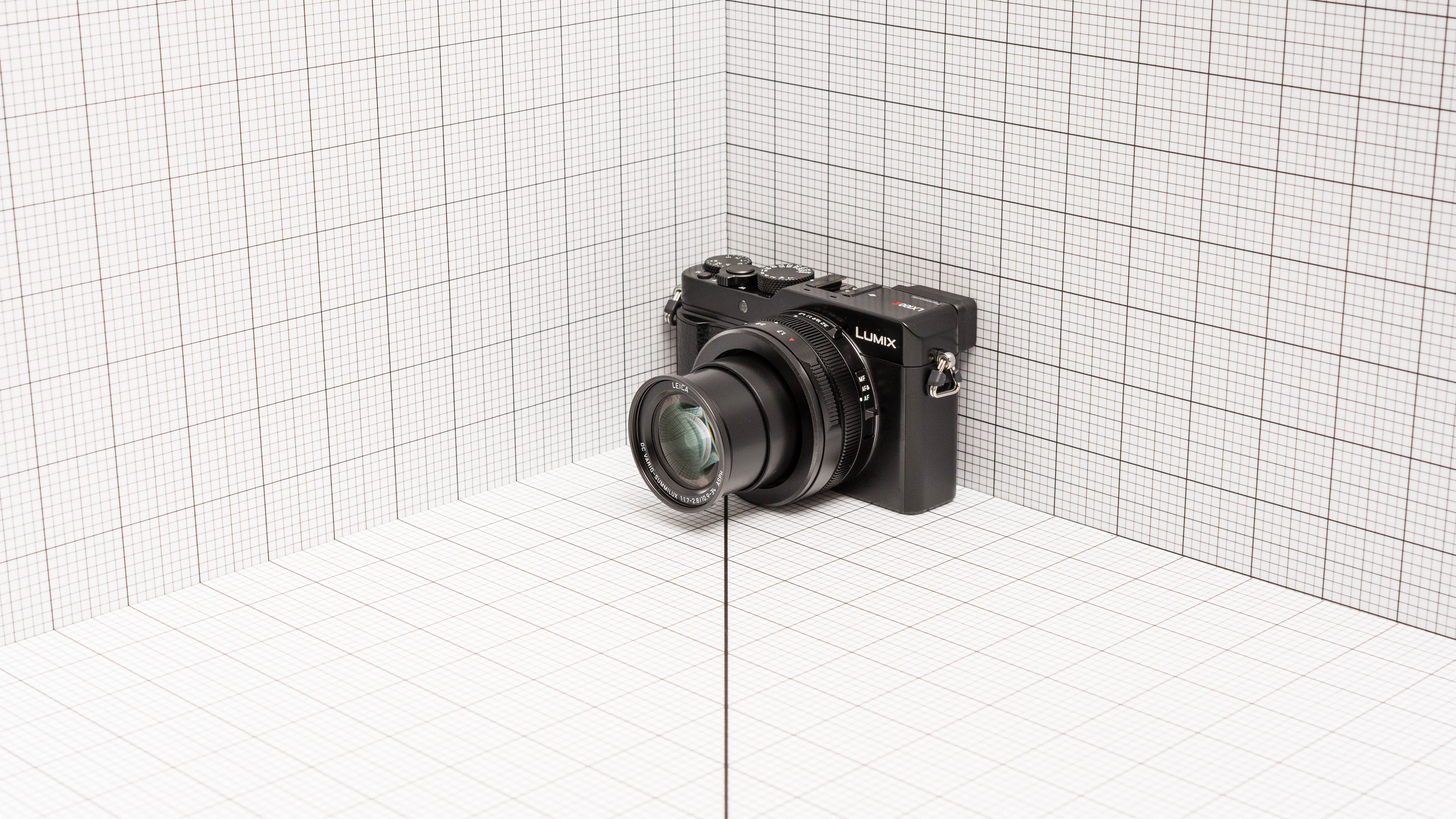
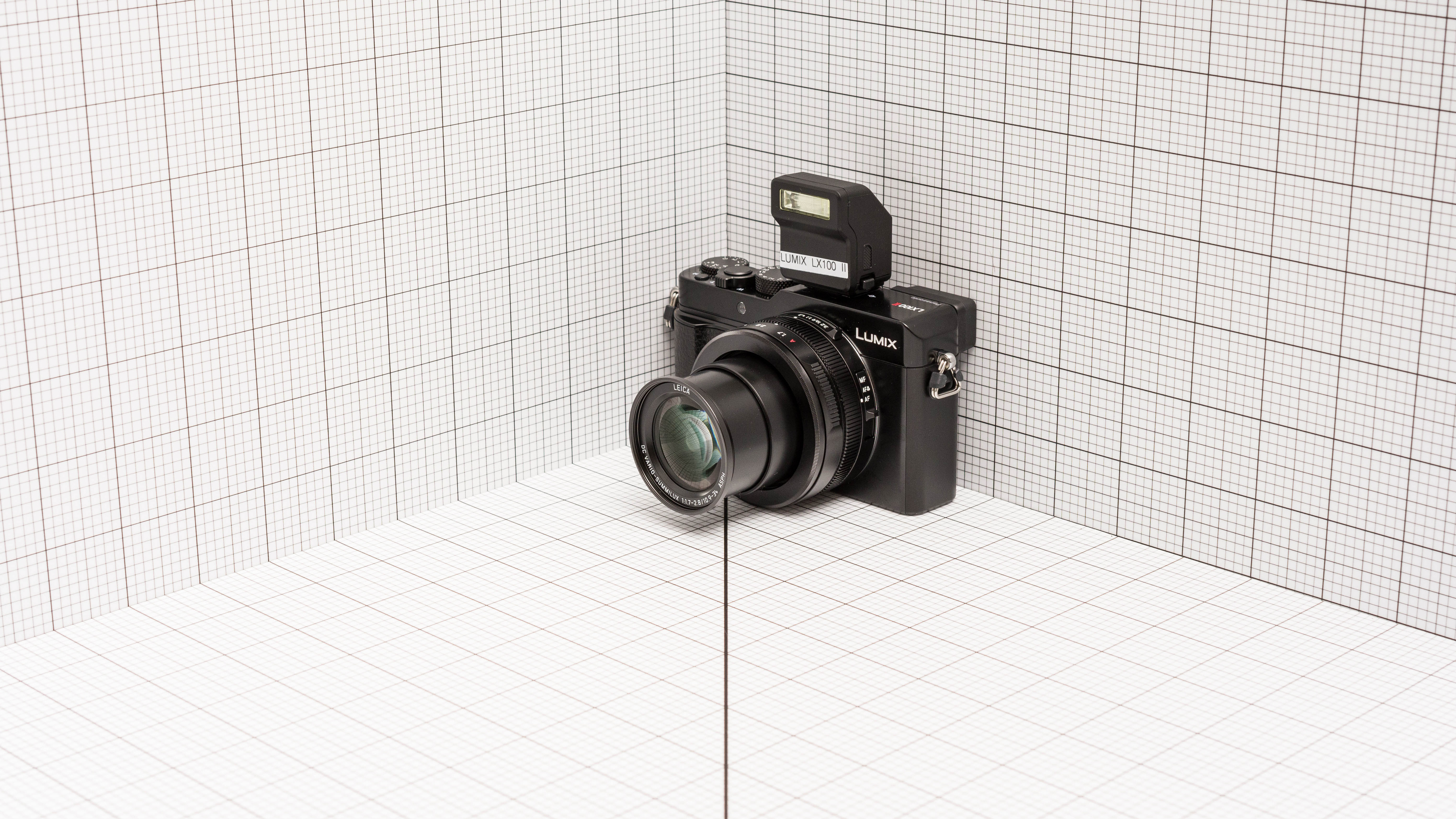
The Pansonic LUMIX LX100 II is a premium compact camera with a 17-megapixel Micro Four Thirds sensor. It's designed with enthusiasts in mind, with a dedicated shutter speed dial and aperture ring around the lens for on-the-fly exposure adjustments. It's also very portable and lightweight. It takes advantage of its larger sensor by cropping photos down to a range of different aspect ratios without reducing field of view. Because of this, its built-in Leica DC lens has a full-frame equivalent focal length of 24-75mm, giving you some flexibility to zoom in or take close-ups. It delivers excellent JPEG image quality and has impressive RAW noise handling capability, making it well-suited to taking photos in low light. That said, its video quality isn't quite as impressive, and it introduces a lot of rolling shutter effect when panning from side to side. Its autofocus system also struggles to track moving faces, though it does a better job with objects.
Our Verdict
The Panasonic LX100 II is decent for travel photography. It's portable and lightweight, making it easy to slip into a travel bag. It also delivers excellent image quality with relatively minimal noise at higher ISO levels, so it's well-suited to shooting in low light. It also has a good battery life that should last through a day of taking photos, though this can vary with settings and usage habits. Unfortunately, it's not the most comfortable to use due to the cramped spacing of its physical controls, and it has a fixed screen, giving you less flexibility to shoot from different angles. Also, its autofocus system does a poor job tracking moving subjects in photography.
- Excellent image quality for its class.
- Small and lightweight.
- Good battery life.
- Poor autofocus tracking performance.
- Cramped physical design.
- Fixed screen.
The Panasonic LX100 II is decent for landscape photography if you need something compact. Image quality is excellent overall, and it has decent dynamic range to bring out a fairly wide array of detail in high-contrast landscape shots. It's also very portable, so it's easy to take to more remote shooting locations. That said, it isn't the most comfortable to use, as its compact size and crowded physical design make it easy to accidentally change settings. Its fixed screen also makes it harder to shoot from lower angles.
- Excellent image quality for its class.
- Small and lightweight.
- Cramped physical design.
- Fixed screen.
The Panasonic LX100 II is decent for sport and wildlife photography. It has a fast continuous shooting speed with a virtually instantaneous buffer empty time for uninterrupted burst photography. It also delivers excellent image quality and performs well even in low light. Unfortunately, its autofocus performance is disappointing when taking photos. It's not the most comfortable to use, either, because of its small size and cramped physical controls. Also, while it has a zoom lens, its max focal length isn't long enough to zoom in on really far-away subjects.
- Excellent image quality for its class.
- Small and lightweight.
- Fast continuous shooting speed.
- Poor autofocus tracking performance.
- Cramped physical design.
- Limited focal length.
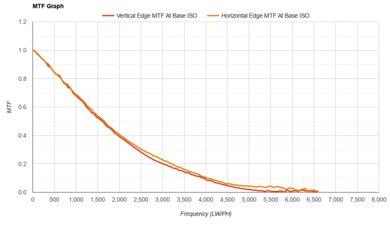
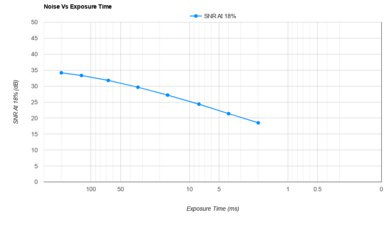
The Panasonic LUMIX LX100 II has decent RAW photo performance. Its sensor doesn't have the highest resolution, so you don't have too much leeway to crop in your images without losing sharpness. Its dynamic range is decent for a compact camera, so it captures a reasonable range of highlight and shadow detail, though you'll still lose some highlights or shadows in very high-contrast scenes. Its noise handling is alright, and its relatively bright f/1.7-f/2.8 lens makes it better-suited to low light than most point-and-shoots, but images still look fairly noisy at higher ISOs.
- Decent dynamic range.
- Wide-aperture lens helps in low light situations.
- Noise handling is just okay.
- Sensor doesn't have the highest resolution.
The Panasonic LX100 II is a poor choice for vlogging. It has a fixed screen, so you can't easily monitor yourself while recording. That said, it's very lightweight and portable, so it's not cumbersome to carry around for long periods, and it delivers good overall video quality, especially in 4k. However, there's a lot of distortion when panning from side to side due to rolling shutter effect. It also lacks in-body stabilization and does a poor job of reducing camera shake when moving at a moderate pace.
- Small and lightweight.
- Good overall video quality.
- Significant distortion from rolling shutter when panning to the side.
- Disappointing video stabilization.
- Autofocus struggles to track moving faces.
The Panasonic LX100 II is okay for studio video. It delivers good overall video quality, particularly in 4k. It introduces a lot of rolling shutter effect when panning from side to side, which can be distracting. It also lacks headphone and microphone jacks. Its internal recording capability is also limited, so it can only record 4k video in 15-minute increments. While its autofocus system is good at tracking moving objects, it struggles a lot with moving faces.
- Small and lightweight.
- Good overall video quality.
- Easy-to-use menu system.
- Significant distortion from rolling shutter when panning to the side.
- No headphone or mic jack.
- Autofocus struggles to track moving faces.
The Panasonic LX100 II isn't well-suited to action video. While it's compact and easy to carry around, it isn't designed for mounting on a helmet or chest rig. It also lacks water resistance, though we don't currently test for this. Its overall video quality is good, particularly in 4k, but it introduces a lot of distortion when panning from side to side due to the rolling shutter effect. It also does a poor job smoothing out camera shake in 4k, though it's a bit better in FHD.
- Small and lightweight.
- Good overall video quality.
- Poor video stabilization in 4k.
- Significant distortion from rolling shutter when panning to the side.
- Autofocus struggles to track moving faces.
Changelog
-
Updated Feb 07, 2025:
We added a comparison to the Leica D-Lux 8 in the Built-in Lens section.
- Updated Jan 29, 2024: Added text to the 'Raw Photo Performance' verdict box.
- Updated Jan 29, 2024: Converted to Test Bench 0.12.1.
- Updated May 29, 2023: Added a link to the Leica D-Lux 7 to the 'Body' section of the review.
Check Price
Differences Between Sizes And Variants
The Panasonic LUMIX LX100 II comes in one color variant: 'Black'.
Let us know if you come across another variant or your LX100 II doesn't correspond to our review, and we'll update it.
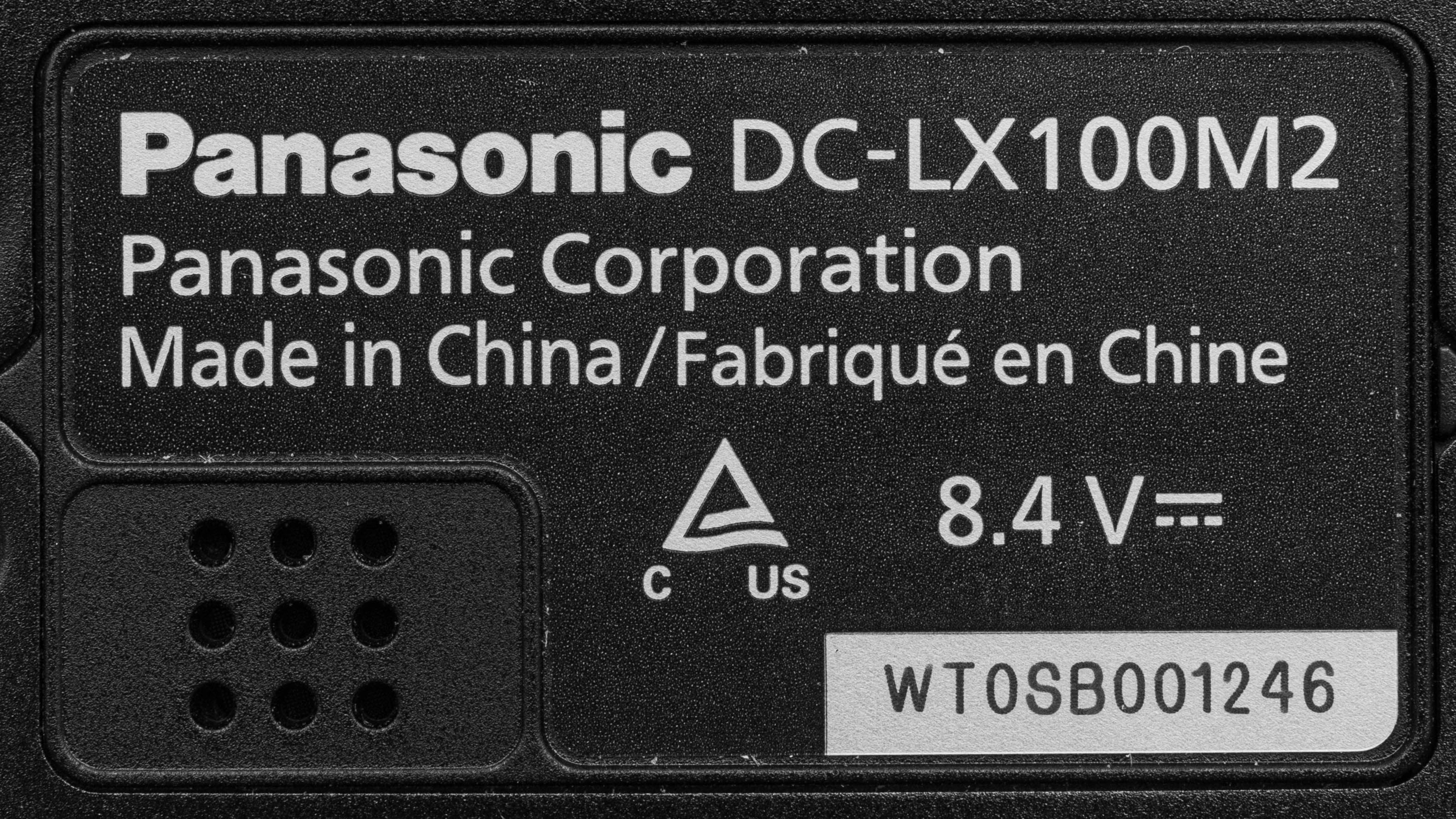
You can see our unit's label here.
Popular Camera Comparisons
The Panasonic LUMIX LX100 II and the Leica D-Lux 7 are similar cameras. The D-Lux 7 is essentially a Leica-branded LUMIX LX100 II. The biggest difference between the two cameras is that the Leica has a slightly different body, with no finger grip.
The Leica D-Lux 8, like its predecessor, is based on the Panasonic LUMIX LX100 II, using the same sensor and lens combo. However, the Leica offers some key improvements, including a new processor, slightly improved autofocus performance, and a sleeker design with more intuitive user interface and controls.
Test Results
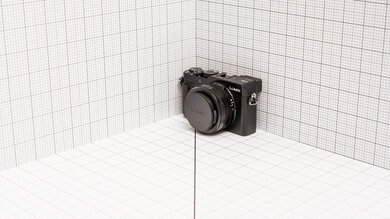
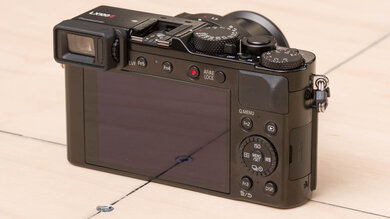
- Body is made of metal and plastic, though feels less premium than the Leica D-Lux 8
- Rear command dial is sluggish and aperture ring is a bit difficult to turn, but the shutter speed dial is sturdy
- Lens dial is overly sensitive, so it's easy to accidentally change a setting
- Zoom toggle is highly sensitive, so it's easy to shift focal length by mistake
- Buttons are small but offer good physical feedback
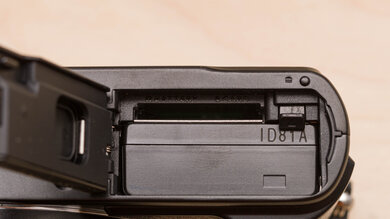
- Battery and SD card compartment is covered by a locking hinged door
- Inputs covered by a solid plastic hinged door

If you want a similar camera with a slightly different design and color options, including a limited 007 edition, check out the Leica D-Lux 7.
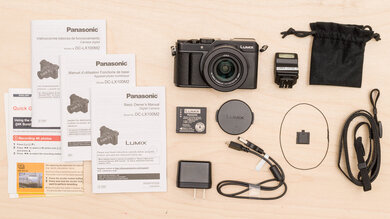
- Panasonic LUMIX LX100 II camera
- Lens cap
- Lens cap string
- Shoulder strap
- Hot shoe cover
- External flash
- DMW-BLG10PP battery
- AC adapter
- USB-A to micro-USB cable
- Storage pouch for flash
- User manual
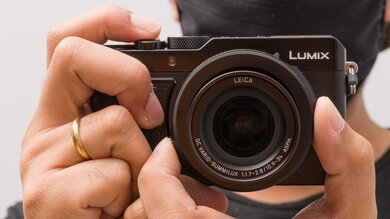
- Camera is small and lightweight, though it may be uncomfortable to use for those with larger hands
- Includes a small handgrip with a slightly rubberized texture and a small thumb rest on the back
- Lens is compact but includes many physical controls, so it can feel a bit crowded and hard to use
- Due to its small size and extensive physical controls, it's hard to find a comfortable grip where you can be sure you won't accidentally press an input or change a setting by mistake
- Fixed touchscreen is highly sensitive, so it's easy to change focus points by mistake
- Dedicated video button makes it easy to start recording video on the fly
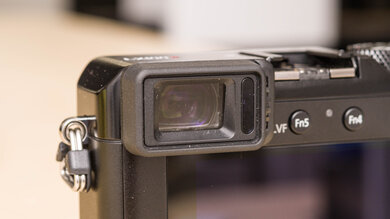
- Viewfinder is very small and not the most comfortable to use
- Can't access SD card while mounted on a tripod

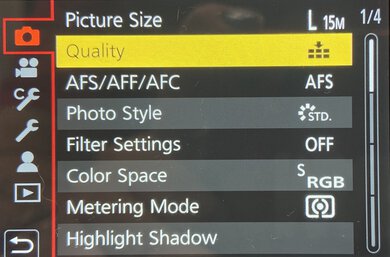
- Menu and Q menu are easy to navigate using touchscreen and physical buttons
- Q menu gives quick access to commonly used settings like ISO, drive mode, and exposure compensation
- Includes five customizable buttons and three customizable tabs on the screen
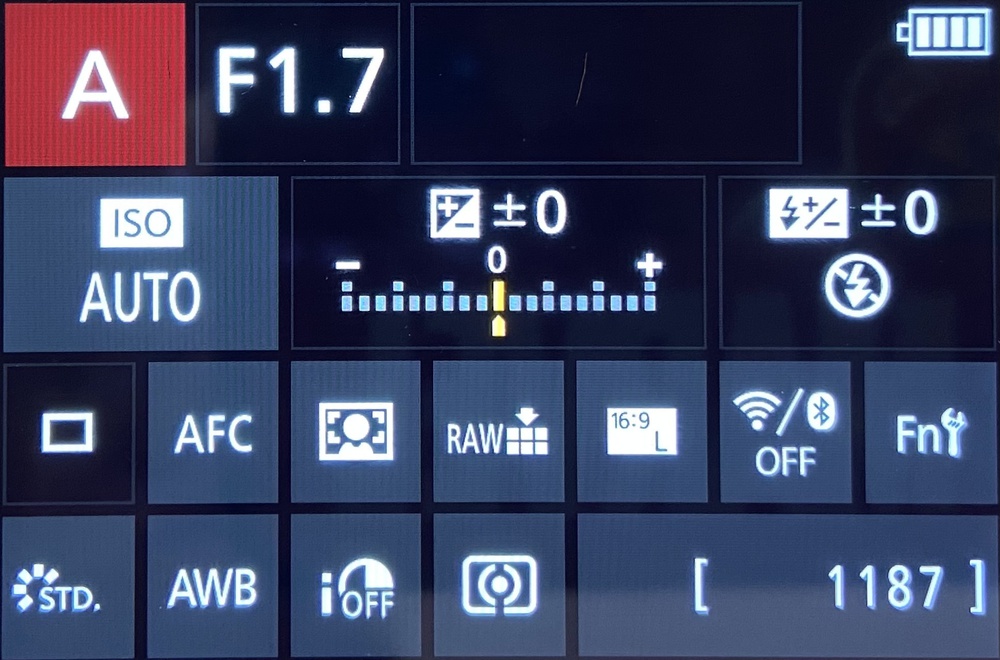
- Display option to show all settings at once, as you can see here, though enabling this prevents you from using live view or the viewfinder
- Guide mode to explain features and settings, easily toggled by pressing the 'Display' button while navigating the menu
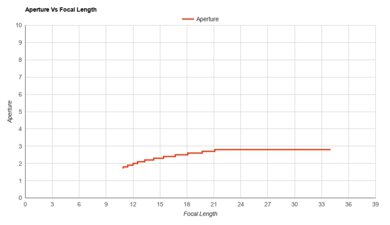

Note: While this camera has a Micro Four Thirds sensor, it uses only about 85 percent of its sensor, cropping photos down to different aspect ratios without reducing the field of view.








Note: AVCHD format is only available in FHD resolution at 60p, 60i, 30p, or 24p.