The Leica D-Lux 8 is a premium point-and-shoot camera. While the Leica D-Lux 7 was largely just a re-skinned Panasonic LUMIX LX100 II, the D-Lux 8 feels like a proper iteration of the format, which is nice to see seven years after the LX100 II's initial release. With a sleeker, more Leica-like body, including a new user interface and simplified controls that include a dedicated aperture ring, aspect ratio switch, and shutter speed dial, the camera gives you a hands-on shooting experience that's often lacking with compact cameras and smartphones. Like its predecessors, it uses a multi-aspect sensor that lets you crop into different aspect ratios without changing the angle of view, but new processing power gives it a few improvements beyond just the cosmetic changes. Having said that, this is still largely the same camera, and it still comes with a steep Leica price tag.
Our Verdict
The Leica D-Lux 8 is decent for travel photography. It's highly portable and easy to take out and about, which is great for travel. It also has a very versatile zoom range, a relatively large sensor with a unique multi-aspect design, and sleekly designed, intuitive controls. That said, while its autofocus is fine for single shooting, it struggles to track moving subjects continuously, especially in busier settings. Its fixed screen can be a bit limiting as well, and it doesn't get overly bright to fight glare on sunny days. Finally, while overall image quality is decent, the camera struggles a bit in low light and doesn't have the widest dynamic range. Though it feels well-built and is made of premium materials, there's no weather sealing, either.
Very portable.
Fairly versatile zoom range.
Well-constructed with premium materials.
Intuitive user interface and controls.
Mediocre noise handling.
Poor AF-C subject tracking.
Small size and lack of handgrip aren't the most ergonomic.
The Leica D-Lux 8 is decent for landscape photography. It captures decent RAW image quality for its class, but it doesn't have the widest dynamic range to capture more detail in high-contrast scenes and struggles a bit with noise in low light. Its built-in zoom lens can shoot at a fairly wide 24mm equivalent focal length, but you won't be able to capture anything wider. On the upside, the camera is well-built, though it lacks weather sealing, and is highly portable, making it easy to take on the go. However, its lack of a handgrip and compact size make for lackluster ergonomics overall.
Good dynamic range.
Very portable.
Well-constructed with premium materials.
Intuitive user interface and controls.
Mediocre noise handling.
Lacks very wide angle focal lengths.
Small size and lack of handgrip aren't the most ergonomic.
The Leica D-Lux 8 isn't intended for sports and wildlife photography. Its biggest limitation is its built-in lens. While it offers a bit of zoom range, its zoom is very slow, and with a max 75mm equivalent focal length, it doesn't have enough reach for far-away subjects. Its subject tracking AF is also unreliable, especially with faster-moving subjects like birds or athletes. On top of that, it doesn't have the best ergonomics for action photography, with no handgrip and a small viewfinder. If you rely on burst shooting, it's also limited to a speed of just 2 fps when using AF-C, and its buffer is very small for RAW files.
Very portable.
Well-constructed with premium materials.
Intuitive user interface and controls.
Lacks telephoto focal lengths for far-away subjects.
Poor AF-C subject tracking.
Very slow max burst rate with AF-C.
Small image buffer.
Small size and lack of handgrip aren't the most ergonomic.
The Leica D-Lux 8 isn't intended for vlogging. It lacks an articulating screen, so there's no way to monitor yourself, and there are no inputs for video peripherals like a mic or headphone jack. While it's fine for capturing short clips and additional footage, this camera simply isn't designed for extensive video recording.
Very portable.
Limited video features.
Fixed screen.
No mic input or headphone jack.
Video recording time limit.
The Leica D-Lux 8 isn't intended for studio video. It doesn't have any inputs for video peripherals like a headphone jack or mic input. While it can record in 4k at up to 30 fps, the footage is cropped, and bit rates are limited, resulting in limited flexibility and video quality. Ultimately, this camera isn't meant for advanced video recording.
Very portable.
Limited video features.
No mic input or headphone jack.
Video recording time limit.
The Leica D-Lux 8 isn't intended for POV action videos. Though it's portable and lightweight, it isn't designed for extensive video recording. It has limited frame rate, resolution, and file format/codec options, and there's a short recording time limit.
Very portable.
Limited video features.
No mic input or headphone jack.
Video recording time limit.
The Leica D-Lux 8 captures decent RAW image quality. It has good dynamic range to capture a fairly wide array of shadow and highlight detail, and it captures relatively sharp images. However, its low-light noise handling is mediocre.
Good dynamic range.
Mediocre noise handling.
Performance Usages
Changelog
- Updated Aug 11, 2026: We've updated this review to Test Bench 0.13.1. The Sample Picture Gallery, 4K/FHD Video Quality, and Luminosity Patch Detection Chart have been removed, and our Video Dynamic Range test has been streamlined. You can see the full changelog summarizing these changes.
- Updated Feb 07, 2025: Review published.
- Updated Feb 03, 2025: Early access published.
- Updated Jan 22, 2025: Our testers have started testing this product.
Check Price
Differences Between Sizes And Variants
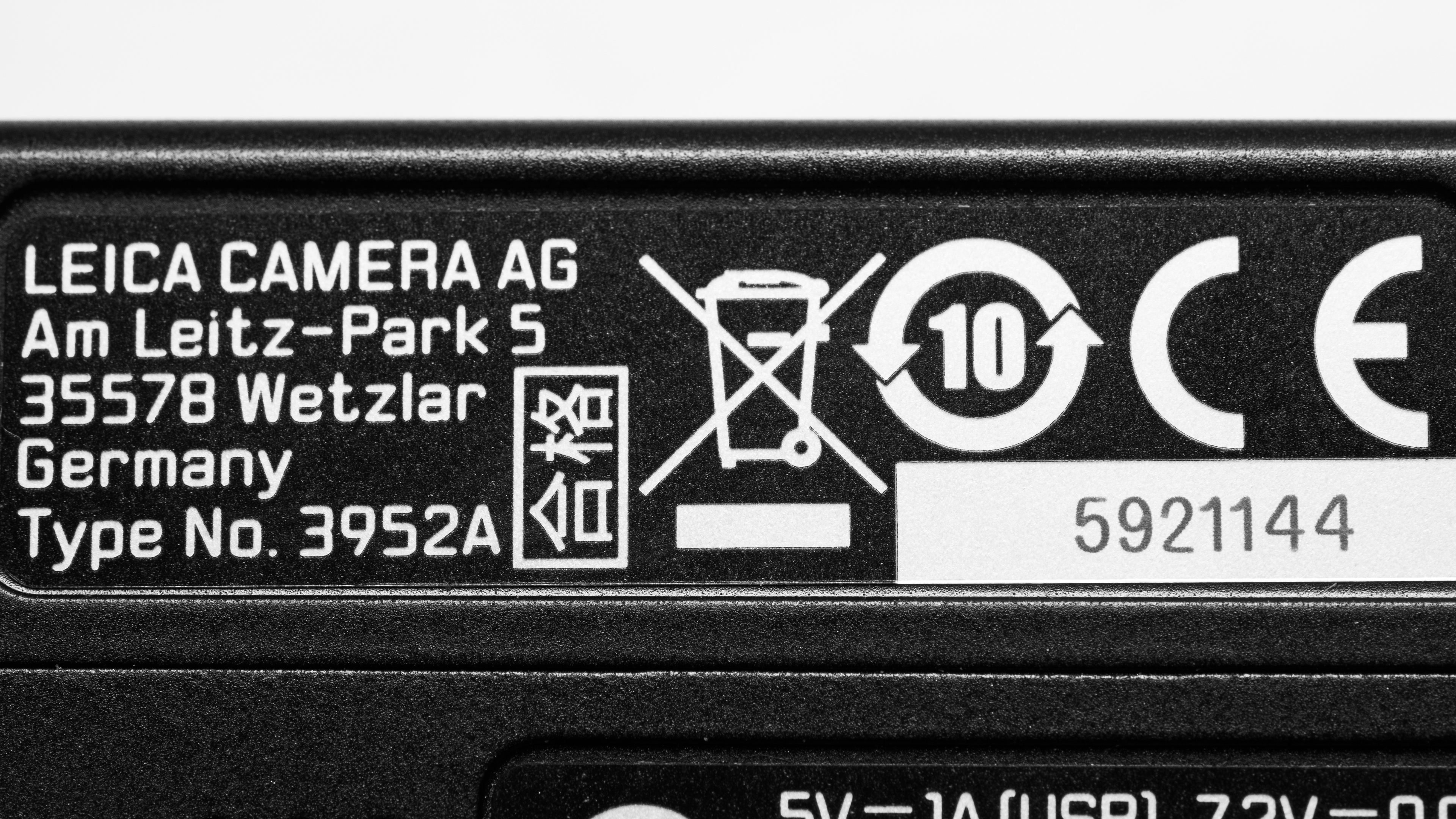
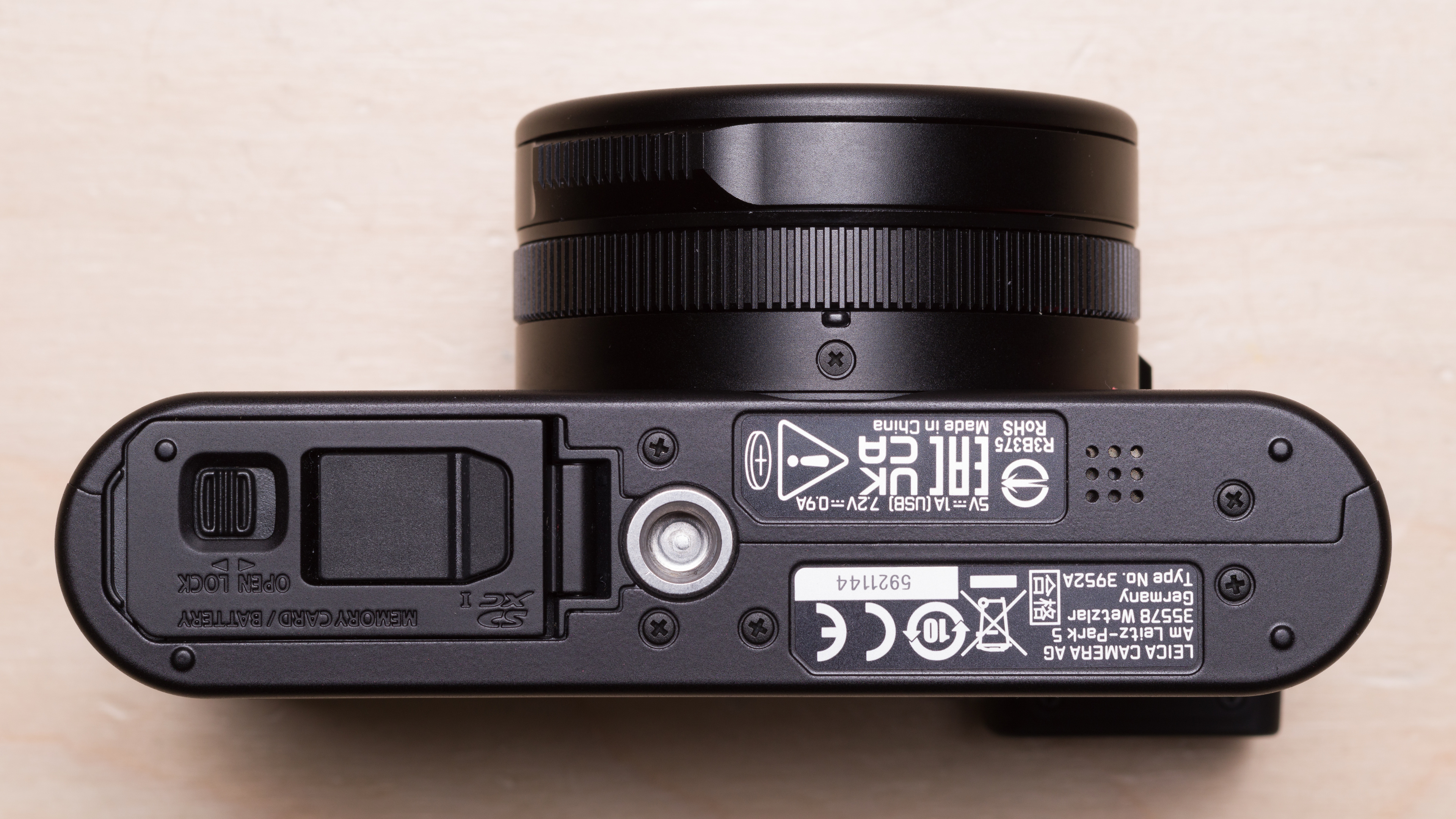
The Leica D-Lux 8 comes in one color: Black. Here's our unit's label.
If you come across another variant, let us know in the comments, and we'll update our review.
Popular Camera Comparisons
Premium compact cameras like the Leica D-Lux 8 are more in demand than ever. More than just a re-branded Panasonic LUMIX LX100 II, the D-Lux 8 feels like it truly embodies some of the design principles that Leica is known for, resulting in a significantly revamped version of the Leica D-Lux 7. However, it's still using the same sensor and lens. Beyond that, it's much more expensive than most point-and-shoot cameras, with some downsides compared to perennial favorites like the Fujifilm X100VI (and predecessors), including a smaller sensor and fixed screen, as well as outdated video features.
For other options, check out our recommendations for the best point-and-shoot cameras, the best cameras for street photography, and the best compact travel cameras.
While these are both premium, in-demand compact cameras, the Fujifilm X100VI is better than the Leica D-Lux 8 overall. It's less portable, but it has a larger APS-C sensor with a higher resolution and higher-quality prime lens, and thus captures better overall image quality. It also has significantly better video features, as well as a hybrid optical/electronic viewfinder.
The Leica D-Lux 8 is a step up from the Leica D-Lux 7. While it still uses the same sensor and lens, it has a new processor and revamped design that gives it more of a true Leica feel. Streamlined and more intuitive controls make for a better overall shooting experience, and the added processing power gives it slightly better autofocus performance. Otherwise, you'll get roughly the same image quality and performance with both cameras.
The RICOH GR III is better overall than the Leica D-Lux 8, especially if image quality is a priority. That's because of its larger sensor and better prime lens. It's also more pocketable, with a minimalist design. That said, if you prefer to have a bit of zoom range and more physical controls, the Leica is not a bad option, though the RICOH offers better value.
The Leica D-Lux 8, like its predecessor, is based on the Panasonic LUMIX LX100 II, using the same sensor and lens combo. However, the Leica offers some key improvements, including a new processor, slightly improved autofocus performance, and a sleeker design with more intuitive user interface and controls.
Test Results
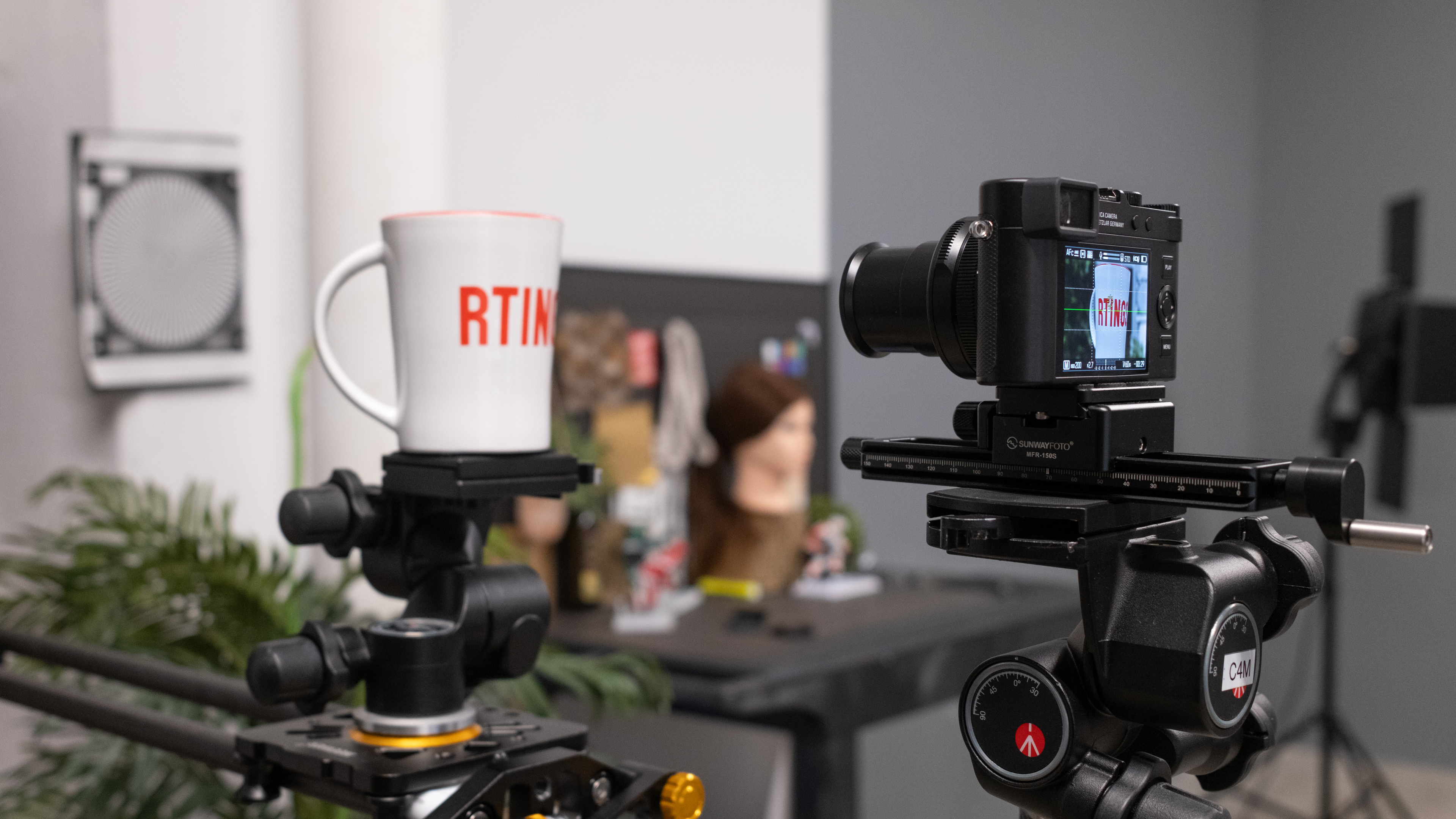
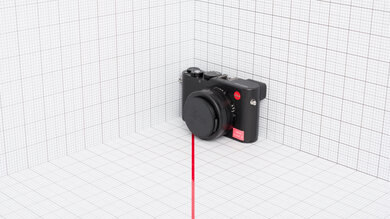
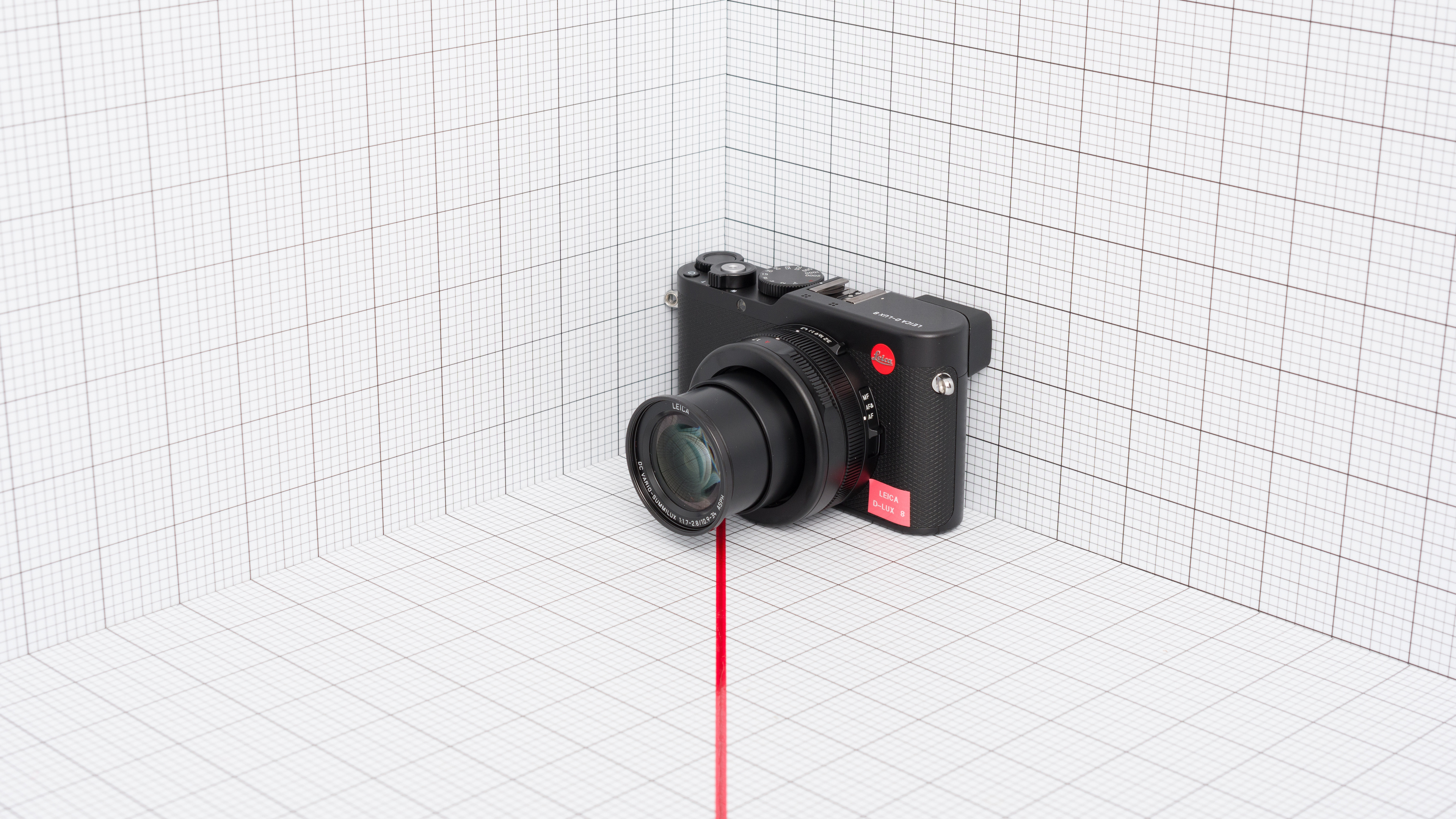
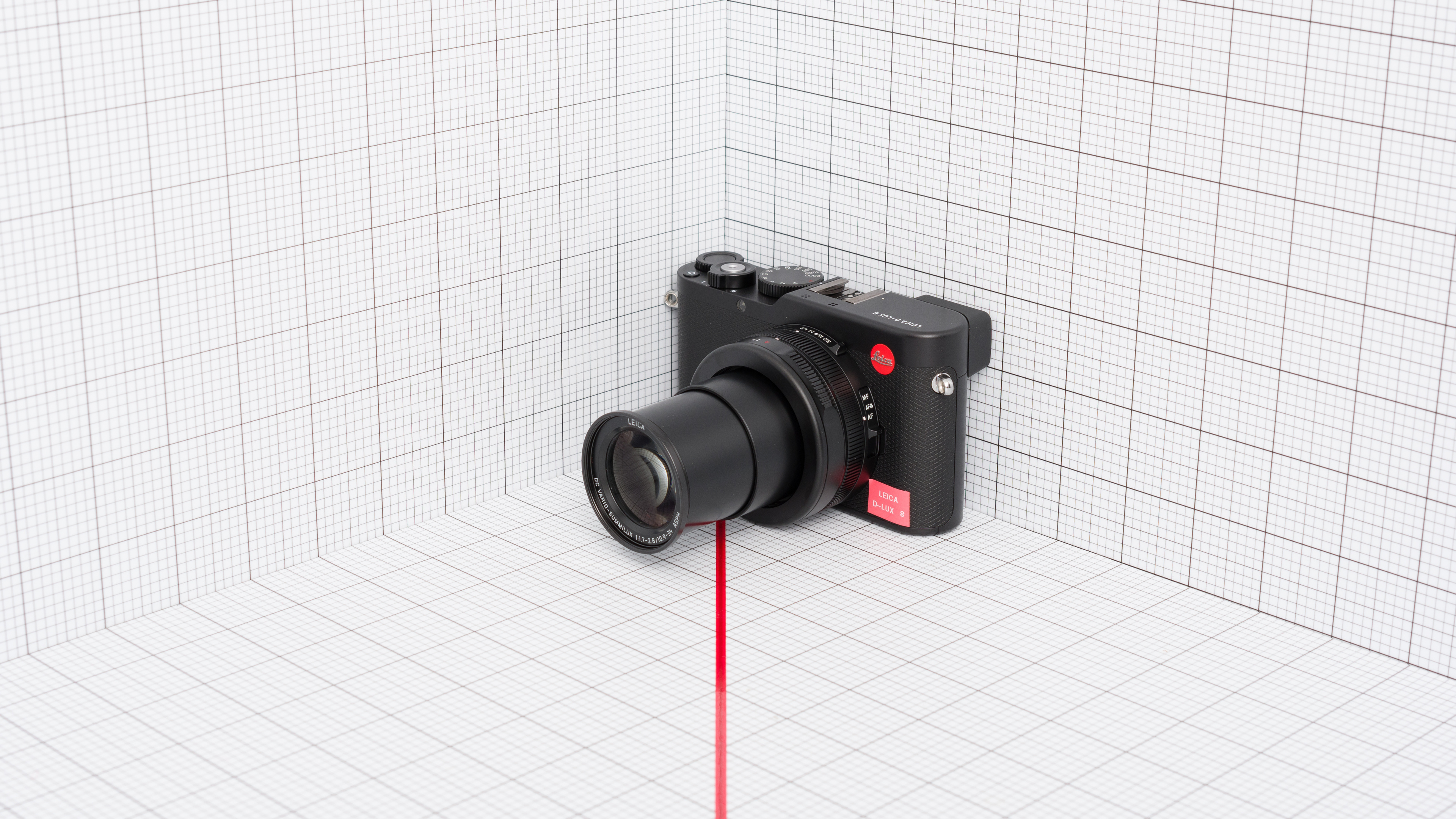
The Leica D-Lux 8 is a very portable camera. Among point-and-shoots, it isn't as pocketable as something like the RICOH GR III or the Sony RX100 VII, but it's still very small and lightweight overall, making it easy to take on the go. The built-in lens has a retractable design, making it a bit simpler to store when turned off, as opposed to when the camera is turned on. Even with its lens fully extended, it's quite portable.
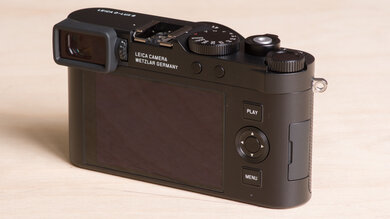
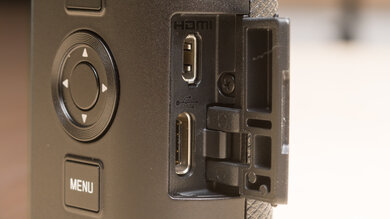
The camera's build quality is good overall. It feels solid and is made of premium materials, with a full metal housing made of die-cast magnesium, covered in a premium-feeling leatherette on the front of the camera for grip. The strap attachment points are fixed metal, so there's no rattling. All of the buttons and dials turn easily but don't feel loose or flimsy. The battery and SD card slot are covered by a locking hinged door on the bottom of the camera, while the inputs on the side use a simple rubber cover, unlike the more solid spring-loaded cover on the Leica D-Lux 7, but it still does the job. The biggest downside is that the camera doesn't have any weather sealing, but overall it feels very premium and well-built.
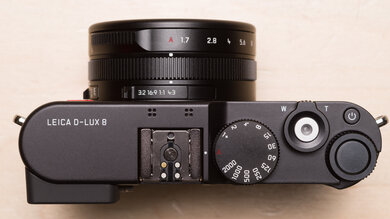
It's worth noting that the max 1/4000s shutter speed is only achievable with the mechanical shutter when shooting at focal lengths between 24 and 29mm, so anything beyond that will limit your shutter speed options. However, using the electronic shutter allows you to shoot at any shutter speed.
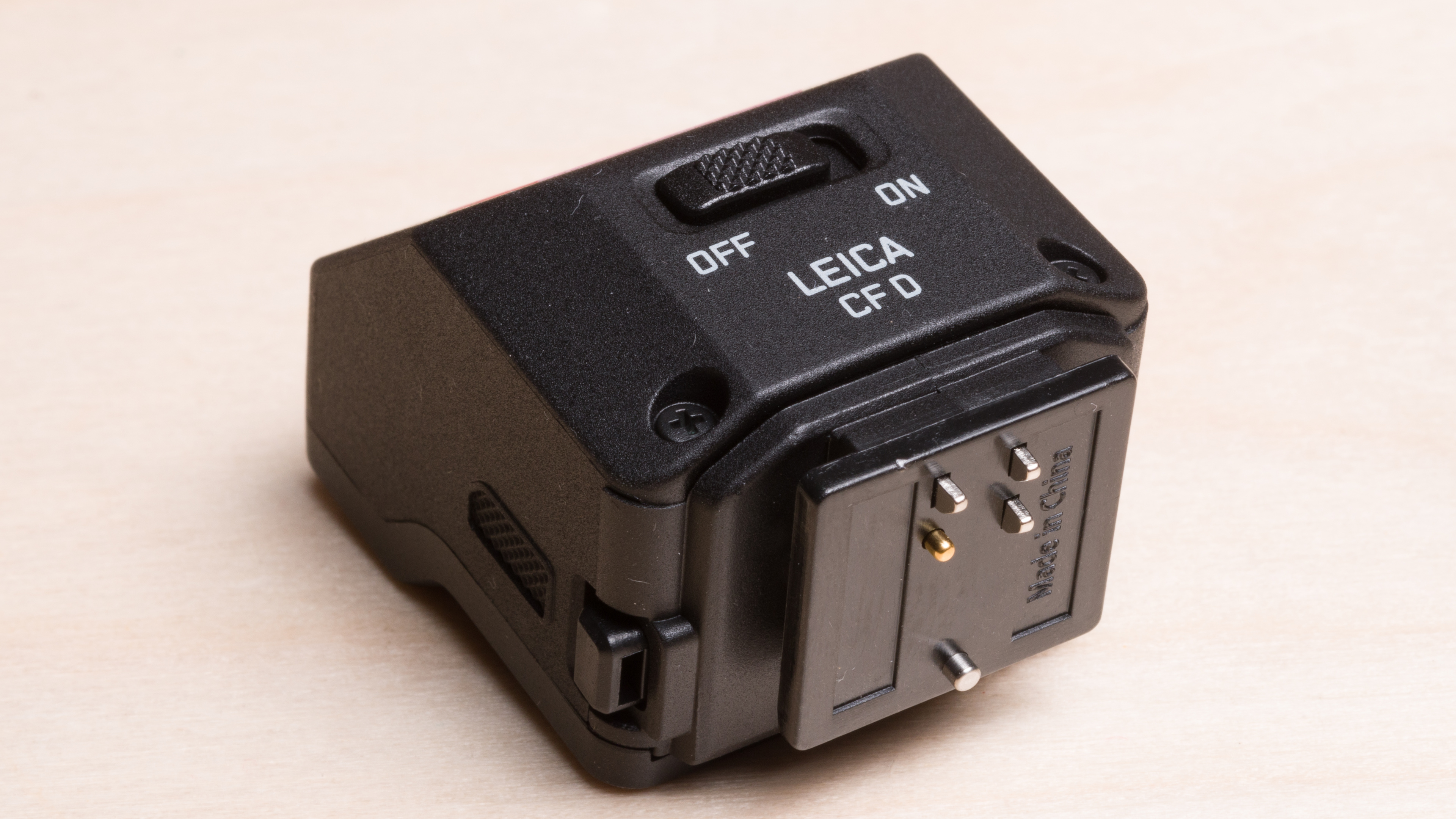
The camera comes with a small external flash that can be mounted to the hot shoe.
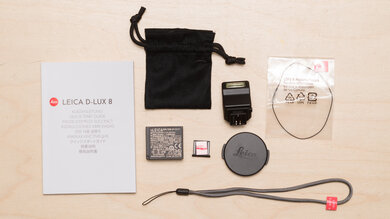
- Lens cap
- Lens cap string
- Wrist strap
- Hot shoe cover
- Leica CF D flash unit
- Storage pouch for flash
- Leica BP-DC15-U battery
- Quick start guide
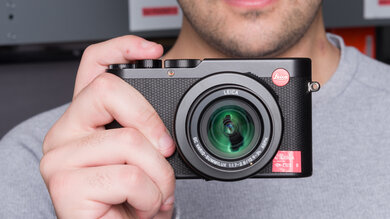
The Leica D-Lux 8 has okay ergonomics, but its compact size and lack of handgrip make it feel a bit cramped and slippery. Unlike the Leica D-Lux 7 or the Panasonic LUMIX LX100 II, there's no thumb rest on the back—traded for a sleeker, more Leica-esque design with cleaner lines and rounded edges—but that makes it feel less comfortable and secure in the hand. On the upside, the leatherette on the front of the camera offers some texture and grip.
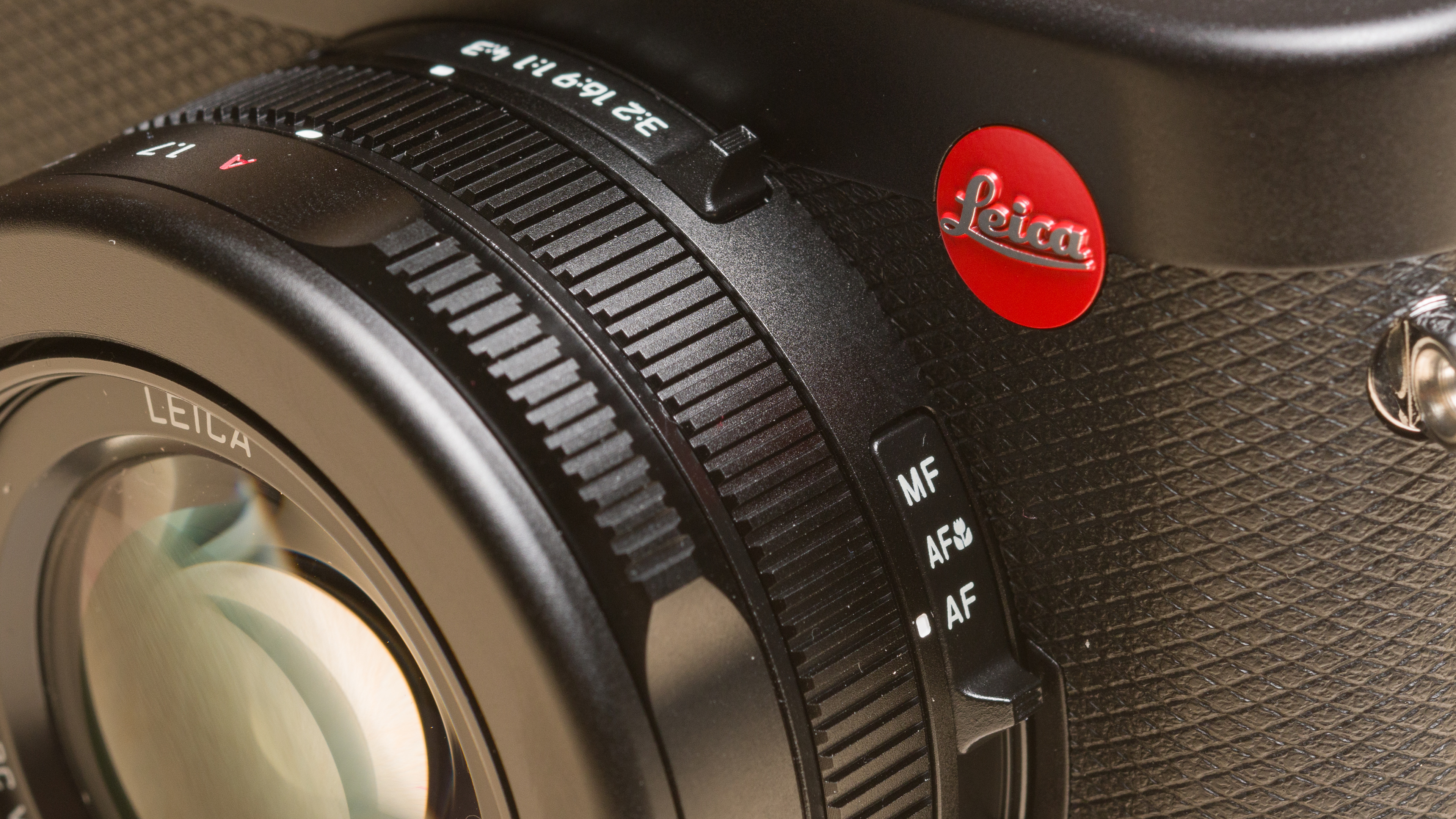
The buttons are fairly large, and the dedicated shutter speed dial, aperture ring around the lens, as well as the physical switches for focus and aspect ratio, make it easy to adjust relevant settings without diving into menus. The function buttons and most other controls can be customized as well.
That said, there are some functions that are a bit more complex. For instance, by default, changing ISO requires a press of a button on the thumb wheel and then turning the command dial. Shutter speed adjustments with the dedicated dial are also limited to full stop adjustments, so anything in between standard shutter speeds is a bit more involved to change. The On/Off button is oddly placed as well, as it's in a spot that's easy to accidentally press, but given there's less real estate on the camera for button placement, it's not unsurprising. Finally, the zoom toggle is quite slow, so if you need to quickly change your focal length, it's quite inconvenient.
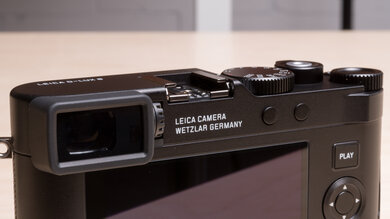
The electronic viewfinder (EVF) is quite small and isn't the most comfortable to use. It has a slightly lower resolution than the EVF on the Leica D-Lux 7 and the Panasonic LUMIX LX100 II. At 2.36 million dots, however, it's pretty standard, and it now uses an OLED panel, rather than a field-sequential LCD, as its predecessors do. A small fraction of people can perceive a distracting "rainbow effect" or colored flickering on field-sequential viewfinders, so the smoother, higher refresh rate OLED display is a welcome trade-off for slightly less resolution.
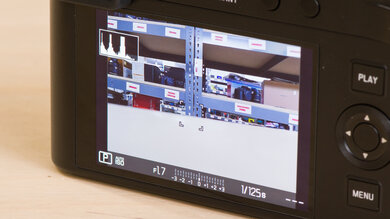
The screen is fixed, which can be a bit limiting if shooting at different angles. Thankfully, it has a relatively high resolution, so images look crisp when using the screen. That said, it doesn't get as bright as either the Leica D-Lux 7 or the Panasonic LUMIX LX100 II.
You can't use the touchscreen to navigate the main menu, but you can use it for quick menu selection, as well as focus point selection and shutter actuation. There are additional functions through swipes, taps, and gestures when in shooting mode and playback mode, such as double-tapping to zoom in while reviewing an image or pinching to change the size of your AF frame. The full list of touch controls can be found in the user manual.
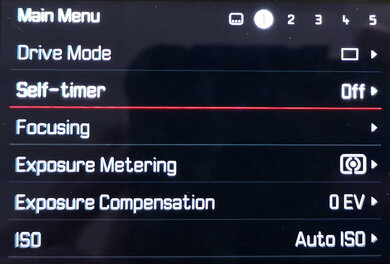
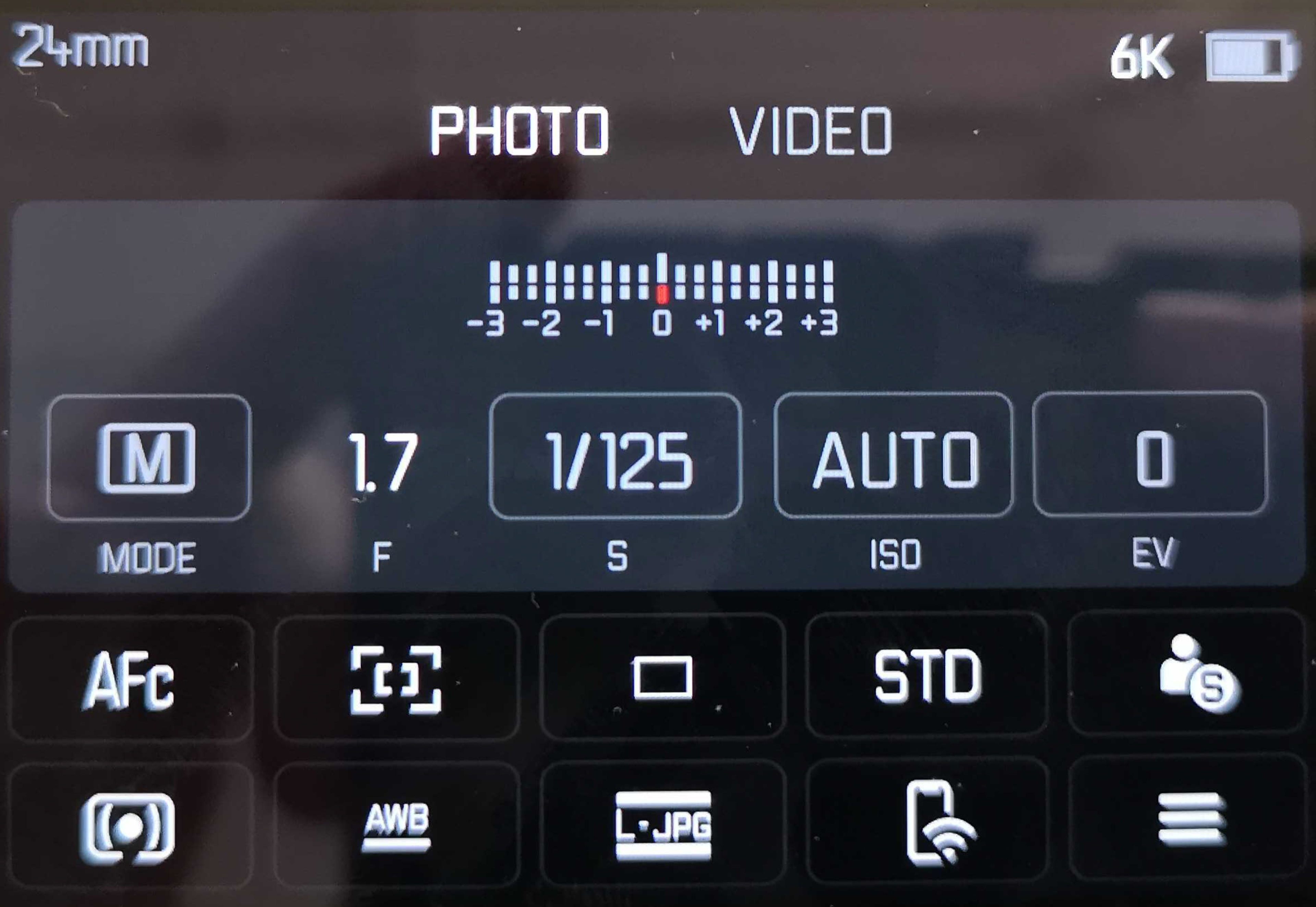
Rather than porting over the Panasonic menu system as Leica did with the Leica D-Lux 7, the D-Lux 8 has an entirely revamped interface. It's a simple menu that's well-organized and easy to navigate with the D-pad. It also picks up wherever you left off, which is super convenient. The quick menu is great, too, and allows for touch navigation. There's a dedicated photo and video toggle on the quick menu, which makes it really easy to jump from photography to video recording. Overall, it's an incredibly intuitive menu system.
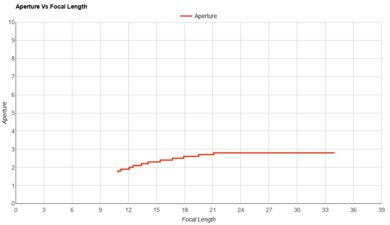

The built-in lens is similar to the one found on the Leica D-Lux 7. It has a variable max aperture of 1.7–2.8, which is great overall, especially compared to most point-and-shoots, as it gives you some added flexibility in dimmer conditions. While it doesn't have a very wide zoom range, it does cover a versatile 24–75mm focal length in full-frame equivalence.
Like its predecessor, the Leica D-Lux 8 uses a Micro Four Thirds sensor with a multi-aspect design. While the sensor technically has a 21-megapixel resolution in total, it only has an effective resolution of 17 megapixels because of the multi-aspect design. The camera allows you to shoot at different aspect ratios without affecting the angle of view by using a smaller lens opening than the full sensor. When switching aspect ratios, this applies not just to JPEGs but RAW files as well.
Leica doesn't specify a CIPA-rated battery life for the D-Lux 8, though it uses the same battery as the Leica D-Lux 7, so you can likely expect a similar battery life of about 340 photos. It's far from terrible, but longer days on the go may require a spare battery or power bank.
In video, the battery lasts for about an hour and a half of 4k video recording, which is decent. However, it doesn't support external power delivery, so you can't extend that if you need to record for longer sessions.
The camera can shoot at a quick max burst rate of 11 fps, though it can't shoot that fast with AF-C, which is unfortunate. If you need to track moving subjects with AF-C, the shooting speed will be limited to 2 fps.
The camera also has a very small buffer, especially if you're shooting RAW files. You'll be able to shoot longer in JPEG but not indefinitely. If you do fill the buffer, it takes quite a while to empty as well, which can slow you down.

The Leica D-Lux 8 has an okay autofocus system, using the same contrast-detection AF as its predecessor. It works okay for static subjects, but when using AF-C, the face/eye detection and tracking can be unreliable. With a farther subject, it may not pick up their face. For our test, we had to manually select the subject's torso. Selecting the head/shoulders resulted in less consistent results. Still, if you need to track a moving subject, you can expect a decent keeper rate with moderate movement, but the camera struggles to nail the focus with quicker or more erratic movements.

If you use a single center focus point, instead of subject tracking, the camera delivers great results. If you can keep your subject under the focus point, you'll get plenty of usable shots, though it doesn't always nail the focus.
There's no built-in sensor stabilization in the camera, but its lens does have optical stabilization. Overall, you can get steady handheld shots at fairly slow shutter speeds. That said, stabilization performance can vary depending on what focal length you're shooting at and how steady your hands are.
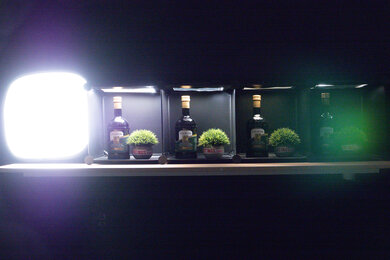
The Leica D-Lux 8 has good overall dynamic range. It can't capture the widest tonal range, but for a point-and-shoot, it's not bad. Its dynamic range doesn't drop off quite as much in low light as its predecessor, either.
Note: In order to test the camera at a shutter speed/exposure time of 1/4000s, we had to use the camera's hybrid mechanical/electronic shutter setting.
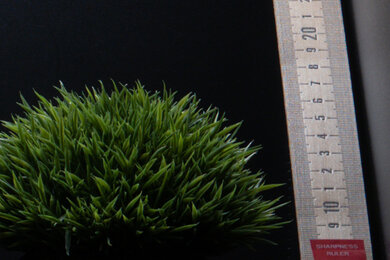
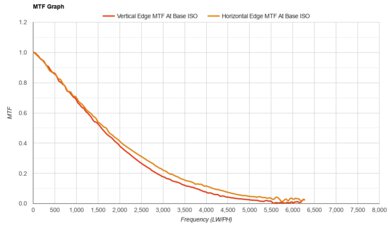
The camera resolves a good amount of fine detail, though it doesn't have the highest effective resolution. The sharpest image we tested was at a full-frame equivalent focal length of 50mm with the aperture set to f/4.

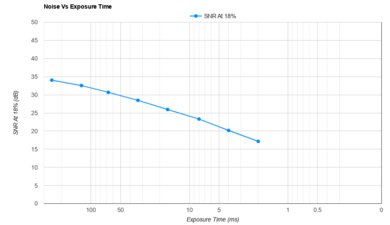
The D-Lux 8 has mediocre noise performance. It doesn't manage noise very well in low-light conditions, especially relative to larger sensor point-and-shoots, like the RICOH GR III.
The Leica D-Lux 8 has limited video features. It can record at up to 4k but doesn't have any advanced features like Log recording or external recording output.
The camera can capture 4k video at up to 30 fps and only with a noticeable crop. While it's okay for everyday videos, there are no high frame rate options for high-speed or slow-motion recording.
The camera's internal recording capabilities are unimpressive. It's limited to 8-bit 4:2:0 video with low bit rates. You can also only record at up to 15 minutes at a time.
The camera's AF performs okay in video mode. Its face/eye tracking does a decent job with moving subjects in 4k, especially with simpler movements and a scene that isn't too busy. It still struggles to keep up seamlessly, though, with some delay to catch up after a subject has moved. The manual tracking, such as when tracking a moving object, is disappointing overall. It's very slow to adjust after the chosen target has moved.
There's heavy rolling shutter distortion in 4k. With quicker panning camera movements, any vertical lines are noticeably skewed, which can be distracting.
The Leica D-Lux 8 can only record 1080p video at 30 or 60 fps. Unfortunately, there's no 24 fps option, but thankfully, there's no crop like there is when recording in 4k.
The camera's internal recording capability is still quite limited in 1080p, with low bit rates and bit depth. The recording time limit is a bit longer than in 4k, at 30 minutes, but it's still an annoyance to have a cap on recording.
The autofocus performs a bit more consistently in 1080p, especially the manual subject tracking. Transitions are a bit smoother and quicker, but there's still some lag when the subject moves. The face and eye tracking is similar to 4k. It's decent overall but still struggles with faster subjects.
Rolling shutter effect is less pronounced in 1080p, but you'll still see skewed lines or wobbling with quick camera movements.
The Leica D-Lux 8 doesn't support Log recording, so its dynamic range in video is limited to about 7 stops regardless of noise. If you need to capture a wide range of highlight and shadow detail or need the flexibility to make adjustments in post, this is not the camera to get. However, it's fine for casual video recording.
Tested settings:
- Resolution: 4k
- Frame Rate: 30 fps
- Log Format: N/A
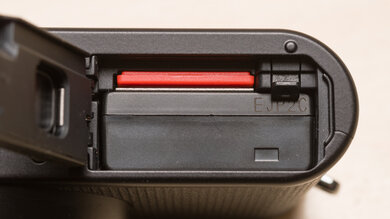
The camera has a single SD card slot, though unlike the Leica D-Lux 7, it now supports faster UHS-II cards. It's located inside the battery compartment on the bottom of the camera.