Headphones come in many different designs but fall into four distinct types: over-ear, on-ear, earbuds, and in-ear. For those who require a more stable fit, there's also the choice of in-ears and open-fit buds with stability fins. They're all available in wired and wireless versions, each with its own strengths and limitations. Generally speaking, wireless over-ears and on-ears will have longer battery lives than their earbud and in-ear counterparts.
Each type of headphone has advantages and disadvantages, which affect how well it will be suited to different environments and conditions. The kind of headphones that will work best for you depends on your preferences, listening habits, and usages.
To help you get started, we've created a flowchart that guides you through different types of headphones based purely on ergonomic preferences like fit and comfort. You can click on the image to see it at a higher resolution. Below that, we weigh up the different strengths and weaknesses of each type in terms of comfort, portability, noise isolation, leakage, and sound.
If you're deliberating between on-ears and over-ears specifically, you can check out our over-ears vs on-ears article, where we deep dive into the pros and cons of both of these styles.

Test results
Over-ear headphones
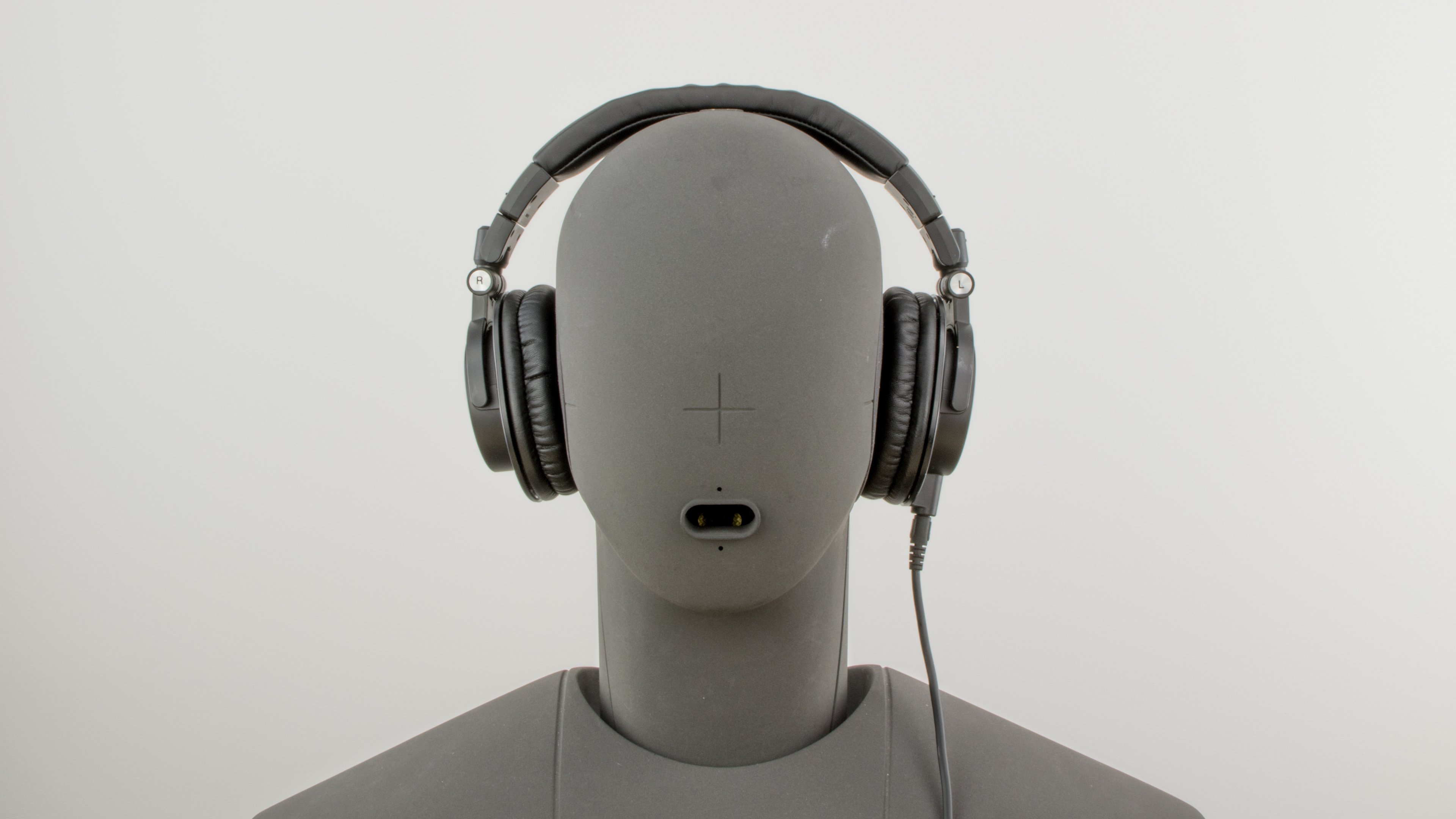
What are over-ear headphones? Over-ear headphones typically have thick headbands and large ear cups that fully encompass the ears.
Who should buy over-ear headphones? Listeners who want an easy-to-achieve, comfortable fit and don't mind the larger headphone size. Over-ears also allow for greater interaction with the pinna (outer-ear), which can contribute to the perception of a larger soundstage more than other headphone types. They also provide a certain level of passive isolation, as their ear cups can attenuate some external noise.
You can see our best over-ear headphones here.
On-ear Headphones
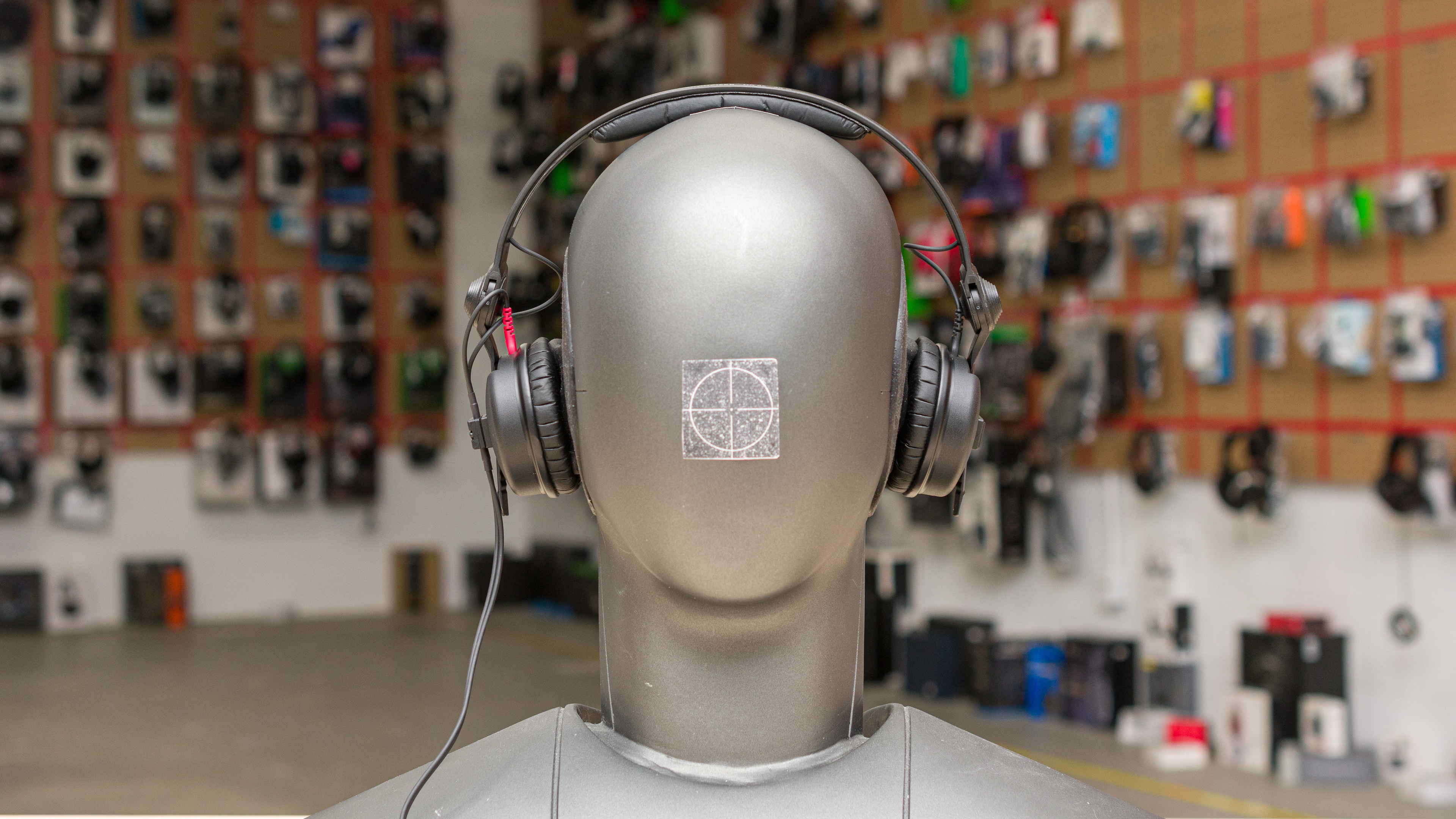
What are on-ear headphones? On-ear headphones are usually more compact than over-ear designs. They have smaller ear cups that rest on the ears and produce slightly less bass.
Who should buy on-ear headphones? Listeners who want a decently comfortable fit in a more compact design. On-ears are also favored by DJs as many feature rotating ear cups that allow you to beat match with one ear.
You can see our best on-ear headphones here.
Earbuds
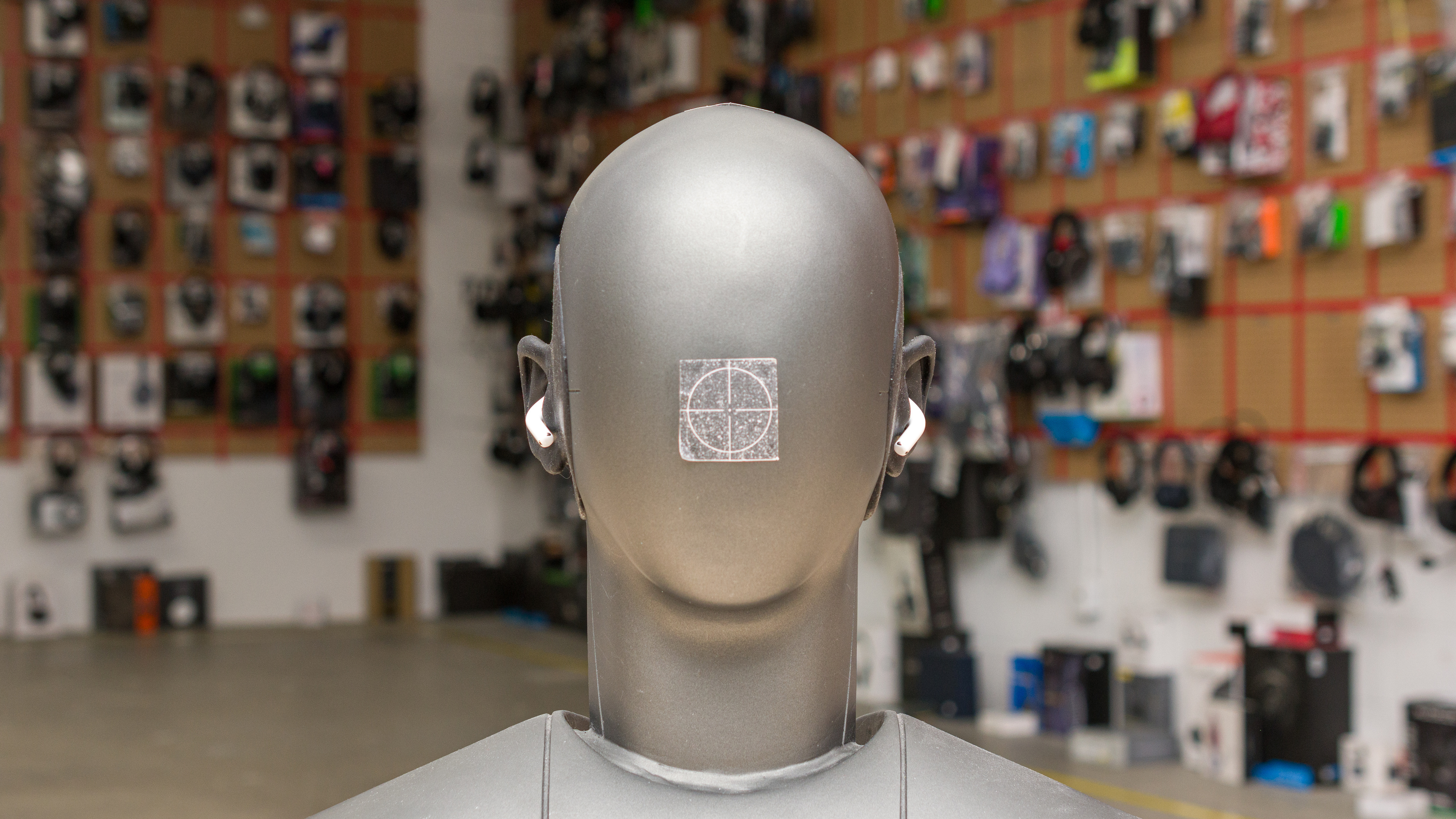
What are earbuds? Earbuds are small, ultra-portable headphones with earbud tips that rest at the edge of the ear canal. They come in wired and wireless variants, as well as open-fit varieties that attach themselves to your outer ear, often via stability fins.
Who should buy earbuds? Listeners who want an ultra-portable design and find an in-ear fit uncomfortable.
You can see our best earbuds/in-ear headphones here.
In-ears
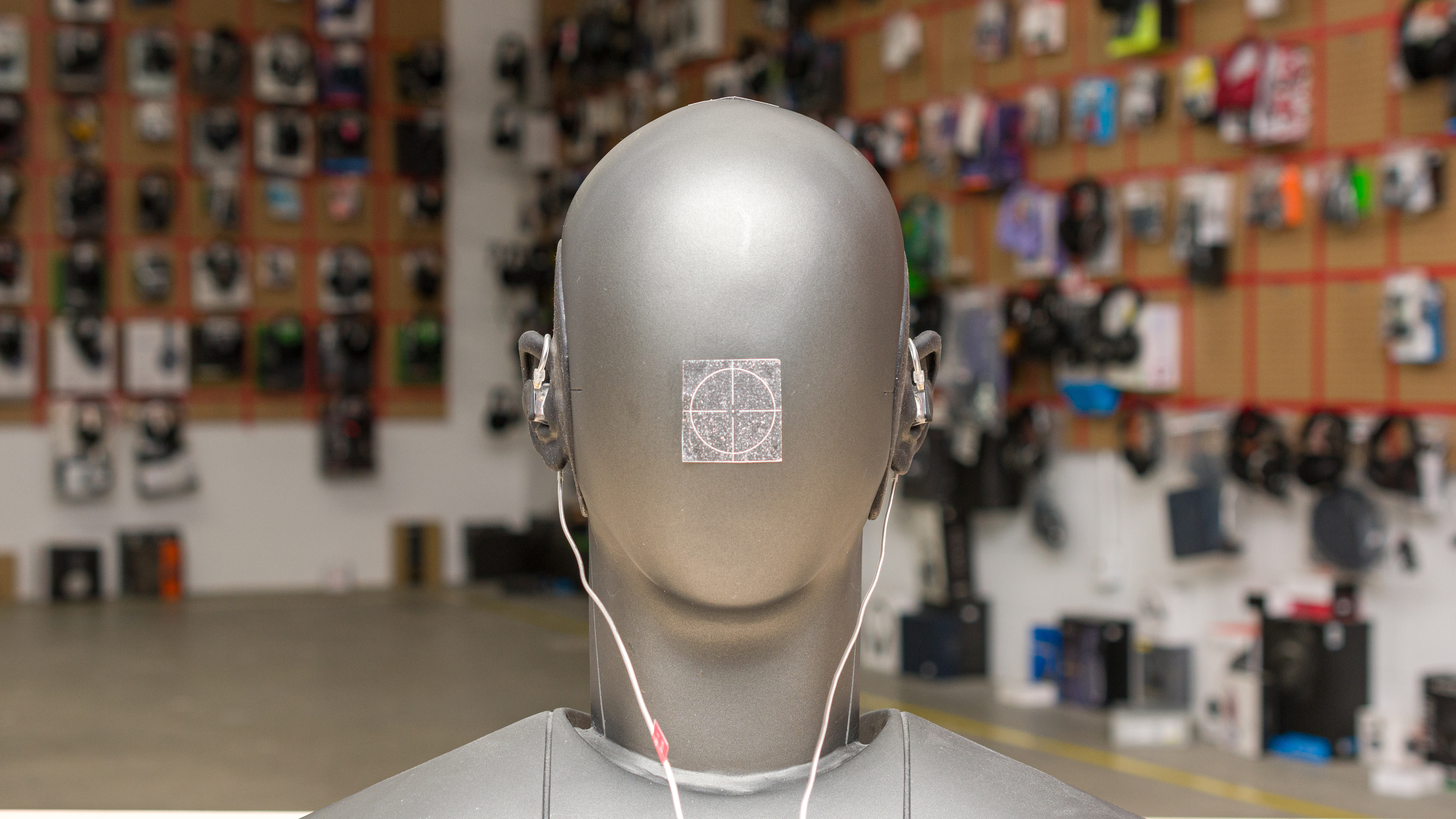
What are in-ear headphones? In-ear headphones are also ultra-portable with small earbud tips, which are inserted into the ear canal. They're sometimes referred to as in-ear monitors (IEMs), especially if they're wired. There are also fitness-oriented versions that come with handy stability hooks to secure them to your ear.
Who should buy in-ear headphones? Listeners who want an ultra-portable design and are comfortable with the in-ear fit. In-ears also provide some passive noise isolation as they block your ear canal, which can be helpful if you're trying to focus.
You can see our best earbuds/in-ear headphones here.
The different types of headphones are compared based on comfort, portability, noise isolation, leakage, and sound. This comparison, however, doesn't take into account the open-back variations of these headphones. Check our open vs. closed article to see which enclosure type will be most suitable for you.
Comfort
 |
 |
 |
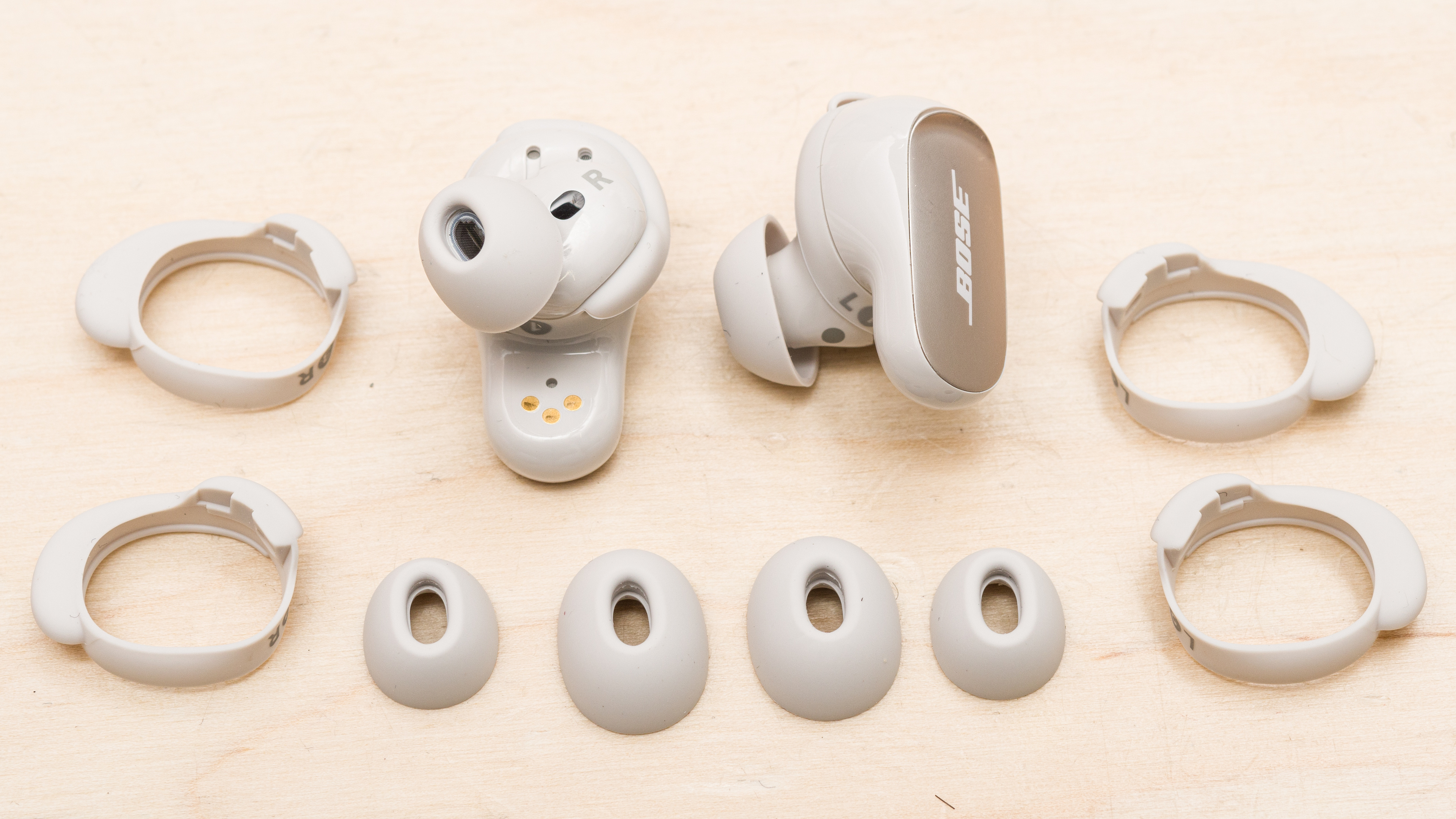 |
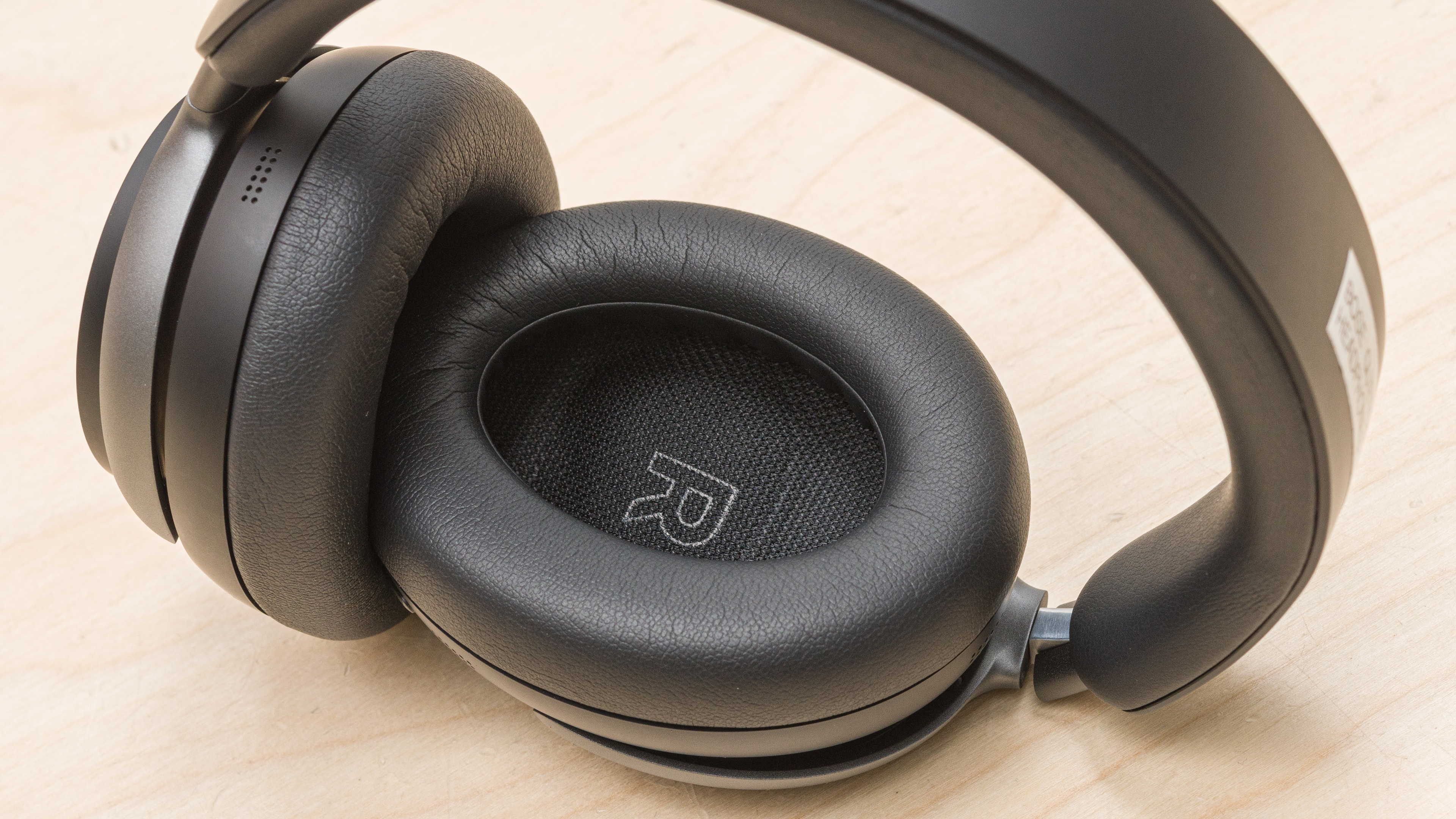
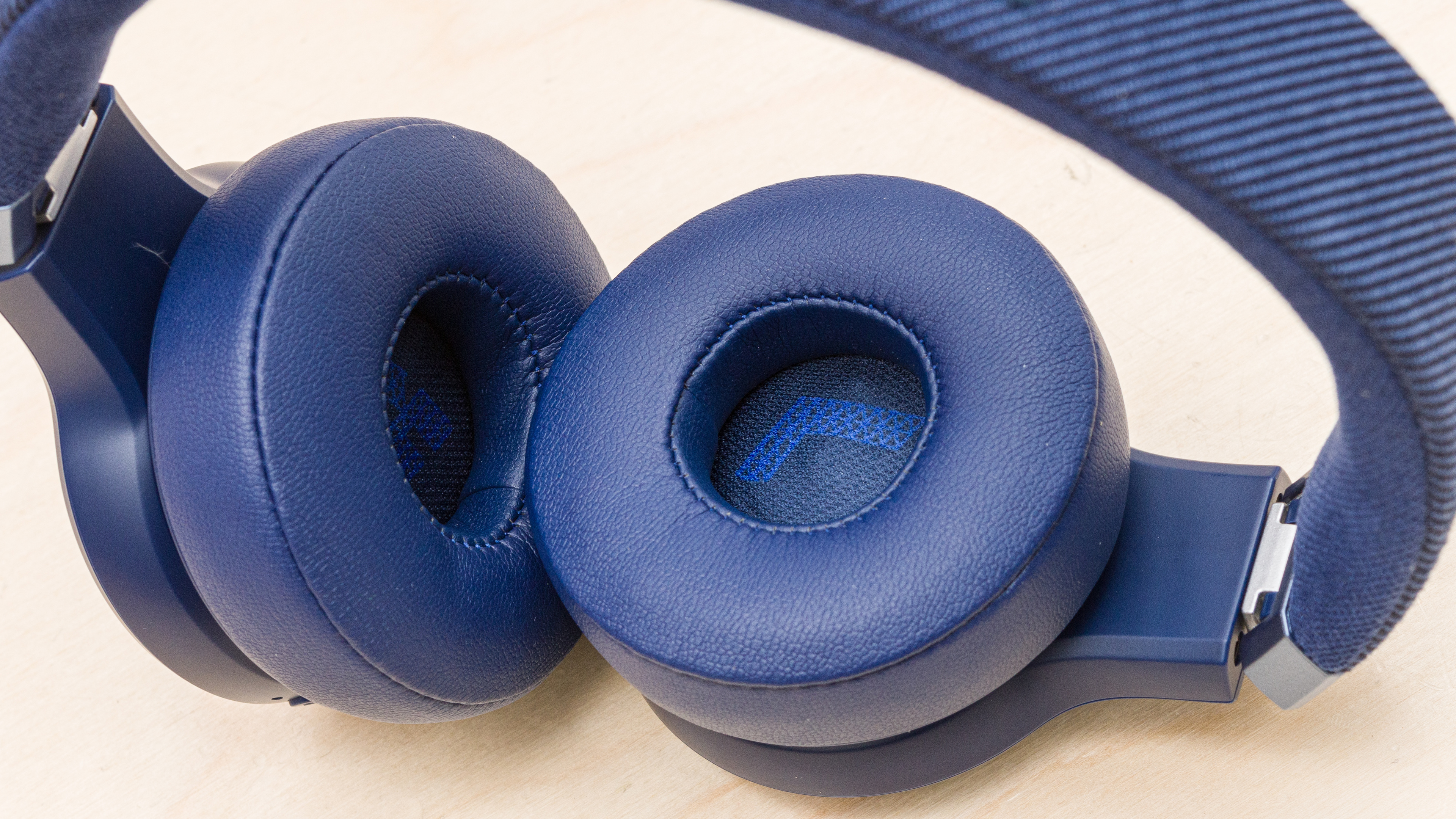
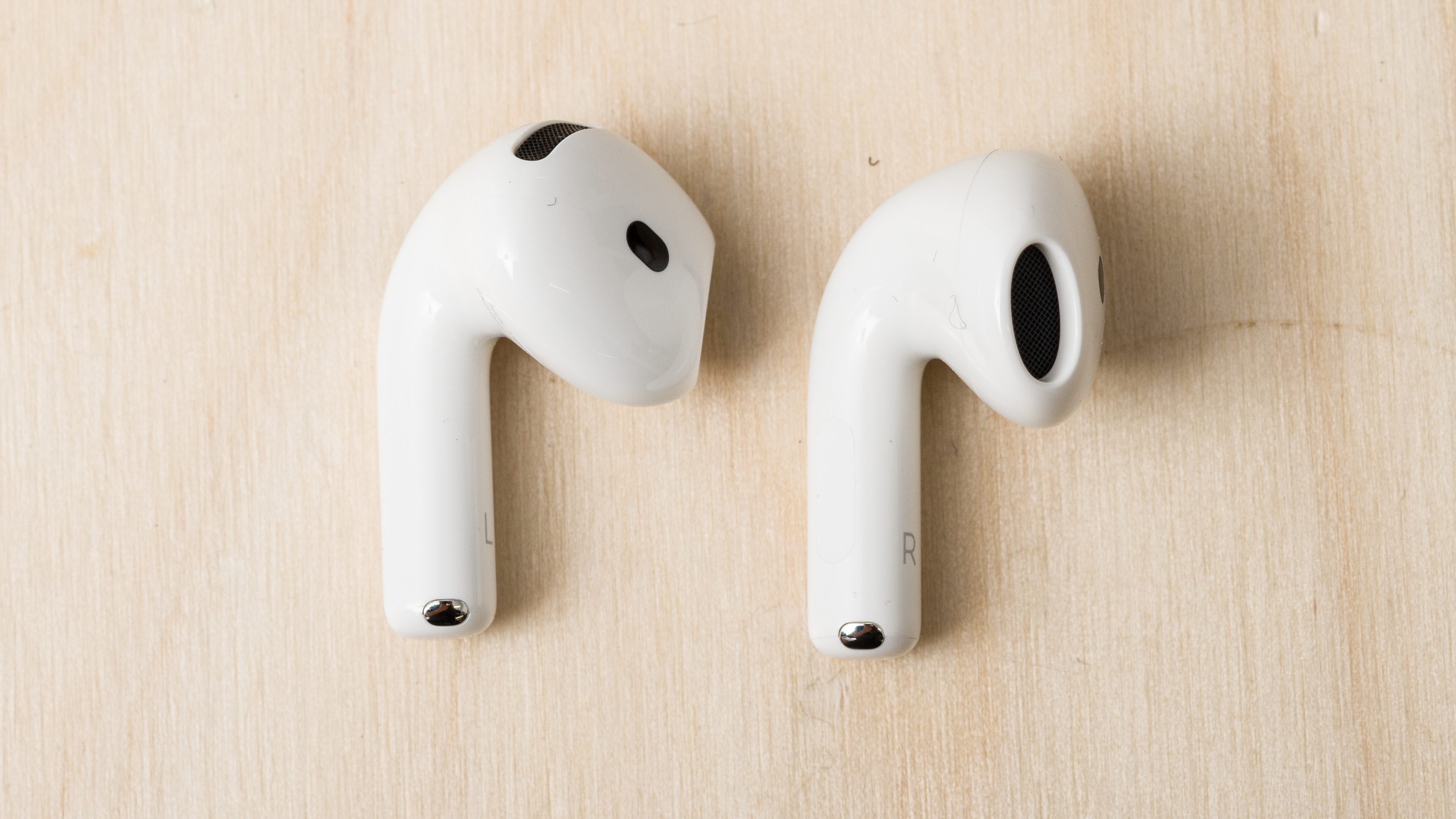
Comfort refers to how well a pair of headphones can be worn for extended periods without causing pain, pressure, or fatigue. It's a subjective quality that depends on factors like head shape, ear size, and your ability to achieve the intended fit. Comfort is particularly important if you plan on using your headphones for long periods of time, such as when gaming, mixing audio, or taking long trips.
Results: Over-ear headphones are typically the most comfortable design. They are easy to wear, usually well-padded, and don't apply as much pressure to your ears as on-ear models. On-ear headphones are usually lightweight and easy to wear, but they press directly against the ears, which can cause discomfort during longer sessions.
The in-ear design, on the other hand, inserts directly into the ear canal, which can be intrusive or uncomfortable depending on the listener's sensitivity and the quality of the fit. Earbuds rest at the entrance of the ear rather than going inside the canal or over the head. While they don't exert much pressure, they often struggle to achieve a secure, stable fit, which can impact long-term comfort.
Portability
 |
 |
 |
 |
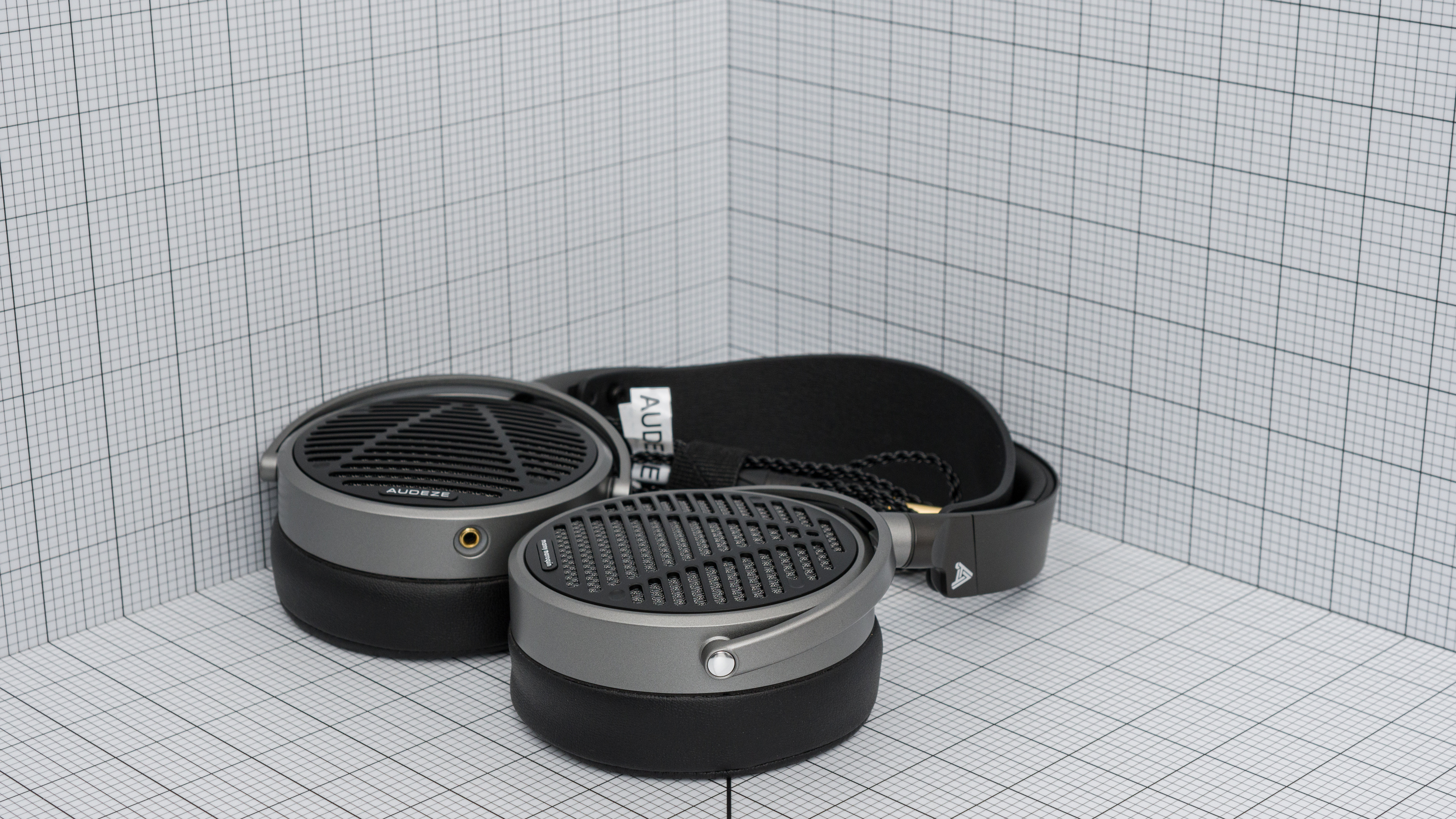
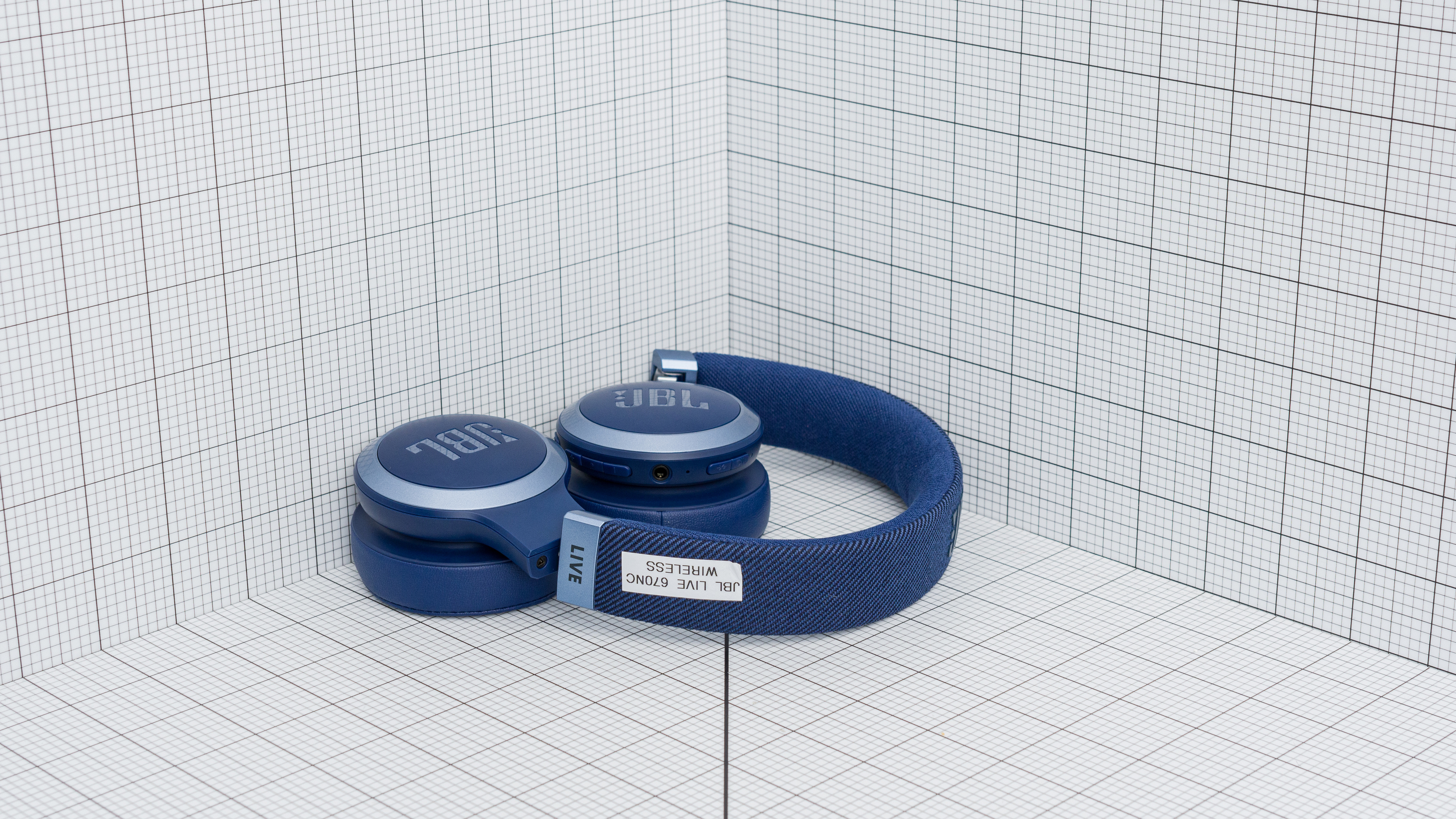
Portability refers to how easy it is to transport a pair of headphones. This includes the amount of space they take up (including when folded) and how convenient they are to carry day-to-day. While some models come with cases or pouches, these accessories vary by manufacturer and aren't considered in this comparison.
Results: In-ears and earbuds are the most portable types of headphones. Their small size makes them easy to carry in pockets or bags. On the other hand, over-ear headphones are much bulkier and occupy a larger volume of space than all other designs, even if some models fold up for easier transport. On-ear headphones have varying sizes and are more compact and easier to carry than over-ear headphones, but they are still bulkier than earbuds and in-ears.
You can learn more about how we test for portability here.
Noise Isolation
 |
 |
 |
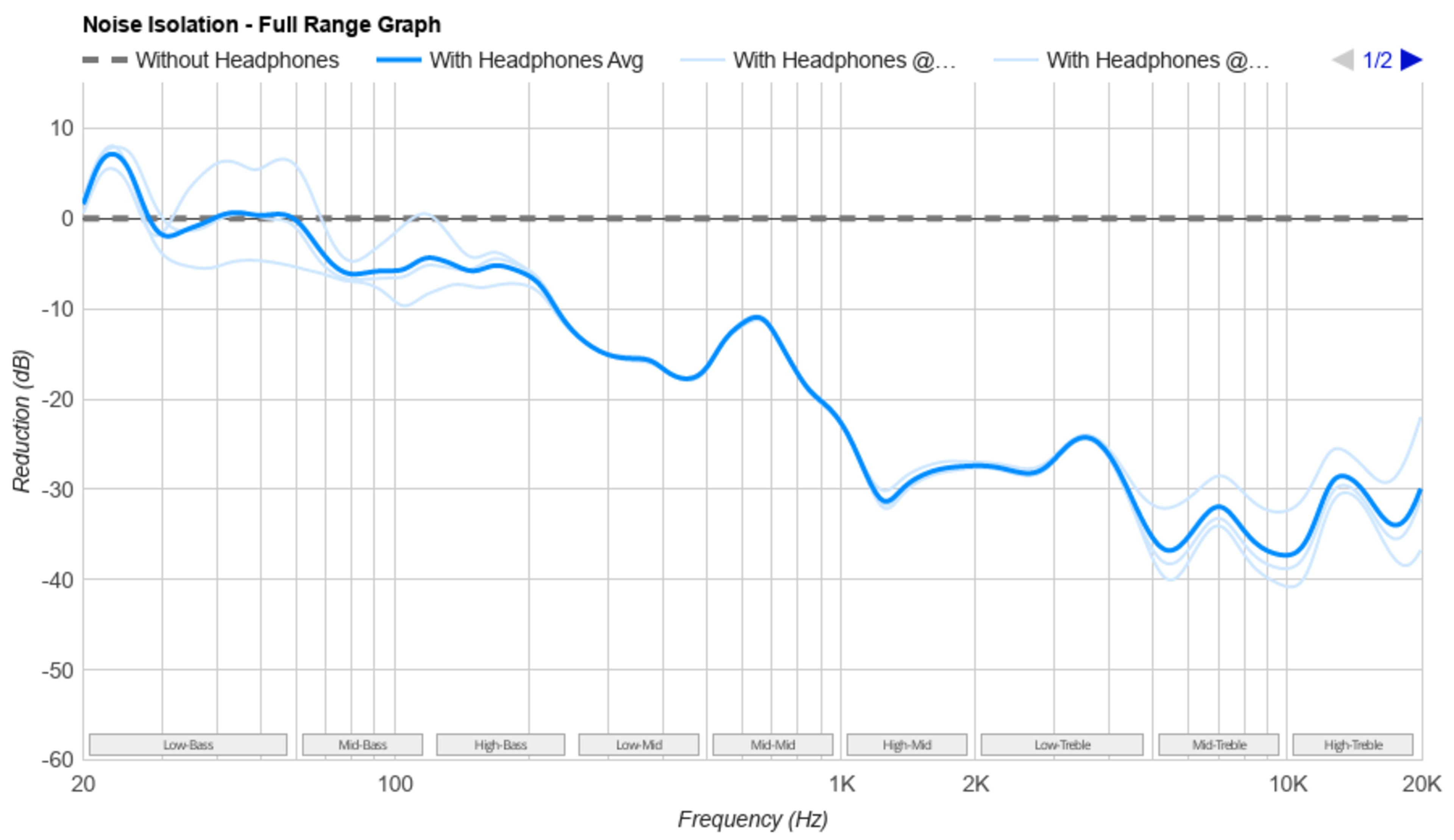 |
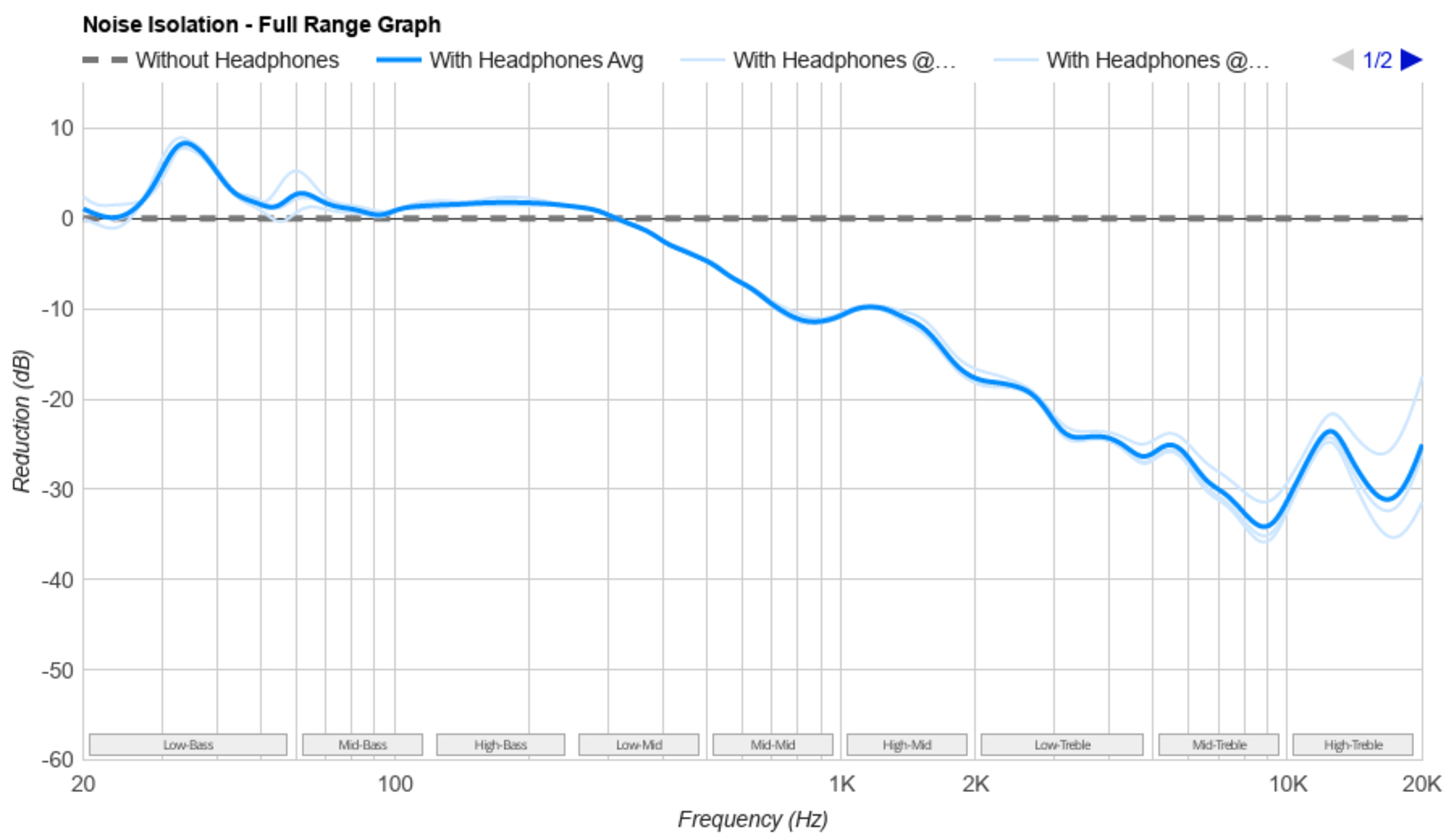
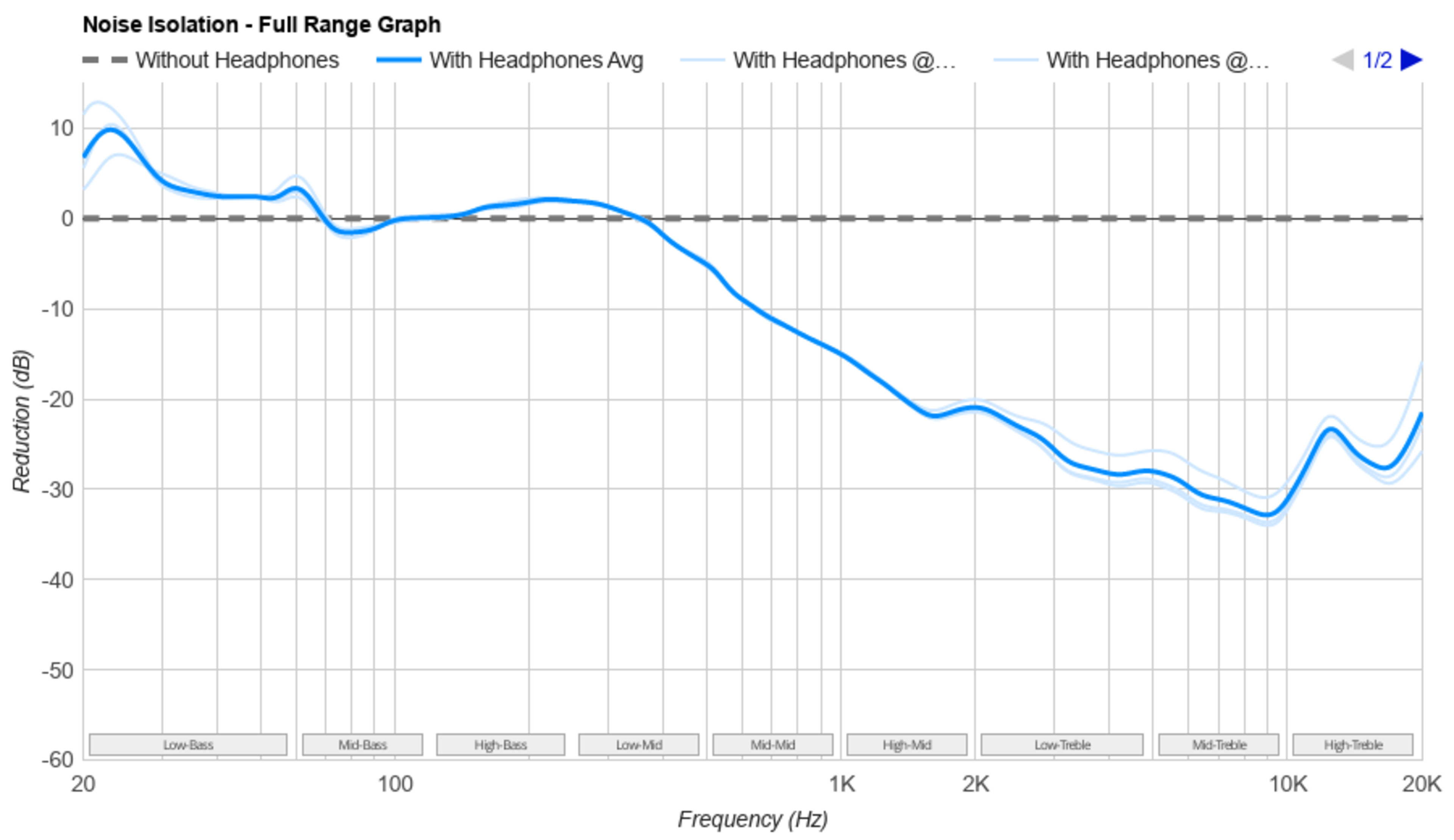
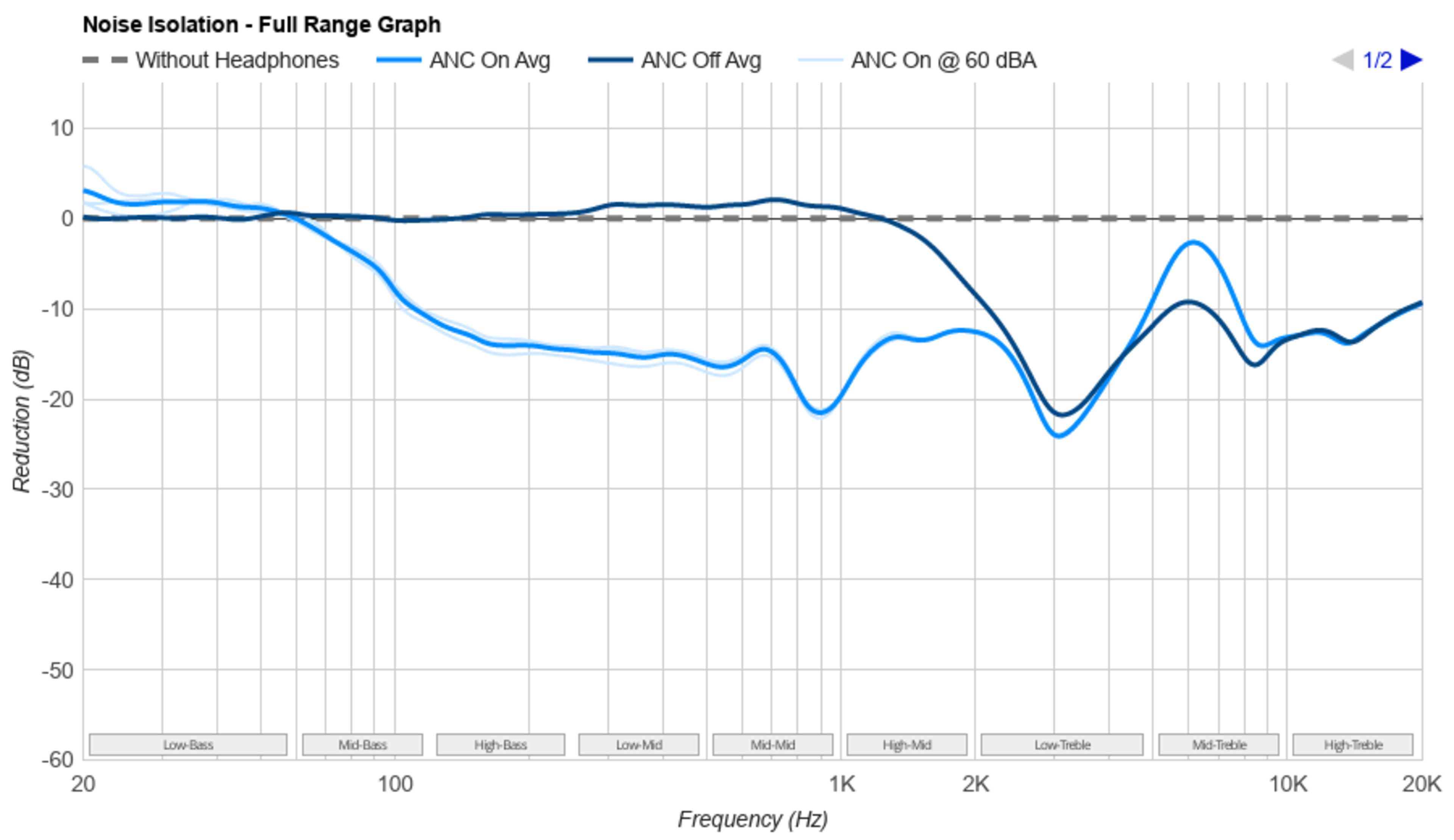
Noise isolation is headphones' ability to isolate you from the outside world by blocking or cancelling the ambient noise that seeps into your audio. For this article, we've selected examples that best represent different headphones' passive isolation capabilities (i.e., how their physical design attenuates external noise). Manufacturers will often add Active Noise Cancellation (ANC) technology to supplement this, but this article is concerned with the impact of the physical design of headphones. It's also worth noting that open-back designs will let in more external noise than closed-back designs across all headphone designs, which you can read more about in this article.
Results: Generally speaking, in-ear headphones provide the most passive isolation, though this is heavily dependent on their fit. The seal that the in-ear design provides is very efficient at blocking high-frequency noise. However, the fit may be difficult to achieve, and a poor fit will still let in external noise. Earbuds are the worst performers in this category since they don't fill the ear canal like in-ears and don't have enough surface area to prevent ambient noise from seeping into your audio.
Over-ear headphones are second best at providing passive isolation, being able to block a decent amount of ambient noise without active cancellation. On-ear headphones, on the other hand, don't perform as well. Their typically smaller ear cups rest on the ears and don't always create a great seal. They're slightly better than earbuds because they have more surface area, but don't perform as well as in-ear or over-ear designs.
This article provides more information about noise isolation.
Leakage
 |
 |
 |
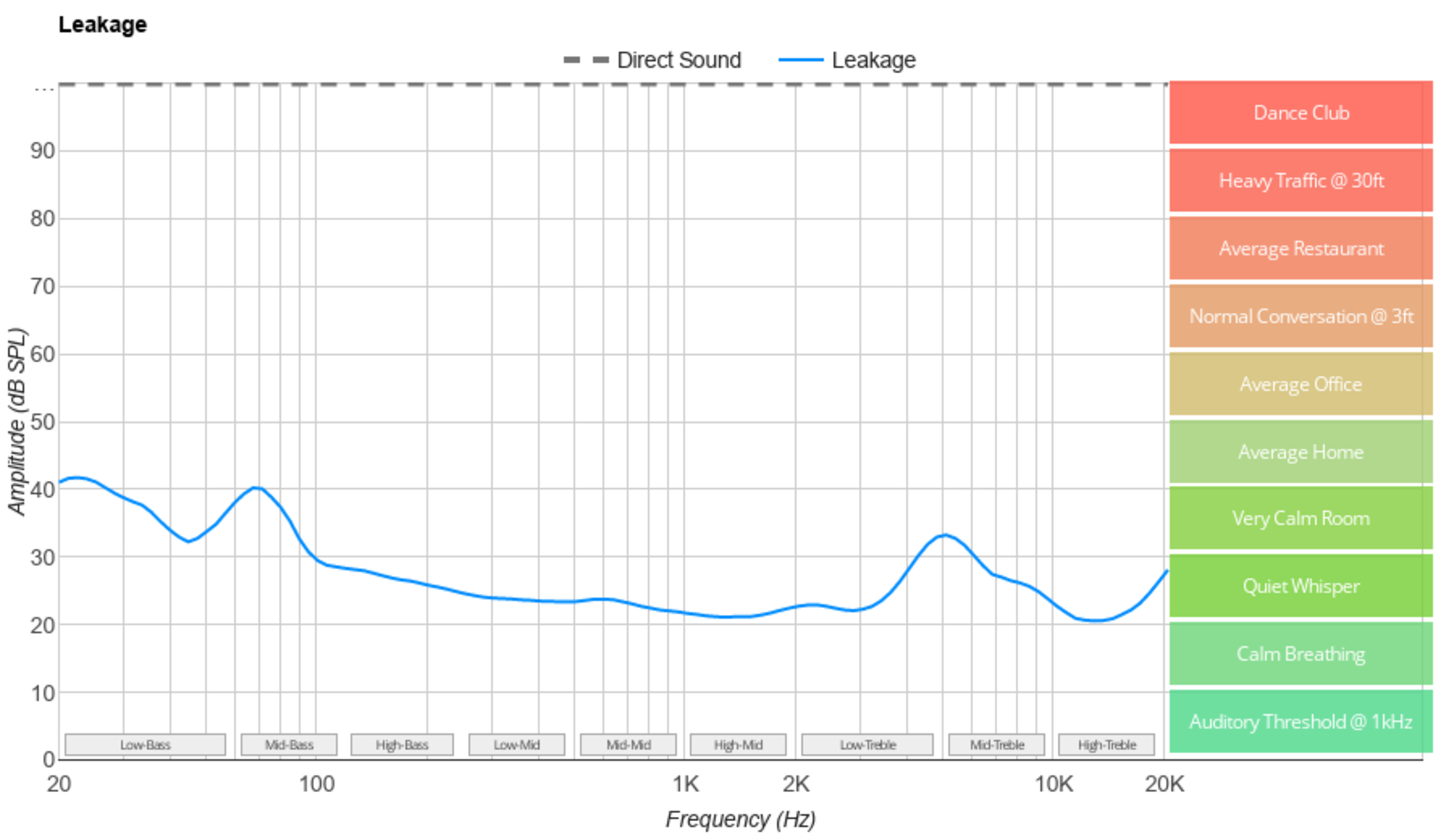 |
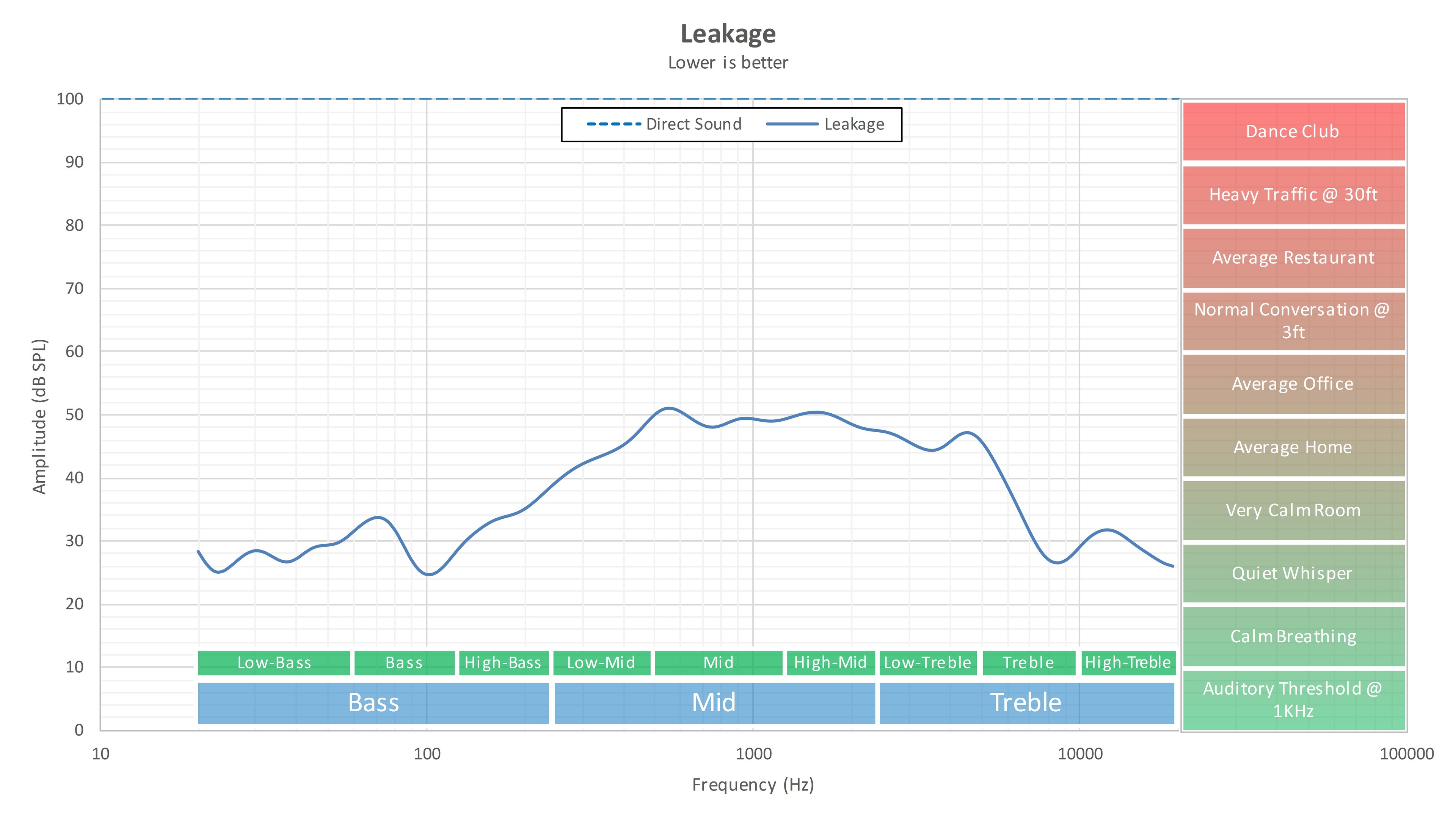
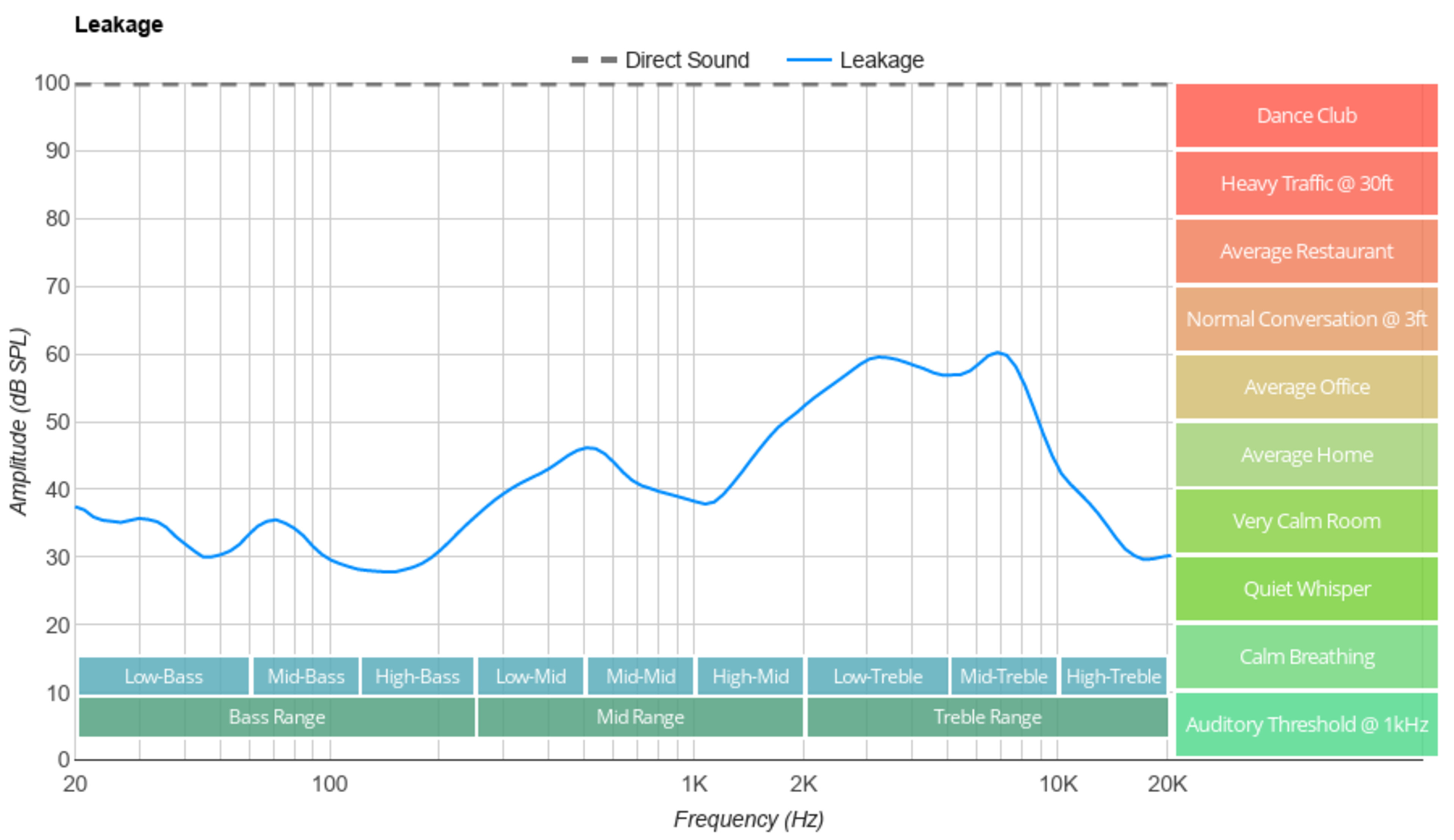
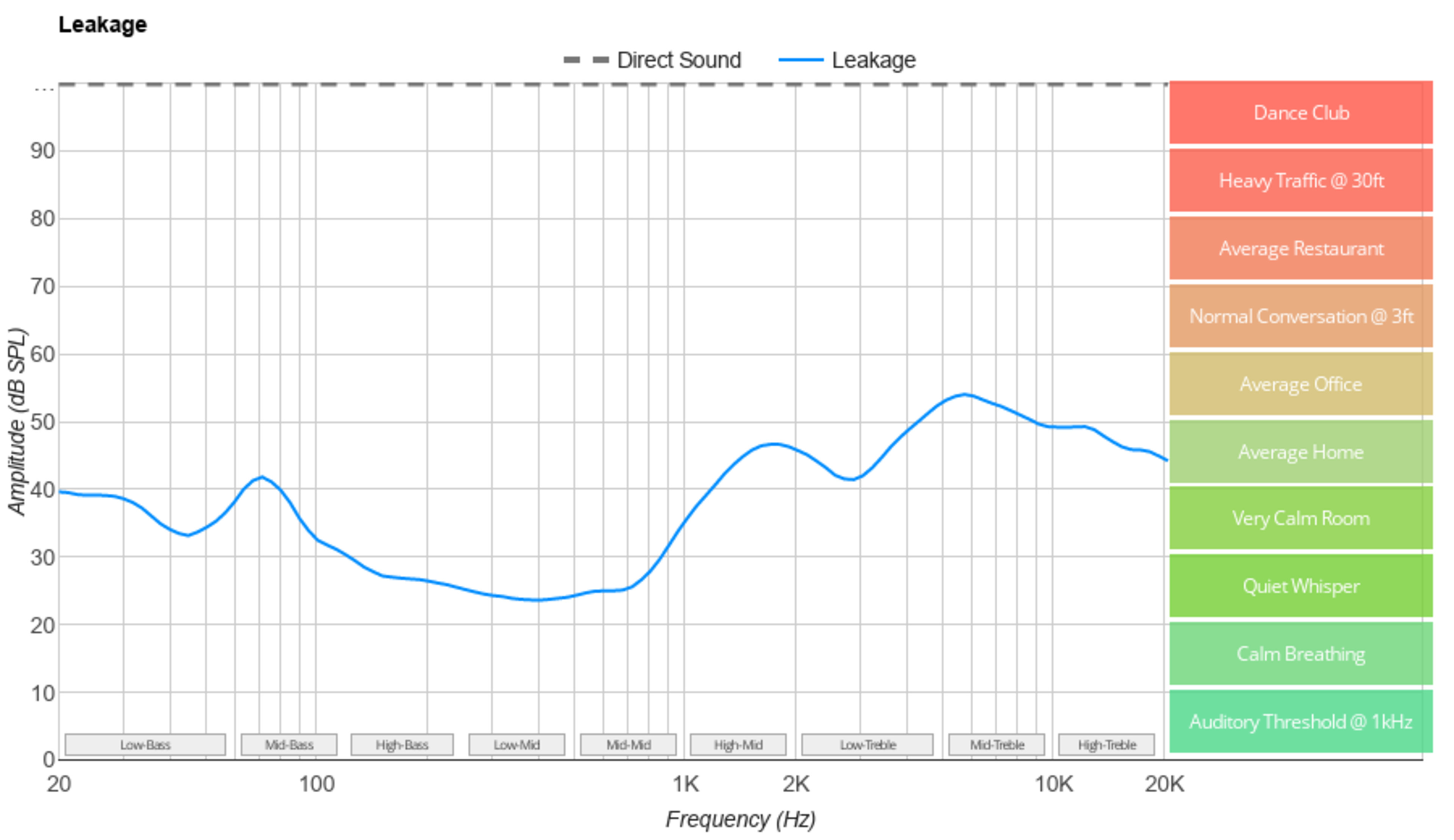
Leakage is the sound that escapes the seal of the ear cups or earbuds. Loud leakage can be distracting to the people around you when you're listening at high volume, so it can be particularly undesirable in quiet places, like libraries, or in situations where you'll be in close proximity with many people, like on public transport or at the gym. Leakage can also be a problem in recording situations, where headphone bleed can be picked up by nearby microphones. It's typically more noticeable in the mid and treble frequencies than in the bass range.
Results: Our test results show that in-ear headphones are the least likely to leak. Their small drivers sit directly in the ear canal, require less power to reach the same perceived loudness, and can form a tight seal that prevents sound from escaping. Over-ear headphones, on the other hand, have big drivers that can get quite loud. If the seal isn't great, they'll easily leak a wider range of frequencies than all other types of headphones. Closed-back designs like the Audio-Technica ATH-M50x, which were designed with professional audio applications in mind, are generally better at containing sound than open-back variants, which are designed to let sound flow freely in both directions through porous ear cups.
Earbuds also have small drivers that sit near the ear canal and don't sound very loud from a distance. However, they'll still typically leak more than in-ears since they don't form a seal with the inner ear. On-ear headphones typically leak a little more than over-ears and earbuds, although there's a great deal of variation depending on their design.
You can learn more about leakage here.
Stability
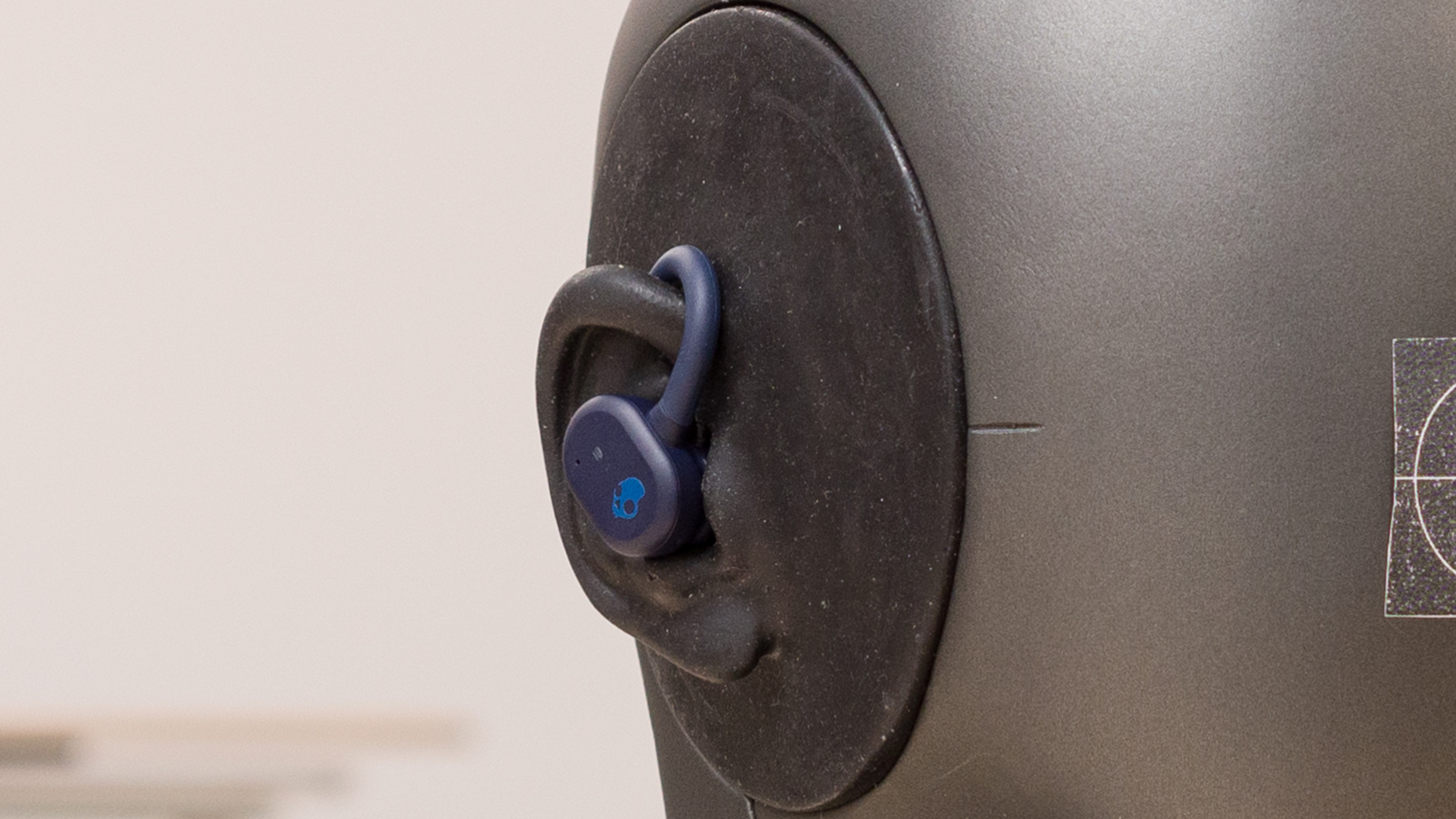
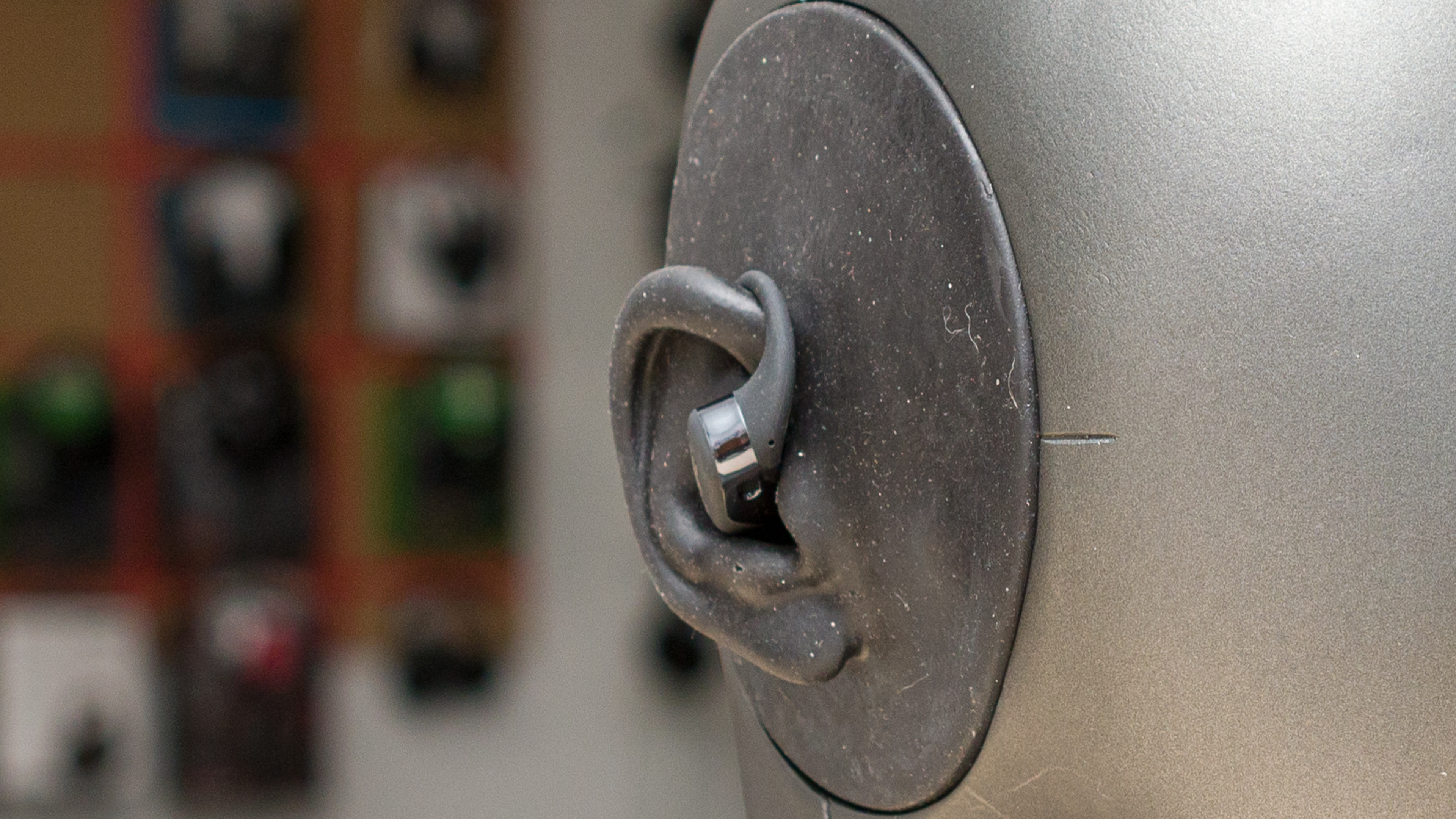
This is where we can introduce a few sub-categories of headphones specifically designed to stay secure during intense exercise or sudden movements. Earbuds with stability hooks use their design to anchor around the ear, helping maintain a consistent and reliable fit. They're typically lightweight, so they don't apply excessive pressure, making them comfortable for long workouts. These types of headphones are especially popular with runners, endurance athletes, and users who struggle to get a stable fit from standard earbuds or in-ears. They generally come in two main forms: in-ear and open-fit designs.
 |
 |
 |
 |
|
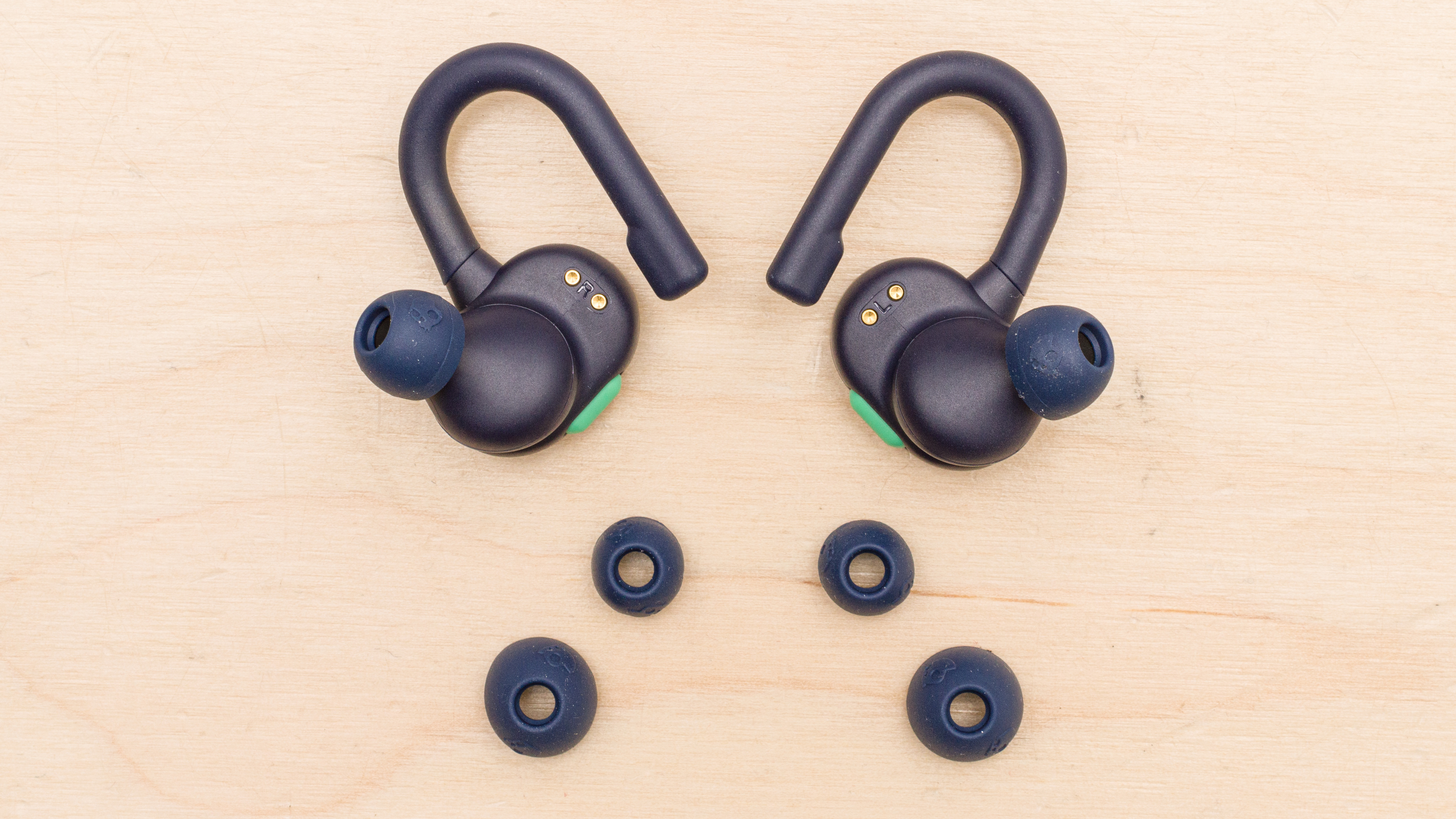
The Skullcandy Push Active True Wireless are an example of in-ear buds with stability hooks. These:
|
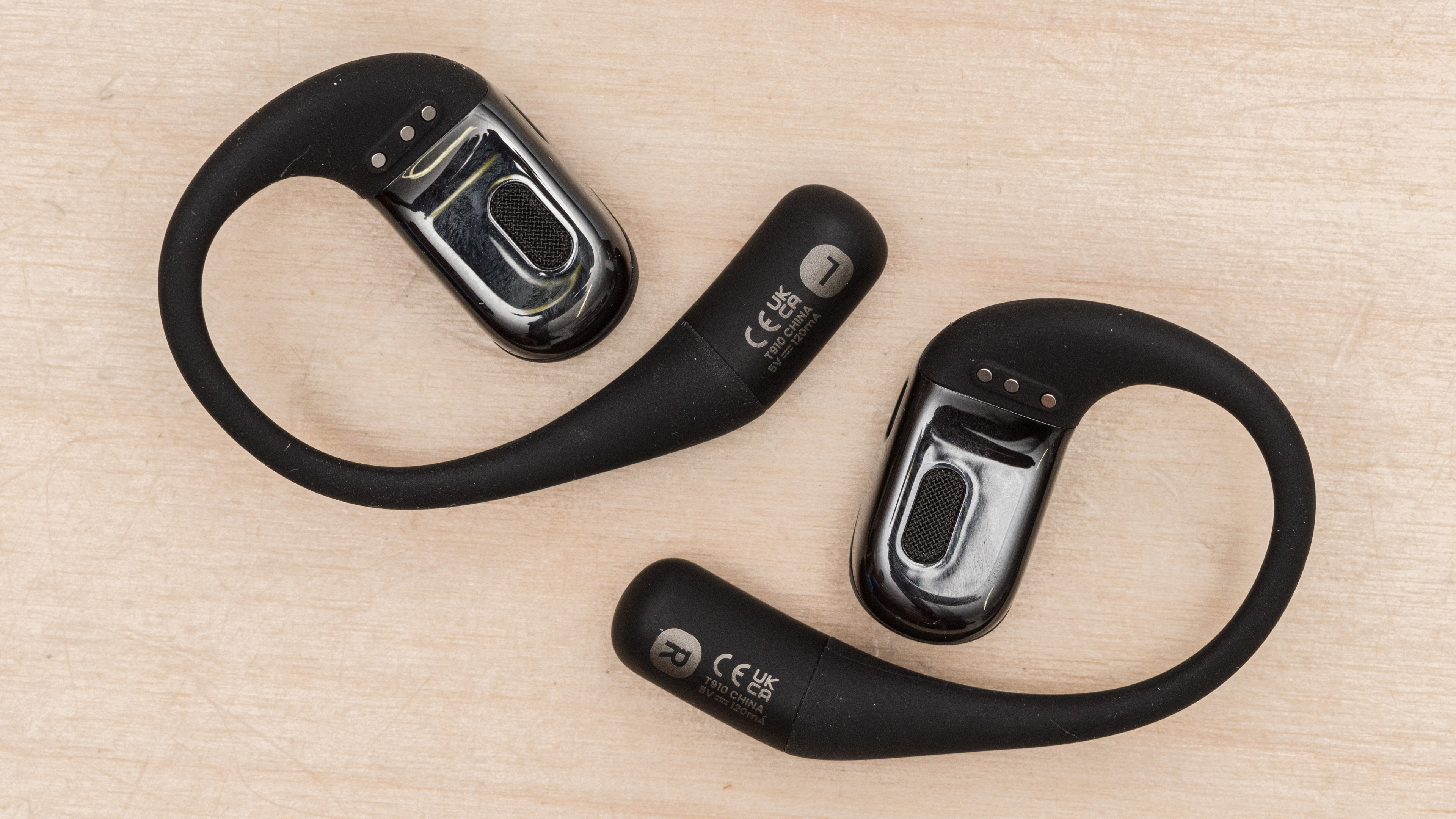
The Shokz OpenFit True Wireless are an example of open-fit earbuds with stability hooks.
|
In-ear buds with stability hooks share the same physical design as regular in-ears but offer a more secure fit thanks to their added fins or over-ear hooks. Open-fit earbuds with stability hooks, however, are a different story. These are built for runners and athletes who need to stay alert to their surroundings. Their design allows plenty of external audio to filter in. The downside of this is that they struggle to reproduce bass and treble range frequencies, producing a mid-forward sound.
Bone conduction headphones have also seen an increase in popularity recently. They offer comparable pros and cons to open-fit earbuds but bypass the ears entirely, reproducing audio by gently passing vibrations through your skull. Some headsets, like the Shokz OpenRun Pro 2 Bone Conduction, use a mixture of traditional dynamic drivers and bone conduction to mitigate the uncomfortable vibrations you can experience when listening to bone conduction headsets at high volumes.
Regular wireless in-ear buds are also suitable for exercise. If you can get a good seal, they can stay in place within your ear canal without much jostling around. Wireless designs are usually preferred for working out, as wired designs have cables that can snag on clothing or equipment. Regular earbuds can also work as long as their fit is secure, though sweat can often cause them to become dislodged from your ear.
It's worth noting that many people still choose to hit the trail or the gym with a trusty pair of over-ears or on-ears. These types of headphones come with a few caveats, as they can often become dislodged during exercise, and their earpads don't do much to wick sweat away; certain earpad materials, like leather or faux-leather, will cause you to sweat even more.
Results: If stability during exercise is a priority for you, it's best to pick up a pair of in-ears with stability hooks. If you don't like the in-ear fit, you can also opt for some open-fit buds or a bone conduction headset, so long as you're okay with hearing your surroundings. Wireless in-ears are also a great choice, provided you find ear tips with a snug fit. While other types of headphones can work in a pinch, they all come with significant caveats.
You can learn more about stability here.
Sound Quality
Now, here's where things get a little murkier, as it can be harder to define how headphones' design affects audio reproduction. Sound quality has a very weak correlation with the type of headphones. This means the quality of the sound will depend more on the model you choose than on the type. While this correlation exists with other aspects, like comfort, it's particularly evident with sound quality. A great pair of earbuds will sound better than mediocre over-ear headphones and vice versa.
That said, design can influence certain aspects of sound reproduction. For example, headphones with larger drivers, such as over-ears with planar magnetic drivers, often produce better bass with lower harmonic distortion. On the other hand, on-ears and standard earbuds, which sit further from the ear canal, may produce less impactful bass due to their positioning.
That said, open-ear and bone conduction earbuds are strongly correlated with poor audio reproduction. Their design makes it difficult to reproduce audio clearly across the entire spectrum, and these types of headphones often struggle to produce bass-range frequencies or reach higher volumes without audibly distorting.
Results: It's hard to say which type of headphones will sound the best to you without trying them out. Sound is highly subjective, and different people will be drawn to headphone types based on criteria that can't always be explained by their enclosure. Generally speaking, over-ears are capable of creating a more spacious sound, due to their greater degree of interaction with the pinna, but that won't necessarily mean you'll like the sound.
You can learn more about how we test for sound quality here.
Conclusion
Over-ear headphones are ideal if you're looking for comfortable headphones and don't mind the larger size. They typically block a decent amount of ambient noise but may also leak audio, which could disturb the people around you. Wireless over-ear headphones tend to have the longest battery lives. Check our recommendations for the best over-ear headphones.
On-ear headphones are ideal for listeners who want a good level of comfort in a more compact format than over-ear headphones. However, they are usually mediocre at blocking noise and often leak quite a bit of sound. Wireless on-ears can have quite long battery lives. Check our recommendations for the best on-ear headphones.
Earbuds are ideal for listeners who want an ultra-portable design that's easy to carry in a purse or pocket and don't find the fit of in-ear headphones comfortable. They don't leak much sound and won't disturb the people around you. Earbuds tend to have shorter battery lives, but can carry extra charges in their carrying case. Check our recommendations for the best earbuds.
In-ear headphones are ideal for listeners who want an ultra-portable design and are comfortable with the in-ear fit. They block a substantial amount of ambient noise and don't leak much sound, making them perfect for use in an office or a library. Wireless in-ears' battery life tends to be on the shorter side, but many contain extra charges in their carrying case. Check our recommendations for the best in-ear headphones.
In-ear and open-fit headphones with stability hooks are a good fit if you're using your headphones on runs, gym sessions, or workouts, as their stability fins help keep them in place during exercise. In-ears are better if you want some attenuation against external sounds and a more balanced sound. Open-fit headphones are a great choice if you prefer to stay aware of your surroundings and mostly listen to mid-range-heavy content, like podcasts. See our recommendations for the best wireless running earbuds.
Sound quality varies from headphone to headphone. Although some aspects of sound are affected by the headphone's design, there is no strong correlation. Sound quality will depend more on the headphones you choose rather than the type.
Recent Updates
13-06-2025: We rewrote this article to bring it into line with our latest test benches and to provide more useful advice for our readers.