Kiprun KD900X LD+  Running Shoe Review

Reviewed Dec 16, 2025 at 08:59am
Test bench update Jun 30, 2026 at 12:24pm
Tested using Methodology v0.12 
Kiprun KD900X LD+

Track

7.9
Half/Full Marathon Racing 
7.5
5K/10K Racing 
7.2
Long Run 
5.9
Daily Training 
8.3
Energy Return 
8.1
Responsiveness 
8.1
Cushioning 
5.3
Stability 

Track

 0

We've tested these running shoes to expand our database and allow users to compare results to help with their buying decisions. We don't expect to write a full review, but if you have any questions about this product, please let us know.

Our Verdict

7.9
Half/Full Marathon Racing 
7.5
5K/10K Racing 
5.9
Daily Training 
8.3
Energy Return 
8.1
Responsiveness 
9.3
True To Size 
  • 7.9
    Half/Full Marathon Racing
  • 7.5
    5K/10K Racing
  • 7.2
    Long Run
  • 5.9
    Daily Training

  • Performance Usages

  • 8.3
    Energy Return
  • 8.1
    Responsiveness
  • 8.1
    Cushioning
  • 5.3
    Stability
  • 9.3
    True To Size
  • Changelog

    1.  Updated Jun 30, 2026: We've converted this review to Test Bench 0.12, which fixes how we measure firmness, a component of the Stability and 5K/10K Racing usages. There may be inconsistencies between the text and the scores for these usages, but the scores should still be considered valid. We've also brought back the Energy Return score and added two new usages: Daily Training and Long Run. To read more about the changes, see the changelog.
    2.  Updated Jun 30, 2026: We've converted this review to Test Bench 0.11, adding two new rocker measurements to the Design section, and three new responsiveness tests to the Performance section. The Energy Return usage score has been replaced with Responsiveness. Check out the details in our changelog.
    3.  Updated Jun 17, 2026: We've converted this review to Test Bench 0.10, adding a new set of fit tests to the Design section and an overall fit performance usage. Check out the details in our changelog.
    4.  Updated Apr 13, 2026: We've converted this review to Test Bench 0.9, which adds a Forefoot Long Run Cushioning test to our performance section. Read more in our changelog.
    How We Test Running Shoes
    How We Test Running Shoes

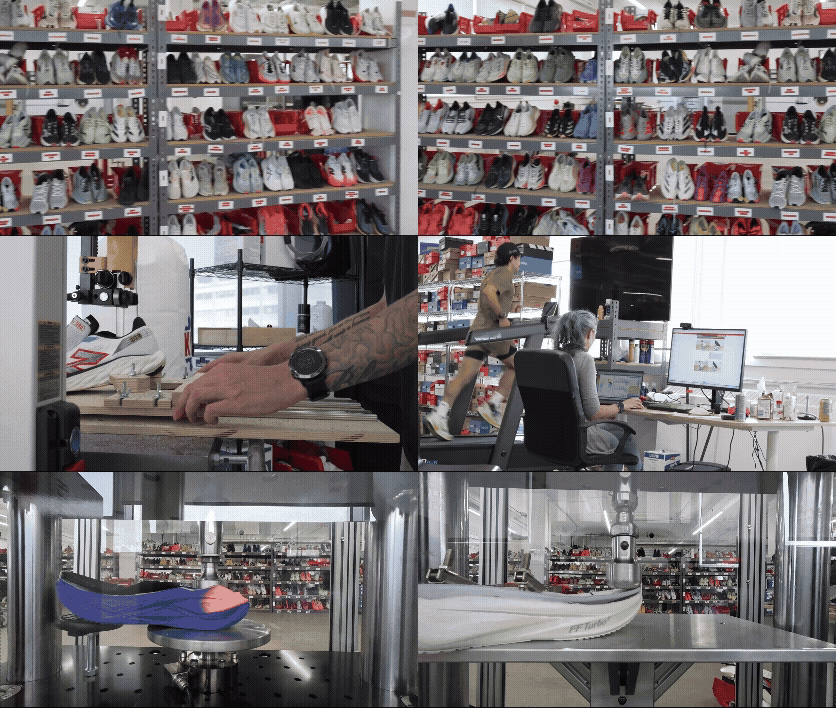
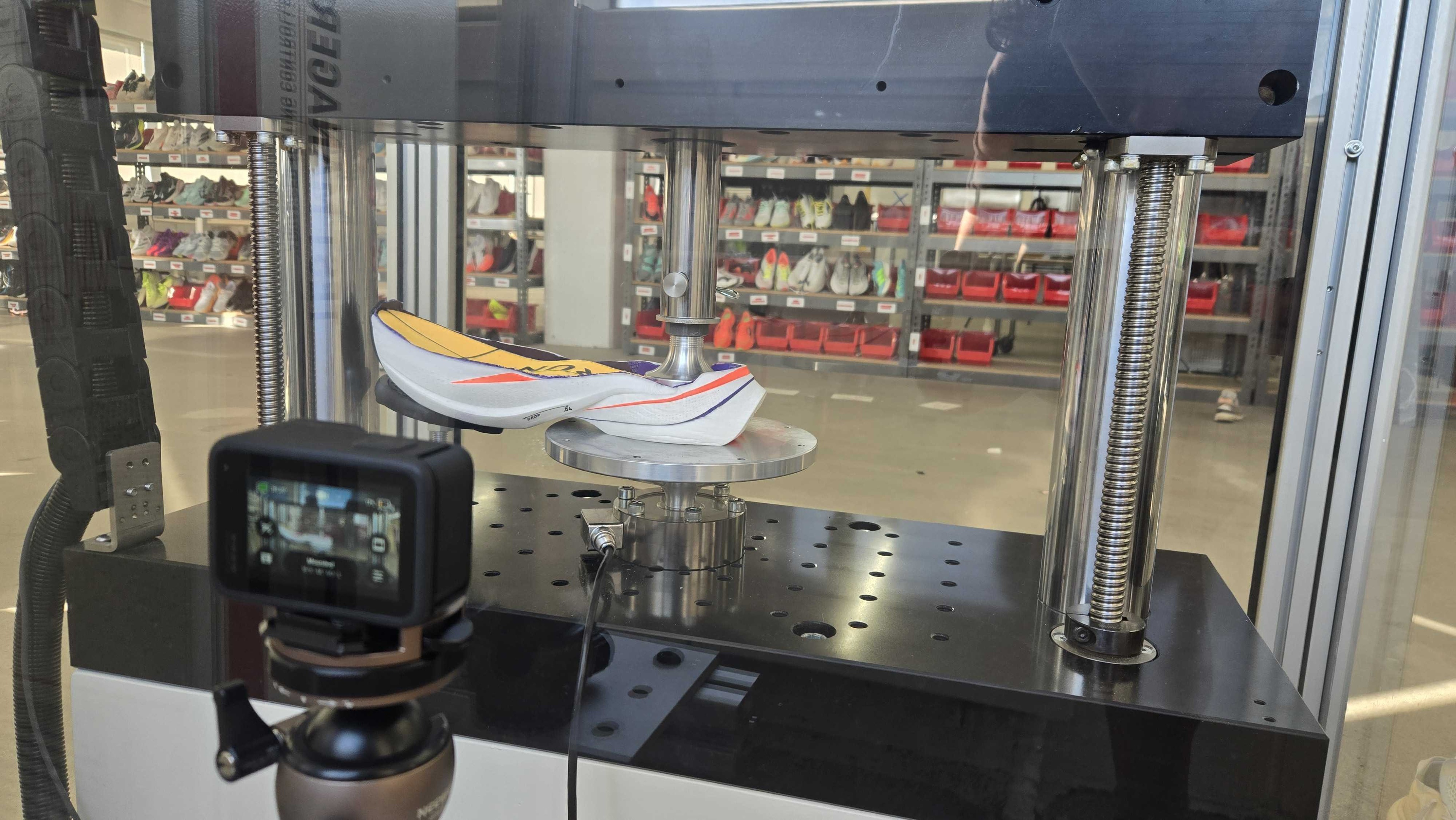
    We buy and test running shoes with a very data-oriented approach. While we're just getting started, our methodology already has dozens of tests to help you make the right purchasing decision for your needs. Not only do we use high-end equipment to gather objective data, but we also order multiple sizes of the same shoes so team members can log in miles. This real-world testing is conducted at various paces and conditions, across different types of workouts, to cover all the bases. This allows us to verify our results and ensure they align with what you might feel with a specific pair.
    Test Results

    perceptual testing image
    Sort:
    RATINGS
    Category:
    All
    Design
    7.4
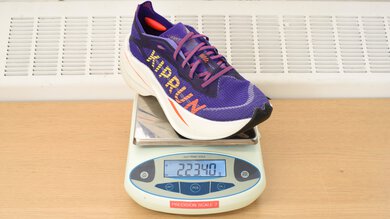
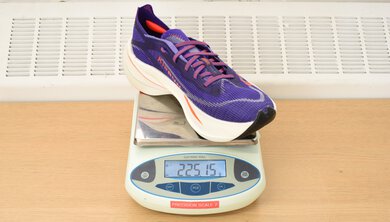
    Weight
    Weight
    224.3 g (7.91 oz)
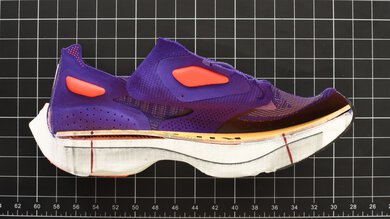
    Stack Heights
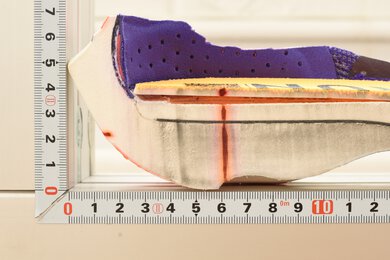
    Heel Stack Height
    38.5 mm
    Forefoot Stack Height
    31.8 mm
    Heel-To-Toe Drop
    6.6 mm
    Advertised Heel-To-Toe Drop
    4.0 mm
    External Shape
    Outsole Heel Width
    84 mm (3.3")
    Outsole Arch Width
    0 mm (0.0")
    Outsole Forefoot Width
    117 mm (4.6")
    Heel Width-To-Stack Ratio
    2.18
    Forefoot Width-To-Stack Ratio
    3.68
    Internal Shape
    Internal Length
    277 mm (10.9")
    Internal Heel Width
    62 mm (2.4")
    Internal Forefoot Width
    90 mm (3.5")
    Wide Sizing Available
    No
    9.6
    Forefoot Fit: Width
    Ball-Of-Foot TTS Deviation
    -1.6 mm (-0.065")
    Toe TTS Deviation
    0.0 mm (0.000")
    7.3
    Forefoot Fit: Height
    Toe TTS Deviation
    -3.3 mm (-0.130")
    8.0
    Arch Fit: Width
    Arch Width TTS Deviation
    -3.3 mm (-0.131")
    10
    Length Fit
    7.1
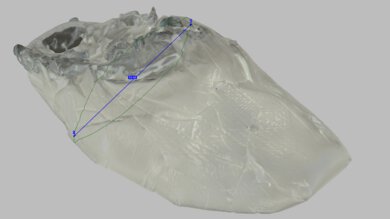
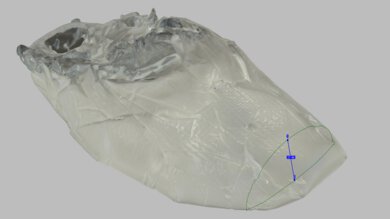
    Heel Rocker Geometry
    Heel Spring
    22 mm (0.9")
    Heel Apex Position
    13.9%
    Heel Rocker Angle
    28.8°
    8.2
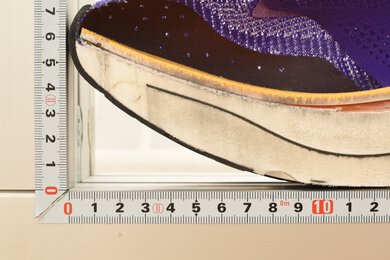
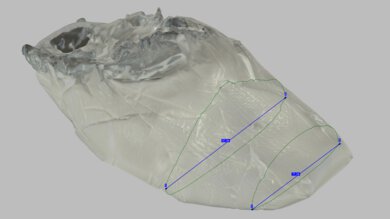
    Forefoot Rocker Geometry
    Toe Spring
    59 mm (2.3")
    Toe Apex Position
    61.7%
    Forefoot Rocker Angle
    28.2°
    Other Features
    Tongue Gusset Type
    Semi-gusseted
    Plate
    Carbon Fiber
    Performance
    8.1
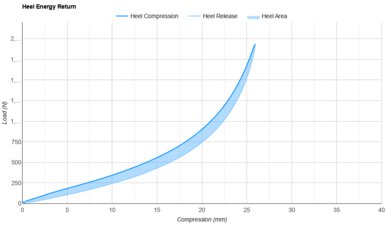
    Heel Compression Energy Return
    Heel Energy Return
    81.1%
    8.4
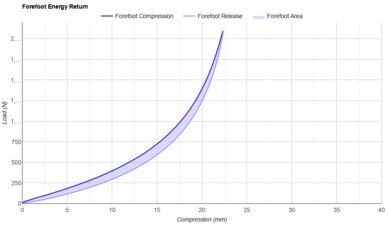
    Forefoot Compression Energy Return
    Forefoot Energy Return
    83.6%
    7.8
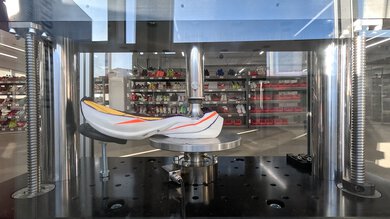
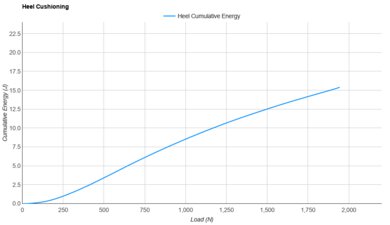
    Heel Cushioning
    Energy Absorbed At 550N
    3.95 J
    Energy Absorbed At 1100N
    9.42 J
    Energy Absorbed At 1900N
    15.09 J
    8.3
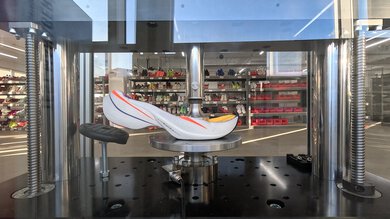
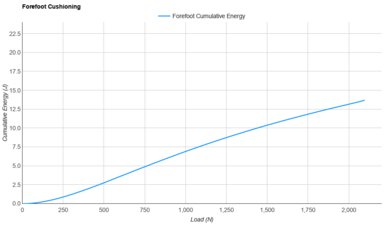
    Forefoot Cushioning
    Energy Absorbed At 800N
    5.29 J
    Energy Absorbed At 1300N
    9.08 J
    Energy Absorbed At 2050N
    13.42 J
    7.1
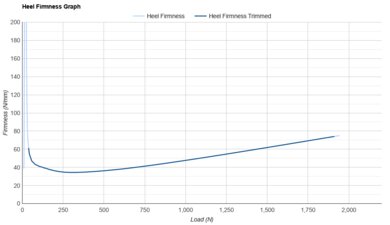
    Heel Firmness
    Firmness At 550N
    37.1 N/mm
    Firmness At 1100N
    50.4 N/mm
    Firmness At 1900N
    73.7 N/mm
    6.4
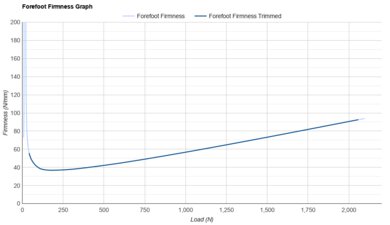
    Forefoot Firmness
    Firmness At 800N
    50.5 N/mm
    Firmness At 1300N
    66.5 N/mm
    Firmness At 2050N
    92 N/mm
    7.7
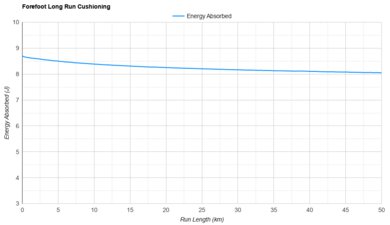
    Forefoot Long Run Cushioning
    Energy Absorbed At 10km
    8.39 J
    Energy Absorbed At 20km
    8.25 J
    Energy Absorbed At 30km
    8.16 J
    Energy Absorbed At 40km
    8.11 J
    7.7
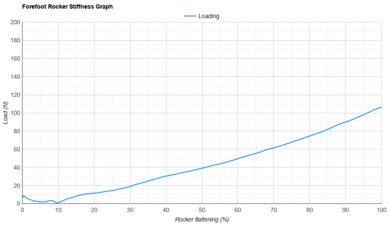
    Rocker Stiffness
    Force To Flatten The Rocker
    105 N
    8.4
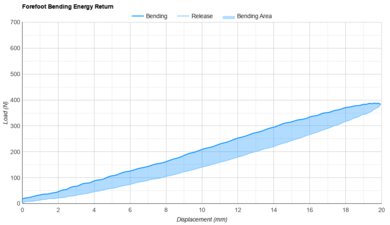
    Forefoot Bending Energy Return
    Forefoot Bending Energy Return
    74.5%
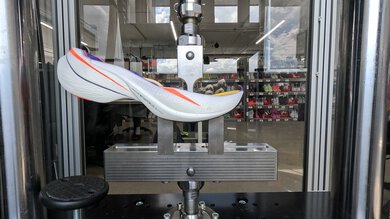
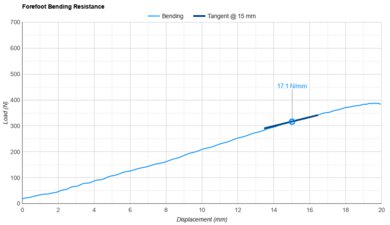
    7.9
    Forefoot Bending Stiffness
    Forefoot Bending Stiffness
    17.1 N/mm
    Forefoot Bending Force
    315 N