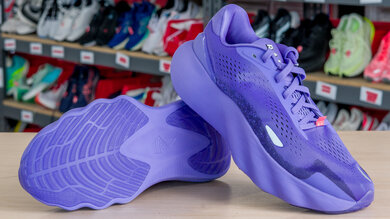
The R.A.D MALLOW is a high-stack daily trainer for runners who want good cushioning, impressive stability, and a dependable ride at a competitive price. Its midsole provides ample impact protection, with enough rebound to keep your feet ticking over, but this isn't a lightweight trainer or short-distance racer, and the ride isn't especially propulsive either. For that reason, the MALLOW is best suited to daily mileage, recovery runs, and any easy outing where pace isn't the priority. It can handle a half-marathon, if simply covering the distance matters more than the time on the clock.
| ✅ Buy If: | ❌ Skip If: |
|
|
Our Verdict
The R.A.D MALLOW is an adequate choice for marathon racing if the goal is comfort rather than speed. Its excellent stability, high stack, and good cushioning give it enough protection to cover the distance, and that cushioning holds up reasonably well as the miles build. However, there's no escaping its heft, and this, combined with its mediocre responsiveness, means it takes more effort to turn over than dedicated marathon shoes, giving little back when you try to push the pace.
Excellent stability keeps the ride controlled over distance.
Good cushioning holds up decently, providing ample impact protection.
Very heavy build makes longer efforts less efficient.
Lack of propulsion means turnover at pace is cumbersome.
The R.A.D MALLOW is a sub-par choice for 5K/10K racing. Its firm forefoot gives the shoe some structure at toe-off, but its heavy build, soft rocker, and unremarkable propulsion make it hard to turn over quickly.
Firm forefoot provides some efficiency through toe-off.
Heavy build makes fast turnover harder.
Soft rocker limits mechanical assistance at speed.
Only passable responsiveness means it lacks race-day propulsion.
The R.A.D MALLOW is a decent option for long runs. Its excellent stability and good cushioning that holds up adequately over extended efforts help keep the ride protected and controlled. However, its significant heft and unpropulsive forefoot geometry mean it thrives as a cruiser as opposed to a progressive effort specialist.
Excellent stability keeps the ride controlled over distance.
Good cushioning holds up decently, providing ample impact protection.
Very heavy build makes longer efforts less efficient.
Not propulsive enough for progressive efforts.
The R.A.D MALLOW is a good daily trainer for runners who prioritize comfort and predictability over pace. Its excellent stability and good cushioning make it a trustworthy companion for easy runs, recovery days, and slower daily efforts. It has enough rebound to avoid feeling completely flat underfoot, but its heavy build and unremarkable responsiveness mean it's not the most energetic shoe overall.
Excellent stability makes it easy to trust underfoot.
Midsole provides good protection from the impact of the road.
Heavy build and mediocre responsiveness limit ride's liveliness.
Changelog
- Updated Aug 27, 2026: We've converted this review to Test Bench 0.15, which replaces Responsiveness with three specific performance usages: Bounciness, Snappiness, and Roll. To read more about the changes, see the changelog.
-
Updated Jul 21, 2026:
We've added a table to the Intro to help users quickly determine if this shoe matches their needs.
- Updated Jul 16, 2026: Review published.
- Updated Jul 14, 2026: Early access published.
- Updated Jul 02, 2026: Our testers have started testing this product.
- Updated Jun 29, 2026: The product has arrived in our lab, and our testers will start evaluating it soon.
- Updated Jun 22, 2026: We've purchased the product and are waiting for it to arrive in our lab.
We've bought and tested more than 300 running shoes. Every pair purchased with our own money, never supplied or sponsored by brands. Our data-driven tests are designed to go beyond marketing claims, and since every shoe goes through the exact same methodology, you can directly compare results to find the right pair for your needs.
Test Results
Energy Return
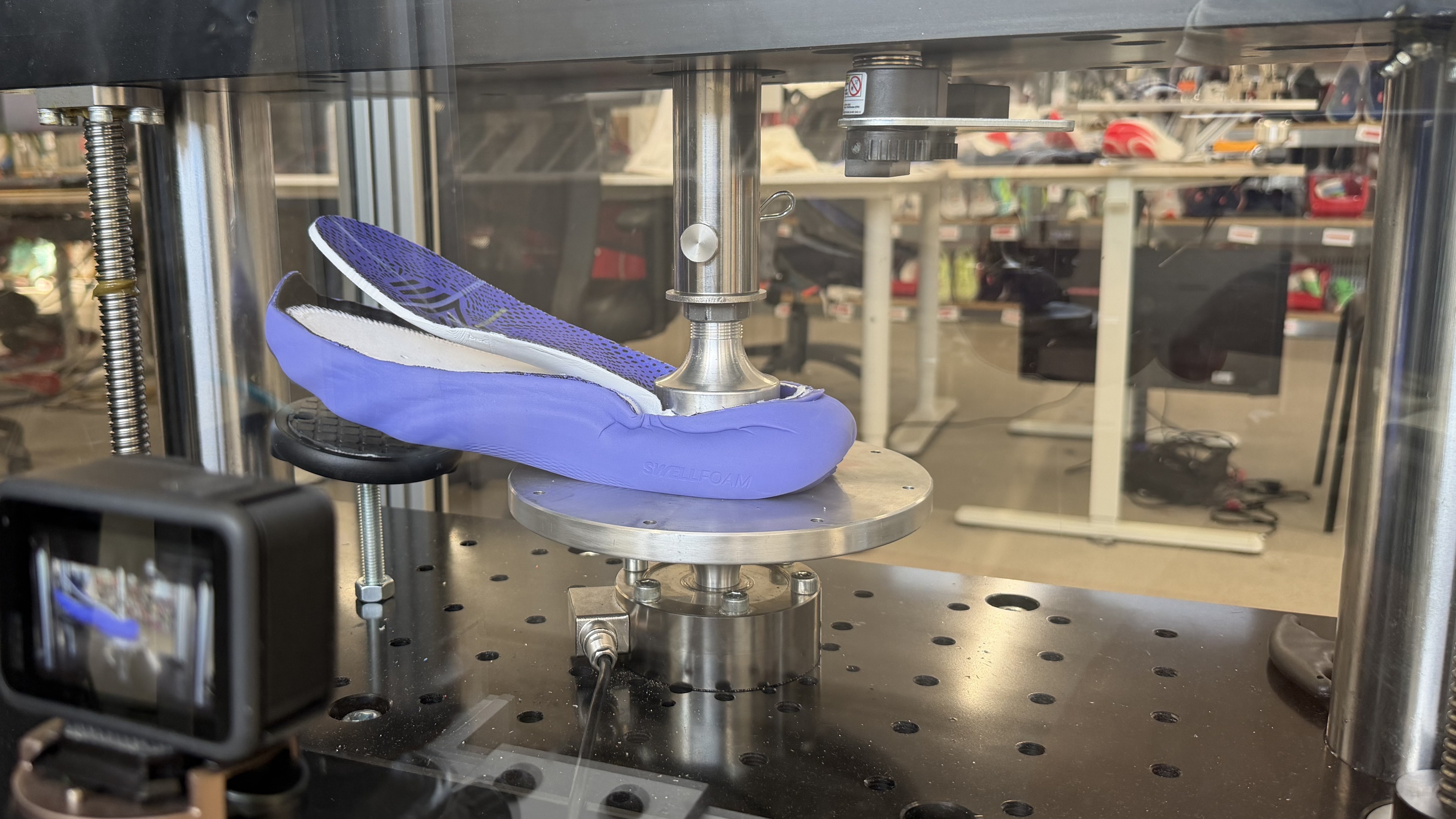
The R.A.D MALLOW has adequate energy return overall. The forefoot gives back a decent amount when compressed, so the ride has enough rebound to keep you ticking over during easy efforts. However, the heel returns much less energy, meaning rearfoot landings won't feel especially bouncy or efficient.
Decent forefoot energy return keeps easy efforts from feeling completely flat.
Poor heel energy return limits bounce for rearfoot landings.

The R.A.D MALLOW returns a decent amount of energy in the forefoot when compressed. It gives back slightly more than the HOKA Bondi 9 and far more than the ASICS GEL-NIMBUS 28, helping the shoe keep some life underfoot through toe-off despite its heavy build.

The R.A.D MALLOW returns an acceptable amount of energy in the heel when compressed. Though a bit less than the HOKA Bondi 9, it's not noticeable underfoot, and both give back far more than the ASICS GEL-NIMBUS 28.
Stability
The R.A.D MALLOW is impressively stable. Its firm heel, generous outsole width, and fully-gusseted tongue all help keep the shoe secure underfoot. Combined with its good heel width-to-stack ratio, this makes the shoe feel trustworthy despite its high stack.
Excellent arch width gives the midfoot a secure platform.
Generous heel and forefoot outsole widths help stabilize the high stack.
Heel softness at lighter forces makes shoe less stable overall.


The firmness of the heel in this shoe is good, and it's much firmer than the HOKA Bondi 9 overall, making rear landings more planted and contributing to its better overall stability. The heel also firms up as force increases, providing more structure under heavier loads.

The R.A.D MALLOW has a very firm forefoot, and, much like the heel, it's significantly firmer than the HOKA Bondi 9 and even the ASICS GEL-NIMBUS 28. This makes push-off more trustworthy, but also means the forefoot won't feel as soft or forgiving as the HOKA and the ASICS.

Cushioning
The R.A.D MALLOW has good cushioning overall. The heel provides solid protection across force levels and only drops slightly under heavier loads. The forefoot starts very protective, but declines more noticeably as force increases, so runners who load the front of the shoe hard will find the ride on the harsher side.
Good heel cushioning provides reliable rearfoot protection.
Forefoot cushioning is very protective at lighter forces.
Forefoot protection drops noticeably under higher loads.


The R.A.D MALLOW has good heel cushioning overall, but it's significantly less protective than the HOKA Bondi 9 and ASICS GEL-NIMBUS 28. It absorbs a good amount of energy at lighter and moderate forces, but protection drops at higher force levels.


Like the heel, the forefoot of this shoe has good cushioning overall, but it's significantly less protective than the HOKA Bondi 9 and ASICS GEL-NIMBUS 28, and though it's impressively protective at lower force levels, and keeps a lot of that protection at moderate force levels, protection drops significantly under heavier loads. That means lighter runners may get enough protection up front, while heavier runners or harder forefoot strikers may find the front of the shoe harsher than the cumulative score suggests.

The R.A.D MALLOW's forefoot cushioning holds up acceptably as the miles build, meaning it can handle longer efforts, but it's significantly less protective than both the HOKA Bondi 9 and ASICS GEL-NIMBUS 28, so runners who want much deeper protection over longer efforts may be better served by one of those shoes.
Bounciness
The R.A.D MALLOW has mediocre responsiveness. Its decent forefoot bending stiffness and adequate forefoot compression energy return give the shoe some structure through toe-off, but the soft rocker and poor forefoot bending energy return mean it loses too much energy to feel propulsive.
Decent forefoot bending stiffness gives some structure through toe-off.
Poor bending energy return and soft rocker limit propulsion.


Snappiness

The R.A.D MALLOW returns a poor amount of energy when bent at the forefoot. It gives back much less than the HOKA Bondi 9, in fact, and even though it's significantly more than the ASICS GEL-NIMBUS 28, it's still sub-par and limits the propulsion the shoe provides when you try to push the pace.


The R.A.D MALLOW has decent forefoot bending stiffness. It resists bending more than the HOKA Bondi 9, giving the forefoot some leverage through toe-off, but it's not as stiff as the ASICS GEL-NIMBUS 28. It's enough to give some structure up front without turning the shoe into a rigid, pace-pushing trainer.

The rocker of this shoe starts reasonably early, but the low toe spring and shallow forefoot angle mean the front of the shoe is gentler than the HOKA Bondi 9 or ASICS GEL-NIMBUS 28, providing less assistance through push-off.
Roll

The R.A.D MALLOW's rocker flattens easily under load, requiring almost the same force as the HOKA Bondi 9. This means the rocker doesn't hold its shape well enough to provide a very guided rollover, especially compared with the much stiffer ASICS GEL-NIMBUS 28.

The R.A.D MALLOW has a high stack, but it's lower than both the HOKA Bondi 9 and ASICS GEL-NIMBUS 28 under the heel and forefoot. However, it has a higher heel-to-toe drop overall, which makes it suited to heel strikers. That said, those who want the deepest protection underfoot will get more foam from the HOKA or ASICS.

The R.A.D MALLOW has good heel rocker geometry. Its heel spring and early rocker start help the rear of the shoe roll smoothly from heel strike into midstance, though the rocker angle isn't especially aggressive. It's more assistive than the HOKA Bondi 9 and ASICS GEL-NIMBUS 28 overall, which helps the shoe feel smoother than its weight might suggest.
True To Size
The R.A.D MALLOW fits true to size overall. Its length, forefoot width, and arch width closely match our reference fit, so most runners should be fine in their usual size. However, the forefoot is low, so runners with taller toes may want to consider sizing up.
True-to-size length.
Wide forefoot and arch fit are very accommodating.
Low forefoot height may feel tight for taller toes.


The R.A.D MALLOW has a low forefoot relative to our reference fit, so runners with taller toes may find the front of the shoe restrictive. If you have broader fit needs, you may be better served by the HOKA Bondi 9, which is available in multiple widths.


There's no escaping the fact that the R.A.D MALLOW is a heavy shoe, and you feel it on foot. It's heavier than both the HOKA Bondi 9 and ASICS GEL-NIMBUS 28, making it heavy even for a high-stack trainer.


The R.A.D MALLOW uses SwellFoam, a bio-based blended foam made with EVA and OBC. Part of that foam comes from sugarcane-derived material, which helps reduce reliance on fossil-based inputs. It still rides like a traditional EVA blend rather than a modern superfoam, however, with good cushioning and enough rebound to keep easy miles moving, but it's not lively or propulsive by any stretch.

Popular Running Shoe Comparisons
The R.A.D MALLOW is a high-stack daily trainer that sits near maxed-stack cruisers like the HOKA Bondi 9 and the ASICS GEL-NIMBUS 28. It's heavier than both and has the least protection underfoot; however, it's the most stable overall, the most energetic, and retails for far less. Runners who want the softest, most protective ride at the expense of stability should choose the HOKA, while the ASICS balances excellent cushioning with impressive stability but sacrifices an energetic ride in return. The R.A.D aims for the middle ground: cushioned enough, impressively stable, and packs the most life underfoot.
For other shoes from the brand, the R.A.D UFO is the unplated uptempo trainer, built for faster workouts and speed-focused daily miles. The R.A.D SYNTH is the lighter, most direct daily trainer, versatile enough to handle most training, but with the most groundfeel.
If you're looking for the most foam between your feet and the road, check out our recommendations for the best cushioned running shoes. If comfort is your top priority, check out our picks for the most comfortable running shoes.
The R.A.D MALLOW and R.A.D UFO sit in very different parts of R.A.D's lineup. The MALLOW is the high-stack cruiser, built for easy miles, recovery runs, and daily training where comfort matters more than pace. The UFO is the faster, lighter, and more energetic shoe, with much better range and responsiveness. The MALLOW is the better pick for stable, easy-run comfort, while the UFO is better for faster workouts and speed-focused miles.
The R.A.D MALLOW and HOKA Bondi 9 are both high-stack daily trainers, but they suit different runners. The Bondi 9 is the more cushioned and protective shoe, making it better for runners who want the softest ride over easy miles and longer efforts. The R.A.D is heavier and less cushioned, but it's more stable, a bit more energetic, retails for much less, and is the better pick for runners who don't mind trading some cushioning for stability and life underfoot.
The R.A.D MALLOW and ASICS GEL-NIMBUS 28 are both comfort-first daily trainers, but the ASICS is the more premium shoe. It’s lighter, much more protective, and better suited to longer efforts. However, the R.A.D is more energetic underfoot, slightly more stable, and retails for far less, making it the pick for runners looking for a great price-to-performance ratio who don't mind sacrificing some comfort for a bit more life beneath the feet.
Differences Between Sizes And Variants
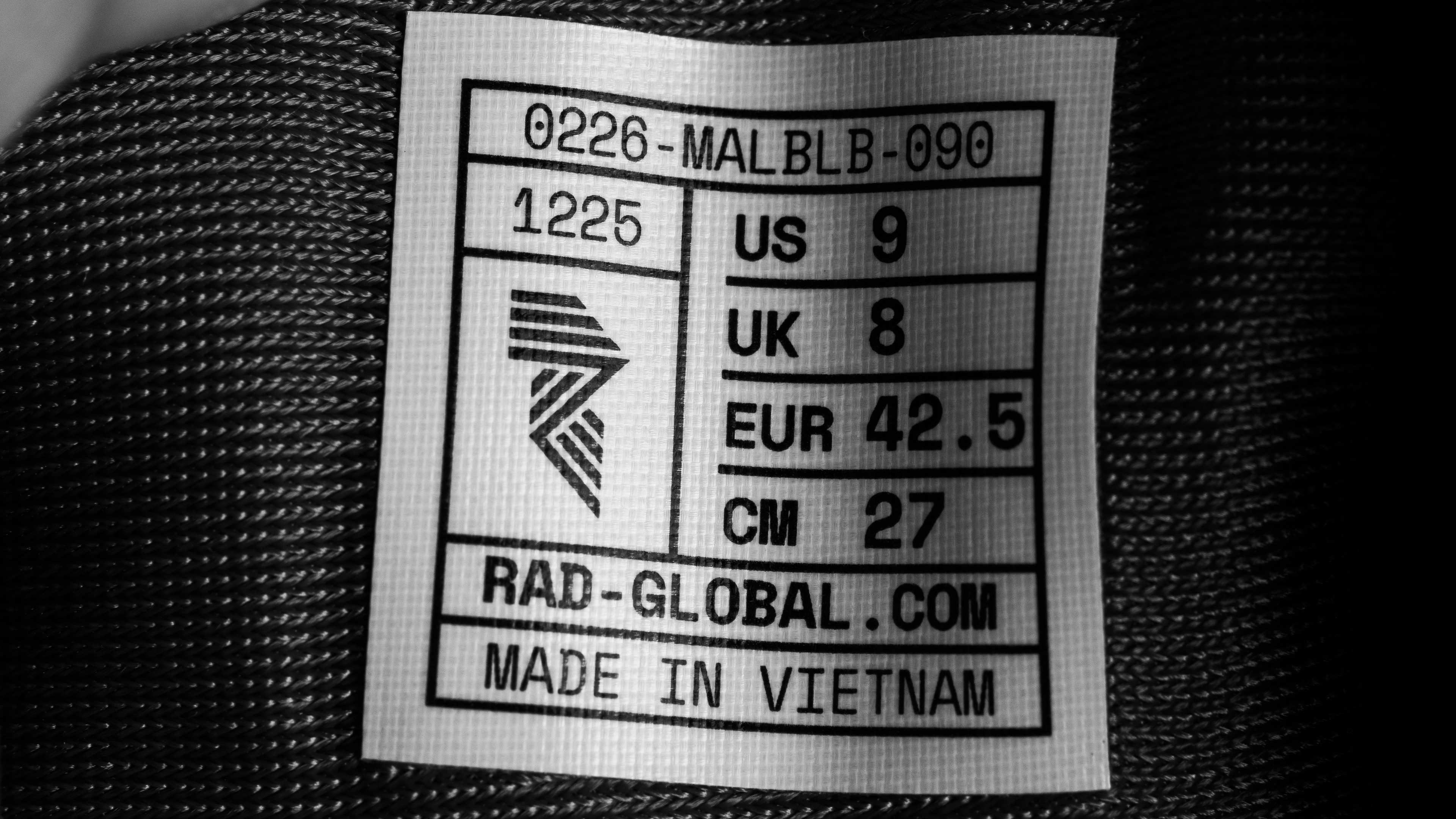
We bought and tested the R.A.D MALLOW in men's U.S. size 9, as noted on the label for our pair. The pair we purchased is the ULTRABLUE colorway, though it comes in a multifarious range of other colorways. This model isn't sold in wide or narrow fits, and it's only available in select regional markets. The design section applies only to the exact model we tested, but we expect other sizes and gender variants to perform similarly.